...

Place To Visit And Things To Do In Modhera

Gujarat, India
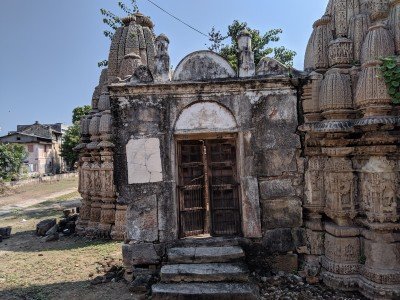
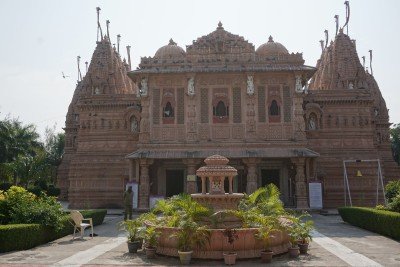
History of Modhera: The Sun Temple at Modhera was built in 1026-27 CE during the reign of King Bhima I of the Chaulukya dynasty. It is dedicated to the Hindu Sun God, Surya, and is one of the few such temples remaining in India. The temple was constructed to commemorate a victory and to provide a pl ace of worship for the royal family, who considered themselves descendants of the Sun. Although it was later damaged by invaders, the surviving structures still stand as a pinnacle of medieval Indian architecture. Solar Significance: The temple is designed with incredible astronomical precision, reflecting the ancient Indians' deep knowledge of the solar system. During the equinoxes, the first rays of the rising sun would pass through the main entrance and fall directly on the gold idol of the deity. Even today, the positioning of the temple allows for unique shadow plays during different times of the year. It stands on the bank of the Pushpavati River, which adds to the spiritual and aesthetic value of the temple complex. Archaeological Status: Today, the temple is a protected monument under the Archaeological Survey of India (ASI) and is no longer an active place of religious worship. This has helped in preserving the delicate stone carvings and the structural integrity of the complex for future generations. It has been recognized for its universal value and is often on the tentative list for UNESCO World Heritage status. The lack of daily rituals allows visitors to explore the intricate art and architecture without the crowds typical of active temples. Modern Development: Modhera recently gained fame as India’s first village to be powered entirely by solar energy through a government-led initiative. This modern achievement creates a beautiful link between the ancient worship of the sun and modern sustainable technology. The village now features a solar-powered museum and lighting system that illuminates the temple beautifully at night. This transformation has brought renewed tourist interest and economic growth to this quiet historical village in northern Gujarat.

Things To Do

Card image cap
Bahucharaji Mata Temple

The Bahucharaji Mata Temple is a prominent Hindu pilgrimage site located in the Mehsana district of Gujarat. This temple is dedicated to Bahuchara Ma...

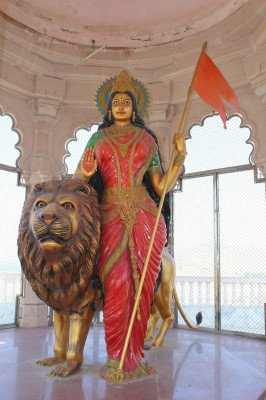
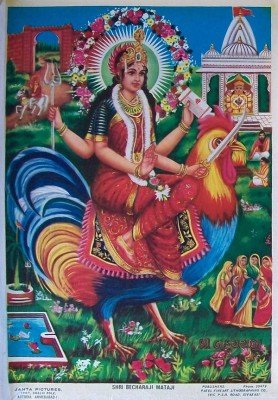
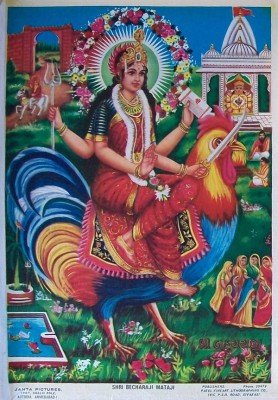
The Bahucharaji Mata Temple is a prominent Hindu pilgrimage site located in the Mehsana district of Gujarat. This temple is dedicated to Bahuchara Mata, an incarnation of the Mother Goddess who is depicted as a woman carrying a sword, a trident, and scriptures, usually seen riding a cock. It is widely recognized as one of the 51 Shakti Peethas, specifically representing the site where the heart or hand of Sati fell, though local legends vary. The temple holds a unique and profound cultural significance as the primary patron deity of the Hijra community in India, who visit in large numbers to seek blessings. Historically, the temple was significantly expanded by the Maratha ruler Manajirao Gaekwad in 1783 AD. The spiritual atmosphere is vibrant, especially during the full moon days (Purnima), when thousands of devotees gather to perform rituals and offer prayers for prosperity and protection. The complex comprises three main shrines known as the Adyasthan, Madhya Sthan, and the Main Temple, each representing different historical phases of the site's development.
Card image cap
Bindu Sarovar

Bindu Sarovar is one of the most sacred water bodies in Hindu mythology, located in the historic town of Siddhpur. It is officially recognized as one...
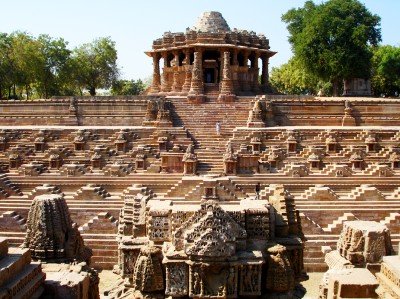
Bindu Sarovar is one of the most sacred water bodies in Hindu mythology, located in the historic town of Siddhpur. It is officially recognized as one of the Pancha Sarovar (Five Sacred Lakes) of India, alongside Manas Sarovar and Pushkar Sarovar. The name translates to "Lake of Drops," as it is believed that the tears of Lord Vishnu fell here in joy. It is primarily famous as the only place in India where Matru Shradh (rituals for deceased mothers) is performed. According to legend, the sage Kapila preached the philosophy of Moksha to his mother Devhuti on the banks of the Saraswati River here. Lord Parshuram is also said to have performed rituals for his mother at this very spot. The atmosphere is deeply spiritual and solemn, with many ghats where priests help devotees perform ancestral rites. The site is mentioned in the Rigveda as a "pious location," making it one of the oldest recorded pilgrimage sites in the country. Visitors come here not just for rituals but to soak in the ancient Vedic history that permeates the air of this riverside town.
Card image cap
Mehsana

Mehsana is one of the largest and most developed cities in North Gujarat, serving as a gateway to several world-class heritage sites like Modhera and...

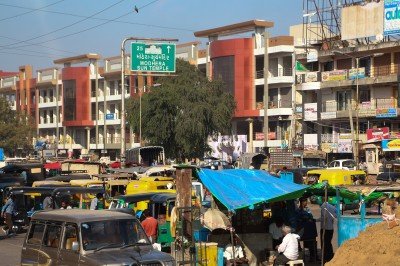
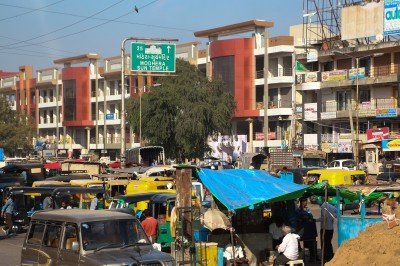
Mehsana is one of the largest and most developed cities in North Gujarat, serving as a gateway to several world-class heritage sites like Modhera and Patan. Historically, it was part of the Gaekwad state of Baroda, and its name is said to be derived from Mehsaji Chavda, a Rajput heir who established the town. The city is famous for its thriving dairy industry, being home to Dudhsagar Dairy, which is one of the largest milk cooperatives in India. While often seen as a commercial hub, the city itself houses historical gems like the Rajmahal Palace and the Badiyashi Vav. It is a bustling urban center with modern amenities, making it the perfect base for tourists exploring the Solanki era monuments. The city culture is a blend of traditional Gujarati values and rapid industrialization. For nature lovers, the Thol Bird Sanctuary is located within the district, offering a serene escape. Mehsana’s strategic location on the highway connecting Ahmedabad to Rajasthan makes it a crucial stop for travelers.
Card image cap
Modhera Sun Temple

The Modhera Sun Temple is a UNESCO World Heritage Site and one of the most stunning examples of temple architecture in India. Built in 1026-27 AD dur...
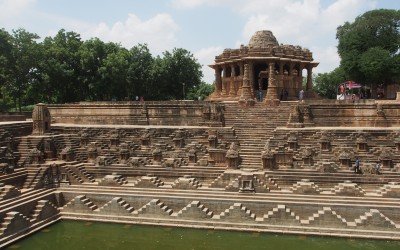
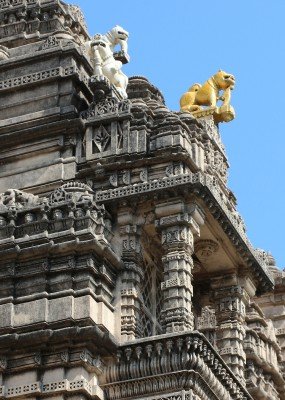
The Modhera Sun Temple is a UNESCO World Heritage Site and one of the most stunning examples of temple architecture in India. Built in 1026-27 AD during the reign of King Bhima I of the Solanki dynasty, it is dedicated to the Sun God, Surya. The temple is unique because it was designed such that during the equinoxes, the first rays of the rising sun would fall directly onto the jeweled image of Surya in the inner sanctum. Although no active worship takes place here today, the site is a protected monument under the Archaeological Survey of India. The complex is divided into three main parts: the Surya Kund (a massive stepped tank), the Sabha Mandapa (assembly hall), and the Guda Mandapa (the main shrine). The intricate carvings on the exterior walls depict scenes from the Ramayana, Mahabharata, and the lives of the people of that era. The temple stands on the banks of the Pushpavati River and remains a testament to the scientific and artistic brilliance of ancient India. It recently became India's first village to run entirely on solar power, adding a modern green feather to its ancient cap.
Card image cap
Rudra Mahalaya Temple

The Rudra Mahalaya Temple ruins in Siddhpur represent what was once one of the largest and most magnificent Shiva temples in India. Its construction ...
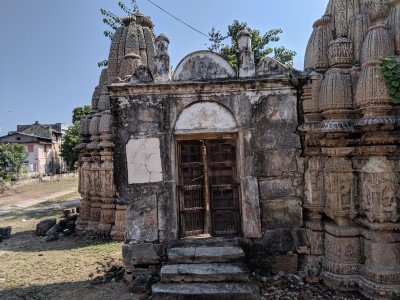
The Rudra Mahalaya Temple ruins in Siddhpur represent what was once one of the largest and most magnificent Shiva temples in India. Its construction was initiated by Mularaja, the founder of the Solanki dynasty, in 943 AD, and later completed by the legendary King Siddharaja Jayasimha in 1140 AD. The temple was dedicated to Rudra (an avatar of Shiva) and featured a multi-storied complex with 11 subsidiary shrines. Unfortunately, the temple was destroyed during the invasions by Alauddin Khalji and later by Ahmed Shah I, who converted parts of it into a mosque. Today, only a few fragments of this grand edifice remain, including a few massive pillars, a Torana (ornate archway), and some porches. Despite being in ruins, the sheer scale of the surviving columns and the intricacy of the carvings give visitors a clear idea of its former glory. It is currently a protected site under the Archaeological Survey of India. Walking through the ruins is a hauntingly beautiful experience that transports you back to the golden age of the Chaulukya kings, where art and religion were intertwined on a colossal scale.
Card image cap
Surya Kund

Surya Kund, also known as Ramakund, is a massive rectangular stepped tank located within the Sun Temple complex in Modhera. This architectural wonder...
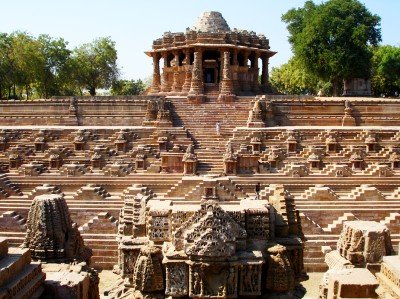
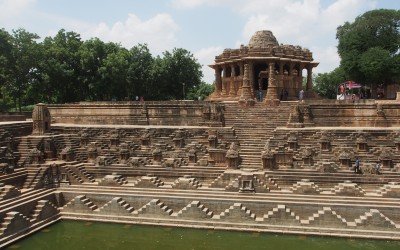
Surya Kund, also known as Ramakund, is a massive rectangular stepped tank located within the Sun Temple complex in Modhera. This architectural wonder served as a reservoir for devotees to perform ritual ablutions before entering the main shrine. The tank is an engineering marvel from the 11th century, featuring 108 miniature shrines carved into its terraced steps. The geometric precision of the stairs creates a mesmerizing visual pattern that reflects the advanced mathematical knowledge of the Solanki era. As you descend, the air cools, and the spiritual energy of the ancient site becomes palpable. It is not just a water body but a canvas of stone storytelling. The tank is aligned with the temple's east-west axis, ensuring that the first rays of the sun illuminate the entire structure. Historically, it has survived centuries of weather and invasions, standing as a testament to the Chaulukya dynasty's glory. Today, it remains a central attraction for history buffs and spiritual seekers alike, offering a glimpse into India's rich Vedic heritage. The intricate carvings of deities like Vishnu, Ganesha, and Shiva within the small niches make it a spiritual labyrinth. The sound of water and the sight of ancient stone create a serene atmosphere for every visitor. :
Card image cap
Taranga Hills Jain Temples

Taranga Hills is a magnificent pilgrimage site located in the Aravalli range, holding deep significance for both Jains and Buddhists. The primary att...
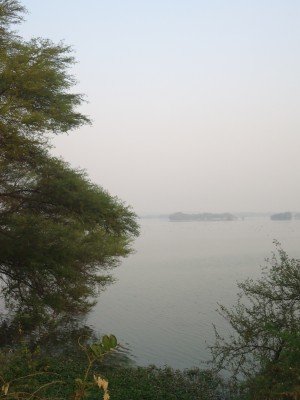
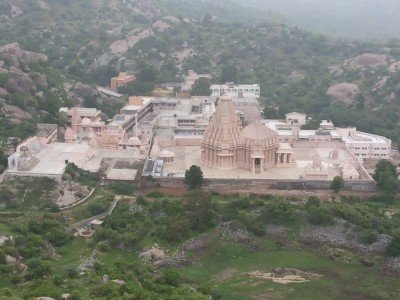
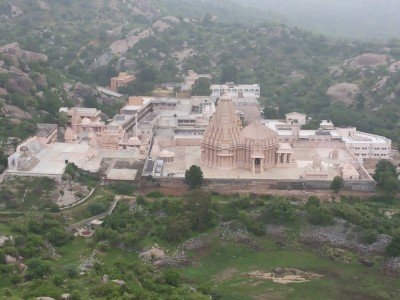
Taranga Hills is a magnificent pilgrimage site located in the Aravalli range, holding deep significance for both Jains and Buddhists. The primary attraction is the Ajitnath Jain Temple, built in the 12th century by the Solanki King Kumarpala. This temple is dedicated to the second Jain Tirthankara, Shri Ajitnath. The hills are part of a scenic landscape that offers a mix of spirituality and adventure. Reaching the hilltop requires a climb of about 700 steps, providing panoramic views of the surrounding forests. The atmosphere is filled with tranquility, making it a perfect retreat from urban life. Historically, these hills served as a refuge for Buddhist monks as well, with ancient caves and idols of Taramata found nearby. The white sandstone structure of the temple glows under the sun, creating a divine aura. It is considered one of the five most important Jain Mahatirthas. The site is not just a religious center but also a hub for nature lovers who enjoy trekking through the rugged terrain. Every year, thousands of devotees visit during the full moon days to seek blessings. The blend of Hindu, Jain, and Buddhist influences makes Taranga a unique cultural crossroads in North Gujarat. :
Card image cap
Thol Lake Bird Sanctuary

Thol Lake Bird Sanctuary is a shallow freshwater body surrounded by marshes and scrub forests. Originally built in 1912 as an irrigation tank by the ...
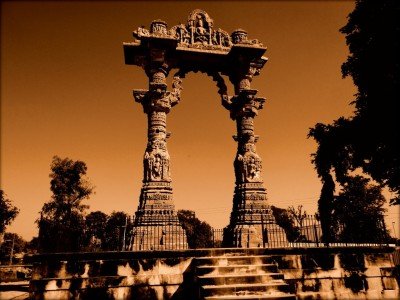
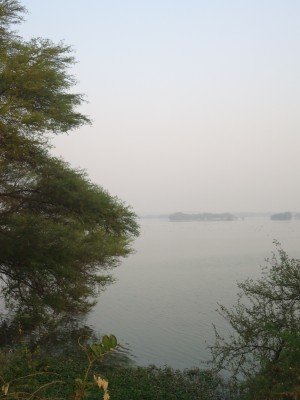
Thol Lake Bird Sanctuary is a shallow freshwater body surrounded by marshes and scrub forests. Originally built in 1912 as an irrigation tank by the Gaekwad of Baroda, it was declared a sanctuary in 1988. It spans over 7 square kilometers and is home to more than 150 species of birds. During the winter months, it becomes a temporary home for thousands of migratory birds from Siberia and Central Asia. The sight of vast flocks of Flamingos, Pelicans, and Sarus Cranes is a treat for the eyes. The lake is a vital ecosystem for the region, providing a breeding ground for many endangered species. The quiet atmosphere is only interrupted by the melodious chirping of birds and the gentle rustle of leaves. It is a popular weekend getaway for people from Ahmedabad and Mehsana seeking a brush with nature. Unlike more commercial parks, Thol offers a raw and authentic wildlife experience. The sunset at the lake is particularly famous, as the sky turns into shades of orange and pink, reflecting on the calm waters. It is an ideal spot for birdwatchers, photographers, and anyone looking for peace. :
Card image cap
Vadnagar Torans

Vadnagar is an ancient fortified town with a history stretching back over 2,500 years. The Kirti Torans, or Triumphal Arches, are the crown jewels of...

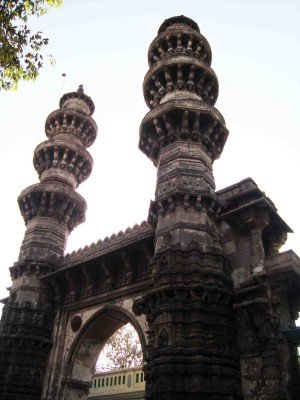
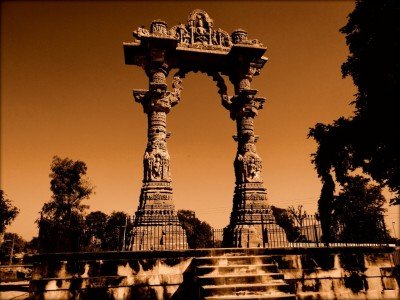
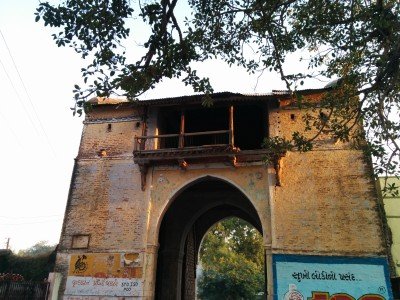
Vadnagar is an ancient fortified town with a history stretching back over 2,500 years. The Kirti Torans, or Triumphal Arches, are the crown jewels of this historic town. Standing at about 40 feet tall, these twin arches were built in the 12th century during the Solanki period using red and yellow sandstone. They are believed to have been built to commemorate a military victory. The arches are located on the banks of the Sharmistha Lake and represent the pinnacle of Gujarati temple architecture. Unlike many other structures, these arches have survived without the support of the temples they were once attached to. Vadnagar is also famous as the birthplace of Prime Minister Narendra Modi, which has led to increased tourism and restoration efforts. The town itself is a labyrinth of narrow lanes, ancient temples, and historic gates. Visiting the Torans feels like stepping back into the golden age of the Chaulukya dynasty. The intricate carvings of battle scenes, dancers, and floral patterns are exceptionally well-preserved. It is a must-visit for anyone interested in the architectural heritage of Western India. :
Show All

Note:-

Information provided here in good Faith and for reference only.

All information and pictures will be updated soon, please keep visiting.

Near Places
...
Ahmedabad

Some quick example text to build on the card title and make up the bulk of the card's content.

Go somewhere
...
Bhuj

Some quick example text to build on the card title and make up the bulk of the card's content.

Go somewhere
...
Chotila

Some quick example text to build on the card title and make up the bulk of the card's content.

Go somewhere
...
Dahod

Some quick example text to build on the card title and make up the bulk of the card's content.

Go somewhere
...
Dandi

Some quick example text to build on the card title and make up the bulk of the card's content.

Go somewhere
...
Kevadia

Some quick example text to build on the card title and make up the bulk of the card's content.

Go somewhere
...
Kutch

Some quick example text to build on the card title and make up the bulk of the card's content.

Go somewhere
...
Lothal

Some quick example text to build on the card title and make up the bulk of the card's content.

Go somewhere
...
Mandvi

Some quick example text to build on the card title and make up the bulk of the card's content.

Go somewhere
...
Modhera

Some quick example text to build on the card title and make up the bulk of the card's content.

Go somewhere
in Other Cities