Mon
General information
-
Ideal Duration:
Duration: 2 to 3 DaysPlace Type:
Category: Tribal Culture, History, and Border ToEntry Fees:
Village Entry: It is a standard practice to pay a small "visit fee" or give a token of respect to the Angh or the village council before exploring.
Photo Fees: Some elders may ask for a small tip (around INR 50-100) if you wish to take their...Village Entry: It is a standard practice to pay a small "visit fee" or give a token of respect to the Angh or the village council before exploring.
Photo Fees: Some elders may ask for a small tip (around INR 50-100) if you wish to take their individual portraits, which helps support their daily living.Timing:
General Sightseeing: Sites are best visited between 9:00 AM and 3:30 PM due to the early sunset in this eastern part of India and the hilly terrain.
Ideal Visit Window: Early mornings are the best time to catch the elders in their traditiona...General Sightseeing: Sites are best visited between 9:00 AM and 3:30 PM due to the early sunset in this eastern part of India and the hilly terrain.
Ideal Visit Window: Early mornings are the best time to catch the elders in their traditional settings before they head out for their daily agricultural tasks.Special Events:
Aoleang Monyu: Celebrated from April 1st to 6th, this festival marks the start of the new year and the arrival of spring with grand feasts and tribal dances.
Christmas in Mon: Like much of Nagaland, Christmas is a time of great celebration w...Aoleang Monyu: Celebrated from April 1st to 6th, this festival marks the start of the new year and the arrival of spring with grand feasts and tribal dances.
Christmas in Mon: Like much of Nagaland, Christmas is a time of great celebration with community singing and beautiful church decorations throughout the district.Best Photo Spots:
Longwa Village Ridges: The ridges overlooking the village and the border offer a spectacular vantage point for capturing the unique layout of this divided settlement.
Portraits of Warriors: The faces of the tattooed Konyak elders are among t...Longwa Village Ridges: The ridges overlooking the village and the border offer a spectacular vantage point for capturing the unique layout of this divided settlement.
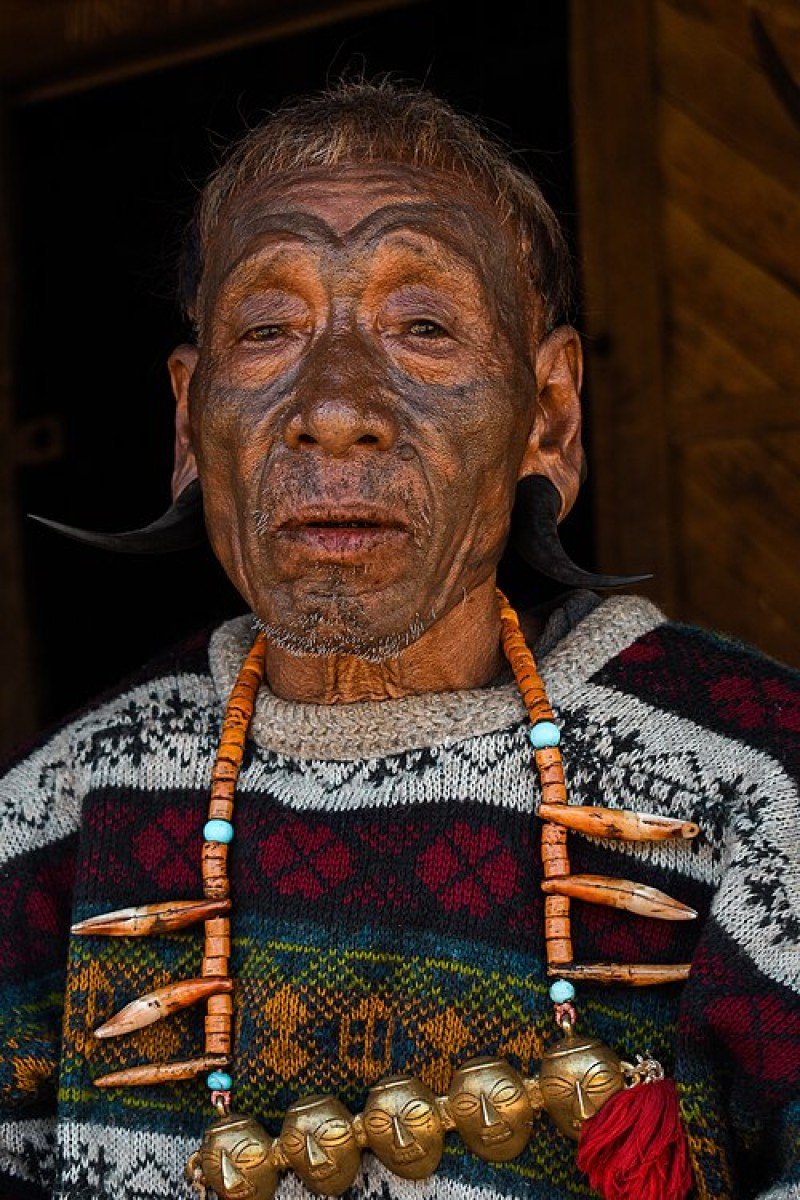
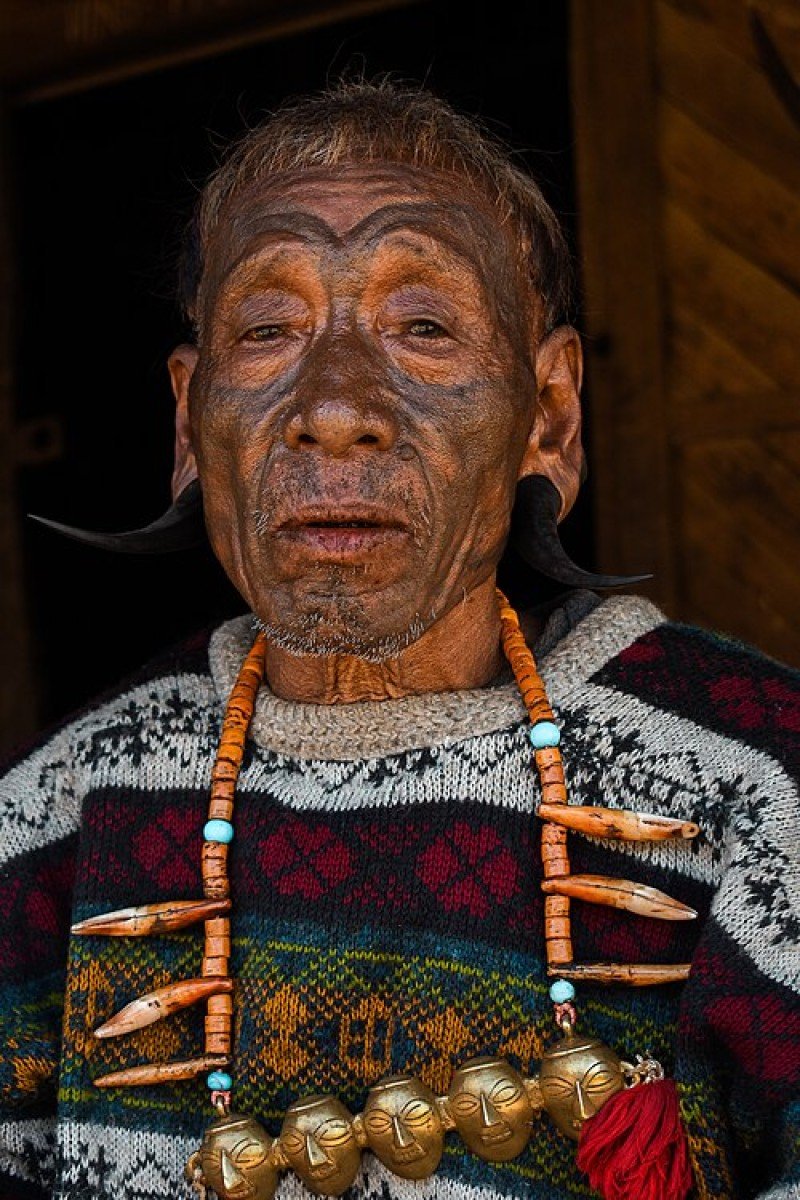
Portraits of Warriors: The faces of the tattooed Konyak elders are among the most sought-after subjects for cultural and documentary photographers worldwide.
Shangnyu Monument: The ancient wooden carving in Shangnyu is a masterpiece of tribal art that provides a detailed and historical subject for close-up shots.Photo Gallery
Things To Do
 Tizit is a bustling and strategically important town in the Mon district, serving as the main gateway for travelers entering from the plains of Assam. While it is a developing urban center, it is highly sought after as a Picnic and Fishing Spot due to its location at the confluence of several hill streams and rivers. The environment here is a mix of lush low-elevation forests and organized tea gardens, offering a different vibe than the high-altitude villages. The Tizit River is wide and relatively calm, making it an excellent spot for family picnics where children can safely play near the water's edge. The town is also a hub for local trade, and its market is a vibrant place to see the exchange of forest produce and traditional handicrafts. For many, Tizit is the first taste of Konyak culture, where the traditional meets the modern. The area around the river is dotted with large trees that provide ample shade for day-trippers. Because of its lower altitude, the weather is significantly warmer than Mon town, making it a pleasant retreat during the cold winter months. It’s also a great place to observe the local coal mining activities and the massive trucks that navigate the narrow roads, adding a touch of industrial grit to the natural beauty.
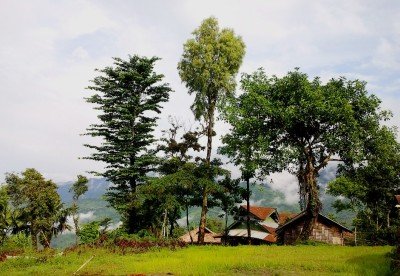 Shangnyu Village is one of the most prominent villages in the Mon district, ruled by a powerful hereditary chief known as the Angh. This village serves as a living museum of the Konyak tribe’s history, preserving the raw essence of a culture that was once feared for headhunting. The village is steeped in legends, including the belief that their most famous wooden monument was constructed with the help of celestial beings or angels. Visitors here find themselves transported back in time as they walk through narrow paths lined with traditional bamboo houses and meet elders with tattooed faces. The village acts as a cultural anchor for the Konyak people, maintaining strict traditional governance even in the modern era. It is a place of deep spiritual and historical importance where the Angh's word still holds significant weight in communal matters. The atmosphere is peaceful, yet it carries the heavy weight of centuries of tribal warfare and subsequent peace-making through royal lineages. Tourists are often welcomed with warmth, provided they respect the local customs and the sanctity of the royal household. Exploring this village offers an unparalleled look into the social hierarchy and the artistic brilliance of the Naga people.
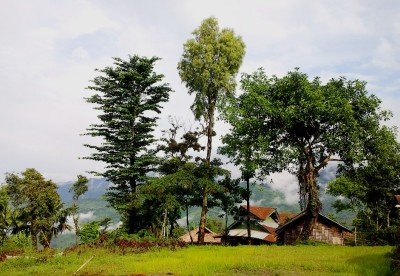 Sheanghachingnyu Village is a destination that offers a raw and visceral look into the Konyak Naga’s past, particularly the era of headhunting. While the village has transitioned into the modern age, it has meticulously preserved its cultural artifacts, most notably a collection of human skulls. These skulls, trophies from ancient tribal wars, are displayed in a dedicated section known as the Waloo. For the Konyak warriors of old, taking a head was a rite of passage and a way to bring prosperity and fertility to the village. Today, the village serves as a significant site for anthropologists and travelers who wish to understand the complex history of warfare and spiritualism in the Naga hills. The village is also famous for its skilled artisans who excel in wood carving and traditional beadwork. Walking through the village, you will see intricately carved pillars in the Angh’s house, depicting everything from warriors to local wildlife. The elders of Sheanghachingnyu are the last living link to this fierce history, many still sporting the iconic facial tattoos that were earned through acts of bravery. The village is set against a backdrop of lush green mountains, providing a serene environment that contrasts with the intense history it preserves. It is a place of learning and reflection, where the transition from a warrior society to a peaceful community is visible in every corner.
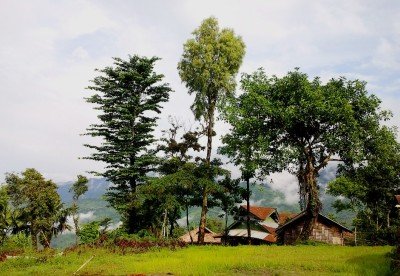 Teyap is an exquisite and somewhat secluded destination in the Mon district, primarily known for its exceptional Fishing and Picnic spots along the river. Unlike the more popular Tapi, Teyap offers a deeper sense of isolation and raw natural beauty, making it a favorite for those who truly want to disconnect from the modern world. The river here flows through a narrower gorge, creating small rapids and deep pools that are ideal for certain types of river fish. The surrounding forest is dense and often mist-covered in the early mornings, giving the place an ethereal quality. The Konyak people from the nearby Teyap village have a sustainable relationship with this water source, practicing traditional fishing methods that have remained unchanged for generations. The area is also rich in biodiversity, with various ferns, orchids, and medicinal plants growing along the moist banks. For many visitors, the highlight of Teyap is the sheer silence, broken only by the rush of the water and the occasional call of a barking deer from the woods. It is a place where one can spend hours just watching the light play on the ripples of the water. The local community is very protective of this area, ensuring it remains clean and free from the pollution often found in more accessible tourist hubs.
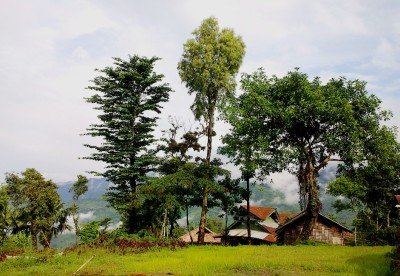 Shangphan Wildlife Sanctuary, often spelled Singphan, is a vital ecological zone located in the Mon district of Nagaland. Spanning approximately 23.57 Square Kilometers, it was declared a wildlife sanctuary in 2009 and later designated as the Singphan Elephant Reserve in 2018. This sanctuary is part of a larger contiguous forest belt that stretches into the neighboring state of Assam, serving as a critical migratory corridor for wild elephants. The terrain is characterized by a mix of tropical wet evergreen forests and moist deciduous forests, interspersed with dense bamboo brakes. Because of its location on the border of the Indo-Myanmar biodiversity hotspot, it hosts a remarkable variety of flora and fauna, many of which are endemic to the region. Despite its ecological significance, it remains one of the least visited sanctuaries in India, offering a raw and untouched wilderness experience for intrepid travelers. The silence of the forest is only broken by the trumpeting of elephants or the calls of exotic birds like the Great Indian Hornbill. The sanctuary plays a pivotal role in conservation efforts to mitigate human-elephant conflict in the fringe villages. Visiting Singphan requires a spirit of adventure, as the infrastructure is minimal, focusing more on preservation than commercial tourism. It is a sanctuary in the truest sense, providing a safe haven for endangered species amidst the pressure of human encroachment.
 Tamkong is a significant historical site located within the remote terrains of the Mon district, primarily known for its ancient Monoliths and traditional Konyak sculptures. This site serves as a physical archive of the Konyak Naga tribe's ancestral history, representing the valor and spiritual beliefs of a bygone era before the widespread adoption of Christianity. The village itself is governed by a traditional Angh (Chief), and the area is surrounded by dense forests and rolling hills that provide a serene backdrop to these stone monuments. Visitors often find themselves transported back in time as they observe the weathered stone structures that have stood for centuries, guarding the stories of tribal warfare and community triumphs. The local community maintains a deep respect for these sites, often sharing oral legends that link each stone to a specific historical event or a notable ancestor's life. Exploring Tamkong offers an unfiltered look into the megalithic culture of Northeast India, which is slowly fading in other parts of the region. The atmosphere is quiet and contemplative, making it an ideal spot for history buffs and those looking to understand the indigenous roots of the Naga people.
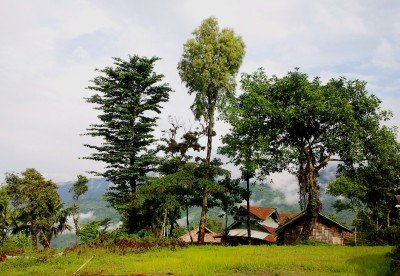 The Thannyak River is one of the most prestigious water bodies in the Mon district, specifically famous for Trout Fishing. Located in a high-altitude valley, the river is fed by cold mountain springs, creating the perfect habitat for trout, which is a rarity in many other parts of Nagaland. The river winds through a landscape of rolling meadows and dense pine-oak forests, offering a scenery that is distinct from the tropical riverbanks of Tapi or Teyap. The water is exceptionally cold and clear, allowing you to see the fish darting between the submerged rocks. The Thannyak is not just a fishing spot; it is a vital ecosystem that supports a variety of highland wildlife. Locals hold the river in high regard, and fishing here is often seen as a skill-based sport rather than just a means of gathering food. The atmosphere is one of profound tranquility and crisp mountain air, making it a favorite for those who enjoy the "high country" feel. Because of its distance from the main town, the river remains largely undisturbed, offering a sense of true wilderness. It is an ideal spot for long-duration stays if you have camping gear, allowing you to experience the sounds of the mountain night and the mist rising off the water at dawn.Show All
 @@General Details: Pessao Village is a picturesque and culturally vibrant settlement located in the remote Tobu region of the Mon district, renowned as one of the primary centers for Konyak craftsmanship. The village is famously known for its master woodcarvers, whose works are celebrated throughout Nagaland and beyond. Historically, Pessao was a powerful village that played a central role in the tribal politics of the Upper Konyak region. Today, it stands as a peaceful haven where the traditional way of life is meticulously preserved. The village layout follows the classic Naga hilltop pattern, with houses clustered along the ridge to provide defensive advantages in the past. Every corner of Pessao reveals the artistic soul of its people; from the intricately carved entrance gates of the village to the decorated pillars of the local Morungs. The woodcarvings here often depict ancestral legends, warriors, and the rich wildlife of the Patkai hills. Beyond its art, Pessao is also a paradise for birdwatchers and nature enthusiasts. The surrounding forests are part of an Important Bird Area, where rare species like the Grey Peacock-pheasant and various types of hornbills can be spotted. The villagers are deeply connected to the land, practicing sustainable agriculture and gathering forest produce. A visit to Pessao offers a rare chance to see the "Thentho" Konyak culture up close, characterized by their distinct attire and the absence of facial tattoos common in the lower regions. The atmosphere in the village is one of quiet dignity and creative energy. For travelers, the long journey to Pessao is rewarded with breathtaking landscapes and an authentic experience of Naga hospitality. The village council is very proactive in preserving their heritage, often organizing cultural workshops for the younger generation. Whether you are interested in indigenous art, mountain trekking, or simply experiencing a world far removed from the bustle of modern life, Pessao Village provides an unforgettable immersion into the heart of Konyak land.
Information
-
Why Famous:
Konyak Tattoos: The unique facial and body tattoos of the elderly warriors are world-famous and represent a fading tradition that is a major draw for cultural tourists.
Longwa Border Village: It is one of the few places in the world where yo...Konyak Tattoos: The unique facial and body tattoos of the elderly warriors are world-famous and represent a fading tradition that is a major draw for cultural tourists.
Longwa Border Village: It is one of the few places in the world where you can stand in two countries at once inside a person's living room or kitchen.
Traditional Weaponry: The Konyaks are renowned for their skill in making traditional guns and dao (machetes), which are still used in ceremonies and daily village life.
Aoleang Festival: This vibrant spring festival in April is a spectacular display of Konyak culture, featuring traditional music, dances, and a renewal of social bonds. -
Architecture:
The Angh’s Palace: Traditional houses of the Anghs are massive structures built with wood and bamboo, often decorated with trophies and intricate carvings of animals.
Border Architecture: In Longwa, the architecture is a mix of traditional...The Angh’s Palace: Traditional houses of the Anghs are massive structures built with wood and bamboo, often decorated with trophies and intricate carvings of animals.
Border Architecture: In Longwa, the architecture is a mix of traditional Naga styles, with some houses being uniquely positioned to straddle the border line between India and Myanmar.
Morung Designs: Konyak Morungs are significant for their architectural scale and the presence of large log drums, which were historically used to signal war or celebrations.
Modern Influences: The town of Mon features more contemporary concrete buildings, yet many still incorporate tribal motifs and traditional sloping roof designs for practical use. -
How To Reach:
By Air: The nearest airport is Dibrugarh in Assam (133 KM); from there, it takes about 6 to 8 hours by road to reach the town of Mon.
By Train: Bhojo Railway Station in Assam is the closest rail connection, from where shared taxis or privat...By Air: The nearest airport is Dibrugarh in Assam (133 KM); from there, it takes about 6 to 8 hours by road to reach the town of Mon.
By Train: Bhojo Railway Station in Assam is the closest rail connection, from where shared taxis or private vehicles can be hired for the uphill journey.
By Road: Mon is connected to Sonari and Simaluguri in Assam; the roads can be rough, so a sturdy SUV or 4x4 vehicle is highly recommended for travel.
By Local Transport: Shared sumos are the lifeline for transport between Mon Town and villages like Longwa, but they usually leave early in the morning. -
Weather and Best Time to Visit:
Winter Season: November to February is the best time for clear skies and pleasant weather, making the long road journeys and village treks much easier.
Spring Season: March and April are ideal for cultural enthusiasts who want to witness the...Winter Season: November to February is the best time for clear skies and pleasant weather, making the long road journeys and village treks much easier.
Spring Season: March and April are ideal for cultural enthusiasts who want to witness the Aoleang festival and see the hills blooming with new life.
Monsoon Season: May to September should generally be avoided as heavy rains can cause landslides, making the already difficult roads quite dangerous and unpredictable. -
Near Tourist Places:
1. Longwa Village (42 KM), 2. Shangnyu Village (25 KM), 3. Chui Village (8 KM), 4. Veda Peak (20 KM), 5. Naginimora (75 KM), 6. Sonari (65 KM), 7. Dibrugarh (133 KM), 8. Sibsagar (110 KM), 9. Tuensang (150 KM), 10. Mokokchung (130 KM).
Tourism Tips
-
Health and Safety: This is a remote region; carry a comprehensive medical kit and always travel with a local guide who knows the dialects and customs.
Packing Essentials: High-quality trekking shoes and layered clothing are essential; carr...Health and Safety: This is a remote region; carry a comprehensive medical kit and always travel with a local guide who knows the dialects and customs.
Packing Essentials: High-quality trekking shoes and layered clothing are essential; carry a good power bank as electricity can be inconsistent in remote villages.
Permit Documents: Ensure you have your Inner Line Permit (ILP) and keep multiple copies, as there are several checkpoints along the route into Mon.
Respectful Interaction: When visiting an Angh, it is customary to bring a small gift like tea or sugar as a sign of respect for their traditional authority.
Reviews
FAQs
Mon Itineray And Cost:-
Other Places In Nagaland :-
Other States In India :-
Information about New and Updated Locations() of Nagaland Has Been Added :-
Card subtitle
Note:-
Information provided here in good Faith and for reference only.
Near Places

Dimapur
Some quick example text to build on the card title and make up the bulk of the card's content.
Go somewhere
Dzulekie
Some quick example text to build on the card title and make up the bulk of the card's content.
Go somewhere
Khonoma
Some quick example text to build on the card title and make up the bulk of the card's content.
Go somewhere
Kigwema
Some quick example text to build on the card title and make up the bulk of the card's content.
Go somewhere
Kiphire
Some quick example text to build on the card title and make up the bulk of the card's content.
Go somewhere
Kohima
Some quick example text to build on the card title and make up the bulk of the card's content.
Go somewhere
Longleng
Some quick example text to build on the card title and make up the bulk of the card's content.
Go somewhere
Meluri
Some quick example text to build on the card title and make up the bulk of the card's content.
Go somewhere
Mokokchung
Some quick example text to build on the card title and make up the bulk of the card's content.
Go somewhere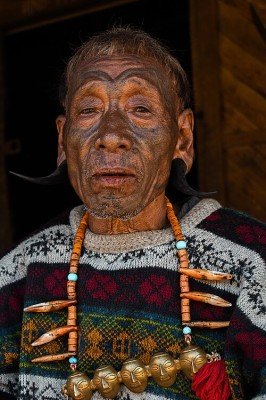
Mon
Some quick example text to build on the card title and make up the bulk of the card's content.
Go somewhere
Mopungchuket
Some quick example text to build on the card title and make up the bulk of the card's content.
Go somewhere
Nagaland Heritage Village
Some quick example text to build on the card title and make up the bulk of the card's content.
Go somewhere
Niuland
Some quick example text to build on the card title and make up the bulk of the card's content.
Go somewhere
Noklak
Some quick example text to build on the card title and make up the bulk of the card's content.
Go somewhere
Peren
Some quick example text to build on the card title and make up the bulk of the card's content.
Go somewhere
Zunheboto
Some quick example text to build on the card title and make up the bulk of the card's content.
Go somewherein Other Cities