Mumba Devi Temple
General information
-
Ideal Duration:
30 minutes to 1 hour (including queue time for darshan).Place Type:
Religious / Pilgrimage SiteEntry Fees:
General Darshan (Free of Charge): There is absolutely no entry fee for the regular darshan (viewing) of Goddess Mumbadevi. This free access is fundamental to the temple's role as a major public pilgrimage site, ensuring that the city's patron deity is accessible to every re...General Darshan (Free of Charge): There is absolutely no entry fee for the regular darshan (viewing) of Goddess Mumbadevi. This free access is fundamental to the temple's role as a major public pilgrimage site, ensuring that the city's patron deity is accessible to every resident and visitor, regardless of financial means.
Special Puja/Hawan Fees (Variable Cost): For devotees who wish to perform specific, personal religious rituals like a Hawan (fire ritual), Abhishekam (ritual bath), or a special Archana (prayer) in their name or for a family event, the temple trust has fixed, nominal fees. These charges cover the cost of the materials, the priest's service, and contribute to the temple's operational and charitable funds. Donations for Temple Maintenance (Voluntary Contribution): The temple complex and its extensive daily rituals are maintained through voluntary donations from devotees and local businessmen. While not mandatory, contribution boxes are present, and the trust welcomes support. This system of Dana (giving) is the financial backbone of the temple, sustaining its spiritual and philanthropic activities.
Offerings (Optional Expense): The only mandatory expense for a devotee is the optional purchase of flowers, coconut, and prasad from the vendors outside to make an offering to the Goddess, which is usually a very small, variable amount.Timing:
Regular Temple Opening and Closing: The Mumba Devi Temple generally opens its doors for devotees very early in the morning, typically around 5:00 AM or 6:00 AM. It remains open throughout the day for darshan and various pujas until the evening, with the final ritual and clo...Regular Temple Opening and Closing: The Mumba Devi Temple generally opens its doors for devotees very early in the morning, typically around 5:00 AM or 6:00 AM. It remains open throughout the day for darshan and various pujas until the evening, with the final ritual and closing generally occurring around 9:00 PM to 10:00 PM. The temple is typically closed for a few hours in the afternoon for cleaning and offering of Bhog (food).
Ideal Visit Time (Quiet and Efficient Darshan): The ideal visit time to avoid the maximum rush and market activity is immediately after opening in the early morning (around 6:00 AM to 7:00 AM) or during the brief afternoon closure break (check exact times, as darshan is not possible during the closure). Weekday visits (Mondays, Wednesdays, Thursdays, Saturdays) are considerably less crowded than Tuesdays and Fridays (special days for the Goddess).
Aarti and Ritual Timings: To witness the most intense religious activity, visit during the morning and evening Aartis. The schedule is generally posted near the entrance, and these times, while crowded, offer the full, vibrant spiritual experience of the temple.Special Events:
Navratri Festival (The Nine-Night Grandeur): The most significant and spectacular special event is the Navratri festival, celebrated in honor of the Goddess Shakti (Mumbadevi). This nine-night festival, usually held in September or October, sees the temple elaborately decor...Navratri Festival (The Nine-Night Grandeur): The most significant and spectacular special event is the Navratri festival, celebrated in honor of the Goddess Shakti (Mumbadevi). This nine-night festival, usually held in September or October, sees the temple elaborately decorated with lights and flowers. Special prayers and Aartis are performed throughout the nine days, and the crowds swell exponentially, with devotees queuing for hours to receive the Goddess's blessings during this auspicious period of power and victory.
Gudi Padwa and Diwali (New Year and Prosperity): The temple holds special importance during Gudi Padwa (the Marathi New Year, usually in March or April) and Diwali (the Festival of Lights, typically in October or November). These festivals bring an exceptional rush of traders and local residents who come to seek blessings for the new business year and for overall prosperity, reinforcing the temple's connection to the wealth of the Zaveri Bazaar.
Tuesdays and Fridays (Weekly Power Days): Every Tuesday and Friday are considered particularly holy and powerful days for the worship of the Goddess. Special pujas are organized on these days, and the regular crowds are substantially larger, making the temple a site of focused, collective devotion every week.Best Photo Spots:
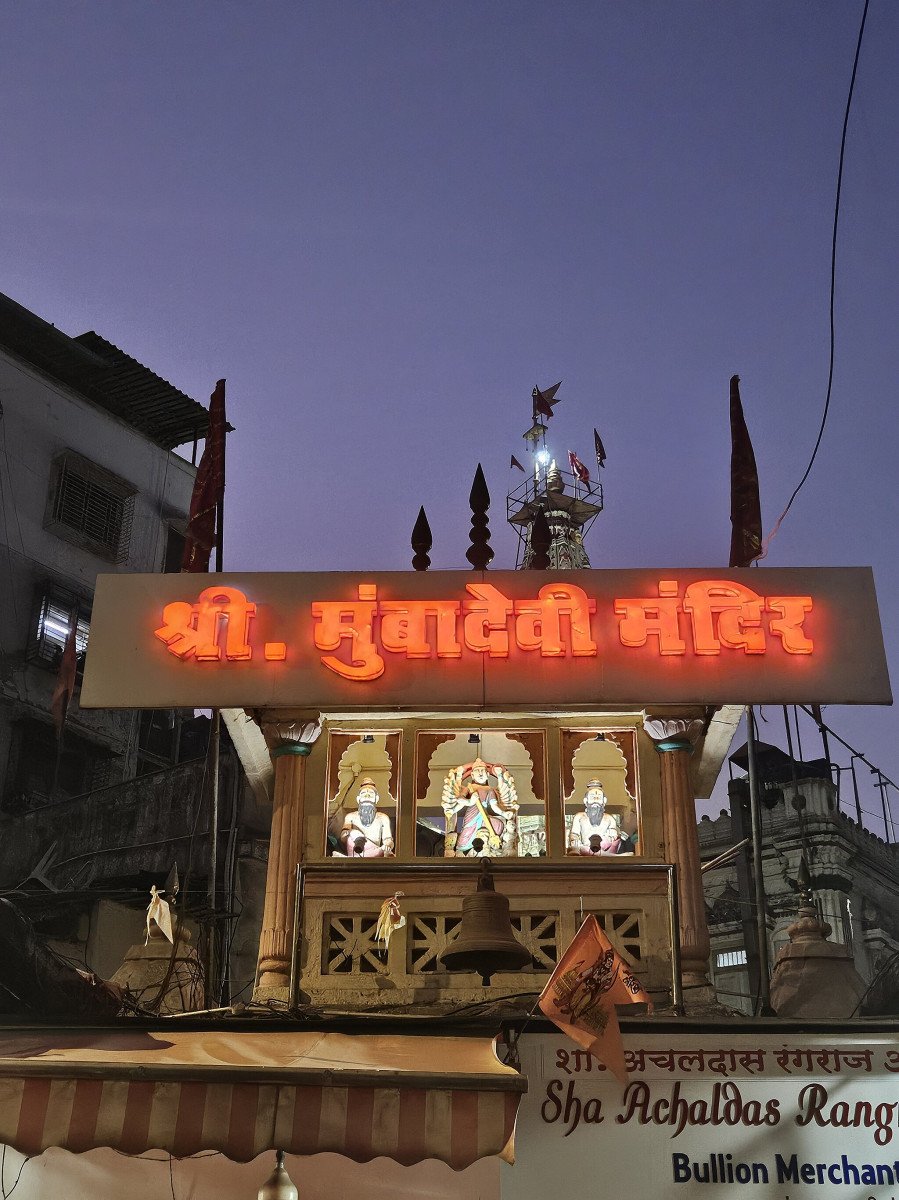
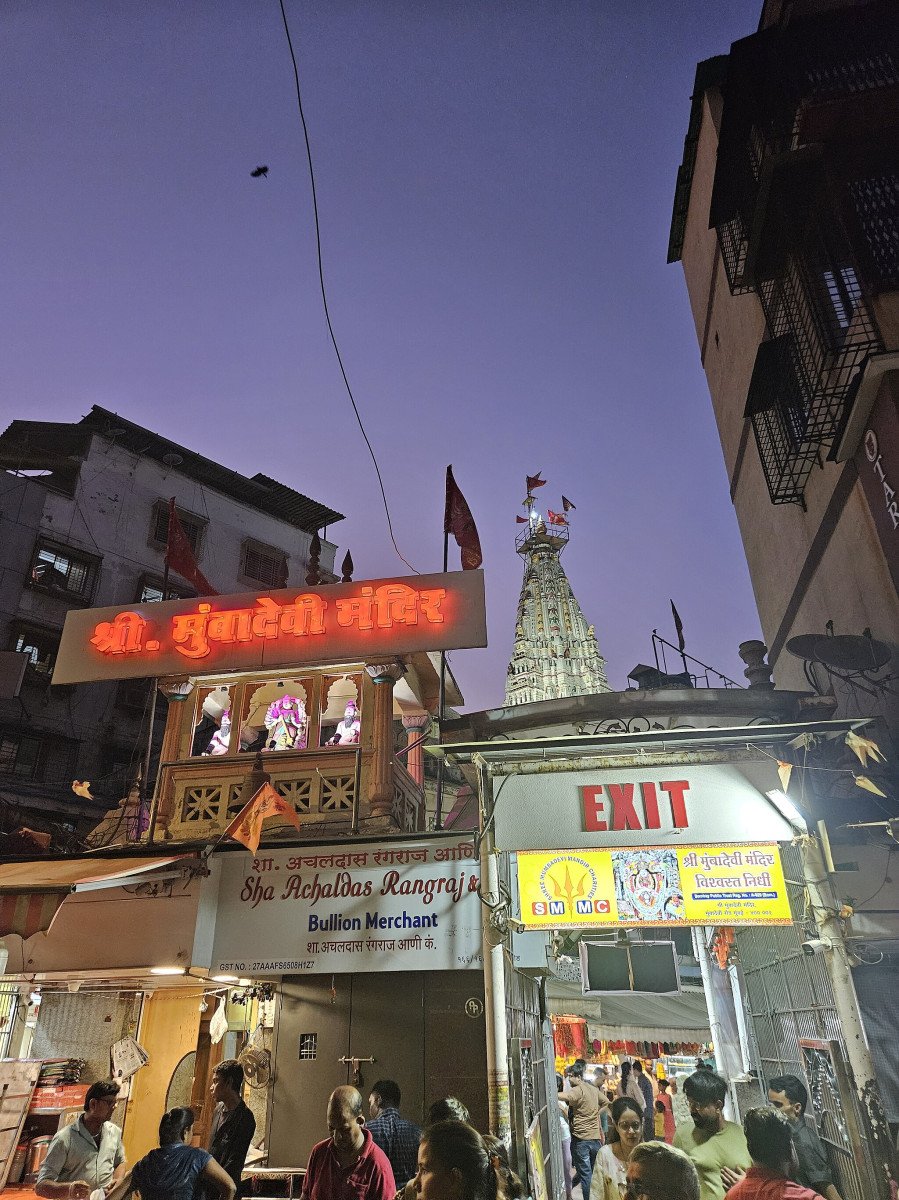
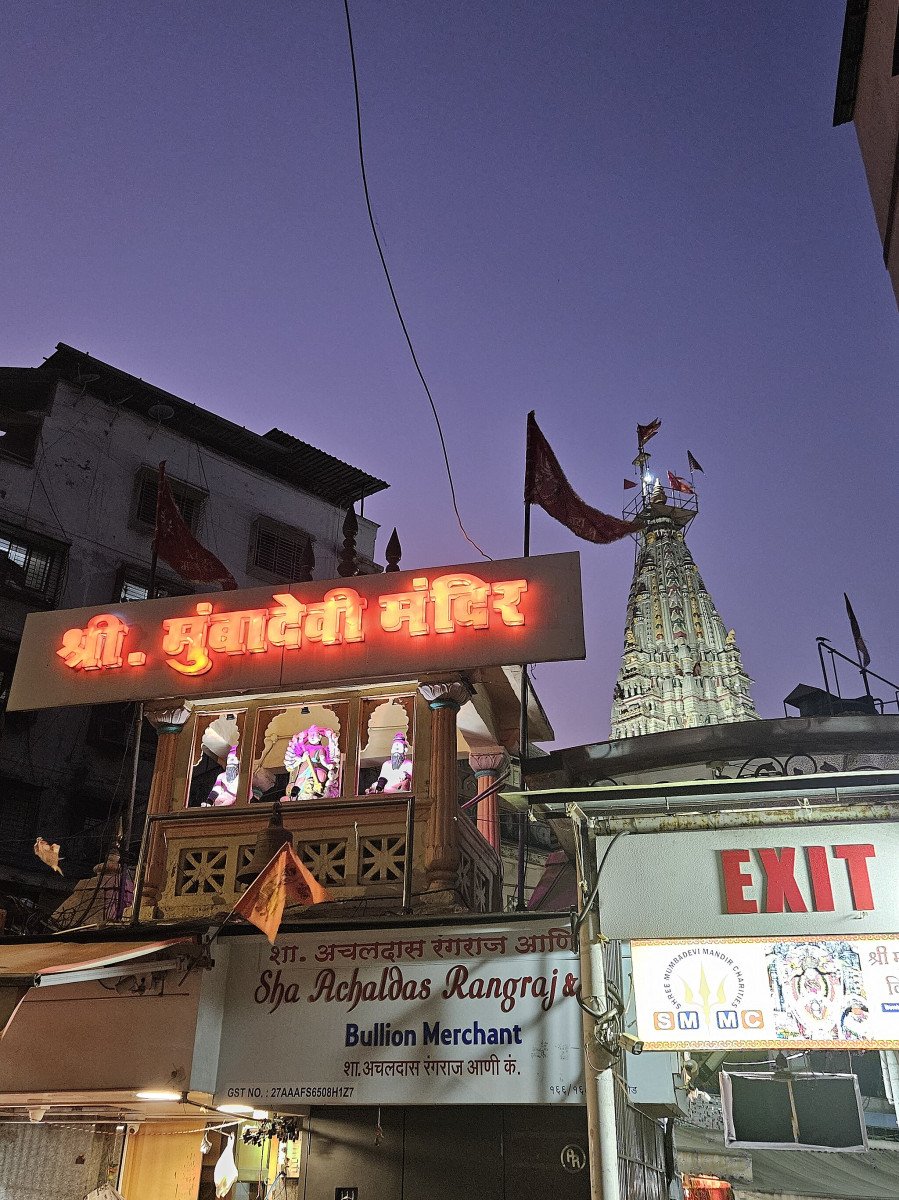
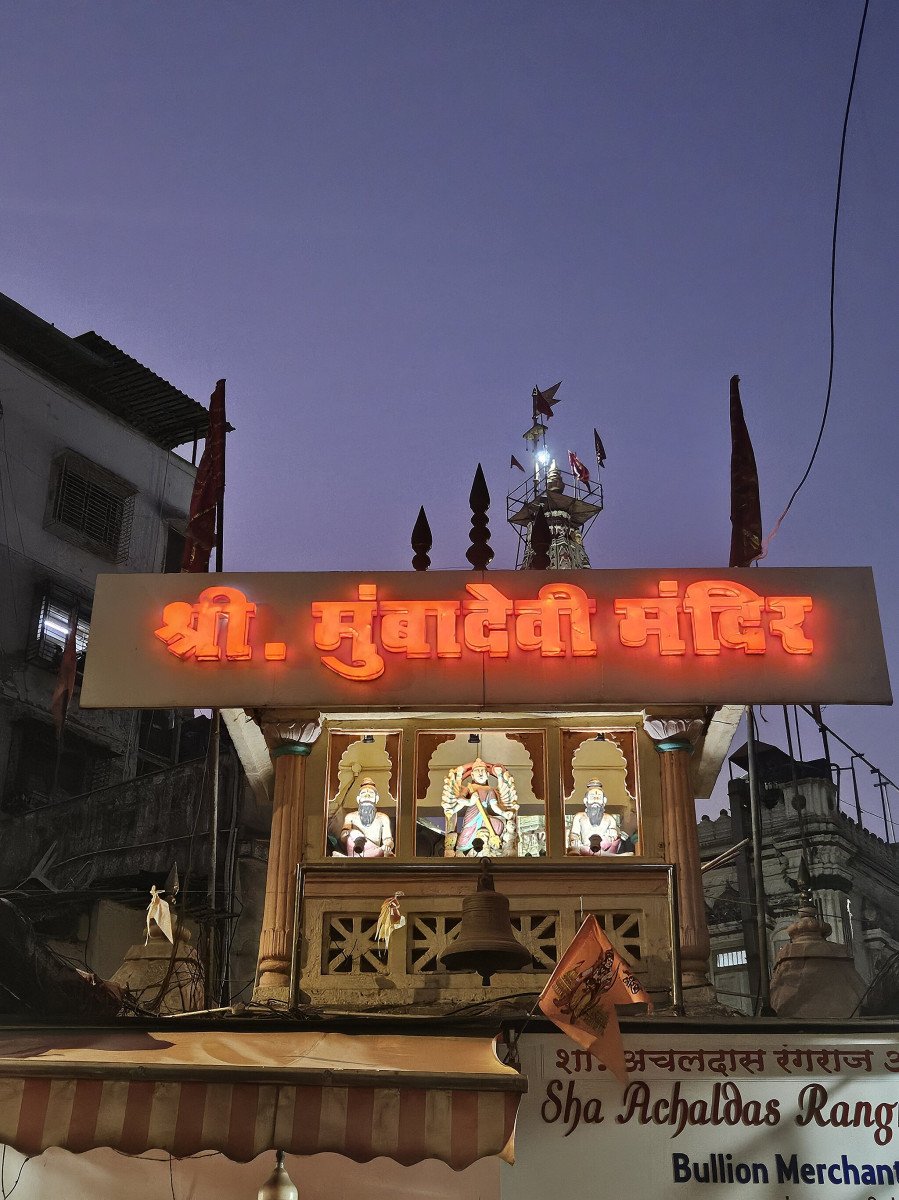
The Front Facade Amidst the Market (Cultural Contrast): The best photo spot is capturing the small, brightly colored temple entrance and facade, contrasted sharply against the chaotic, densely packed shops of Zaveri Bazaar and Bhuleshwar. This juxtaposition of deep spirituality and frantic commerce...The Front Facade Amidst the Market (Cultural Contrast): The best photo spot is capturing the small, brightly colored temple entrance and facade, contrasted sharply against the chaotic, densely packed shops of Zaveri Bazaar and Bhuleshwar. This juxtaposition of deep spirituality and frantic commerce perfectly summarizes the essence of the temple's urban location. The shots should focus on the vibrant colors of the temple structure and the surrounding market life.
The Flower and Offering Stalls (Color and Detail): Capture the vivid colors and textures of the stalls immediately outside the temple selling flowers (especially marigold garlands), prasad, and other ritual items. Close-up shots focusing on the intricate patterns of the flower arrangements or the faces of the vendors provide excellent cultural and visual detail, reflecting the temple's devotional trade.
The Devotee Experience (The Human Element): Focus on capturing the devotion and expressions of the people in the queue or offering prayers in the small courtyard. Images of people carrying offering trays, applying tilak, or simply bowing in respect provide a powerful, authentic human element to the pilgrimage experience.
Architectural Details (Shrine Ornamentation): While the overall architecture is modest, focus on the details—the small, carved stone structures, the painted domes of the auxiliary shrines, and the detailed ornamentation of the Goddess's idol (if visible from a distance) to highlight the traditional craftsmanship that survives amidst the modern market.
(Note: Photography inside the main sanctum is generally restricted).Photo Gallery
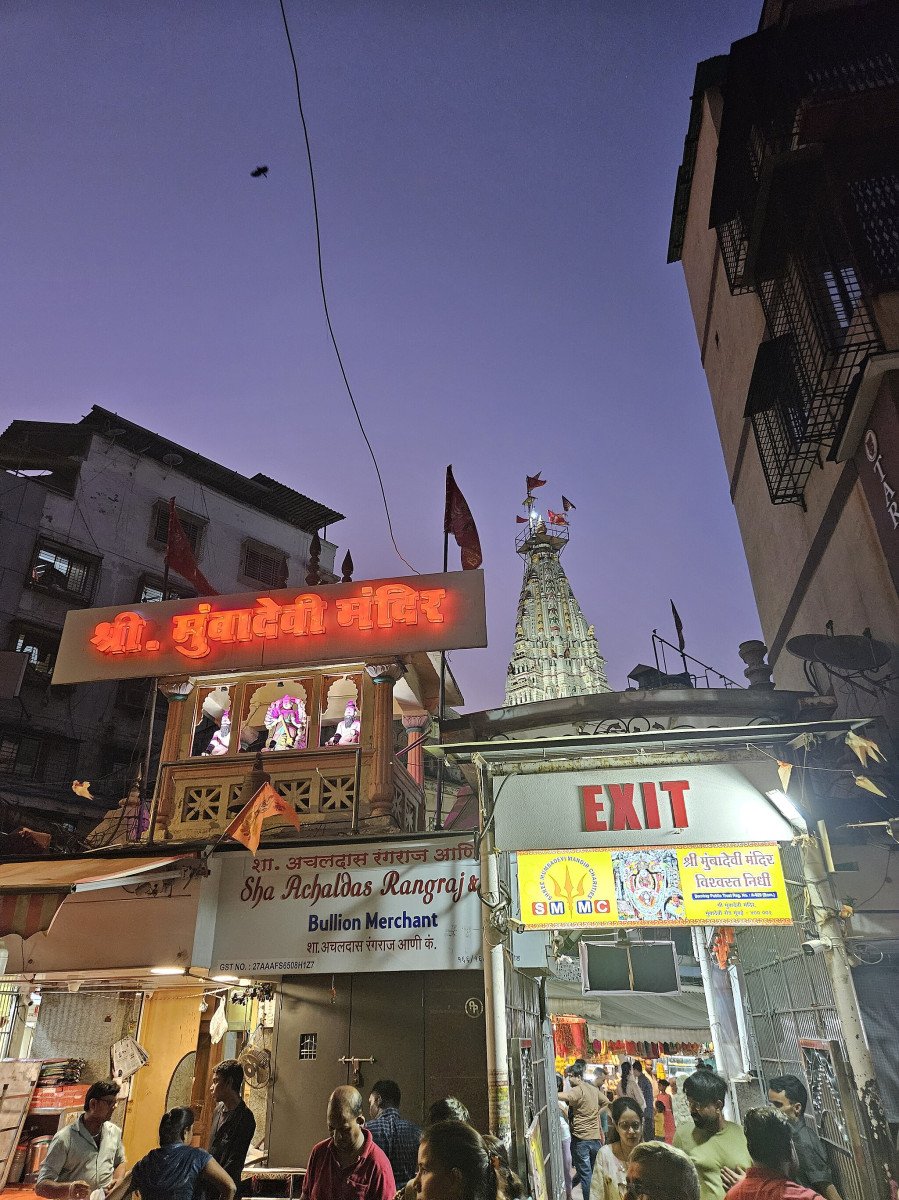
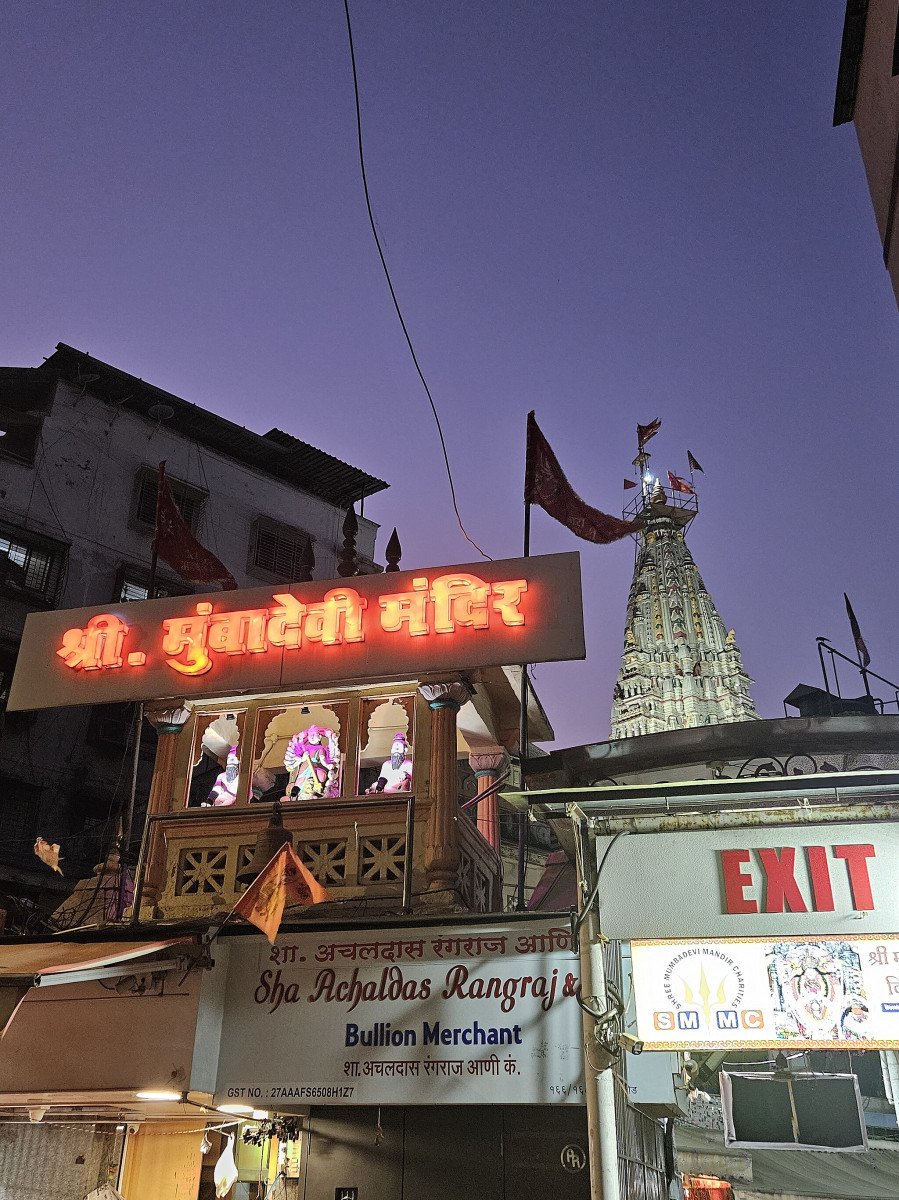
Things To Do
-
Perform Darshan and Offer Prayers (Spiritual Core): The main activity is to join the queue for darshan, the sacred viewing of the Goddess Mumbadevi idol. Devotees offer prayers, flowers (typically marigold garlands), and coconut to seek the Goddess's blessings for prosperity, health, and protection. The atmosphere is highly devotional, and the experience is characterized by the sounds of chanting and bells. Time your Visit for the Aarti (Ritual Observation): Plan your visit to coincide with one of the daily Aartis (morning or evening). Witnessing the priests perform the ritualistic worship, which involves lights, incense, and devotional songs (bhajans), is a vibrant cultural and religious spectacle. This offers a deeper insight into the temple's daily life and is a powerful sensory experience.
Explore the Zaveri Bazaar (Commerci...
Information
-
Why Famous:
The Name-Giver of Mumbai: Its primary claim to fame is its profound historical and cultural significance as the source of the city's name, Mumbai (derived from 'Mumba Aai' or Mother Mumba). This makes it the spiritual and symbolic heart of the city, revered as the protector...The Name-Giver of Mumbai: Its primary claim to fame is its profound historical and cultural significance as the source of the city's name, Mumbai (derived from 'Mumba Aai' or Mother Mumba). This makes it the spiritual and symbolic heart of the city, revered as the protector and patron deity of all Mumbaikars.
Location in Zaveri Bazaar: The temple's unique location right in the heart of Zaveri Bazaar, India's largest gold and jewelry market, adds to its fame. It is believed that visiting the Goddess brings prosperity and good fortune to the businessmen and traders in the area, leading to an interesting blend of spirituality and commerce.
Patron Goddess of Koli Fisherfolk: Mumbadevi is the ancestral and patron Goddess of the Koli (fishermen) community, the original inhabitants of the seven islands of Bombay. This connection reinforces the temple's historical roots and makes it a focal point for the city's oldest residents, drawing large crowds, especially during Hindu festivals. -
Architecture:
Traditional Hindu Temple Style: The architecture of the current Mumba Devi Temple is primarily of the modest, traditional Hindu temple style, reflecting its 18th-century reconstruction. Unlike the grand, sprawling complexes of modern temples, the Mumba Devi shrine is relati...Traditional Hindu Temple Style: The architecture of the current Mumba Devi Temple is primarily of the modest, traditional Hindu temple style, reflecting its 18th-century reconstruction. Unlike the grand, sprawling complexes of modern temples, the Mumba Devi shrine is relatively small and compact, squeezed amidst the bustling lanes of the market area, which defines its unique urban character.
Garbhagriha (Sanctum) and Idol: The sanctum sanctorum (Garbhagriha) is small and houses the main idol. The central figure of Goddess Mumbadevi is a simple black stone idol, positioned on an altar and richly decorated. While exact structural dimensions are not readily available for the whole complex due to its integration into the congested market, the temple area is sufficient to accommodate a large number of devotees flowing through a narrow passage.
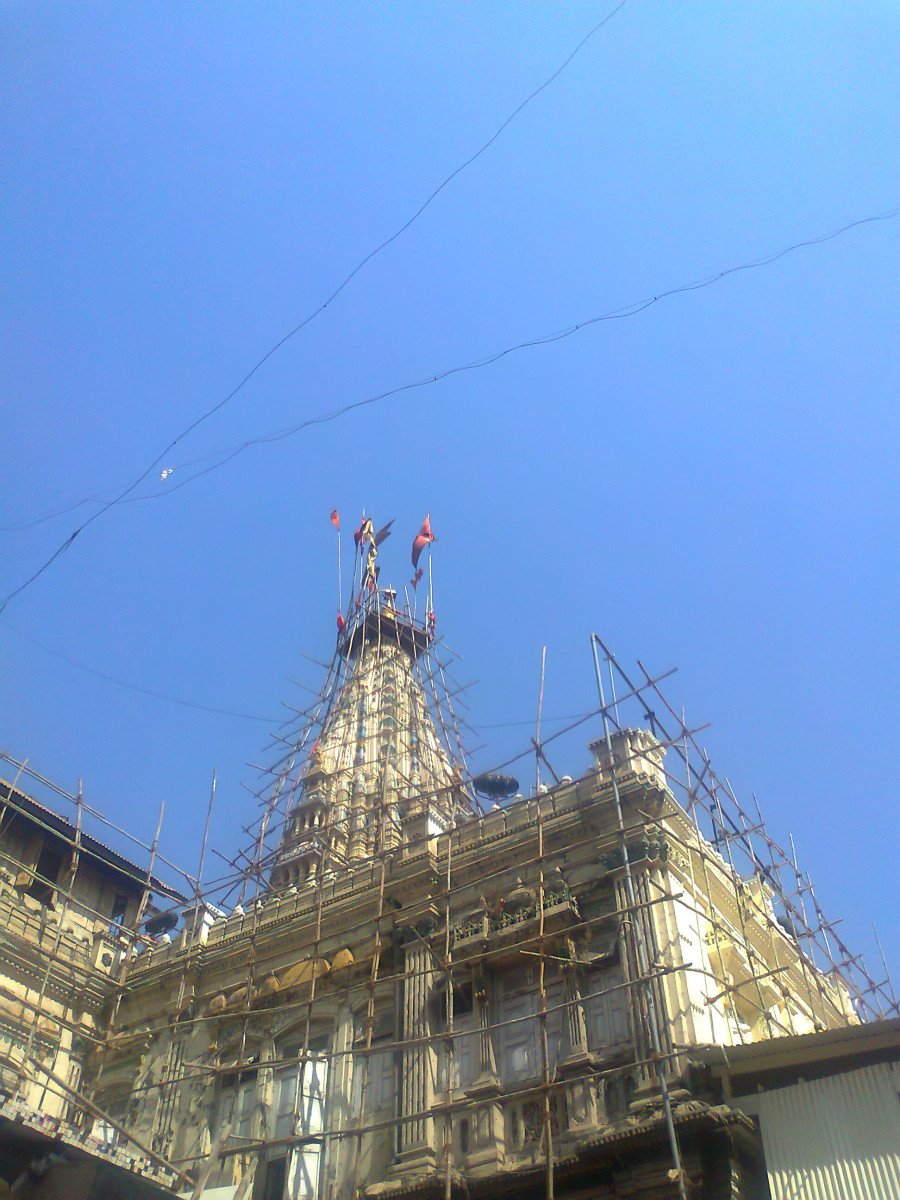
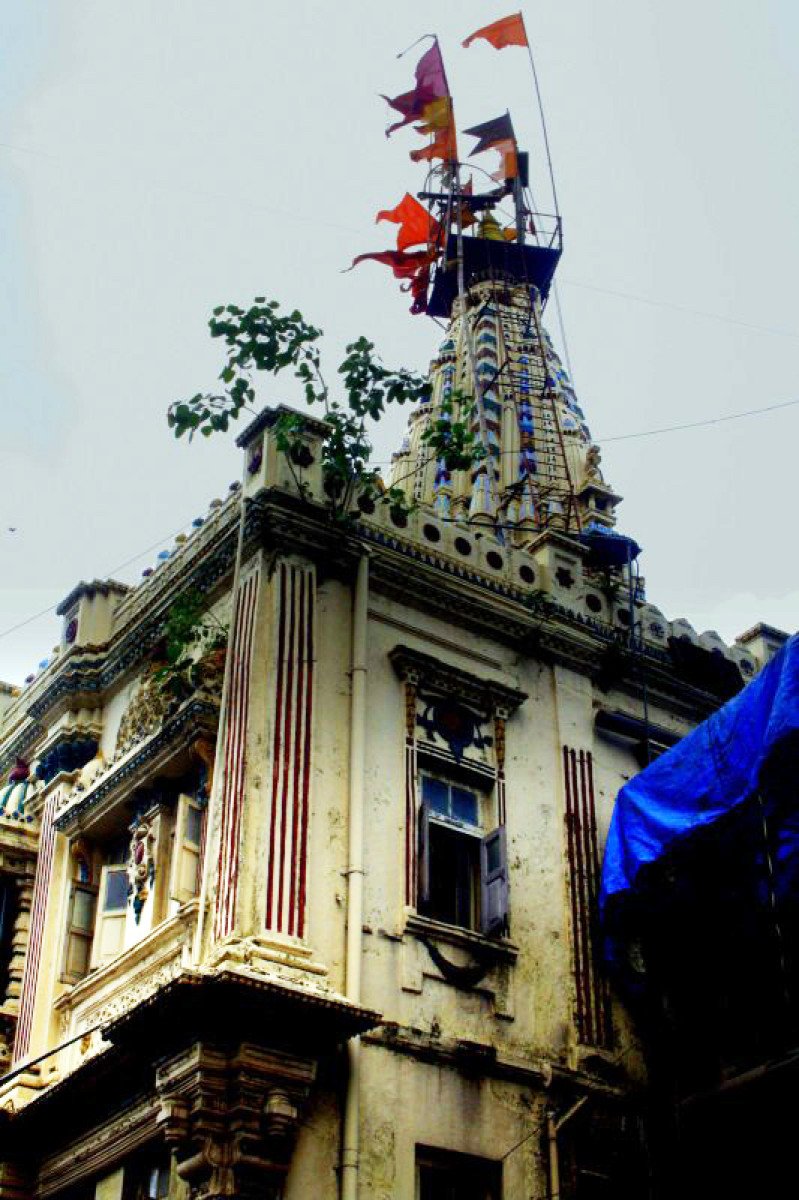
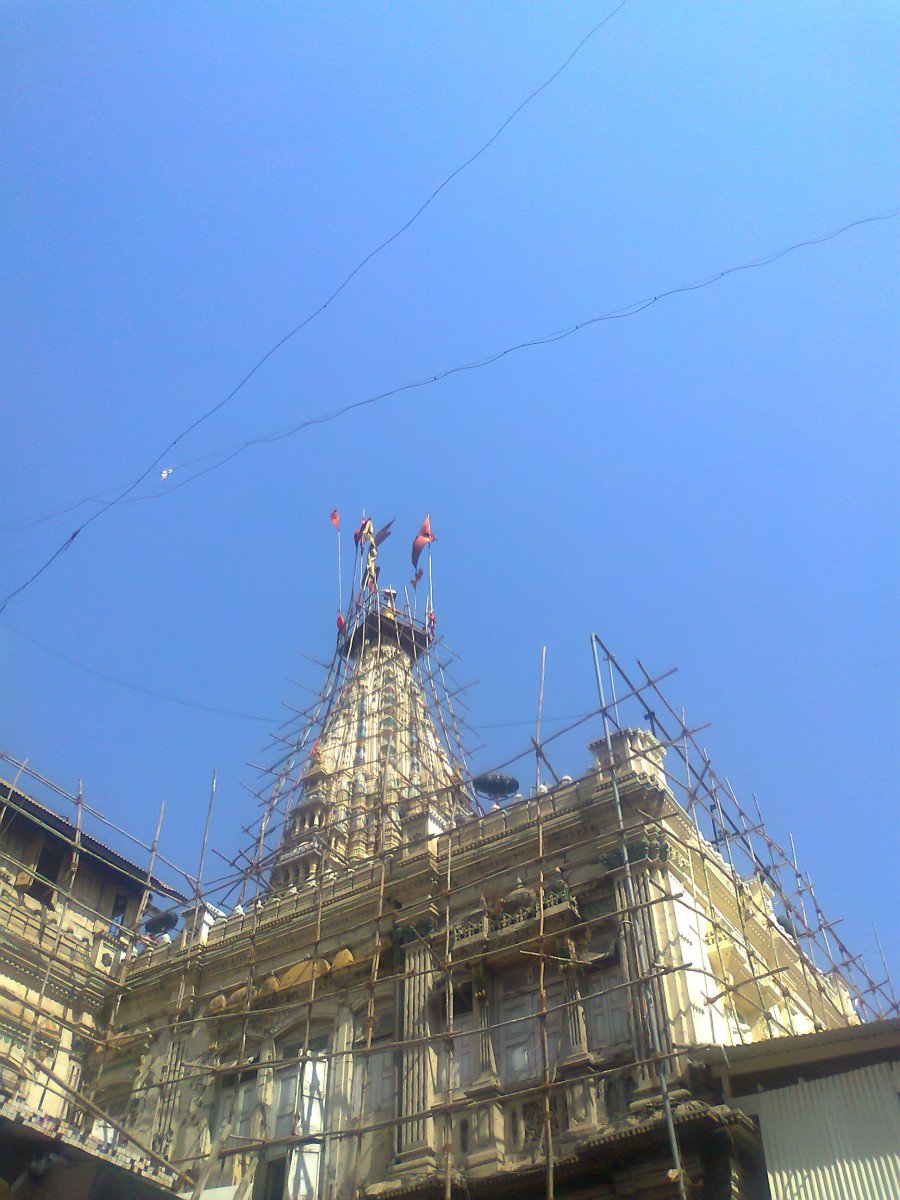
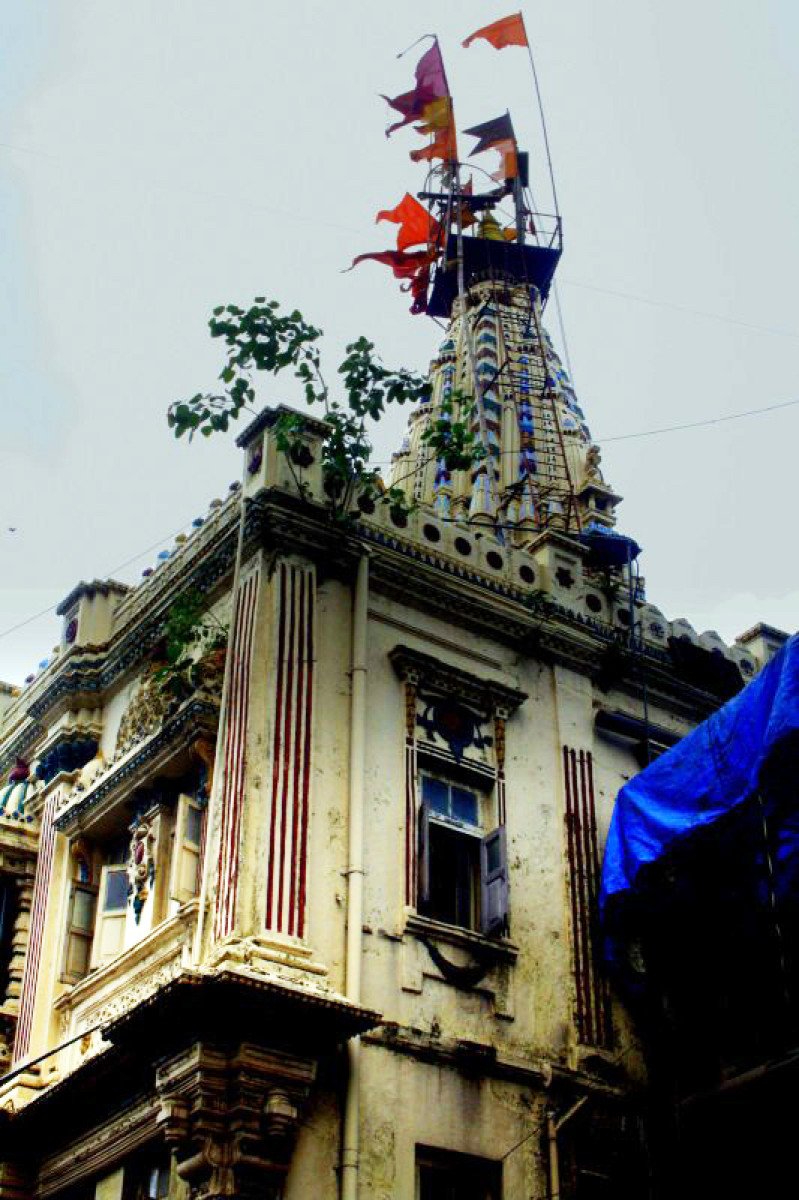
Shikharas and Decorative Elements: The temple's tower (Shikhara) is modest compared to grand North Indian temples, but its structure and the surrounding smaller shrines are adorned with colorful paintwork and carvings depicting various deities and mythological scenes. The use of simple stone and concrete materials, along with brightly painted elements, gives it a characteristic local temple aesthetic, which contrasts with the metallic, modern environment of the Zaveri Bazaar outside. -
How To Reach:
By Air (From Airport to South Mumbai): The nearest airport is Chhatrapati Shivaji Maharaj International Airport (BOM), approximately 25 KMS away. From the airport, hiring a taxi or app-based cab is the best option. The drive to the temple's location in Zaveri Bazaar, South... -
Near Tourist Places:
1.
Crawford Market: (Approx. 1 KM) 2.
Chhatrapati Shivaji Maharaj Terminus (CSMT): (Approx. 3 KMS) 3.
Marine Drive: (Approx. 4 KMS) 4.
Gateway of India: (Approx. 4. 5 KMS) 5.
Colaba Causeway: (Approx. 5 KMS) 6.
Flora Fountain (Hutatma Chowk): (Approx. 2 KMS) 7.
Jehangir Art Gallery: (Approx. 4 KMS) 8.
Asiatic Library: (Approx. 3 KMS) 9.
Taraporewala Aquarium: (Approx. 4. 5 KMS) 10.
Wankhede Stadium: (Approx. 3. 5 KMS)
Tourism Tips
-
Health & Safety:
Crowds and Pickpockets: The temple is situated in an extremely crowded market area (Zaveri Bazaar). Health & Safety requires visitors to be highly cautious of pickpockets and to secure their belongings tightly. Avoid wearin...
Reviews
Mumba Devi Temple Tourism:-
Information about New and Updated Locations(608+) of Maharashtra Has Been Added :-
Card subtitle
Note:-
Information provided here in good Faith and for reference only.
All information and pictures will be updated soon, please keep visiting.
Near Places
Bandra Fort
Some quick example text to build on the card title and make up the bulk of the card's content.
Go somewhere
Bandra-Worli Sea Link
Some quick example text to build on the card title and make up the bulk of the card's content.
Go somewhere
Chhatrapati Shivaji Maharaj Vastu Sangrahalaya
Some quick example text to build on the card title and make up the bulk of the card's content.
Go somewhere
Chhatrapati Shivaji Terminus
Some quick example text to build on the card title and make up the bulk of the card's content.
Go somewhere
Colaba Causeway
Some quick example text to build on the card title and make up the bulk of the card's content.
Go somewhere
Dhobi Ghat
Some quick example text to build on the card title and make up the bulk of the card's content.
Go somewhere
Elephanta Caves
Some quick example text to build on the card title and make up the bulk of the card's content.
Go somewhere
EsselWorld
Some quick example text to build on the card title and make up the bulk of the card's content.
Go somewhere
Film City
Some quick example text to build on the card title and make up the bulk of the card's content.
Go somewhere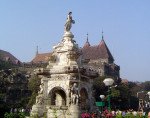
Flora Fountain
Some quick example text to build on the card title and make up the bulk of the card's content.
Go somewherein Other Cities