










Munnar
General information
-
Ideal Duration:
3 to 4 DaysPlace Type:
Hill Station / NatureEntry Fees:
Entry Fees Structure: Most parks like Eravikulam charge around 125 rupees for Indian adults and significantly more for foreign nationals to maintain conservation efforts. These fees contribute to the protection of the fragile ecosystem and the endangered species within the ...Entry Fees Structure: Most parks like Eravikulam charge around 125 rupees for Indian adults and significantly more for foreign nationals to maintain conservation efforts. These fees contribute to the protection of the fragile ecosystem and the endangered species within the parks.
Museum and Dam Costs: The Tea Museum and Mattupetty Dam have nominal entry fees, usually ranging from 20 to 75 rupees. These costs often include guided tours or access to specific viewing galleries that explain the history and utility of the structures.Timing:
Daytime Exploration: Most tourist spots like the Tea Museum and National Park operate from 9:00 AM to 5:00 PM daily. It is advisable to reach early in the morning to avoid long queues and to witness the hills when the mist is most prominent.
Se...Daytime Exploration: Most tourist spots like the Tea Museum and National Park operate from 9:00 AM to 5:00 PM daily. It is advisable to reach early in the morning to avoid long queues and to witness the hills when the mist is most prominent.
Seasonal Timings: During the peak winter season, some parks may open slightly later due to heavy fog conditions. Always check local updates as timings can vary during public holidays or special environmental conservation periods.Special Events:
Neelakurinji Bloom: This is a rare botanical event that occurs once every 12 years when the hills are covered in purple blossoms. It attracts millions of tourists and is a significant cultural and environmental celebration in the region.
Munnar...Neelakurinji Bloom: This is a rare botanical event that occurs once every 12 years when the hills are covered in purple blossoms. It attracts millions of tourists and is a significant cultural and environmental celebration in the region.
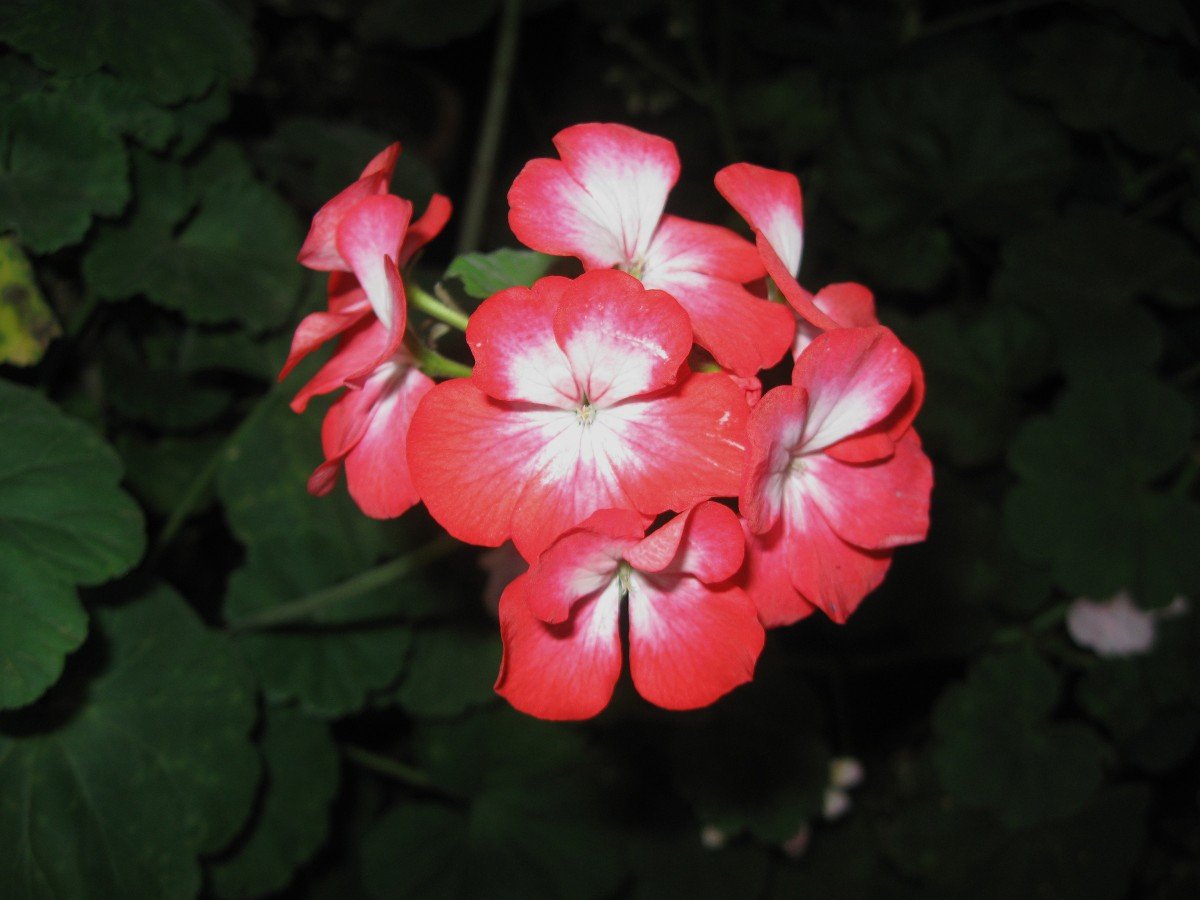
Munnar Flower Show: Held annually, this event showcases a massive variety of exotic flowers and plants at the Blossom International Park. It is a colorful festival that highlights the horticultural diversity of the Western Ghats.Best Photo Spots:
Top Station: Located at the highest point on the Munnar-Kodaikanal road, it offers a breathtaking 360-degree view of the neighboring state of Tamil Nadu. The clouds often float below you, creating a surreal and heavenly photographic environment.Top Station: Located at the highest point on the Munnar-Kodaikanal road, it offers a breathtaking 360-degree view of the neighboring state of Tamil Nadu. The clouds often float below you, creating a surreal and heavenly photographic environment.
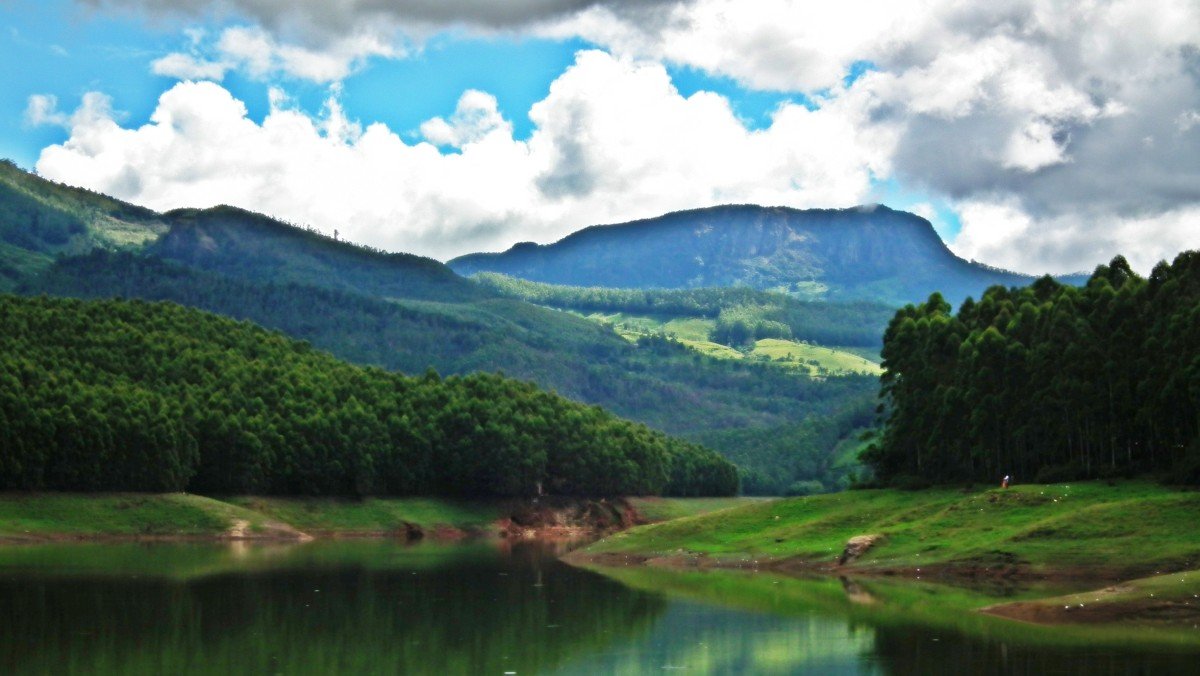
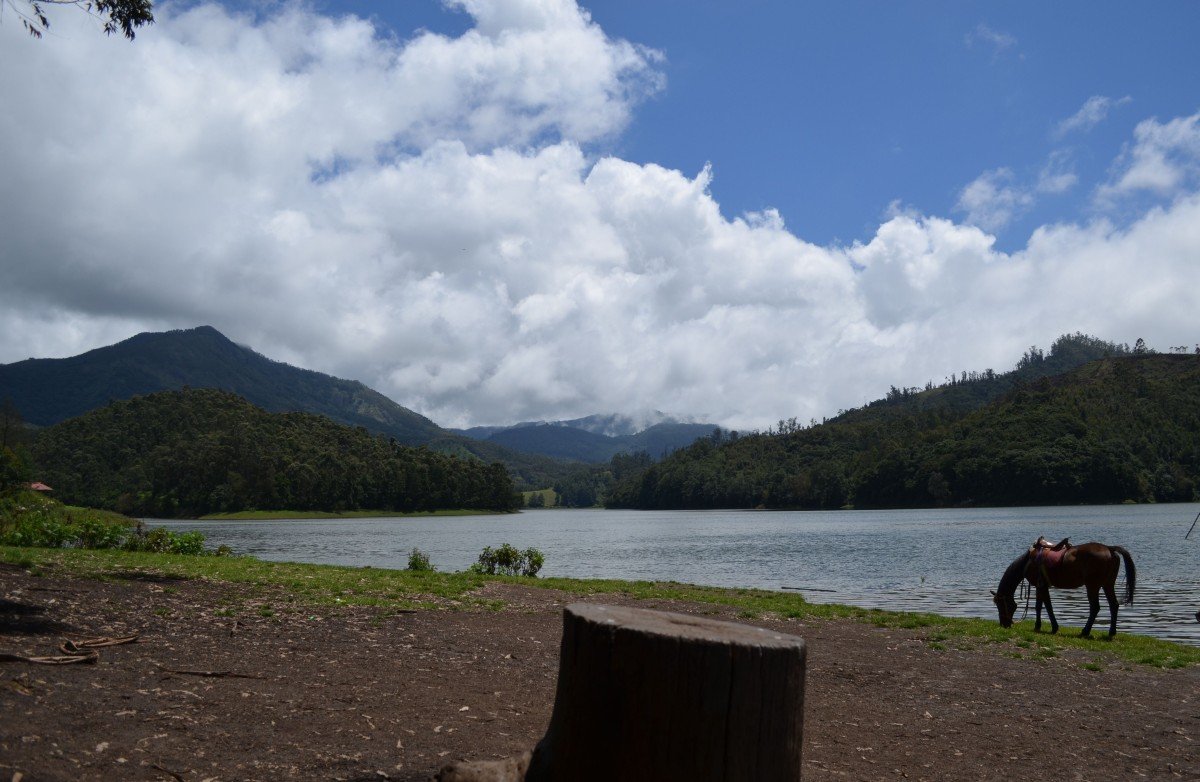
Echo Point: This spot is famous for its natural echo phenomenon and the scenic beauty of the lake surrounded by mountains. Photographers love the reflection of the hills in the still water and the vibrant greenery during the monsoon.Photo Gallery




Things To Do
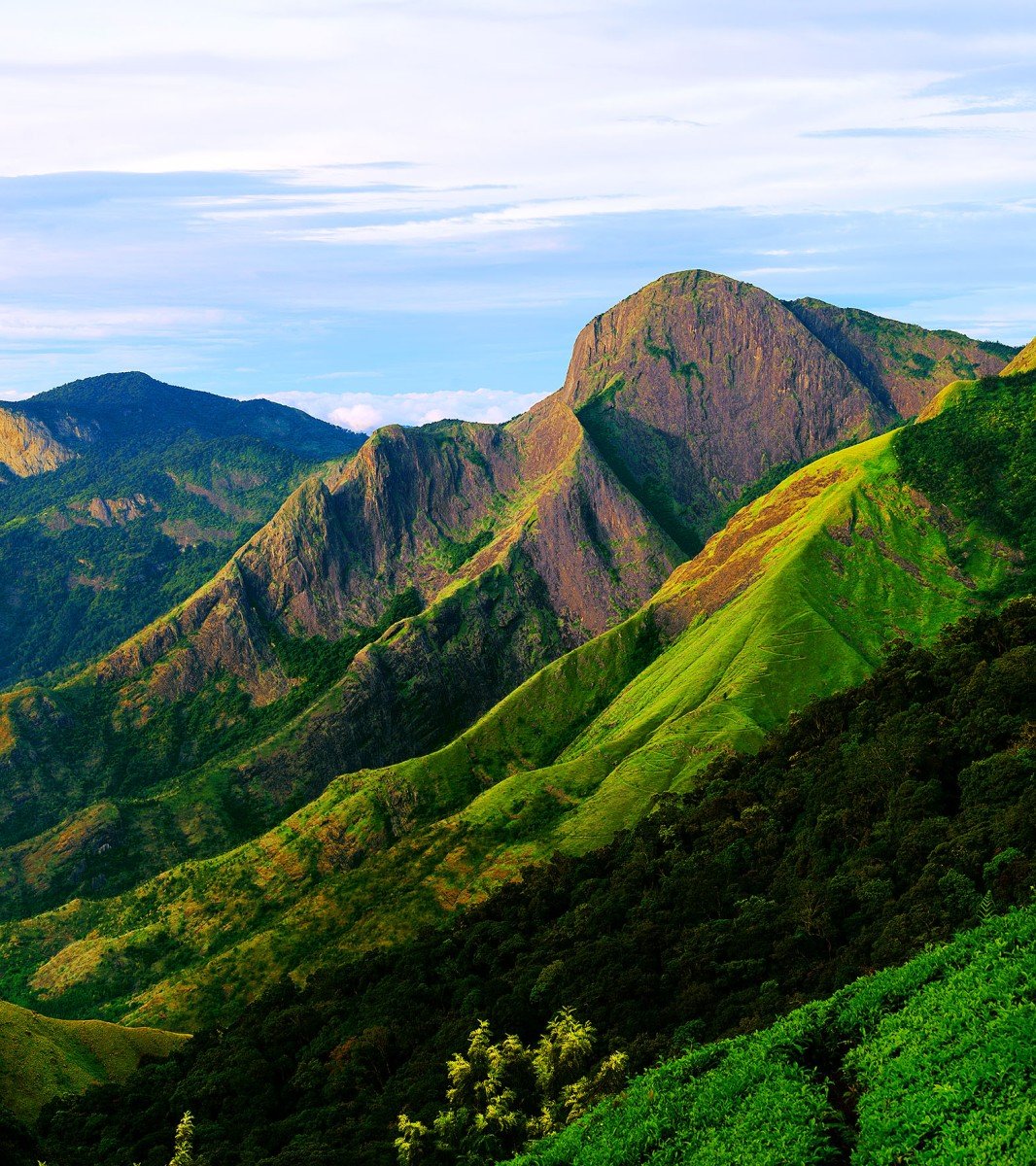
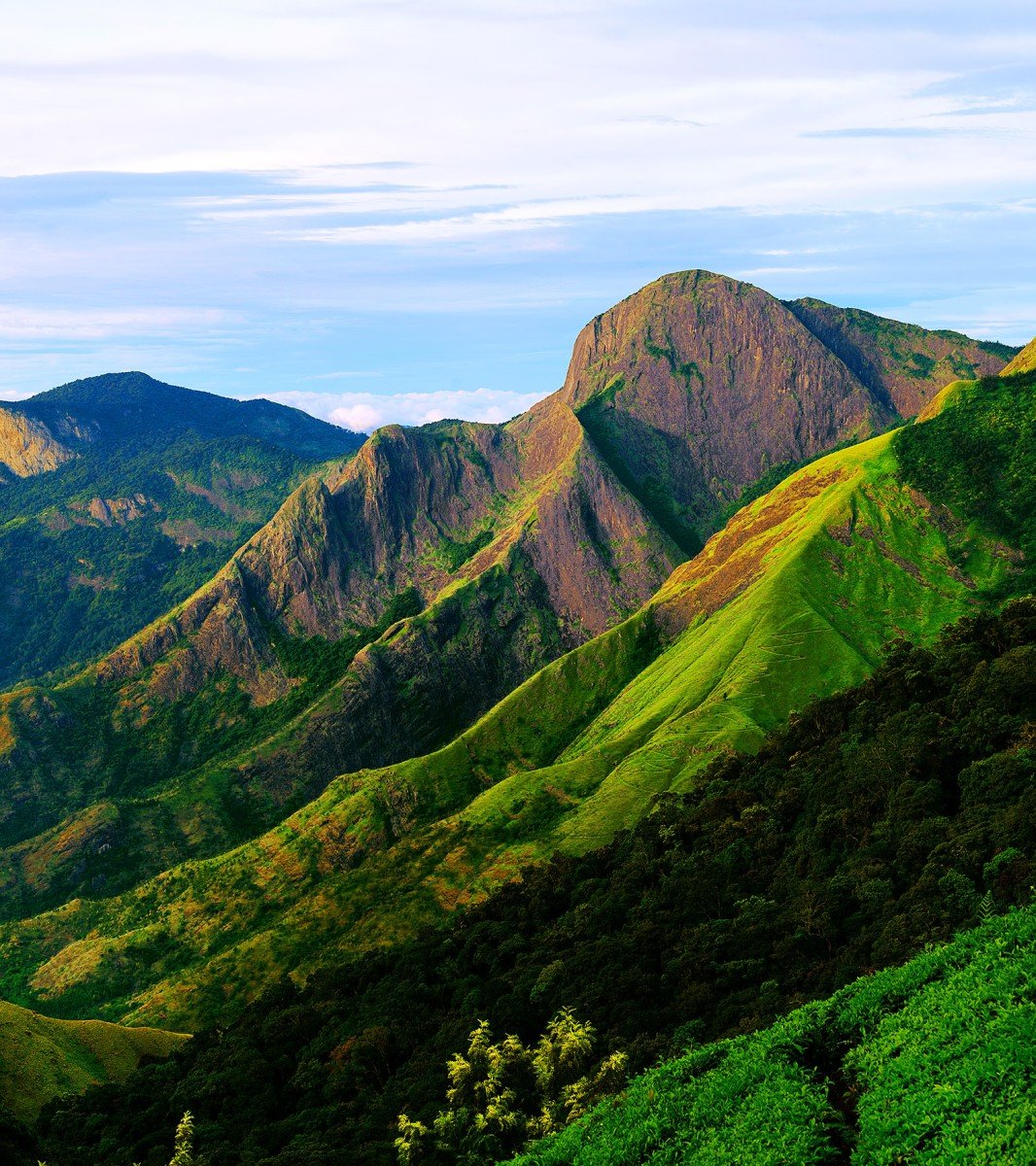
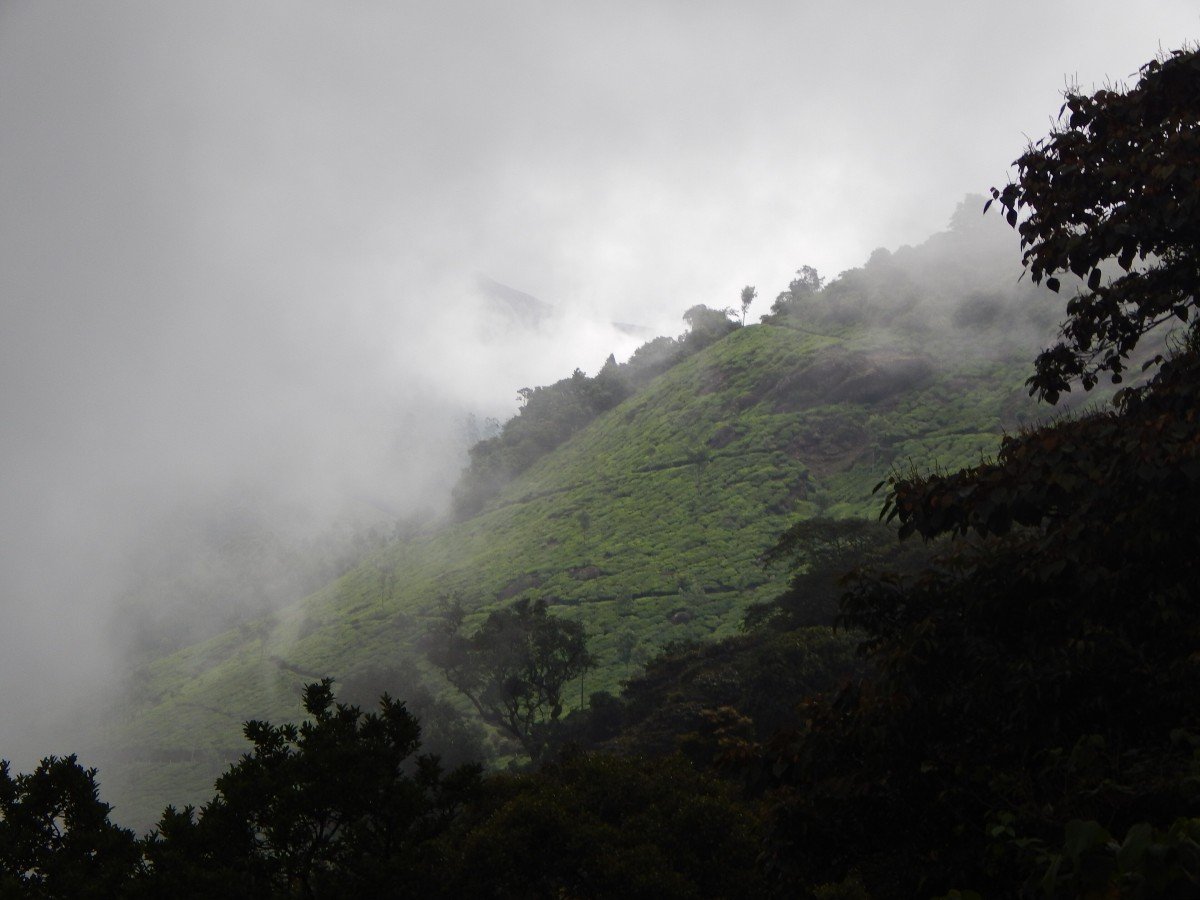
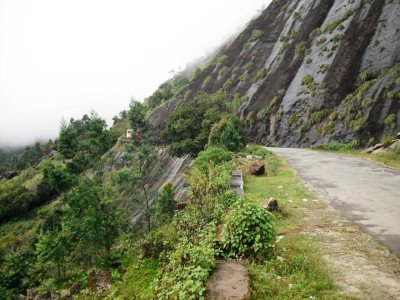 @@Panoramic Grandeur: Lock Heart Gap View is one of the most scenic vantage points in Munnar, offering a bird's-eye view of the Bison Valley. The name originates from the natural heart-shaped gap formed between two adjacent mountains, which is clearly visible from this spot. Visitors can gaze upon the sprawling tea plantations that look like a green carpet draped over the undulating hills. On a clear day, one can even see the distant peaks of the Western Ghats and the winding roads of the Devikulam region. The area is often enveloped in thick mist, which clears intermittently to reveal the stunning landscape below. It is a popular stop for travelers heading towards Thekkady or Madurai. The cool mountain breeze and the scent of fresh tea leaves in the air make it a refreshing stopover for anyone exploring the high ranges of Kerala.
 @@The Wild Wilderness: Chinnar Wildlife Sanctuary is a unique protected area located in the rain shadow region of the Western Ghats, making it distinct from the lush green landscape of Munnar. @@Eco System Variety: Spread across 90 square kilometers, it features thorny scrub forests, dry deciduous forests, and high-altitude shola grasslands that provide a habitat for diverse species. @@Floral Wealth: The sanctuary is home to nearly 1,000 species of flowering plants, including several rare medicinal herbs and vibrant wildflowers that bloom throughout the year. @@Fauna Diversity: It is world-famous for being the rehabilitation center for the Indian Star Tortoise and the habitat of the Grizzled Giant Squirrel. @@River Influence: The Chinnar and Pambar rivers flow through this sanctuary, creating beautiful riverine forests and the spectacular Thoovanam waterfalls deep inside.
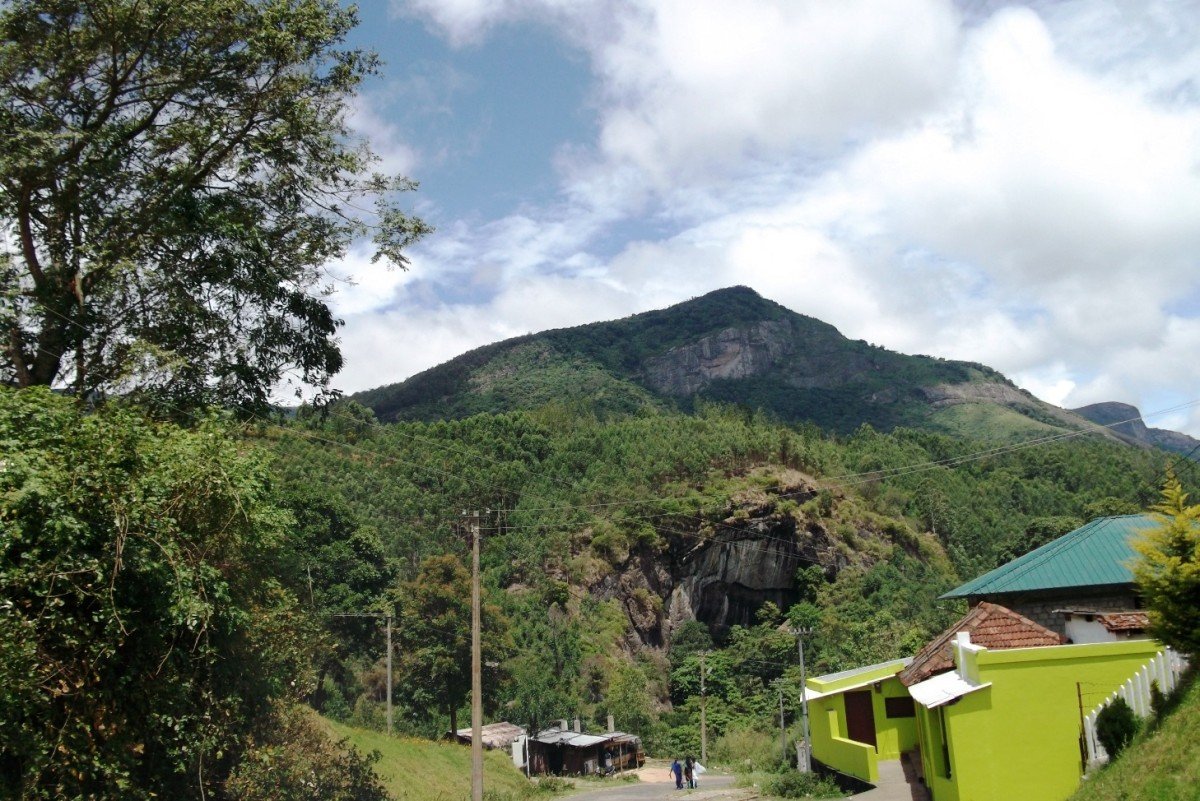
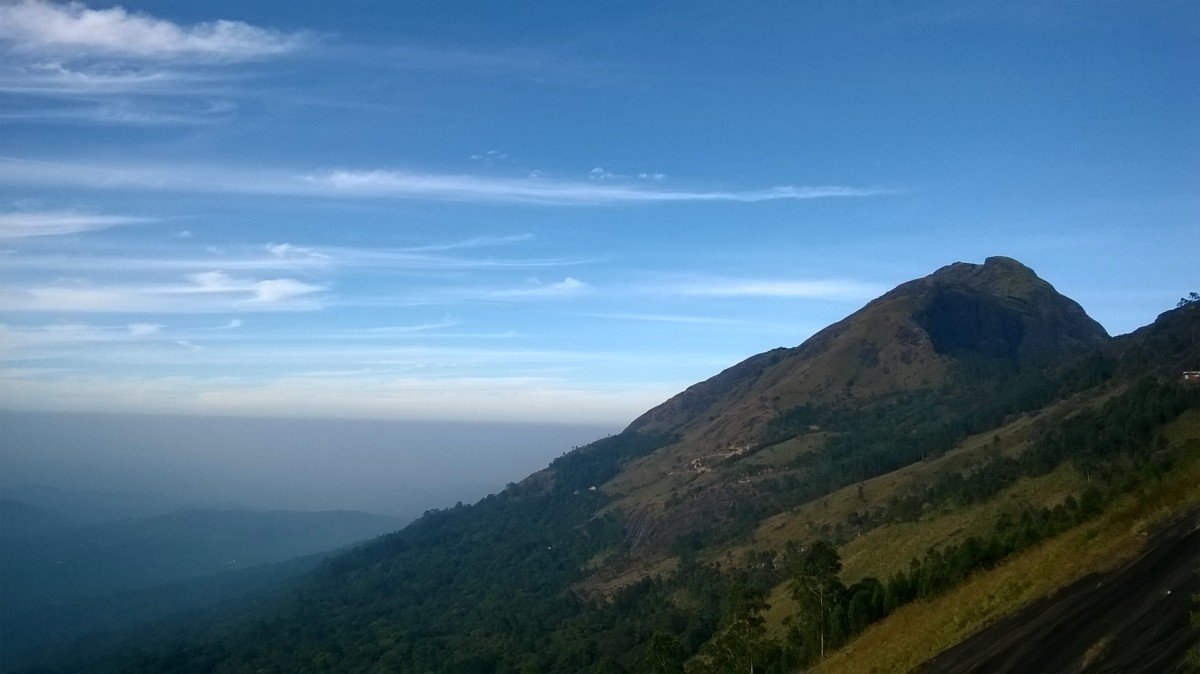
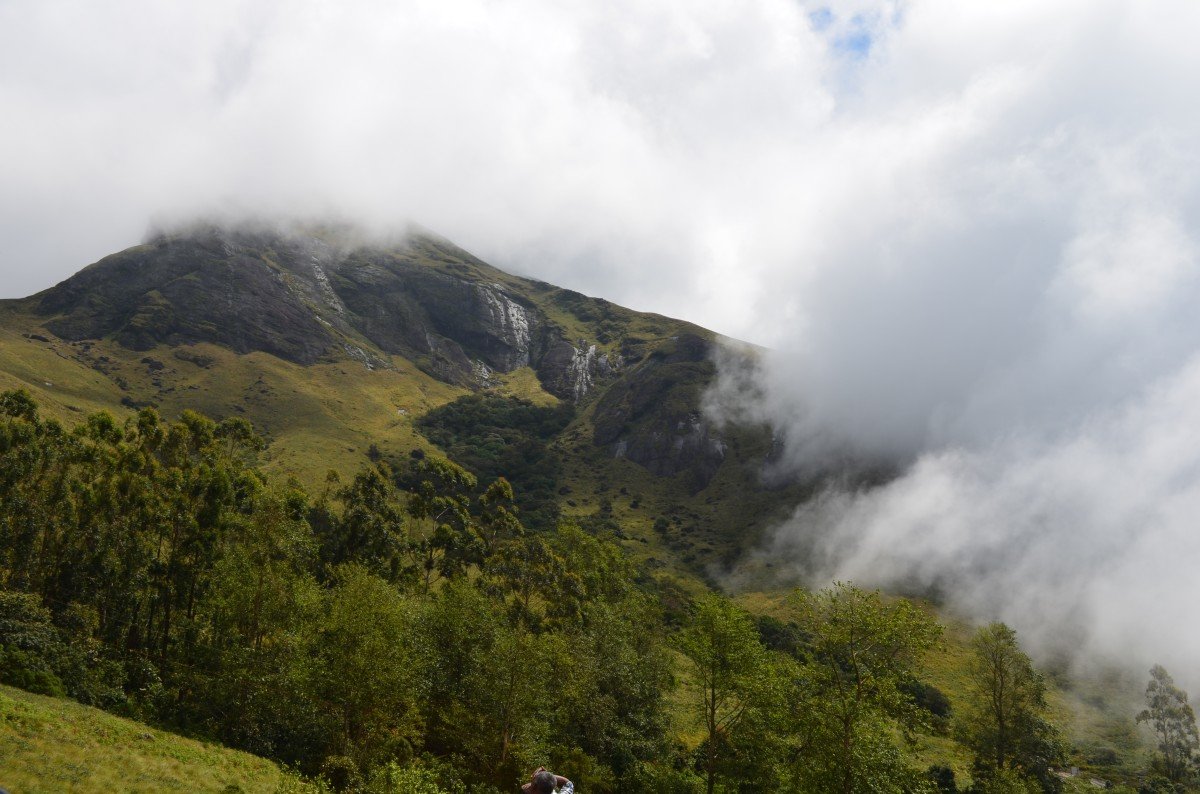
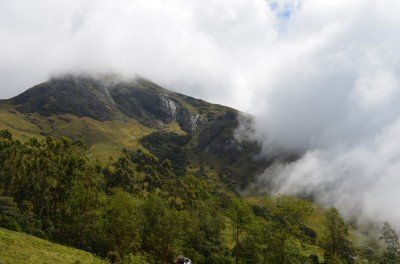 **Eravikulam National Park** is one of the premier attractions in **Munnar** and a high-altitude protected area. Spread over 97 square kilometers, this national park is particularly famous for being the natural habitat of the highly endangered **Nilgiri Tahr**, a species of wild goat endemic to the Western Ghats. The park's landscape is characterized by rolling grasslands, high-altitude *shola* forests, and magnificent views of the surrounding tea plantations and misty valleys. The park is divided into three regions: the core area, the buffer area, and the tourism area (Rajamalai). Tourists are only allowed into the Rajamalai area, where the chances of spotting the **Nilgiri Tahr** grazing peacefully are very high. The park also houses **Anamudi Peak**, the highest peak in South India, standing tall at 2,695 meters, though trekking to the peak itself requires special permission and is often restricted. The sheer biodiversity, combined with the breathtaking natural beauty, makes **Eravikulam National Park** a must-visit. The park is also the major domain of the **Neelakurinji** flower, which transforms the entire landscape into a mesmerizing blue during its mass blooming, an event that occurs once every twelve years. Visitors can enjoy a scenic bus ride operated by the forest department up to the view point, followed by a short walk to fully appreciate the stunning vistas and the unique ecosystem. This experience provides both a wildlife encounter and an opportunity for nature photography amidst a serene backdrop. The conservation efforts here are exemplary, focusing on protecting the *tahr* and its fragile environment.
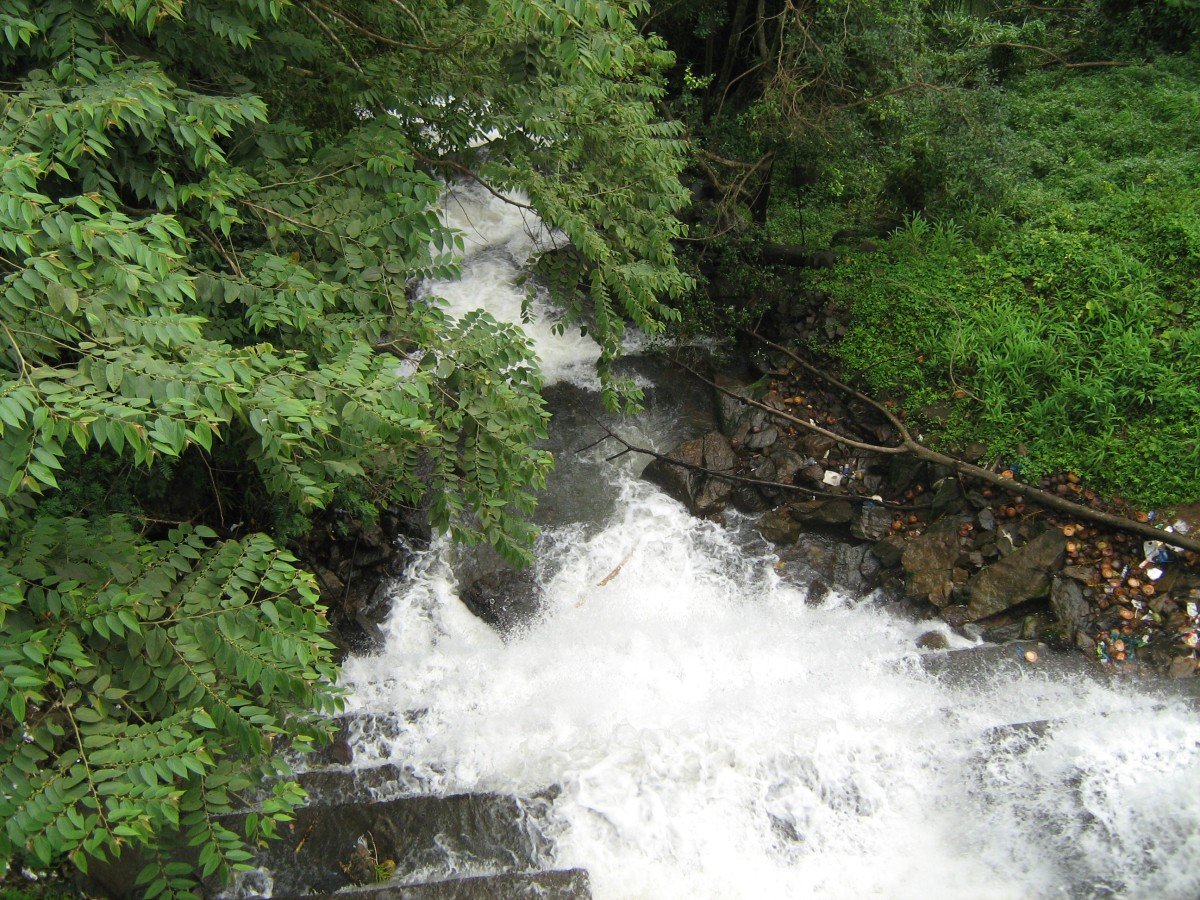
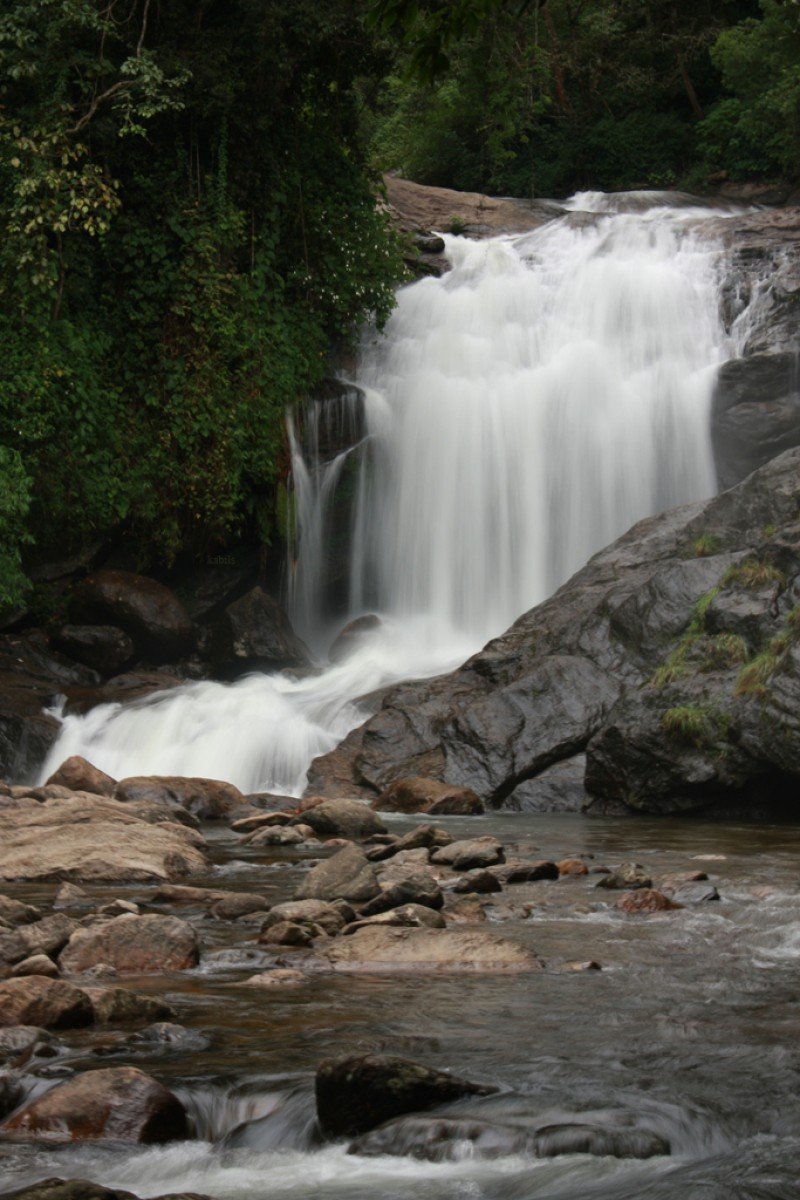
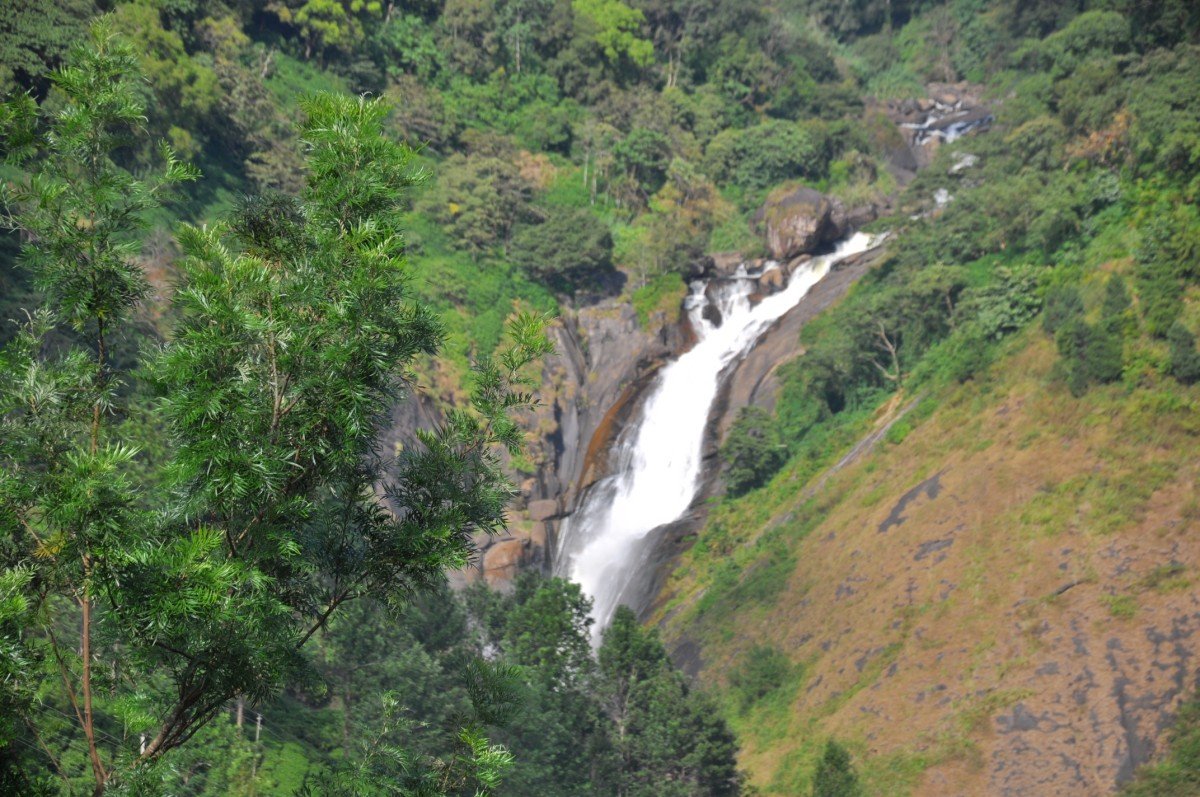
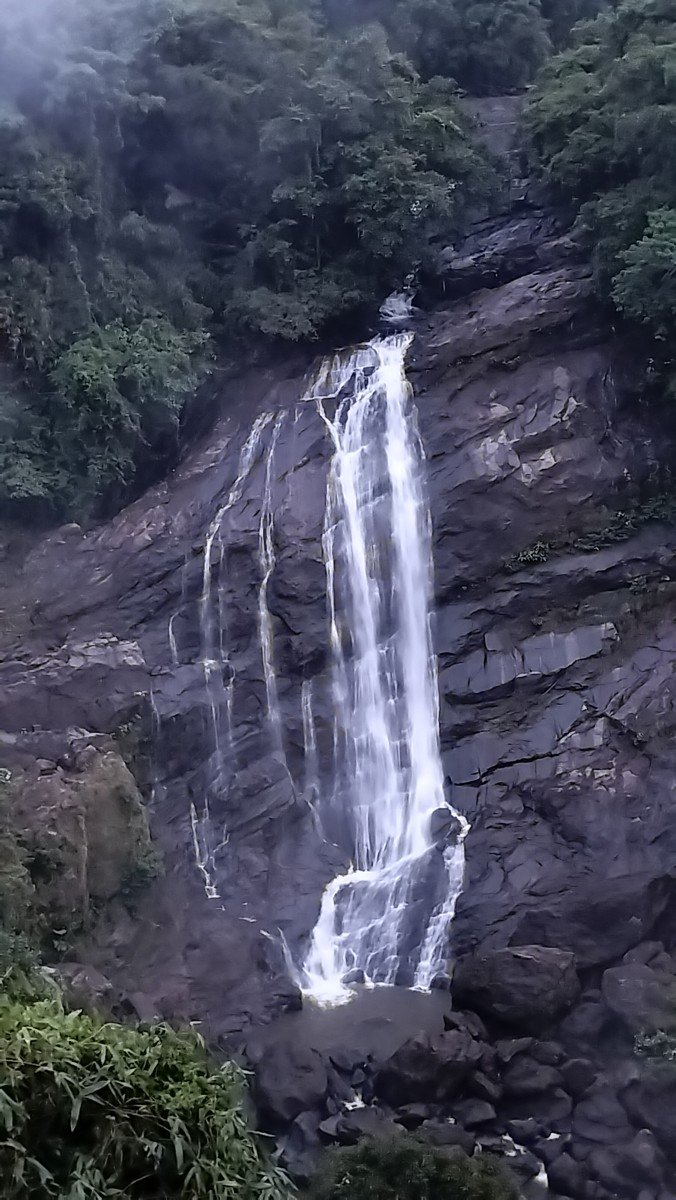
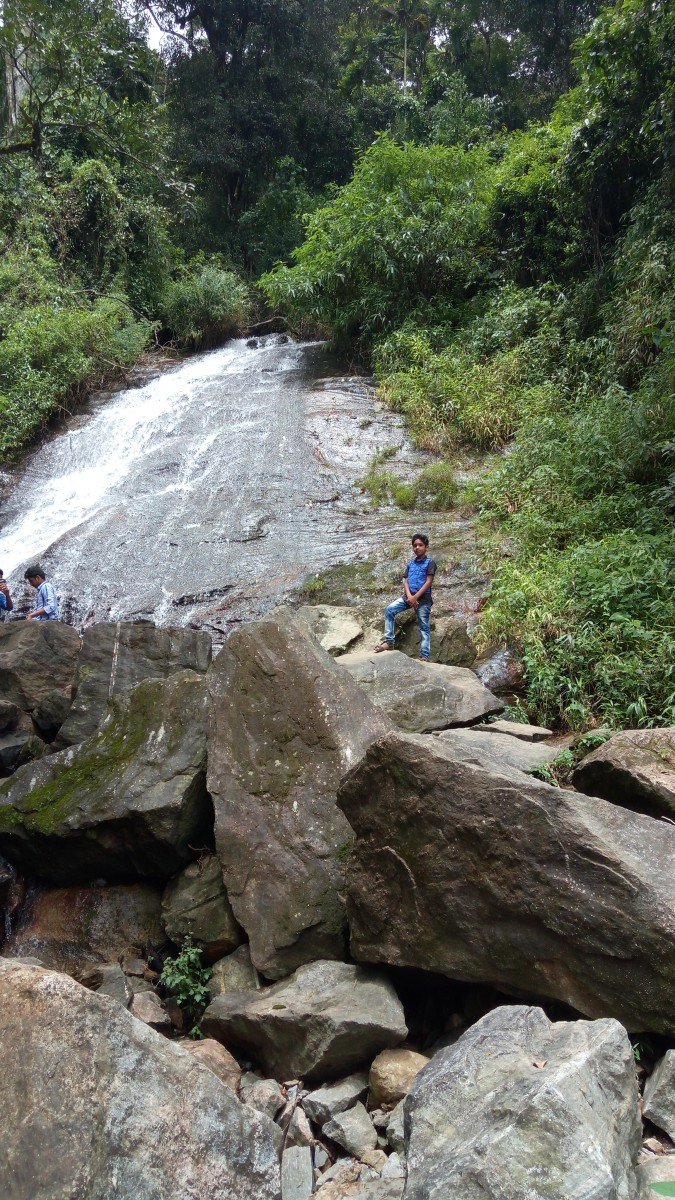
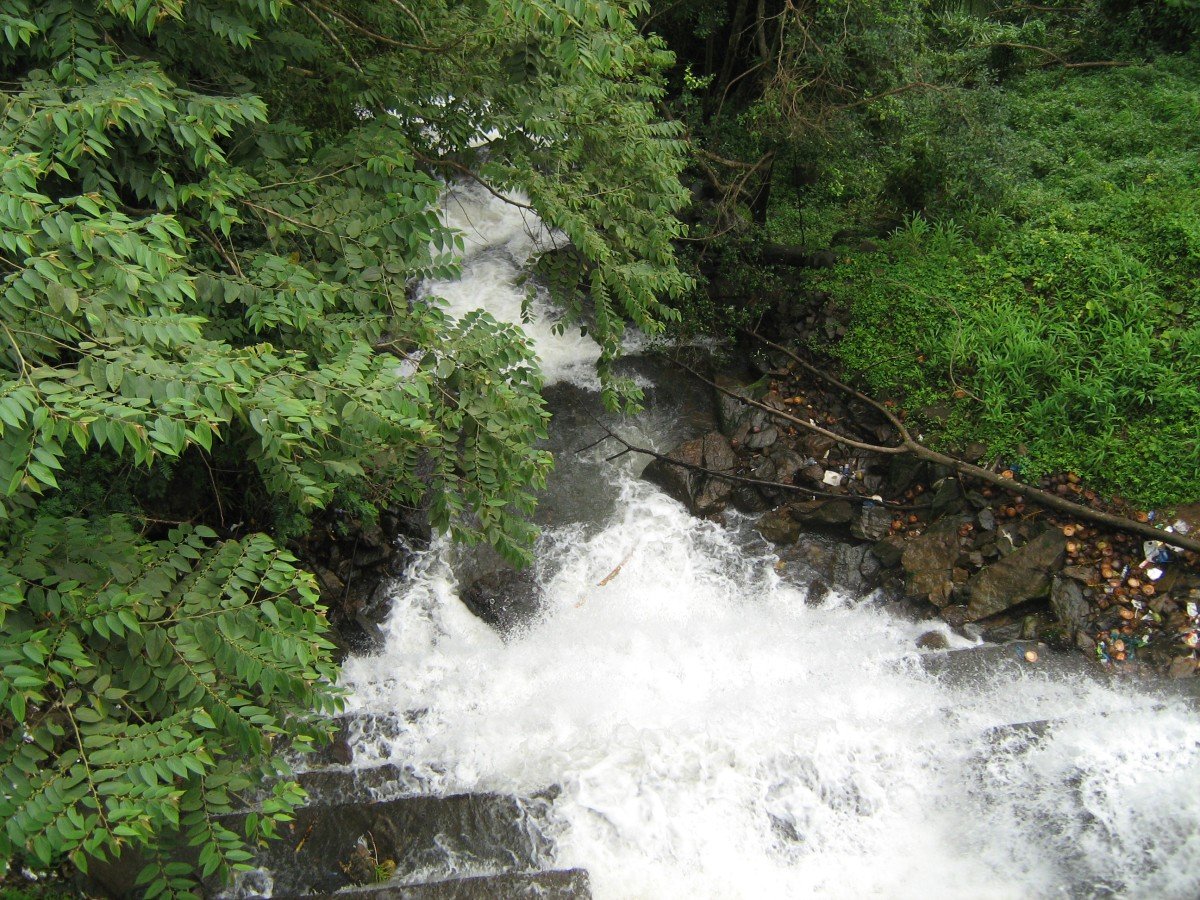
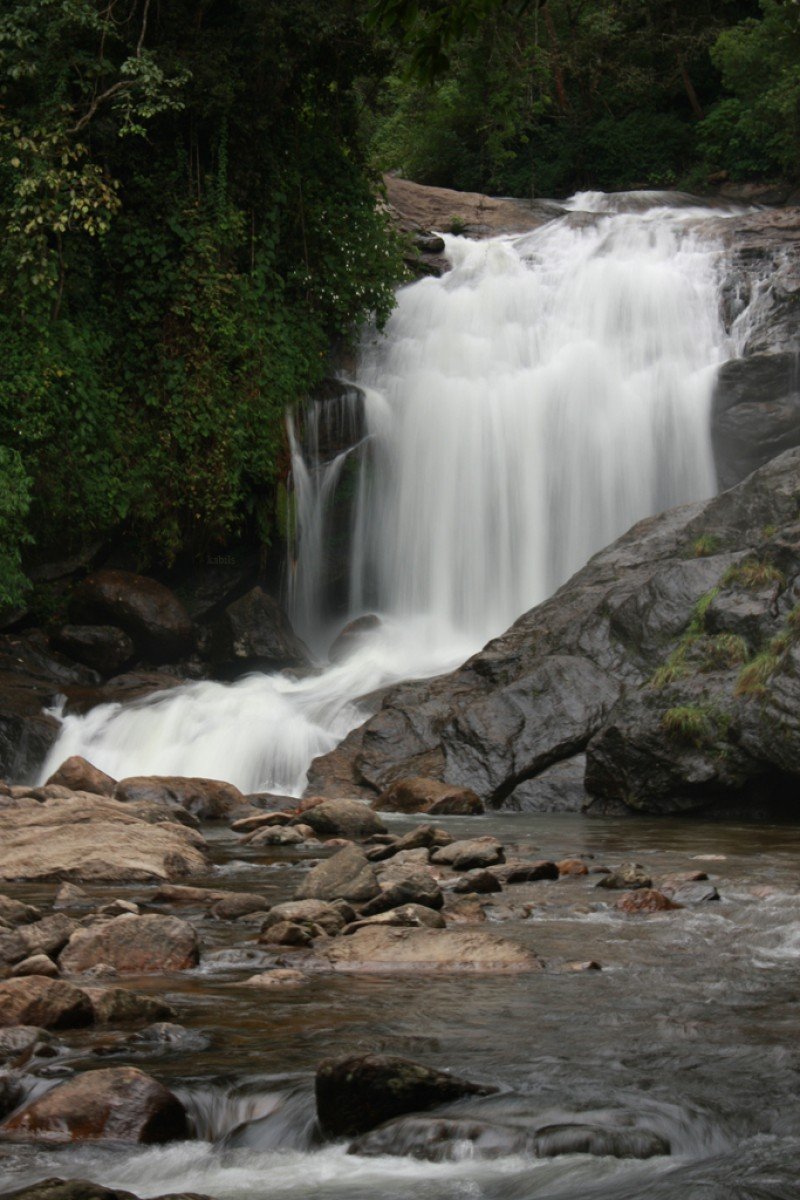
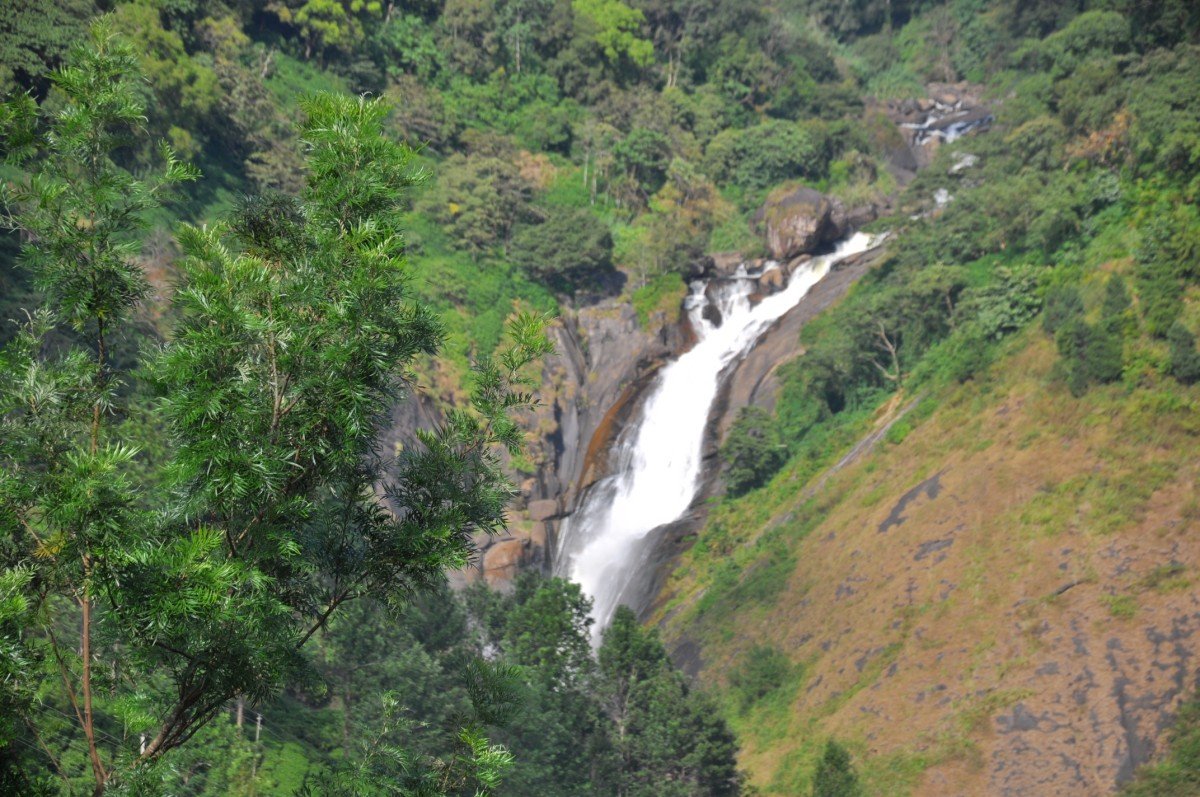
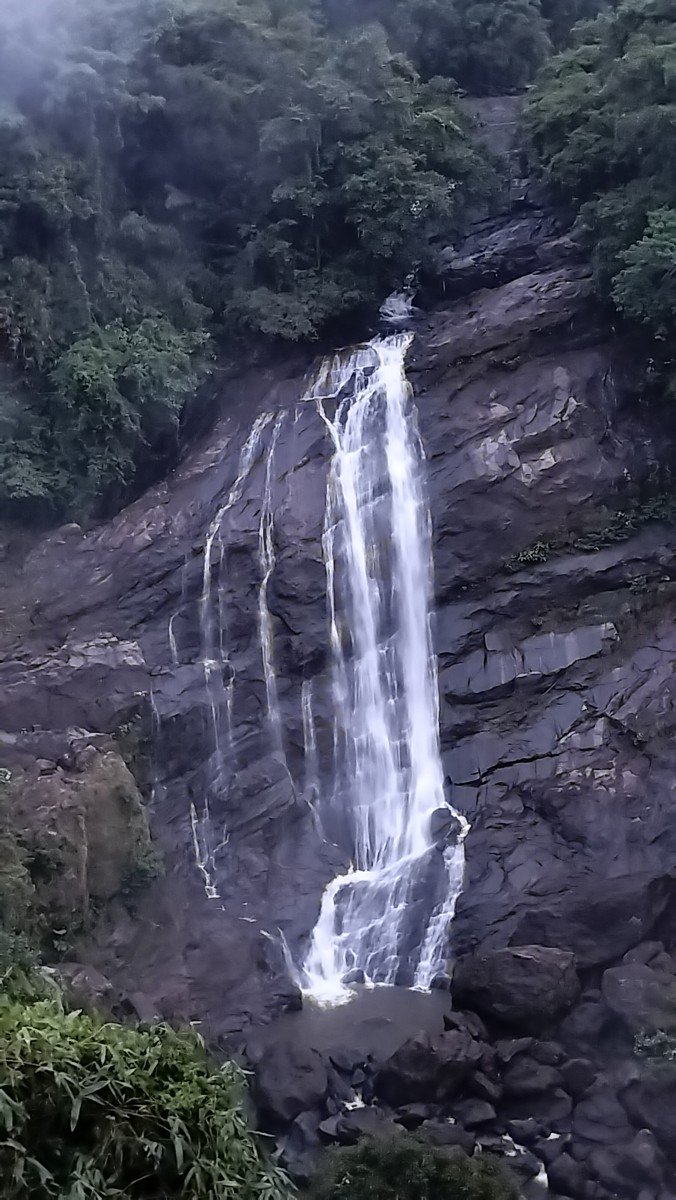
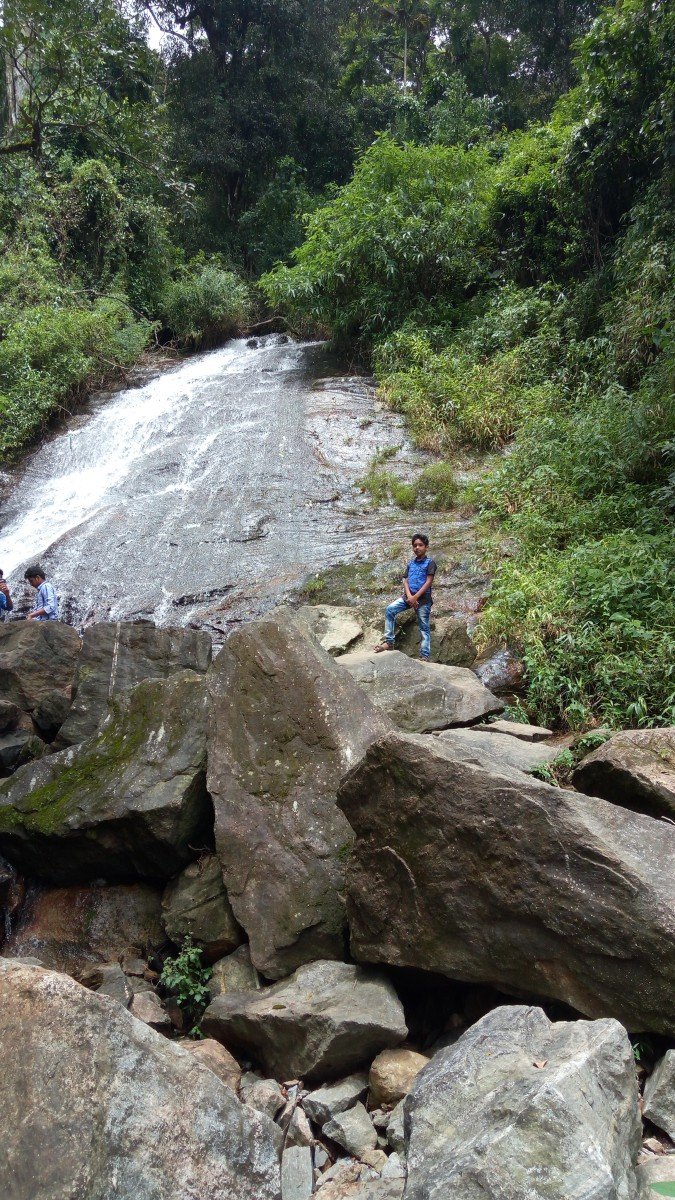
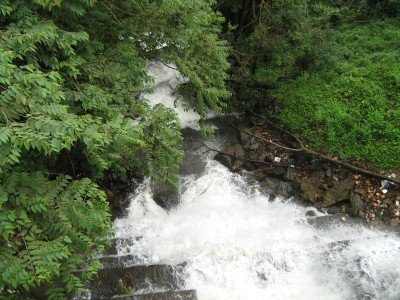 Power House Waterfalls, also known as Chinnakanal Waterfalls, is a spectacular sight situated on the way to Thekkady. The water cascades down a steep rock from a height of about 2000 meters above sea level. It originates from the sacred Sita Devi Lake in Devikulam, and legend says that the goddess Sita herself bathed in these waters. The name 'Power House' is derived from a nearby old hydroelectric power station. The falls are surrounded by lush green mountain ranges and dense tea plantations, providing a serene atmosphere away from the main town's hustle. Visitors can feel the spray of the cool water as it crashes against the rocks, creating a natural mist in the air. The base of the falls forms a small pool where people often dip their feet, though caution is advised during the monsoons. The area is rich in diverse flora, including various species of mountain orchids. It is a perfect pit stop for those traveling toward the Periyar Wildlife Sanctuary. The roar of the water can be heard from a distance, inviting travelers to stop and admire the force of nature. It is particularly beautiful after the rainy season when the flow is at its peak.
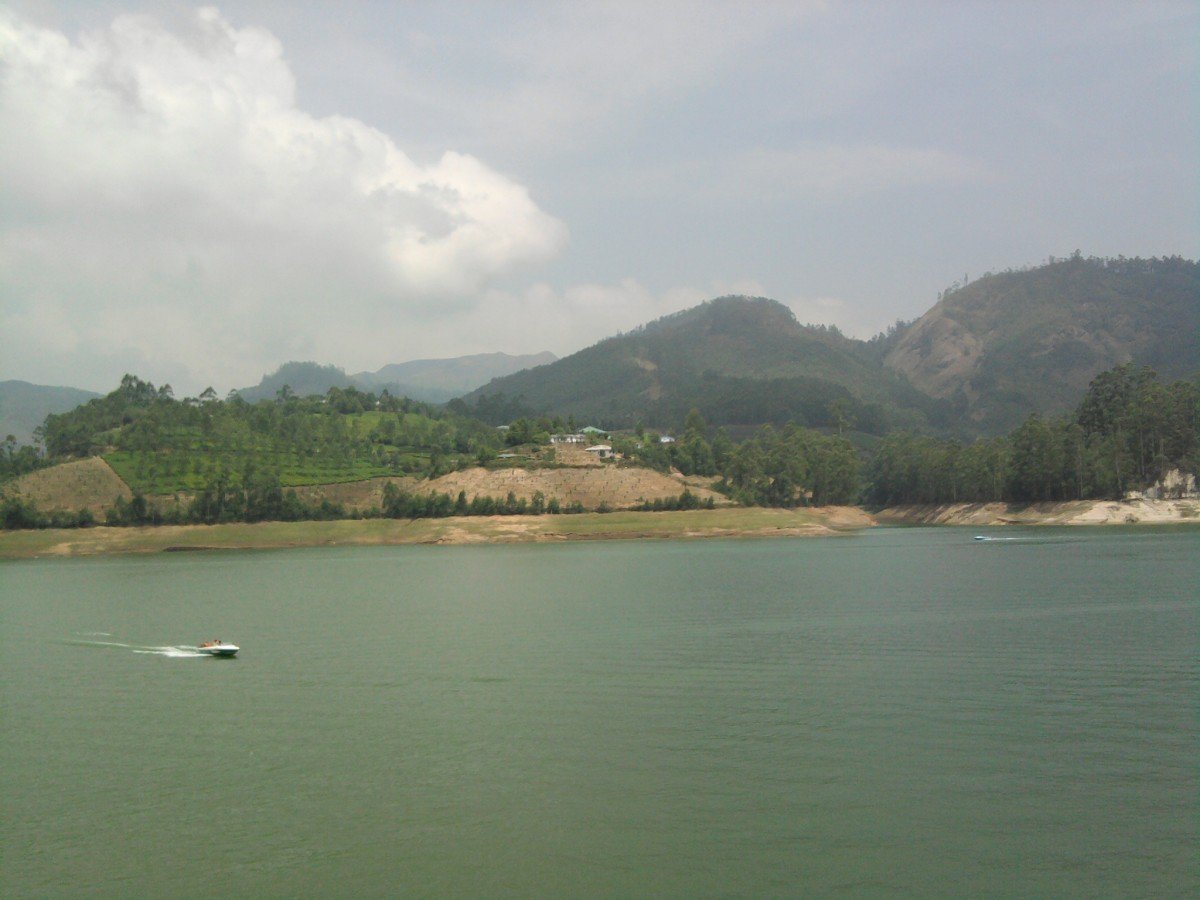
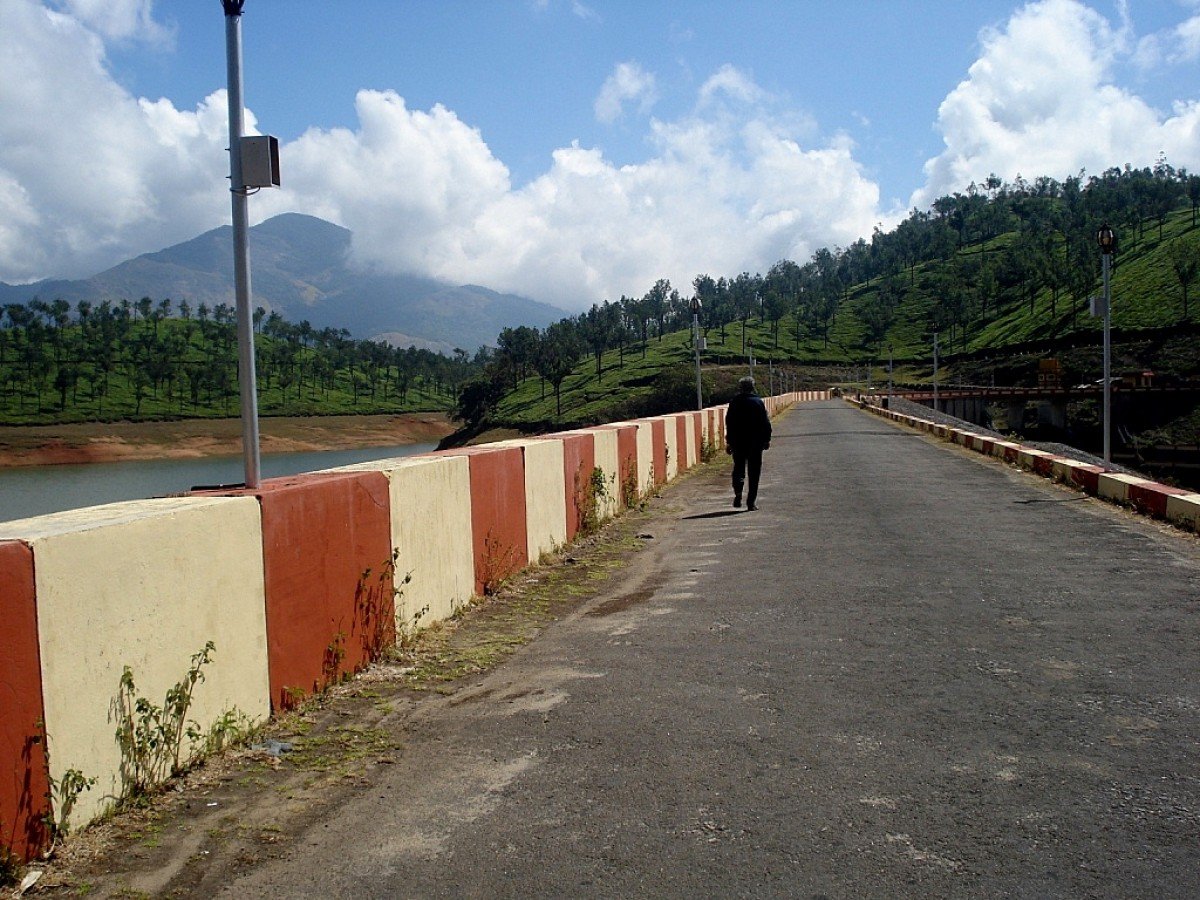
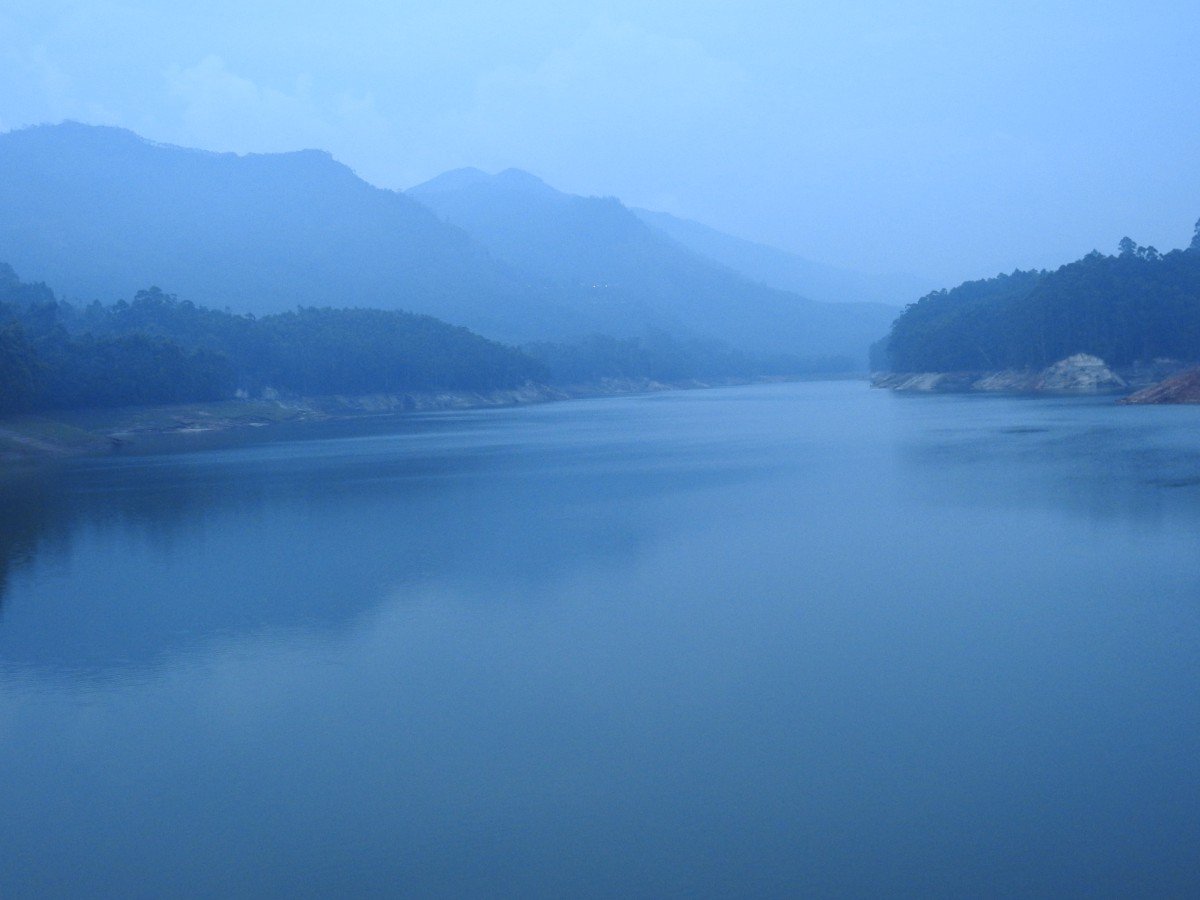
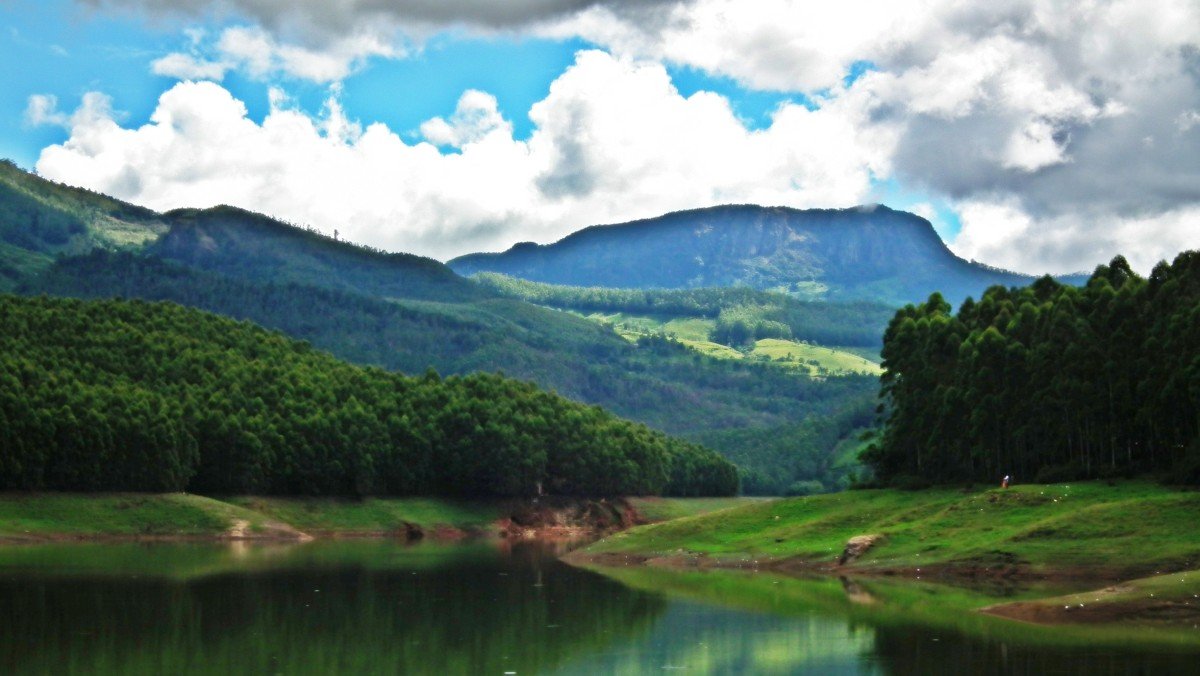
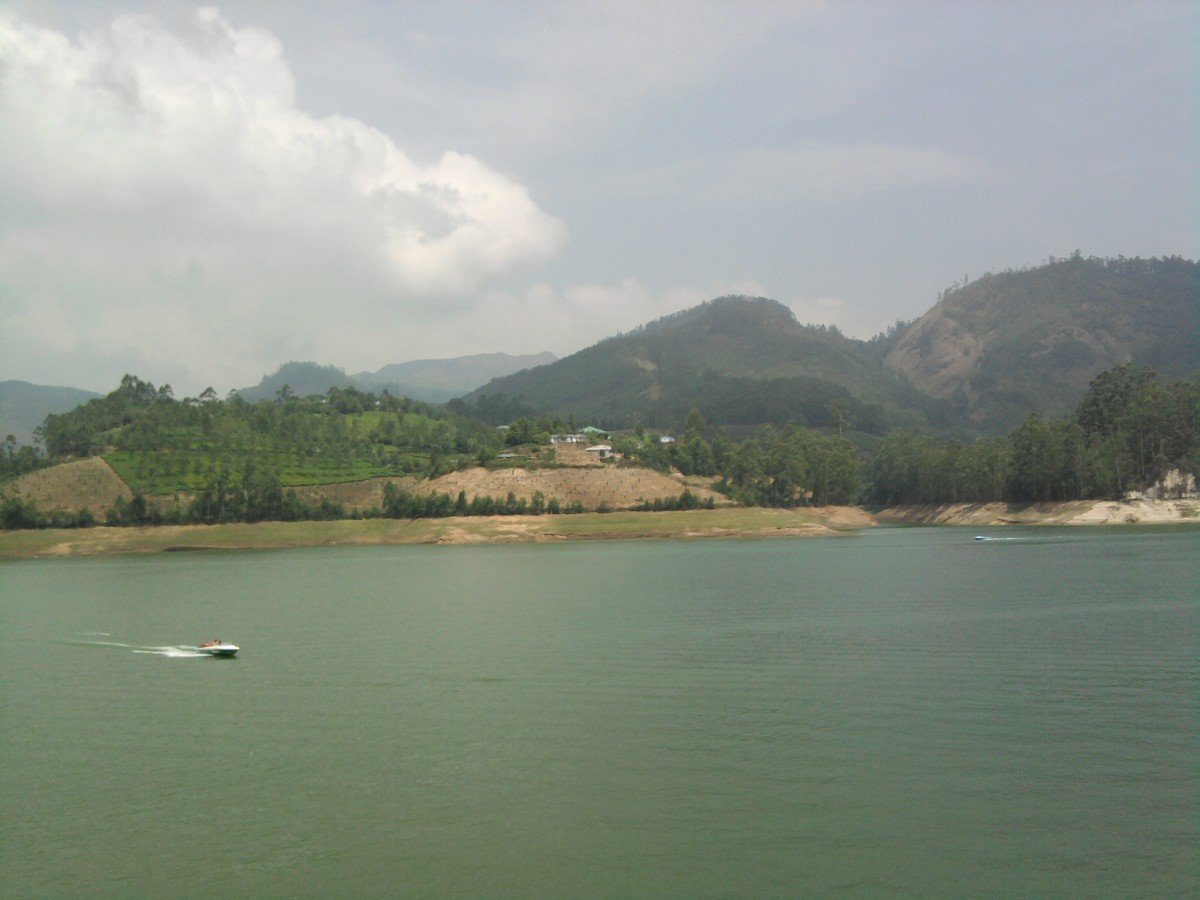
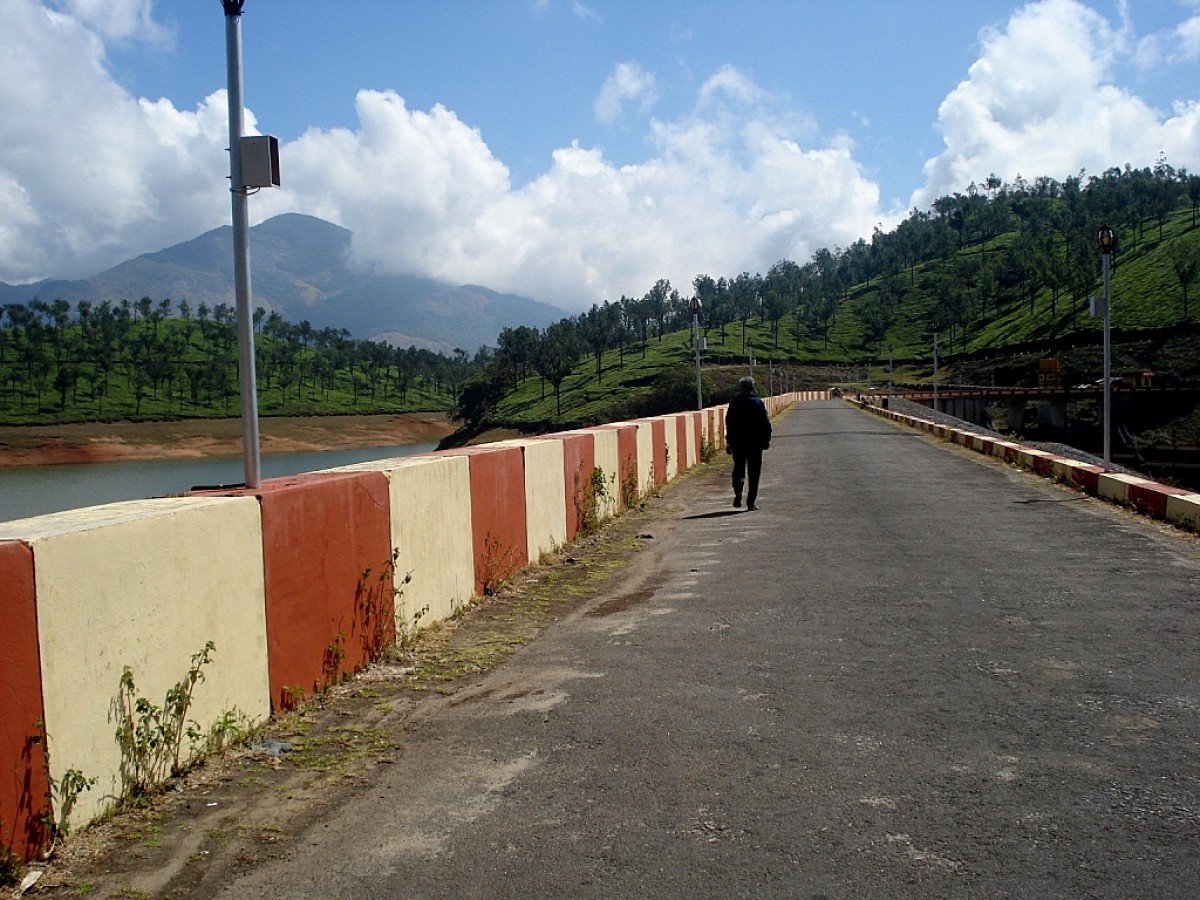
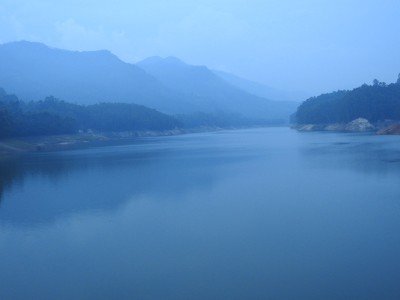 Mattupetty Dam is a massive concrete gravity dam nestled in the mountains of Idukki, constructed in the late 1940s for the purpose of water conservation and hydroelectricity under the Pallivasal project. The dam creates a vast, shimmering lake that serves as a primary water source for wild animals, particularly elephants that emerge from the surrounding Shola forests to drink and bathe at the banks. The area is enveloped by lush tea plantations and rolling hills, providing a tranquil atmosphere that contrasts with the engineering might of the concrete structure itself. This destination is not just about the dam; it is a holistic natural retreat where the echoes of the valley meet the gentle ripples of the reservoir. The reservoir is approximately 1700 meters above sea level, offering panoramic views of the Anamudi peak and the dense forest canopy that houses several species of endemic birds. Visitors often find themselves lost in the misty landscapes during early mornings when the fog dances on the water's surface, creating a surreal and cinematic environment. It remains one of the most visited spots in Munnar due to its accessibility and the sheer variety of activities available for families and solo travelers alike.
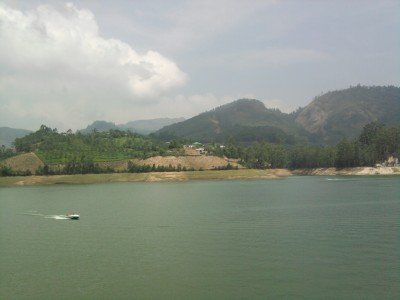 @@Legendary Waters: Devikulam Lake, also known as Sita Devi Lake, is a pristine body of water steeped in Hindu mythology and local folk legends. @@Mythological Roots: It is believed that Goddess Sita from the Ramayana once bathed in these crystal-clear waters, making the lake a sacred site for many devotees. @@Untouched Beauty: Surrounded by velvet-green lawns and diverse flora, the lake remains largely unspoiled by commercialization, offering a truly raw and natural experience to its visitors. @@Healing Properties: Local legends suggest that the mineral-rich waters of the lake possess therapeutic and medicinal properties that can cure various skin ailments and fatigue. @@A Private Haven: Much of the surrounding area is under the management of tea estates, which helps in preserving the ecological balance and tranquility of the water body.
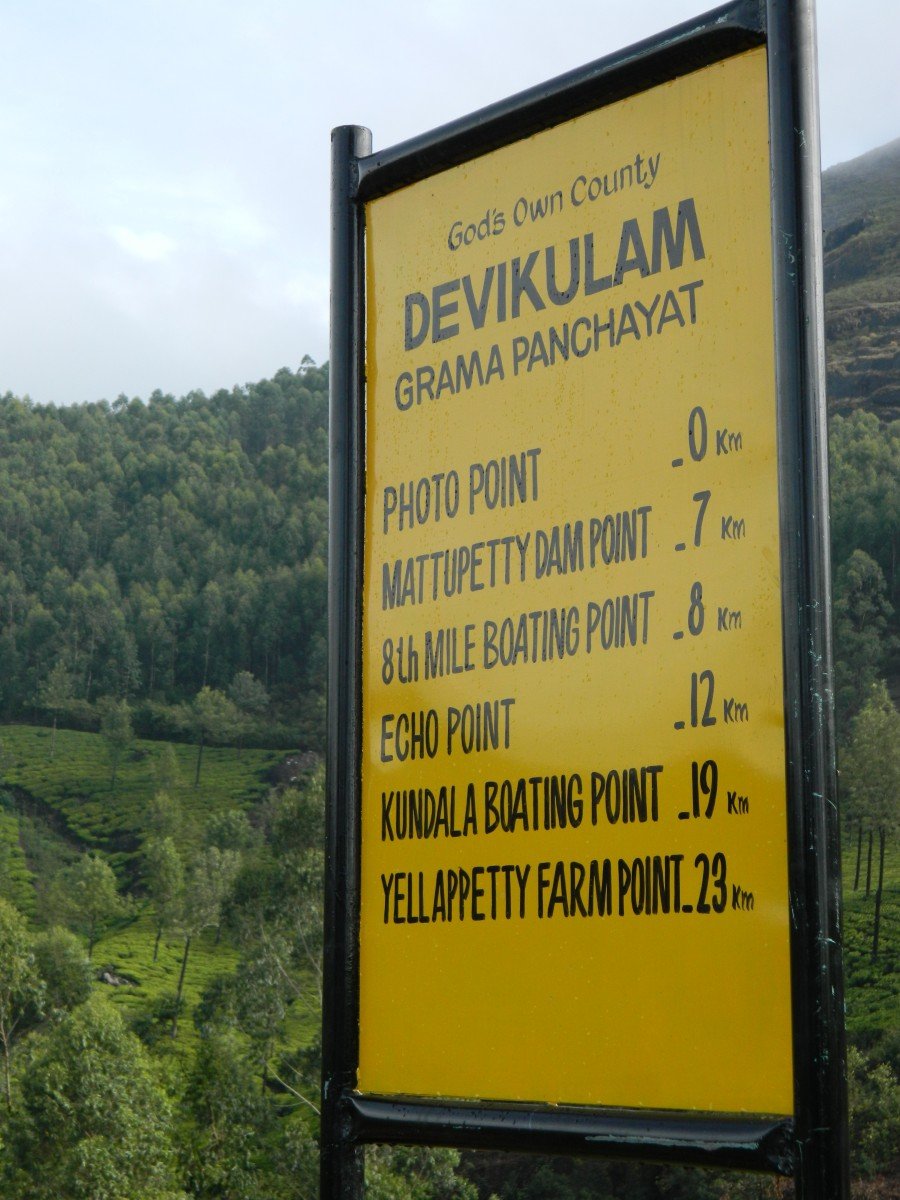
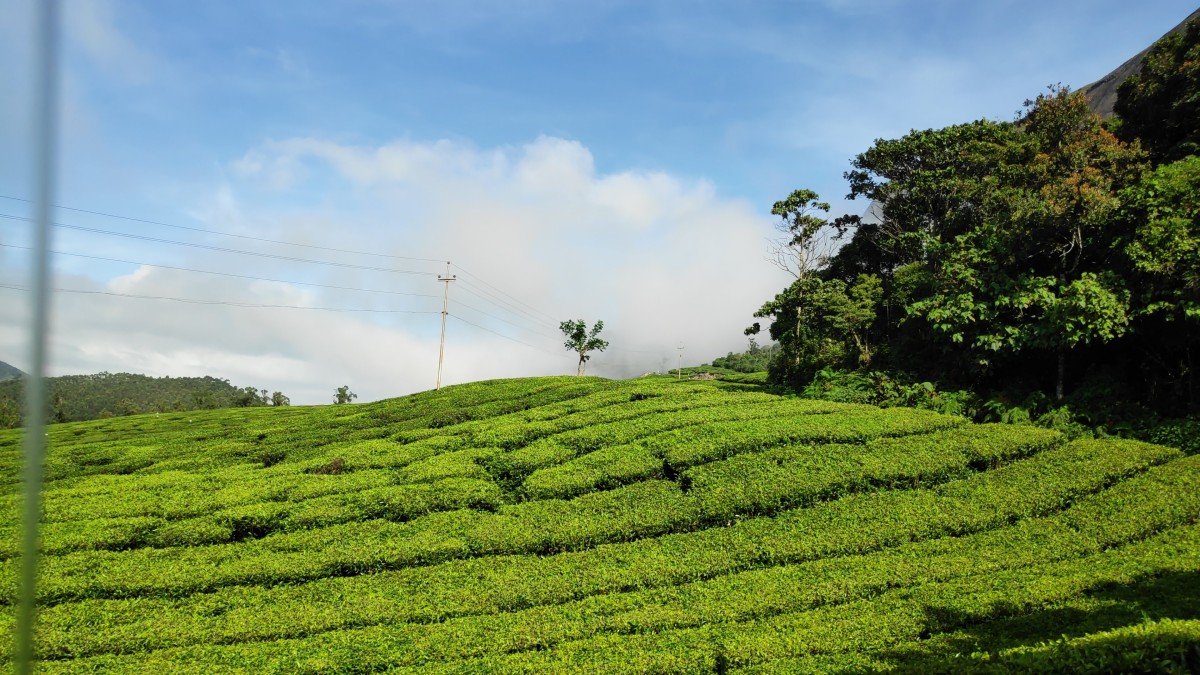
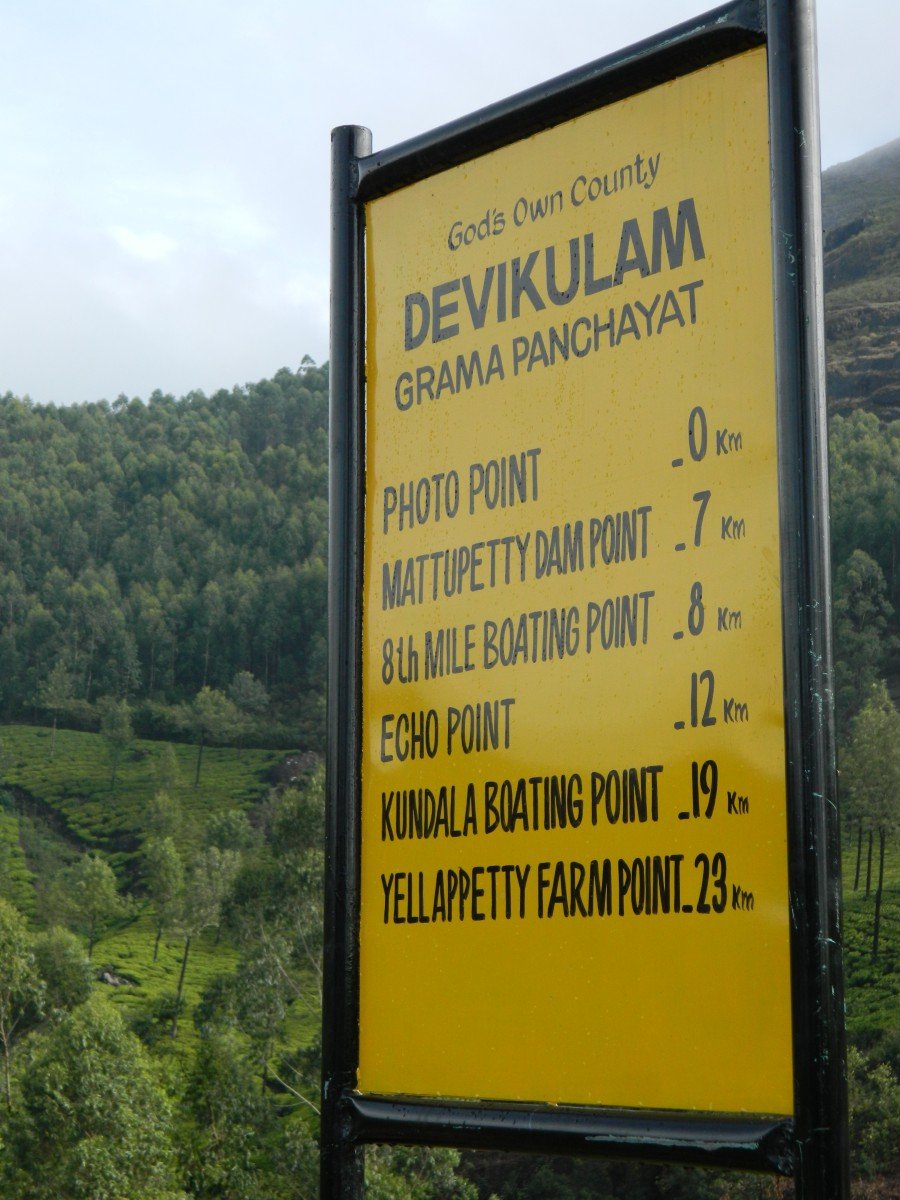
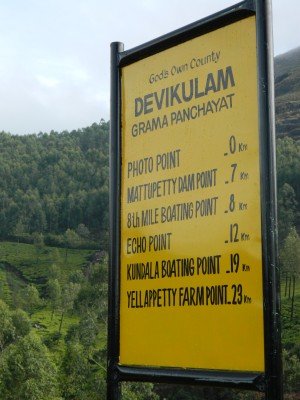 **Photo Point** is a small, enchanting spot nestled among dense tea plantations, rolling hills, and a backdrop of tall, verdant trees, often including silver oaks. It is essentially a designated, scenic curve on the road that has become immensely popular due to its perfect, postcard-like views of the pristine natural environment. The name itself suggests its primary function: a superb location for photography. The dense cover of tea bushes, trimmed to an impeccable uniformity, creates a rich, textured green carpet that contrasts beautifully with the occasional tall, towering trees that break the horizon. The air here is crisp and carries the faint, refreshing aroma of tea leaves. The spot captures the very essence of the **Munnar** landscape—a blend of organized, cultivated beauty and wild, untamed nature. It's a quick stop, but the memory it etches is long-lasting, embodying the tranquillity and lushness that define the high-range hill station. It serves as a visual gateway, offering one of the first truly magnificent vistas a traveler encounters on the popular sightseeing route toward **Mattupetty Dam** and **Echo Point**. The elevated location provides a wide-angle perspective of the surrounding valleys.Show All
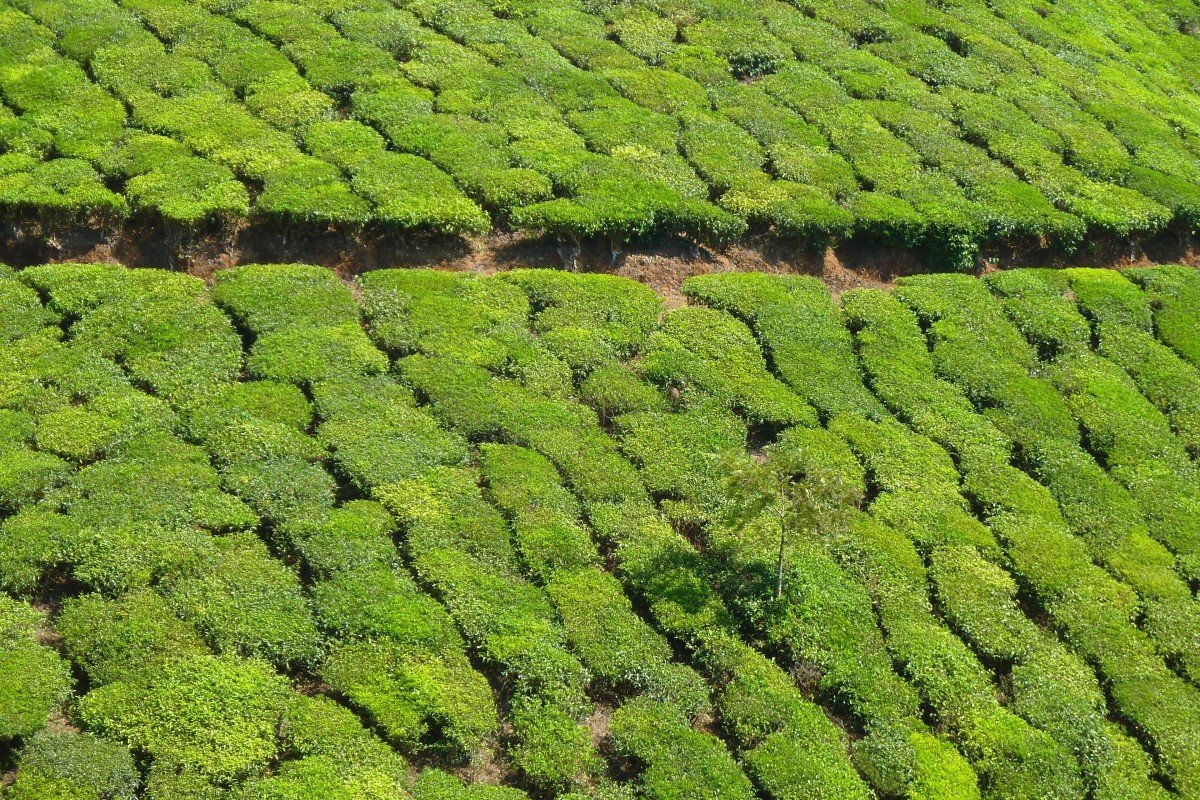
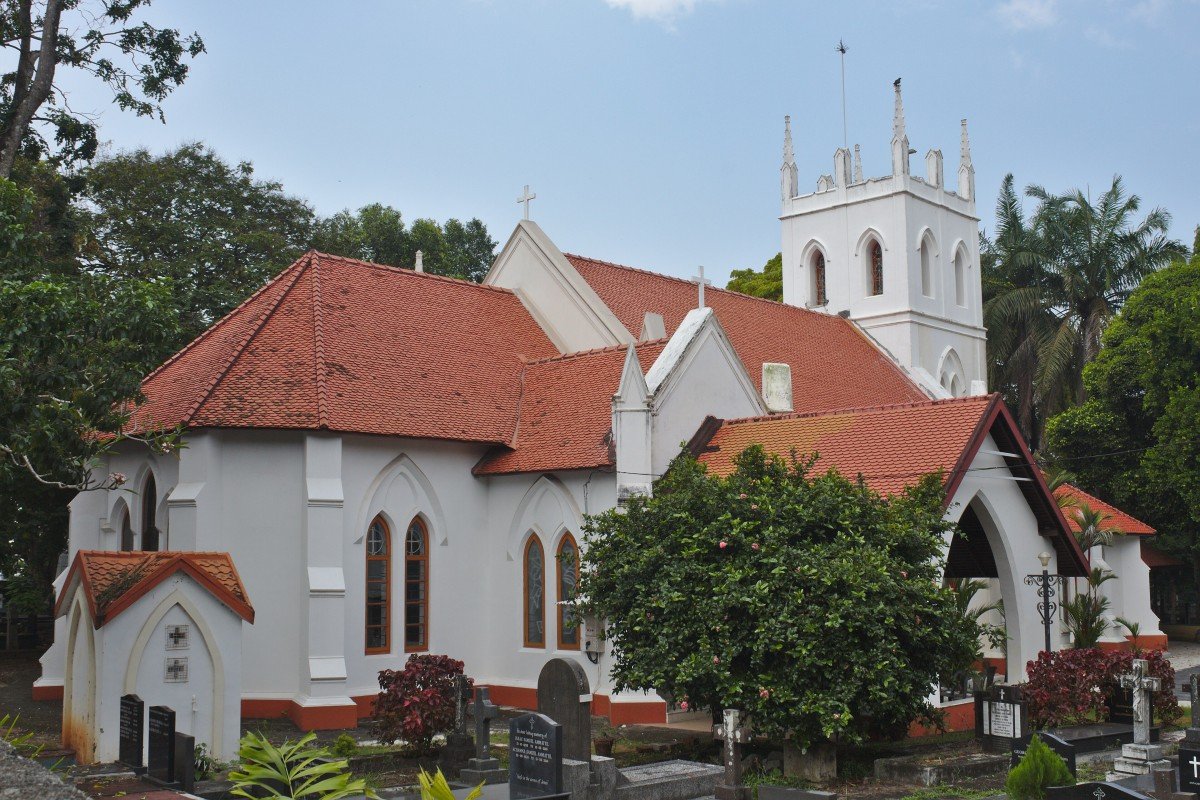
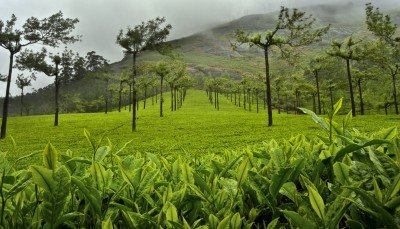 Sevenmallay Estate is one of the most iconic tea gardens in Munnar, established in 1900 and currently managed by the Kanan Devan Hills Plantations (KDHP). Spread over hundreds of acres, it looks like a seamless green blanket draped over the hills. The name "Sevenmallay" is an anglicized version of the local name, representing the seven hills that surround the area. This estate is not just a commercial plantation but a heritage site that showcases the colonial legacy of tea cultivation. As you walk through the estate, you can see tea pluckers skillfully harvesting the "two leaves and a bud" that make the world-famous Munnar tea. The garden is bounded by the Munnar town to the east and features a quaint colonial bungalow at its heart. The estate is also home to the Munnar Christ Church and the historic Gymkhana Grounds. The air here is constantly filled with the refreshing aroma of fresh tea leaves, and the rolling terrain offers some of the best hiking opportunities in the district. It serves as a living testimony to the transition from British ownership to the employee-owned model of KDHP.
Information
-
Why Famous:
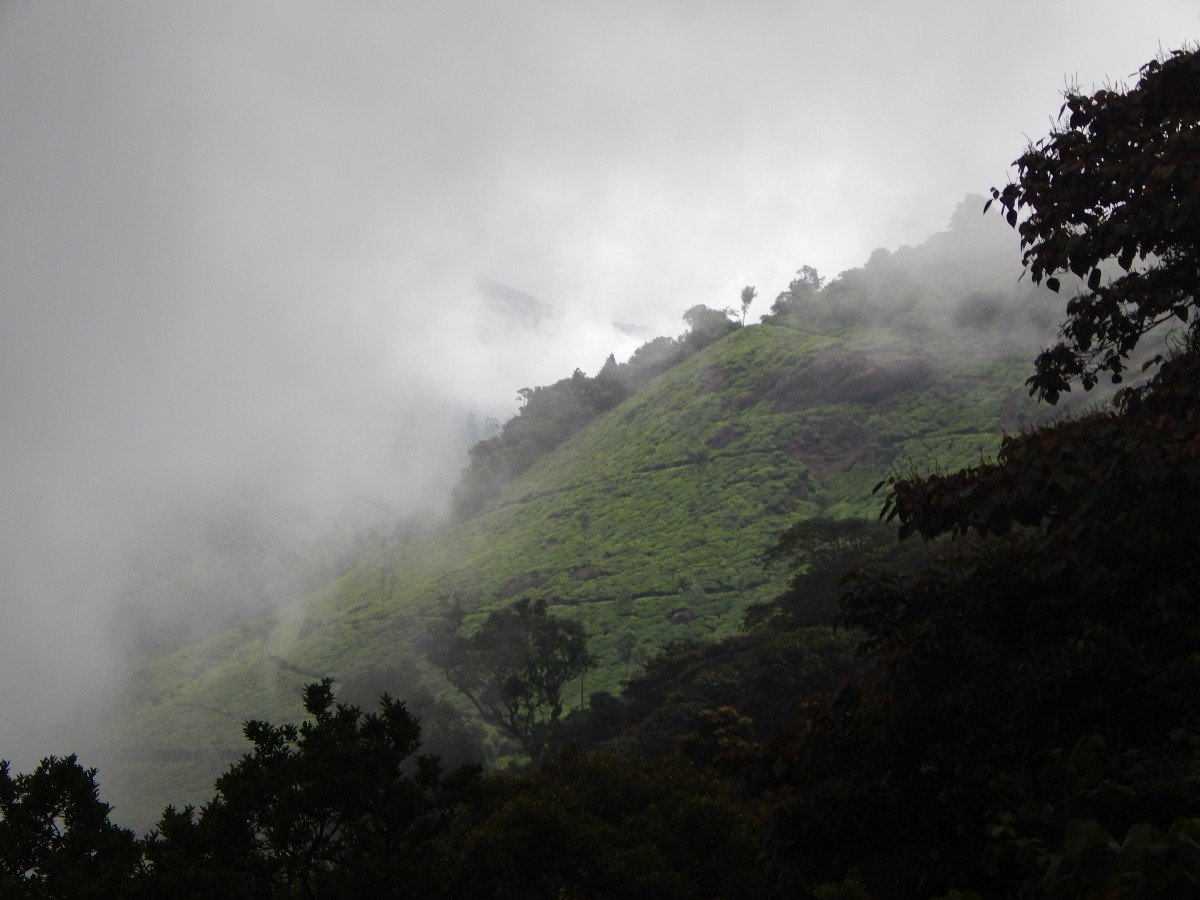
Lush Tea Estates: Munnar is famous globally for its sprawling tea plantations that cover the undulating hills like a velvet green carpet. These estates provide a unique landscape that is both visually stunning and culturally significant to the history of Kerala.Lush Tea Estates: Munnar is famous globally for its sprawling tea plantations that cover the undulating hills like a velvet green carpet. These estates provide a unique landscape that is both visually stunning and culturally significant to the history of Kerala.
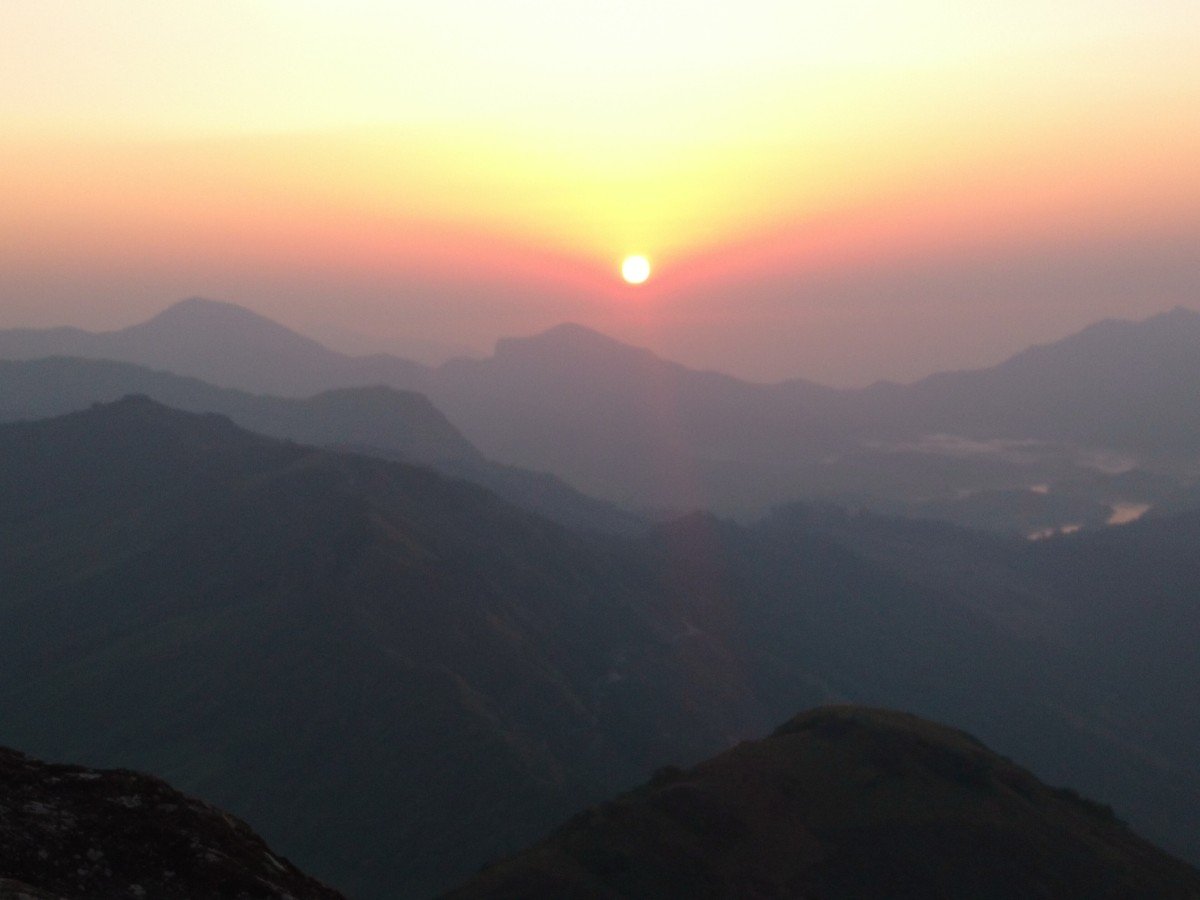
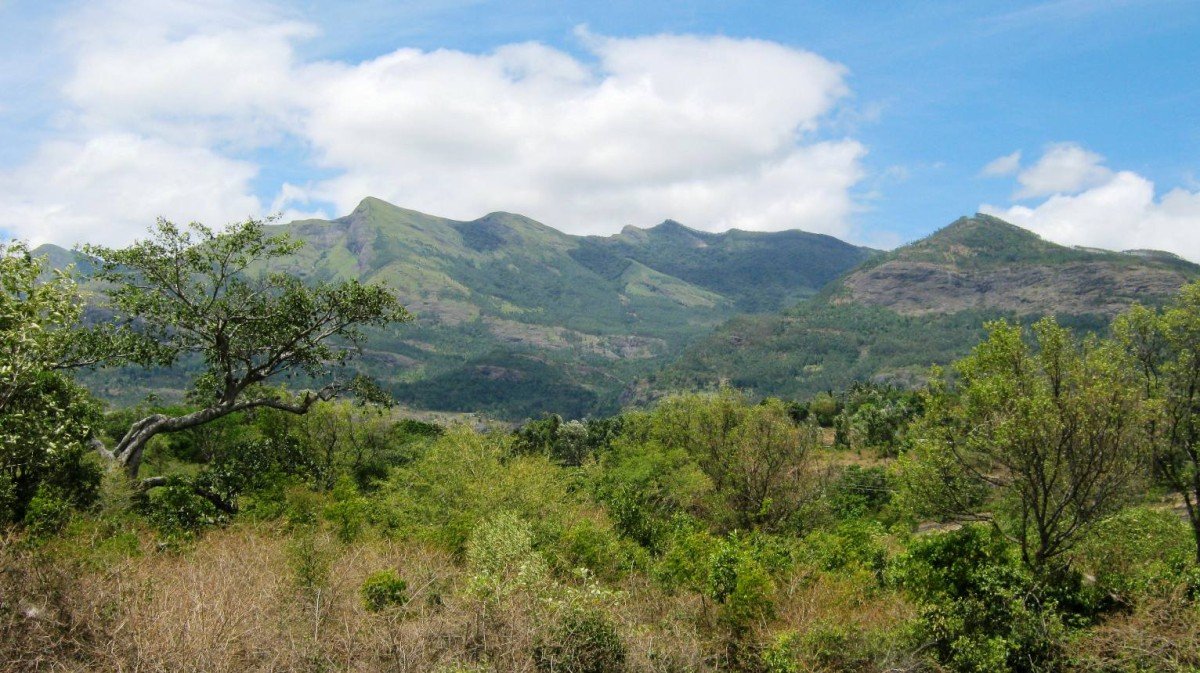
Anamudi Peak: It is home to the highest peak in South India, Anamudi, which attracts hikers and nature lovers from across the globe. Standing at 2,695 meters, it offers a commanding view of the entire Western Ghats mountain range. -
Architecture:
Colonial Influence: The architecture in Munnar is heavily influenced by the British era, featuring bungalows with gabled roofs, wooden floors, and expansive stone fireplaces designed for the cool mountain air. Most colonial buildings are constructed using local granite and ...Colonial Influence: The architecture in Munnar is heavily influenced by the British era, featuring bungalows with gabled roofs, wooden floors, and expansive stone fireplaces designed for the cool mountain air. Most colonial buildings are constructed using local granite and timber, blending seamlessly with the natural environment.
Tea Factory Design: Industrial architecture is prominent in the tea factories, which utilize multi-level structures for gravity-based processing of tea leaves. These factories often feature large glass windows to allow natural light and high ceilings for ventilation during the drying process. -
How To Reach:
By Air: The nearest airport is Cochin International Airport, located about 110 kilometers away from the hill station. From the airport, you can hire a pre-paid taxi or take a state-run KSRTC bus for a scenic four-hour drive through the mountains.
Read MoreBy Air: The nearest airport is Cochin International Airport, located about 110 kilometers away from the hill station. From the airport, you can hire a pre-paid taxi or take a state-run KSRTC bus for a scenic four-hour drive through the mountains.
By Train: Aluva and Ernakulam are the closest major railway stations, situated approximately 120 kilometers from the town center. Numerous trains from major Indian cities stop here, and taxis are readily available for the onward journey to the hills.
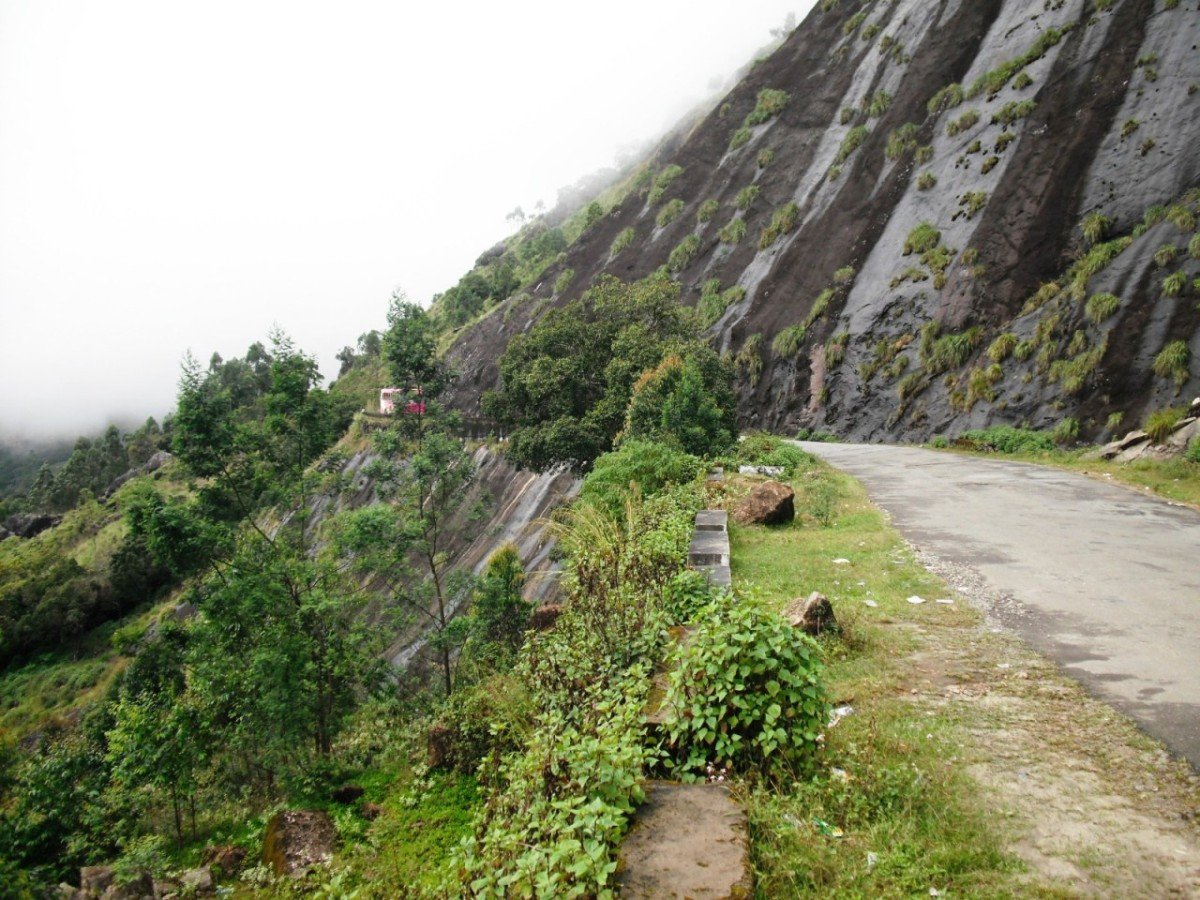
By Road: Munnar is well-connected by a network of well-maintained highways to cities like Kochi, Madurai, and Coimbatore. Driving your own vehicle or taking a luxury bus offers a chance to see waterfalls and spice gardens along the winding mountain roads.
By Local Transport: Within the town, auto-rickshaws and local buses are the most common modes of transport for short distances. For a full day of sightseeing, hiring a private jeep or a taxi is the most convenient option to cover all major distant attractions.Weather and Best Time to Visit:
Winter Season: From December to February, the weather is chilly and perfect for honeymooners and outdoor activities. This is the peak tourist season when the skies are clear, and the views of the valley are most sharp and vibrant.
Monsoon Magic...Winter Season: From December to February, the weather is chilly and perfect for honeymooners and outdoor activities. This is the peak tourist season when the skies are clear, and the views of the valley are most sharp and vibrant.
Monsoon Magic: From June to September, the region receives heavy rainfall, making the waterfalls thunderous and the greenery even more intense. It is the best time for those who enjoy the romantic atmosphere of rain and mist-covered mountains.Near Tourist Places:
Anamudi Peak (10KM), Mattupetty Dam (13KM), Echo Point (15KM), Eravikulam Park (8KM), Tea Museum (2KM), Top Station (32KM), Kundala Lake (20KM), Marayoor (40KM), Chinnar Sanctuary (60KM), Attukal Falls (9KM)Tourism Tips
-
Health and Safety: Always carry basic motion sickness medicine as the roads to the hills are winding and can be challenging for some. It is also important to stay hydrated and carry a first-aid kit, especially if you plan on trekking through the forest areas.Health and Safety: Always carry basic motion sickness medicine as the roads to the hills are winding and can be challenging for some. It is also important to stay hydrated and carry a first-aid kit, especially if you plan on trekking through the forest areas.
Packing Essentials: Even in summer, evenings can be cool, so pack light woolens or a jacket. During the monsoon, high-quality raincoats and umbrellas are mandatory, along with sturdy waterproof shoes for walking on slippery plantation paths.
Reviews
FAQs
Munnar Itineray And Cost:-
Other Places In Kerala :-
Other States In India :-
Information about New and Updated Locations() of Kerala Has Been Added :-
Card subtitle
Note:-
Information provided here in good Faith and for reference only.
Near Places

Athirappilly:
Some quick example text to build on the card title and make up the bulk of the card's content.
Go somewhere
Attingal
Some quick example text to build on the card title and make up the bulk of the card's content.
Go somewhere
Bekal
Some quick example text to build on the card title and make up the bulk of the card's content.
Go somewhere
Ernakulam
Some quick example text to build on the card title and make up the bulk of the card's content.
Go somewhere
Guruvayur
Some quick example text to build on the card title and make up the bulk of the card's content.
Go somewhere
Idukki
Some quick example text to build on the card title and make up the bulk of the card's content.
Go somewhere
Kannur
Some quick example text to build on the card title and make up the bulk of the card's content.
Go somewhere
Kasaragod
Some quick example text to build on the card title and make up the bulk of the card's content.
Go somewhere
Kollam
Some quick example text to build on the card title and make up the bulk of the card's content.
Go somewhere
Kottayam
Some quick example text to build on the card title and make up the bulk of the card's content.
Go somewhere
Kovalam
Some quick example text to build on the card title and make up the bulk of the card's content.
Go somewhere
Kozhikode
Some quick example text to build on the card title and make up the bulk of the card's content.
Go somewhere
Kumarakom
Some quick example text to build on the card title and make up the bulk of the card's content.
Go somewhere
Kuttanad
Some quick example text to build on the card title and make up the bulk of the card's content.
Go somewhere
Malappuram
Some quick example text to build on the card title and make up the bulk of the card's content.
Go somewhere
Marari Beach
Some quick example text to build on the card title and make up the bulk of the card's content.
Go somewherein Other Cities