

Murudeshwar
General information
-
Ideal Duration:
1-2 DaysPlace Type:
Pilgrimage & BeachEntry Fees:
Temple Entry: Entry to the main temple and the complex is free for all visitors.
Gopura Elevator: A nominal fee of approximately 20-50 INR is charged for the lift ride.
Cave Museum: A small fee of 10-20 INR...Temple Entry: Entry to the main temple and the complex is free for all visitors.
Gopura Elevator: A nominal fee of approximately 20-50 INR is charged for the lift ride.
Cave Museum: A small fee of 10-20 INR is required to enter the mythological museum.
:Timing:
Regular Timings: The temple is open from 6:00 AM to 1:00 PM and 3:00 PM to 8:15 PM daily.
Best Visit Time: Early mornings at 6:30 AM are best to avoid the heat and heavy tourist crowds.
:...Regular Timings: The temple is open from 6:00 AM to 1:00 PM and 3:00 PM to 8:15 PM daily.
Best Visit Time: Early mornings at 6:30 AM are best to avoid the heat and heavy tourist crowds.
:Special Events:
Maha Shivaratri: The most grand festival celebrated in February or March with thousands of oil lamps and night-long prayers.
Lakshadeepotsava: A festival of lights where the entire temple complex is illuminated with traditional lamps.
<...Maha Shivaratri: The most grand festival celebrated in February or March with thousands of oil lamps and night-long prayers.
Lakshadeepotsava: A festival of lights where the entire temple complex is illuminated with traditional lamps.
:Best Photo Spots:
Gopura Top: The 18th-floor window provides a perfect symmetry shot of the Shiva statue and the ocean.
Beach Sunset: The golden hour at the beach provides a divine halo effect behind the giant statue.
Statue Bas...Gopura Top: The 18th-floor window provides a perfect symmetry shot of the Shiva statue and the ocean.
Beach Sunset: The golden hour at the beach provides a divine halo effect behind the giant statue.
Statue Base: A low-angle shot from the base emphasizes the colossal scale of the monument.
:Photo Gallery
Things To Do
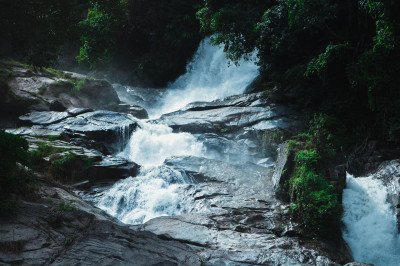 Koosalli Waterfalls is a hidden treasure located deep within the dense forests of the Western Ghats near Shiroor. It is a magnificent six-step cascading waterfall that drops from a total height of about 380 feet. The trek to the falls is an adventurous journey through thick jungles, rocky terrains, and small streams. Unlike other commercial waterfalls, Koosalli remains untouched and offers a raw wilderness experience. Each of the six tiers has its own unique charm, with the sixth fall being the most spectacular at 150 feet. The path is not well-marked, making it a favorite for seasoned trekkers and nature enthusiasts. The water is crystal clear and forms natural pools at each level, perfect for a refreshing dip. The surrounding forest is home to various species of birds and butterflies, providing a symphony of nature. Due to its remote location, the waterfall is never crowded, allowing visitors to connect with nature in silence. It is a part of the Sharavathi Valley Wildlife Sanctuary ecosystem, ensuring a rich biodiversity.
Apsarakonda Falls is a breathtaking natural wonder located in the sleepy village of Apsarakonda. The name translates to "Pond of Angels," stemming from an ancient legend that celestial beings or Apsaras used to descend from the heavens to bathe in these pristine waters. This waterfall is unique because it does not flow from a traditional river but gushes out from the roots of an ancient Peepal tree perched on a cliff. The water cascades down from a height of approximately 10 meters into a natural pool that resembles a blue lagoon. Surrounding the falls is a lush green garden maintained by the forest department, offering a panoramic view of the Arabian Sea nearby. The site is a perfect blend of a forest, a waterfall, and a beach, all within a few hundred meters. Visitors often find the atmosphere deeply calming, as the sound of the crashing water mingles with the salty sea breeze. It is a popular spot for families seeking a quiet picnic or couples looking for a romantic backdrop. The area is also geologically interesting, with small caves nearby that add a layer of mystery to the landscape. Overall, it serves as a serene getaway from the crowded temple towns, providing a raw and untouched experience of nature's bounty in the Uttara Kannada region.
Koosalli Waterfalls is a hidden treasure located deep within the dense forests of the Western Ghats near Shiroor. It is a magnificent six-step cascading waterfall that drops from a total height of about 380 feet. The trek to the falls is an adventurous journey through thick jungles, rocky terrains, and small streams. Unlike other commercial waterfalls, Koosalli remains untouched and offers a raw wilderness experience. Each of the six tiers has its own unique charm, with the sixth fall being the most spectacular at 150 feet. The path is not well-marked, making it a favorite for seasoned trekkers and nature enthusiasts. The water is crystal clear and forms natural pools at each level, perfect for a refreshing dip. The surrounding forest is home to various species of birds and butterflies, providing a symphony of nature. Due to its remote location, the waterfall is never crowded, allowing visitors to connect with nature in silence. It is a part of the Sharavathi Valley Wildlife Sanctuary ecosystem, ensuring a rich biodiversity.
Apsarakonda Falls is a breathtaking natural wonder located in the sleepy village of Apsarakonda. The name translates to "Pond of Angels," stemming from an ancient legend that celestial beings or Apsaras used to descend from the heavens to bathe in these pristine waters. This waterfall is unique because it does not flow from a traditional river but gushes out from the roots of an ancient Peepal tree perched on a cliff. The water cascades down from a height of approximately 10 meters into a natural pool that resembles a blue lagoon. Surrounding the falls is a lush green garden maintained by the forest department, offering a panoramic view of the Arabian Sea nearby. The site is a perfect blend of a forest, a waterfall, and a beach, all within a few hundred meters. Visitors often find the atmosphere deeply calming, as the sound of the crashing water mingles with the salty sea breeze. It is a popular spot for families seeking a quiet picnic or couples looking for a romantic backdrop. The area is also geologically interesting, with small caves nearby that add a layer of mystery to the landscape. Overall, it serves as a serene getaway from the crowded temple towns, providing a raw and untouched experience of nature's bounty in the Uttara Kannada region. The Rajagopuram of the Murudeshwar Temple is a monumental landmark that dominates the skyline of the coastal town. Standing at a staggering height of approximately 237 to 249 feet, it is often cited as one of the tallest temple towers in the world. This 20-storied structure serves as the main entrance to the ancient temple dedicated to Lord Shiva, located on the Kanduka Hill. The gopuram was built in its modern form by the philanthropist and businessman R.N. Shetty, who transformed the site into a world-class spiritual destination. The temple itself has deep roots in Hindu mythology, specifically linked to the legend of Ravana and the Atma Linga. It is believed that a piece of the cloth covering the Atma Linga fell here, giving the place its sacred name. The Rajagopuram is unique because it features a modern elevator system that takes devotees to the 18th floor, offering a panoramic view of the entire complex and the Arabian Sea. The architecture is a blend of traditional South Indian Dravidian style and modern engineering, using high-grade concrete and steel to withstand the coastal winds. Every inch of the tower is adorned with intricate carvings depicting various gods, goddesses, and mythological scenes. Visiting this spot provides a sense of grand scale and spiritual awe that is rare even in a land of great temples. :
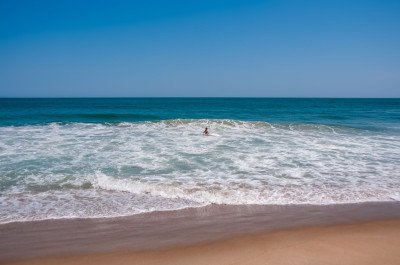 Eco Beach, also known as Kasarkod Beach, is a shining example of sustainable tourism in India. It is one of the few beaches in the country to receive the prestigious 'Blue Flag' certification, an international tag given to beaches that meet strict environmental and safety standards. Spanning about 5 KM, the beach is characterized by its powdery white sand and crystal-clear turquoise waters. Unlike most Indian beaches, Eco Beach is exceptionally clean, with zero litter and well-maintained facilities. The shoreline is flanked by a thick forest of Casuarina trees, providing a natural green canopy for visitors to relax under. The beach was developed as a joint venture between the forest department and the tourism board to promote eco-consciousness. It features a beautiful park, solar-powered lighting, and a greywater treatment plant. For families, there are dedicated play areas for children and clean changing rooms. The atmosphere here is one of total peace; there are no loud shacks or intrusive vendors. It is the perfect place for those who want to experience the sea in its most pristine and organized form. The walk along the wooden boardwalks through the Casuarina grove is particularly enchanting during the evening hours.
Yana Caves are a unique geological and religious site nestled deep within the lush forests of the Western Ghats in the Uttara Kannada district. These caves are not traditional caverns but are instead two massive, crystalline-limestone rock monoliths that tower over the surrounding jungle. The two main peaks are known as Bhairaveshwara Shikhara and Mohini Shikhara. Legend has it that the demon king Bhasmasura was turned into ashes here by Lord Vishnu in the form of the beautiful dancer Mohini, which explains the blackened color of the rocks. The site is a popular pilgrimage destination, with a self-manifested Shiva Linga located in a cave at the base of the taller peak. A unique feature is the water that naturally drips from the cave ceiling onto the Linga throughout the year. Reaching the caves requires a moderate trek of about 0.5 to 2 kilometers through a dense canopy of trees, offering a true jungle adventure. The air here is noticeably cooler and the environment is filled with the sounds of chirping birds and flowing streams. Yana is recognized as a biodiversity hotspot and a geological wonder due to the rare karst rock formations that are millions of years old. The site remains largely underdeveloped, preserving its mystical and primitive charm. It is a place where nature's power and ancient mythology seamlessly blend into one. :
Eco Beach, also known as Kasarkod Beach, is a shining example of sustainable tourism in India. It is one of the few beaches in the country to receive the prestigious 'Blue Flag' certification, an international tag given to beaches that meet strict environmental and safety standards. Spanning about 5 KM, the beach is characterized by its powdery white sand and crystal-clear turquoise waters. Unlike most Indian beaches, Eco Beach is exceptionally clean, with zero litter and well-maintained facilities. The shoreline is flanked by a thick forest of Casuarina trees, providing a natural green canopy for visitors to relax under. The beach was developed as a joint venture between the forest department and the tourism board to promote eco-consciousness. It features a beautiful park, solar-powered lighting, and a greywater treatment plant. For families, there are dedicated play areas for children and clean changing rooms. The atmosphere here is one of total peace; there are no loud shacks or intrusive vendors. It is the perfect place for those who want to experience the sea in its most pristine and organized form. The walk along the wooden boardwalks through the Casuarina grove is particularly enchanting during the evening hours.
Yana Caves are a unique geological and religious site nestled deep within the lush forests of the Western Ghats in the Uttara Kannada district. These caves are not traditional caverns but are instead two massive, crystalline-limestone rock monoliths that tower over the surrounding jungle. The two main peaks are known as Bhairaveshwara Shikhara and Mohini Shikhara. Legend has it that the demon king Bhasmasura was turned into ashes here by Lord Vishnu in the form of the beautiful dancer Mohini, which explains the blackened color of the rocks. The site is a popular pilgrimage destination, with a self-manifested Shiva Linga located in a cave at the base of the taller peak. A unique feature is the water that naturally drips from the cave ceiling onto the Linga throughout the year. Reaching the caves requires a moderate trek of about 0.5 to 2 kilometers through a dense canopy of trees, offering a true jungle adventure. The air here is noticeably cooler and the environment is filled with the sounds of chirping birds and flowing streams. Yana is recognized as a biodiversity hotspot and a geological wonder due to the rare karst rock formations that are millions of years old. The site remains largely underdeveloped, preserving its mystical and primitive charm. It is a place where nature's power and ancient mythology seamlessly blend into one. :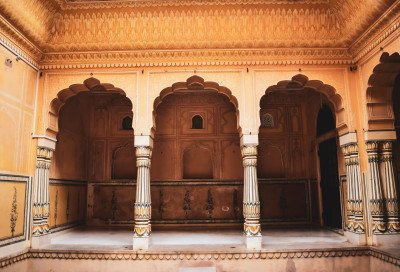 Mirjan Fort is a majestic structure located on the banks of the Aganashini River near Kumta. Built in the 16th century, the fort is widely believed to have been constructed by Rani Chennabhairadevi, also known as the "Pepper Queen" due to her control over the local spice trade. This sprawling fortress covers approximately 10 acres and is surrounded by a double layer of high walls built from local laterite stone. The fort served as a crucial military outpost and a center for the spice trade, connecting the interior regions with the Arabian Sea ports. Over the centuries, it witnessed numerous battles and changed hands between the Vijayanagara Empire, Bijapur Sultans, Marathas, and eventually the British. Today, the fort stands in partial ruins but is beautifully maintained by the Archaeological Survey of India (ASI), offering a serene atmosphere away from the usual tourist crowds. During the Monsoon season, the laterite walls are covered in a lush carpet of green moss, making it look like a scene from a fairytale. Visitors can explore the secret passages, underground tunnels, and deep wells that once served the fort's inhabitants. The fort's location offers panoramic views of the surrounding palm groves and the winding river, making it a favorite for history buffs and nature lovers alike. It remains a silent witness to the rich maritime history of the Karnataka coast.
Kodachadri is a majestic mountain peak in the Western Ghats of Karnataka, standing at an elevation of 1,343 meters. It is a natural heritage site known for its lush green shola forests and misty landscapes. The peak is famous for its association with Adi Shankaracharya, who is said to have meditated here. The trek to the summit is a dream for adventure lovers, passing through dense canopies and the sparkling Hidlumane Falls. From the top, one can witness a 360-degree view of the mountains and the distant Arabian Sea during clear sunsets. It is a part of the Mookambika Wildlife Sanctuary, making it a hotspot for biodiversity and rare flora. The atmosphere is serene, providing a perfect escape from the hustle of city life. Local legends say the peak is the original home of Goddess Mookambika before she descended to Kollur. The journey to the top via rugged jeep tracks is as thrilling as the trekking experience itself. Visitors often find themselves surrounded by clouds, creating a heavenly experience.Show All
Mirjan Fort is a majestic structure located on the banks of the Aganashini River near Kumta. Built in the 16th century, the fort is widely believed to have been constructed by Rani Chennabhairadevi, also known as the "Pepper Queen" due to her control over the local spice trade. This sprawling fortress covers approximately 10 acres and is surrounded by a double layer of high walls built from local laterite stone. The fort served as a crucial military outpost and a center for the spice trade, connecting the interior regions with the Arabian Sea ports. Over the centuries, it witnessed numerous battles and changed hands between the Vijayanagara Empire, Bijapur Sultans, Marathas, and eventually the British. Today, the fort stands in partial ruins but is beautifully maintained by the Archaeological Survey of India (ASI), offering a serene atmosphere away from the usual tourist crowds. During the Monsoon season, the laterite walls are covered in a lush carpet of green moss, making it look like a scene from a fairytale. Visitors can explore the secret passages, underground tunnels, and deep wells that once served the fort's inhabitants. The fort's location offers panoramic views of the surrounding palm groves and the winding river, making it a favorite for history buffs and nature lovers alike. It remains a silent witness to the rich maritime history of the Karnataka coast.
Kodachadri is a majestic mountain peak in the Western Ghats of Karnataka, standing at an elevation of 1,343 meters. It is a natural heritage site known for its lush green shola forests and misty landscapes. The peak is famous for its association with Adi Shankaracharya, who is said to have meditated here. The trek to the summit is a dream for adventure lovers, passing through dense canopies and the sparkling Hidlumane Falls. From the top, one can witness a 360-degree view of the mountains and the distant Arabian Sea during clear sunsets. It is a part of the Mookambika Wildlife Sanctuary, making it a hotspot for biodiversity and rare flora. The atmosphere is serene, providing a perfect escape from the hustle of city life. Local legends say the peak is the original home of Goddess Mookambika before she descended to Kollur. The journey to the top via rugged jeep tracks is as thrilling as the trekking experience itself. Visitors often find themselves surrounded by clouds, creating a heavenly experience.Show All Murudeshwar Temple is a magnificent pilgrimage site dedicated to Lord Shiva, located on the scenic Kanduka Hill. The temple is world-renowned for its massive 123-foot tall Shiva statue, which is the second tallest in the world. The history of the temple is deeply rooted in the Ramayana era; it is believed that the Atma Linga (Soul of Shiva) given to Ravana was broken into pieces, and one such piece fell here. The temple complex has been modernised by philanthropist R.N. Shetty, transforming it into a global tourist landmark. One of the most striking features is the Raja Gopura, a 20-story gateway tower that stands at 237 feet, making it one of the tallest in the world. Visitors can take an elevator to the 18th floor of this tower for a breathtaking view of the Shiva statue against the backdrop of the Arabian Sea. The main deity, Lord Murudeshwara, is worshipped in the form of a Linga placed below the ground level in the sanctum sanctorum. The complex also features numerous life-sized statues depicting scenes from Hindu mythology, such as Arjuna receiving the Gita from Lord Krishna. The spiritual energy of the temple combined with its architectural grandeur and coastal beauty makes it a unique destination that attracts millions of devotees and tourists every year.
Information
-
Why Famous:
Iconic Statue: It houses the second-tallest Shiva statue in the world, visible from miles away.
Tallest Gopura: The 20-storied Raja Gopura is one of the tallest temple towers globally.
Coastal Beauty: The t...Iconic Statue: It houses the second-tallest Shiva statue in the world, visible from miles away.
Tallest Gopura: The 20-storied Raja Gopura is one of the tallest temple towers globally.
Coastal Beauty: The temple's unique location on a hill surrounded by the sea makes it a visual marvel.
: -
Architecture:
Place Architecture:
Dimension: The Raja Gopura stands at a staggering height of 249 feet with 20 floors, while the Lord Shiva statue is 123 feet tall. The architecture is primarily Dravidian, featuring intricate carvings of gods and goddesse...Place Architecture:
Dimension: The Raja Gopura stands at a staggering height of 249 feet with 20 floors, while the Lord Shiva statue is 123 feet tall. The architecture is primarily Dravidian, featuring intricate carvings of gods and goddesses on the massive tower. The statue was designed to sparkle in the sunlight, built using reinforced concrete and silver paint. Modern elevators are installed inside the Gopura to provide bird's-eye views of the coast.
: -
How To Reach:
By Air: The nearest airport is Mangalore International Airport, located 156 km away, with taxis available for the journey.
By Train: Murudeshwar Railway Station is well-connected to Mangalore and Mumbai via the Konkan Railway line.
...By Air: The nearest airport is Mangalore International Airport, located 156 km away, with taxis available for the journey.
By Train: Murudeshwar Railway Station is well-connected to Mangalore and Mumbai via the Konkan Railway line.
By Road: Regular KSRTC buses and private luxury buses ply from Bangalore, Mangalore, and Gokarna on NH-66.
Local Transport: Auto-rickshaws are the most common mode of transport within the town for short distances.
: -
Weather and Best Time to Visit:
Best Time Visit:
Winter Season: October to February is the peak time with pleasant weather and calm seas for diving.
Monsoon Season: June to September brings heavy rains, making the landscape lush but restric...Best Time Visit:
Winter Season: October to February is the peak time with pleasant weather and calm seas for diving.
Monsoon Season: June to September brings heavy rains, making the landscape lush but restricted for sea activities.
: -
Near Tourist Places:
Gokarna (78km), Idagunji (20km), Bhatkal (12km), Apsarakonda (20km), Jog Falls (90km), Maravanthe (55km), Kollur (60km), Udupi (100km), Netrani Island (19km), Mirjan Fort (60km)
Tourism Tips
-
Health & Safety: Stay hydrated and wear sunscreen as the coastal sun can be quite harsh during midday.
Packing: Carry modest clothing for the temple and light cotton wear for the beach; don't forget waterproof bags.
Read MoreHealth & Safety: Stay hydrated and wear sunscreen as the coastal sun can be quite harsh during midday.
Packing: Carry modest clothing for the temple and light cotton wear for the beach; don't forget waterproof bags.
Accommodation: Stay at the RNS Residency for prime views of the temple and the sea right from your room.
Etiquette: Respect the local traditions by removing footwear before entering the temple and avoiding loud noises.
:Reviews
FAQs
Murudeshwar Itineray And Cost:-
Information about New and Updated Locations() of Karnataka Has Been Added :-
Card subtitle
Note:-
Information provided here in good Faith and for reference only.
All information and pictures will be updated soon, please keep visiting.
Near Places
Badami
Some quick example text to build on the card title and make up the bulk of the card's content.
Go somewhere
Belagavi
Some quick example text to build on the card title and make up the bulk of the card's content.
Go somewhere
Belur
Some quick example text to build on the card title and make up the bulk of the card's content.
Go somewhere
Bengaluru
Some quick example text to build on the card title and make up the bulk of the card's content.
Go somewhere
Bidar
Some quick example text to build on the card title and make up the bulk of the card's content.
Go somewhere
Bijapur
Some quick example text to build on the card title and make up the bulk of the card's content.
Go somewhere
Chamarajanagar
Some quick example text to build on the card title and make up the bulk of the card's content.
Go somewhere
Chikkaballapur
Some quick example text to build on the card title and make up the bulk of the card's content.
Go somewhere
Chikmagalur
Some quick example text to build on the card title and make up the bulk of the card's content.
Go somewhere
Coorg
Some quick example text to build on the card title and make up the bulk of the card's content.
Go somewherein Other Cities