



Nashik
General information
-
Ideal Duration:
2 to 3 DaysPlace Type:
Pilgrimage / LeisureEntry Fees:
Temple Fees: Entry to almost all temples and the Ramkund ghats is free for all visitors. Some temples may have a "VIP Darshan" ticket for faster access during peak festival seasons.
Vineyard Tours: Tours at Sula Vineyards typically cost aro...Temple Fees: Entry to almost all temples and the Ramkund ghats is free for all visitors. Some temples may have a "VIP Darshan" ticket for faster access during peak festival seasons.
Vineyard Tours: Tours at Sula Vineyards typically cost around 400 to 500 INR per person, which includes the tasting of several wine varieties. Stays at the vineyard resort are priced higher.Timing:
Regular Timings: Temples are generally open from 5:00 AM to 10:00 PM. Wineries usually welcome guests from 11:00 AM to 10:00 PM. Most public sites are accessible throughout the day.
Ideal Visit Time: Early mornings are best for temple visi...Regular Timings: Temples are generally open from 5:00 AM to 10:00 PM. Wineries usually welcome guests from 11:00 AM to 10:00 PM. Most public sites are accessible throughout the day.
Ideal Visit Time: Early mornings are best for temple visits to avoid the heat and crowds. Evenings are perfect for relaxing at the vineyards or walking along the Godavari riverbanks.Special Events:
SulaFest: A popular wine and music festival held every February at the Sula Vineyards. It features international artists, gourmet food, and wine tasting, attracting a young and energetic crowd.
Ram Navami: Celebrated with great fervor in Ma...SulaFest: A popular wine and music festival held every February at the Sula Vineyards. It features international artists, gourmet food, and wine tasting, attracting a young and energetic crowd.
Ram Navami: Celebrated with great fervor in March/April, featuring a grand procession of Lord Rama's chariot through the streets of Nashik. The entire city is decorated and filled with devotional music.Best Photo Spots:
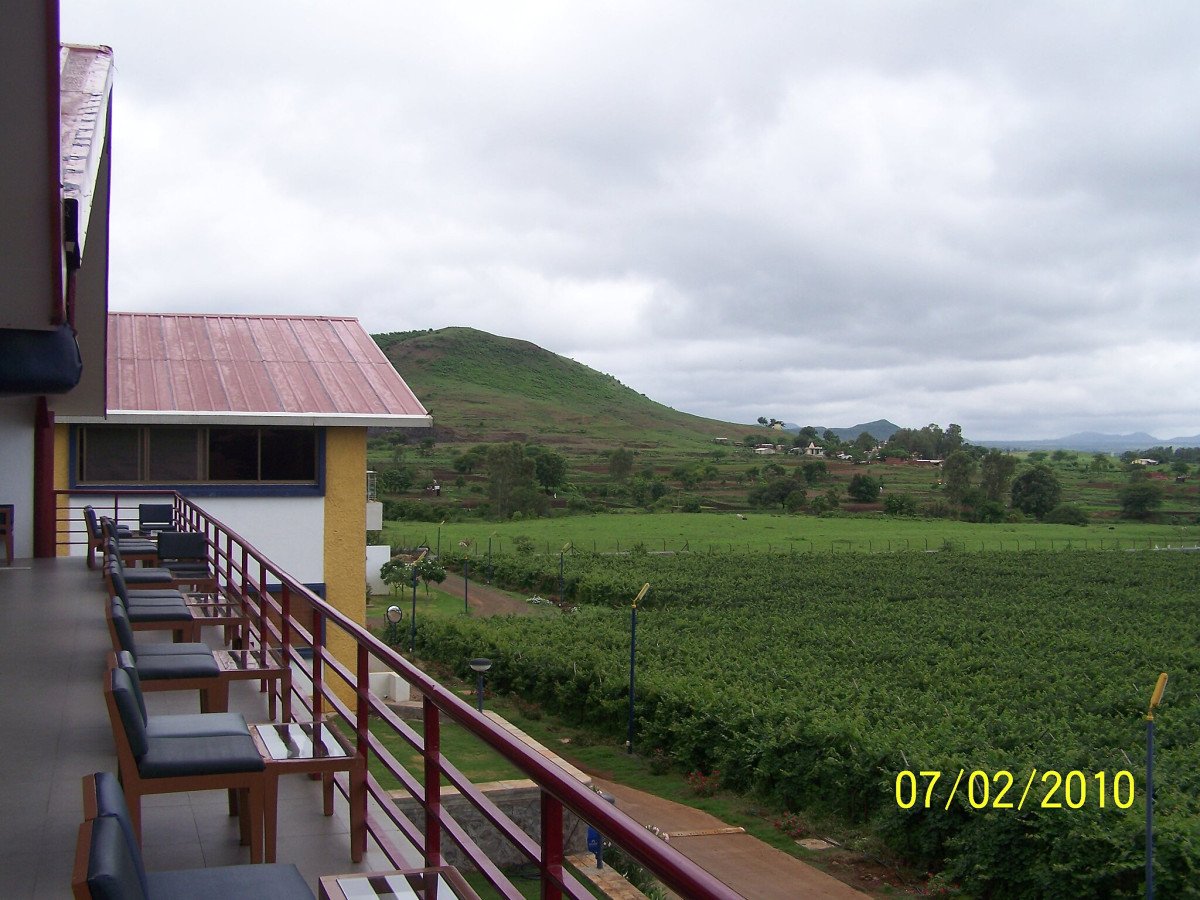
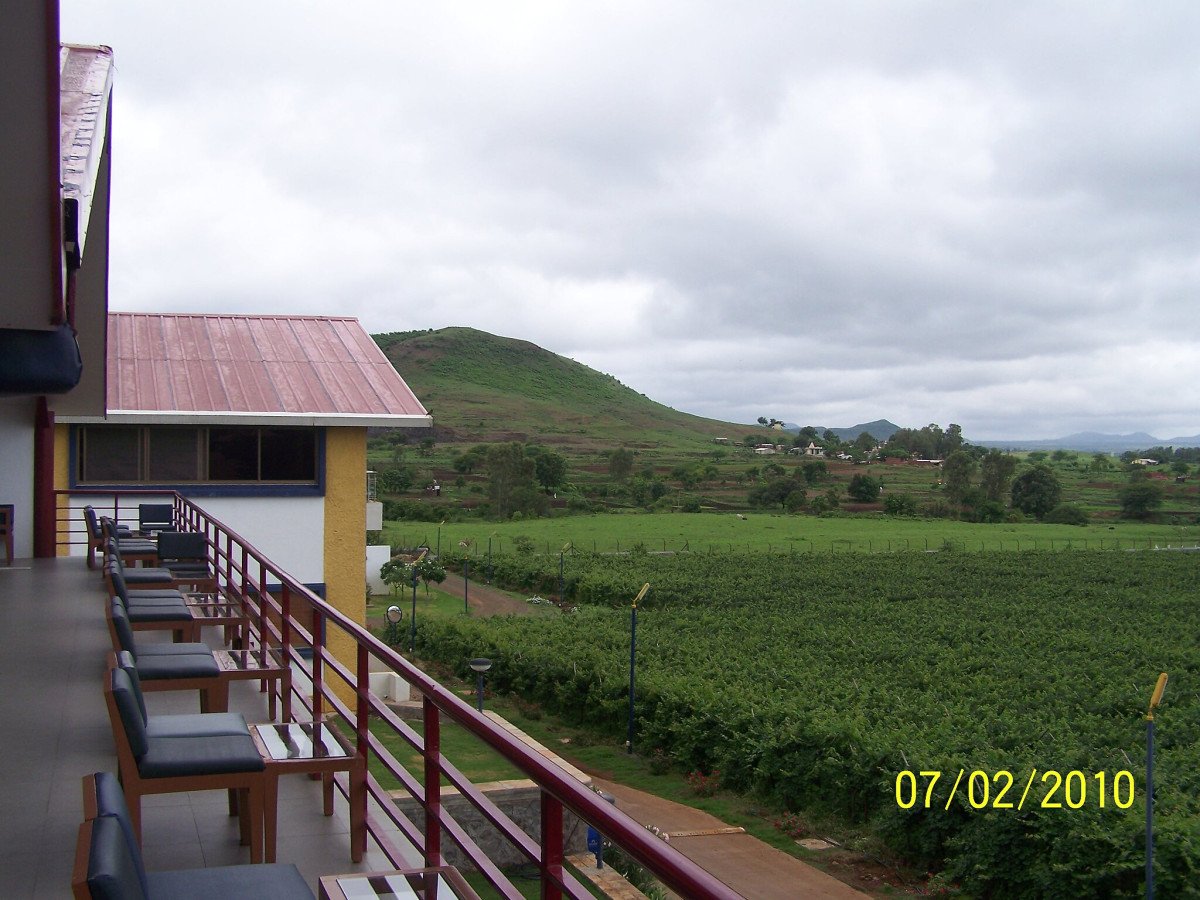
Sula Vineyards Balcony: The view of the rolling green vineyards against the sunset is a classic Nashik shot. The modern architecture of the tasting room provides a stylish foreground for landscape photos.
Ramkund Ghats: Capturing the evenin...Sula Vineyards Balcony: The view of the rolling green vineyards against the sunset is a classic Nashik shot. The modern architecture of the tasting room provides a stylish foreground for landscape photos.
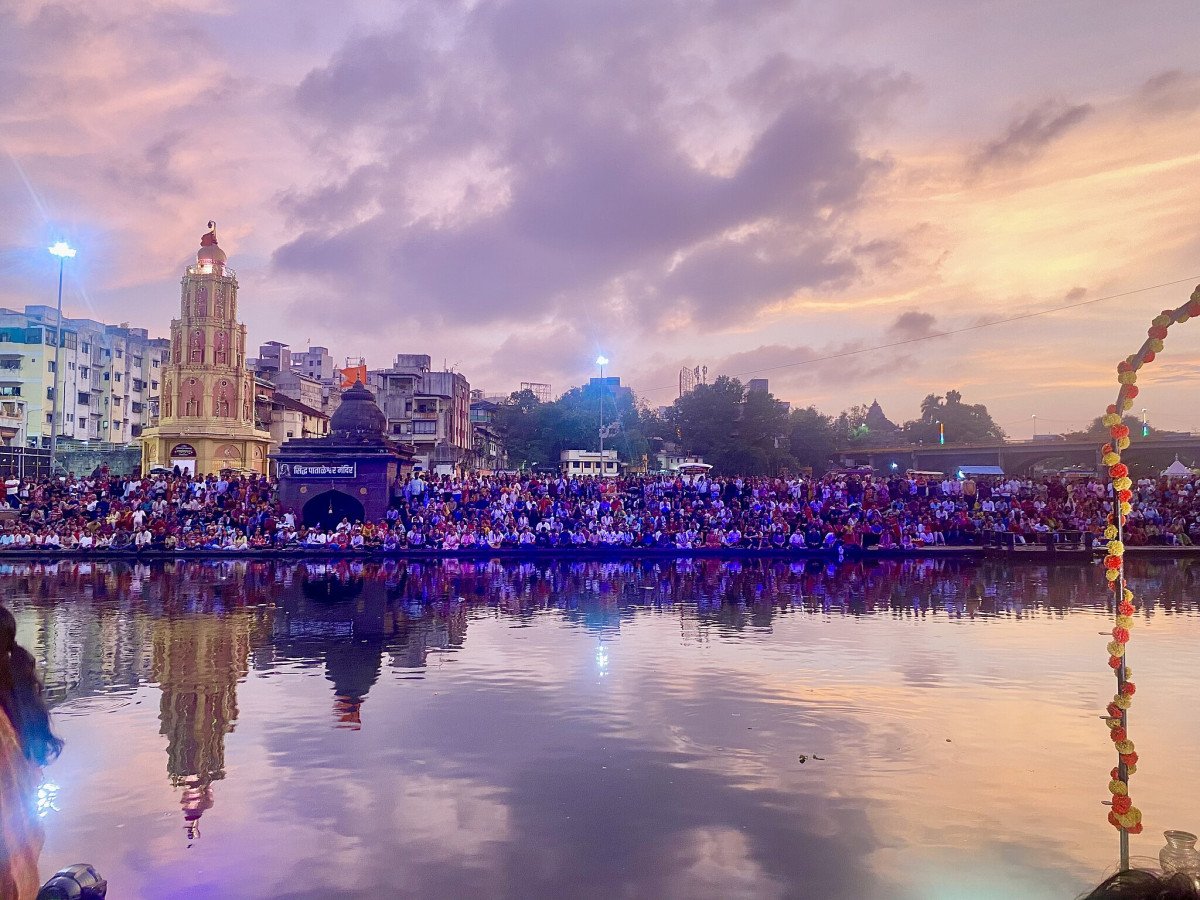
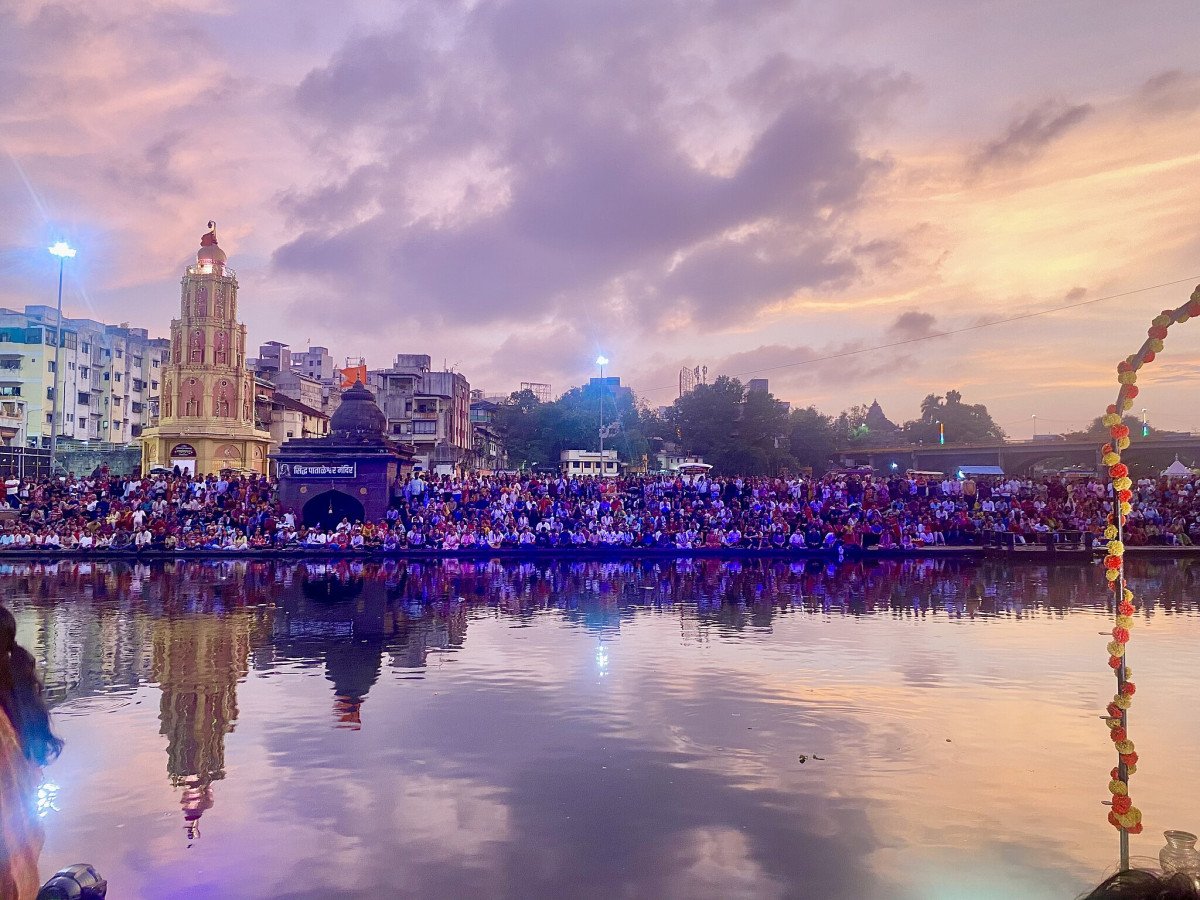
Ramkund Ghats: Capturing the evening Aarti and the reflections of the oil lamps in the river creates a spiritual and atmospheric image. The colorful attire of the pilgrims adds to the visual appeal.Photo Gallery
Things To Do
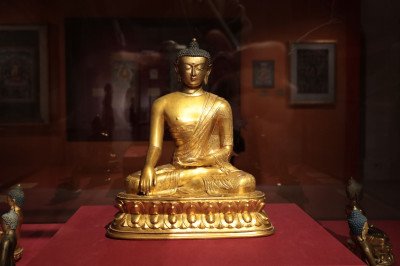 @@Museum Overview:This unique museum, established in 1980, is the only one of its kind in Asia dedicated to Indian numismatics. It was recently expanded and renamed the Shanti-Krishna Museum of Money & History. It offers a glimpse into 2,500 years of Indian currency evolution.@@Exhibits and Collection:The vast collection includes rare coins from various dynasties like the Mauryas, Guptas, Mughals, and Holkars, spanning from the 5th century BCE to modern times. Exhibits feature molds, dies, replicas, photographs, and detailed write-ups. The museum also showcases artifacts related to natural history, archaeology, and anthropology, broadening its scope beyond just coins. Dioramas illustrating coin minting and manufacturing techniques are a major attraction.@@Historical and Educational Significance:It is a significant center for research, operating under the Indian Institute of Research in Numismatic Studies. The museum actively promotes the study of coins and hosts regular workshops. The entire experience is highly educational, detailing the economic and cultural history reflected in currency. The tranquil setting enhances the learning experience.@@Redevelopment:The museum underwent a major transformation in 2018, adding 9000 square feet to the original structure, totaling around 12,000 square feet, significantly enhancing the exhibition space and visitor facilities. The focus is on a continuous narrative journey.@@End:
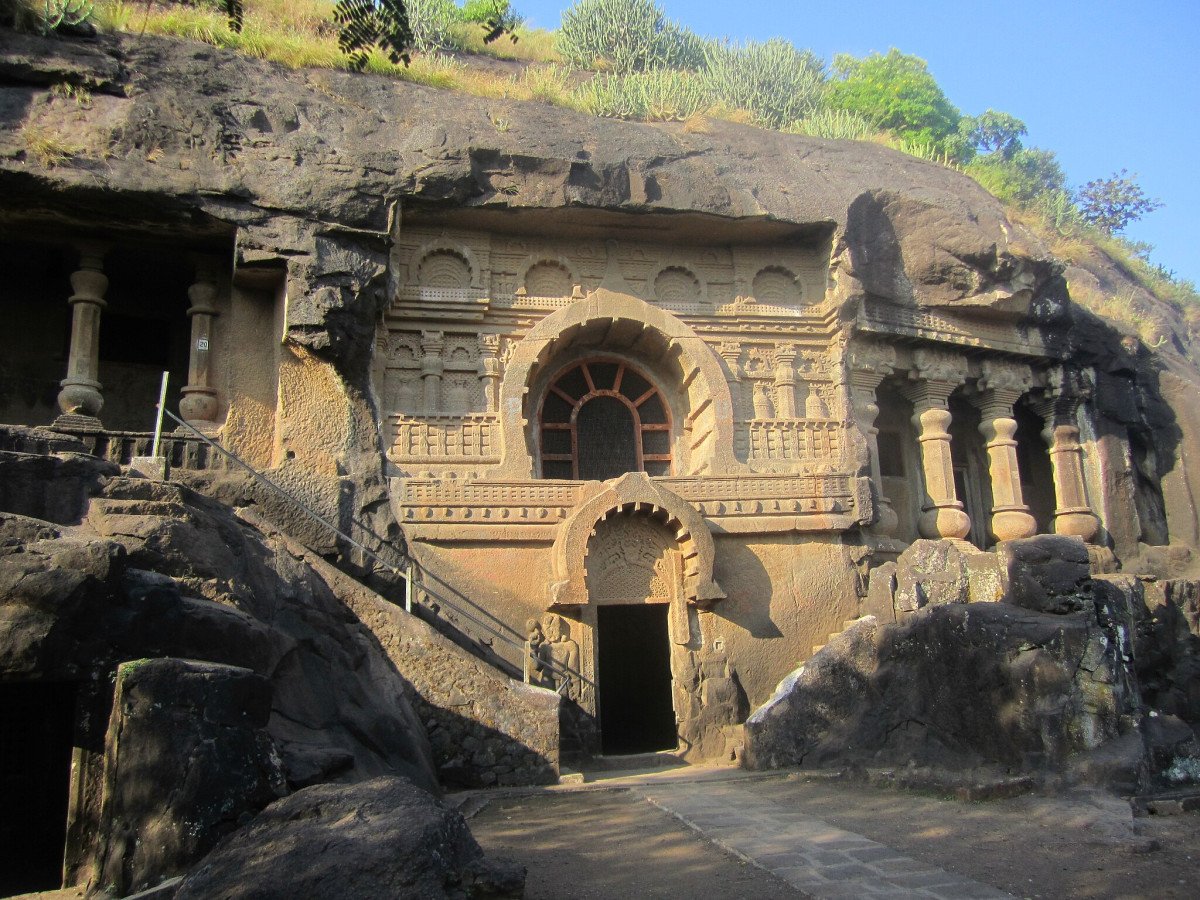
 @@Historical Significance: A complex of 24 rock-cut caves known as the Trirashmi Caves, dating back to the 1st century BCE to 3rd century CE. The caves served as Viharas (monasteries) for Hinayana Buddhist monks, with one main Chaitya (prayer hall). They offer a glimpse into the ancient rock-cut craftsmanship and the development of Buddhist art in Maharashtra. @@Key Inscriptions: The walls feature numerous inscriptions that provide valuable records of the reign of the Satavahanas and Kshatrapas dynasties. @@Religious Amalgamation: Though primarily Buddhist, some caves (like Cave 11) also feature Jain Tirthankaras and Hindu deities, showcasing a syncretic cultural heritage, making it a pivotal historical site.
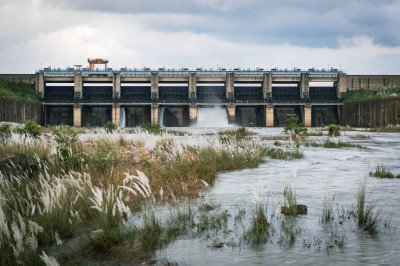 Vaitarna Dam, specifically the Upper Vaitarna Dam, is a colossal earth-fill and gravity dam constructed over the Vaitarna River. Built in 1973, it serves as a primary source of water and hydroelectricity for the city of Mumbai and surrounding regions. The reservoir created by the dam is a massive body of water that spreads across a scenic landscape, surrounded by the dense forests of the Western Ghats. It is a popular picnic spot for residents of Nashik, Mumbai, and Pune due to its tranquil environment and panoramic views. The backwaters of the dam create a lagoon-like atmosphere, making it an ideal location for nature photography and camping. The area is known for its "mini-Switzerland" feel during the monsoon when the hills turn emerald green and the water level rises. Several film crews often use this location for its pristine and untouched beauty. Visitors can enjoy the cool breeze and the sight of the vast expanse of water reflecting the changing colors of the sky. While the dam itself has restricted access for security reasons, the surrounding areas and the lake view points are open to the public. It is a perfect destination for those seeking a quiet day trip to connect with nature. The drive to the dam is equally beautiful, passing through winding roads and small tribal hamlets. It remains one of the most peaceful and scenic water bodies in the Nashik district.
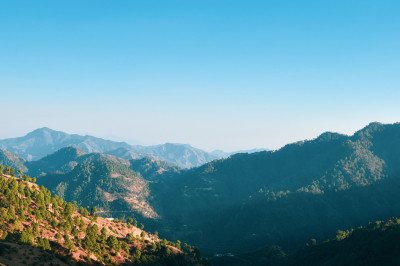 Anjaneri Hills is a breathtaking spiritual and adventure destination located in the Sahyadri range. Legend identifies this place as the birthplace of Lord Hanuman, the monkey-god. The hill is named after his mother, Anjani Mata, who performed penance here to beget a son. The trek starts from Anjaneri Village and winds through rocky terrains, lush meadows, and ancient caves. As you ascend, you encounter the Anjani Mata Temple halfway up. The plateau is vast and home to rare flora including the Cape York Lily. The summit reaches an elevation of 4,264 feet, offering a 360-degree view of the Vaitarna Dam and the Brahmagiri range. The atmosphere is charged with spiritual energy and natural beauty, making it a staple for pilgrims and trekkers alike. During the Monsoon season, the hills are covered in a thick blanket of fog and vibrant green grass, transforming the landscape into a misty wonderland. Historically, the area was significant for both Hindu and Jain communities, evidenced by the ruins found at the base. The climb involves two main plateaus; the first is relatively flat, while the second requires climbing steep rock-cut steps. The peace found at the top, near the Hanuman Temple, is incomparable to any city life. Visitors often describe the experience as a soul-stirring journey that tests physical endurance while rewarding the spirit with divine tranquility and spectacular vistas of Maharashtra. :
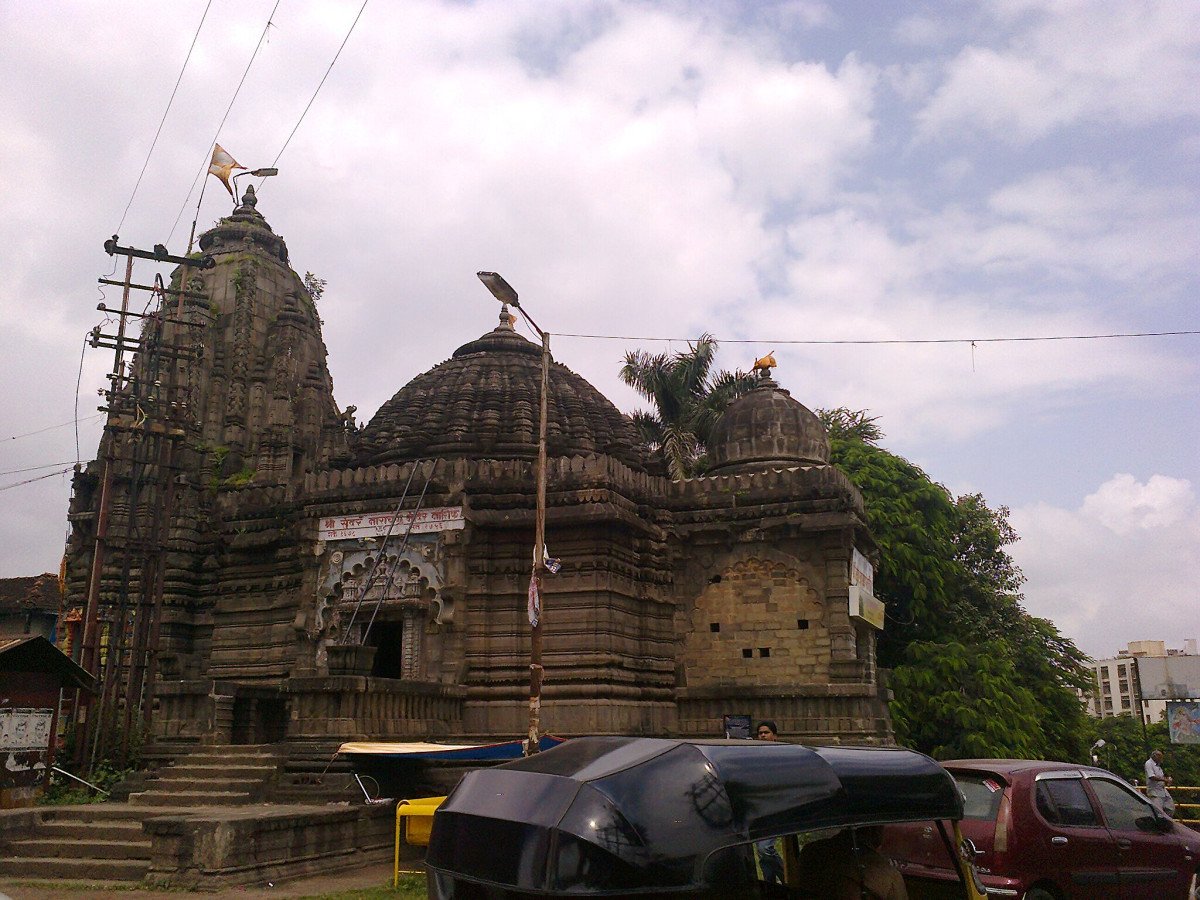
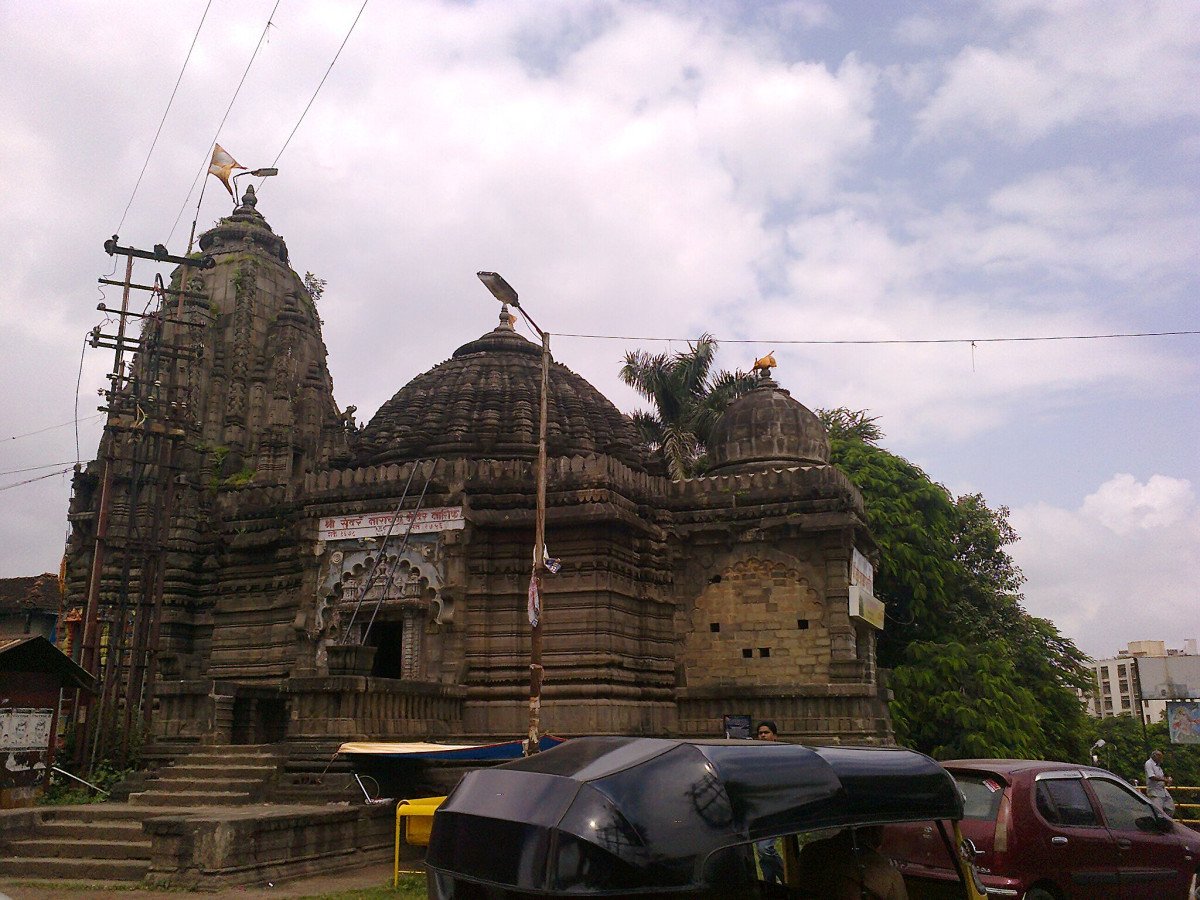
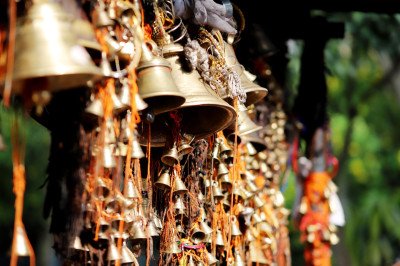 @@Religious Significance and Deity:The Kalaram Temple is one of the most important Hindu temples in Nashik, dedicated to Lord Rama. The name is derived from the main deity, a striking idol of Lord Rama made of black stone (Kala meaning black, Ram meaning Rama). The sanctum also houses black stone idols of Sita and Lakshmana. An idol of Lord Hanuman also stands facing the main deities.@@Historical Background:The present temple was constructed between 1788 and 1792 by Sardar Rangarao Odhekar, a nobleman of the Maratha Empire, who is said to have discovered the idol submerged in the Godavari River after a divine vision. The site is believed to be the exact spot where Lord Rama resided during his 14-year exile as mentioned in the epic Ramayana.@@The Satyagraha Movement:Beyond its religious history, the temple holds a crucial place in India's social history. In 1930, Dr. B.R. Ambedkar led a landmark Satyagraha at this temple, demanding equal entry rights for Dalits, which became a pivotal moment in the fight against caste discrimination and for social reform in India. This event adds immense socio-historical importance to the site.@@Architectural Grandeur:The temple is a breathtaking example of Hemadpanthi architecture, constructed entirely from black basalt stone. Its immense scale, standing 70 feet high, and its rich, detailed craftsmanship attract devotees and architecture enthusiasts alike. The complex is spread over nearly 70,000 square feet and is enclosed by a 17-foot high wall.@@End:
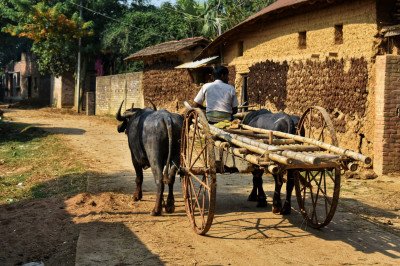 @@Winemaking Culture: A premier boutique winery and luxury resort, established on the fertile banks of the Gangapur Dam backwaters, part of the region known as the "Wine Capital of India." @@Luxury Experience: Offers a complete, upscale tourist experience, including a resort, villas, adventure activities (Zonkers Adventure Park), and multiple dining options. @@Grape Variety: They specialize in growing several varieties of grapes like Sauvignon Blanc, Cabernet Sauvignon, and others, benefiting from the ideal terroir created by the Godavari river silt. @@Scenic Location: The vineyard is famous for its picturesque setting, surrounded by the majestic Sahyadri Ranges and the serene backwaters.
 Nandur Madhmeshwar Bird Sanctuary is a sprawling wetland ecosystem often referred to as the "Bharatpur of Maharashtra." It was formed by the construction of the Nandur Madhmeshwar Dam at the confluence of the Godavari and Kadwa rivers. In 2020, it was designated as Maharashtra's first Ramsar site, recognizing its international importance. The sanctuary covers an area of over 1,700 hectares and is a haven for over 230 species of birds, including migratory visitors from Siberia and Europe. During the winter months, the wetlands are filled with the vibrant colors and calls of Flamingos, Pelicans, Cranes, and Storks. The sanctuary also supports a variety of fish and mammals like Leopards and Fishing Cats. The ecosystem is a mix of lakes, marshes, and evergreen forests, providing a perfect habitat for biodiversity. The Forest Department has developed watchtowers and nature trails to facilitate bird watching without disturbing the wildlife. It is an educational and refreshing retreat for nature lovers, students, and photographers. The tranquil water body reflecting the morning sun creates a magical atmosphere that is hard to find in the city. The sanctuary plays a vital role in local water conservation and serves as a natural filter for the river system.Show All
Deolali Camp is a unique destination that blends military discipline with the serenity of a hill station. Established by the British in 1861, it is one of India's oldest cantonment boards. The area is famous for its clean air and peaceful environment, earning it the reputation of a "Sanatorium" or a place for healing. Many people visit Deolali to stay in its various sanatoriums to recover from illnesses. The camp is beautifully organized with wide, tree-lined roads and old colonial bungalows. It serves as a major military hub, housing the Artillery Centre and the School of Artillery. For tourists, the vibe is drastically different from the chaotic Nashik city. The Deolali Market is a shopper's delight, known for its high-quality clothes, leather goods, and the famous Empire Bakery. The Temple Hill (Khandobachi Tekadi) offers a spiritual retreat with a stunning view of the sunset. Unlike other tourist spots, Deolali is about slow travel. It's a place to take long walks, breathe in the fresh oxygen, and enjoy the quaint cafe culture. The residential areas are lush green, and the military presence ensures everything is orderly and safe. It's a perfect weekend getaway for those looking to rejuvenate their mind and body. The historical significance of the camp is also reflected in the old churches and the Temple Hill shrine. :
Nandur Madhmeshwar Bird Sanctuary is a sprawling wetland ecosystem often referred to as the "Bharatpur of Maharashtra." It was formed by the construction of the Nandur Madhmeshwar Dam at the confluence of the Godavari and Kadwa rivers. In 2020, it was designated as Maharashtra's first Ramsar site, recognizing its international importance. The sanctuary covers an area of over 1,700 hectares and is a haven for over 230 species of birds, including migratory visitors from Siberia and Europe. During the winter months, the wetlands are filled with the vibrant colors and calls of Flamingos, Pelicans, Cranes, and Storks. The sanctuary also supports a variety of fish and mammals like Leopards and Fishing Cats. The ecosystem is a mix of lakes, marshes, and evergreen forests, providing a perfect habitat for biodiversity. The Forest Department has developed watchtowers and nature trails to facilitate bird watching without disturbing the wildlife. It is an educational and refreshing retreat for nature lovers, students, and photographers. The tranquil water body reflecting the morning sun creates a magical atmosphere that is hard to find in the city. The sanctuary plays a vital role in local water conservation and serves as a natural filter for the river system.Show All
Deolali Camp is a unique destination that blends military discipline with the serenity of a hill station. Established by the British in 1861, it is one of India's oldest cantonment boards. The area is famous for its clean air and peaceful environment, earning it the reputation of a "Sanatorium" or a place for healing. Many people visit Deolali to stay in its various sanatoriums to recover from illnesses. The camp is beautifully organized with wide, tree-lined roads and old colonial bungalows. It serves as a major military hub, housing the Artillery Centre and the School of Artillery. For tourists, the vibe is drastically different from the chaotic Nashik city. The Deolali Market is a shopper's delight, known for its high-quality clothes, leather goods, and the famous Empire Bakery. The Temple Hill (Khandobachi Tekadi) offers a spiritual retreat with a stunning view of the sunset. Unlike other tourist spots, Deolali is about slow travel. It's a place to take long walks, breathe in the fresh oxygen, and enjoy the quaint cafe culture. The residential areas are lush green, and the military presence ensures everything is orderly and safe. It's a perfect weekend getaway for those looking to rejuvenate their mind and body. The historical significance of the camp is also reflected in the old churches and the Temple Hill shrine. :Information
-
Why Famous:
Kumbh Mela: Nashik is world-famous for hosting the massive Kumbh Mela every 12 years, where millions of devotees gather for spiritual purification. It is one of the largest peaceful gatherings of people on Earth.
Sula Vineyards: As India's ...Kumbh Mela: Nashik is world-famous for hosting the massive Kumbh Mela every 12 years, where millions of devotees gather for spiritual purification. It is one of the largest peaceful gatherings of people on Earth.
Sula Vineyards: As India's leading wine producer, Sula has put Nashik on the global wine map. The vineyard offers a luxury resort, tasting rooms, and an annual music festival that attracts a global audience. -
Architecture:
Cave Architecture: The Pandavleni Caves are a group of 24 caves carved into the Trirashmi Hills, representing Hinayana Buddhism. They feature intricate carvings of Buddha and Jain Tirthankaras with impressive water management systems.
Temple St...Cave Architecture: The Pandavleni Caves are a group of 24 caves carved into the Trirashmi Hills, representing Hinayana Buddhism. They feature intricate carvings of Buddha and Jain Tirthankaras with impressive water management systems.
Temple Styles: Many temples in Nashik, such as the Kalaram Temple, are built in the Peshwa architectural style using black stone. They feature fortified walls, large courtyards, and gold-plated domes that shimmer in the sun. -
How To Reach:
By Air: Ozar Airport in Nashik has limited domestic connectivity; however, Mumbai's International Airport is about 170 KM away and serves as the primary gateway for international travelers.
By Train: Nashik Road Railway Station is a major s...By Air: Ozar Airport in Nashik has limited domestic connectivity; however, Mumbai's International Airport is about 170 KM away and serves as the primary gateway for international travelers.
By Train: Nashik Road Railway Station is a major stop on the Central Railway line, with frequent trains from Mumbai, Delhi, and Kolkata. The journey from Mumbai takes about 3 to 4 hours.
By Road: Nashik is well-connected by the Mumbai-Nashik Expressway and NH60. Frequent state-run (MSRTC) and private luxury buses operate from Mumbai, Pune, and Shirdi.
By Local Transport: Auto-rickshaws are the most common mode of transport within the city. Shared autos and city buses are also available, while app-based cabs provide a more comfortable option for sightseeing. -
Weather and Best Time to Visit:
Winter Season: From October to March, the weather is cool and pleasant, making it ideal for both temple tours and vineyard visits. This is also the grape harvesting season.
Monsoon Season: From July to September, the region turns emerald gr...Winter Season: From October to March, the weather is cool and pleasant, making it ideal for both temple tours and vineyard visits. This is also the grape harvesting season.
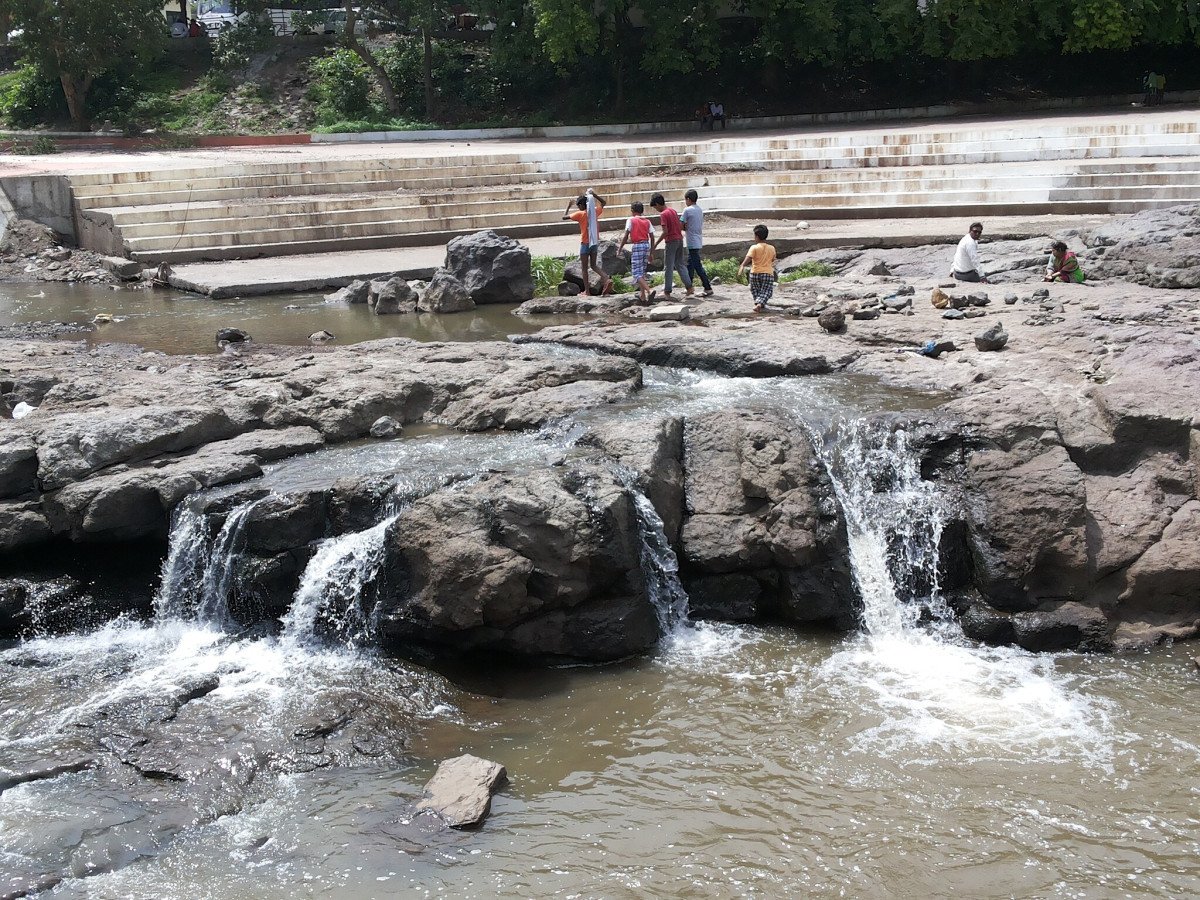
Monsoon Season: From July to September, the region turns emerald green, and waterfalls like Dugarwadi are at their peak. It is a beautiful time for nature lovers and trekkers. -
Near Tourist Places:
Nearby Places: 1. Trimbakeshwar (28 KM), 2. Shirdi (90 KM), 3. Bhandardara (70 KM), 4. Igatpuri (45 KM), 5. Saputara (80 KM), 6. Anjaneri Hills (20 KM), 7. Vani (60 KM), 8. Sinnar (30 KM), 9. Yeola (80 KM), 10. Manmad (90 KM).
Tourism Tips
-
Packing Tips: Carry a light jacket for winter evenings and modest clothing for visiting temples. Comfortable footwear is essential for the treks and walking tours through the old city.
Health and Safety: Be cautious of your belongings at cr...Packing Tips: Carry a light jacket for winter evenings and modest clothing for visiting temples. Comfortable footwear is essential for the treks and walking tours through the old city.
Health and Safety: Be cautious of your belongings at crowded ghats and only drink bottled water. Ensure you follow all safety instructions during the wine tasting sessions and do not drive after drinking.
Reviews
FAQs
Nashik Itineray And Cost:-
Other Places In Maharashtra :-
Other States In India :-
Information about New and Updated Locations() of Maharashtra Has Been Added :-
Card subtitle
Note:-
Information provided here in good Faith and for reference only.
Near Places
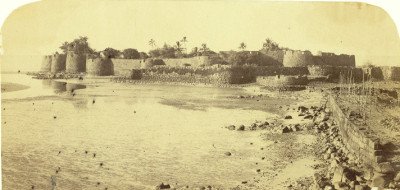
Alibaug
Some quick example text to build on the card title and make up the bulk of the card's content.
Go somewhere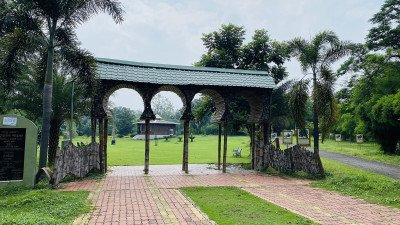
Amravati
Some quick example text to build on the card title and make up the bulk of the card's content.
Go somewhere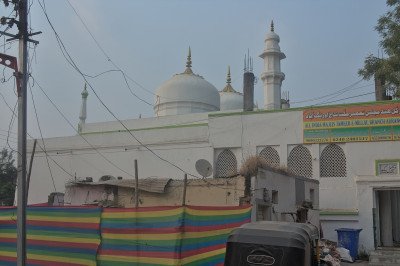
Aurangabad
Some quick example text to build on the card title and make up the bulk of the card's content.
Go somewhere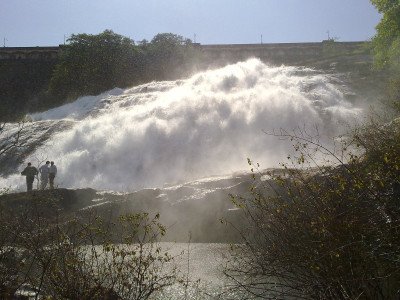
Bhandardara
Some quick example text to build on the card title and make up the bulk of the card's content.
Go somewhere
Diveagar
Some quick example text to build on the card title and make up the bulk of the card's content.
Go somewhere
Ganpatipule
Some quick example text to build on the card title and make up the bulk of the card's content.
Go somewhere
Karjat
Some quick example text to build on the card title and make up the bulk of the card's content.
Go somewhere
Khandala
Some quick example text to build on the card title and make up the bulk of the card's content.
Go somewhere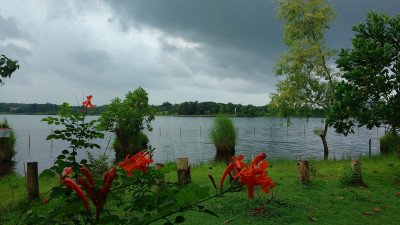
Kolad
Some quick example text to build on the card title and make up the bulk of the card's content.
Go somewhere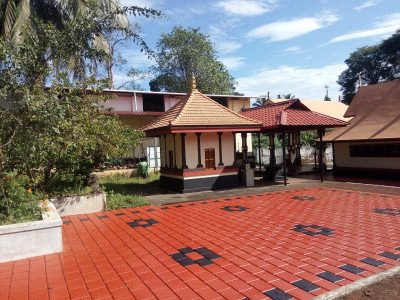
Kolhapur
Some quick example text to build on the card title and make up the bulk of the card's content.
Go somewhere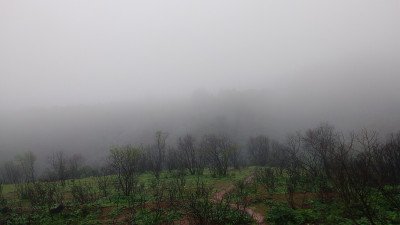
Lavasa
Some quick example text to build on the card title and make up the bulk of the card's content.
Go somewhere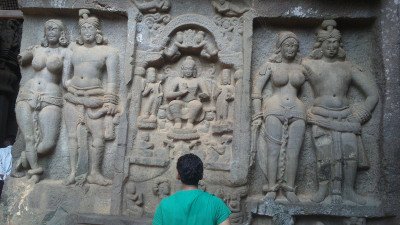
Lonavala
Some quick example text to build on the card title and make up the bulk of the card's content.
Go somewhere
Mahabaleshwar
Some quick example text to build on the card title and make up the bulk of the card's content.
Go somewhere
Matheran
Some quick example text to build on the card title and make up the bulk of the card's content.
Go somewhere
Mumbai
Some quick example text to build on the card title and make up the bulk of the card's content.
Go somewhere
Nagpur
Some quick example text to build on the card title and make up the bulk of the card's content.
Go somewherein Other Cities