

Panipat
General information
-
Ideal Duration:
1-2 DaysPlace Type:
Historical & IndustrialEntry Fees:
Panipat Museum: Nominal entry fee of Rs.5-Rs.10. Most historical sites like Kala Amb and the Lodhi Tomb have Free Entry for the public.
Parking: Public parking near the main markets may charge a small fee of Rs.20. ...Panipat Museum: Nominal entry fee of Rs.5-Rs.10. Most historical sites like Kala Amb and the Lodhi Tomb have Free Entry for the public.
Parking: Public parking near the main markets may charge a small fee of Rs.20.Timing:
Regular Timings: Historical sites are open from Sunrise to Sunset. The museum operates from 10:00 AM to 5:00 PM, usually closed on Mondays and public holidays.
Ideal Visit Time: Winters are the best time to visit historical sites. Morning ...Regular Timings: Historical sites are open from Sunrise to Sunset. The museum operates from 10:00 AM to 5:00 PM, usually closed on Mondays and public holidays.
Ideal Visit Time: Winters are the best time to visit historical sites. Morning hours are less crowded, allowing for a peaceful exploration of the monuments.Special Events:
Independence Day: Celebrated with pride, often featuring historical re-enactments of the Panipat battles. It is a time when the city's heroic past is honored.
Urs of Bu Ali Shah: An annual festival at the Dargah that attracts thousands of p...Independence Day: Celebrated with pride, often featuring historical re-enactments of the Panipat battles. It is a time when the city's heroic past is honored.
Urs of Bu Ali Shah: An annual festival at the Dargah that attracts thousands of pilgrims. The soulful Sufi music and communal feast are the highlights of the event.Best Photo Spots:
Kala Amb Memorial: The red stone obelisk and the lush green lawns provide a dramatic setting for historical photography. The statues are great subjects for portraits.
Kabuli Bagh Ruins: The weathered stone arches and the vast open sky offer...Kala Amb Memorial: The red stone obelisk and the lush green lawns provide a dramatic setting for historical photography. The statues are great subjects for portraits.
Kabuli Bagh Ruins: The weathered stone arches and the vast open sky offer a rustic, antique look for photography. It's a favorite for those who love heritage shots.
Salar Gunj Gate: The bustling street life around this colonial-era gate provides excellent opportunities for street and architectural photography in Panipat.Photo Gallery
Things To Do
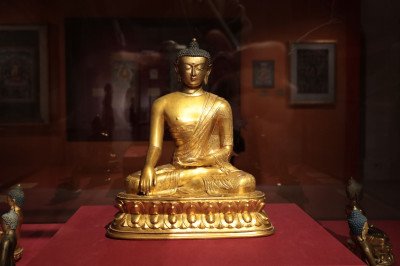 The Panipat Museum is a specialized institution dedicated to preserving the archaeology, history, and art of the region, with a primary focus on the three great battles of Panipat (1526, 1556, and 1761). Established in 1991, the museum houses a vast collection of antiquities, including weapons, armor, coins, and maps that bring the history of these conflicts to life. It is not just a collection of old items but a storytelling space where one can see the evolution of warfare in the Indian subcontinent. The galleries display replicas of paintings from the Baburnama and Akbarnama, which depict the strategies used by emperors like Babur and Akbar. One of the most significant sections is dedicated to the Marathas, showcasing their contribution and sacrifice during the third battle. The museum also highlights the local heroes of Haryana, such as Hemu Vikramaditya, who once ruled Delhi. For students and researchers, the museum provides a detailed insight into the social and cultural life of people in the medieval era through its ethnological exhibits. The museum is located in a peaceful area near the Kala Amb park, making it easy for tourists to visit both on the same day. It serves as an essential educational hub that transforms dry textbook history into a visual and tangible experience. The well-labeled exhibits ensure that even a casual visitor can understand the importance of Panipat as the "Gateway to Delhi."
 @@Historical Context: The Bab-i-Faiz Gate, popularly known as the Salar Jung Gate, is a magnificent historical entrance located in the heart of Panipat. Built in 1737 by Nawab Sadiq, this structure served as the primary gateway to the ancient fortified town. The name "Bab-i-Faiz" translates to the "Door of Beneficence," reflecting the charitable nature of its founder. It stands as a silent witness to the various political shifts that the city underwent during the 18th century. Today, it serves as a prominent landmark in a bustling market area, blending the city's heroic past with its vibrant present-day commerce. Visitors can observe the transition from the old city to the new while passing through its massive arches. It remains a key site for history buffs exploring the architectural legacy of the region.
The Salar Ganj Gate is an iconic landmark located in the heart of Panipat, serving as a monumental gateway to the old bazaar. It was named in honor of Salar Jung, the Prime Minister of the Nizam of Hyderabad, who was a close friend of the British Governor-General during the colonial era. The gate stands as a symbol of the city's transition from a medieval battlefield to a bustling commercial hub. It is situated on the main arterial road, and passing through it feels like entering a different era where traditional shops and narrow lanes dominate the landscape. The gate has seen the city's evolution for over a century and remains one of the most photographed structures in Panipat. It marks the entrance to the historic district, where the essence of the "City of Weavers" is most vibrant. For visitors, it acts as a compass, pointing towards the rich heritage and the famous local markets that define the modern identity of this ancient town. :
@@Historical Narrative: The tomb of Ibrahim Lodhi marks the final resting place of the last Sultan of the Lodhi Dynasty, who was killed in the First Battle of Panipat in 1526. He fought valiantly against the invading forces of Babur, the founder of the Mughal Empire. Despite having a much larger army, Lodhi was defeated due to Babur's superior artillery and tactics. Originally, the grave was a simple earth mound, but it was later rebuilt during the British era in 1867. It is situated in a well-maintained park near the local Tehsil office. The site is a significant landmark because it represents the end of the Delhi Sultanate and the beginning of over three centuries of Mughal rule in India. It is a place of pilgrimage for those interested in the military history of the subcontinent.
The Kos Minar is a remarkable piece of heritage that dates back to the Mughal era, specifically during the reigns of Sher Shah Suri and later Akbar. The word Kos is an ancient Indian unit of distance, approximately equal to 3.22 kilometers, and Minar means tower. These pillars were built at every Kos along the imperial highways to guide travelers and markers for the royal post. The Kos Minar in Panipat is one of the many surviving structures that formed the backbone of the ancient communication system in India. These structures were more than just milestones; they were also points where horses were changed for the royal couriers, ensuring that messages from the capital reached the provinces with great speed. Standing beside the busy modern GT Road, this silent brick pillar represents a time when travel was a slow, arduous journey across the vast plains of North India. Today, it is protected by the Archaeological Survey of India (ASI). It is a humble yet significant reminder of the administrative genius of the medieval rulers who understood the importance of infrastructure. Despite the encroachment of modern buildings, the minar remains a sturdy witness to centuries of history. It is a fascinating site for history lovers who wish to see the tangible remains of the Mughal postal and transport network. The presence of these minars across Haryana highlights the strategic importance of this region as a transit corridor for centuries.
The Tomb of Bu Ali Shah Qalandar is the most revered spiritual site in Panipat, dedicated to the 13th-century Sufi saint Shaikh Sharafuddeen. The saint was a contemporary of Rumi and is highly respected by people of all faiths, including Hindus, Muslims, and Sikhs. The dargah complex is a masterpiece of Sufi architecture and serves as a center for communal harmony and peace. Within the enclosure, there are also the graves of other notable figures, including the Mughal general Mahabat Khan and the famous Urdu poet Altaf Hussain Hali. The air at the dargah is often filled with the soul-stirring sounds of Qawwali (devotional music), and the scent of rose petals and incense creates an atmosphere of divine tranquility. Thousands of devotees visit every week, especially on Thursdays, to seek blessings and offer prayers. The tomb is not just a religious monument but a living piece of Panipat's cultural fabric, embodying the "Ganga-Jamuni Tehzeeb" (composite culture) of India. :
The Panipat Refinery Township Park is a beautifully landscaped recreational area located within the residential complex of the Indian Oil Corporation Limited (IOCL). This park is a testament to how industrial growth and environmental preservation can go hand in hand. While Panipat is known for its dusty history and busy industries, this township park offers a refreshing contrast with its lush greenery, vibrant flowers, and tranquil atmosphere. The park is primarily designed for the employees and residents of the refinery, but it is often accessible to visitors who wish to enjoy a peaceful walk. It features well-paved jogging tracks, children's play areas, and several water fountains that come alive in the evening. The park is a popular spot for morning yoga and evening family outings. It also houses several murals and sculptures that celebrate Indian culture and scientific progress. The maintenance here is top-notch, reflecting the corporate standards of the Refinery. The air here feels cleaner thanks to the thousands of trees planted around the township. It is a great example of an "Eco-Park" within an industrial zone. Visitors can see various species of birds that have made this park their home. For those traveling with children, the safe and gated environment of the park is a huge relief. The park also hosts various community events, making it the social heart of the Refinery Township. It is a hidden gem for those looking for peace and quiet away from the historic battlefields.Show All
@@Historical Context: The Bab-i-Faiz Gate, popularly known as the Salar Jung Gate, is a magnificent historical entrance located in the heart of Panipat. Built in 1737 by Nawab Sadiq, this structure served as the primary gateway to the ancient fortified town. The name "Bab-i-Faiz" translates to the "Door of Beneficence," reflecting the charitable nature of its founder. It stands as a silent witness to the various political shifts that the city underwent during the 18th century. Today, it serves as a prominent landmark in a bustling market area, blending the city's heroic past with its vibrant present-day commerce. Visitors can observe the transition from the old city to the new while passing through its massive arches. It remains a key site for history buffs exploring the architectural legacy of the region.
The Salar Ganj Gate is an iconic landmark located in the heart of Panipat, serving as a monumental gateway to the old bazaar. It was named in honor of Salar Jung, the Prime Minister of the Nizam of Hyderabad, who was a close friend of the British Governor-General during the colonial era. The gate stands as a symbol of the city's transition from a medieval battlefield to a bustling commercial hub. It is situated on the main arterial road, and passing through it feels like entering a different era where traditional shops and narrow lanes dominate the landscape. The gate has seen the city's evolution for over a century and remains one of the most photographed structures in Panipat. It marks the entrance to the historic district, where the essence of the "City of Weavers" is most vibrant. For visitors, it acts as a compass, pointing towards the rich heritage and the famous local markets that define the modern identity of this ancient town. :
@@Historical Narrative: The tomb of Ibrahim Lodhi marks the final resting place of the last Sultan of the Lodhi Dynasty, who was killed in the First Battle of Panipat in 1526. He fought valiantly against the invading forces of Babur, the founder of the Mughal Empire. Despite having a much larger army, Lodhi was defeated due to Babur's superior artillery and tactics. Originally, the grave was a simple earth mound, but it was later rebuilt during the British era in 1867. It is situated in a well-maintained park near the local Tehsil office. The site is a significant landmark because it represents the end of the Delhi Sultanate and the beginning of over three centuries of Mughal rule in India. It is a place of pilgrimage for those interested in the military history of the subcontinent.
The Kos Minar is a remarkable piece of heritage that dates back to the Mughal era, specifically during the reigns of Sher Shah Suri and later Akbar. The word Kos is an ancient Indian unit of distance, approximately equal to 3.22 kilometers, and Minar means tower. These pillars were built at every Kos along the imperial highways to guide travelers and markers for the royal post. The Kos Minar in Panipat is one of the many surviving structures that formed the backbone of the ancient communication system in India. These structures were more than just milestones; they were also points where horses were changed for the royal couriers, ensuring that messages from the capital reached the provinces with great speed. Standing beside the busy modern GT Road, this silent brick pillar represents a time when travel was a slow, arduous journey across the vast plains of North India. Today, it is protected by the Archaeological Survey of India (ASI). It is a humble yet significant reminder of the administrative genius of the medieval rulers who understood the importance of infrastructure. Despite the encroachment of modern buildings, the minar remains a sturdy witness to centuries of history. It is a fascinating site for history lovers who wish to see the tangible remains of the Mughal postal and transport network. The presence of these minars across Haryana highlights the strategic importance of this region as a transit corridor for centuries.
The Tomb of Bu Ali Shah Qalandar is the most revered spiritual site in Panipat, dedicated to the 13th-century Sufi saint Shaikh Sharafuddeen. The saint was a contemporary of Rumi and is highly respected by people of all faiths, including Hindus, Muslims, and Sikhs. The dargah complex is a masterpiece of Sufi architecture and serves as a center for communal harmony and peace. Within the enclosure, there are also the graves of other notable figures, including the Mughal general Mahabat Khan and the famous Urdu poet Altaf Hussain Hali. The air at the dargah is often filled with the soul-stirring sounds of Qawwali (devotional music), and the scent of rose petals and incense creates an atmosphere of divine tranquility. Thousands of devotees visit every week, especially on Thursdays, to seek blessings and offer prayers. The tomb is not just a religious monument but a living piece of Panipat's cultural fabric, embodying the "Ganga-Jamuni Tehzeeb" (composite culture) of India. :
The Panipat Refinery Township Park is a beautifully landscaped recreational area located within the residential complex of the Indian Oil Corporation Limited (IOCL). This park is a testament to how industrial growth and environmental preservation can go hand in hand. While Panipat is known for its dusty history and busy industries, this township park offers a refreshing contrast with its lush greenery, vibrant flowers, and tranquil atmosphere. The park is primarily designed for the employees and residents of the refinery, but it is often accessible to visitors who wish to enjoy a peaceful walk. It features well-paved jogging tracks, children's play areas, and several water fountains that come alive in the evening. The park is a popular spot for morning yoga and evening family outings. It also houses several murals and sculptures that celebrate Indian culture and scientific progress. The maintenance here is top-notch, reflecting the corporate standards of the Refinery. The air here feels cleaner thanks to the thousands of trees planted around the township. It is a great example of an "Eco-Park" within an industrial zone. Visitors can see various species of birds that have made this park their home. For those traveling with children, the safe and gated environment of the park is a huge relief. The park also hosts various community events, making it the social heart of the Refinery Township. It is a hidden gem for those looking for peace and quiet away from the historic battlefields.Show All @@Temple History: The Devi Temple is one of the most revered religious sites in Panipat, dedicated to Goddess Durga. It is believed that the original idol was found by the Maratha warrior Sadashivrao Bhau before the Third Battle of Panipat in 1761. Legend says that when the Marathas tried to move the idol, it miraculously returned to its original spot, leading to the construction of the temple at its current location. The temple has served as a source of spiritual strength for the people of Panipat for over 250 years. It is situated on the banks of a large ancient tank, which has now been partially converted into a lush green park. The temple complex is a hub of cultural activity, especially during the festival of Navratri, drawing thousands of devotees from across the state.
Information
-
Why Famous:
Battlefield Sites: Kala Amb, the site of the Third Battle of Panipat, is a major landmark. It commemorates the bravery of the Maratha warriors who fought Ahmad Shah Abdali.
Handloom Industry: It is the largest center for "shoddy yarn" in th...Battlefield Sites: Kala Amb, the site of the Third Battle of Panipat, is a major landmark. It commemorates the bravery of the Maratha warriors who fought Ahmad Shah Abdali.
Handloom Industry: It is the largest center for "shoddy yarn" in the world. The city's export market for home furnishings is a cornerstone of the North Indian economy. -
Architecture:
Mughal Monuments: The Kabuli Bagh Mosque, built by Babur, features classic Timurid architecture with a central dome and large arched prayer halls. Its stone-and-brick structure is a relic of 1526.
Lodhi's Tomb: The tomb of Ibrahim Lodhi is ...Mughal Monuments: The Kabuli Bagh Mosque, built by Babur, features classic Timurid architecture with a central dome and large arched prayer halls. Its stone-and-brick structure is a relic of 1526.
Lodhi's Tomb: The tomb of Ibrahim Lodhi is a simple yet poignant rectangular platform of stone. It represents the transition from the Delhi Sultanate to Mughal architectural styles.
Modern Museum: The Panipat Museum is designed to showcase artifacts through spacious galleries and dioramas. It uses modern display techniques to narrate the stories of the famous battles. -
How To Reach:
By Air: Indira Gandhi International Airport in Delhi is the nearest major airport, about 100 KMS away. Taxis and buses connect the airport to Panipat.
By Train: Panipat Junction is a major rail stop on the Delhi-Amritsar line. Numerous exp...By Air: Indira Gandhi International Airport in Delhi is the nearest major airport, about 100 KMS away. Taxis and buses connect the airport to Panipat.
By Train: Panipat Junction is a major rail stop on the Delhi-Amritsar line. Numerous express trains like Shatabdi and Shan-e-Punjab stop here daily.
By Road: It is located on NH-44 (GT Road), making it easily accessible by Haryana Roadways buses from Delhi, Chandigarh, and Karnal. Cabs are also plenty.
By Local Transport: Auto-rickshaws and cycle-rickshaws are the most common way to get around the city. E-rickshaws have also become popular for short distances. -
Weather and Best Time to Visit:
Winter Season: October to March is the peak tourist season with temperatures between 8°C to 22°C. It is the most comfortable time for outdoor walking tours.
Summer Season: April to June is extremely hot, with the mercury often crossing 42...Winter Season: October to March is the peak tourist season with temperatures between 8°C to 22°C. It is the most comfortable time for outdoor walking tours.
Summer Season: April to June is extremely hot, with the mercury often crossing 42°C. Sightseeing during the day can be very exhausting and is not recommended.
Monsoon Season: July to September brings humidity and occasional heavy showers. While the dust settles, the humid conditions might not be ideal for everyone. -
Near Tourist Places:
Karnal (35 KMS), Sonipat (45 KMS), Kurukshetra (70 KMS), Delhi (90 KMS), Rohtak (75 KMS), Jind (70 KMS), Samalkha (20 KMS), Murthal (40 KMS), Ganaur (30 KMS), Assandh (45 KMS).
Tourism Tips
-
Health & Safety: The city is busy and crowded, so keep an eye on your belongings in market areas. Drink only bottled water to avoid stomach upsets.
Packing: Carry cotton clothes for most of the year and heavy woolens for the peak of winter ...Health & Safety: The city is busy and crowded, so keep an eye on your belongings in market areas. Drink only bottled water to avoid stomach upsets.
Packing: Carry cotton clothes for most of the year and heavy woolens for the peak of winter in January. Comfortable footwear is essential for walking on ruins.
Accommodation: Numerous hotels are located along the GT Road, ranging from budget to luxury. Staying near the highway is convenient for travelers passing through.
Local Language: Hindi and Haryanvi are widely spoken. Most people in the textile business understand basic English, which helps international buyers.
Reviews
FAQs
Panipat Itineray And Cost:-
Other Places In Haryana :-
Other States In India :-
Information about New and Updated Locations() of Haryana Has Been Added :-
Card subtitle
Note:-
Information provided here in good Faith and for reference only.
Near Places
Ambala
Some quick example text to build on the card title and make up the bulk of the card's content.
Go somewhere
Bahadurgarh
Some quick example text to build on the card title and make up the bulk of the card's content.
Go somewhere
Bhiwani
Some quick example text to build on the card title and make up the bulk of the card's content.
Go somewhere
Faridabad
Some quick example text to build on the card title and make up the bulk of the card's content.
Go somewhere
Fatehabad
Some quick example text to build on the card title and make up the bulk of the card's content.
Go somewhere
Gurugram
Some quick example text to build on the card title and make up the bulk of the card's content.
Go somewhere
Hisar
Some quick example text to build on the card title and make up the bulk of the card's content.
Go somewhere
Jhajjar
Some quick example text to build on the card title and make up the bulk of the card's content.
Go somewhere
Jind
Some quick example text to build on the card title and make up the bulk of the card's content.
Go somewhere
Jyotisar
Some quick example text to build on the card title and make up the bulk of the card's content.
Go somewhere
Karnal
Some quick example text to build on the card title and make up the bulk of the card's content.
Go somewhere
Kurukshetra
Some quick example text to build on the card title and make up the bulk of the card's content.
Go somewhere
Narnaul
Some quick example text to build on the card title and make up the bulk of the card's content.
Go somewhere
Palwal
Some quick example text to build on the card title and make up the bulk of the card's content.
Go somewhere
Panchkula
Some quick example text to build on the card title and make up the bulk of the card's content.
Go somewhere
Panipat
Some quick example text to build on the card title and make up the bulk of the card's content.
Go somewherein Other Cities