Pick Up Dam
General information
-
Ideal Duration:
1 Hour:Place Type:
Regulator, Canal Head-works, River Spot:Entry Fees:
Dam Entry: There is generally No Entry Fee to visit the Pick Up Dam area, as it is a functional irrigation structure. Access to the main structure/gates may be restricted for security.
Parking: Parking is typically free and informal, often ...Dam Entry: There is generally No Entry Fee to visit the Pick Up Dam area, as it is a functional irrigation structure. Access to the main structure/gates may be restricted for security.
Parking: Parking is typically free and informal, often just an open space near the roadside or embankment.
Security/Restricted Areas: Do Not attempt to climb on the sluice gates or walk across the top of the regulator, as these are restricted areas for public safety and security, and any unauthorized entry can lead to a fine or intervention by officials.Timing:
Regular Timings: The area is accessible all day, from 6:00 AM to 6:00 PM, but like all functional infrastructure, access to the immediate dam structure may be restricted after sunset for security.
Ideal Visit Time: The Ideal Visit Time is th...Regular Timings: The area is accessible all day, from 6:00 AM to 6:00 PM, but like all functional infrastructure, access to the immediate dam structure may be restricted after sunset for security.
Ideal Visit Time: The Ideal Visit Time is the Early Morning (6:00 AM to 9:00 AM) for quiet reflection and the sight of fishermen, or the Late Afternoon (4:30 PM to 6:00 PM) for sunset views.
Visit Season: The dam is most interesting and scenic when the main Sathanur Dam is full, and water is actively being released and diverted into the canals, typically in the Post-Monsoon and Winter months.Special Events:
Local Farmers' Meetings: Given its functional importance to agriculture, local farmers and water user groups often convene near the Pick Up Dam or the canal head-works to discuss water scheduling and agricultural issues, especially during the peak planting or harvesting seas...Local Farmers' Meetings: Given its functional importance to agriculture, local farmers and water user groups often convene near the Pick Up Dam or the canal head-works to discuss water scheduling and agricultural issues, especially during the peak planting or harvesting seasons. These informal gatherings are a unique cultural insight.
Canal Opening Ceremony: The ceremonial opening of the main canal gates (after a period of closure) to release water for a new crop season is a significant local event, often attended by farmers and local dignitaries, marking a moment of great anticipation and hope for the farming community.Best Photo Spots:
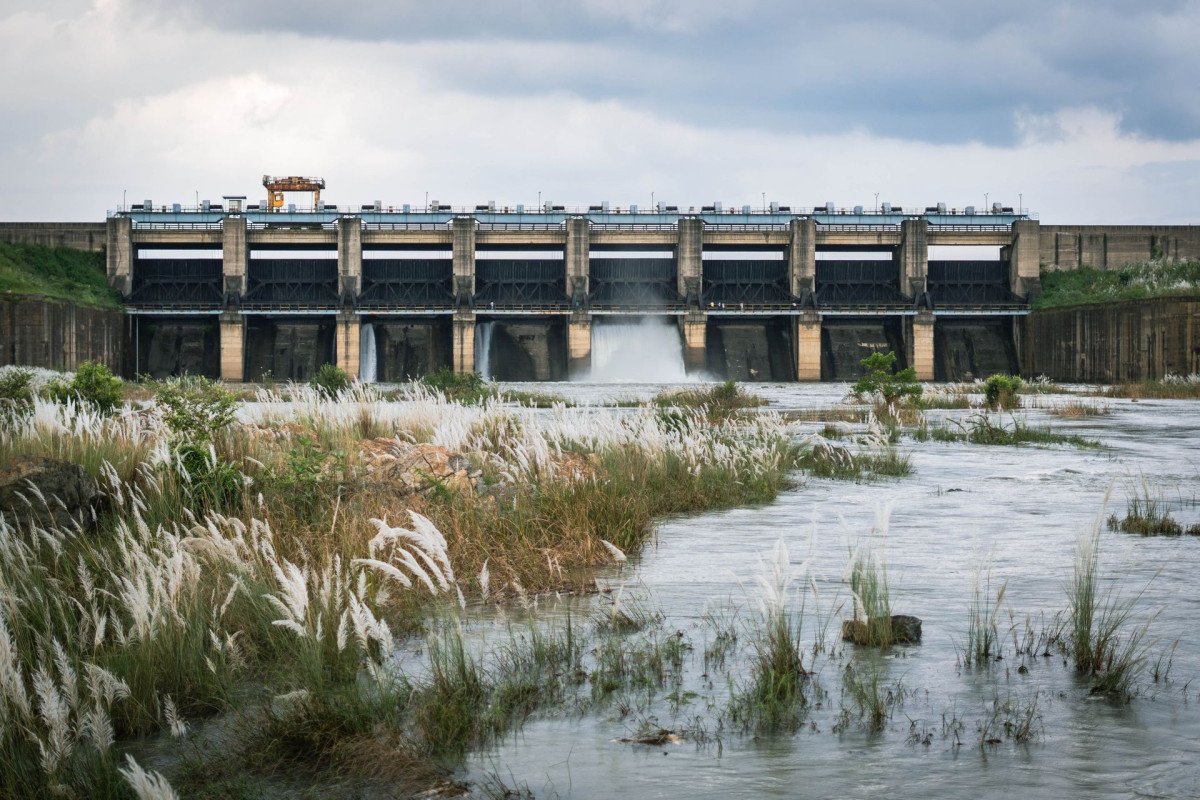
Geometric Lines of the Regulator: The sluice gates and the concrete walls of the regulator offer a striking geometric contrast to the natural flow of the river, providing excellent subjects for black and white or architectural photography focused on lines and patterns.
<...Geometric Lines of the Regulator: The sluice gates and the concrete walls of the regulator offer a striking geometric contrast to the natural flow of the river, providing excellent subjects for black and white or architectural photography focused on lines and patterns.
Water Flow Patterns: Capture the unique patterns, ripples, and small waterfalls created by the regulated water flowing over the weir or from the sluice gates, especially using a slow shutter speed for a smooth, artistic effect.
Fishermen and Their Nets: The sight of the local fishermen casting their wide nets against the backdrop of the water structure makes for compelling, culturally rich photographs that capture the local way of life.Photo Gallery
Things To Do
-
Observe the Regulator Gates: Spend time watching the structure and, if possible, the operation of the Sluice Gates that control the flow into the canals, gaining a practical understanding of water distribution.
Photography of River Flow: Focus on capturing the geometric lines of the weir/regulator structure and the patterns of the controlled water flow, which makes for interesting technical and nature photography.
Picnic and Relaxation: The grassy banks near the structure, being less crowded, are ideal for a short, simple, and peaceful Picnic or just sitting and enjoying the sight and sound of the flowing water.
Talk to Local Fishermen: Engage in brief, respectful conversations with the local fishermen to learn about their livelihood and their dependence on the r...Observe the Regulator Gates: Spend time watching the structure and, if possible, the operation of the Sluice Gates that control the flow into the canals, gaining a practical understanding of water distribution.
Photography of River Flow: Focus on capturing the geometric lines of the weir/regulator structure and the patterns of the controlled water flow, which makes for interesting technical and nature photography.
Picnic and Relaxation: The grassy banks near the structure, being less crowded, are ideal for a short, simple, and peaceful Picnic or just sitting and enjoying the sight and sound of the flowing water.
Talk to Local Fishermen: Engage in brief, respectful conversations with the local fishermen to learn about their livelihood and their dependence on the river and the dam's water release schedule.
Combine with Sathanur Dam: Since it is only a short distance away, visit the main Sathanur Dam first for the park and reservoir view, and then stop at the Pick Up Dam to see the functional part of the system on your way back.
Information
-
Why Famous:
Irrigation Network Hub: The Pick Up Dam is locally famous as the functional hub of the vast irrigation network. It's the critical point where the water, after being released from the main dam, is finally divided and channeled into the primary canals (Left Bank Canal and Rig...Irrigation Network Hub: The Pick Up Dam is locally famous as the functional hub of the vast irrigation network. It's the critical point where the water, after being released from the main dam, is finally divided and channeled into the primary canals (Left Bank Canal and Right Bank Canal) that feed the agricultural lands, symbolizing the start of the life-giving flow to the fields.
Fishermen's Hotspot: Due to the regulated water flow and the structure's design, the area immediately downstream often attracts a large number of local Fishermen, making it a known spot for witnessing traditional fishing activities, which is a major draw for the local community and an interesting cultural sight for tourists.
Quiet Alternative: It is often favored by local families as a quieter, less commercialized alternative to the main Sathanur Dam park, offering simple river views without the crowds or entry fees. -
Architecture:
Regulator/Anicut Structure and Flow Control: The Pick Up Dam is structurally simpler than the main gravity dam. It is primarily an Anicut (or check dam) structure, built low across the riverbed using concrete and masonry, whose main purpose is not storage but rather Diversi...Regulator/Anicut Structure and Flow Control: The Pick Up Dam is structurally simpler than the main gravity dam. It is primarily an Anicut (or check dam) structure, built low across the riverbed using concrete and masonry, whose main purpose is not storage but rather Diversion and Regulation. The most prominent architectural features are the series of Sluice Gates or Regulator Shutters that are manually or mechanically controlled.
Dimension: The structure's dimensions are defined by the width of the river at that point, typically spanning a few hundred meters. The height is low, only a few meters, sufficient to raise the water level enough to feed the head-works of the main irrigation canal system. The focus is on the intricate network of canals that emanate from the head-works right next to the dam, demonstrating an architecture of flow management and distribution. The banks feature simple head-works with solid concrete walls and simple observation platforms. -
How To Reach:
By Air: The nearest major airport is Chennai International Airport (MAA), approximately 180-200 KMS away. From the airport, follow the route for Sathanur Dam and then take the local road to the Pick Up Dam.
By Train: The nearest major railw...By Air: The nearest major airport is Chennai International Airport (MAA), approximately 180-200 KMS away. From the airport, follow the route for Sathanur Dam and then take the local road to the Pick Up Dam.
By Train: The nearest major railway station is Tiruvannamalai Railway Station (TNM), approximately 28 KMS away. From the station, take a local bus or cab towards Sathanur and then proceed to the Pick Up Dam area.
By Road: The dam is located about 28 KMS from Tiruvannamalai City and only about 7-10 Kms from the main Sathanur Dam and reservoir area. It is easily accessible by car or bike via the main road (Polur Road) and a short deviation to the village of Keelamanjanoor. Self-driving or hiring a taxi is the easiest method.
By Local Transport: Hire an auto-rickshaw or taxi from Tiruvannamalai for the round trip. Local buses ply the main road, but you will need to walk or hire a local transport for the last few kilometers from the bus stop. -
Weather and Best Time to Visit:
Winter Season (November to February): This is the Best Time to Visit due to the pleasant, cool weather, which is ideal for spending time outdoors by the river. Water levels are also usually optimal for observation.
Post-Monsoon Season (October)...Winter Season (November to February): This is the Best Time to Visit due to the pleasant, cool weather, which is ideal for spending time outdoors by the river. Water levels are also usually optimal for observation.
Post-Monsoon Season (October): The river flow is strong and the surrounding nature is green, making the site very scenic.
Different Parts of the Day: The Early Morning is ideal for photographers to capture the misty river and fishing activity, while the Late Afternoon is best for a relaxing stop before sunset. -
Near Tourist Places:
Sathanur Dam: (Approx. 7-10 Kms) - Main dam and tourist park.
Thandarampet: (Approx. 8 Kms) - Nearby Taluk headquarters.
Arunachaleswarar Temple (Tiruvannamalai City): (Approx. 28 Kms) - The famous Pancha Bhuta Sthalam.
Sri Ramana Ashram: (Approx. 30 Kms) - Ashram of Ramana Maharishi.
Gingee Fort: (Approx. 45 Kms) - The impressive 'Troy of the East'.
Parvathamalai Hill: (Approx. 45 Kms) - Trekking destination.
Tiruamalai (Jain Temples): (Approx. 55 Kms) - Ancient Jain temples.
Skandashram (on Arunachala Hill): (Approx. 30 Kms) - Cave associated with Ramana Maharishi.
Keelamanjanoor Village: (Base of the structure) - Local village.
Jawadhu Hills: (Starting from Approx. 55 Kms) - Scenic hill range.
Tourism Tips
-
Health & Safety: Stay well clear of the regulator gates and fast-flowing water, as there are strong currents and no safety barriers. Do Not attempt to swim or wade in the river. Wear closed, sturdy footwear, as the banks can be rocky and uneven.
Read MoreHealth & Safety: Stay well clear of the regulator gates and fast-flowing water, as there are strong currents and no safety barriers. Do Not attempt to swim or wade in the river. Wear closed, sturdy footwear, as the banks can be rocky and uneven.
Packing Essentials: Carry water, a hat, and a camera. Since there are no facilities, carry a small seat or blanket if you plan to sit by the river. Carry insect repellent, especially if visiting in the late evening.
Accommodation: Stay at a hotel or resort in Tiruvannamalai City (28 Kms) and visit the Pick Up Dam as a short side-trip while visiting the main Sathanur Dam.
Other Tips: The Pick Up Dam is a functional site, so be respectful of any work or maintenance being conducted by the irrigation department staff. Avoid going too close to private agricultural fields on the banks.Reviews
FAQs
Tiruvannamalai Itineray And Cost:-
Other Places In Tiruvannamalai :-
Other States In India :-
Information about New and Updated Locations() of Tamil Nadu Has Been Added :-
Card subtitle
Note:-
Information provided here in good Faith and for reference only.
Near Places
Adiannamalai Lake
Some quick example text to build on the card title and make up the bulk of the card's content.
Go somewhere
Ammangund Rock
Some quick example text to build on the card title and make up the bulk of the card's content.
Go somewhere
Ancient Mantapam
Some quick example text to build on the card title and make up the bulk of the card's content.
Go somewhere
Annamalaiyar Temple / Arunachaleswarar Temple
Some quick example text to build on the card title and make up the bulk of the card's content.
Go somewhere
Gingee Fort
Some quick example text to build on the card title and make up the bulk of the card's content.
Go somewhere
I Love Tvmalai
Some quick example text to build on the card title and make up the bulk of the card's content.
Go somewhere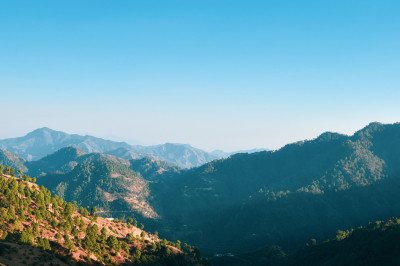
Javadu Hills
Some quick example text to build on the card title and make up the bulk of the card's content.
Go somewhere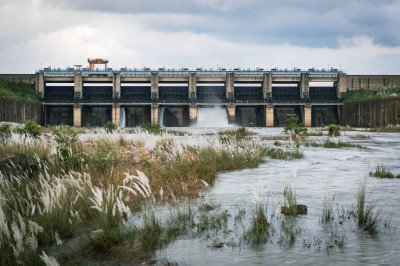
Kuruvimalai Dam
Some quick example text to build on the card title and make up the bulk of the card's content.
Go somewhere
Padaveedu
Some quick example text to build on the card title and make up the bulk of the card's content.
Go somewhere
Parvathamalai Hill
Some quick example text to build on the card title and make up the bulk of the card's content.
Go somewhere
Pick Up Dam
Some quick example text to build on the card title and make up the bulk of the card's content.
Go somewhere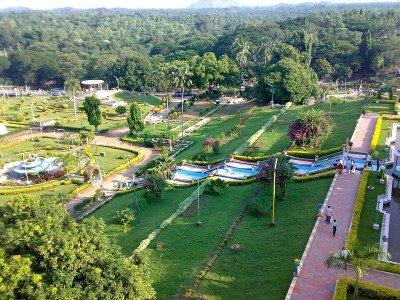
Sathanur Dam
Some quick example text to build on the card title and make up the bulk of the card's content.
Go somewhere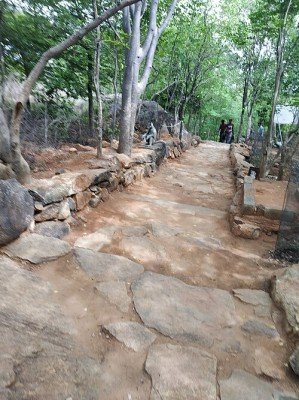
Skandashram
Some quick example text to build on the card title and make up the bulk of the card's content.
Go somewhere
Skandasram Way City View Point
Some quick example text to build on the card title and make up the bulk of the card's content.
Go somewhere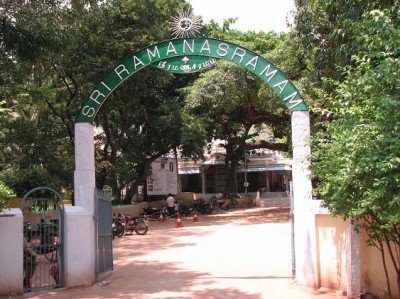
Sri Ramana Ashram
Some quick example text to build on the card title and make up the bulk of the card's content.
Go somewhere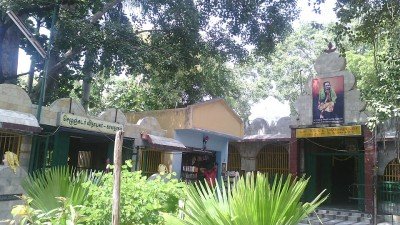
Sri Seshadri Swamigal Ashram
Some quick example text to build on the card title and make up the bulk of the card's content.
Go somewherein Other Cities