...

Place To Visit And Things To Do In Chikmagalur

Karnataka, India
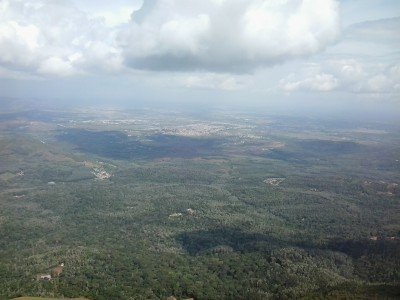
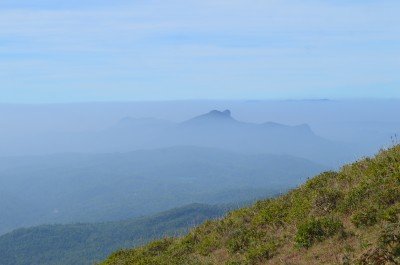
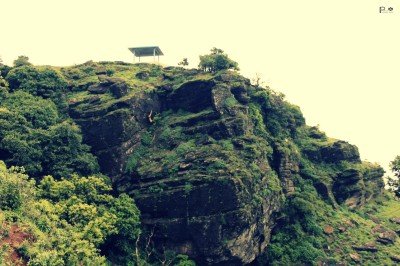
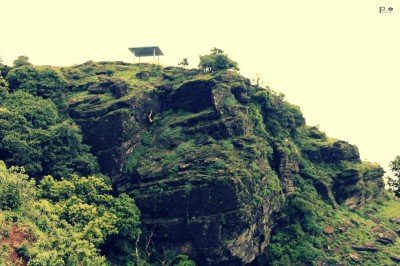
Coffee Heritage: Known as the place where coffee was first grown in India by Baba Budan. The hills are covered with endless green coffee plantations and silver oak trees. Highest Peaks: The district is home to Mullayanagiri, the highest peak in Karnataka. The Western Ghats here offer some of the mos t stunning mountain views in India. Spiritual Retreats: It houses the famous Sringeri Sharada Peetham, established by Adi Shankaracharya. The spiritual vibe here is as strong as the natural beauty of the hills. Eco-Tourism: A leader in sustainable tourism with hundreds of estate homestays. Visitors can live inside working coffee farms and experience the planter's life.

Things To Do

Card image cap
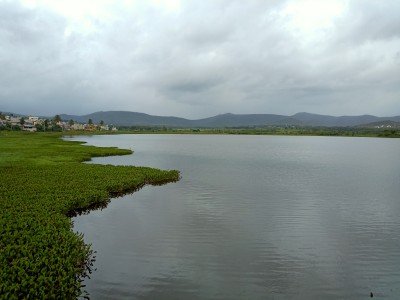
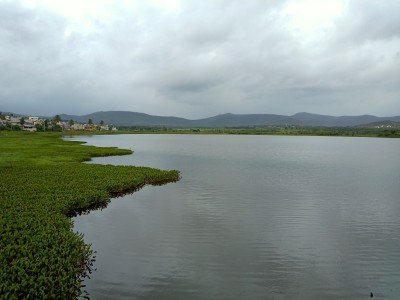
Ayyanakere Lake

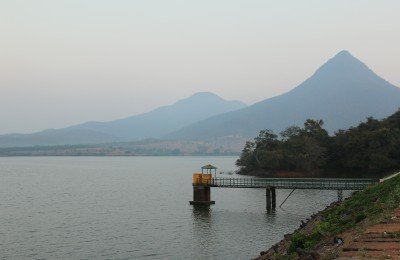
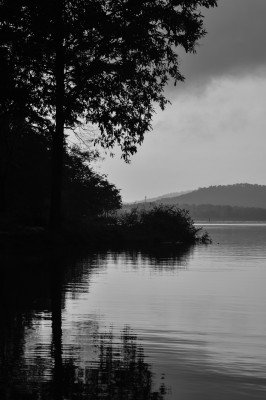
@@Lake Details: Ayyanakere Lake is the largest lake in the Chikmagalur district and serves as a vital lifeline for the local agricultural community. I...

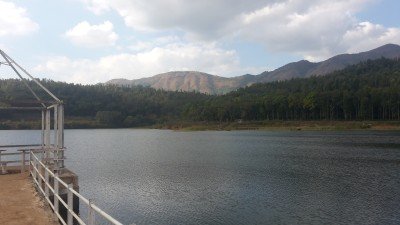
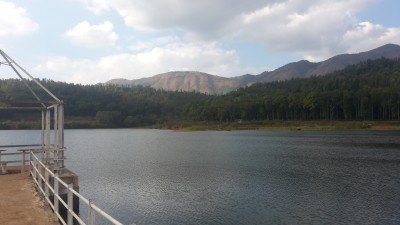
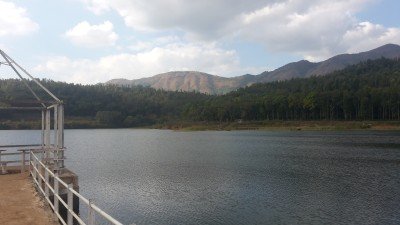
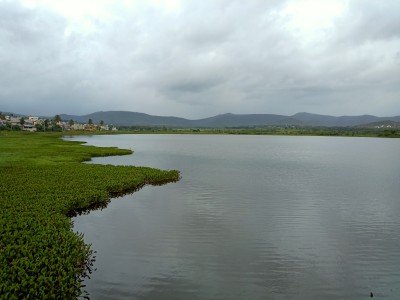
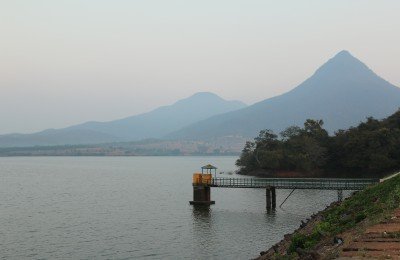
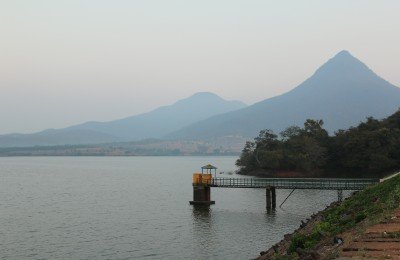
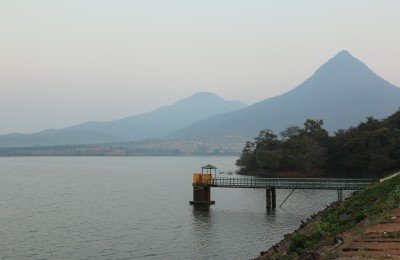
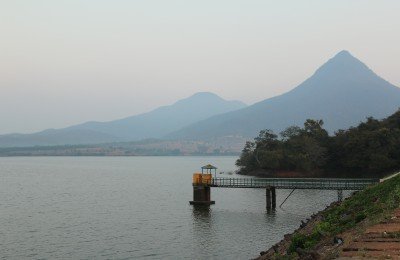
@@Lake Details: Ayyanakere Lake is the largest lake in the Chikmagalur district and serves as a vital lifeline for the local agricultural community. It was originally constructed by the ruler Rukmangada Raya and later significantly enhanced by the Hoysala kings in 1156 AD. The lake is cradled by the majestic Baba Budan mountain range, offering a panoramic view that is often compared to a "mirror of the hills" due to its crystal-clear reflections. It irrigates over 21,000 hectares of land through its ten unique canals, showcasing an ancient yet efficient water management system. The atmosphere is incredibly tranquil, making it an ideal spot for those looking to escape the commercial hustle of the main town. Visitors can often spot local fishermen at work using traditional coracles or witness a variety of migratory birds that flock to its banks during the winter season. The sheer scale of the water body, combined with the backdrop of the Shakunagiri hill, creates a landscape that feels almost cinematic. Despite its beauty, it remains one of the less crowded spots in the region, preserving its natural charm and quietude. It is a place where history, utility, and natural beauty converge seamlessly.
Card image cap
Baba Budan Giri

Baba Budan Giri is a mountain range historically significant as the birthplace of coffee cultivation in India. Legend has it that the Sufi saint Baba...

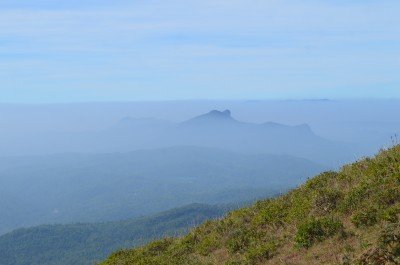
Baba Budan Giri is a mountain range historically significant as the birthplace of coffee cultivation in India. Legend has it that the Sufi saint Baba Budan smuggled seven coffee beans from Yemen to India in the 17th century and planted them on these hills. The range is characterized by its three prominent peaks: Mullayanagiri, Dattatrayapeeta, and Manikya Dhara Falls. Dattatrayapeeta is a sacred site with a cave believed to have been the abode of Guru Dattatreya. The shrine here is revered by both Hindus and Muslims. Manikya Dhara Falls is a small but picturesque waterfall considered holy, with legends of its medicinal properties. The drive through the winding roads of Baba Budan Giri offers stunning views of the valleys and coffee plantations. The cool climate and the lush greenery make it a pleasant destination. Trekking trails connect various points in the range, offering opportunities for exploration. The area is also rich in biodiversity.
Card image cap
Baba Budangiri/Dattatreya Peetha

@@Historical and Religious Synthesis: Baba Budangiri, also called Dattatreya Peetha or Datta Peeta, is a powerful symbol of communal harmony, hosting ...
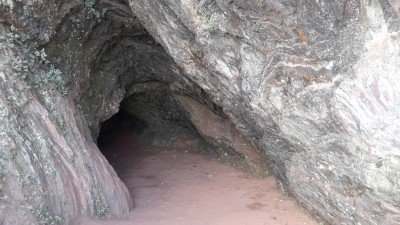
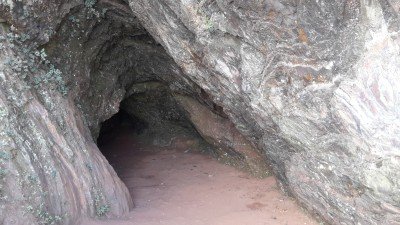
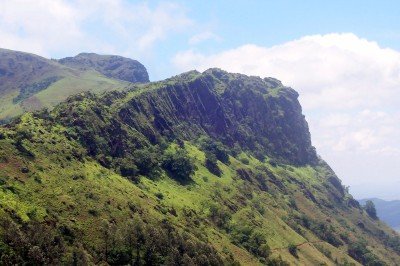
@@Historical and Religious Synthesis: Baba Budangiri, also called Dattatreya Peetha or Datta Peeta, is a powerful symbol of communal harmony, hosting a shrine that is sacred to both Hindus and Muslims, a phenomenon extremely rare and spiritually significant. The site is named after the Sufi saint, Baba Budan, who is credited with introducing coffee to India around 1670 AD by planting seven coffee beans smuggled from Mocha, Yemen. The hill is part of the Chandra Drona Parvatha range, forming a crescent shape that enhances its mystical allure. The central shrine is a cave, believed to be the residence of the Sufi saint, as well as the Hindu deity, Dattatreya Swamy. This unique blend of two major faiths draws pilgrims and tourists alike throughout the year. The entire peak stands at an altitude of 1895 meters, making it the second highest in Karnataka. The journey to the peak is as rewarding as the destination, passing through thick forests, grasslands, and challenging curves. The surrounding environment is characterized by the unique Shola grassland-forest ecosystem, home to diverse flora and fauna. Three major caves are sanctified by the three Siddhas (Hindu holy figures), adding another layer of religious importance. The view from the top is breathtaking, offering panoramic vistas of the Western Ghats and the entire Chikmagalur valley, especially during sunrise and sunset. This spot is a quintessential experience for anyone visiting Chikmagalur, blending spirituality, history, and raw natural beauty. The region is also famous for the rare Neelakurinji flowers which bloom once every twelve years, covering the hills in a spectacular blue carpet. The main festive occasions are the Urs festival for Muslims and Kartik Poornima for Hindus, both celebrated with great reverence and attracting huge crowds, further highlighting the site's role as a pilgrimage center. The weather is cool and misty most of the year, providing a perfect climate for trekking and contemplation, making it a must-visit destination in the Malnad region of Karnataka, India:
Card image cap
Ballalarayana Durga Fort

@@Fort Details: Perched at an altitude of 1,509 meters, the Ballalarayana Durga Fort is a majestic ruin that whispers tales of the Hoysala Empire. Bui...

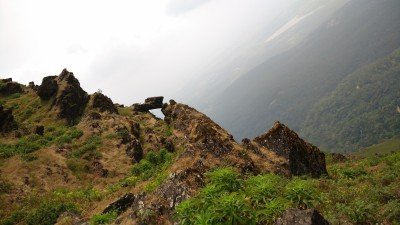
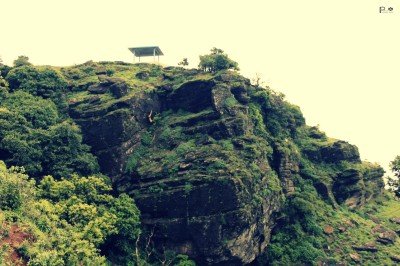
@@Fort Details: Perched at an altitude of 1,509 meters, the Ballalarayana Durga Fort is a majestic ruin that whispers tales of the Hoysala Empire. Built in the 12th century, it was a strategic military outpost designed to monitor the mountain passes and protect the kingdom from invaders. The trek to the fort is as famous as the structure itself, leading visitors through dense Shola forests and expansive grasslands that turn vibrant green during the rains. From the summit, one can witness a breathtaking 360-degree view of the Western Ghats, with the Netravati river valley visible on clear days. The fort is currently in a state of ruin, but the massive stone walls and bastions that remain give a sense of its former grandeur. It is an "off-the-beaten-path" destination, favored by serious trekkers and history enthusiasts who seek solitude and adventure. Legend has it that the queen of the fort committed suicide at the nearby Rani Jhari peak to avoid capture, adding a layer of tragic mystery to the location. The silence at the top is only broken by the whistling wind and the calls of mountain birds. It is a place that demands physical effort but rewards you with some of the most spectacular vistas in South India.
Card image cap
Belavadi

Belavadi is a small village known for its ancient and architecturally significant Veera Narayana Temple. This Hoysala-style temple, dating back to th...

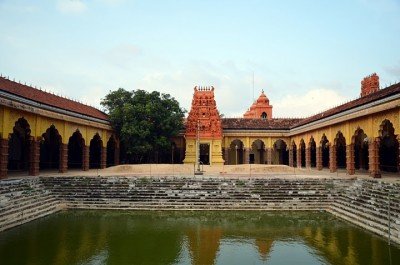
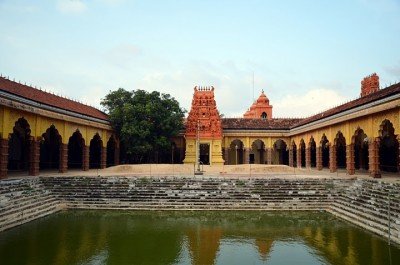
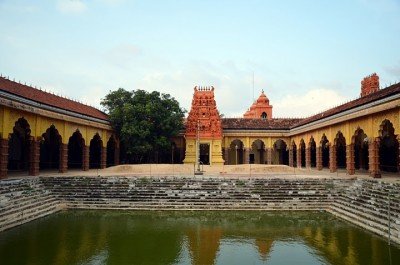
Belavadi is a small village known for its ancient and architecturally significant Veera Narayana Temple. This Hoysala-style temple, dating back to the 12th century, is a masterpiece of intricate carvings and sculptures. Dedicated to Lord Vishnu, the temple features three shrines dedicated to Veera Narayana, Venugopala, and Lakshmi Narasimha. The pillars, walls, and ceilings are adorned with detailed carvings depicting scenes from Hindu epics and mythology. The temple stands as a testament to the artistic and architectural prowess of the Hoysala dynasty. The peaceful ambiance of the village adds to the spiritual experience of visiting the temple. Exploring the temple allows you to appreciate the rich cultural heritage of the region.
Card image cap
Belavadi Sri Ranganatha Temple

While Belavadi is primarily known for the Veera Narayana Temple, the Sri Ranganatha Temple in the same village is another significant, albeit less fa...

While Belavadi is primarily known for the Veera Narayana Temple, the Sri Ranganatha Temple in the same village is another significant, albeit less famous, Hoysala-style temple. Dedicated to Lord Ranganatha (a form of Vishnu), this temple also showcases the intricate carvings and architectural brilliance characteristic of the Hoysala dynasty. Though smaller than the Veera Narayana Temple, it possesses its own unique charm and historical significance. The pillars, walls, and ceilings feature detailed sculptures depicting various deities and mythological narratives. Exploring this temple offers a quieter and more intimate experience of Hoysala art and architecture. The peaceful rural setting of Belavadi enhances the spiritual ambiance of the temple. Visiting both temples in Belavadi provides a more comprehensive understanding of the region's rich cultural heritage.
Card image cap
Belur and Halebidu (Day Trip from Chikmagalur)

While a day trip, the temple towns of Belur and Halebidu offer a remarkable glimpse into the Hoysala architecture. The Chennakesava Temple in Belur, ...

While a day trip, the temple towns of Belur and Halebidu offer a remarkable glimpse into the Hoysala architecture. The Chennakesava Temple in Belur, built in the 12th century, is a stunning example of Hoysala craftsmanship with intricate carvings and sculptures. The pillars, walls, and doorways are adorned with detailed depictions from Hindu epics. Halebidu, the former capital of the Hoysala Empire, is home to the Hoysaleswara Temple and the Kedareswara Temple, both showcasing equally exquisite Hoysala architecture. The sheer detail and artistry of the carvings are awe-inspiring. Exploring these temples is like stepping back in time to witness the grandeur of a bygone era. The intricate sculptures tell stories and depict various aspects of life during the Hoysala period.
Card image cap
Bhadra Dam

Bhadra Dam is a large dam built across the Bhadra River, creating a significant reservoir. The area around the dam offers scenic views of the water a...

Bhadra Dam is a large dam built across the Bhadra River, creating a significant reservoir. The area around the dam offers scenic views of the water and the surrounding hills. It's a popular spot for picnics and leisurely walks. The dam also plays a crucial role in irrigation and power generation in the region. The viewpoint near the dam provides panoramic vistas of the reservoir and the lush landscapes. While not a typical tourist attraction with many activities, it offers a serene environment and a chance to appreciate the scale of the engineering project and the beauty of the natural surroundings.
Card image cap
Bhadra Wildlife Sanctuary

@@Sanctuary Details: Bhadra Wildlife Sanctuary, also popularly known as Muthodi Wildlife Sanctuary, is a premier Project Tiger reserve spread across 4...
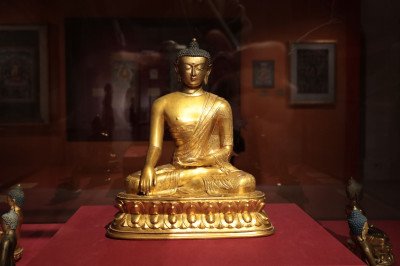
@@Sanctuary Details: Bhadra Wildlife Sanctuary, also popularly known as Muthodi Wildlife Sanctuary, is a premier Project Tiger reserve spread across 492 sq KMs. Named after the Bhadra river that flows through it, the forest is a lush mix of dry deciduous and evergreen trees. It is home to over 30 tigers, 20 leopards, and a significant population of elephants and Indian Gaur (Bison). The sanctuary is unique for its "Jagara Giant," a 400-year-old teak tree with a massive girth of 5.1 meters. Bird enthusiasts will find it a paradise with over 250 species, including the Great Hornbill and the Malabar Trogon. The sanctuary offers two entry points: Muthodi (south) and Lakkavalli (north). The Lakkavalli side is famous for the Bhadra Dam and reservoir, where boat safaris are a major highlight. The forest department manages the ecosystem strictly to preserve the habitat of the endangered species. Traveling through the dense canopy in an open jeep provides an adrenaline-pumping experience as you listen to the alarm calls of langurs and deer. It is one of the few places where you can truly witness the raw, untamed beauty of the Western Ghats ecosystem.
Card image cap
Coffee Museum (Chikmagalur Town)

The Coffee Museum, established by the Coffee Board of India, offers an informative journey into the history, cultivation, processing, and brewing of ...

The Coffee Museum, established by the Coffee Board of India, offers an informative journey into the history, cultivation, processing, and brewing of coffee in India, with a special focus on the Chikmagalur region. The museum showcases various exhibits, including artifacts, photographs, and interactive displays that trace the journey of the coffee bean from the plant to your cup. You can learn about the different varieties of coffee grown in India, the various processing methods (washed, unwashed, etc.), and the evolution of coffee cultivation techniques. There are also sections on the history of coffee in India, its economic significance, and the different brewing methods. It's a great place for coffee enthusiasts and anyone interested in learning more about this important crop of the region.
Card image cap
Coffee Museum Chikmagalur

@@A Journey from Bean to Brew: The Coffee Museum Chikmagalur is an initiative by the Coffee Board of India designed to educate the public on the entir...
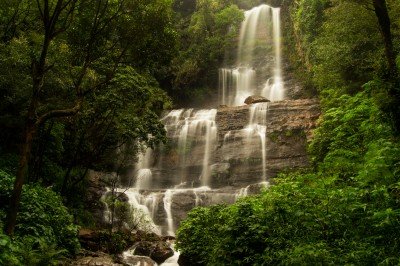
@@A Journey from Bean to Brew: The Coffee Museum Chikmagalur is an initiative by the Coffee Board of India designed to educate the public on the entire lifecycle of coffee, from its humble origin to the final cup. It is housed in a modern, two-story structure surrounded by lush greenery and serves as a thematic display of the history and technology involved in Indian coffee cultivation. The museum features highly detailed exhibits, including a gallery floor dedicated to large-format photographs and infographics, displayed in clean glass cases, which chronologically document coffee's journey in India, starting with the legend of Baba Budan. The ground floor hosts audio-visual presentations, where a short documentary film illustrates the growing and processing of coffee from the perspective of real growers. A key highlight is the 'Coffee Yatra' exhibit, which uses modern technology to create an immersive, informative experience. Visitors can learn about different coffee varieties, the specialized tools and machinery used for pulping, drying, roasting, and grinding, and the intricate process of bean evaluation and grading performed in the onsite laboratory. The museum meticulously details the role of coffee in the regional economy and culture, emphasizing sustainable and ecological cultivation practices. It offers a sensory, though non-tasting, deep dive into the world of coffee, explaining the crucial factors like elevation, rainfall, and bean types grown in various Indian regions. The detailed exhibits and friendly, knowledgeable staff make the complex science of coffee accessible to all visitors. The architecture is purposeful, clean, and modern, designed to facilitate a smooth, self-guided tour that takes about 1-2 hours. It is an essential stop for anyone interested in the history or economics of coffee, and it provides crucial context to the vast plantations that define the surrounding landscape of Chikmagalur, often referred to as the 'Coffee Land of Karnataka'. The focus on health, ecology, and quality control elevates the museum beyond a simple display, turning it into a scientific and cultural center. The exterior is also notable for the potted coffee plants with green berries, symbolizing the entire process being contained within this educational hub:
Card image cap
Coffee Plantations

Chikmagalur is synonymous with coffee, and a visit to a coffee plantation is a must. Many estates offer guided tours that provide insights into the c...

Chikmagalur is synonymous with coffee, and a visit to a coffee plantation is a must. Many estates offer guided tours that provide insights into the coffee cultivation process, from planting and harvesting to processing and roasting. You can learn about the different varieties of coffee grown in the region (Arabica and Robusta) and the unique conditions that contribute to their flavor. Some estates also offer homestay options, allowing you to experience life on a plantation. Enjoying a freshly brewed cup of local coffee amidst the serene surroundings of a coffee estate is a truly immersive experience. You can also purchase fresh coffee beans and powder directly from the estates.
Card image cap
Dabdabe Falls

@@The Unspoiled Wilderness Cascade: Dabdabe Falls, sometimes confused with or simply known locally as a major stream in the Ballalarayana Durga region...
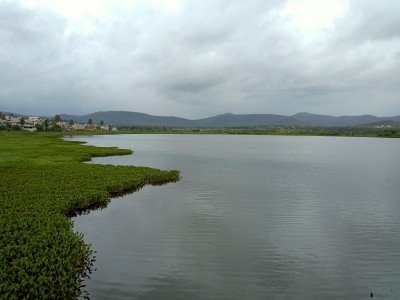
@@The Unspoiled Wilderness Cascade: Dabdabe Falls, sometimes confused with or simply known locally as a major stream in the Ballalarayana Durga region, represents the raw, untamed beauty of the Western Ghats. Unlike easily accessible waterfalls, reaching Dabdabe Falls involves a moderate-to-challenging trek through dense Shola forests, making it a destination primarily for adventure seekers and deep nature lovers. The name 'Dabdabe' is an onomatopoeia, reflecting the loud, thundering sound the water makes as it crashes down from a significant height, though the exact measured height is not widely publicized and often approximated. The falls are particularly majestic during the monsoon and post-monsoon months (July to October), when the volume of water is at its peak, creating a powerful, misty curtain that rejuvenates the surrounding environment. The water eventually joins one of the tributaries of the River Bhadra. The trekking trail itself is an experience, leading through pristine, cool, and shadowy forests, rich with endemic flora and fauna, including medicinal herbs and unique bird species. Due to its secluded nature, the area surrounding the falls is exceptionally clean and peaceful, offering a true escape from tourist crowds. It serves as a natural swimming spot in the plunge pool during leaner flow periods, but caution is always advised due to slippery rocks. The adventure to Dabdabe Falls requires proper planning, sturdy trekking gear, and often the assistance of a local guide, as the trail is not clearly marked for casual visitors, contributing to its 'hidden gem' status. It is a place that rewards effort with unparalleled views of a high-volume cascade in a completely natural setting, contrasting sharply with the more commercialized sites in the district. The experience is about immersion in the wilderness, making it a favourite among serious hikers who crave solitude and spectacular natural scenery far from the main road. The lush, vibrant greenery throughout the journey and the misty micro-climate near the falls create an unforgettable ambiance. The lack of commercialisation means fewer amenities, which underscores the importance of self-sufficiency for anyone planning a trip here:
Card image cap
Dantaramakki Lake

@@The Serene Water Body of Aldur: Dantaramakki Lake is a relatively unknown but highly tranquil artificial reservoir nestled in the verdant landscape ...
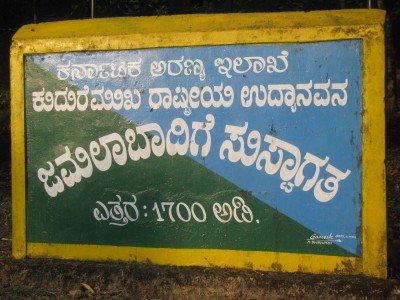
@@The Serene Water Body of Aldur: Dantaramakki Lake is a relatively unknown but highly tranquil artificial reservoir nestled in the verdant landscape near the village of Aldur in Chikmagalur. Primarily constructed for irrigation purposes, the lake and its surrounding area have evolved into a peaceful spot for locals and a quiet retreat for tourists looking for a non-commercialized natural setting. The lake is expansive, its calm waters reflecting the surrounding low-lying hills and the ubiquitous coffee plantations, creating a picturesque scene that is especially stunning during the early morning and late afternoon hours. Unlike the mountain lakes that cater heavily to trekkers, Dantaramakki Lake provides a gentle, easy-access environment suitable for picnics, leisurely walks along its banks, and quiet contemplation. The atmosphere is one of profound serenity, interrupted only by the sounds of local birds and the gentle lapping of water. The shoreline is often lined with indigenous trees and shrubs, supporting a local ecosystem of small wildlife and migratory birds, making it a modest but rewarding spot for birdwatchers. The path around the lake allows for pleasant, unhurried exploration. The water body itself plays a critical role in sustaining the agriculture of the Dantaramakki village and the larger Aldur region, highlighting its economic importance alongside its natural beauty. The absence of commercial infrastructure, such as dedicated boating facilities or large tourist shops, preserves its rustic, authentic charm. Visitors appreciate the unadulterated view of the Malnad countryside, where the green-covered hills gently slope down to the water's edge. The surrounding terrain is less rugged than the Mullayanagiri or Baba Budangiri ranges, offering a softer, more pastoral aesthetic. It is an ideal destination for families and travelers who prefer a relaxed pace, seeking to capture the quiet, reflective side of Chikmagalur's natural splendour, away from the adrenaline-pumping tourist trails. The best time to visit is during the post-monsoon season when the water level is high and the surrounding greenery is at its most vibrant best, offering the most captivating views and photography opportunities:
Card image cap
Devaramane

Devaramane, meaning "abode of God," is a scenic hill station offering breathtaking views of the Western Ghats. It's known for its ancient Kalabhairav...

Devaramane, meaning "abode of God," is a scenic hill station offering breathtaking views of the Western Ghats. It's known for its ancient Kalabhairaveshwara Temple, dedicated to Lord Shiva. The temple is situated amidst picturesque landscapes, with rolling hills and valleys stretching as far as the eye can see. The journey to Devaramane involves a drive through winding roads and lush greenery. The cool, misty climate and the tranquil environment make it a refreshing escape. Trekking opportunities are also available in the surrounding hills. The viewpoint near the temple offers panoramic vistas, especially stunning during sunrise and sunset. Devaramane is a relatively less crowded destination, ideal for those seeking peace and natural beauty combined with a spiritual experience.
Card image cap
Gadaikallu View Point

@@Historical Fortress in the Sky: Gadaikallu View Point, also known as Jamalabad Fort, is an imposing monolithic rock formation located near Belthanga...

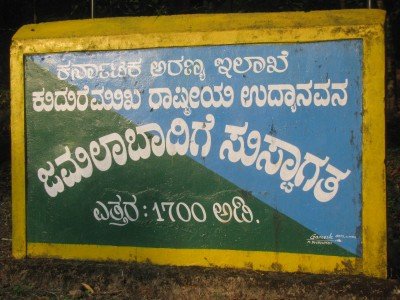
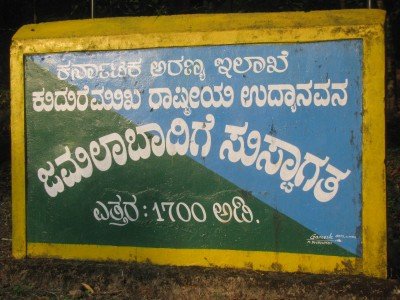
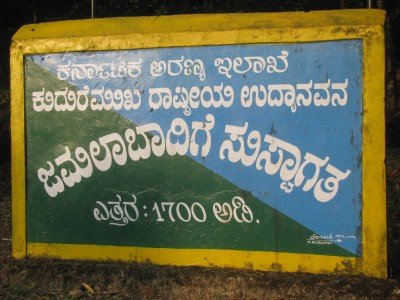
@@Historical Fortress in the Sky: Gadaikallu View Point, also known as Jamalabad Fort, is an imposing monolithic rock formation located near Belthangady. Though technically in the Dakshina Kannada district, it is often included in Chikmagalur adventure itineraries due to its accessibility from the district and its status as a major trekking destination in the Western Ghats. The fort was strategically built by the legendary ruler Tipu Sultan in 1794 AD, named after his mother, Jamal Bee. The name Gadaikallu literally translates to 'Club Stone' in Kannada. The peak stands at an elevation of approximately 3,527 feet (1,075 meters) above sea level. The primary attraction is the trek, which is famously arduous, involving climbing over 1,876 stone steps that were carved into the steep granite face of the hill by the fort's builders. These steps are a feat of ancient military architecture. The summit rewards the brave climber with an unparalleled 360-degree panoramic view that stretches across the vast, rolling green hills of the Malnad region to the plains and, on clear days, all the way to the Arabian Sea. The fort's ruins are minimal, primarily consisting of the well-maintained steps, a small residential area (ruins), a storage area, and a large freshwater pond/cistern at the top, which was essential for the fort's garrison. The trek is a blend of physical challenge, historical exploration, and environmental immersion, passing through a protected forest area which requires forest department permission to enter. The history attached to the fort, its strategic military importance, and its tragic fall after a brief resistance to the British in 1799, imbue the ruins with a powerful sense of the past. It's a challenging one-day expedition best undertaken in the cool dry months, making it a unique stop for travelers looking to combine history, trekking, and monumental viewpoints near the Chikmagalur region. The trek is a testament to the endurance of Tipu Sultan's forces and provides an incredible perspective on the geography of the Western Ghats and its transition to the coastal belt:
Card image cap
Hebbe Falls

@@Falls Details: Hebbe Falls is a spectacular natural waterfall located inside a private coffee estate within the Bhadra Wildlife Sanctuary. The water...
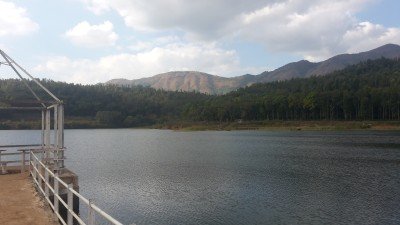
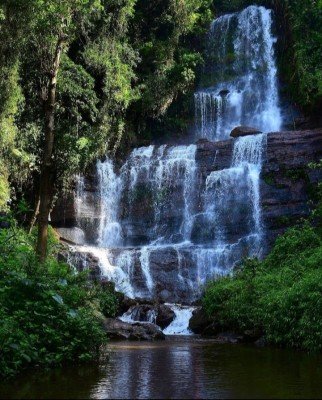
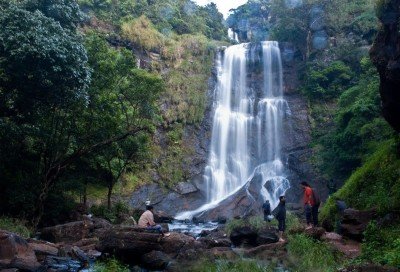
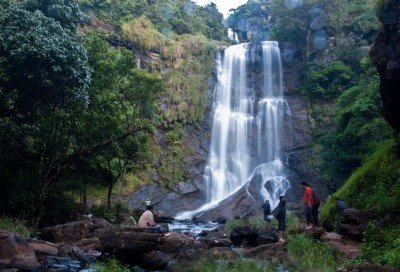
@@Falls Details: Hebbe Falls is a spectacular natural waterfall located inside a private coffee estate within the Bhadra Wildlife Sanctuary. The water gushes down from a height of 168 meters in two distinct stages: Dodda Hebbe (Big Hebbe) and Chikka Hebbe (Small Hebbe). The journey to the falls is an adventure in itself, involving a bumpy 8 KM ride in a forest department 4x4 jeep followed by a short trek through dense jungle and across three small streams. The water is believed to contain medicinal herbs and minerals from the surrounding hills, making a dip in the base pool both refreshing and therapeutic. Surrounded by coffee plantations and thick greenery, the air here is filled with the fresh scent of wild flowers and wet earth. The falls are most powerful after the monsoon, creating a misty atmosphere that can soak visitors from a distance. Access is strictly regulated by the forest department to protect the local environment. Because it is located in a tiger reserve area, visitors must follow strict timings and guidelines. It remains one of the most photographed and beloved spots in the district for its raw natural beauty and the "hidden" feel of its location.
Card image cap
Hirekolale Lake

@@The Water Mirror of the Hills: Hirekolale Lake is a captivating man-made water body celebrated for its exceptional beauty, especially during sunrise...
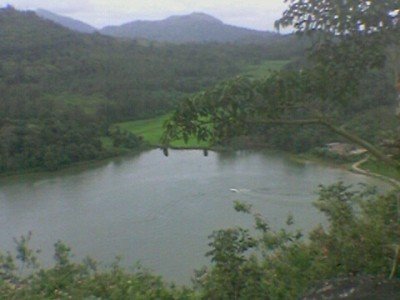
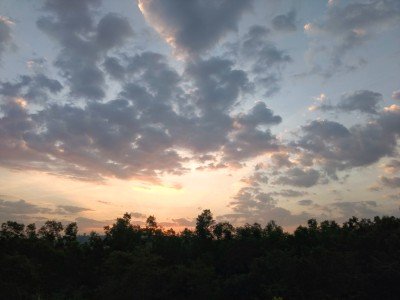
@@The Water Mirror of the Hills: Hirekolale Lake is a captivating man-made water body celebrated for its exceptional beauty, especially during sunrise and sunset. Its name, derived from the Kannada word 'Hirekolale', means 'Large Pond' or 'Big Lake', and it was historically constructed to serve the irrigation needs of the surrounding villages, including Chikmagalur town. Today, it has become one of the most tranquil and visually stunning spots in the entire district. The lake is situated in a valley, with the towering peaks of the Mullayanagiri and Baba Budangiri ranges forming a dramatic backdrop. The still, calm water acts as a massive natural mirror, perfectly reflecting the sky and the silhouette of the majestic hills, a feature that has made it a paradise for photographers. The path leading to the lake is lined with lush green coffee plantations and tall, slender trees, enhancing the scenic drive. The lake's surroundings are neatly maintained, with a viewing platform or pathway constructed along the banks, allowing visitors to walk and fully appreciate the scenery. While it is an artificial lake, the natural environment is pristine and contributes to a peaceful atmosphere far removed from the noise of the city. The presence of a small temple and an old, artificial waterfall nearby adds cultural context to the natural setting. Birdwatching is a popular activity here, as the water body attracts various local and migratory bird species. The beauty of Hirekolale Lake is in its simplicity and the breathtaking interplay of light, water, and mountains. Unlike the rugged treks of the nearby peaks, the lake offers a gentle, relaxing experience, making it accessible and enjoyable for visitors of all ages, including families and the elderly. The best viewing time is unequivocally during the 'Golden Hour' of sunset, where the clear sky, particularly during the winter months, paints the water's surface with vibrant, unforgettable hues of orange, pink, and gold, cementing its reputation as a must-visit sunset point in Chikmagalur:
Card image cap
Honnamana Falls

@@A Sanctuary of Natural and Spiritual Flow: Honnamana Falls, also known by its sacred names Nellikayi Theertha or Manikya Dhara Falls, is a small yet...
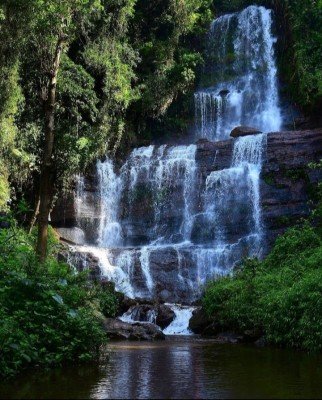
@@A Sanctuary of Natural and Spiritual Flow: Honnamana Falls, also known by its sacred names Nellikayi Theertha or Manikya Dhara Falls, is a small yet highly revered waterfall located on the route to Baba Budangiri Peak. Its name is derived from the local deity, Goddess Honnammana, whom the villagers worship. The spiritual significance of the falls is dual-layered, as it is considered sacred by both the local Hindu and Muslim communities, often being associated with the mythical water source sought by the Sufi saint Baba Budan and his four followers—the name Manikya Dhara means 'String of Pearls', referencing the gentle cascade. Though the fall's height is modest, around 30 feet, its location is what makes it spectacular: it is completely nestled within a dense cluster of towering trees and thick forest, offering a shady, cool, and perpetually misty micro-environment right beside the road. The waterfall is often visible from the roadside, making it highly accessible. The water flows over naturally tiered rocks, creating a gentle, soothing sound rather than a thundering roar. The surrounding area is characterized by the rich biodiversity of the Shola forests and the meticulously managed coffee plantations, providing a vibrant, lush green backdrop throughout the year. The location's ease of access and its sacred status make it a popular stop for pilgrims and tourists heading to the higher peaks. The environment around Honnamana Falls is exceptionally tranquil and considered a perfect spot for nature lovers who appreciate a quiet moment and a gentle connection with the spiritual landscape of the hills. It also offers beautiful views of the Baba Budangiri hills looming in the distance. Its status as Nellikayi Theertha (Gooseberry Water) in local mythology further enhances its uniqueness. The overall experience is one of peaceful reflection and an appreciation for the blend of spiritual legend and natural beauty, an accessible snapshot of the Malnad region's charm. It is one of the closest major waterfalls to Chikmagalur town and requires only a brief stop to fully appreciate its charm:
Card image cap
Honnamana Halla Falls

Honnamana Halla Falls is a picturesque waterfall cascading down amidst verdant surroundings. While not as grand as some of the other falls in the reg...

Honnamana Halla Falls is a picturesque waterfall cascading down amidst verdant surroundings. While not as grand as some of the other falls in the region, it possesses a serene charm and is less crowded, offering a more tranquil experience. The water flows down gently over the rocks, creating small pools where visitors can dip their feet and enjoy the cool water. The surrounding area is rich in flora, making it a pleasant spot for nature walks and photography. The journey to Honnamana Halla Falls passes through scenic landscapes, including coffee plantations and patches of forest. It's a good stop for those exploring the route towards Jhari Falls or other nearby attractions. The peaceful ambiance and the natural beauty make it a refreshing break. Local legends might be associated with the falls, adding to its charm. It's a place where you can connect with nature without the hustle and bustle of more popular spots.
Card image cap
Horanadu Annapoorneshwari Temple

While a bit further from Chikmagalur, the Horanadu Annapoorneshwari Temple is a significant religious destination dedicated to Goddess Annapoorneshwa...

While a bit further from Chikmagalur, the Horanadu Annapoorneshwari Temple is a significant religious destination dedicated to Goddess Annapoorneshwari, the goddess of food and nourishment. The temple is renowned for its tradition of providing free meals (prasadam) to all visitors, regardless of their caste, creed, or religion. The deity's idol is believed to be made of gold. The temple attracts a large number of devotees, especially during festivals. The journey to Horanadu is scenic, passing through winding roads and lush green landscapes of the Western Ghats. The peaceful and spiritual atmosphere of the temple is very appealing. The surrounding hills and forests add to the serene environment. It's a place where you can experience both religious devotion and the natural beauty of the region.
Card image cap
Hornadu Lakshmi Venkateshwara Temple

While in the vicinity of Horanadu, the Hornadu Lakshmi Venkateshwara Temple is another significant religious site in the region. Dedicated to Lord Ve...

While in the vicinity of Horanadu, the Hornadu Lakshmi Venkateshwara Temple is another significant religious site in the region. Dedicated to Lord Venkateshwara and Goddess Lakshmi, the temple attracts devotees seeking blessings for prosperity and well-being. The temple has a rich history and is known for its peaceful and spiritual ambiance. The surrounding natural beauty of the Western Ghats enhances the serene atmosphere. The architecture of the temple is traditional South Indian style. Visiting this temple offers a chance to experience the religious fervor of the region and to admire the natural beauty of the landscape.
Card image cap
Jhari Falls (Buttermilk Falls)

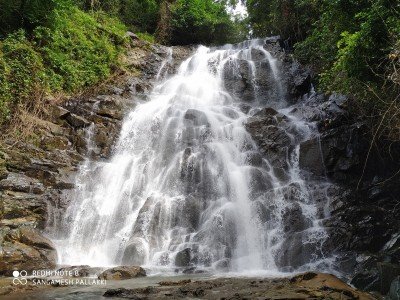
Jhari Falls, also known as Buttermilk Falls due to its milky white appearance as it cascades down, is a stunning waterfall located amidst dense fores...

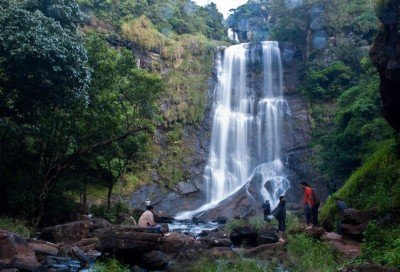
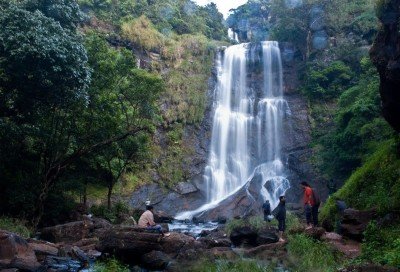
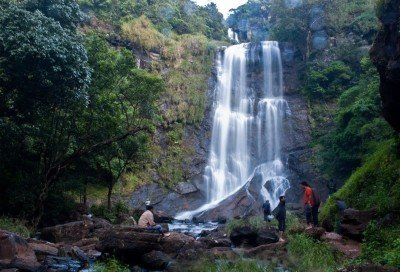
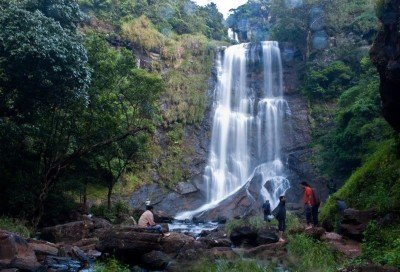
Jhari Falls, also known as Buttermilk Falls due to its milky white appearance as it cascades down, is a stunning waterfall located amidst dense forests. Reaching the falls involves a somewhat adventurous jeep ride through rugged terrain, often passing through private coffee estates. The journey itself offers scenic views of the plantations and the surrounding hills. The waterfall descends from a significant height, creating a refreshing spray and a picturesque scene. It's a popular spot for nature lovers and those seeking a slightly offbeat experience. The area around the falls is relatively secluded, adding to its natural charm. The sound of the cascading water and the lush greenery create a tranquil atmosphere. It's a great place for photography and to immerse yourself in the natural beauty of Chikmagalur.
Card image cap
Jhari Waterfalls

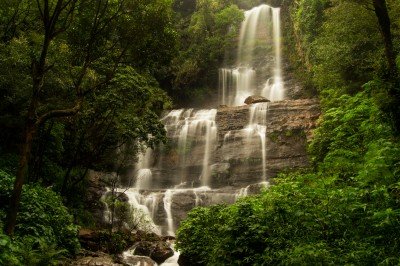
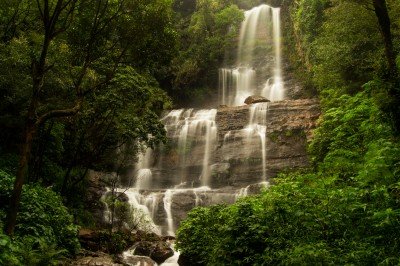
@@The Magnificent Buttermilk Cascade: Jhari Waterfalls, affectionately and commonly known as Buttermilk Falls, is a stunning, multi-tiered natural spe...
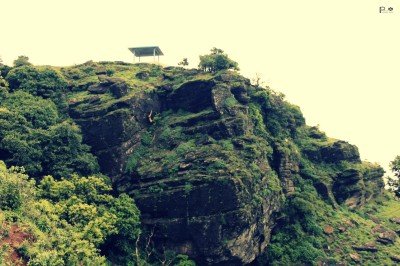
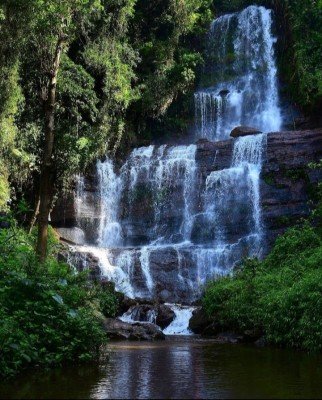
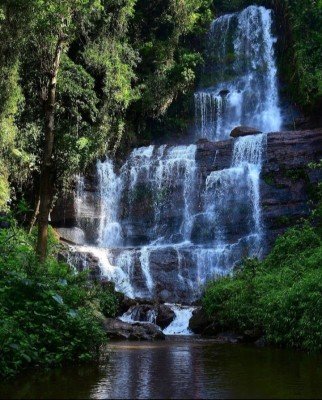
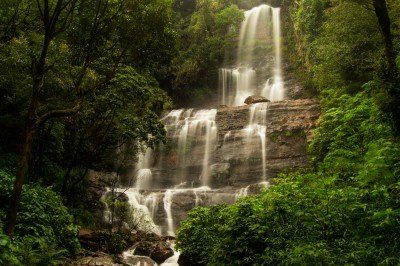
@@The Magnificent Buttermilk Cascade: Jhari Waterfalls, affectionately and commonly known as Buttermilk Falls, is a stunning, multi-tiered natural spectacle located deep within the hilly terrain of Chikmagalur, amidst the sprawling private coffee and spice plantations. The moniker Buttermilk Falls is attributed to the fact that the water, as it rushes down the steep, broad rocks, froths and foams, acquiring a milky-white appearance akin to churning buttermilk. The waterfall originates high in the Baba Budan Giri mountains and descends in a broad, captivating sheet, rather than a single column, over a series of vertical steps. The surrounding area is dominated by an incredibly lush and vibrant green canopy of forest and plantation crops. A natural pool is formed at the base of the main cascade, which is safe for visitors to take a refreshing dip or swim during the non-monsoon months. The falls are located near Attigundi village. A significant feature of a visit here is the requirement to travel the last approximately 4 to 5 kilometers in a hired 4x4 jeep. This is due to the extremely rugged, steep, and unpaved nature of the approach road, which passes through private estates, making the journey an adventure in itself. This logistical hurdle helps preserve the falls' serene environment and controls the crowd flow. The best time to witness the falls in their full glory is during the post-monsoon period (August to January), when the water flow is abundant and the surrounding foliage is at its peak vibrancy. Jhari Falls is a quintessential adventure destination in Chikmagalur, combining a thrilling jeep ride, an easy short hike, and the reward of a majestic, highly photogenic waterfall. It is a popular combination trip with the nearby peaks of Mullayanagiri and Baba Budangiri, offering a contrasting experience of mountain trekking and water-based relaxation. The surrounding plantations also contribute to the area's rich, fragrant air, blending the scent of coffee, pepper, and local flowers. The sheer scale and beauty of the waterfall make it a prime example of the powerful natural attractions that the Western Ghats have to offer:
Card image cap
Kadambi Falls

Kadambi Falls is a beautiful waterfall located deep within the Kudremukh National Park. The water cascades down from a significant height amidst dens...

Kadambi Falls is a beautiful waterfall located deep within the Kudremukh National Park. The water cascades down from a significant height amidst dense forests, creating a serene and picturesque setting. Reaching the falls often involves a trek through the park, adding to the sense of adventure. The pristine natural environment and the relative seclusion of the falls make it a rewarding destination for nature lovers. The sound of the cascading water and the lush greenery create a tranquil atmosphere. It's a great spot for photography and to experience the untouched beauty of the Western Ghats. The trek to the falls might offer opportunities to spot some of the park's diverse flora and fauna.
Card image cap
Kalhatty Falls

Kalhatty Falls, also known as Kalahasti Falls, is a picturesque waterfall cascading down from a height of about 122 meters (400 feet). The water flow...

Kalhatty Falls, also known as Kalahasti Falls, is a picturesque waterfall cascading down from a height of about 122 meters (400 feet). The water flows over several cascades, creating a beautiful and serene environment. According to local legends, the sage Agastya meditated here. The area around the falls is rich in dense forests and offers opportunities for trekking and nature walks. The cool spray of the waterfall and the lush greenery make it a refreshing escape. There is also a Veerabhadra Temple located near the falls, adding a religious significance to the site. The journey to Kalhatty Falls involves a scenic drive through the hills and plantations. It's a less crowded waterfall compared to some others in the region, offering a more tranquil experience for nature lovers. The sound of the water plunging down and the surrounding natural beauty make it a captivating spot.
Card image cap
Kemmangundi

Kemmangundi is a picturesque hill station known for its lush green landscapes, cascading waterfalls, and trekking trails. Once the summer retreat of ...

Kemmangundi is a picturesque hill station known for its lush green landscapes, cascading waterfalls, and trekking trails. Once the summer retreat of Krishnaraja Wodeyar IV, it is often referred to as the "Kashmir of Karnataka." Key attractions include the Raj Bhavan, offering panoramic views, the Rose Garden, showcasing a variety of roses, and the Z Point, a viewpoint accessible by a trek, providing breathtaking vistas of the Shola forests and valleys. Hebbe Falls is also easily accessible from Kemmangundi. The cool and refreshing climate makes it a pleasant getaway. Trekking enthusiasts can explore trails leading to various viewpoints and waterfalls. The area is rich in flora and fauna. The sunset views from viewpoints in Kemmangundi are particularly stunning.
Card image cap
Kudremukh National Park

Kudremukh National Park, named after the Kudremukh peak which resembles a horse's face, is a vast protected area known for its rolling grasslands, sh...

Kudremukh National Park, named after the Kudremukh peak which resembles a horse's face, is a vast protected area known for its rolling grasslands, shola forests, and rich biodiversity. It's a haven for nature lovers and trekkers. The park is home to a variety of wildlife, including lion-tailed macaques, tigers, leopards, deer, and numerous species of birds. Trekking through the park offers stunning views of the Western Ghats and the opportunity to immerse yourself in pristine natural beauty. Popular trekking trails include the Kudremukh peak trek, which requires permission from the forest department. The thick forests and the misty hills create a unique and enchanting environment. The park is also a significant watershed area, with several rivers originating here. The relatively untouched nature of Kudremukh makes it a truly special destination for those seeking wilderness and adventure.
Card image cap
Kyatanamakki Hill Station

Kyatanamakki is a lesser-known hill station offering breathtaking views of the surrounding Kudremukh mountain range. It's accessible by a jeep ride t...

Kyatanamakki is a lesser-known hill station offering breathtaking views of the surrounding Kudremukh mountain range. It's accessible by a jeep ride through rugged terrain, often passing through private estates. The hilltop provides panoramic vistas of rolling hills, valleys, and the vast expanse of the Western Ghats. It's a serene and relatively untouched destination, ideal for those seeking tranquility and natural beauty away from the crowds. The sunrise and sunset views from Kyatanamakki are particularly stunning. The cool breeze and the vastness of the landscape create a sense of peace and awe. It's a great spot for photography and to simply soak in the natural splendor.
Card image cap
Mahatma Gandhi Park (Chikmagalur Town)

Mahatma Gandhi Park is a well-maintained public park located in the heart of Chikmagalur town. It offers a green and peaceful space for locals and to...

Mahatma Gandhi Park is a well-maintained public park located in the heart of Chikmagalur town. It offers a green and peaceful space for locals and tourists to relax and unwind. The park features well-laid-out walking paths, benches, and a variety of flowering plants and trees. It's a pleasant place for a morning or evening stroll. The park might also have recreational facilities for children. It provides a convenient escape from the town's activity. The serene atmosphere makes it a good spot for quiet contemplation. You might find local vendors selling snacks and refreshments near the park. It's a simple yet pleasant place to spend some time.
Show All

Note:-

Information provided here in good Faith and for reference only.

All information and pictures will be updated soon, please keep visiting.

Near Places
...
Badami

Some quick example text to build on the card title and make up the bulk of the card's content.

Go somewhere
...
Bandipur National Park

Some quick example text to build on the card title and make up the bulk of the card's content.

Go somewhere
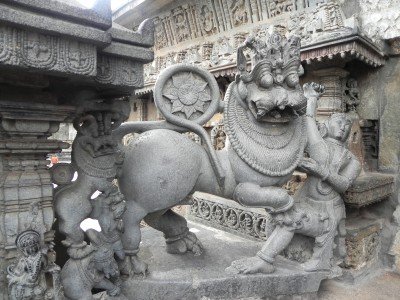
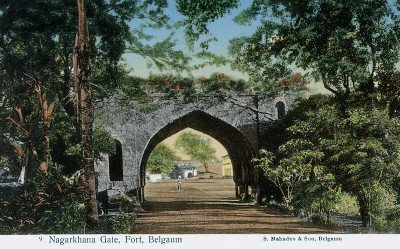
...
Belagavi

Some quick example text to build on the card title and make up the bulk of the card's content.

Go somewhere
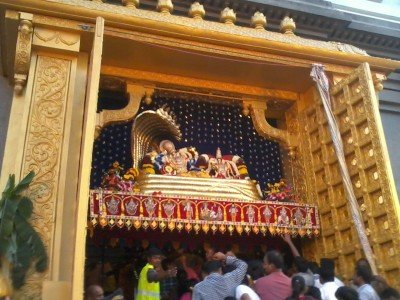
...
Belur, Karnataka

Some quick example text to build on the card title and make up the bulk of the card's content.

Go somewhere
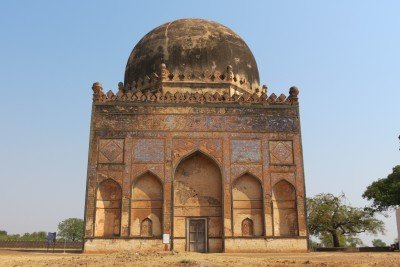
...
Belur

Some quick example text to build on the card title and make up the bulk of the card's content.

Go somewhere
...
Bengaluru

Some quick example text to build on the card title and make up the bulk of the card's content.

Go somewhere
...
Bidar

Some quick example text to build on the card title and make up the bulk of the card's content.

Go somewhere
...
Bijapur

Some quick example text to build on the card title and make up the bulk of the card's content.

Go somewhere
...
Chamarajanagar

Some quick example text to build on the card title and make up the bulk of the card's content.

Go somewhere
...
Chikkaballapur

Some quick example text to build on the card title and make up the bulk of the card's content.

Go somewhere
in Other Cities