
...

Place To Visit And Things To Do In Fatehabad

Haryana, India
Historical Legacy: Fatehabad was founded in the 14th century by Sultan Firoz Shah Tughlaq and named after his son Fateh Khan. The city is an archaeological goldmine featuring sites from the Harappan and Pre-Harappan eras. Archaeological Wealth: It is home to Banawali and Bhirrana, which are among th e oldest sites of the Indus Valley Civilization. These sites offer a glimpse into the sophisticated urban planning of ancient times. Spiritual Landmarks: The city houses the Humayun Mosque, a small but significant structure built during the Mughal era. It stands as a testament to the brief periods of royal respite in this region. Monolithic Wonders: The Ashokan Pillar located here is a major draw for history buffs and researchers. It showcases the intricate craftsmanship of the Mauryan period and the reuse of monuments by later dynasties.

Things To Do

Card image cap
Ayodhya Dham

Ayodhya Dham in Fatehabad is a magnificent religious complex dedicated to Lord Rama. Unlike the ancient city in Uttar Pradesh, this modern temple ser...

Ayodhya Dham in Fatehabad is a magnificent religious complex dedicated to Lord Rama. Unlike the ancient city in Uttar Pradesh, this modern temple serves as a spiritual hub for local devotees in Haryana. The temple complex is sprawling and meticulously maintained, offering a peaceful retreat from the urban hustle. It features a grand sanctum sanctorum where the idols of the Ram Darbar are installed with traditional Vedic rituals. The atmosphere is perpetually filled with the scent of incense and the sound of devotional hymns. Many pilgrims from neighboring districts visit this "Dham" to experience the serenity associated with the birthplace of Lord Ram. The temple trust also manages various social welfare activities, including a community kitchen that serves "Langar" to the needy. Visiting this site provides deep cultural insights into the local religious practices and the community's dedication to the Sanatana Dharma. It is considered one of the most serene landmarks in the entire Fatehabad district.
Card image cap
Banawali Site

Banawali is a world-renowned archaeological site belonging to the Indus Valley Civilization (IVC). Discovered in 1974 by Dr. R.S. Bisht, this site is...
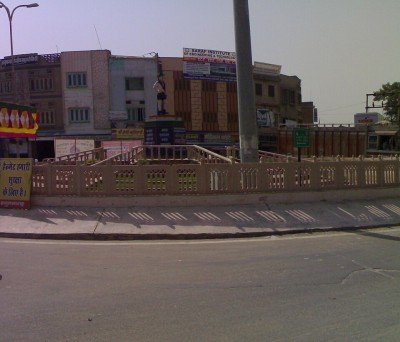
Banawali is a world-renowned archaeological site belonging to the Indus Valley Civilization (IVC). Discovered in 1974 by Dr. R.S. Bisht, this site is unique because it shows evidence of three different cultural phases: Pre-Harappan, Mature Harappan, and Post-Harappan. Located on the banks of the dried-up Sarasvati River, the excavations have revealed a well-planned fortified city. The most significant find here is a terracotta plough model, which proved that the Harappans practiced advanced agriculture. Visitors can see the remains of ancient streets, residential blocks, and a sophisticated drainage system that was way ahead of its time. The site provides a rare glimpse into the urban planning and lifestyle of people who lived over 4,500 years ago. Artifacts like beads made of semi-precious stones, gold foil, and inscribed seals have been unearthed here. For history buffs, Banawali is not just a pile of ruins but a living museum of human progress. The site is protected by the Archaeological Survey of India (ASI) and continues to be a subject of intense research for historians globally.
Card image cap
Bhagat Singh Chowk

Bhagat Singh Chowk is the busiest and most iconic intersection in Fatehabad. Named after the legendary revolutionary Shaheed Bhagat Singh, this place...

Bhagat Singh Chowk is the busiest and most iconic intersection in Fatehabad. Named after the legendary revolutionary Shaheed Bhagat Singh, this place serves as a central landmark for both commerce and social gatherings. A life-sized statue of the martyr stands at the center, serving as a reminder of India's struggle for independence. The area around the chowk is a bustling marketplace where one can find everything from traditional Haryanvi textiles to modern electronics. It is the site where most local protests, celebrations, and public speeches take place. In the evenings, the chowk transforms into a lively spot with numerous street food vendors selling local delicacies like Golgappas and Chaat. For a traveler, it is the best place to observe the daily life of Fatehabad residents. The energy here is infectious, especially during national holidays like Republic Day or Independence Day, when the entire area is decorated with tricolors. It is essentially the "Times Square" of Fatehabad, representing the city's modern identity while honoring its historical heroes.
Card image cap
Bhirrana Site

Bhirrana is arguably the most significant archaeological site in the Indian subcontinent. Recent studies suggest that this site is even older than Ha...

Bhirrana is arguably the most significant archaeological site in the Indian subcontinent. Recent studies suggest that this site is even older than Harappa and Mohenjo-daro, with some layers dating back to 7500 BCE. It is considered the oldest site of the Indus Valley Civilization found so far. The excavation has revealed a continuous sequence of occupation from the Hakra Ware culture to the Mature Harappan period. The site is located on the northern bank of the old Sarasvati River course. Archaeologists have found unique pit-dwellings from the earliest phase, which show how ancient humans first settled in this region. The discovery of a female figurine (often compared to the Dancing Girl of Mohenjo-daro) carved on a potsherd is a major highlight. For a visitor, the site offers a profound sense of time; standing on this ground means standing where human civilization first began to flourish in India. The site is less commercialized than other IVC sites, providing a raw and authentic experience of an active archaeological dig. It is a "must-visit" for anyone interested in the origins of the Indian people.
Card image cap
Ch. Jog Raj's Darwaja

Ch. Jog Raj's Darwaja is a significant historical gateway that represents the feudal and architectural heritage of the Fatehabad region. Built during...

Ch. Jog Raj's Darwaja is a significant historical gateway that represents the feudal and architectural heritage of the Fatehabad region. Built during the late medieval or early modern period, this "Darwaja" (gate) belonged to the influential Chaudhary Jog Raj family, who were prominent local leaders. The gate served as the main entrance to a large "Haveli" or residential complex, much of which has now aged significantly. It stands as a fine example of the transition between Mughal and British architectural influences in rural Haryana. The massive wooden doors, reinforced with iron studs, speak of a time when such gates were used for defense against invaders and wild animals. Today, the gate is a nostalgic landmark for the people of Fatehabad, reminding them of the city's aristocratic past. It is located in the older part of the town, where the narrow lanes and traditional brick houses provide a stark contrast to the modern developments on NH-9. Visiting this site allows tourists to explore the "Old Fatehabad" and understand the social hierarchy and lifestyle of the landed gentry of the 19th century.
Card image cap
Ch. Pokar Numberdar Haweli

@@The Heritage Significance: This grand mansion, known as the Ch. Pokar Numberdar Haweli, stands as a silent witness to the aristocratic past of the F...
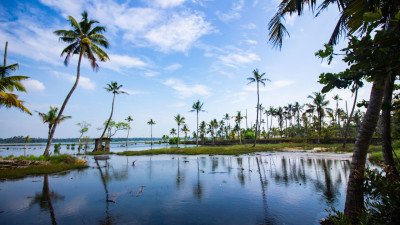
@@The Heritage Significance: This grand mansion, known as the Ch. Pokar Numberdar Haweli, stands as a silent witness to the aristocratic past of the Fatehabad region. It was originally built as the residence of the local village headman or 'Numberdar', a position of great influence during the colonial and post-independence eras. The haveli serves as a living museum of rural Haryanvi lifestyle, showcasing the wealth and social standing of the agrarian elite. It is nestled in the quiet village of Jandwala, surrounded by lush green mustard and wheat fields that paint a picturesque rural landscape. Visitors often come here to experience the authentic "Dehati" culture and witness the hospitality that the region is famous for. The structure has survived several decades, maintaining its majestic aura despite the passage of time and the shift toward modern housing. It represents the transition of local leadership from traditional feudal systems to the democratic framework of modern India. The haveli is not just a building but a repository of local folklore, family histories, and the social evolution of the Jat community in Haryana. Explorers interested in offbeat heritage often find this place more rewarding than mainstream monuments due to its raw, unpolished historical charm. The site remains a private property but is often open to respectful travelers who wish to document the unique architecture of the region.
Card image cap
Chilli Lake

@@Historical Significance: The lake is an ancient water body, historically linked to the Fatehabad Fort built by Firoz Shah Tughlaq in 1351 CE, origin...

@@Historical Significance: The lake is an ancient water body, historically linked to the Fatehabad Fort built by Firoz Shah Tughlaq in 1351 CE, originally serving as a protective moats. @@Current Status: The lake is currently facing environmental challenges but remains a significant part of the city's historical landscape, attracting local visitors for its historical value and scenic potential. @@Local Ecology: Despite challenges, it is home to various local bird species and aquatic life.
Card image cap
Firoz Shah Palace Ruins

@@History and Purpose: The structure, also known as Feroz Shah's Palace and Tahakhana, was established by Sultan Firoz Shah Tughlaq of the Delhi Sulta...

@@History and Purpose: The structure, also known as Feroz Shah's Palace and Tahakhana, was established by Sultan Firoz Shah Tughlaq of the Delhi Sultanate during his reign (1351-1388 AD). This site marks the original founding of the city of Fatehabad in 1352 CE, named after his son, Fateh Khan. The complex served as a royal residence, an administrative center, and a defensive fort. The Sultan was traversing the region from Multan to Delhi when his son was born here, prompting him to establish the new town, thus making the ruins a site of significant historical birth and political importance in the 14th century. @@Composition and Materials: The ruins primarily consist of two and three-storied structures surrounding an open courtyard. It was constructed mainly with rubble masonry and covered with a thick coat of lime plaster. Sandstone carved pillars, believed to have been repurposed from earlier Hindu temples (possibly from nearby Agroha), support the arches, showcasing a synthesis of different architectural styles. The complex includes remnants of underground apartments (Tahkhanas), a Diwan-e-Aam (Hall of Public Audience), and the associated Humayun Mosque and Lat of Firoz Shah. It stands as a testament to the Sultan's extensive building projects across the region, which also included the city of Hisar (Hisar-e-Firoza).
Card image cap
Gurudwara Patshahi Dasvin

@@Historical Context: This sacred Gurudwara is dedicated to the Tenth Sikh Guru, Guru Gobind Singh Ji, who visited this place while travelling from Ta...

@@Historical Context: This sacred Gurudwara is dedicated to the Tenth Sikh Guru, Guru Gobind Singh Ji, who visited this place while travelling from Talwandi Sabo (Damdama Sahib) to Hazur Sahib in Nanded. @@Spiritual Significance: It is a major pilgrimage site for the Sikh community, offering a tranquil environment for worship and meditation. @@Community Service: The Gurudwara runs a continuous Langar (community kitchen) serving free meals to all visitors, regardless of faith.
Card image cap
Hanuman Mandir

@@Temple Deity: The temple is dedicated to Lord Hanuman, a central figure in the Hindu epic Ramayana, revered for his strength, devotion, and courage....
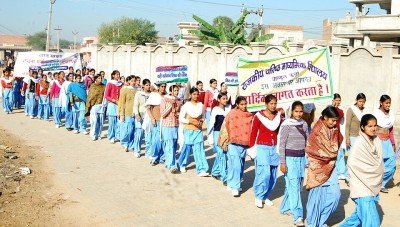
@@Temple Deity: The temple is dedicated to Lord Hanuman, a central figure in the Hindu epic Ramayana, revered for his strength, devotion, and courage. @@Local Importance: It is one of the oldest and most respected temples in the Fatehabad area, serving as a key local center for daily prayers and festivals. @@Atmosphere: Despite its central location, the temple complex offers a calm, devotional atmosphere, with daily Aarti (prayer ceremonies).
Card image cap
Huda Main Park

@@Purpose: This is a major municipal park designed to provide residents with a large, accessible green space for recreation, exercise, and social inte...

@@Purpose: This is a major municipal park designed to provide residents with a large, accessible green space for recreation, exercise, and social interaction. @@Facilities: It features paved walking/jogging tracks, open lawns, seating areas, and often a dedicated children's play area. @@Maintenance: It is one of the better-maintained parks in the city, making it a popular daily destination for morning walkers and families.
Card image cap
Humayun Mosque

@@Historical Context: The structure is part of the Fatehabad Fort complex, often referred to locally as Humayun's Mosque or, more accurately, the site...
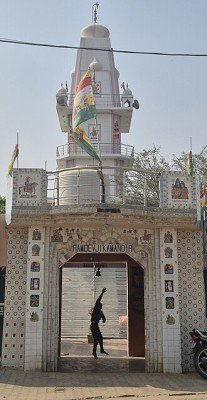
@@Historical Context: The structure is part of the Fatehabad Fort complex, often referred to locally as Humayun's Mosque or, more accurately, the site of the Lat ki Masjid (Pillar Mosque). It was built in the 14th century by Firoz Shah Tughlaq. @@Ashokan Pillar: The significance comes from the presence of a lower section of an Ashokan Pillar embedded in the mosque, which was likely moved from Agroha. @@State of Ruin: The structure is a protected ancient monument, existing in a partial ruinous state, but its historical significance is immense.
Card image cap
Jain Temple

@@Deity: The temple is dedicated to a prominent Jain Tirthankara, serving the local Jain community. The central idol is likely of a Digambara or Shwet...

@@Deity: The temple is dedicated to a prominent Jain Tirthankara, serving the local Jain community. The central idol is likely of a Digambara or Shwetambara tradition. @@Cultural Hub: Like other religious centers, it serves as a center for the Jain community's cultural, social, and spiritual activities in Fatehabad. @@Atmosphere: It offers a very quiet, disciplined, and introspective atmosphere, characteristic of Jain places of worship, emphasizing non-violence (Ahimsa).
Card image cap
Jakhal Mandi

@@A Bustling Market Town: Jakhal Mandi is one of the most significant commercial centers in the Fatehabad district, primarily known for its massive gr...

@@A Bustling Market Town: Jakhal Mandi is one of the most significant commercial centers in the Fatehabad district, primarily known for its massive grain market and its strategic railway junction. The word 'Mandi' translates to a wholesale market, and this town lives up to its name by facilitating the trade of millions of tons of wheat, paddy, and cotton every year. Historically, the town gained importance during the British era when the railway lines were laid to connect the fertile plains of Punjab and Haryana to the national capital. Today, it serves as a melting pot of cultures, where traders from neighboring states like Punjab and Rajasthan converge for business. The town is characterized by its narrow, bustling lanes, ancient shops, and the constant hum of tractors and trucks transporting agricultural gold. Apart from commerce, Jakhal Mandi is a hub for local transportation, making it a gateway for travelers entering Haryana from the north. The local economy is entirely dependent on the seasonal cycles of harvest, and the town undergoes a complete transformation during the procurement months. It offers a glimpse into the backbone of India's economy—the agrarian trade system. For a traveler, it is a place to witness the organized chaos of an Indian mandi and enjoy the rustic charm of a semi-urban settlement that bridges the gap between village life and city conveniences.
Card image cap
Kunal Archaeological Site

@@The Ancient Roots: The Kunal Archaeological Site is arguably the most important historical landmark in Fatehabad, dating back nearly 8,000 years to ...

@@The Ancient Roots: The Kunal Archaeological Site is arguably the most important historical landmark in Fatehabad, dating back nearly 8,000 years to the pre-Harappan era. Located on the banks of the now-dried Saraswati river, this site has redefined the timeline of civilization in the Indian subcontinent. Excavations have revealed that Kunal was a flourishing village long before the planned cities of Mohenjo-daro and Harappa came into existence. The site provides invaluable evidence of the transition from nomadic lifestyles to settled agricultural communities. Archaeologists have discovered successive layers of habitation, ranging from circular pit dwellings to sophisticated rectangular mud-brick houses. The discovery of a silver crown and various "regalia" items suggests that Kunal was home to an early elite class or perhaps a tribal chieftaincy. The site is a treasure trove for history buffs, offering a window into the technological advancements of the early settlers, including their expertise in bead-making and metallurgy. Unlike many other Harappan sites that are largely industrial, Kunal feels like an intimate look at the domestic lives of ancient people. It is a protected monument under the Archaeological Survey of India, attracting researchers and students from across the globe. The silent mounds of Kunal hold the secrets of our ancestors, making it a spiritual and intellectual pilgrimage for anyone interested in the origins of human society.
Card image cap
Lat of Firoz Shah

@@Historical Significance: The Lat, a massive stone pillar over 6 meters high, is a monument of exceptional historical depth. Its lower portion is bel...

@@Historical Significance: The Lat, a massive stone pillar over 6 meters high, is a monument of exceptional historical depth. Its lower portion is believed to have been originally erected by Emperor Ashoka in the 3rd century BCE (around 250 BCE) as an inscribed pillar (stambha), potentially brought from nearby Agroha or Hansi. It originally bore an Ashokan edict in Brahmi script, which was later systematically chiseled off by Sultan Firoz Shah Tughlaq in the 14th century. The Sultan then had his own inscription carved in beautiful Tughra-Arabic characters, recording his genealogy and achievements, thus making the pillar a unique cultural artifact that spans nearly two millennia of Indian history. @@Pillar Transfer and Re-erection: Firoz Shah Tughlaq was known for moving and re-erecting Ashokan pillars (the most famous being the ones in Delhi). While the one at Fatehabad is the lower half (the upper portion possibly being at the Lat Ki Masjid in Hisar), its placement in the center of the palace's Idgah/mosque courtyard was a powerful political statement, symbolizing the transfer of imperial authority. The inscription is a key historical text on the Tughlaq dynasty.
Card image cap
Papiha Park

@@Facility Type: This complex, managed by Haryana Tourism Corporation Ltd., combines a public park, a resort (Papiha Tourist Resort), and restaurant f...
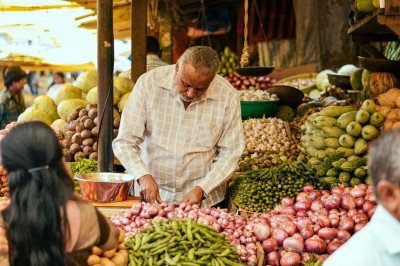
@@Facility Type: This complex, managed by Haryana Tourism Corporation Ltd., combines a public park, a resort (Papiha Tourist Resort), and restaurant facilities. @@Recreation: The park component is a well-maintained green space with lawns, pathways, and shade, catering to both local residents and tourists. @@Purpose: It serves as a comfortable, official rest stop for travelers on the highway connecting major cities.
Card image cap
Ratia Town Market

@@Market Details: Ratia Town Market is a bustling commercial center located on the banks of the Ghaggar River. This vibrant market serves as the prima...

@@Market Details: Ratia Town Market is a bustling commercial center located on the banks of the Ghaggar River. This vibrant market serves as the primary economic engine for the region, specializing in agricultural produce and local handicrafts. The town of Ratia itself has deep historical roots, with its name derived from the Sanskrit word Ratna, signifying a land of riches and prosperity. Walking through the narrow lanes of the market, visitors encounter a mix of traditional shops selling colorful textiles, authentic Haryanvi jewelry, and essential farming equipment. The market atmosphere is incredibly lively, especially during the morning hours when local farmers bring their fresh harvests for trade. It is not just a place for commerce but a social hub where the cultural fabric of the Fatehabad district is most visible. The market is also famous for its local sweets and street food, offering a taste of authentic rural Haryana. Historians often visit the nearby Kunal site before heading to the market to experience how modern commerce blends with ancient roots. Despite the rapid modernization, the market has preserved its traditional charm, making it a must-visit for travelers seeking an authentic local experience. The warmth of the local shopkeepers and the diversity of goods available make it a shopper’s paradise in a rural setting.
Card image cap
Tohana Head

@@Canal Head Details: Tohana Head, often called the "City of Canals" or "Nahro ki Nagri," is a magnificent engineering marvel where the Bhakra Main Li...

@@Canal Head Details: Tohana Head, often called the "City of Canals" or "Nahro ki Nagri," is a magnificent engineering marvel where the Bhakra Main Line canal divides into several sub-branches. This site is pivotal for the irrigation system of Northern India, transforming what was once an arid desert into a lush agricultural heartland. The sound of gushing water and the vast expanse of the canal system create a serene yet powerful atmosphere. Visitors can observe the complex mechanism of sluice gates that regulate the water flow to different regions of Haryana and Punjab. The area around the headworks is beautifully maintained with lush greenery, making it a popular picnic spot for locals and tourists alike. Historically, Tohana was an important pargana under various rulers, and the development of this canal system during the post-independence era marked a new chapter in its prosperity. The nearby Baliala Guest House offers a vintage charm, having hosted many dignitaries over the decades. Standing on the bridge and watching the sunset over the intersecting canals is a hypnotic experience that captures the essence of rural Haryana's lifeline. The site is not only a functional infrastructure project but also a symbol of human triumph over nature's challenges. It serves as a great educational spot for those interested in civil engineering and water management. The surrounding parks provide a peaceful retreat from the urban noise, allowing visitors to reconnect with the cooling influence of the water.
Card image cap
Zone of Silence

@@Silence Zone Details: The Zone of Silence in Fatehabad is a uniquely designated area along the National Highway 9 known for its strict noise regulat...

@@Silence Zone Details: The Zone of Silence in Fatehabad is a uniquely designated area along the National Highway 9 known for its strict noise regulation and serene environment. Unlike the usual noisy Indian highways, this stretch is managed to minimize vehicular honking and industrial noise, providing a rare sense of tranquility. It serves as an ecological and social experiment to reduce noise pollution in a rapidly developing district. The area is surrounded by vast agricultural lands and small patches of forest that act as natural sound barriers. Visitors often stop here to experience the contrast between the high-speed traffic and the hushed surroundings. The local administration has installed specific signage to educate drivers about the importance of maintaining silence in this zone. It has become a favorite spot for travelers to take a brief break from their long journeys and enjoy the natural sounds of the countryside. The presence of several local dhabas nearby that follow the "no loud music" policy adds to the charm. This zone is also close to the Khara Kheri village, which is known for its peaceful community life. For those interested in environmental conservation, the Zone of Silence provides a practical example of how urban planning can coexist with the need for peace and quiet. The air here feels fresher, and the absence of constant honking makes it a restorative stop for the mind. It is a subtle but significant attraction that highlights Fatehabad's commitment to a better quality of life.
Show All

Note:-

Information provided here in good Faith and for reference only.

All information and pictures will be updated soon, please keep visiting.

Near Places
...
Ambala

Some quick example text to build on the card title and make up the bulk of the card's content.

Go somewhere
...
Bahadurgarh

Some quick example text to build on the card title and make up the bulk of the card's content.

Go somewhere
...
Bhiwani

Some quick example text to build on the card title and make up the bulk of the card's content.

Go somewhere
...
Fatehabad

Some quick example text to build on the card title and make up the bulk of the card's content.

Go somewhere
...
Gurugram

Some quick example text to build on the card title and make up the bulk of the card's content.

Go somewhere
...
Hisar

Some quick example text to build on the card title and make up the bulk of the card's content.

Go somewhere
...
Jhajjar

Some quick example text to build on the card title and make up the bulk of the card's content.

Go somewhere
...
Jind

Some quick example text to build on the card title and make up the bulk of the card's content.

Go somewhere
...
Jyotisar

Some quick example text to build on the card title and make up the bulk of the card's content.

Go somewhere
...
Karnal

Some quick example text to build on the card title and make up the bulk of the card's content.

Go somewhere
in Other Cities