...

Place To Visit And Things To Do In Kamjong

Manipur, India
Untamed Beauty: Kamjong is a relatively new district carved out of Ukhrul, known for its rugged mountains and deep valleys. It offers some of the most spectacular views of the Indo-Myanmar border hills. The region is predominantly inhabited by the Tangkhul Naga community, known for their rich cultur al heritage and bravery. It is a destination for those who seek to escape the crowded tourist trails and find peace in nature. Border Geography: The town is strategically located near the international border, making it a sensitive yet fascinating place to visit. You can see the distinct geographical features that separate the two nations from various vantage points. The climate here is significantly cooler than the valley, often shrouded in mist and clouds. This high-altitude setting provides a unique ecosystem with rare orchids and alpine vegetation. Cultural Heritage: The people of Kamjong maintain a strong connection to their ancestral traditions, which is visible in their house designs and festivals. Traditional wood carving and weaving are still practiced in the remote villages. Folk songs and community dances are an integral part of their social gatherings. Visiting during a local festival provides a deep dive into the resilient and colorful Tangkhul culture. Adventure Potential: Due to its hilly terrain, Kamjong is a paradise for trekkers and mountain bikers. The trails lead through dense forests and across crystal-clear mountain streams. Many of these paths have been used for centuries by local villagers to travel between hill settlements. For the adventurous traveler, these routes offer a chance to explore the "hidden" side of Manipur in its most raw form.

Things To Do

Card image cap
Balkot Village

@@Place Details: Balkot Village is a breathtaking frontier settlement located in the eastern part of the Kamjong district, standing as a silent sentin...

@@Place Details: Balkot Village is a breathtaking frontier settlement located in the eastern part of the Kamjong district, standing as a silent sentinel near the Indo-Myanmar border. This village is primarily inhabited by the Tangkhul Naga tribe, whose lives are deeply intertwined with the rugged geography of the region. The landscape here is a dramatic tapestry of rolling hills, deep emerald valleys, and pristine streams that hum a constant tune of tranquility. Visiting Balkot is like stepping back into a simpler era where the air is pure and the hospitality of the locals is as warm as the morning sun. The village serves as a vital cultural repository, preserving age-old customs, folklore, and agricultural practices that have remained unchanged for generations. The panoramic views of the neighboring Myanmar hills are particularly striking, offering a rare sense of being at the edge of the world. It is a place for the soul to rest, far away from the chaotic reach of modern urbanization and digital noise. The community is tight-knit, and visitors are often welcomed with traditional beverages and stories of the land's ancient warriors. Exploring Balkot Village provides a deep insight into the resilience of hill-dwelling tribes and the sheer beauty of Manipur's untouched eastern frontier. :
Card image cap
Chatric Waterfall

@@Place Details: Chatric Waterfall, locally known as the Liabi Waterfall, is a magnificent natural wonder tucked deep within the dense subtropical for...

@@Place Details: Chatric Waterfall, locally known as the Liabi Waterfall, is a magnificent natural wonder tucked deep within the dense subtropical forests of Chatric Village. This cascading beauty is one of the highest and most pristine waterfalls in the Kamjong district, offering a spectacular sight of water plunging over jagged rock faces into a crystal-clear pool below. The journey to the waterfall is an adventure in itself, involving a trek through ancient forests filled with giant ferns, orchids, and the sounds of exotic birds. The waterfall is a source of life for the surrounding ecosystem and holds a special place in the hearts of the local Tangkhul community. The sheer force of the water creates a permanent mist that keeps the surrounding area cool and refreshing even during the warmer months of April. It is a place of raw, unadulterated power and serenity, where the only noise is the thunderous roar of the falling water. For nature lovers, Chatric Waterfall represents the wild heart of Manipur, a destination that remains largely unexplored by the typical tourist crowds. The pool at the base is safe for a refreshing dip, though the water remains chillingly cold throughout the year. It is a must-visit for anyone looking to experience the hidden aquatic treasures of the Naga hills. :
Card image cap
Chingai Village

@@Place Details: Chingai Village is a significant cultural and historical hub located in the northern reaches of the Kamjong-Ukhrul border region. Thi...

@@Place Details: Chingai Village is a significant cultural and historical hub located in the northern reaches of the Kamjong-Ukhrul border region. This ancient village is one of the largest settlements of the Tangkhul Naga tribe and serves as a gateway to some of the most remote parts of Manipur. Chingai is perched on a high ridge, providing residents and visitors with sweeping views of the surrounding mountains and the winding rivers in the valleys below. The village is steeped in history, having been a center of traditional governance and a key site during various historical tribal movements. The people of Chingai are known for their fierce pride in their heritage, which is reflected in their well-maintained traditional houses and the active practice of folk arts. A walk through the village reveals a community that balances modern education with a deep respect for ancestral laws. The atmosphere is one of dignity and quiet strength, with the cool mountain air carrying the scent of woodsmoke and pine. For travelers, Chingai offers a unique opportunity to witness the administrative and social heart of a large Naga village, complete with its schools, churches, and communal granaries. It is a place where every stone and tree seems to have a story attached to it, waiting for the curious traveler to discover. :
Card image cap
Kamjong Christian Church

@@Details of Kamjong Christian Church and its Role: The church is a major spiritual and community centre in Kamjong Town, reflecting the strong preval...
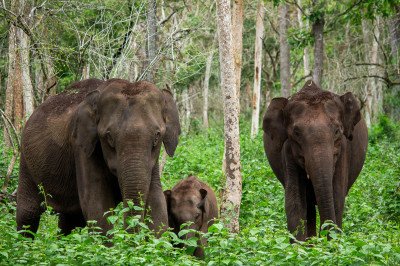
@@Details of Kamjong Christian Church and its Role: The church is a major spiritual and community centre in Kamjong Town, reflecting the strong prevalence of Christianity among the Tangkhul Naga people who are the dominant tribe in the district. It serves not only as a place of worship for regular Sunday services and Bible studies but also as a central gathering point for significant social and religious events, including mass festivals and local development discussions. As a modern spiritual institution, it plays a vital role in upholding community values and promoting social welfare within the district headquarter village. Its importance is underscored during major Christian holidays like Christmas and Easter, where the community from surrounding villages converges. The presence of the church highlights the cultural shift and acceptance of Christianity in the Naga region, providing spiritual guidance and fostering a sense of unity and shared identity among the inhabitants of Kamjong Village. It is a symbol of faith and resilience in this hilly border region of Manipur.:
Card image cap
Kamjong Forest Range

@@Place Details: The Kamjong Forest Range is a vast expanse of protected wilderness that blankets the rugged terrain surrounding the district headquar...

@@Place Details: The Kamjong Forest Range is a vast expanse of protected wilderness that blankets the rugged terrain surrounding the district headquarters. This forest is part of the Indo-Burma biodiversity hotspot, characterized by a mix of subtropical evergreen and semi-evergreen forests. It is a sanctuary for a staggering variety of flora and fauna, including rare orchids, medicinal plants, and wildlife such as the barking deer, wild boars, and numerous species of primates. The forest range is vital for the region's ecological health, acting as a massive carbon sink and a critical watershed for the rivers that flow through the Kamjong valley. Walking into the forest feels like entering a cathedral of green, where ancient trees draped in moss tower overhead and the air is thick with the scent of damp earth and wildflowers. The range offers numerous trekking trails that vary from gentle walks to strenuous climbs up to the higher peaks. It is a place for true nature enthusiasts who wish to experience the raw, untamed beauty of Manipur's eastern borderlands. The forest changes character with every season, from the vibrant greens of the monsoon in July to the golden hues of the dry season in January. It is not just a place of beauty but a living laboratory of nature that provides a home to some of the most endangered species in the Northeast. :
Card image cap
Kamjong Peak

@@Details of Kamjong Peak and its Views: Kamjong Peak is one of the highest points in the district, part of the Manipur hill ranges that stretch towar...
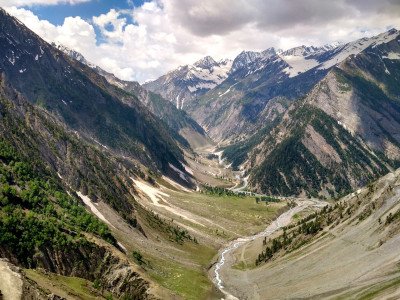
@@Details of Kamjong Peak and its Views: Kamjong Peak is one of the highest points in the district, part of the Manipur hill ranges that stretch towards the Myanmar border. The area is characterized by rolling hills, dense forest cover, and a moderate to high elevation, offering spectacular, panoramic views of the entire Kamjong River Valley and the surrounding villages. The trek to the peak is an adventurous experience, taking visitors through diverse flora and fauna, showcasing the rich biodiversity of the region. The atmosphere at the summit is serene and fresh, making it a perfect spot for nature lovers, trekkers, and landscape photographers. The peak's strategic location provides a geographical perspective on the Tangkhul Naga homeland, illustrating the rugged yet beautiful terrain the community inhabits. Visitors often experience the unique weather patterns of the hill station, with clear skies being common during the dry season, giving way to misty, cloud-covered views during the monsoon and winter.:
Card image cap
Kamjong River Valley

@@Details of Kamjong River Valley and its Importance: The Kamjong River Valley is a critical geographical and cultural feature of the district, carved...

@@Details of Kamjong River Valley and its Importance: The Kamjong River Valley is a critical geographical and cultural feature of the district, carved out by the Kamjong River (a tributary or stream network within the larger river systems of Eastern Manipur). It is the primary agricultural region for the surrounding hill villages, where terrace farming is practiced, especially for rice cultivation. The valley floor is relatively flat and fertile, contrasting sharply with the steep slopes of the encompassing hills. The river itself, while not extremely large, is vital for water supply and sustains the local ecosystem. The valley's landscape is one of tranquil natural beauty, with terraced fields, small hamlets, and dense patches of forest along the riverbanks. It serves as a visual and economic anchor for the entire district, embodying the traditional agrarian lifestyle of the Tangkhul Naga people and offering a serene escape from the higher-altitude settlements.:
Card image cap
Kamjong Town

@@Details of Kamjong Town and its Function: Kamjong Town serves as the administrative headquarters of the newly formed Kamjong District, established i...

@@Details of Kamjong Town and its Function: Kamjong Town serves as the administrative headquarters of the newly formed Kamjong District, established in 2016. It is the largest commercial and political centre in the region, hosting all the major district offices, including the Deputy Commissioner's office, police station, and other government institutions. Despite its designation as a district headquarters, it retains the charm of a large hill village, with a population dominated by the Tangkhul Naga tribe. The town is a crucial trade and transit point, connecting the remote eastern villages of Manipur to the capital, Imphal, and serving as a gateway to the Myanmar border region. The local market, or 'keithel', is the central hub of activity, where people from surrounding villages gather to trade essential goods, agricultural produce, and local handicrafts, offering a vibrant glimpse into the daily life and culture of the local community.:
Card image cap
Kasom Khullen Village

@@Place Details: Kasom Khullen Village is an important administrative and cultural center located in the southern part of the Kamjong district. It ser...

@@Place Details: Kasom Khullen Village is an important administrative and cultural center located in the southern part of the Kamjong district. It serves as the headquarters of the Kasom sub-division and is strategically positioned on the route from Imphal to the deeper eastern hills. The village is beautifully laid out on a series of gentle slopes, offering a picturesque landscape of terraced gardens, traditional homes, and modern community buildings. The people here belong primarily to the Tangkhul Naga tribe, and the village is known for its strong community spirit and educational progress. Kasom Khullen acts as a bridge between the valley and the high hills, reflecting a blend of both cultures in its markets and daily life. The air is remarkably fresh, and the village is surrounded by dense forests that provide a lush green backdrop throughout the year. For many travelers, Kasom Khullen is the first major stop that introduces them to the unique hospitality and rugged beauty of the Kamjong district. It is a place where one can experience the transition of the landscape from the plains of Manipur to the majestic heights of the Naga hills. The local market is a vibrant place to see indigenous vegetables, forest produce, and hand-woven crafts being traded by people from nearby hamlets. :
Card image cap
Kazei-Kharalung

@@Details of Kazei-Kharalung: Kazei-Kharalung is a unique geological and cultural site nestled in the high altitudes of the Kamjong district, known pr...

@@Details of Kazei-Kharalung: Kazei-Kharalung is a unique geological and cultural site nestled in the high altitudes of the Kamjong district, known primarily for its mystical "sharpening stone" which carries deep ancestral significance for the Tangkhul Naga people. The site is shrouded in local folklore, suggesting that ancient warriors and spirits used these stones to hone their weapons before great battles or journeys into the afterlife. The natural rock formations here are remarkably smooth and bear distinct grooves that resemble the marks left by blades, leading to a blend of scientific curiosity and spiritual reverence. Visitors often feel a profound sense of history as they stand amidst the rugged terrain, where the wind seems to carry the whispers of the past. The surrounding vegetation is lush and diverse, providing a verdant backdrop to the cold, hard stone that serves as the centerpiece of this location. It is not just a destination for sightseers but a pilgrimage for those looking to connect with the primal roots of the region's indigenous culture. The journey to the site involves traversing winding hill roads that offer glimpses of the Indo-Myanmar border, making the experience both a physical and spiritual trek. Local guides often recount tales of how the stone possesses a life of its own, growing or changing shape over centuries according to the morality of the people. This site remains one of the most intriguing and less-explored corners of Manipur, offering a raw and unfiltered look at the intersection of nature and myth.
Card image cap
Kazeiram

@@Details of Kazeiram: Kazeiram, literally translated as the "Land of the Dead," is one of the most spiritually significant sites in the Tangkhul myth...

@@Details of Kazeiram: Kazeiram, literally translated as the "Land of the Dead," is one of the most spiritually significant sites in the Tangkhul mythology. It is believed to be the place where the souls of the departed journey after leaving the physical world. The site is characterized by the Kazei Keirak, a series of natural stone steps that look remarkably like a giant ladder carved into the mountainside, which legend says leads directly to the underworld. The atmosphere here is thick with a sense of the ethereal, as the site is often shrouded in a heavy blanket of fog that clings to the limestone cliffs. This location is not just a geographical spot but a cultural cornerstone that explains the afterlife beliefs of the local tribes. Visitors will see various rock formations that are named after different stages of the soul's journey, such as the place where the soul rests or the gate where it is judged. The surrounding wilderness is largely untouched, with ancient trees and deep gorges that add to the site's mysterious allure. It is a place of deep silence, where the only sound is the whistling of the wind through the stones. For the local people, Kazeiram is a sacred space that demands respect and quietude. The journey here is a trek through some of the most beautiful yet challenging terrains in Kamjong, offering a glimpse into the spiritual geography of Manipur.
Card image cap
Khayang Waterfall

@@Details of Khayang Waterfall: Khayang Waterfall, also known locally as Tilily-Tiluelue, is reputed to be the tallest waterfall in Manipur, cascading...

@@Details of Khayang Waterfall: Khayang Waterfall, also known locally as Tilily-Tiluelue, is reputed to be the tallest waterfall in Manipur, cascading down from a staggering height of over 750 feet. Deeply tucked away in the pristine forests near the Indo-Myanmar border, this waterfall is a masterpiece of nature that few have had the privilege to witness. The falls are fed by the perennial streams of the high Khayang peaks, and the water plunges into a deep, turquoise pool at the bottom, surrounded by ancient boulders and dense tropical rainforest. The sheer volume of the water creates a permanent mist that sustains a unique micro-ecosystem of rare mosses and ferns. Reaching the waterfall is an adventure in itself, requiring a multi-day trek through some of the densest jungles in the Kamjong district. The sound of the falling water can be heard from kilometers away, a thunderous roar that echoes through the valley. This site is a sanctuary for biodiversity, where one can spot rare orchids and exotic birds. The waterfall is not just a scenic spot but a vital water source for the Khayang village and the surrounding wildlife. Its isolation has preserved its purity, making it one of the cleanest and most untouched natural wonders in India. For those who brave the trek, the sight of the water shimmering against the dark green hills is a life-changing experience.
Card image cap
Kongkan Village

@@Details of Kongkan Village: Kongkan Village is a historic and strategically located settlement in the Kamjong district, known for its unique positio...
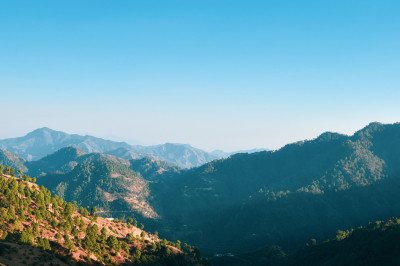
@@Details of Kongkan Village: Kongkan Village is a historic and strategically located settlement in the Kamjong district, known for its unique position right on the edge of the international border between India and Myanmar. The village is home to the Tangkhul Naga tribe, whose lives are a fascinating blend of two cultures. The village is perched on a ridge that offers a 360-degree view of the mountains of both countries, making it a place of immense geographical beauty. Kongkan is famous for its well-preserved traditional Naga houses, which feature intricate wood carvings and massive thatched roofs. The villagers are predominantly agriculturists, practicing terrace farming on the steep slopes that surround their homes. Visiting Kongkan feels like stepping back in time, as the community still adheres to many ancient customs and social structures. The village is also a hub for traditional weaving, with women producing the famous Haora and Changkhom shawls using backstrap looms. The hospitality of the Kongkan people is legendary; visitors are often welcomed with local tea and stories of the border. The village serves as a living museum of the Tangkhul heritage, where the past and present coexist peacefully. It is a place where the concept of a "border" is fluid, and the kinship between the people on both sides of the line is evident in their shared language and traditions.
Card image cap
Laiching Hills

@@Details of Laiching Hills: Laiching Hills is a breathtaking range of rolling hills and high plateaus that offer some of the most scenic vistas in th...

@@Details of Laiching Hills: Laiching Hills is a breathtaking range of rolling hills and high plateaus that offer some of the most scenic vistas in the Kamjong district. Known for its endless carpets of green grass and clusters of wild pine trees, the area is often compared to the highlands of Scotland. The hills are part of the larger Patkai range and serve as a crucial watershed for the region. Unlike the jagged peaks of the northern district, Laiching is characterized by gentle slopes and wide valleys, making it an ideal destination for trekking and camping. The air here is exceptionally thin and pure, and the region remains largely uninhabited except for seasonal herders. During the spring, the hills are covered in a variety of wildflowers, including rare species of ground orchids. The geological composition of the hills is a mix of shale and sandstone, which has eroded over time to create unique undulating patterns in the landscape. For the local Tangkhul and Kuki communities, these hills are a source of many herbal medicines and traditional tales. The silence of Laiching is only broken by the sound of the wind and the occasional call of the hill partridge. It is a place for those who want to experience the raw, unadorned beauty of the North East, far away from any commercial tourist circuit. The hills also provide a strategic view of the Thoubal river valley as it winds its way toward the plains of Imphal.
Card image cap
Liabi Waterfall

Liabi Waterfall is a pristine natural wonder tucked away in the rugged terrain of the Kamjong district. This waterfall is a relatively recent discove...

Liabi Waterfall is a pristine natural wonder tucked away in the rugged terrain of the Kamjong district. This waterfall is a relatively recent discovery for mainstream tourism, offering a serene escape for those who love raw nature. The water plunges from a significant height, creating a misty atmosphere that cools the surrounding tropical vegetation. To reach the falls, visitors must embark on a scenic trek through the forest, which adds an element of adventure to the trip. The sound of the gushing water can be heard from a distance, guiding trekkers toward the hidden site. It is surrounded by diverse flora and fauna, making it a hotspot for biodiversity enthusiasts. The rocks at the base are smooth and offer a place to sit and enjoy the rhythmic flow of the water. This spot is perfect for soul-seekers who want to disconnect from the digital world and reconnect with the earth. Local villagers hold the site in high regard, often sharing stories of its perennial nature even during dry seasons. The pool formed at the bottom is shallow and clear, reflecting the green canopy above. Visitors are often mesmerized by the rainbow patterns that form when sunlight hits the falling water at specific angles. It remains one of the most untouched water bodies in the entire Manipur state.
Card image cap
Luira Phanit

@@Details of Luira Phanit and its Significance: Luira Phanit is one of the most important traditional agricultural festivals of the Tangkhul Naga trib...

@@Details of Luira Phanit and its Significance: Luira Phanit is one of the most important traditional agricultural festivals of the Tangkhul Naga tribe, celebrated to mark the beginning of the new agricultural year and the ritualistic sowing of seeds. Traditionally celebrated in January or February (though sometimes in September in certain areas as per search results, indicating possible variation or confusion), the festival is steeped in ancient customs and rites. It involves prayers for a bountiful harvest, community feasting (famous for the best cooked pork and rice beer in traditional ways), traditional songs and dances, and various competitive games like tug-of-war. The festival site, which often rotates among major Tangkhul villages in the district, transforms into a vibrant hub of cultural display, where people wear their finest traditional attire. It is a time for family reunions, settlement of disputes, and strengthening community bonds, symbolizing the profound connection of the Tangkhul people to their land and ancestral traditions.:
Card image cap
Mangkhap Phanit

@@Details of Mangkhap Phanit and its Significance: Mangkhap Phanit is another significant traditional agrarian festival of the Tangkhul Naga tribe, ce...
@@Details of Mangkhap Phanit and its Significance: Mangkhap Phanit is another significant traditional agrarian festival of the Tangkhul Naga tribe, celebrated to mark the successful completion of the harvest, typically in the month of July (as per the district website, although this timing may vary or represent a specific agricultural cycle). The festival is a joyous occasion of thanksgiving and celebration of the year's bounty. Like Luira Phanit, it is characterized by elaborate community feasting, traditional music and dances, and rituals performed to thank the deity for the plentiful harvest and to ensure fertility for the next season. The celebration often involves the public display of the year's best agricultural produce and traditional artifacts. As the festival site is often a village common or agricultural field, the event serves as a powerful reminder of the deep-seated agricultural practices that sustain the community. The atmosphere is one of collective joy, generosity, and cultural pride, drawing the community together for days of merriment and cultural performances.:
Card image cap
Mapithel Dam Viewpoint

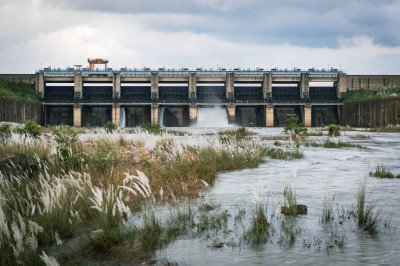
Mapithel Dam, also known as the Thoubal Multipurpose Project, has transformed the landscape of eastern Manipur into a stunning water-centric destinat...

Mapithel Dam, also known as the Thoubal Multipurpose Project, has transformed the landscape of eastern Manipur into a stunning water-centric destination. The viewpoint offers a panoramic look at the vast reservoir that has submerged parts of the valley, creating a scene reminiscent of a massive inland sea surrounded by hills. The contrast between the deep blue water and the bright green slopes of the mountains is a sight to behold. For many years, this project was purely functional, but it has recently gained fame as a major eco-tourism hub. Visitors come here to enjoy the cool breeze that blows across the water, which provides a much-needed respite during the warmer months. The site is particularly popular for sunset viewing, as the orange hues of the sky reflect beautifully on the still surface of the dam. Small islands created by the rising water levels dot the reservoir, adding to its aesthetic charm. The area around the viewpoint has been developed with basic amenities to cater to the growing number of tourists. It serves as a reminder of the intersection between human engineering and natural beauty. Local fishermen can often be seen in their traditional boats, adding a cultural element to the landscape. The tranquility of the place makes it an ideal spot for meditation and quiet reflection away from the city's noise. It is a must-visit for anyone traveling through the Phungyar subdivision of the district.
Card image cap
Molcham Village

Molcham Village is a place of significant strategic and cultural importance, sitting right on the Indo-Myanmar border. It is one of the most remote s...

Molcham Village is a place of significant strategic and cultural importance, sitting right on the Indo-Myanmar border. It is one of the most remote settlements in Manipur, offering a unique glimpse into the life of people living at the edge of the nation. The village is inhabited by the Kuki community, whose hospitality and traditional lifestyle are legendary among those who manage to reach this far. The architecture of the houses here is a mix of traditional bamboo structures and modern influences, adapted to the hilly terrain. Life in Molcham moves at a slow, peaceful pace, governed by the seasons and the land. The village is surrounded by thick tropical forests that are rich in timber and medicinal plants. Visitors are often struck by the close cultural ties between the people of Molcham and their neighbors across the border in Myanmar. The local market often features goods from both countries, making it a unique trading post. Reaching Molcham is an adventure in itself, involving a journey through winding mountain roads that offer stunning views of the Chindwin river basin in Myanmar. The air here is incredibly fresh, and the night sky is a stargazer’s paradise due to the total lack of light pollution. Despite its remoteness, the village has a strong sense of community and pride. Exploring Molcham allows travelers to understand the complexities of border life and the resilience of hill communities. It is a destination for the true explorer who seeks stories rather than just sights.
Card image cap
Phungcham Village

Phungcham Village is steeped in history and is considered one of the oldest settlements of the Tangkhul Naga tribe. The name itself translates to "Ol...

Phungcham Village is steeped in history and is considered one of the oldest settlements of the Tangkhul Naga tribe. The name itself translates to "Old Settlement," signifying its role as a point of dispersal for many other villages in the region. It is famous as the setting for the epic romantic folk tale of Shimreishang and Maitonphi, a story that is central to Tangkhul cultural identity. The village is perched on a hilltop, offering breathtaking views of the surrounding valleys and the Longpi hills. Visitors to Phungcham can see traditional artifacts and sites mentioned in local legends, such as the "Longathan" or the spot where groups dispersed. The people of Phungcham are known for their preservation of the "Phungchamtui" dialect, which is believed to be the root of many local languages. Agriculture is the mainstay here, with terraced fields creating a beautiful green pattern on the slopes. The village has a serene, scholarly atmosphere, reflecting its status as a historical hub. Walking through its lanes, one can see old men and women engaged in traditional crafts, keeping the ancient ways alive. The village is also known for its high literacy rate and has produced many scholars and leaders. For those interested in anthropology and oral history, Phungcham is a treasure trove of information. The mist-covered mornings here provide a surreal backdrop to the traditional stone monuments scattered throughout the village. It is a place where every stone and every hill has a story to tell.
Card image cap
Phungyar Village

Phungyar Village is a significant township that serves as one of the oldest administrative blocks in the region, established in 1959. It is inhabited...

Phungyar Village is a significant township that serves as one of the oldest administrative blocks in the region, established in 1959. It is inhabited by the Tangkhul Naga tribe, specifically the Kamo Tangkhuls, who have a distinct dialect and set of traditions. The village is strategically located along the road that connects Imphal to the eastern border regions, making it a vital commercial and transportation hub. Phungyar is not just an administrative center; it is a place of great natural beauty, surrounded by rolling hills and fertile valleys. The town has a bustling market where local produce like "khamui" (traditional bread), fresh vegetables, and handicrafts are sold. It has a rich political history, having been the constituency of many prominent leaders of Manipur. The atmosphere in Phungyar is a blend of rural charm and growing township energy. It serves as an educational hub for the surrounding villages, with several schools and institutions. The village is also known for its rich deposits of minerals like chromite in the nearby hills. For a traveler, Phungyar offers a chance to see the transition of a traditional Naga village into a modern mountain town. The people here are deeply religious, and the various church denominations play a central role in social life. The landscape around Phungyar is perfect for short hikes and nature walks, offering views of the vast forest reserves that characterize the Kamjong district. It is a place of resilience, having often been cut off during heavy monsoons, yet always bouncing back with community spirit.
Card image cap
Sahamphung Village

Sahamphung Village is a serene and culturally rich settlement located in the far eastern part of the Kamjong district. This village is predominantly ...

Sahamphung Village is a serene and culturally rich settlement located in the far eastern part of the Kamjong district. This village is predominantly inhabited by the Tangkhul Naga community, who are known for their hospitality and deep-rooted traditions. The landscape of Sahamphung Village is defined by rolling hills, dense forests, and a panoramic view of the Indo-Myanmar border. Visitors to Sahamphung Village can experience a lifestyle that has remained largely untouched by modern urbanization, offering a peaceful retreat into nature. The village serves as an important administrative hub for the surrounding smaller hamlets, particularly through the Sahamphung T.D. Block. Life in Sahamphung Village revolves around community bonding and agriculture, with terrace farming being the primary livelihood. The air here is crisp and clean, and the surrounding greenery provides a habitat for various flora and fauna. Exploring Sahamphung Village allows travelers to understand the intricate social structure of the Tangkhul tribe and their symbiotic relationship with the environment.
Card image cap
Sairei Village

Sairei Village is a picturesque settlement perched high in the hills of the Kamjong district, offering some of the most dramatic views in the region....
Sairei Village is a picturesque settlement perched high in the hills of the Kamjong district, offering some of the most dramatic views in the region. The village is known for its cool climate and the frequent mist that blankets the area, creating a mystical atmosphere. Sairei Village is a place where traditional Tangkhul customs are meticulously preserved, and the community lives in harmony with the rugged mountain terrain. The architecture of the village is distinct, with houses designed to withstand the heavy monsoon rains and high-altitude winds. Visitors to Sairei Village are often struck by the silence and tranquility of the place, making it an ideal destination for those looking to disconnect from the bustle of city life. The village is surrounded by dense forests that are rich in biodiversity, including several species of orchids that bloom during the spring season. The local economy is driven by agriculture and the collection of forest products. Sairei Village also serves as a base for trekking enthusiasts who wish to explore the deeper forest trails leading towards the international border. The hospitality of the villagers ensures that every guest feels like a part of the community.
Card image cap
Sakti Falls

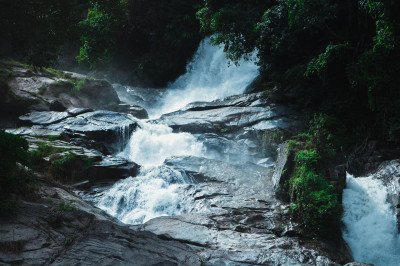
Sakti Falls is one of the most breathtaking yet lesser-known natural wonders in the Kamjong district. Tucked away in a dense pocket of forest, the wa...

Sakti Falls is one of the most breathtaking yet lesser-known natural wonders in the Kamjong district. Tucked away in a dense pocket of forest, the waterfall cascades down multiple tiers, creating a soothing symphony of sound that resonates through the valley. The water is crystal clear and remains cold throughout the year, originating from the high mountain springs. The path to Sakti Falls involves a short but adventurous trek through thick vegetation, making it a favorite for nature lovers and those seeking a bit of physical activity. The area surrounding the falls is a hotspot for biodiversity, with various species of ferns, mosses, and tropical plants thriving in the moist environment. Unlike more commercialized waterfalls, Sakti Falls offers a raw and pristine experience where the only sounds are the rushing water and the calls of forest birds. It is an ideal spot for a day picnic, though visitors are encouraged to maintain the cleanliness of the site. The force of the water is particularly impressive after the monsoon season, creating a fine mist that cools the entire surrounding area. For the local community, the falls are a vital source of water and a place of natural beauty that they take great pride in preserving.
Card image cap
Sophi Village

Sophi Village is a charming and culturally vibrant settlement that serves as a testament to the artistic spirit of the Tangkhul Naga people. This vil...

Sophi Village is a charming and culturally vibrant settlement that serves as a testament to the artistic spirit of the Tangkhul Naga people. This village is particularly known for its skilled artisans who excel in traditional weaving and bamboo craft. The atmosphere in Sophi Village is warm and welcoming, with locals often inviting visitors into their homes to show their latest handiwork. The village layout is organized and clean, featuring a mix of traditional wooden houses and modern structures. Agriculture remains the backbone of the community, but the artistic output of Sophi Village has started gaining recognition in the wider region. The village is situated on a plateau-like hill, providing a 360-degree view of the surrounding mountain ranges. During the spring, the village is adorned with wild flowers, making it one of the most beautiful spots in the Kamjong district. Exploring Sophi Village allows tourists to see the intricate process of loin-loom weaving, where complex patterns are created without the use of modern machinery. The village also has a strong musical tradition, with folk songs playing a central role in every community gathering. For those interested in sustainable living and indigenous arts, Sophi Village is an essential stop on any Manipur itinerary.
Card image cap
Tangkul Naga Cultural Centre

@@Details of Tangkul Naga Cultural Centre and its Purpose: A dedicated Cultural Centre serves as an institutional effort to preserve, promote, and sho...

@@Details of Tangkul Naga Cultural Centre and its Purpose: A dedicated Cultural Centre serves as an institutional effort to preserve, promote, and showcase the rich heritage, history, and customs of the Tangkhul Naga people, the dominant tribe of the Kamjong and Ukhrul districts. While a single, universally recognized 'Centre' in Kamjong is difficult to pinpoint via public search, any such centre would house a museum displaying traditional artifacts like headgears, shawls (phanek), tools, weapons, traditional jewelry, and historical photographs. It would also serve as a learning facility for traditional arts, crafts, music, and dance for the younger generation. It functions as a public gateway for tourists and researchers to understand the complex social structure, language (Tangkhulic), and spiritual beliefs (both animistic and Christian) that define the Tangkhul identity. Such centres are vital for maintaining cultural pride and countering the loss of tradition in the face of modernity.:
Card image cap
Tolloi Village

Tolloi Village, also known as Talui, is a large and historically significant settlement primarily inhabited by the Tangkhul Naga tribe. Nestled at an...

Tolloi Village, also known as Talui, is a large and historically significant settlement primarily inhabited by the Tangkhul Naga tribe. Nestled at an elevation of nearly 3500 feet, this village serves as a symbol of early modernization in the hills, being one of the first to embrace Christianity in the region. The village is spread across six major sectors known as 'Tangs', including Alungtang and Vashumtang. The lifestyle here is a perfect blend of agrarian traditions and modern educational values, making it a unique hub of social evolution. The surrounding landscape features the Nilai Kaphung and Torei Kaphung mountains, providing a dramatic backdrop to the daily lives of the residents. Visitors are often struck by the hospitality and the organized nature of the village administration, which functions as a small democratic republic. The area is also famous for its contribution to local politics and literature in Manipur. It offers a deep dive into the Tangkhul way of life, from traditional weaving to community-led forest conservation efforts.
Card image cap
Tummu Village

Tummu Village is a serene border settlement that offers a glimpse into the life of the Tangkhul people living near the international boundary. The vi...

Tummu Village is a serene border settlement that offers a glimpse into the life of the Tangkhul people living near the international boundary. The village is characterized by its high-altitude location and its proximity to the lush forests of the Indo-Myanmar border. Life in Tummu is deeply connected to nature, with the villagers relying on forest produce and subsistence farming. The village is smaller compared to Tolloi but offers a more raw and untouched experience for travelers. The community is known for its bravery and resilience, having lived in a sensitive border zone for generations. Visitors can witness the unique "Border Culture" where local traditions meet the influence of neighboring regions. The air here is exceptionally pure, and the silence of the hills is only broken by the sound of birds and distant mountain streams. It is an ideal spot for those looking to disconnect from the digital world and experience true Himalayan solitude. The village also serves as a starting point for several unmapped trails leading towards the easternmost ridges of Manipur.
Card image cap
Wanglei Peak

Wanglei Peak is one of the highest and most prominent viewpoints in the Kamjong district, offering a panoramic 360-degree view of the entire Chassad ...

Wanglei Peak is one of the highest and most prominent viewpoints in the Kamjong district, offering a panoramic 360-degree view of the entire Chassad valley and the distant mountains of Myanmar. The peak is a favorite among local trekkers and nature enthusiasts who seek a challenging yet rewarding climb. The trail to the summit passes through diverse forest zones, from tropical broadleaf trees to temperate oak forests. At the top, the atmosphere is incredibly peaceful, with cold winds blowing even during the summer months. The peak is often shrouded in clouds, creating a "sea of clouds" effect that is a dream for landscape photographers. Historically, such peaks were used as lookout points by Naga warriors to watch for approaching enemies or to signal neighboring villages. Today, it serves as a site for spiritual reflection and adventure tourism. The biodiversity here is rich, with several species of orchids and medicinal plants growing wild on the slopes. Standing at the summit, one feels a profound sense of scale, looking down at the tiny clusters of villages that dot the rugged landscape below.
Card image cap
Wanglei Village

Wanglei Village is a quaint, high-altitude settlement that serves as the gateway to the famous Wanglei Peak. The village is inhabited by a close-knit...

Wanglei Village is a quaint, high-altitude settlement that serves as the gateway to the famous Wanglei Peak. The village is inhabited by a close-knit Tangkhul community that has preserved its ancestral customs with great pride. The architecture of the village is a mix of old-world charm and practical hill living, with houses often built on stilts to manage the sloping terrain. Agriculture is the mainstay here, and the village is surrounded by lush terrace fields that change color with the seasons. The people of Wanglei are known for their expertise in traditional woodcarving and weaving, with many households still using handlooms. Visitors often find the village to be a peaceful base before or after their trek to the peak. The village square is the heart of the community, where elders gather to discuss local affairs and children play traditional games. The proximity to the forest means that the village is often visited by colorful birds and small mountain animals. It is a place where time seems to slow down, offering a perfect retreat for those seeking cultural authenticity.
Show All

Note:-

Information provided here in good Faith and for reference only.

All information and pictures will be updated soon, please keep visiting.

Near Places
...
Bishnupur

Some quick example text to build on the card title and make up the bulk of the card's content.

Go somewhere
...
Chandel

Some quick example text to build on the card title and make up the bulk of the card's content.

Go somewhere
...
Churachandpur

Some quick example text to build on the card title and make up the bulk of the card's content.

Go somewhere
...
Ima Keithel

Some quick example text to build on the card title and make up the bulk of the card's content.

Go somewhere
...
Imphal

Some quick example text to build on the card title and make up the bulk of the card's content.

Go somewhere
...
Jiribam

Some quick example text to build on the card title and make up the bulk of the card's content.

Go somewhere
...
Kakching

Some quick example text to build on the card title and make up the bulk of the card's content.

Go somewhere
...
Kamjong

Some quick example text to build on the card title and make up the bulk of the card's content.

Go somewhere
...
Khongjom

Some quick example text to build on the card title and make up the bulk of the card's content.

Go somewhere
...
Lairok Maru

Some quick example text to build on the card title and make up the bulk of the card's content.

Go somewhere
in Other Cities