...

Place To Visit And Things To Do In Kovalam

Kerala, India
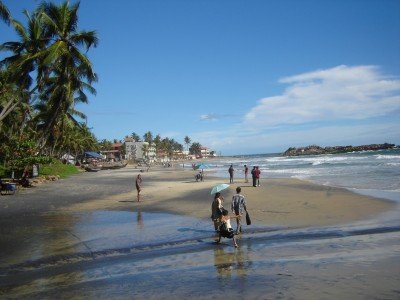
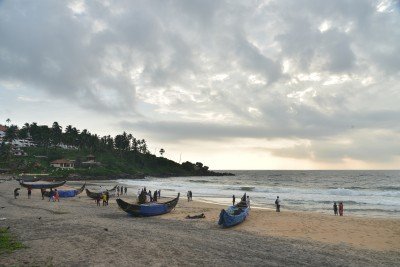
Iconic Beach: Kovalam is one of India's most famous beach destinations, known for its three adjacent crescent-shaped beaches. Since the 1930s, it has been a favorite haunt for international travelers seeking sun, sand, and sea. The beaches are separated by rocky outcroppings that create calm bays id eal for swimming and bathing. Its world-class reputation comes from its stunning natural beauty and well-developed tourist infrastructure. Coastal Charms: The main beach, known as Lighthouse Beach, is dominated by a majestic red-and-white lighthouse on a hillock. Hawa Beach and Samudra Beach offer slightly more quiet environments for those looking to escape the main crowds. The entire coastline is lined with palm trees and a vibrant promenade filled with shops and cafes. It is a place where the rhythmic sound of the waves sets the pace for a relaxing holiday. Ayurvedic Center: Kovalam is a significant hub for traditional Ayurvedic treatments and massages in Kerala. Many resorts and specialized centers offer a range of therapies, from simple relaxation massages to complex detox programs. The serene coastal environment provides the perfect setting for physical and spiritual rejuvenation. Visitors from all over the world come here to experience the healing power of this ancient Indian medical system. Vibrant Atmosphere: The promenade along the beach is a bustling area filled with seafood restaurants, handicraft shops, and art galleries. In the evenings, the area comes alive with music, the aroma of grilled fish, and travelers from diverse backgrounds. Despite its popularity, Kovalam maintains a laid-back vibe that allows for both activity and relaxation. It is a place where modern tourism meets traditional coastal life in a colorful harmony.

Things To Do

Card image cap
Aazhimala Shiva Temple

The Aazhimala Shiva Temple is an ancient and revered place of worship that has gained immense fame in recent years due to its spectacular, towering st...

The Aazhimala Shiva Temple is an ancient and revered place of worship that has gained immense fame in recent years due to its spectacular, towering statue of Lord Shiva in the Gangadhareshwara form. The temple itself is perched dramatically atop a cliff that overlooks the beautiful, rocky Aazhimala Beach and the vastness of the Arabian Sea. This blend of deep spiritual significance and breathtaking natural beauty is what makes it a must-visit destination near Kovalam. The temple is believed to date back many centuries, with some historical accounts suggesting its origins might be as old as the 8th century AD. The name Aazhimala translates literally to "Deep Hill" or "Sea Cliff," perfectly describing its commanding position. The main attraction is undoubtedly the colossal statue, which stands proudly against the backdrop of the ocean. This statue is currently the tallest Lord Shiva sculpture in Kerala and one of the most magnificent religious artworks in India. Visitors feel an overwhelming sense of peace and awe as they witness the statue's majestic presence and the sheer power of the ocean stretching out to the horizon. The temple complex is not just a place for worship; it is also a quiet refuge where one can meditate, absorb the cool sea breeze, and watch the waves crash on the rocks below. The entire area has become a pilgrimage site for devotees of Lord Shiva and a phenomenal location for art and landscape photography. The experience of witnessing the sunset from this cliff, with the massive stone deity in the foreground, is profound and unforgettable, blending the divine with the natural world.
Card image cap
Aazhimala Siva Temple

The Aazhimala Siva Temple is a relatively newer, yet incredibly popular, spiritual and cultural landmark near Kovalam. What truly sets this temple ap...

The Aazhimala Siva Temple is a relatively newer, yet incredibly popular, spiritual and cultural landmark near Kovalam. What truly sets this temple apart is its magnificent 58-foot-tall statue of Lord Shiva in the Gangadhareswara form (Shiva holding the Ganga River in his hair). This awe-inspiring concrete sculpture, created by local artist P.S. Devadathan, depicts Lord Shiva with matted locks, the Ganga flowing from his head, and a contemplative expression. Standing majestically by the Arabian Sea, with waves crashing at its base, the statue creates a powerful and spiritual ambiance. The sheer scale and intricate detailing of the sculpture are truly captivating, drawing both devotees and tourists. Beyond the iconic statue, the temple complex itself offers a serene and sacred atmosphere. It's a place for quiet contemplation and devotion. Visitors can spend time sitting by the statue, taking in the panoramic views of the sea, and feeling the positive energy of the place. There's also a meditation hall located beneath the statue, providing a space for inner peace. The temple architecture, though modern in its dominant feature, incorporates traditional elements. It's a vibrant spiritual hub, especially on Tuesdays, which are considered particularly auspicious for Shiva worship, attracting a significant number of devotees. The confluence of art, spirituality, and nature at Aazhimala makes it a truly unique and memorable stop on a Kovalam itinerary.
Card image cap
Agastyamalai Biosphere Reserve

Agastyamalai Biosphere Reserve is a UNESCO World Heritage Site and a significant biodiversity hotspot. Named after the Agastya Mala peak (1,868 meter...

Agastyamalai Biosphere Reserve is a UNESCO World Heritage Site and a significant biodiversity hotspot. Named after the Agastya Mala peak (1,868 meters or 6,129 ft), which is a prominent pilgrimage site for Hindus, this reserve is a treasure trove of unique flora and fauna. It's renowned for its rich medicinal plant diversity, with many endemic species found only in this region. The dense evergreen and semi-evergreen forests, coupled with shola grasslands, create diverse ecosystems supporting a wide range of wildlife. The reserve is home to various animal species, including tigers, elephants, leopards, Nilgiri Tahr, lion-tailed macaques, and a plethora of bird species, making it a paradise for wildlife enthusiasts and birdwatchers. Trekking to Agastya Mala peak requires special permission from the Forest Department due to its ecological sensitivity and pilgrimage significance. The trek is challenging but offers breathtaking views and an immersive experience in pristine nature. The reserve also encompasses the Kalakad Mundanthurai Tiger Reserve in Tamil Nadu and parts of the Neyyar, Peppara, and Shendurney Wildlife Sanctuaries in Kerala, demonstrating its vast ecological importance. It's an ideal destination for serious trekkers, researchers, and those who wish to delve deep into the undisturbed natural beauty and rich biodiversity of the Western Ghats, far from the coastal bustle.
Card image cap
Artificial Offshore Coral Reef

The Artificial Offshore Coral Reef is an amazing example of human intervention designed to help nature. This is not a naturally occurring reef but a t...
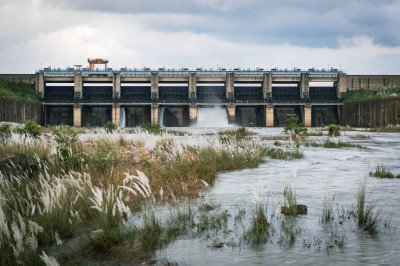
The Artificial Offshore Coral Reef is an amazing example of human intervention designed to help nature. This is not a naturally occurring reef but a thoughtful, man-made structure placed strategically off the Kovalam coastline, primarily near Lighthouse Beach. Its main purpose is twofold: first, to reduce the severe erosion of the coastline caused by strong sea currents and waves, and second, to provide a stable, hard substrate for marine life to flourish. Before this project, the erosion was threatening the beautiful golden sands of the famous beaches. The sunken structures act like a buffer, absorbing the energy of the incoming waves, which allows sediment to settle and rebuild the beach naturally. Over time, these artificial structures, typically made of concrete or heavy rock modules, become colonized by algae, corals, and various invertebrates. This colonization slowly transforms the inert structures into a vibrant, living ecosystem, mimicking a natural coral reef. This transformation attracts a wide variety of fish, creating a diverse and rich underwater environment that is perfect for snorkeling and diving enthusiasts. The presence of this reef has made the waters around it calmer in certain areas, paradoxically making it better for activities like surfing because the waves break more predictably further out. This successful ecological and engineering project highlights Kovalam's commitment to sustainable tourism and environmental protection, making it a unique feature on the global tourism map. It is a quiet testament to the potential for humanity and nature to work together towards conservation, providing both protection for the shore and a habitat for hundreds of small marine species. For many visitors, simply knowing that this crucial conservation work is happening beneath the waves adds a layer of depth to their beach visit. The reef showcases how engineering can be used to safeguard precious coastal areas against the relentless power of the Arabian Sea.
Card image cap
Aruvikkara Dam and Garden

Aruvikkara Dam is a charming picnic spot and a popular local attraction located on the Karamana River, offering a refreshing break from the coastal s...

Aruvikkara Dam is a charming picnic spot and a popular local attraction located on the Karamana River, offering a refreshing break from the coastal scenery. The dam itself is a picturesque structure, and the reservoir it creates is surrounded by lush green landscapes. What adds to its charm is the presence of the ancient Aruvikkara Bhagavathi Temple, dedicated to the Goddess Bhadrakali, perched on a rock in the middle of the river. This unique setting makes the temple a significant pilgrimage site and a scenic point of interest. The temple is famous for its "fish feeding" ritual, where devotees feed the fish (believed to be sacred) in the clear waters below the temple, an activity that delights children and adults alike. Adjacent to the dam, there's a well-maintained garden that provides a pleasant environment for relaxation and leisurely strolls. The cool breeze from the river, combined with the greenery, makes it an ideal spot for family outings and picnics. You can also find facilities for boating on the reservoir, offering a serene experience amidst the natural beauty. The tranquil atmosphere, combined with the spiritual significance of the temple and the recreational opportunities of the garden, makes Aruvikkara a delightful day trip destination. It offers a glimpse into the local life and traditions away from the typical tourist crowds, providing a peaceful and rejuvenating experience.
Card image cap
Aruvikkara Dam

Aruvikkara Dam is a beautiful engineering marvel built across the Karamana River. It serves as a major water source for Thiruvananthapuram city. The ...
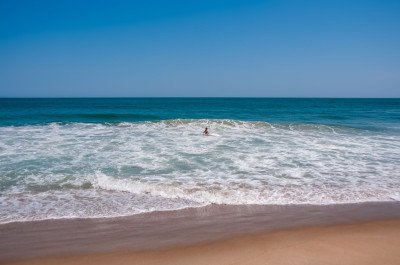
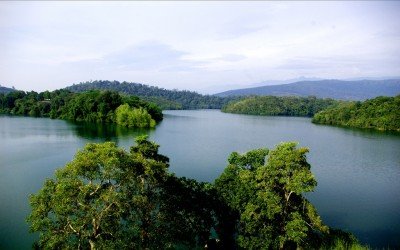
Aruvikkara Dam is a beautiful engineering marvel built across the Karamana River. It serves as a major water source for Thiruvananthapuram city. The area is surrounded by lush green forests and rocky terrains that make it a perfect picnic spot. The reservoir is calm and reflects the clear blue sky on sunny days. Many visitors come here to see the ancient Bhagavathi Temple located on a rock nearby. The temple is dedicated to Goddess Durga and adds a spiritual vibe to the natural beauty. You can see large fish in the river which are protected and fed by devotees. The atmosphere is very quiet compared to the busy beaches of Kovalam. It is a great place for people who love nature and peace. The park near the dam is well-maintained with benches for sitting. You can enjoy the cool breeze coming from the water. The local legends say the temple is very old and powerful. Many birds can be seen near the water edge early in the morning. The dam gates look majestic when they are opened during the monsoon season. It is a must-visit for families looking for a day trip. The drive from Kovalam to the dam is also very scenic with coconut groves on both sides. Visitors often spend hours just watching the water flow. The dam is an essential part of the local infrastructure and tourism map.:
Card image cap
Ashoka Beach

Ashoka Beach, sometimes locally known by its fishing village name Adimalathura, is one of the three famous crescent-shaped beaches that make up the Ko...
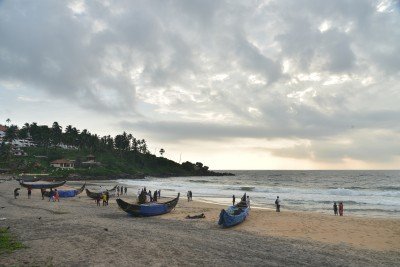
**Ashoka Beach**, sometimes locally known by its fishing village name **Adimalathura**, is one of the three famous crescent-shaped beaches that make up the **Kovalam** coastline. It is generally considered the **northernmost section**, acting as a secluded and tranquil extension of the main **Samudra Beach**. Unlike the bustling atmosphere of the more commercial **Lighthouse Beach**, **Ashoka Beach** is known for its **solitude and serene ambiance**, making it a favorite spot for those seeking peace, quiet reflection, and a less-crowded beach experience. This relative seclusion has also led to the growth of several **Ayurvedic spa centers and resorts** in the immediate vicinity, catering to guests looking to de-stress and rejuvenate. The beach is characterized by its **sparkling white sands** and the sight of local life, including fishing canoes, as it remains closer to a traditional fishing community than the other parts of **Kovalam**. The famous, now-defunct **Kovalam Ashok Beach Resort** was historically located here, which is why the area and the beach often bear the name **Ashoka Beach**. The presence of a fishing village means visitors can observe the daily routines of the local fishermen—a simple, authentic slice of **Kerala** coastal life. The beach is a picture-perfect spot, surrounded by lush green coconut and palm groves that run down to the shoreline. The waves here can sometimes be strong, and visitors are generally advised to be cautious or avoid swimming during high tides or periods of rough sea. The calmness and picturesque nature attract romantic couples and individuals looking for a meditative spot away from the major tourist crowds. ---
Card image cap
Chowara Ayyappan Temple

The Chowara Ayyappan Temple is not just a place of worship, but also a significant landmark offering breathtaking panoramic views of the Arabian Sea ...

The Chowara Ayyappan Temple is not just a place of worship, but also a significant landmark offering breathtaking panoramic views of the Arabian Sea and the serene Chowara Beach. This ancient temple is dedicated to Lord Ayyappan, a prominent deity in Kerala, particularly revered during the annual Sabarimala pilgrimage. The temple's location provides a spiritual and visually stunning experience, combining devoutness with natural beauty. To reach the temple, visitors typically climb a series of steps, which adds to the pilgrimage experience. Once at the top, the reward is immense. The cool sea breeze, the rhythmic sound of the waves crashing below, and the expansive vista of the coastline stretching into the horizon create an incredibly peaceful and uplifting atmosphere. It's an ideal spot for quiet contemplation, meditation, or simply enjoying the tranquil surroundings. The temple architecture is typical of Kerala, with traditional sloped roofs and intricate woodwork, blending seamlessly with the natural landscape. On auspicious days or during festivals, the temple buzzes with devotees, offering a glimpse into the local religious customs and vibrant traditions. Even for non-devotees, the temple is worth a visit for its stunning views and the sense of serenity it imparts. It's a perfect complement to a relaxing day spent on Chowara Beach.
Card image cap
Chowara Beach

Chowara Beach offers a peaceful and picturesque alternative to the more crowded beaches of central Kovalam. Located a comfortable distance away, it pr...
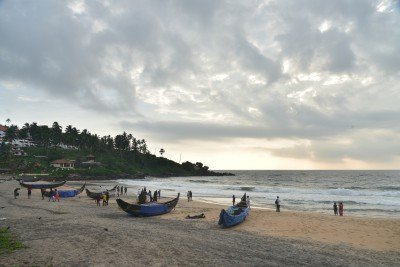
Chowara Beach offers a peaceful and picturesque alternative to the more crowded beaches of central Kovalam. Located a comfortable distance away, it provides a much quieter atmosphere, making it ideal for travelers seeking tranquility and a genuine glimpse into the local coastal life. The beach is a long stretch of golden sand, fringed by dense groves of coconut palms that sway gently in the breeze coming off the Arabian Sea. What makes Chowara particularly unique is the striking backdrop of a hill that rises sharply from the shore. Atop this hill sits the Chowara Ayyappa Temple, a sacred and visually stunning spot. This unique combination of a pristine beach and a towering, historically significant religious site creates an almost cinematic landscape. From the beach, you can observe the active, traditional fishing hamlet nearby. Local fishermen can be seen setting out their nets in the early morning or pulling in their catch later in the day, providing an authentic look at their daily livelihood, a way of life that has remained unchanged for generations. The waters here are generally clean and inviting, suitable for a leisurely swim. The beach is also home to a historic church, the Analothbhava Matha Church, further adding to the area's cultural and religious diversity. The entire atmosphere is one of calm and natural beauty, an oasis of serenity that is perfect for long, reflective walks and uninterrupted relaxation. It is a favored spot for travelers who are serious about getting away from the typical tourist crowds and finding a more personal connection with Kerala's beautiful coastline.
Card image cap
Edakallu

Edakallu is a popular sunset viewing point located right in the heart of Kovalam. It is a rocky headland that separates the Lighthouse Beach from the...

Edakallu is a popular sunset viewing point located right in the heart of Kovalam. It is a rocky headland that separates the Lighthouse Beach from the Hawa Beach. The name literally refers to a place situated between rocks. This spot offers one of the most breathtaking views of the Arabian Sea. As the sun begins to set, the sky turns into shades of orange, pink, and purple. Many tourists gather here every evening to witness this natural light show. The waves crashing against the huge rocks create a dramatic sound and spray. It is a favorite spot for photographers who want to capture the silhouette of the lighthouse against the setting sun. There are small paths leading up to the viewpoint which are easy to walk. You can see the entire crescent-shaped coastline of Kovalam from this height. It is a very romantic spot and is often visited by couples. The cool sea breeze makes it a perfect place to relax after a day of swimming. Local vendors often sell snacks and coconut water nearby. The area is also known for its unique rock formations which are millions of years old. During high tide, the waves hit the rocks with great force, which is a sight to behold. It is also a good place to watch the traditional fishing boats far out in the sea. The atmosphere becomes very lively as the evening progresses. Visiting Edakallu is a ritual for anyone staying in Kovalam. It provides a sense of peace and wonder that is hard to find elsewhere. The best part is that it is easily accessible on foot from the main beach area. It is a landmark that defines the geography of the town:
Card image cap
Halcyon Castle (Kovalam Palace)

The Halcyon Castle, now a luxury heritage hotel (part of the Leela Kovalam, a Raviz Hotel), holds a significant place in Kovalam's history. Built in ...

The Halcyon Castle, now a luxury heritage hotel (part of the Leela Kovalam, a Raviz Hotel), holds a significant place in Kovalam's history. Built in 1932 by the Regent Maharani of Travancore, Sethu Lakshmi Bayi, as a summer retreat for the royal family, this elegant structure is a beautiful example of traditional Kerala architecture with a touch of European influence. The castle was designed to be a private haven, offering stunning views of the coastline and a serene atmosphere away from the state affairs. Its historical significance lies in its connection to the Travancore royal lineage and its role in transforming Kovalam from a quiet fishing village into a sought-after destination. While it is now a private hotel, its architectural grandeur and historical aura remain. The sprawling grounds, well-manicured gardens, and strategic location on a cliff overlooking the sea contribute to its charm. Guests staying at the hotel can experience the regal ambiance firsthand, while non-guests can often admire its exterior from a distance or through guided tours if available by the hotel management. The castle symbolizes the royal patronage that once graced Kovalam, inadvertently leading to its development as a popular tourist spot. It offers a glimpse into a bygone era of luxury and tranquility enjoyed by the Travancore royals.
Card image cap
Halcyon Castle

Halcyon Castle, now famous as The Kovalam Palace, stands as a majestic relic of the royal past of the princely state of Travancore. It was originally ...
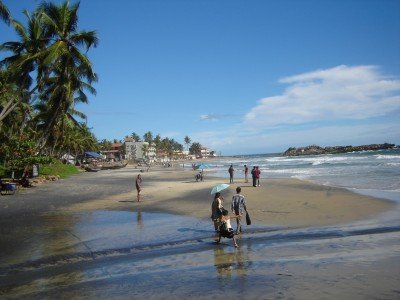
Halcyon Castle, now famous as **The Kovalam Palace**, stands as a majestic relic of the royal past of the princely state of **Travancore**. It was originally built in **1932** by **M.R. Ry Sri Rama Varma Valiya Koil Thampuran**, the consort of **Maharani Sethu Lakshmi Bayi**, as a private summer retreat for the royal family. The name 'Halcyon' itself evokes a sense of peace and tranquility, fitting for its original purpose. The castle’s imposing structure and scenic location, overlooking the Arabian Sea, quickly made it a landmark. It was a haven of opulence, hosting extravagant soirees and royal leisure. In **1964**, the property was sold to the Government of India, which then converted it into a luxury hotel, initially run by the India Tourism Development Corporation (**ITDC**) as part of the **Ashoka Beach Resort** complex. After a long-standing dispute, the custodial rights were eventually transferred to the **RP Group** in **July 2017**, which operates it as a five-star luxury hotel under **The Raviz Hotels & Resorts** brand (**The Leela Kovalam, A Raviz Hotel**). Despite its transformation from a private royal home to a luxury resort, the castle has undergone heritage-sensitive restoration, carefully preserving its original charm and majestic façade. Its rich history and connection to the **Travancore** royal lineage make it a significant historical site, offering visitors a glimpse into the regal lifestyle of a bygone era. The current premises offer luxurious amenities, including suites in the castle itself, making it a blend of history and modern hospitality. The castle is nestled in a lush grove of palm trees, offering panoramic views of the curving coastline. Its transition through ownership—from royal hands to the government and finally to a private luxury hotel group—is a significant part of its modern-day story. It is an architectural jewel that successfully marries historical grandeur with contemporary comfort. ---
Card image cap
Hawah Beach

Hawah Beach, also famously known as Eve's Beach, is the second largest of the three crescent-shaped beaches that form the greater Kovalam beach line. ...

**Hawah Beach**, also famously known as **Eve's Beach**, is the second largest of the three crescent-shaped beaches that form the greater **Kovalam** beach line. Located right opposite the bustling **Lighthouse Beach**, **Hawah Beach** offers a notably more tranquil and picturesque atmosphere, making it a favorite for tourists seeking a blend of natural beauty and quiet relaxation. The beach is distinguished by its golden sands, the gentle slope into the Arabian Sea, and a beautiful stretch of swaying **coconut** and **palm** groves that line its shore. This beach earned the nickname "Eve's Beach" because it was historically the first in **Kovalam** where European women began sunbathing topless, a practice that is now banned, but the name has persisted. Its crescent shape provides stunning, uninterrupted views of the Arabian Sea. It is particularly renowned for the spectacular views it offers, especially during **sunrise** and **sunset**. The view of the **Vizhinjam Lighthouse** from **Hawah Beach** is also very photogenic. While swimming is generally not recommended here due to strong undercurrents, the shallow waters close to the shore are safe for wading. The atmosphere on **Hawah Beach** is less commercialized than **Lighthouse Beach**. It's a place where you can find small, local shacks offering fresh seafood, cool drinks, and traditional **Ayurvedic** massages. You will often see local **fishermen** heading out or coming back with their traditional **catamarans**, adding a touch of local, authentic life to the scenic backdrop. The tranquility, coupled with the scenic palm-fringed coast, makes it an ideal spot for sunbathing, reading, or simply watching the waves. The air is often filled with the soothing sound of the sea and the gentle rustling of the **palm** leaves, creating a perfect getaway environment. The best time to experience its calm is during the early morning hours, around **November** to **February**, before the day's crowd arrives.
Card image cap
Karamana River

The Karamana River is one of the most important and beautiful rivers in southern Kerala. It originates from the Agasthyarkoodam peaks in the Western ...

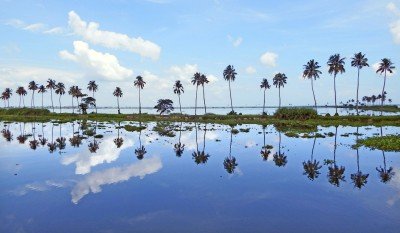
The Karamana River is one of the most important and beautiful rivers in southern Kerala. It originates from the Agasthyarkoodam peaks in the Western Ghats and flows through the heart of Thiruvananthapuram before meeting the sea near Kovalam. The river is famous for its scenic backwaters and lush green banks lined with coconut and bamboo trees. It offers a very different experience compared to the salty beaches of the coast. The water is fresh and calm, making it ideal for boating. Many people come here to enjoy a quiet houseboat cruise or a country boat ride. The river is also home to a variety of fish and birds, making it a paradise for nature lovers. You can see traditional bridges built over the river that look very picturesque. The banks are often used for small-scale farming of pepper and tropical fruits. There are several boating clubs located along the river, like the Thiruvallam Boat Club. These clubs provide facilities for kayaking and canoeing. The river has a historical significance as many ancient temples are located on its banks. The reflection of the greenery in the dark water creates a very soothing environment. It is a popular spot for morning joggers and people looking for a peaceful walk. The river also plays a vital role in the local economy through fishing and sand mining. During the monsoon, the river becomes very full and majestic. It is a great place to experience the "God's Own Country" vibe without traveling too far from the city. The boat rides usually take you through narrow canals where you can see the local village life closely. It is a refreshing escape from the urban noise:
Card image cap
Kovalam Art Gallery (Sree Chithra Art Gallery)

The Kovalam Art Gallery, more formally known as the Sree Chithra Art Gallery, is a cultural treasure trove that showcases a remarkable collection of ...

The Kovalam Art Gallery, more formally known as the Sree Chithra Art Gallery, is a cultural treasure trove that showcases a remarkable collection of traditional and contemporary Indian art. While its name might suggest a direct presence in Kovalam, it's typically a part of the larger museum complex in Thiruvananthapuram, making it a convenient excursion from Kovalam. The gallery houses a diverse array of paintings, including renowned works by Raja Ravi Varma, known for his unique blend of Indian traditions with European academic art techniques. You can also admire paintings from the Mughal and Rajput schools of art, as well as captivating works from China, Tibet, Japan, and Bali. Beyond the paintings, the gallery displays rare Indian fresco paintings, ancient artifacts, and traditional Kerala murals, offering a comprehensive overview of the region's rich artistic heritage. It's a peaceful and intellectually stimulating environment, allowing visitors to immerse themselves in the beauty and history of art. The gallery regularly hosts temporary exhibitions and cultural events, providing a dynamic platform for artists and art enthusiasts. It's an excellent place for those interested in art history, fine arts, and cultural exploration, providing a serene escape from the bustling beaches and offering a different perspective on Kerala's cultural richness.
Card image cap
Kovalam Art Gallery

The Kovalam Art Gallery stands as a quiet cultural counterpoint to the vibrant, sun-drenched beaches of Kovalam. This gallery is an essential stop for...

The Kovalam Art Gallery stands as a quiet cultural counterpoint to the vibrant, sun-drenched beaches of Kovalam. This gallery is an essential stop for anyone wishing to explore the rich and diverse artistic heritage of India, moving beyond the usual tourist trail of sand and surf. It is a true treasure trove, carefully curating a collection that spans centuries and continents. The collection is particularly renowned for housing priceless works by legendary Indian artists like Raja Ravi Varma, who pioneered the fusion of Indian traditions with European academic art techniques. His dramatic and emotive paintings, often depicting scenes from Hindu mythology and royalty, are a major highlight and draw visitors from all corners of the globe. Beyond the Indian masters, the gallery also showcases fascinating pieces from international artists such as Nicholas Roerich and Svetlova, adding a global dimension to its exhibits. The gallery doesn't just focus on oil paintings and classical art; it also includes a section dedicated to ancient Indian fresco art, unique sculptures, and traditional artifacts from neighboring countries like China, Japan, and Tibet. This commitment to a broad spectrum of art forms—from the detailed miniature works of the Mughal and Rajput eras to contemporary pieces by local Kerala artists—makes the Kovalam Art Gallery a vital educational and inspirational center. It’s a place where one can spend an hour in quiet contemplation, connecting with the stories and traditions embedded in every brushstroke and chisel mark, offering a profound appreciation for India's enduring cultural legacy. The gallery is strategically located near the famous Hawah Beach, making it easy for tourists to combine a cultural excursion with an evening of relaxation by the sea. The experience is one of quiet discovery, showcasing a side of Kovalam that is intellectual and deeply rooted in historical artistry. Visitors will find that the gallery's curated selection speaks volumes about the cross-cultural pollination that has defined South India for millennia. It is a small but mighty institution dedicated to the preservation of visual culture. The various periods of art, from classical to modern, are displayed thoughtfully, allowing visitors to trace the evolution of Indian aesthetic sensibilities over time. The atmosphere is calm, conducive to study, and a perfect retreat from the coastal heat, ensuring a focused and memorable interaction with great works of art. The staff are typically knowledgeable and dedicated to maintaining the integrity of these valuable exhibits.
Card image cap
Kovalam Ayurvedic Resorts

@@ The Essence of Ayurveda : These resorts offer a deep dive into the 5,000-year-old medical system of India. They focus on balancing the three doshas...

@@ The Essence of Ayurveda : These resorts offer a deep dive into the 5,000-year-old medical system of India. They focus on balancing the three doshas—Vata, Pitta, and Kapha—using natural herbs and oils. Most resorts are situated on clifftops or beachfronts to provide a tranquil atmosphere. The primary goal is detoxification through Panchakarma, which cleanses the body of metabolic waste. Experts guide guests through personalized diets and meditation sessions. The proximity to the Arabian Sea enhances the therapeutic effects of the treatments. Visitors from across the globe, especially from Germany and Russia, frequent these centers for chronic ailment management. These resorts are not just hotels but wellness schools where life-long health habits are formed. The lush green surroundings of Kovalam serve as the perfect backdrop for rejuvenation. Healing here is a slow process that respects the body’s natural rhythm.
Card image cap
Kovalam Beach

@@ A Tropical Paradise : Kovalam Beach is world-famous for its three adjacent crescent beaches separated by rocky outcroppings. The largest and most p...

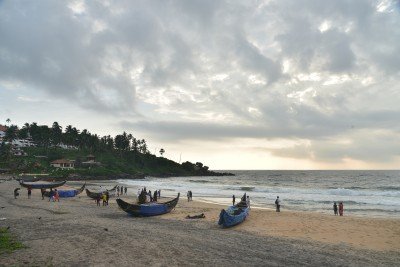
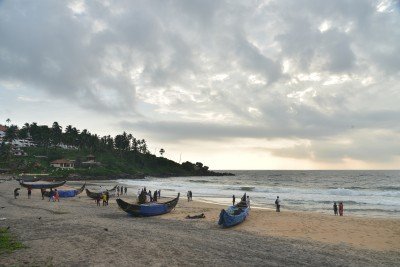
@@ A Tropical Paradise : Kovalam Beach is world-famous for its three adjacent crescent beaches separated by rocky outcroppings. The largest and most popular is the Lighthouse Beach, known for its 35-meter tall red-and-white lighthouse. The middle stretch is Hawah Beach, historically known as the first topless beach in India, though that is no longer the case. The northernmost is Samudra Beach, which remains quiet and is preferred by those seeking solitude. The shallow waters here extend for hundreds of meters, making it ideal for swimming and sea bathing. The sands are a unique mix of golden and black, due to the presence of ilmenite and monazite. Palm groves line the entire coast, providing shade and a classic tropical vibe. Sunset at Kovalam is a spectacular event, with the sky turning vibrant shades of orange and pink. The beach promenade is filled with seafood cafes and handicraft shops. Life here moves to the rhythm of the waves, offering a perfect escape.
Card image cap
Kovalam Beach Promenade

The Kovalam Beach Promenade is the vibrant and bustling heart of Kovalam's tourist activity, especially along Lighthouse Beach. It's a lively stretch...

The Kovalam Beach Promenade is the vibrant and bustling heart of Kovalam's tourist activity, especially along Lighthouse Beach. It's a lively stretch lined with an eclectic mix of shacks, restaurants, cafes, souvenir shops, Ayurvedic massage centers, and guesthouses. This promenade is where the majority of tourist interactions and commercial activities happen. During the day, it's a great place for a leisurely stroll, enjoying the sea breeze, and Browse through the shops selling everything from beachwear and handmade jewelry to local handicrafts and spices. In the evenings, the promenade transforms into a buzzing hub. Restaurants set up tables right on the sand, offering fresh seafood grills under the stars, often accompanied by live music or cultural performances. The aroma of freshly cooked seafood, the murmur of conversations, and the gentle lapping of waves create a magical ambiance. You can find a wide array of cuisines catering to international tastes, alongside authentic Kerala dishes. Ayurvedic massage centers offer traditional treatments for relaxation and rejuvenation. The promenade is also a good spot to interact with local vendors, artists, and other travelers, making it a social focal point of Kovalam. It's the pulse of the beach, providing constant entertainment and services for visitors.
Card image cap
Kovalam Caves

@@ Ancient Stone Heritage : Also known as the Vizhinjam Rock Cut Cave, this site is one of the smallest yet most significant historical spots in Keral...

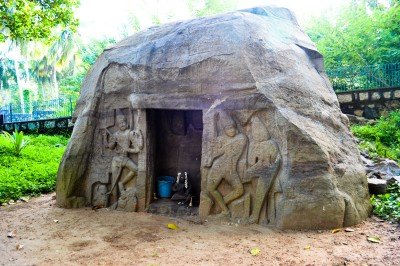
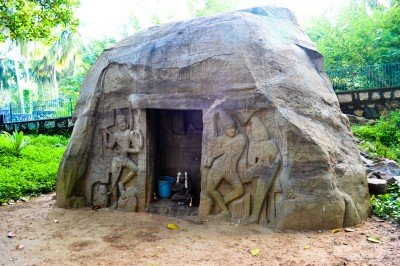
@@ Ancient Stone Heritage : Also known as the Vizhinjam Rock Cut Cave, this site is one of the smallest yet most significant historical spots in Kerala. Carved out of a single granite boulder, it dates back to the 8th century AD. The cave houses an unfinished sculpture of Lord Shiva and Goddess Parvathy. The central shrine is dedicated to Dakshinamurthy, the form of Shiva as a supreme teacher. This site reflects the early phase of rock-cut architecture in South India, influenced by the Pandya and Pallava dynasties. It is a protected monument under the Archaeological Survey of India. The cave is surrounded by lush greenery, providing a stark contrast to the nearby busy harbour. History buffs visit to study the intricate details of the unfinished reliefs. The atmosphere inside is cool and damp, preserving the stone for centuries. It is a testament to the artistic transition from wood to stone in ancient Kerala. Visitors can feel a sense of timelessness while standing before these ancient carvings.
Card image cap
Kovalam Jama Masjid

The Kovalam Jama Masjid is a significant religious and cultural landmark located near the serene Samudra Beach in the northern part of Kovalam. Unlike...

The Kovalam Jama Masjid is a significant religious and cultural landmark located near the serene Samudra Beach in the northern part of Kovalam. Unlike the grand, imperial mosques of North India, this mosque serves as a vital community hub for the local Muslim population, particularly the fishing community that traditionally resides in this coastal village. It is primarily a place of daily and congregational worship, standing as a quiet testament to the enduring presence of Islam in Kerala's history, which dates back centuries due to robust maritime trade links with the Middle East. The mosque's charm lies in its simplicity, its deep integration into the fabric of local life, and its adherence to the indigenous architectural styles of the region. Tourists often appreciate the tranquil atmosphere it offers, a stark contrast to the bustle of the nearby beaches, finding a moment of serenity amidst their busy itineraries. The structure, while modest, is characterized by clean lines, functional design, and often incorporates traditional Kerala architectural elements such as the sloped, tiled roof to handle the heavy monsoon rains. It is a symbol of the peaceful coexistence for which Kerala is renowned, welcoming respectful visitors from all faiths to observe or learn about the local Islamic culture. The mosque is especially busy during the five daily prayer times, and is the essential focal point for major Islamic festivals like Eid al-Fitr and Eid al-Adha, when the community gathers for large, communal prayers. Its location, surrounded by palm trees and close to the sea, adds a picturesque quality, making it a place of both spiritual and aesthetic value for anyone exploring the authentic, non-touristy side of Kovalam. The mosque stands as an important, living reminder that Kovalam is a historical coastal community with a deep, multicultural heritage, far exceeding its reputation as simply a beach resort.
Card image cap
Kovalam Juma Masjid

@@ A Spiritual Beacon : The Kovalam Juma Masjid is a striking emerald-green and white structure located right on the edge of the Samudra Beach (also k...

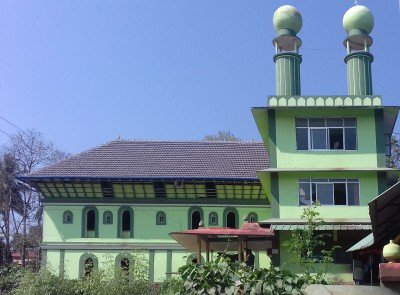
@@ A Spiritual Beacon : The Kovalam Juma Masjid is a striking emerald-green and white structure located right on the edge of the Samudra Beach (also known as Ashoka Beach). It is one of the most serene places of worship in the region, offering a stunning view of the waves crashing against the shore. The mosque serves as a focal point for the local Muslim community, many of whom are traditional fishermen. It stands as a symbol of the religious harmony in Kerala, being located very close to the Ganapathi Temple. The sound of the Azaan (call to prayer) mixing with the sound of the ocean creates a unique meditative atmosphere. Visitors are often struck by the cleanliness and the simple beauty of the mosque. The mosque underwent significant renovation to expand its prayer hall while maintaining its coastal charm. It is particularly beautiful during the sunset hours when the green minarets glow. Both locals and tourists stop here to find a moment of peace and reflection.
Card image cap
Kovalam Junction

Kovalam Junction is not a specific beach or monument, but rather the vibrant, bustling epicenter of the Kovalam tourism ecosystem. It functions as the...
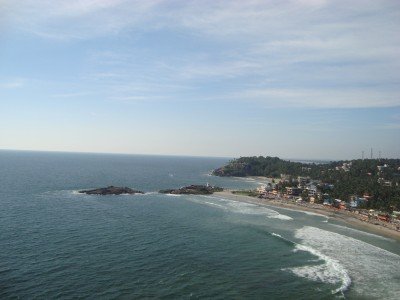
Kovalam Junction is not a specific beach or monument, but rather the vibrant, bustling epicenter of the Kovalam tourism ecosystem. It functions as the primary transit and commercial hub, where the main roads converge before branching off to the various crescent beaches, local villages, and the road leading back to Thiruvananthapuram. This junction is the heart that pumps life and activity into the entire resort area. You will find a concentrated mix of businesses here, catering both to the local population and the constant stream of international and domestic tourists. It is where you find the essential services: banks, money exchange centers, local bus stops, a constant swarm of auto-rickshaws, and small medical shops. The atmosphere is energetic and loud, a stark contrast to the peaceful quiet of the beaches nearby. Small local eateries serving authentic Kerala cuisine sit next to cafes offering international snacks. The junction is the pulse of Kovalam, a place where you can observe the daily life of the locals—fishermen heading to the harbor, shopkeepers calling out to tourists, and students waiting for buses. For a traveler, it is the most convenient starting point for any exploration, offering the quickest access to local transport and any necessary supplies. It serves as a necessary buffer between the quiet relaxation of the resorts and the busy outside world, a place where business is conducted and journeys begin and end. Observing the colorful chaos of this area gives you a true, unfiltered glimpse into the local way of life.
Card image cap
Kovalam Lighthouse

The Kovalam Lighthouse is not just an iconic landmark but also a functional lighthouse that has been guiding ships along the Kerala coast since 1972....

The Kovalam Lighthouse is not just an iconic landmark but also a functional lighthouse that has been guiding ships along the Kerala coast since 1972. Standing at a height of 35 meters (approximately 115 feet), its distinctive red and white bands make it easily recognizable from a distance. The lighthouse is built using a combination of stone masonry and concrete, a testament to its sturdy construction. The main draw for tourists is the opportunity to climb to the top of the lighthouse. Visitors can ascend via a spiral staircase (or sometimes a lift) that winds its way up to the observation deck. The effort is immensely rewarded with breathtaking panoramic views. From the top, you can witness the entire crescent-shaped Kovalam coastline, encompassing Lighthouse Beach, Hawa Beach, and Samudra Beach, stretching out before you. On a clear day, you can also catch glimpses of the distant Poovar and the Beemapalli mosque. The view of the turquoise Arabian Sea meeting the golden sands, dotted with palm trees and fishing boats, is truly spectacular, especially during sunrise or sunset when the sky paints itself in vibrant hues. The lighthouse itself provides a sense of maritime history and is a popular spot for photography, offering postcard-perfect shots of Kovalam. It's a relatively short but highly rewarding experience that encapsulates the beauty of Kovalam from a unique vantage point.
Card image cap
Koyikkal Palace (Folklore Museum & Numismatics Museum)

Koyikkal Palace is a charming and historically significant palace that offers a fascinating glimpse into the cultural heritage of Kerala. Dating back...

Koyikkal Palace is a charming and historically significant palace that offers a fascinating glimpse into the cultural heritage of Kerala. Dating back to the 17th century, it was originally built for Umayamma Rani of the Venad Royal family. This traditional Kerala-style palace, though modest in comparison to some other royal residences, is architecturally intriguing with its timber construction and intricate detailing. Today, the palace serves a dual purpose, housing two unique museums: Folklore Museum: This museum showcases a diverse collection of traditional musical instruments, household utilities, folk art forms, and other artifacts that illustrate the rich cultural traditions and daily life of ancient Kerala. It provides insight into the customs, beliefs, and artistic expressions of the region's past. Numismatics Museum: This is one of the few museums in India dedicated to numismatics. It boasts an extensive collection of ancient and medieval coins from various periods and dynasties, offering a comprehensive history of currency in India. You can see coins from the ancient Roman Empire, various Indian kingdoms, and even foreign currencies that were once used in trade routes. A visit to Koyikkal Palace provides a unique educational experience, appealing to those interested in history, anthropology, and culture. It's a quieter attraction, offering a more intimate look at Kerala's heritage away from the main tourist hubs, and is often combined with a trip to other attractions in the Thiruvananthapuram district.
Card image cap
Lighthouse Beach

Lighthouse Beach is the largest and most popular of the three crescent-shaped beaches that form the Kovalam coastline. It derives its name from the ma...

**Lighthouse Beach** is the largest and most popular of the three crescent-shaped beaches that form the **Kovalam** coastline. It derives its name from the majestic, towering Vizhinjam Lighthouse, an iconic landmark that stands on a rocky promontory called Kurumkal Hill at the southern end of the beach. The beach is characterized by its golden sands, clear blue waters, and gentle waves, making it an ideal spot for swimming, sunbathing, and various water activities. The stretch is lined with numerous restaurants, cafes, and shacks offering fresh seafood and traditional **Kerala** cuisine, alongside shops selling local handicrafts and souvenirs. The lively atmosphere of **Lighthouse Beach** makes it the commercial and recreational heart of **Kovalam**. Visitors often climb the lighthouse for a panoramic view of the entire coastline, including the adjacent **Hawa Beach** and the distant **Poovar** village, offering a stunning vista, especially during sunset. The beach is well-developed with facilities catering to international and domestic tourists, ensuring a comfortable and memorable beach experience. The natural curve of the bay, sheltered by the rocky outcrop, creates a safe zone for sea bathing. The sheer beauty and vibrancy of **Lighthouse Beach** solidify its position as a must-visit destination on the **Malabar Coast**. The beach truly comes alive in the evening as the restaurants illuminate the shore, providing a romantic and energetic atmosphere for dinner and evening strolls. It's a place that perfectly blends natural coastal beauty with the conveniences of a modern tourist destination.
Card image cap
Napier Museum and Government Art Museum

The Napier Museum, housed in a magnificent Indo-Saracenic architectural structure, is a true cultural landmark. Built in the 19th century, its distin...

The Napier Museum, housed in a magnificent Indo-Saracenic architectural structure, is a true cultural landmark. Built in the 19th century, its distinctive red and white facade, Gothic roof, and intricate carvings make it a visual treat even before entering. The museum is a treasure trove of historical and cultural artifacts, offering a comprehensive insight into Kerala's rich heritage. Its diverse collections include ancient bronze idols of Hindu deities, traditional Kerala musical instruments, ceremonial ornaments, exquisite ivory carvings, and a remarkable collection of temple chariots. Adjacent to the Napier Museum is the Government Art Museum, which often refers to the Sree Chithra Art Gallery within the same complex (as mentioned earlier). This gallery specifically focuses on showcasing traditional and contemporary Indian art, with a significant collection of works by the renowned Raja Ravi Varma, known for his unique blend of Indian and Western artistic styles. The museum complex is set amidst beautifully landscaped grounds, providing a serene environment for exploration. It's not just a place for historical artifacts; it's also a center for art and natural history, as the Thiruvananthapuram Zoo is also part of this large complex. A visit here offers a rich cultural experience, taking you through centuries of Kerala's artistic and historical evolution.
Card image cap
Neyyar Dam & Wildlife Sanctuary

The Neyyar Dam and Wildlife Sanctuary offer a perfect escape into nature, providing a stark contrast to the coastal ambiance of Kovalam. The Neyyar D...

The Neyyar Dam and Wildlife Sanctuary offer a perfect escape into nature, providing a stark contrast to the coastal ambiance of Kovalam. The Neyyar Dam, built across the Neyyar River, creates a vast and picturesque lake that serves as a popular picnic spot. Surrounded by dense forests, the area is rich in biodiversity and is home to a variety of flora and fauna. The wildlife sanctuary, established in 1958, is a haven for nature enthusiasts and wildlife lovers. It houses several attractions within its premises: Lion Safari Park: A unique experience where visitors can take a guided safari through a protected area to see lions in their natural habitat. Crocodile Rehabilitation and Research Centre: A facility dedicated to the conservation of crocodiles, allowing visitors to observe these reptiles up close. Deer Park: A sanctuary for various species of deer. Boating: The serene Neyyar Lake is ideal for boat rides, offering scenic views of the surrounding hills and forests. Sivananda Yoga Vedanta Dhanwanthari Ashram: Located nearby, this internationally renowned ashram offers courses in yoga and meditation, attracting spiritual seekers from around the world. The sanctuary is also an entry point to Agastyamalai Biosphere Reserve, a UNESCO World Heritage site known for its rich medicinal plant diversity and trekking opportunities. Neyyar Dam and Wildlife Sanctuary provides an excellent opportunity for ecotourism, offering a blend of adventure, nature exploration, and wildlife observation, making it a fulfilling day trip from Kovalam.
Card image cap
Neyyar Dam & Wildlife Sanctuary

@@ Nature's Grandeur : Located in the foothills of the Western Ghats, this sanctuary is a major day-trip destination from Kovalam. Established in 1958...

@@ Nature's Grandeur : Located in the foothills of the Western Ghats, this sanctuary is a major day-trip destination from Kovalam. Established in 1958, it covers an area of 128 square kilometers. The centerpiece is the gravity dam built across the Neyyar River, creating a vast, scenic reservoir. The sanctuary is home to over 30 species of mammals, including tigers, leopards, and elephants. It is particularly famous for its Lion Safari Park, where lions roam in a large fenced enclosure. The Crocodile Rehabilitation and Research Center is another major highlight, housing numerous mugger crocodiles. The lush greenery consists of tropical evergreen and deciduous forests. For hikers, the Agasthyakoodam peak (1,868m) is a challenging and spiritual trek located within this range. The reservoir offers peaceful boating opportunities with views of the mist-covered mountains. It serves as a vital ecological corridor for wildlife in the region. The air here is noticeably cooler and fresher than the coastal areas. It is an ideal spot for those looking to combine engineering marvels with raw nature.
Card image cap
Padmanabhapuram Palace

Padmanabhapuram Palace is an architectural marvel and a significant historical site, serving as the ancient seat of the Travancore Maharajas. This ma...

Padmanabhapuram Palace is an architectural marvel and a significant historical site, serving as the ancient seat of the Travancore Maharajas. This magnificent wooden palace, built in the traditional Kerala style of architecture, is a testament to the intricate craftsmanship and artistic prowess of the 16th to 18th centuries. The palace complex spans over 6.5 acres and features numerous structures, including royal chambers, council halls, prayer rooms, bathing ponds, and secret passages. Each building is a masterpiece of wooden construction, adorned with exquisite carvings, elaborate murals, and polished floors made from a unique blend of natural materials. Highlights of the palace include the Mantrasala (Council Chamber) with its shiny black floor, the Uppirika Malika (King's private chambers) with beautiful frescoes and a medicinal wooden cot, and the Navarathri Mandapam, a hall with granite pillars where classical dances were performed. The palace also houses a vast collection of artifacts, including antique furniture, Chinese jars, weapons, and various historical relics that offer a glimpse into the opulent lifestyle of the Travancore royalty. Despite being in Tamil Nadu, the palace is meticulously maintained by the Government of Kerala's Archaeology Department, preserving its heritage for future generations. It's a must-visit for history buffs and architecture enthusiasts.
Show All

Note:-

Information provided here in good Faith and for reference only.

All information and pictures will be updated soon, please keep visiting.

Near Places
...
Alappuzha (Alleppey)

Some quick example text to build on the card title and make up the bulk of the card's content.

Go somewhere
...
Alleppey

Some quick example text to build on the card title and make up the bulk of the card's content.

Go somewhere
...
Athirappilly:

Some quick example text to build on the card title and make up the bulk of the card's content.

Go somewhere
...
Attingal

Some quick example text to build on the card title and make up the bulk of the card's content.

Go somewhere
...
Bekal

Some quick example text to build on the card title and make up the bulk of the card's content.

Go somewhere
...
Ernakulam

Some quick example text to build on the card title and make up the bulk of the card's content.

Go somewhere
...
Guruvayur

Some quick example text to build on the card title and make up the bulk of the card's content.

Go somewhere
...
Idukki

Some quick example text to build on the card title and make up the bulk of the card's content.

Go somewhere
...
Kannur

Some quick example text to build on the card title and make up the bulk of the card's content.

Go somewhere
...
Kasaragod

Some quick example text to build on the card title and make up the bulk of the card's content.

Go somewhere
in Other Cities