...

Place To Visit And Things To Do In Mangalore

Karnataka, India
Port City: Mangalore is the chief port city of Karnataka. It handles a large portion of India's coffee and cashew exports. It is located between the Arabian Sea and the Western Ghats. Cultural Fusion: The city is a melting pot of Tulu, Konkani, Kannada, and Beary cultures. It has a rich history infl uenced by the Portuguese, British, and local dynasties like the Alupas. It is known for its religious harmony. Educational Hub: Along with Manipal, Mangalore is a premier center for education and healthcare. It houses several prestigious medical and engineering colleges. The student population gives the city a vibrant, modern feel. Culinary Fame: Mangalore is a paradise for food lovers. It is famous for its unique seafood, Mangalorean chicken sukka, and Neer Dosa. The city is also the birthplace of many popular Indian bank chains.

Things To Do

Card image cap
Adyar Falls

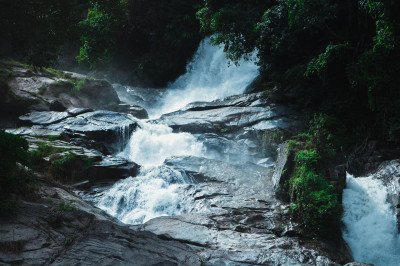
Adyar Falls is a seasonal, relatively lesser-known waterfall located in the village of Adyar, a peaceful suburb on the outskirts of Mangalore. It is n...

Adyar Falls is a seasonal, relatively lesser-known waterfall located in the village of Adyar, a peaceful suburb on the outskirts of Mangalore. It is not a gigantic cascade like Jog Falls but offers a serene, natural, and rejuvenating escape from the city's hustle and bustle. The falls are best viewed during and immediately after the peak monsoon months (from late June to October) when the water flow is significant and the surrounding environment transforms into a lush green haven. Reaching the main falls requires a small trek of about 1.5 kilometres from the parking point, navigating through natural, sometimes challenging terrain, which adds to the sense of adventure and discovery. The place is often frequented by locals and nature enthusiasts seeking quiet time, making it feel like a truly hidden gem rather than a crowded tourist spot. The waterfall consists of two main cascades about 200 meters apart, both contributing to the soothing sounds of gushing water that define the experience. Visitors are advised to bring their own essentials as formal shops and facilities are scarce, emphasizing its unspoiled, rustic nature. It is a testament to the quiet, natural beauty that defines the coastal Karnataka region, providing picturesque views of the hilly landscape. The falls feed into one of the rivers in the area, contributing to the rich biodiversity of the Western Ghats foothills where it is situated. The environment is perfect for meditation, photography, and simply enjoying the untamed beauty of the region away from commercialization. The feeling of cool, clean water and the vibrant greenery make the trek entirely worthwhile. This location is an ideal spot for a short, invigorating nature trip.
Card image cap
Bahubali Gomateshwara Monolith

The Bahubali Gomateshwara Monolith in Karkala is a massive 42-foot high statue carved from a single block of granite. It was consecrated in 1432 AD b...

The Bahubali Gomateshwara Monolith in Karkala is a massive 42-foot high statue carved from a single block of granite. It was consecrated in 1432 AD by King Veera Pandya Bhairarasa of the Santara dynasty. This monolith is the second tallest in Karnataka, only after Shravanabelagola. It stands on a rocky hill overlooking the town, symbolizing renunciation and self-control. Bahubali, the son of the first Tirthankara Adinatha, is revered for his year-long meditation in a standing posture. The serene expression on the statue's face reflects deep spiritual peace and detachment from worldly desires. This site is a major pilgrimage for Jains worldwide and a historical marvel for travelers. The surrounding landscape offers a panoramic view of the Western Ghats. Visitors must climb nearly 200 steps to reach the summit where the statue stands. The energy at the top is incredibly calm and meditative, making it a perfect escape from the city hustle. Historical texts mention that the statue was inspired by the one at Shravanabelagola to spread Jainism in the coastal region. It serves as a reminder of the rich cultural heritage and religious harmony of ancient Tulunadu.
Card image cap
Bappanadu Sri Durgaparameshwari Temple

Bappanadu Sri Durgaparameshwari Temple is an ancient shrine located on the banks of the Shambhavi River in Mulki. This temple is unique because it wa...

Bappanadu Sri Durgaparameshwari Temple is an ancient shrine located on the banks of the Shambhavi River in Mulki. This temple is unique because it was reportedly built by a Muslim merchant named Bappa Beary. According to legend, Bappa’s boat stopped in the river, and he heard a divine voice asking him to build a temple for the Goddess. The temple is a shining example of communal harmony in India, as Muslims are still offered Prasada here. The main deity, Goddess Durga, is worshipped in the form of a Linga. The temple is famous for its large drums, known as Bappanadu Dolu, which are played during festivals. The atmosphere is deeply spiritual, with the sound of the river and bells creating a serene vibe. Thousands of devotees visit during the annual fair to seek blessings for prosperity and protection. The temple has undergone several renovations but retains its traditional Tuluva style. It is considered one of the most powerful Shakti centers in the Dakshina Kannada region. The story of Bappa and the Goddess is narrated through local folk songs and temple lore. Visiting this temple provides a glimpse into the inclusive cultural fabric of coastal Karnataka. It is a must-visit for those interested in local legends and religious history.
Card image cap
Kadri Hill Park

Kadri Hill Park stands as the largest park and green sanctuary in the entire city of Mangalore, sprawled across the elevated area known as Kadri Gudde...

Kadri Hill Park stands as the largest park and green sanctuary in the entire city of Mangalore, sprawled across the elevated area known as Kadri Gudde. It is far more than just a garden; it serves as a central recreational, educational, and cultural hub for the city. The park is a popular spot for morning joggers, yoga enthusiasts, and families looking for a relaxed outing, featuring wide, well-maintained paths, expansive green lawns, and a rich variety of flora, including exotic plants and beautiful topiary. One of its most famous features is the small zoo or animal conservatory, which once housed various animals like spotted deer, sambar, and rare birds, although its current maintenance status can fluctuate. The park is a major attraction for children, thanks to its dedicated play areas and the Balamangala Express toy train, which offers a delightful ride around the perimeter of the park. It is also the designated venue for major city cultural events, most notably the annual Karavali Utsav, a showcase of local arts, crafts, and heritage, and spectacular flower shows which draw crowds from all over the region. The park is characterized by its large, oval shape, offering panoramic views from the top of the hill. It provides a peaceful contrast to the rapidly developing cityscape below. The evening attraction of the musical fountain and laser show, though sometimes subject to operational status, has historically been a huge draw, adding an element of grand entertainment. Its central location and multiple amenities, including ample parking and basic facilities, make it a convenient and essential stop for all visitors to Mangalore. Its role as a host for significant Mangalore events underscores its cultural importance beyond being just a natural space.
Card image cap
Kadri Manjunatha Temple

Kadri Manjunatha Temple is a highly revered Hindu temple dedicated to Lord Shiva, here worshipped as Manjunatha. Situated atop the scenic Kadri Hill, ...

Kadri Manjunatha Temple is a highly revered Hindu temple dedicated to Lord Shiva, here worshipped as Manjunatha. Situated atop the scenic Kadri Hill, this temple holds immense historical and spiritual significance, being one of the oldest in the region, with its origins dating back to the 10th-11th centuries A.D. The temple is unique for its historical ties to Buddhism, as it was once known as the Kadarika Vihara, a major Buddhist center. This historical confluence is symbolized by the presence of idols of Buddhist deities like Lokeshwara (believed to be a form of Brahma) and other figures like Manjushri within the complex, alongside the Hindu deities. The main idol of Manjunatha is a Panchaloha (five-metal alloy) figure, considered one of the finest bronze statues in South India, installed by King Kundavarma of the Alupa dynasty around 968 A.D. The current structure is primarily a granite construction, renovated in the 14th century, exhibiting a beautiful blend of Vijayanagara architectural style. The temple complex includes the sacred Sapta Teerthas (seven holy ponds/wells), believed to have been created by Lord Parashurama and the seven crore holy chants. The surrounding area also features the mysterious Pandava Caves, believed by locals to have been a temporary dwelling for the Pandavas during their exile, further adding to the temple's mythological aura. The serenity of the hill, the ancient inscriptions, and the continuous flow of sacred water from the Gomukha (cow's mouth) spout, whose source remains a mystery, make it a powerful place of worship and a key heritage site. The practice of the Natha Pantha cult (Jogis) is also historically linked to this hill, emphasizing its multi-layered religious history.
Card image cap
Karinja Cliff

Karinja Cliff is home to the stunning Karinjeshwara Temple, perched on a massive monolith 1,500 feet above sea level. This temple is unique as it is ...

Karinja Cliff is home to the stunning Karinjeshwara Temple, perched on a massive monolith 1,500 feet above sea level. This temple is unique as it is dedicated to both Lord Shiva (at the peak) and Goddess Parvati (halfway up). To reach the Shiva temple, devotees must climb exactly 555 stone steps carved into the hill. The climb offers breathtaking views of the Kodyamale reserve forest. Legend says the temple has existed across all four Yugas, known by different names like Roudra Giri and Bhima Shaila. The site is also linked to the Mahabharata, with ponds like Gadha Theertha said to be created by Bhima. The area is famous for its resident monkey population, who are fed ritualistically every day. At the summit, the air is thin and cool, and the view of the surrounding green canopy is unmatched. The temple architecture is simple yet sturdy, built to withstand the elements at such a height. It is a place where nature and spirituality merge perfectly. Many trekkers and pilgrims visit for the combination of physical exertion and divine peace. The silence at the top is only broken by the sound of temple bells and the wind. It remains one of the most scenic hill temples in Coastal Karnataka.
Card image cap
Kudroli Gokarnath Temple

@@History and Significance of the Gokarnath Temple: The Kudroli Gokarnath Temple is a highly significant and relatively modern temple dedicated to Lor...

@@History and Significance of the Gokarnath Temple: The Kudroli Gokarnath Temple is a highly significant and relatively modern temple dedicated to Lord Shiva (as Gokarnanatheshwara), which was consecrated in 1912 under the guidance of the great social reformer, Shree Narayana Guru. This temple was specifically built for the Billava community, who were historically restricted from entering other temples in the region, making it a powerful symbol of social equality and reform. The temple's inception was a major step towards uplifting marginalized communities in the Dakshina Kannada region. The initial structure was modest, but it underwent a massive, stunning renovation in the 1990s and early 2000s, giving it the magnificent look it possesses today, often earning it the title of the Golden Temple of Mangalore. The main deity is a Shivalinga believed to have been brought by Narayana Guru from Gokarna. Beyond the main shrine, the complex houses temples for other deities like Lord Ganesha, Goddess Annapoorneshwari, Lord Subramanya, and Navagraha. The large, colorful, and intricately decorated structure attracts devotees and tourists from all over India and the world. The temple complex is not just a place of worship but also a major cultural hub, especially famous for its grand Dasara celebrations, which are comparable in scale and splendor to the famous Mysore Dasara. The commitment to social reform and the vibrant spiritual atmosphere makes it a unique and must-visit destination in Mangalore. The temple management actively participates in various community welfare activities, upholding the vision of Shree Narayana Guru's philosophy of "One Caste, One Religion, One God for Man." Its location in the heart of the city makes it easily accessible, serving as a peaceful sanctuary amid the urban bustle. The sprawling campus includes a large hall for cultural events, a beautiful pond, and well-maintained premises, contributing to a holistic visitor experience. The temple beautifully blends spiritual sanctity with social history, offering a profound experience for every visitor.
Card image cap
Mangaladevi Temple

@@Historical Narrative and Spiritual Significance: The Mangaladevi Temple is one of the most historically and spiritually significant Hindu temples in...
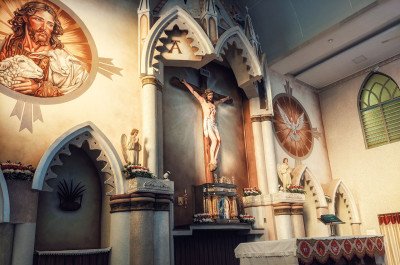
@@Historical Narrative and Spiritual Significance: The Mangaladevi Temple is one of the most historically and spiritually significant Hindu temples in Mangalore, as the city itself is believed to have derived its name from the presiding deity, Goddess Mangaladevi (a form of Shakti or Durga). The temple's origin dates back to the 9th century AD, built by the Alupa King Kundavarman in memory of Princess Mangale of Malabar. Legend has it that the Princess, a devout woman who gave up all worldly desires, chose this place for her penance. Her spiritual master, Parashurama, is also linked to the installation of the goddess's idol. The temple has thus been a center of worship for over a thousand years, attracting millions of devotees who seek the blessings of the powerful goddess. Its location on the banks of the Netravathi River adds to its sanctity and picturesque setting. The deity is revered as a Raja Rajeshwari, the Queen of Queens, and is particularly known for granting wishes related to marriage and prosperity. The temple also has shrines dedicated to other significant deities like Lord Ganapathi and Lord Somasundara. The rich heritage and the legend of the city's naming are primary reasons for its prominence. The management ensures the temple's ancient rituals and traditions are meticulously followed, preserving its timeless spiritual essence. The temple's Annadaana (mass feeding) tradition during festivals is also well-known, embodying the spirit of community service. This temple is a crucial cultural anchor for the Tulu Nadu region.
Card image cap
Milagres Church

@@Historical Chronicle and Significance: The Milagres Church, officially the Church of Our Lady of Miracles (Igreja de Nossa Senhora dos Milagres), is...

@@Historical Chronicle and Significance: The Milagres Church, officially the Church of Our Lady of Miracles (Igreja de Nossa Senhora dos Milagres), is a historic Roman Catholic church and one of the oldest in the Dakshina Kannada district. The original structure was built in 1680 by Bishop Thomas de Castro, a Theatine from Goa, making it the "Mother Church" of the Mangalorean Catholic community. The church complex has a dramatic history, including its destruction by Tipu Sultan in 1784 when he held Mangalorean Catholics captive. The faith persevered; a small chapel was built in 1811 on the current site, and the foundation for the present, much larger church was laid by Fr. A. Pinto and completed in 1911. The church symbolizes the deep roots of Christianity and the resilience of the local community. It is a central place of worship, located right in the bustling Hampankatta area, the heart of Mangalore. The complex includes a beautiful cemetery and a chapel, the St. Monica Chapel, housing the tomb of Bishop Thomas de Castro. The church's architecture and history serve as a beautiful testament to the syncretic and multicultural heritage of Mangalore. Its enduring presence in the city center makes it a significant social and religious landmark.
Card image cap
Mookambika Temple, Kollur

Mookambika Temple in Kollur is one of the most sacred Shakti Peethas in India, nestled in the valley of the Kodachadri peak. The temple is dedicated ...
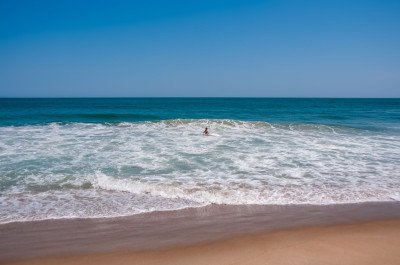
Mookambika Temple in Kollur is one of the most sacred Shakti Peethas in India, nestled in the valley of the Kodachadri peak. The temple is dedicated to Goddess Mookambika, who is a manifestation of Shakti, Saraswathi, and Mahalakshmi. Legend has it that the great philosopher Adi Shankaracharya had a vision of the Goddess here and installed the Panchaloha idol. The main deity is a Swayambhu Linga with a golden line (Rekha) dividing it into two halves, representing Shiva and Shakti. The temple sits on the banks of the perennial Souparnika River, where devotees take a holy dip before entering. It is world-renowned for "Vidyarambham," a ritual where children are initiated into the world of alphabets and learning. The temple features a gold-plated Kalasam and beautiful copper roofs that shine in the sun. Surrounded by the lush greenery of the Mookambika Wildlife Sanctuary, the setting is incredibly peaceful. Thousands of pilgrims from Kerala and Karnataka visit daily to seek blessings for education and success. The spiritual energy during the evening Deeparadhana is electric, with the sound of Vedic chants filling the air. It is considered one of the seven "Mukti Sthalas" of Karnataka. A visit here is often combined with a trek to Kodachadri, adding an element of adventure to the pilgrimage.
Card image cap
Mukka Beach

@@Natural Beauty and Tranquil Location: Mukka Beach is one of Mangalore's lesser-known and most pristine beaches, situated north of the city center ne...

@@Natural Beauty and Tranquil Location: Mukka Beach is one of Mangalore's lesser-known and most pristine beaches, situated north of the city center near the Mukka village, close to the prestigious National Institute of Technology Karnataka (NITK) campus in Surathkal. Unlike the busier, more commercialized beaches, Mukka Beach is known for its quiet, serene atmosphere and untouched natural beauty. The beach features long stretches of glistening, golden-brown sand bordered by a thick line of Casuarina trees and coconut groves. The sight of the gentle Arabian Sea waves meeting the shore creates a tranquil, picturesque setting, ideal for relaxation and quiet contemplation. Its relative remoteness has helped preserve its cleanliness and natural ecosystem, making it a favorite spot for locals seeking a peaceful escape from the city hustle. The beach is also famous for a large, unique rock formation jutting into the sea known as Rudra Shila. This formation is a major point of interest and is often captured in photographs. The lack of heavy commercialization means fewer crowds, providing a more intimate beach experience. It is an excellent spot for nature lovers, bird watchers, and those seeking true peace by the sea. The clean, unpolluted water and the soft sand make it a perfect place for long, refreshing walks along the coastline. The beach's proximity to the NITK Lighthouse in nearby Surathkal also adds an element of sightseeing interest.
Card image cap
Netravathi River Barrage

@@Functional Importance and Scenic View: The Netravathi River Barrage (often referred to as the Thumbe Vented Dam or simply the Thumbe Barrage) is a v...

@@Functional Importance and Scenic View: The Netravathi River Barrage (often referred to as the Thumbe Vented Dam or simply the Thumbe Barrage) is a vital piece of civic infrastructure that serves as the primary source of drinking water for the entire city of Mangalore and surrounding areas. Constructed across the majestic Netravathi River, the Barrage is located near the village of Thumbe in the Bantwal Taluk, just outside the core city limits. While its function is entirely utilitarian—to hold back river water and facilitate its pumping for city consumption—the structure itself and the reservoir it creates offer a highly picturesque and serene location. The vast expanse of the river water held back by the barrage, surrounded by the lush greenery of the Western Ghats foothills and the local coconut palms, makes for a tranquil natural escape. Visitors come here not for a historical structure, but for the peaceful environment, the engineering marvel of the water management system, and the stunning views, especially during sunset. The Netravathi River itself is considered the "Lifeline of Mangalore," and standing near the barrage offers a powerful connection to the source of the city's sustenance. The area is a fantastic spot for quiet photography and contemplating the confluence of nature and human engineering.
Card image cap
Panambur Beach

@@Award-Winning Cleanliness and Commercial Activity: Panambur Beach is the most famous, popular, and most commercialized beach in Mangalore. It has th...

@@Award-Winning Cleanliness and Commercial Activity: Panambur Beach is the most famous, popular, and most commercialized beach in Mangalore. It has the distinction of being one of the cleanest and best-maintained beaches in India, a credit that goes to the private enterprise, the Panambur Beach Tourism Development Project (PBTDP), which manages it. Situated near the New Mangalore Port (NMPT), this beach is a hub of activity and the only beach in Mangalore offering a wide range of paid water sports and adventure activities, including jet skiing, parasailing, and speed boating. The beach is a perfect blend of natural beauty—featuring clean, yellowish-brown sand and the expansive Arabian Sea—and high-energy entertainment. Its popularity means it is often crowded, especially on Weekends and public holidays, creating a vibrant, fun-filled atmosphere suitable for families and thrill-seekers alike. The beach is also the primary venue for major international and local events, such as the famous International Kite Festival and boat races. The excellent facilities, including dedicated lifeguards, clean restrooms, and food stalls, make it a safe and convenient tourist destination. The spectacular sunset view over the water is a daily highlight, but the main draw remains the sheer variety of activities and the bustling energy. The juxtaposition of the serene coastline with the commercial activity of the nearby port adds a unique dimension to the location.
Card image cap
Pavoor Uliya

Pavoor Uliya is a peaceful, small island situated right in the middle of the mighty Netravathi River, just a short drive from the main city. The name...

Pavoor Uliya is a peaceful, small island situated right in the middle of the mighty Netravathi River, just a short drive from the main city. The name Uliya literally means "leftover or remaining land" in the local language, referring to its formation. It is a predominantly Roman Catholic settlement, with about 35 houses and a small chapel named Infant Jesus Chapel. It's known for its serene, unspoiled environment, a stark contrast to the bustle of Mangalore. The primary livelihoods here are fishing and agriculture, with fields of coconut, mango, and jackfruit trees. Development has been slow, adding to its rustic charm; there are no street lights, major shops, or medical facilities, making it a true escape. Access is dependent on the season: during the dry summer months, a temporary, simple wooden bridge connects the island to the mainland, while during the heavy monsoon season, a passenger ferry (local boat) is the only mode of transport for residents, giving visitors a unique river crossing experience. The island was adopted by the Dakshina Kannada Zilla in May 2017 for focused development, but it remains a simple, beautiful haven for nature lovers and those seeking quiet reflection near the water. The life here moves at a slow, traditional pace, defined by the river and the seasons, and the strong community bond is visible in their daily routines and cultural celebrations like Christmas with local programs. @@Island Geography: The island has a jagged, oval shape, dividing the Netravathi River into two channels for a length of about 3 KM. The channel on the southeast side is the wider one.
Card image cap
Pilikula Nisargadhama

Pilikula Nisargadhama is a massive, multi-faceted eco-tourism and education project spread over 370 acres in the suburb of Vamanjoor. The name Piliku...

Pilikula Nisargadhama is a massive, multi-faceted eco-tourism and education project spread over 370 acres in the suburb of Vamanjoor. The name Pilikula comes from the Tulu language, where 'Pili' means Tiger and 'Kula' means Lake, literally meaning Tiger Lake, harking back to a time when tigers used to frequent the lake for water. The Nisargadhama is an integrated theme park offering a blend of natural, cultural, scientific, and recreational attractions. It is managed by the Pilikula Nisargadhama Society. The complex includes a Biological Park (Zoo) focusing on Western Ghats wildlife, a large picturesque lake with boating facilities, a traditional Tulu-style Heritage Village (Guthu Mane), an Artisan Village, a Regional Science Centre, a 3D Planetarium (Swami Vivekananda Planetarium), a Botanical Garden (Sasya Kashi), and the Manasa Water Park (separate entity). It serves as a major educational and recreational hub for the entire region and requires a full day to explore completely. The entire project aims to promote eco-tourism and conservation of the rich biodiversity and culture of the Dakshina Kannada region. The sheer scale and diversity of attractions make it a destination for all ages and interests.
Card image cap
Rosario Cathedral Church of Our Lady of Miracles

The Rosario Cathedral, officially the Church of Our Lady of the Rosary of Mangalore, is a magnificent and historically significant Roman Catholic chu...

The Rosario Cathedral, officially the Church of Our Lady of the Rosary of Mangalore, is a magnificent and historically significant Roman Catholic church. It holds the distinction of being the first Roman Catholic Church in the Canara region and the seat of the Bishop of the Diocese of Mangalore. The original structure was built in 1568 by the Portuguese explorer Pedro Álvares Cabral and later renovated by the Portuguese in the 16th century. The church suffered destruction in 1784 during the reign of the Mysorean ruler Tipu Sultan but was rebuilt in 1813. The present grand structure, which visitors see today, was constructed in 1910 by Jesuit Brother Divo of Bombay, showcasing a fusion of architectural styles. The church is famous for its stunning dome, a scaled replica of the St. Peter's Basilica in Vatican City, and the prominent cross atop the dome, which was traditionally lit every night to serve as a guiding beacon for ships approaching the Mangalore Harbour. Located very close to the old port area, the cathedral is a cornerstone of Christian history and devotion in the region, attracting pilgrims and tourists alike for its historical value and serene atmosphere. It remains a very active place of worship with multiple masses conducted daily in various languages like Konkani, English, and Malayalam.
Card image cap
Sammilan Shetty’s Butterfly Park

@@Butterfly Conservation Haven: Sammilan Shetty’s Butterfly Park is a privately owned sanctuary established in 2011 by enthusiast Sammilan Shetty. U...

@@Butterfly Conservation Haven: Sammilan Shetty’s Butterfly Park is a privately owned sanctuary established in 2011 by enthusiast Sammilan Shetty. Unlike traditional butterfly houses, this park is an open-air natural habitat where butterflies roam free without cages or domes. The park is nestled at the foothills of the Western Ghats, covering several acres of lush greenery specifically landscaped to attract various species. It serves as an educational hub, focusing on the life cycle, conservation, and importance of butterflies in the ecosystem. Visitors can witness over 150 species of butterflies, including the Southern Birdwing, which is the largest butterfly in India. The park is meticulously maintained with specific host plants for caterpillars and nectar plants for adult butterflies. It is a peaceful retreat that promotes eco-tourism and environmental awareness among students and nature lovers. The park emphasizes the "freedom of flight," ensuring that the creatures remain in their natural biological rhythm. It has gained international recognition for its scientific approach to conservation and has become a primary site for researchers. Every corner of the park is designed to mimic the wild, providing a safe breeding ground for these delicate insects. The guided tours provided here are highly informative, explaining the intricate relationship between flora and fauna. It is not just a tourist spot but a living laboratory for biodiversity. The serene atmosphere makes it a perfect escape from the urban noise of Mangalore.
Card image cap
Sasihithlu Beach

Sasihithlu Beach is renowned for its pristine white sand and its tranquil, relatively untouched environment, making it a perfect getaway from the cro...
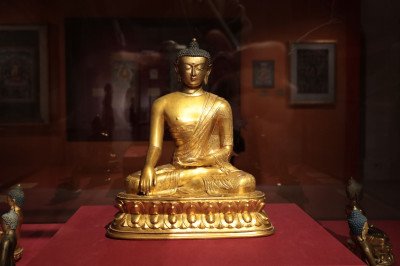
Sasihithlu Beach is renowned for its pristine white sand and its tranquil, relatively untouched environment, making it a perfect getaway from the crowds of other Mangalore beaches. Its unique fame comes from being the site of the beautiful natural phenomenon known as a Sangama (confluence), where the two rivers, Nandini and Shambhavi, meet and then flow together to merge into the Arabian Sea. This creates a unique estuary landscape with the backwaters on one side and the open sea on the other, all separated by the long stretch of white sand. The beach is also a growing hub for water sports, particularly surfing. It has gained international recognition as the venue for the annual All Cargo Indian Open of Surfing, attracting professionals and enthusiasts from around the world. Being less commercialized, the beach offers a serene, natural setting with lush greenery flanking the backwaters. The gentle slope of the shore and the clear waters make it an appealing spot, but visitors should be cautious of the strong tidal currents near the river confluence point. It is often referred to locally as KREC Beach due to its proximity to the National Institute of Technology Karnataka (NITK). The blend of river, beach, and ocean ecosystems makes it a valuable site for nature lovers and bird watchers.
Card image cap
Seemanthi Bai Government Museum

The Seemanthi Bai Government Museum, also locally known as the Bejai Museum, is the only museum in Mangalore and is a repository of archaeological, h...

The Seemanthi Bai Government Museum, also locally known as the Bejai Museum, is the only museum in Mangalore and is a repository of archaeological, historical, and ethnographic artifacts. It was established on May 4, 1960, following a generous donation. The museum is housed in the historic, distinctively shaped bungalow that once belonged to Dr. Vaman Raghunath Mirajkar. The building itself is an architectural wonder, said to have been designed and constructed in 1935 to resemble the architectural styles of Milan, Italy, and is distinctly shaped like a ship or an aeroplane, making it a landmark in its own right. Dr. Mirajkar donated the house and his extensive private collection of antiquities and contemporary masterpieces, which he acquired during his travels across India and the world, to the government in 1955. The museum was then named in honor of his mother, Srimanthi Bai. The collections are diverse, spanning the fields of natural history, geology, archaeology, and ethnography, with highlights including ancient coins, paintings, statues, and a very significant copper inscription from 1624 AD related to Keladi Venkatappa Nayaka. It also houses a notable Gandhiji Photo Gallery showcasing rare photographs of the Mahatma's life.
Card image cap
Someshwara Beach

@@Overview and Natural Beauty: Someshwara Beach is a captivating and tranquil stretch of the Arabian Sea coastline, known for its pristine natural bea...

@@Overview and Natural Beauty: Someshwara Beach is a captivating and tranquil stretch of the Arabian Sea coastline, known for its pristine natural beauty and a dramatic, rocky shoreline. Located in the historic town of Ullal, it is less commercialized than other city beaches, offering a serene escape. Its unique characteristic is the presence of large, scattered rock boulders known as Rudra Shile (Shiva's Rock), which dot the shore and extend into the sea, lending the beach a rugged and picturesque appeal, but also making swimming in those areas highly cautioned. @@Mythology and History: The beach is named after the ancient Somanath Temple dedicated to Lord Shiva, which stands right on the seashore. This temple dates back to the 16th century and is associated with the legendary Queen Abbakka Devi of Ullal. The confluence of the Netravati River and the Arabian Sea nearby, known as the Ullal Delta, further enhances the spiritual and scenic value of this coastal spot. The golden sands are perfect for contemplative walks, offering stunning vistas of the sunset and the convergence of nature's elements. The environment here is one of peaceful solitude, ideal for nature lovers and photographers. The beach is a perfect blend of natural wonder, local history, and deep-rooted spirituality, setting it apart as a must-visit destination in Mangalore.:
Card image cap
St. Aloysius Chapel

@@Overview and Artistry: St. Aloysius Chapel, located on Light House Hill, is an architectural and artistic masterpiece often compared to the Sistine ...
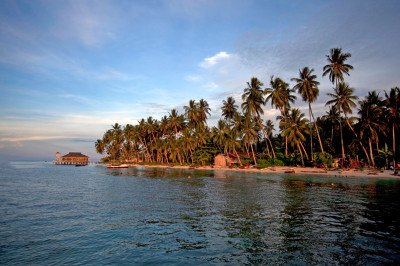
@@Overview and Artistry: St. Aloysius Chapel, located on Light House Hill, is an architectural and artistic masterpiece often compared to the Sistine Chapel in Rome. Built by the Jesuit Missionaries, its fame rests entirely on the magnificent frescoes and canvas paintings that cover almost every inch of its walls and ceiling. The artwork was painstakingly created by the Italian Jesuit Brother Antonio Moscheni between 1899 and 1900. The chapel serves as the private chapel for the adjacent St. Aloysius College, an institution established by the same Jesuit Missionaries. @@Themes and Subject Matter: The paintings vividly depict the life of its patron, Saint Aloysius Gonzaga, along with scenes from the lives of other saints, the apostles, and Christ. The paintings are executed in two distinct styles: Fresco (painted on wet plaster) and Oil on Canvas (used for the ceiling panels). The sheer scale and detail of the artwork, covering over 600 square meters of fresco and 400 square meters of canvas, make it a true historical and cultural treasure, meticulously preserved by conservationists. @@Historical Significance: The Chapel is a profound testament to the Jesuit influence on education and art in the South Canara region, reflecting a beautiful fusion of European art forms with the local Indian cultural landscape. It stands as a vibrant landmark in the heart of the city, a sanctuary of art, history, and spiritual devotion. The quality and rarity of the Italian artwork in India elevate it to national importance.:
Card image cap
St. Mary's Island

@@Volcanic Rock Wonder: St. Mary's Island is a collection of four small islands in the Arabian Sea off the coast of Malpe. It is famous for its unique...

@@Volcanic Rock Wonder: St. Mary's Island is a collection of four small islands in the Arabian Sea off the coast of Malpe. It is famous for its unique geological formations of columnar basaltic lava, which are vertical hexagonal columns formed millions of years ago. These formations are so rare that the island has been declared a National Geological Monument by the Geological Survey of India. Scientific studies suggest that these rocks were formed when Madagascar rifted away from India due to sub-aerial sub-volcanic activity. The island is also known as Coconut Island because of the towering coconut palms that line its shores. It is uninhabited, providing a raw and pristine coastal experience for travelers. According to local legend, the explorer Vasco da Gama landed here in 1498 and named the islands 'El Padrao de Santa Maria'. The crystal-clear blue waters and white shell-covered beaches create a postcard-perfect landscape. Visitors must take a ferry ride from the Malpe harbor to reach this secluded paradise. The island offers a tranquil environment where one can enjoy the sound of waves crashing against the ancient rocks. There are no permanent residents or commercial buildings on the island, preserving its natural state. The contrasting colors of the black basalt rocks against the turquoise sea are a sight to behold. It is a prime destination for those interested in geology, history, and photography. The island’s unique topography makes it stand out from any other beach destination in India.
Card image cap
Sultan Battery

@@Overview and Historical Significance: Sultan Battery is a historical watchtower and miniature fortress built in 1784 AD by the great ruler Tipu Sult...

@@Overview and Historical Significance: Sultan Battery is a historical watchtower and miniature fortress built in 1784 AD by the great ruler Tipu Sultan of Mysore. The structure, built primarily from black stones (laterite), was strategically positioned on the northern bank of the Gurupura River (also known as the Phalguni River). Its original purpose was to serve as an arsenal and an artillery station to prevent British warships from entering the river and accessing the city's old port. The name 'Battery' refers to the mounting platform for cannons. @@Current Structure and View: Today, only a decaying but historically significant structure remains, now protected by the Archaeological Survey of India (ASI). Visitors can climb to the top of the watchtower via a flight of stairs to get a panoramic view of the river, the surrounding Boloor area, and the point where the river meets the Arabian Sea. This point is also famous as the jetty for the ferry that crosses the river to Tannirbhavi Beach. @@Unique Features: The battery is unique for its underground storage area, believed by some local historians to have been used for storing gunpowder or even to have had a secret passage leading to Mysore, though this area is now closed. The structure offers a tangible connection to the tumultuous 18th-century history of the Mysore Kingdom and its resistance to the British forces.:
Card image cap
Surathkal Beach & Lighthouse

@@Overview and Ambiance: Surathkal Beach is one of the most serene and well-maintained beaches near Mangalore, known for its calm and pristine environ...

@@Overview and Ambiance: Surathkal Beach is one of the most serene and well-maintained beaches near Mangalore, known for its calm and pristine environment. It is a picturesque stretch of golden sand, distinct from the city beaches due to its tranquility and the presence of the iconic Surathkal Lighthouse. Located close to the prestigious National Institute of Technology Karnataka (NITK) campus, the beach has a clean, quiet, and laid-back vibe, making it a favorite among locals and students. @@The Lighthouse Icon: The main attraction is the majestic lighthouse, built in 1972, which stands on a rocky hillock adjacent to the beach. Visitors can climb to the top of the tower for a breathtaking, panoramic view of the Arabian Sea and the surrounding landscape. The sunset view from the lighthouse is particularly renowned. @@Mythology and Culture: The area is also historically significant, with a small hillock housing the ancient Sadashiv Mahaganapathi Temple, a unique, conch-shaped temple surrounded by four ponds. The combination of natural beauty, modern landmark (the lighthouse), and ancient pilgrimage site makes Surathkal a wholesome destination.:
Card image cap
Tannirbhavi Beach

@@Overview and Ambiance: Tannirbhavi Beach is one of the most beautiful and well-maintained beaches in Mangalore, known for its relative seclusion and...

@@Overview and Ambiance: Tannirbhavi Beach is one of the most beautiful and well-maintained beaches in Mangalore, known for its relative seclusion and tranquility. It boasts a long stretch of pristine golden sand and is less crowded than the more popular Panambur Beach. The beach is notable for its excellent, clean environment and calm waters, which make it a favorite for local swimmers and families. Its unique feature is the two main ways to access it: a long road route and a short, charming ferry ride across the Gurupura River from Sultan Battery. @@Recent Developments and Nature: The beach has seen recent development of basic facilities like washrooms, parking, and small eateries, enhancing the visitor experience while maintaining its natural charm. A significant new addition is the Tannirbhavi Tree Park, a beautiful stretch of protected land adjacent to the beach, initiated by the Karnataka Forest Department. This park showcases various species of trees from the Western Ghats, including medicinal plants, and features sculptures depicting Tulu Nadu culture like Yakshagana and Bhoota Kola. @@Blue Flag Status: The beach has achieved recognition for its cleanliness and environmental standards, making it a proud representative of coastal Karnataka's commitment to nature conservation and responsible tourism.:
Show All

Mangalore Itineray And Cost:-

Information about New and Updated Locations() of Karnataka Has Been Added :-
Card subtitle

Note:-

Information provided here in good Faith and for reference only.

All information and pictures will be updated soon, please keep visiting.

Near Places
...
Badami

Some quick example text to build on the card title and make up the bulk of the card's content.

Go somewhere

...
Belagavi

Some quick example text to build on the card title and make up the bulk of the card's content.

Go somewhere
...
Belur

Some quick example text to build on the card title and make up the bulk of the card's content.

Go somewhere
...
Bengaluru

Some quick example text to build on the card title and make up the bulk of the card's content.

Go somewhere
...
Bidar

Some quick example text to build on the card title and make up the bulk of the card's content.

Go somewhere
...
Bijapur

Some quick example text to build on the card title and make up the bulk of the card's content.

Go somewhere
...
Chamarajanagar

Some quick example text to build on the card title and make up the bulk of the card's content.

Go somewhere
...
Chikkaballapur

Some quick example text to build on the card title and make up the bulk of the card's content.

Go somewhere
...
Chikmagalur

Some quick example text to build on the card title and make up the bulk of the card's content.

Go somewhere
...
Coorg

Some quick example text to build on the card title and make up the bulk of the card's content.

Go somewhere
in Other Cities