...

Place To Visit And Things To Do In Patna

Bihar, India
Historical Evolution:: Patna, formerly known as Pataliputra, is one of the oldest continuously inhabited places in the world. It served as the capital for great empires like the Mauryas and the Guptas. The city was a center of power, trade, and culture for centuries, witnessing the reigns of Chandra gupta Maurya and Ashoka the Great. In the medieval period, Sher Shah Suri revived the city's prominence. During the British Raj, it became a vital commercial hub for indigo and opium. Today, it is a bustling modern metropolis that serves as the administrative heart of Bihar. The city is home to sacred sites of multiple religions, including the birthplace of Guru Gobind Singh. Visitors can witness a unique blend of ancient heritage and modern urban development. Modern Charm:: Patna today is a city of flyovers, malls, and riverfronts. The Marine Drive stretch along the Ganges has become a popular evening hangout. The city's food culture, featuring Litti Chokha, is famous nationwide.

Things To Do

Card image cap
Agam Kuan

@@Historical Context and Mauryan Era Legend: Agam Kuan, literally meaning the Unfathomable Well, is an ancient and profound archaeological site in Pat...

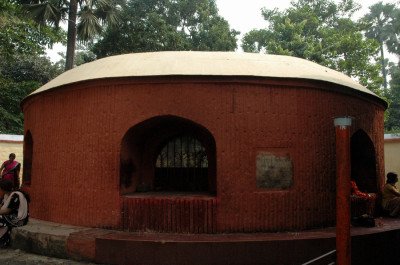
@@Historical Context and Mauryan Era Legend: Agam Kuan, literally meaning the Unfathomable Well, is an ancient and profound archaeological site in Patna, Bihar, believed to date back to the Mauryan period, specifically the reign of Emperor Ashoka (304–232 BCE). It is intricately linked with the early, darker phase of Ashoka’s life, before he fully embraced Buddhism. Folklore and accounts from Chinese travelers like Fa Hien (5th Century A.D.) and Xuanzang (7th Century A.D.) suggest that the well was part of the infamous Ashoka’s Hell or Ashoka’s Chambers of Torture, an elaborate palace-like prison used for the brutal punishment of offenders and rivals. This historical narrative is one of the primary reasons for its enduring mystique and appeal to historians and tourists alike. The well is one of the few surviving relics from the ancient city of Pataliputra. The well's depth is stated to be around 105 feet, and it is circular in shape, reflecting the advanced engineering of the Mauryan era. The adjacent Shitala Devi Mandir complex adds a layer of modern religious significance, where devotees seek blessings for wish fulfillment and for curing ailments like smallpox and chickenpox. The site, under the protection of the Archaeological Survey of India (ASI), represents a powerful juxtaposition of ancient political ruthlessness and contemporary spiritual reverence, offering a unique window into India's rich and multilayered past. Its stories of imperial power, fratricide, and eventual repentance make it a vital landmark in understanding the trajectory of one of India's greatest dynasties and the rise of Buddhism. (400 words) :
Card image cap
Bihar Museum

@@The Genesis and Purpose: The Bihar Museum is a state-of-the-art cultural institution designed to house and showcase the rich heritage of Bihar, a re...
@@The Genesis and Purpose: The Bihar Museum is a state-of-the-art cultural institution designed to house and showcase the rich heritage of Bihar, a region historically known as Magadha, which was the cradle of two major religions and powerful empires. It was partially opened in August 2015 and fully operational in October 2017. Its primary purpose was to decongest the older Patna Museum and provide a world-class exhibition space. The museum is spread over an expansive 13.9 acres on Bailey Road and has become a modern symbol of the state's revival in cultural preservation. It features both permanent and temporary exhibitions across several dedicated galleries. @@Key Collections: The museum's most significant holdings include priceless archaeological artifacts, regional art, contemporary art, and an extensive collection of objects transferred from the old museum, most notably the iconic Didarganj Yakshi, a highly polished sandstone sculpture from the 3rd Century BCE. The galleries cover a vast timeline, from the Harappan Civilization and the subsequent Second Urbanisation to the powerful empires of the Mauryas and the Guptas, offering a deep dive into the history of one of the world's oldest continuous civilizations. The focus is not just on static display but on interactive and educational presentation, particularly in the dedicated Children’s Gallery. @@Modern Infrastructure: Beyond its collections, the museum is renowned for its modern, aesthetically pleasing infrastructure, making the visitor experience comfortable and enriching. It includes a cafeteria, a well-stocked museum shop, and an orientation theatre where introductory films are screened. The vision behind the museum was to create a landmark that could compete on the international stage, drawing scholars and tourists globally to appreciate the profound historical contribution of Bihar to world culture. The meticulous curatorial work and the use of modern technology to bring ancient history to life are hallmarks of this magnificent institution.
Card image cap
Buddha Smriti Park

@@Commemorating the Buddha's Legacy: Buddha Smriti Park, also known as Buddha Memorial Park or Patliputra Karuna Stupa, is a serene urban park develop...
@@Commemorating the Buddha's Legacy: Buddha Smriti Park, also known as Buddha Memorial Park or Patliputra Karuna Stupa, is a serene urban park developed by the Bihar government to commemorate the 2554th birth anniversary of Gautama Buddha. It was inaugurated on May 27, 2010, by the 14th Dalai Lama, who planted saplings of the sacred Bodhi tree brought from Bodh Gaya and Anuradhapura, Sri Lanka. The park spans 22 acres and is built on the site of the former historical Bankipur Central Jail, symbolically transforming a place of confinement into a space for spiritual liberation and peace. @@Key Features and Spiritual Significance: The central and most significant feature of the park is the Patliputra Karuna Stupa, a towering structure that is approximately 200 feet high. This Stupa is spiritually vital as it enshrines a pot containing the holy ashes (relics) of Lord Buddha, which were originally excavated from Vaishali and previously kept at the Patna Museum. The park is designed as a focal point for Buddhist pilgrimage and includes a world-class Meditation Centre and a Museum that displays Buddhist relics and art from various countries, including Japan, Myanmar, South Korea, Sri Lanka, and Thailand. @@A Hub for Contemplation: Beyond its spiritual structures, the park is a large, beautifully landscaped area known as Smriti Bagh (Park of Memories), which is adorned with votive stupas donated by different nations, each reflecting their unique architectural style. This symbolic arrangement represents the worldwide spread of Buddhism from its birthplace in Bihar. The park offers a much-needed green and tranquil space in the heart of the bustling city, encouraging contemplation, meditation, and a connection with nature and the core principles of Buddhism.
Card image cap
Darbhanga House

@@Historical Royal Residence: Darbhanga House, also known as the Nav Lakha building due to its original construction cost, is a magnificent palatial s...

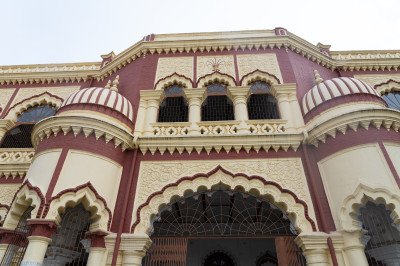
@@Historical Royal Residence: Darbhanga House, also known as the Nav Lakha building due to its original construction cost, is a magnificent palatial structure situated directly on the banks of the Ganges River in Patna. It was built in 1901 by Maharaja Sir Kameshwar Singh of Darbhanga, one of the largest landholders of the region, as his personal city residence. The palace served as a grand symbol of the wealth and cultural patronage of the Darbhanga Raj during the British era. The building is a unique blend of traditional Mithila architecture, reflecting the cultural heritage of the Darbhanga region, and contemporary colonial-era construction styles. @@The Kali Mandir and Spiritual Center: An integral part of the premises is the historic Kali Mandir, which is over 150 years old and is a revered place of worship for Goddess Durga/Kali. This temple is highly significant locally and has led to the ghat being alternatively known as Kalighat. The presence of this active, ancient temple within the grand palace grounds adds a spiritual dimension to the architectural landmark, drawing devotees as much as history buffs. @@Current Function and Preservation Challenge: Today, the grand structure houses several departments of Patna University, including History, Hindi, and Sanskrit. While its new function maintains its connection to education and culture, the building faces significant challenges related to maintenance and preservation due to its age and constant use. Despite its depleted condition, its architecture still conveys the glorious past and regal splendor of the Darbhanga Raj. The sprawling grounds and riverfront location offer a unique vantage point over the Ganges, making it a cherished spot for local students, devotees, and tourists.
Card image cap
Eco Park

@@Park's Genesis and Purpose: Eco Park, officially known as Rajdhani Vatika, was inaugurated in October 2011 by the then Chief Minister, Nitish Kumar,...

@@Park's Genesis and Purpose: Eco Park, officially known as Rajdhani Vatika, was inaugurated in October 2011 by the then Chief Minister, Nitish Kumar, following an initiative by the Department of Environment and Forest, Bihar. Its primary objective was to serve as an ecological lung for the rapidly urbanizing capital and, critically, to alleviate the massive footfall and recreational pressure on the nearby Sanjay Gandhi Biological Park (Patna Zoo). The park quickly established itself as a tranquil, refreshing, and organized alternative recreational space. @@Sprawling Greenery and Biodiversity: Spanning over a considerable area of 9.18 hectares (around 22.7 acres), the park boasts an extensive collection of flora, featuring more than 3,000 distinct varieties of plants, trees, and shrubs, carefully curated to enhance biodiversity and aesthetic appeal. This vast greenery provides a refreshing contrast to the concrete jungle of Patna. @@Major Sections and Connectivity: The park is thoughtfully divided into two main sections separated by a major road but seamlessly connected by a purpose-built underground tunnel, ensuring visitor safety and flow. The first section typically houses the main recreational areas, including the children's play zone, food court, and various decorative fountains. The second section is more theme-focused, featuring specialized gardens like Rashi Van, Guru Vatika, Panchwati, and Kewli Van, each offering a unique botanical or spiritual experience. It also contains the serene lake and boating facilities. The park receives a huge influx of visitors, averaging around 90,000 to 100,000 people monthly, demonstrating its status as Patna's most cherished public park, offering a much-needed retreat for relaxation and recreation.
Card image cap
Gandhi Ghat

@@Spiritual and Historical Significance: Gandhi Ghat holds a deep spiritual and historical value as it is one of the ghats where the ashes of Mahatma ...
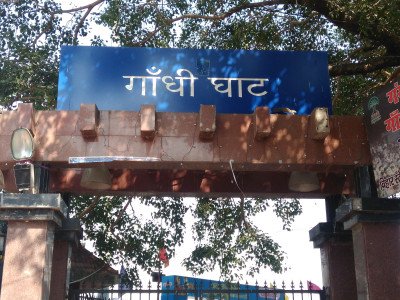
@@Spiritual and Historical Significance: Gandhi Ghat holds a deep spiritual and historical value as it is one of the ghats where the ashes of Mahatma Gandhi were immersed in the holy river Ganga. This act cemented its importance as a national memorial and a place of pilgrimage for his followers. The ghat serves as a perpetual reminder of his final connection to the land and the sacred river. It symbolizes the close bond Gandhi had with the common people and the spiritual traditions of India. @@Location and Ambience: Situated on the banks of the Ganga river, the ghat offers a vast, serene view of the flowing water, which is particularly beautiful during sunrise and sunset. Its proximity to the Patna University area gives it a vibrant yet peaceful college-town feel, blending academic energy with spiritual calm. The cool breeze from the river provides a natural respite from the city's hustle. @@The Evening Ganga Aarti: The most defining feature is the spectacular Ganga Aarti, performed in the evening. This ritual transforms the ghat into a breathtaking spectacle of light, sound, and devotion, drawing thousands of devotees and tourists every weekend, primarily on Saturdays and Sundays. The synchronized movement of the priests, the rhythmic chanting of mantras, and the blazing multi-tiered lamps create a powerful, immersive, and spiritually charged atmosphere. This event makes it a central cultural hub. @@Development and Infrastructure: Over the years, the ghat has seen significant development to enhance the visitor experience. It now features a spacious, well-maintained bank and sometimes hosts a floating restaurant or cruise facility, allowing visitors to witness the Aarti from the river itself for a unique perspective. This infrastructure development supports its role as both a religious site and a major tourist attraction in Patna. The ongoing efforts ensure its status as a vital part of Patna's public life and spiritual landscape, attracting diverse crowds from across the globe who come to pay homage and seek blessings at the confluence of the divine river and historical memory.
Card image cap
Gandhi Maidan

@@Historical Significance in the Freedom Struggle: Gandhi Maidan, formerly known as Patna Lawns or Bankipore Maidan during the British Raj, is a site ...

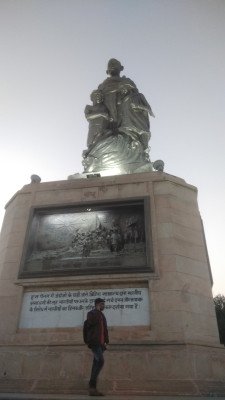
@@Historical Significance in the Freedom Struggle: Gandhi Maidan, formerly known as Patna Lawns or Bankipore Maidan during the British Raj, is a site of immense historical importance. It served as the launchpad and central venue for many pivotal movements during India's struggle for independence, most notably the Champaran Satyagraha and the Quit India Movement in Bihar. Leaders like Mahatma Gandhi, Jawaharlal Nehru, Sardar Vallabhbhai Patel, and Jayaprakash Narayan addressed massive rallies here, making the ground synonymous with the national movement and political awakening in the region. @@The World's Tallest Gandhi Statue: Dominating the ground is the colossal 72-foot-tall bronze statue of Mahatma Gandhi, unveiled in 2014. This statue is the world's tallest of Mahatma Gandhi in a standing posture, making it a powerful modern landmark and a major draw for tourists. The figure is depicted with two children, symbolizing his ideals of peace and non-violence being passed to future generations. @@Function as a Central Public Space: Spanning over 60 acres, the ground functions as the premier public space in Patna. It is used for large-scale events, including the grand annual flag-raising ceremonies on Independence Day and Republic Day, significant political rallies, large religious ceremonies (like Eid and Dussehra prayers), and major trade fairs and exhibitions, such as the renowned Patna Book Fair. It is the city's lungs, recreation spot, and democratic arena all rolled into one. @@Modern Development and Recreation: In recent years, the Maidan has undergone significant beautification and infrastructural improvements, including walking tracks, improved lighting, and enhanced security, transforming it into a vital recreational hub for morning walkers, joggers, and evening strollers. The green expanse provides a necessary environmental balance amidst the densely built city.
Card image cap
Gandhi Sangrahalaya

@@Dedicated to Mahatma Gandhi's Legacy: The Gandhi Sangrahalaya, or Gandhi Museum, is one of the eleven such museums in India and is specifically dedi...
@@Dedicated to Mahatma Gandhi's Legacy: The Gandhi Sangrahalaya, or Gandhi Museum, is one of the eleven such museums in India and is specifically dedicated to showcasing the life, principles, and work of Mahatma Gandhi with a strong emphasis on his pivotal role in Bihar, particularly the Champaran Satyagraha of 1917. It serves as a vital historical and educational institution. @@Comprehensive Collection: The museum houses a rich collection of rare photographs, original documents, letters, manuscripts, and relics that trace Gandhi's journey from his early life in South Africa to his leadership of the Indian independence movement. It provides a visual and textual narrative of his interactions with key leaders in Bihar and the impact of his non-violent philosophy. @@The Champaran Satyagraha Section: A significant portion of the museum is devoted to the Champaran Satyagraha, Gandhi's first successful application of the non-violent resistance strategy in India. This section includes detailed exhibits explaining the plight of the indigo farmers and the historical context of the movement, which changed the course of the freedom struggle. @@A Center for Research and Learning: Beyond the physical exhibits, the Sangrahalaya is a functional research center. It houses an extensive library of books, periodicals, and audio-visual materials related to Gandhi and the freedom movement. It regularly organizes seminars, workshops, and lectures, acting as an active hub for Gandhian studies and the dissemination of his ideology to the youth.
Card image cap
Golghar

@@A Monument to Famine Prevention: Golghar is a unique, massive, beehive-shaped granary constructed in 1786 by Captain John Garstin of the Bengal Engi...

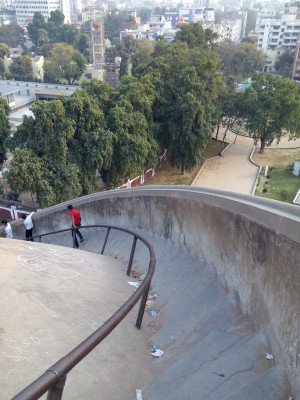
@@A Monument to Famine Prevention: Golghar is a unique, massive, beehive-shaped granary constructed in 1786 by Captain John Garstin of the Bengal Engineers. It was commissioned by Warren Hastings, the Governor-General of India, following the devastating Great Bengal Famine of 1770, which resulted in a massive loss of life in the region, including Bihar. The structure was intended to be the first of a series of state granaries to store grain reserves for the British army and local populace against future famines. @@A Flawed Design: The structure was designed to be filled from a hole at the top, accessed by a winding spiral staircase, and emptied through doors at the base. However, a famous design flaw prevents it from being filled to its full capacity of 140,000 tonnes. It is claimed that the doors were mistakenly designed to open inwards, meaning the structure could not be completely full or else the doors could not be opened. Historical records indicate it was never filled to maximum capacity, suggesting the granary remained largely symbolic. @@The Panoramic View: Despite its flawed function as a granary, Golghar is immensely popular for the incredible panoramic 360-degree view it offers from its top. After climbing the 145 steps of its unique, winding spiral staircase, visitors are rewarded with a breathtaking, sweeping view of the entire city of Patna and the vast, flowing Ganga river, especially beautiful during sunset. @@Architectural Marvel: The structure is a significant piece of British-era colonial architecture, known for its massive, pillar-less dome. Its solid construction and imposing height made it a major engineering feat of its time, standing as a historical testament to the architectural ambition of the British administration in India.
Card image cap
ISKCON Temple Patna

@@A Modern Spiritual Landmark: The ISKCON Temple Patna, officially the Sri Sri Radha Banke Bihari Mandir, is a relatively new but magnificent spiritua...
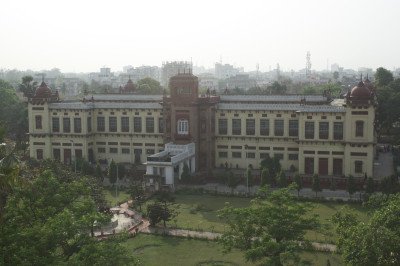
@@A Modern Spiritual Landmark: The ISKCON Temple Patna, officially the Sri Sri Radha Banke Bihari Mandir, is a relatively new but magnificent spiritual and architectural landmark in the heart of the city. Inaugurated in 2022, it has quickly become a major place of worship, a center for spiritual education, and a popular tourist attraction for its sheer scale and beautiful craftsmanship. It is part of the worldwide ISKCON (International Society for Krishna Consciousness) movement, founded by A.C. Bhaktivedanta Swami Prabhupada. @@Deities and Devotion: The main deities of the temple are Sri Sri Radha Banke Bihari and Sri Sri Gaura Nitai. The temple is dedicated to the worship of Lord Krishna and his consort Radha, following the Gaudiya Vaishnava tradition. The atmosphere is consistently filled with devotional chanting (kirtan), music, and spiritual energy, making it a very immersive experience for devotees and casual visitors alike. @@Cultural and Educational Hub: Beyond its function as a place of worship, the temple is designed as a cultural and educational center. It houses a large auditorium, a seminar hall, a guest house (bhakta nivas), a restaurant (Govinda's), and a comprehensive library. It actively promotes Vedic knowledge, organizes spiritual classes, and conducts outreach programs, serving as a hub for the community to learn about Hindu scriptures and practices. @@Scale and Grandeur: The temple complex is massive, covering a significant area and built at an estimated cost of over ?100 crore. Its grand scale, combined with the use of high-quality marble and intricate carvings, creates an aura of opulence and spiritual devotion that stands out in the city's architectural landscape, immediately drawing attention and visitors.
Card image cap
Jalan Museum

@@A Private Collection of International Artifacts: The Jalan Museum, also known as Qila House, is a unique and lesser-known museum because it is a pri...
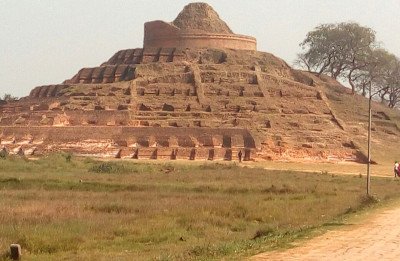
@@A Private Collection of International Artifacts: The Jalan Museum, also known as Qila House, is a unique and lesser-known museum because it is a private museum housed in the residential complex of the esteemed Jalan family, established by Diwan Bahadur Radha Krishan Jalan in 1919. It stands out for its eclectic and vast collection of over 10,000 artifacts sourced from around the globe, spanning several centuries and civilizations. @@Eclectic and Rare Holdings: The collection is renowned for its sheer diversity. It contains rare historical objects, including Mughal jade, ancient Chinese and Japanese porcelain, European ivory carvings, Roman glassware, and even artifacts with direct links to famous historical figures. Highlights include a dinner service set believed to have belonged to King George III of England, a four-poster bed associated with Napoleon Bonaparte, and a small, but historically significant, collection of artifacts from the ancient Indian city of Pataliputra and Bihar's history. @@The Historic Setting (Qila House): The museum is housed in the family's residence, the Qila House, which is itself a beautiful structure combining British Colonial and Traditional Indian architectural elements. The house is believed to stand on the foundations or near the remnants of the Sher Shah Suri Fort, which gives it its name ('Qila' meaning fort), cementing its historical location in the ancient eastern part of the city. @@Visit by Appointment Only: Its private nature dictates that it is not open to the general public and must be visited by prior appointment only. This exclusivity and the required official process add to its intrigue and the sense of privilege for those who manage to secure a visit and a guided tour.
Card image cap
Kesariya Stupa

Kesariya Stupa is a magnificent Buddhist monument that stands as a testament to the rich spiritual history of Bihar. It is widely regarded as the lar...

Kesariya Stupa is a magnificent Buddhist monument that stands as a testament to the rich spiritual history of Bihar. It is widely regarded as the largest and tallest stupa in the world, surpassing even the famous Borobudur in Indonesia. According to Buddhist tradition, Lord Buddha spent his last days here before moving toward Kushinagar for his Mahaparinirvana. It is said that he gifted his begging bowl to the people of Vaishali at this very spot. The stupa remained buried under earth and vegetation for centuries until it was systematically excavated by the Archaeological Survey of India (ASI) in 1998. Today, it attracts pilgrims and history enthusiasts from across the globe who come to marvel at its scale and religious importance. The site offers a peaceful atmosphere for reflection and a deep connection to the ancient Buddhist trail. :
Card image cap
Khuda Bakhsh Oriental Public Library

@@A Treasure House of Oriental Manuscripts: The Khuda Bakhsh Oriental Public Library is an institution of immense national importance, declared so by ...
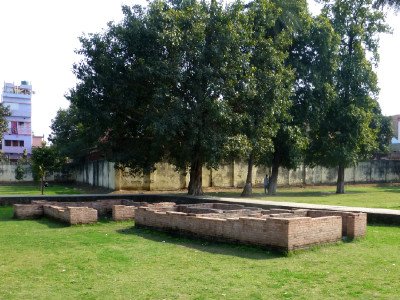
@@A Treasure House of Oriental Manuscripts: The Khuda Bakhsh Oriental Public Library is an institution of immense national importance, declared so by an Act of Parliament in 1969. It is globally famous for its magnificent collection of rare Oriental manuscripts, with over 21,000 manuscripts in languages like Arabic, Persian, Urdu, Turkish, and Pashto. These manuscripts are written on diverse materials, including paper, palm-leaf, deer-skin, and cloth, some dating back to the 8th century. @@The Founder's Vision: The library was founded and opened to the public in 1891 by Khan Bahadur Khuda Bakhsh, a lawyer from Patna, who inherited a collection of 1,400 manuscripts from his father and expanded it over his lifetime, eventually donating his entire personal collection to the people of Patna via a trust deed. His vision was to create a center for learning accessible to all, making it a true public library. @@Rarities in the Collection: Among its most prized possessions are unique copies of historically significant texts. These include the only extant illustrated manuscript of the Tarikh-e-Khandan-e-Timuriyah (History of the Timurid Dynasty, featuring miniature paintings), an autograph copy of the Diwan-i-Hafiz, and a copy of the Holy Quran transcribed by the famous calligrapher Yaqut-al-Musta'simi. It also has over 2.5 lakh printed books in various Indian and European languages. @@Modern Research and Digitalization: Today, the library functions as a major research center, attracting scholars from all over the world. It actively promotes research in Islamic studies, Urdu literature, and medieval Indian history. In a nod to the future, it is also undergoing a massive digitalization project, making thousands of its rare manuscripts available in digital format for wider access.
Card image cap
Kumhrar Park

Kumhrar Park is the site where the archaeological remains of the ancient city of Pataliputra were discovered. This location holds the glorious past o...
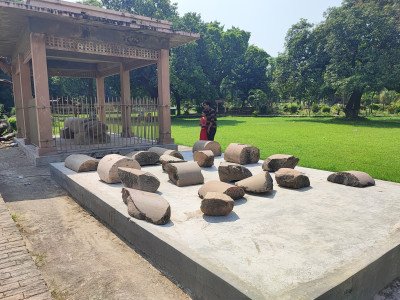
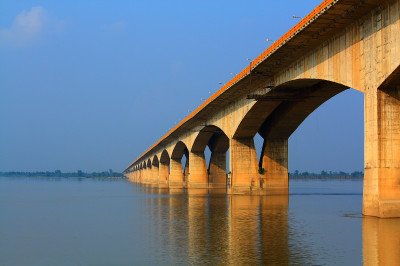
Kumhrar Park is the site where the archaeological remains of the ancient city of Pataliputra were discovered. This location holds the glorious past of the Mauryan Empire, serving as the capital for legendary kings like Chandragupta Maurya and Ashoka the Great. The most significant find here is the 80-Pillared Hall, which historians believe was the assembly hall of the Mauryan palace. Excavations have also revealed a Buddhist monastery-cum-hospital known as Arogya Vihar, managed by the famous physician Dhanvantari. The park is now a beautifully maintained green space that serves as both an archaeological site and a recreational spot for locals. Walking through the ruins, visitors can imagine the grandeur of a city that was once described by the Greek explorer Megasthenes as the greatest city in the world. It provides a tangible link to India's "Golden Age" and is a must-visit for anyone interested in ancient history. :
Card image cap
Kumhrar

@@Unearthing the Mauryan Empire: Kumhrar is one of the most significant archaeological sites in Patna, as it contains the excavated remains of the anc...

@@Unearthing the Mauryan Empire: Kumhrar is one of the most significant archaeological sites in Patna, as it contains the excavated remains of the ancient city of Pataliputra, the capital of the powerful Mauryan Empire, including the reign of Emperor Ashoka (322–185 BCE). The site provides tangible evidence of a glorious chapter in Indian history, dating back to as early as 600 BCE. @@The Eighty-Pillared Hall: The primary and most famous discovery at Kumhrar is the ruins of a massive hypostyle hall known as the Eighty-Pillared Hall. Excavations led by archaeologists like D.B. Spooner (1912-1913) and A.S. Altekar (1951-1955) uncovered the foundation pits, ash, and rubble marking the locations of 80 polished sandstone monolithic pillars. Only one partial pillar remains visible in situ, but the entire layout of the majestic assembly hall, possibly used for state functions or as the site of the Third Buddhist Council, is clearly marked. @@Ruins of Arogya Vihar: The site also contains the ruins of Arogya Vihar, a monastery-cum-hospital that dates to the Gupta period (4th-5th century CE). This structure is thought to have been run by the famous ancient physician Dhanvantari. The discovery of a small potsherd inscribed with "Dharvantareh" on the site supports this interpretation, highlighting the advanced state of medical knowledge in ancient Pataliputra. @@Archaeological Park and Museum: The excavated area has been developed into an archaeological park, maintained by the Archaeological Survey of India (ASI). It includes a small museum/interpretation center that houses some of the recovered artifacts, such as pottery, coins, and sculptural fragments, providing context to the ruins and allowing visitors to visualize the lost grandeur of Pataliputra.
Card image cap
Mahatma Gandhi Setu

The Mahatma Gandhi Setu is a massive river bridge over the Ganga connecting Patna in the south to Hajipur in the north, built by Gammon India and inau...
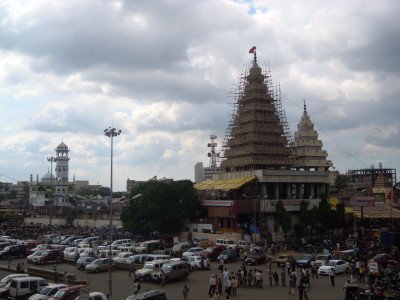
The Mahatma Gandhi Setu is a massive river bridge over the Ganga connecting Patna in the south to Hajipur in the north, built by Gammon India and inaugurated by Indira Gandhi in May 1982. At 5,750 meters (5.75 km), it was once the longest river bridge in India and remains a vital transport artery carrying NH-22 and NH-31. @@Historical Significance: The Bridge's Impact: It was conceived to connect North Bihar with the rest of the state via Patna, significantly reducing travel time and fostering economic integration. Before its construction, Rajendra Setu (85 km east) was the only other Ganga crossing in Bihar. @@Modern Engineering Challenge: Rehabilitation Project: Due to decades of heavy traffic, a major rehabilitation project was undertaken, replacing the concrete superstructure with modern steel trusses to ensure structural longevity and handle the immense vehicular load of over 85,000 vehicles daily. This engineering feat has given it a renewed life. @@Patna's Identity: A Recognizable Landmark: The sheer scale of the bridge makes it an iconic landmark and a symbol of development and connectivity for Patna and Bihar, visible from various ghats and viewpoints along the southern bank of the Ganga.
Card image cap
Mahavir Mandir

Mahavir Mandir is one of the holiest and most popular Hindu temples in Patna, dedicated to Lord Hanuman, the 'Monkey God.' It is the second-largest re...
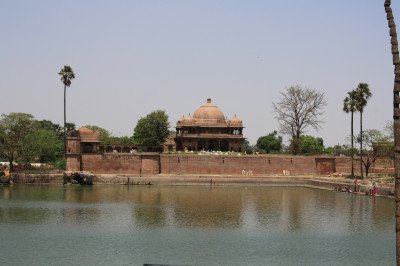
Mahavir Mandir is one of the holiest and most popular Hindu temples in Patna, dedicated to Lord Hanuman, the 'Monkey God.' It is the second-largest religious shrine in North India, trailing only the Vaishno Devi Temple in terms of daily footfall and offerings. The temple's history dates back to the 1730s when it was established by Swami Balanand of the Ramanandi sect, but its current multi-story structure and prominence largely developed after the 1940s under the guidance of Acharya Kishore Kunal. The temple is renowned for its unique feature of having two idols of Lord Hanuman facing different directions—one idol is believed to protect the city from evil, and the other fulfills the wishes of devotees, earning it the name 'Manokamna Temple' (Temple of Wishes). It is a major center for pilgrimage tourism, attracting millions of devotees annually, especially on Tuesdays and Saturdays, which are considered auspicious days for Lord Hanuman. The temple trust is actively involved in philanthropic activities, funding a large cancer hospital and other social services, using the substantial daily donations received from the devout.
Card image cap
Maner Sharif

Maner Sharif is a historic and highly significant Sufi pilgrimage center located on the banks of the Sone River, near its confluence with the Ganga. T...

Maner Sharif is a historic and highly significant Sufi pilgrimage center located on the banks of the Sone River, near its confluence with the Ganga. The name 'Sharif' (meaning noble) was added due to its association with renowned Sufi saints. The complex consists of two major tombs (dargahs): the Bari Dargah and the Chhoti Dargah. The Chhoti Dargah is the tomb of Hazrat Makhdum Shah Daulat (died 1608) and was constructed in 1616 by Ibrahim Khan Kakar, the Mughal Governor of Bihar, during the reign of Jahangir. It is celebrated as a magnificent example of Mughal architecture. The Bari Dargah is the final resting place of the great Sufi saint Hazrat Makhdum Yahya Maneri (died 13th century), whose influence extended throughout the region. The town's ancient name, Maniyar Mathan, hints at its long historical and cultural significance. The annual Urs (death anniversary) festival draws thousands of pilgrims from across India and the world, making it a powerful symbol of spiritual harmony and syncretic culture.
Card image cap
Martyr's Memorial

The Martyr's Memorial, locally known as Shaheed Smarak, is a deeply patriotic and moving monument in Patna. It is a life-size bronze statue dedicated ...

The Martyr's Memorial, locally known as Shaheed Smarak, is a deeply patriotic and moving monument in Patna. It is a life-size bronze statue dedicated to seven brave young students who were mercilessly shot dead by the British Police on August 11, 1942, during the height of the Quit India Movement. The students were attempting to hoist the Indian National Flag on the dome of the Patna Secretariat Building. The foundation stone for the memorial was laid on August 15, 1947, by the first Governor of Bihar, Mr. Jairam Das Daulatram. The magnificent statue, depicting the seven students with the flag, was sculpted by the renowned artist Devi Prasad Roychoudhury. The statues were cast in Italy and later installed here, standing as an eternal testament to the supreme sacrifice made by the youth for the nation's freedom. The names of the seven martyrs—Umakant Prasad Sinha, Ramanand Singh, Satish Chandra Jha, Jagatpati Kumar, Devipada Choudhry, Rajendra Singh, and Ram Govind Singh—are etched on the memorial.
Card image cap
Moin-Ul-Haq Stadium

The Moin-Ul-Haq Stadium is a multi-purpose sports venue in Patna, primarily famous as a cricket ground. Established in 1969-70, it was originally know...
The Moin-Ul-Haq Stadium is a multi-purpose sports venue in Patna, primarily famous as a cricket ground. Established in 1969-70, it was originally known as the Rajendra Prasad Stadium before being renamed in 1970 after Syed Muhammad Moin-ul-Haq, a prominent Indian sports administrator and former principal of Patna College. The stadium has a seating capacity of around 25,000 spectators. Its significant history includes hosting three One Day International (ODI) cricket matches, notably one during the 1996 Cricket World Cup between Zimbabwe and Kenya. It also hosted a Women's Test match between India and the West Indies in 1976. Although it faced a period of neglect after the formation of Jharkhand, there are ongoing plans for its major renovation and expansion, with a budget approved by the BCCI, to increase its capacity to over 40,000 and include modern facilities like a cricket academy and corporate boxes, aiming to revive its status as an international-standard venue.
Card image cap
Padri Ki Haveli

Padri Ki Haveli, officially St. Mary's Church, is the oldest surviving church in Bihar and holds immense historical and religious significance. Its hi...
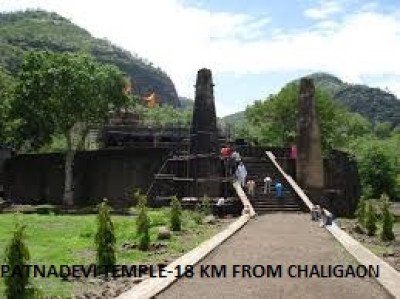
Padri Ki Haveli, officially St. Mary's Church, is the oldest surviving church in Bihar and holds immense historical and religious significance. Its history dates back to 1713 AD when the Capuchin monks established a small house of worship for the Roman Catholics. The current structure was reconstructed between 1772 AD and 1779 AD by Capuchin Father Joseph of Rivetti after the original was destroyed during the conflict between the British and Mir Qasim in 1763 AD. The reconstruction was overseen by the Venetian architect Tirreto from Kolkata. The church is particularly famous for its association with Mother Teresa, who reportedly underwent her nursing training and spiritual preparation here in 1948 before embarking on her mission in Kolkata. It also houses a massive, ancient Maria Bell made of Ashtadhatu (eight metals), which was a gift from Bahadur Shah, the son of the Nepalese King Prithvi Narayan, in 1782 AD. The church is a serene oasis and a symbol of the long-standing Christian presence in Patna.
Card image cap
Patan Devi Mandir

The Patan Devi Mandir, particularly the Badi Patan Devi (Great Patan Devi), is one of the oldest and most sacred Hindu temples in Patna. It is revered...
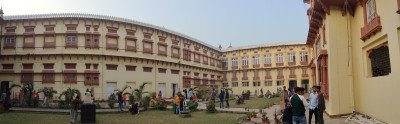
The Patan Devi Mandir, particularly the Badi Patan Devi (Great Patan Devi), is one of the oldest and most sacred Hindu temples in Patna. It is revered as one of the 51 Siddha Shakti Peethas in India, a site where a part of the goddess Sati's body is believed to have fallen. According to Puranic legends, the 'right thigh' of Sati's corpse fell here when Lord Vishnu dismembered it with his Sudarshan Chakra. The temple, which is dedicated to the goddess Durga, is considered the presiding deity of the city, and the name of Patna is widely believed to have been derived from the goddess's name, Patneshwari. The current structure houses the sacred images of the three goddesses—Mahakali, Mahalakshmi, and Mahasaraswati—all carved in black stone and facing North towards the Ganga River. The temple is a major spiritual center, especially during Navratri and Durga Puja, when it witnesses massive crowds of devotees. The area also houses the Chhoti Patan Devi Mandir nearby, which also has significant historical and religious value.
Card image cap
Patna Museum

@@The Oldest Museum of Bihar: Founded on April 3, 1917, during the British Raj, the Patna Museum is affectionately nicknamed Jadu Ghar (House of Magic...

@@The Oldest Museum of Bihar: Founded on April 3, 1917, during the British Raj, the Patna Museum is affectionately nicknamed Jadu Ghar (House of Magic) by the locals. It was established to house and conserve the historical artifacts discovered in the region after the separation of Bihar and Bengal in 1912. It is a multipurpose museum showcasing art, archaeology, coins, paintings, instruments, and textiles. @@Architectural Style and History: The main building, completed in 1928, is a fine example of Indo-Saracenic architecture, blending Mughal and Rajput styles with Western elements. This grand, two-storey structure itself is a significant piece of Patna's architectural heritage. It was originally intended to house all of Bihar's heritage. @@The Collection and the Shift: Historically, its most prized possession was the Didarganj Yakshi (a magnificent Mauryan sculpture, now moved to the Bihar Museum). Following the opening of the new Bihar Museum in 2015, the collections were strategically divided. The Patna Museum now focuses primarily on artifacts from the Post-1764 period onwards, including modern paintings, British-era items, and items related to the first President of India, Dr. Rajendra Prasad. @@Current Star Attractions: Despite the shift, it still houses several unique attractions, most famously: 1) A magnificent fossilized tree said to be over 200 million years old. 2) A preserved casket that reportedly contains the sacred ashes (relics) of Gautama Buddha, unearthed at Vaishali. 3) A World War I cannon displayed in the grounds. The museum also houses thousands of manuscripts donated by Rahul Sankrityayan.
Card image cap
Patna Planetarium

The Indira Gandhi Planetarium, affectionately known as Taramandal, is one of Asia's oldest and largest planetariums, designed to ignite curiosity abou...

The Indira Gandhi Planetarium, affectionately known as Taramandal, is one of Asia's oldest and largest planetariums, designed to ignite curiosity about space and the universe in visitors of all ages; Its structure is uniquely shaped like the planet Saturn; Inaugurated in 1993, it features a state-of-the-art dome for immersive celestial shows, a 3D space theatre, astronomical exhibits, and a space capsule simulator; It plays a crucial role in non-formal science education in Bihar; The facility hosts regular sky-watching programs and workshops for students and enthusiasts; It aims to communicate complex astronomical concepts using modern audio-visual technology, making the experience both educational and captivating for families and students alike; The interior contains displays about the solar system, galaxies, the life cycle of stars, and India's space missions like Chandrayaan and Mangalyaan; It is a significant landmark in the city, representing a blend of education and entertainment centered on the cosmos; The facility has a capacity of 276 seats and is a major tourist attraction, drawing thousands of visitors monthly; Its location on Bailey Road makes it easily accessible from all parts of the city and its proximity to other centers highlights its role in the city's intellectual life.
Card image cap
Prakash Punj

Prakash Punj (Bahu Uddeshiya Prakash Kendra and Udyan) is a newly constructed, significant complex near Takht Sri Patna Sahib in the Patna Sahib area;...
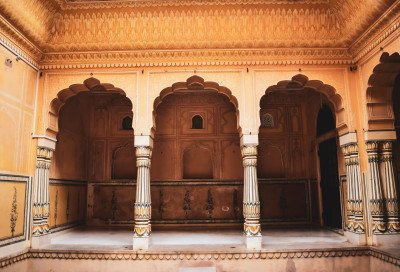
Prakash Punj (Bahu Uddeshiya Prakash Kendra and Udyan) is a newly constructed, significant complex near Takht Sri Patna Sahib in the Patna Sahib area; It was conceptualized to commemorate the 350th Prakash Parv (Birth Anniversary) of Guru Gobind Singh Ji, the tenth Sikh Guru; The vast 10-acre complex is more than just a park, featuring a themed garden, four commemorative gates, an auditorium, and two exhibition halls; The museum within the complex is designed to narrate the life, teachings, and works of Guru Gobind Singh Ji and all ten Sikh Gurus through modern audio-visual mediums, paintings, and graphic illustrations; The exhibition also displays replicas of weapons, costumes, and literature related to the Guru; It serves as a major spiritual and cultural center, attracting devotees and tourists from all over the world; The design incorporates symbols important in Sikhism, such as the names of the Guru's four sons (Sahibzadas) for the gates and the names of the five Takhts for the circular walls.
Card image cap
Rohtasgarh Fort

Rohtasgarh Fort is one of the largest and most legendary forts in India, perched atop a plateau in the Kaimur hills. It is named after Rohitashva, th...

Rohtasgarh Fort is one of the largest and most legendary forts in India, perched atop a plateau in the Kaimur hills. It is named after Rohitashva, the son of the mythical King Harishchandra. Historically, it gained prominence during the reign of Sher Shah Suri, who captured it by trickery and used it as a strategic base. The fort is spread over a massive area of nearly 26 miles in circumference and sits at an altitude of 1,500 feet. It contains a complex of palaces, temples, and mosques, showcasing a blend of Hindu and Islamic architectural styles. Due to its difficult uphill access, it remained a safe haven for various rulers throughout history, including the Mughals and the British. The trek to the fort involves climbing thousands of steps, offering a thrilling experience for adventure seekers. The panoramic views of the Sone River valley from the fort walls are breathtaking, making the difficult journey well worth the effort for any traveler. :
Card image cap
Ruins of Vikramshila

The Ruins of Vikramshila represent one of the two most important centers of Buddhist learning in ancient India, alongside Nalanda. Established by Kin...

The Ruins of Vikramshila represent one of the two most important centers of Buddhist learning in ancient India, alongside Nalanda. Established by King Dharmapala of the Pala Dynasty in the late 8th Century, it was a premier university that attracted scholars from all over Asia, especially Tibet. The university was famous for its department of Vajrayana Buddhism and Tantric studies. At its peak, it housed over a hundred teachers and thousands of students. The site was destroyed by Bakhtiyar Khilji in 1193, leading to a decline in Buddhist influence in the region. Today, the massive excavated site reveals a giant central stupa surrounded by a square monastery with residential cells for monks. The walls are adorned with exquisite terracotta plaques depicting deities, animals, and social scenes of the Pala era. The serene environment on the banks of the Ganges makes it a deeply spiritual and educational destination for those seeking to understand India's intellectual heritage. :
Card image cap
Sabhyata Dwar

The Sabhyata Dwar (Civilization Gate) is an imposing, sandstone triumphal arch monument located on the banks of the River Ganga within the campus of t...

The Sabhyata Dwar (Civilization Gate) is an imposing, sandstone triumphal arch monument located on the banks of the River Ganga within the campus of the Samrat Ashok International Convention Centre; Inaugurated in May 2018, its primary purpose is to symbolize the ancient glory of Pataliputra (the ancient name of Patna) and the rich traditions and culture of Bihar; The monument stands at a height of 32 meters (105 ft), making it significantly taller than the Gateway of India in Mumbai; The architecture is inspired by the ancient Mauryan style; Its arches contain significant inscriptions attributed to historical figures associated with Patna and Bihar, including the Greek historian Megasthenes, Emperor Ashoka, Lord Buddha, and Lord Mahavira; The monument was a vision of former Lieutenant General Srinivas Kumar Sinha to establish a landmark celebrating Bihar's ancient heritage and connection to global history; It serves as a modern emblem of Patna's historical depth and cultural pride.
Card image cap
Sadaqat Ashram

Sadaqat Ashram is a historic and profoundly significant site established in 1921 by Maulana Mazharul Haque, a close associate of Mahatma Gandhi, on la...

Sadaqat Ashram is a historic and profoundly significant site established in 1921 by Maulana Mazharul Haque, a close associate of Mahatma Gandhi, on land donated by his friend Khairun Miya; The name Sadaqat means 'Truthfulness'; It played a pivotal role during India's independence movement, serving as a hub for eminent freedom fighters like Brajkishore Prasad, Dr. Anugrah Narayan Sinha, and Dr. Rajendra Prasad; It later became the final residential place of Dr. Rajendra Prasad, India's first President, after his retirement in 1962 until his death in 1963; Today, it houses the headquarters of the Bihar Vidyapeeth, a national university inaugurated by Mahatma Gandhi, and the Bihar Pradesh Congress Committee; The site features the Rajendra Smriti Sangrahalaya Museum, which preserves the personal belongings and historical artifacts of Dr. Prasad and items from the freedom struggle; It is a 20-acre haven on the banks of the River Ganga, symbolizing the ideals of Hindu-Muslim unity and the quest for Swaraj (self-rule).
Card image cap
Sanjay Gandhi Biological Park

@@Zoological and Botanical Combination: The Sanjay Gandhi Biological Park, popularly known as the Patna Zoo, is unique because it is a single, integra...

@@Zoological and Botanical Combination: The Sanjay Gandhi Biological Park, popularly known as the Patna Zoo, is unique because it is a single, integrated park that combines a full-fledged Zoological Garden and a major Botanical Garden, spanning a vast area of over 153 acres. This dual purpose makes it a key center for both wildlife conservation (ex-situ) and botanical research/education. @@Rich Biodiversity: The park is home to a rich diversity of both flora and fauna. The zoological section houses almost 100 species of animals, with over 1,200 individual creatures, including major crowd-pullers like tigers, lions, rhinoceroses, hippopotamuses, giraffes, zebras, and various primate and bird species. The botanical section contains over 300 species of trees, herbs, and shrubs, including specialized areas like an orchid house, a fern house, a rose garden, and a medicinal plant nursery. @@Conservation Success Story: The Patna Zoo is internationally recognized for its successful one-horned rhinoceros breeding program. It is one of the few zoos in India to have achieved this, and the population of rhinos at the park has grown substantially over the decades, making it a critical hub for the conservation of this vulnerable species. @@Recreational Hub: Situated on the city's main Bailey Road, the park serves as Patna's premier recreational hub. It provides vast green space, walking paths, a toy train, a lake with boating facilities, and a children's park, attracting over 1.8 million visitors annually and making it an essential part of the city's social and leisure life.
Show All

Patna Itineray And Cost:-

Information about New and Updated Locations() of Bihar Has Been Added :-
Card subtitle

Note:-

Information provided here in good Faith and for reference only.

All information and pictures will be updated soon, please keep visiting.

Near Places

...
Araria

Some quick example text to build on the card title and make up the bulk of the card's content.

Go somewhere
...
Arwal

Some quick example text to build on the card title and make up the bulk of the card's content.

Go somewhere
...
Banka

Some quick example text to build on the card title and make up the bulk of the card's content.

Go somewhere
...
Begusarai

Some quick example text to build on the card title and make up the bulk of the card's content.

Go somewhere
...
Bhagalpur

Some quick example text to build on the card title and make up the bulk of the card's content.

Go somewhere
...
Bhojpur

Some quick example text to build on the card title and make up the bulk of the card's content.

Go somewhere
...
Bihar Sharif

Some quick example text to build on the card title and make up the bulk of the card's content.

Go somewhere
...
Bodh Gaya

Some quick example text to build on the card title and make up the bulk of the card's content.

Go somewhere
...
Buxar

Some quick example text to build on the card title and make up the bulk of the card's content.

Go somewhere
...
Champaran

Some quick example text to build on the card title and make up the bulk of the card's content.

Go somewhere
in Other Cities