Patna
General information
-
Ideal Duration:
1 to 2 DaysPlace Type:
Metropolitan & ReligiousEntry Fees:
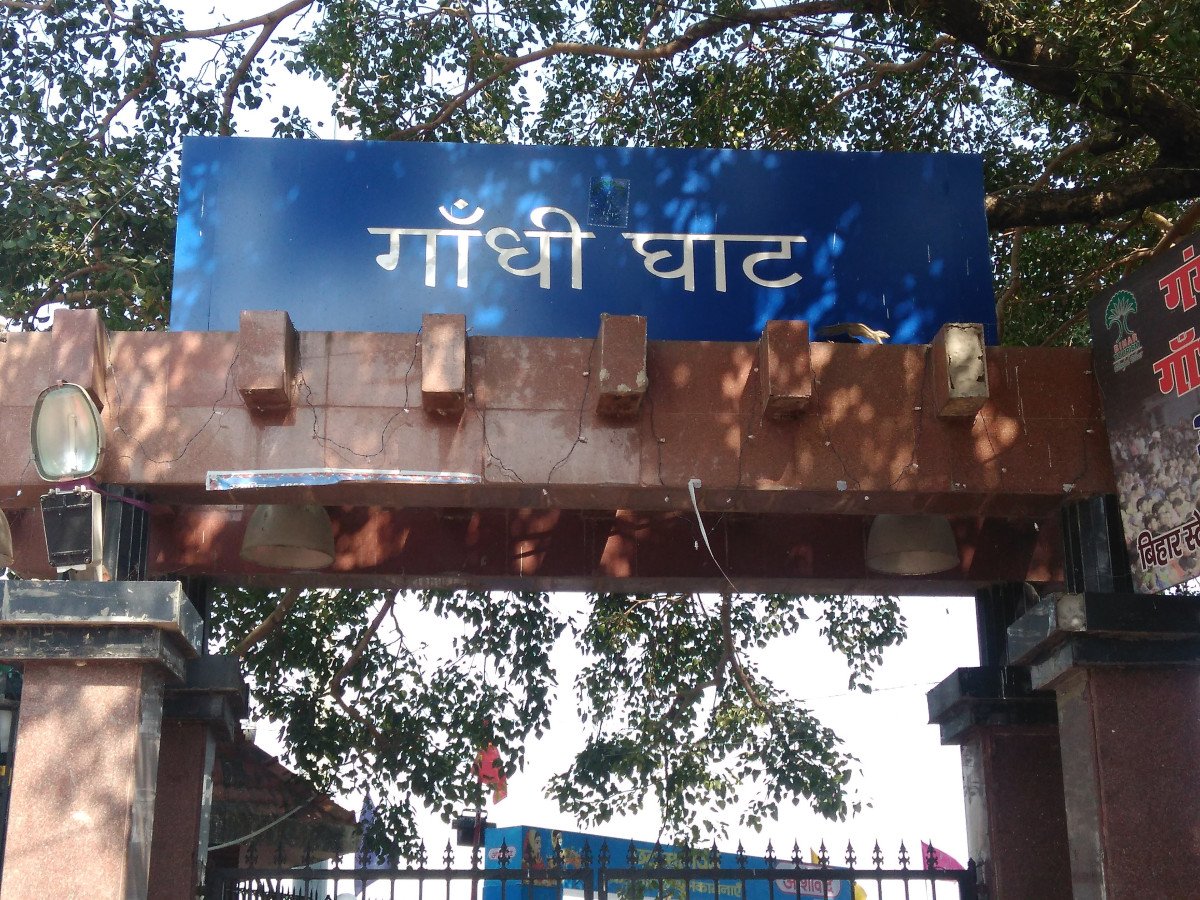
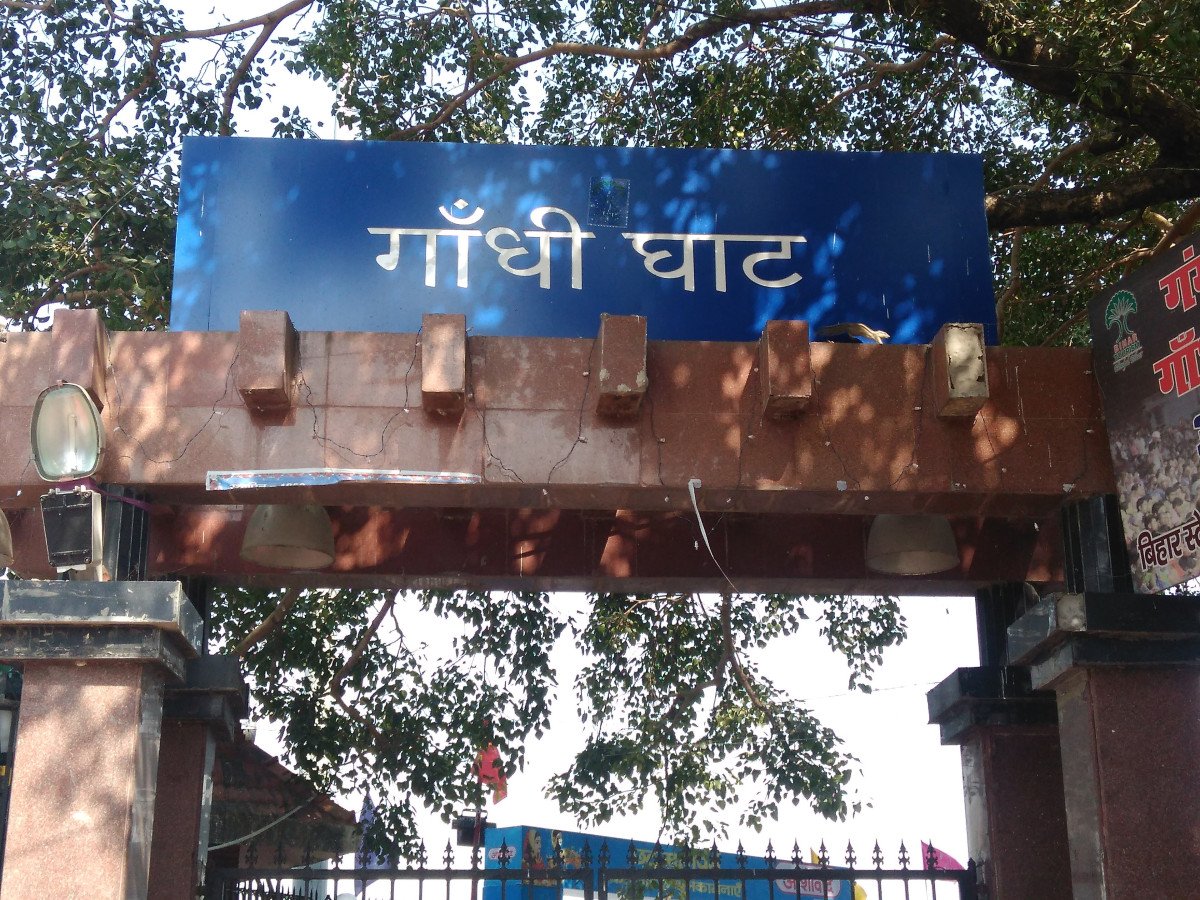
Ticket Pricing:: Entry to Golghar and Gandhi Ghat is free. Patna Museum costs 30 INR, while Bihar Museum is 100 INR for adults.
Exemptions:: Children and students often get discounts with valid ID cards. ...Ticket Pricing:: Entry to Golghar and Gandhi Ghat is free. Patna Museum costs 30 INR, while Bihar Museum is 100 INR for adults.
Exemptions:: Children and students often get discounts with valid ID cards.Timing:
Visiting Hours:: Most museums are open from 10:30 AM to 5:00 PM; Gurudwaras are open 24/7 for devotees.
Best Time of Day:: Evenings are ideal for visiting the riverfront and parks to avoid the daytime humidity. ...Visiting Hours:: Most museums are open from 10:30 AM to 5:00 PM; Gurudwaras are open 24/7 for devotees.
Best Time of Day:: Evenings are ideal for visiting the riverfront and parks to avoid the daytime humidity.Special Events:
Prakash Parv:: A massive celebration held in January to mark the birth anniversary of Guru Gobind Singh.
Sonepur Mela:: Held just across the river in November, it is one of Asia's largest cattle fairs.
Chhath Pu...Prakash Parv:: A massive celebration held in January to mark the birth anniversary of Guru Gobind Singh.
Sonepur Mela:: Held just across the river in November, it is one of Asia's largest cattle fairs.
Chhath Puja:: The city comes to a standstill as millions gather at the river ghats for the grandest festival of Bihar.Best Photo Spots:
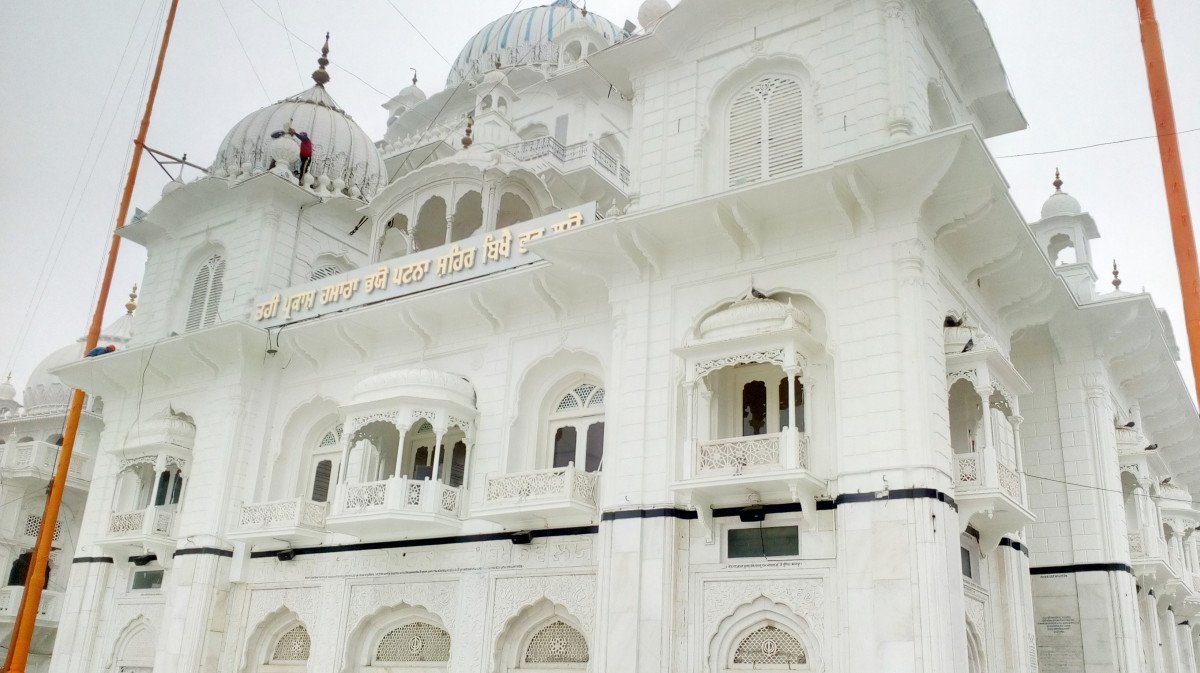
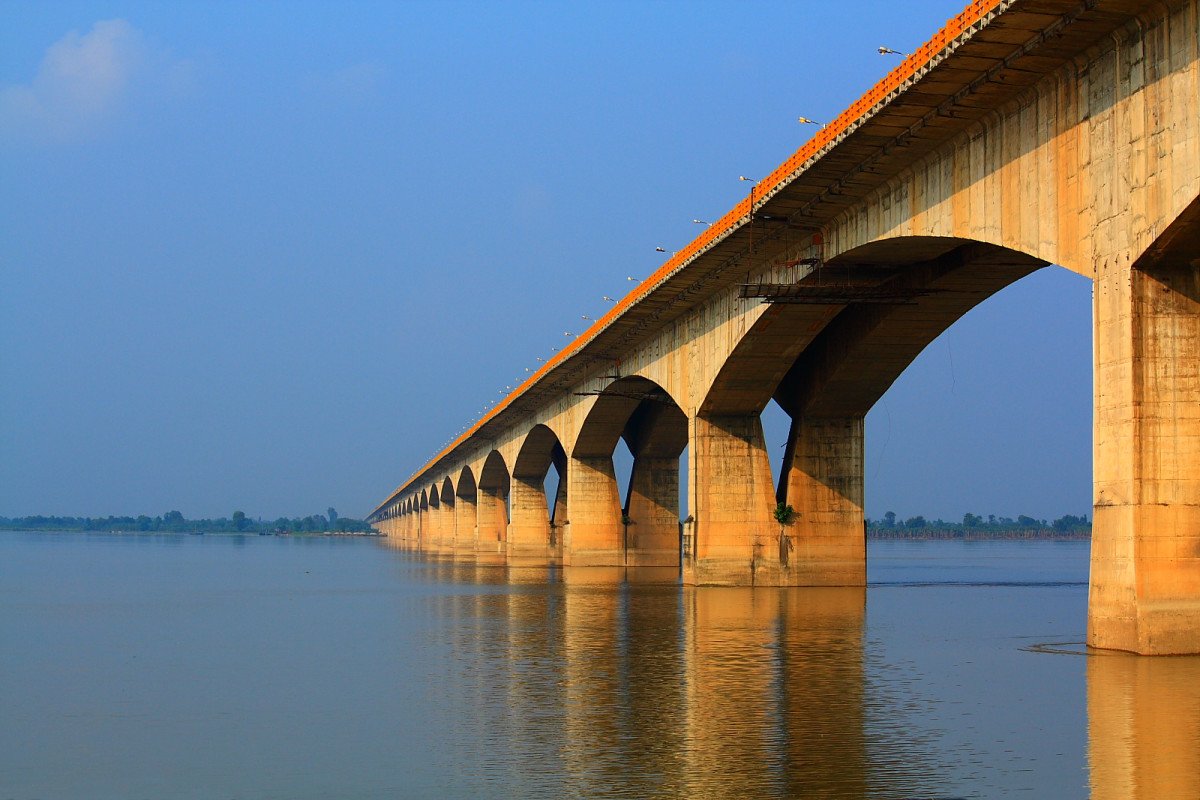
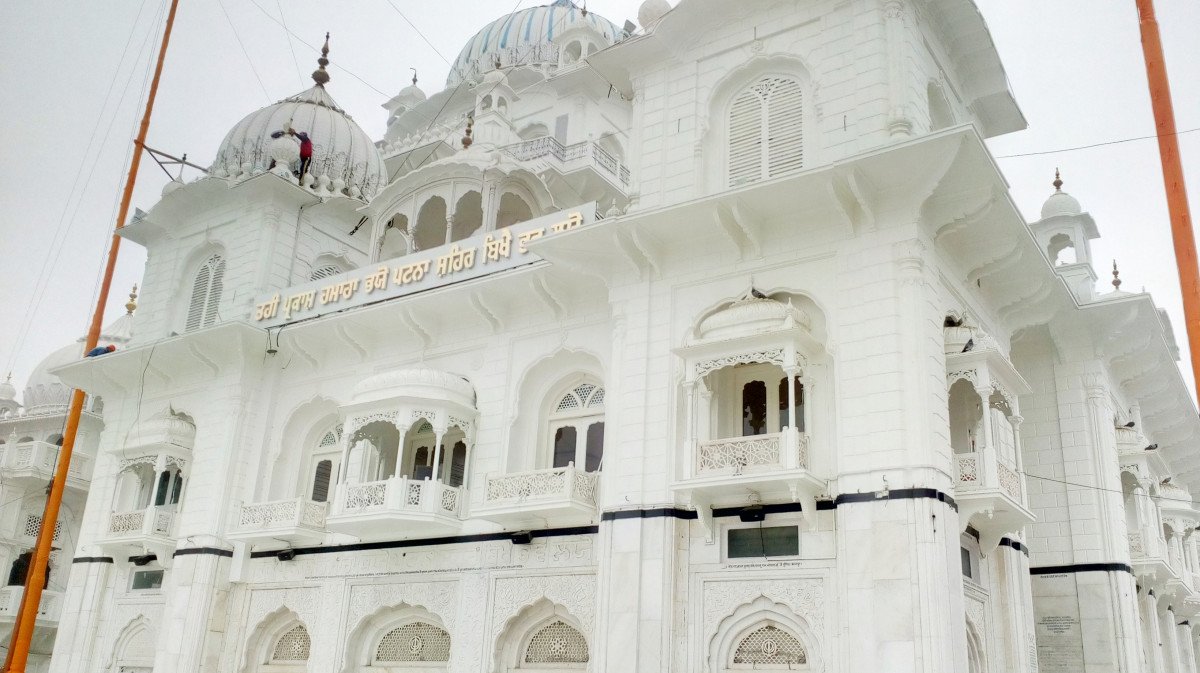
Takht Sri Patna Sahib:: The gleaming white marble and golden domes of the Gurudwara are perfect for photography.
Ganga Riverfront:: The sunset over the Ganges viewed from the riverfront provides a stunning natural backdrop.Takht Sri Patna Sahib:: The gleaming white marble and golden domes of the Gurudwara are perfect for photography.
Ganga Riverfront:: The sunset over the Ganges viewed from the riverfront provides a stunning natural backdrop.
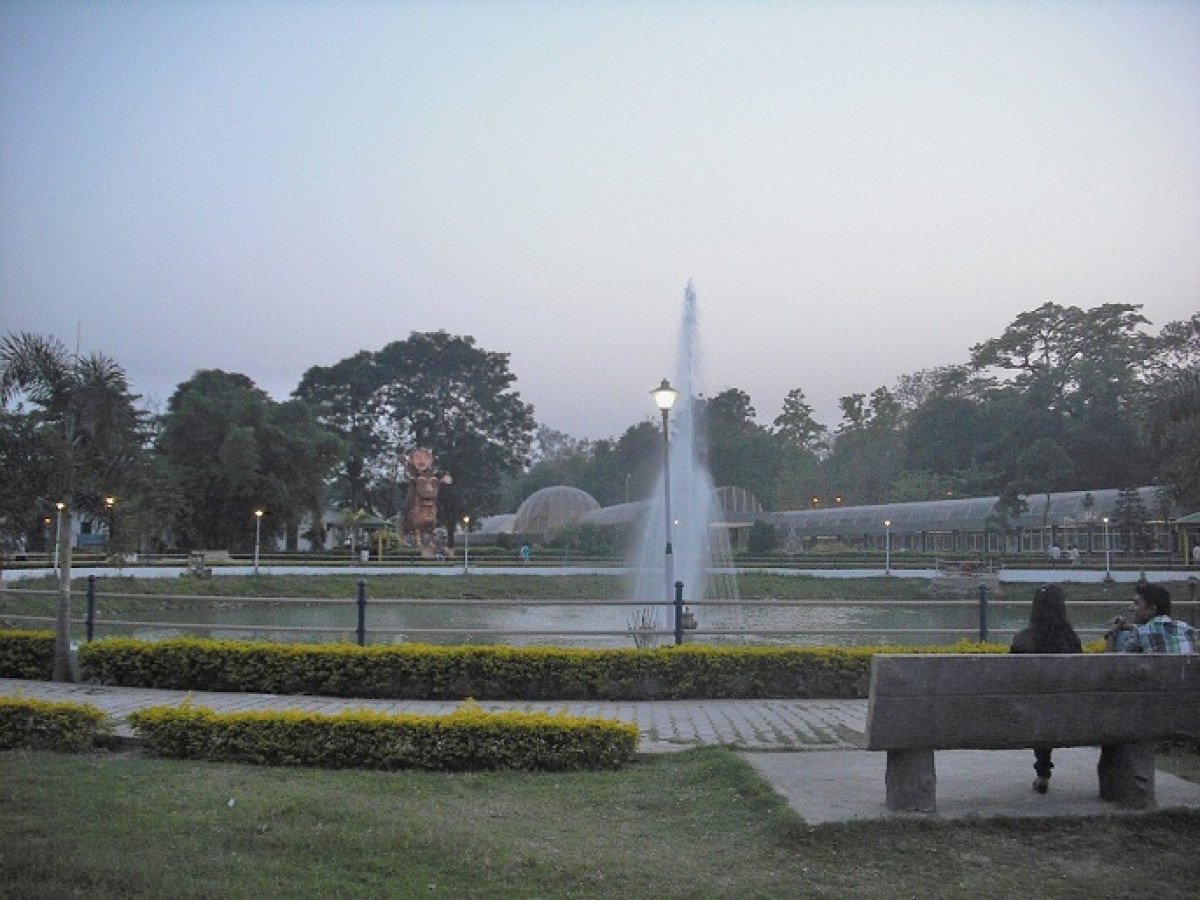
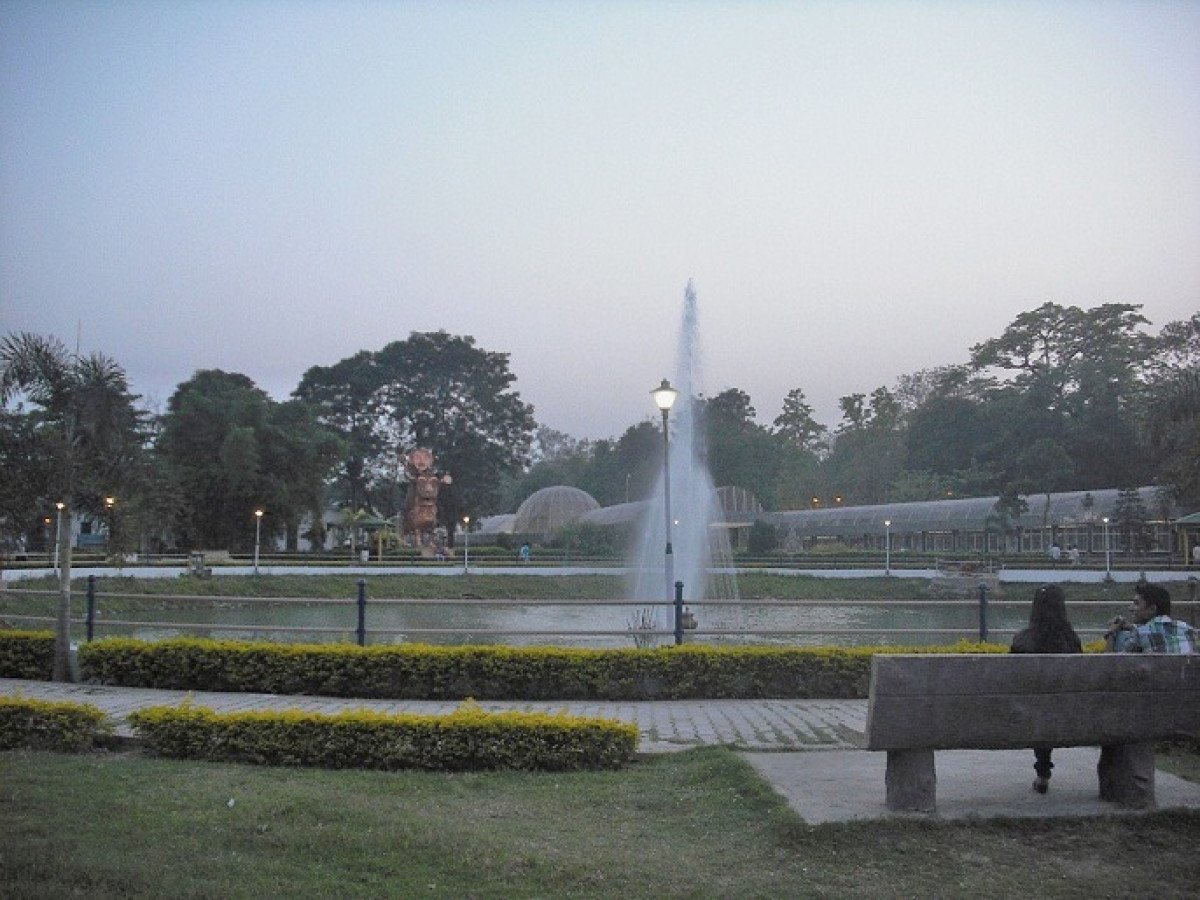
Buddha Smriti Park:: The modern Karuna Stupa and the lush gardens offer excellent opportunities for architectural shots.Photo Gallery
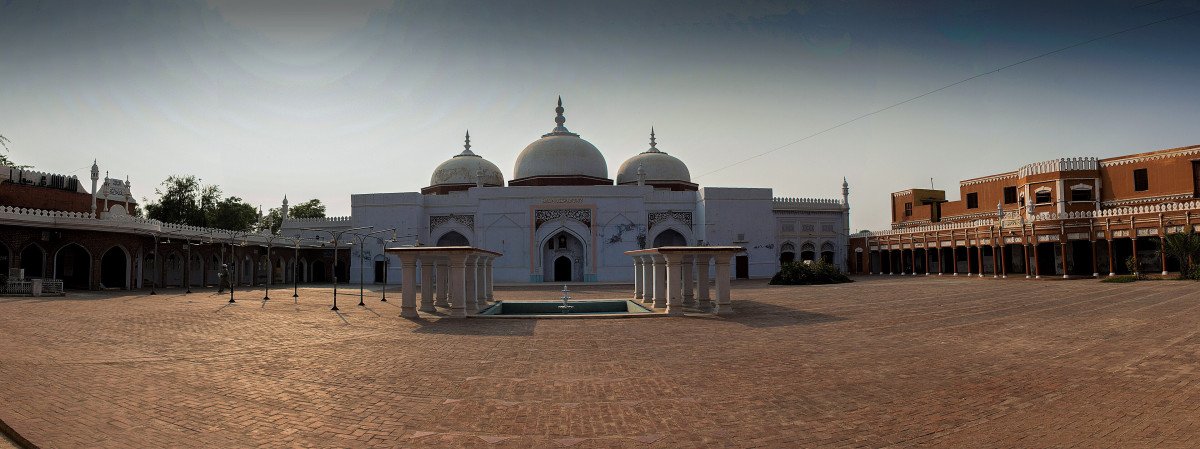
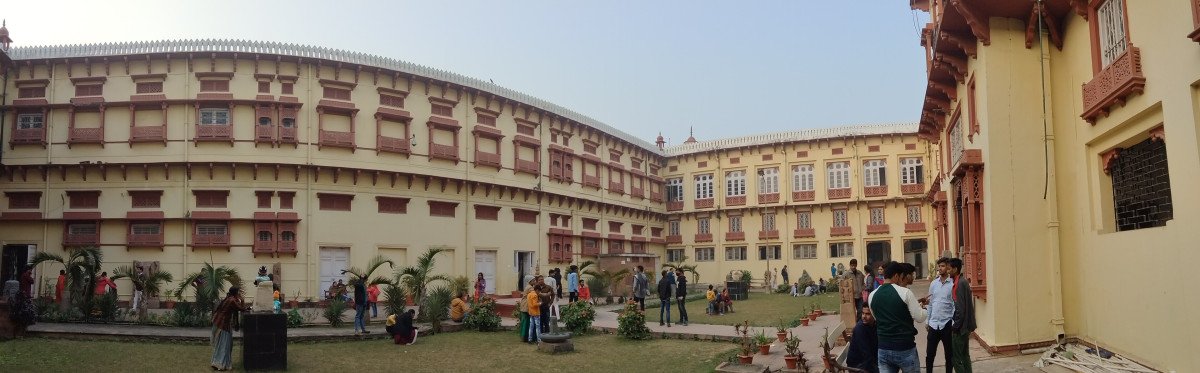
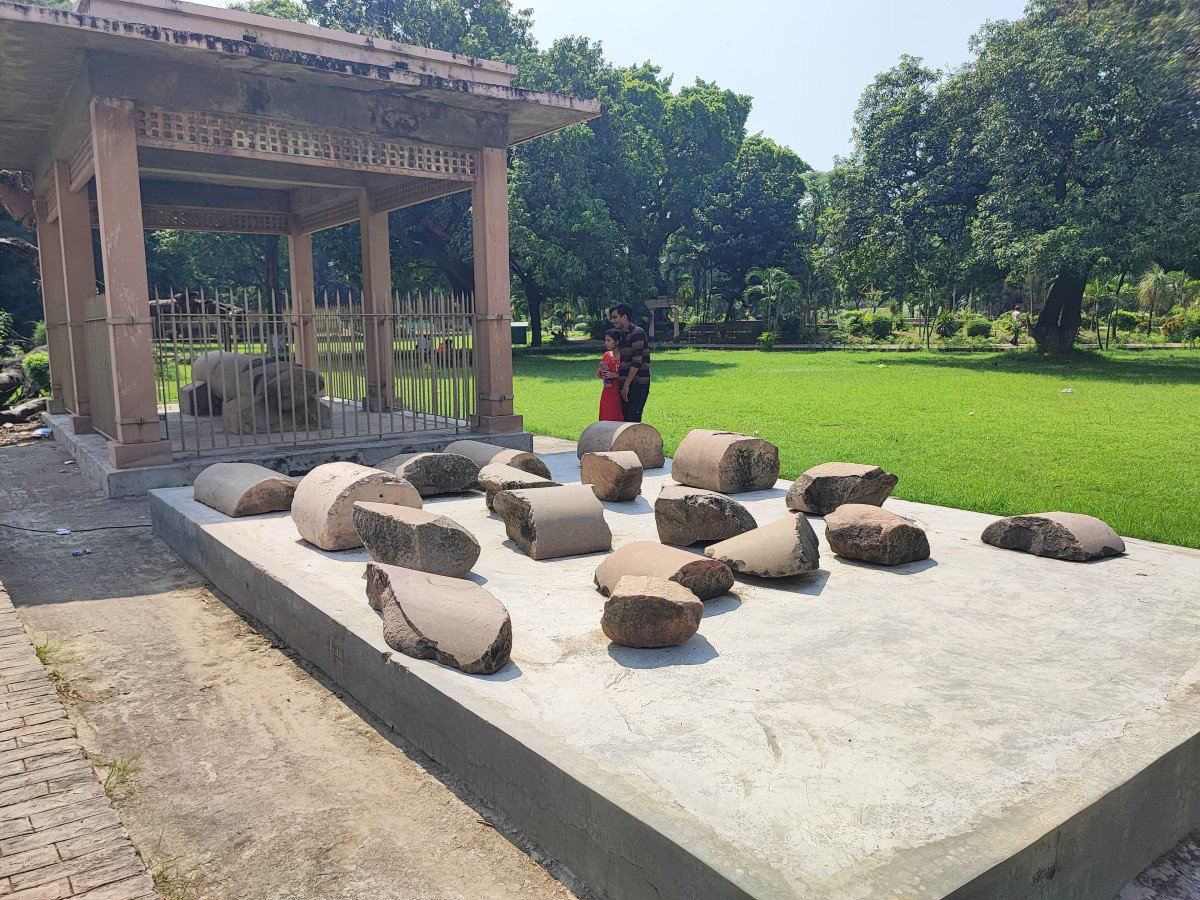
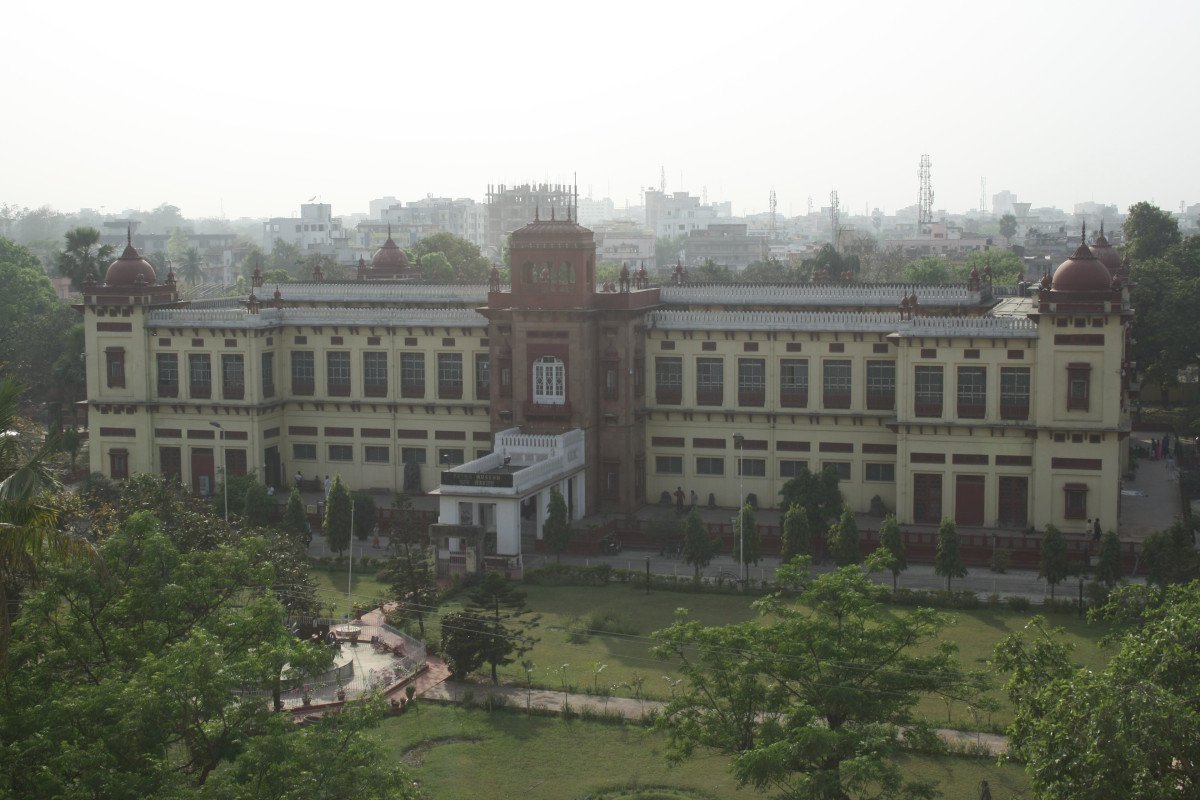

Things To Do
 Rohtasgarh Fort is one of the largest and most legendary forts in India, perched atop a plateau in the Kaimur hills. It is named after Rohitashva, the son of the mythical King Harishchandra. Historically, it gained prominence during the reign of Sher Shah Suri, who captured it by trickery and used it as a strategic base. The fort is spread over a massive area of nearly 26 miles in circumference and sits at an altitude of 1,500 feet. It contains a complex of palaces, temples, and mosques, showcasing a blend of Hindu and Islamic architectural styles. Due to its difficult uphill access, it remained a safe haven for various rulers throughout history, including the Mughals and the British. The trek to the fort involves climbing thousands of steps, offering a thrilling experience for adventure seekers. The panoramic views of the Sone River valley from the fort walls are breathtaking, making the difficult journey well worth the effort for any traveler. :
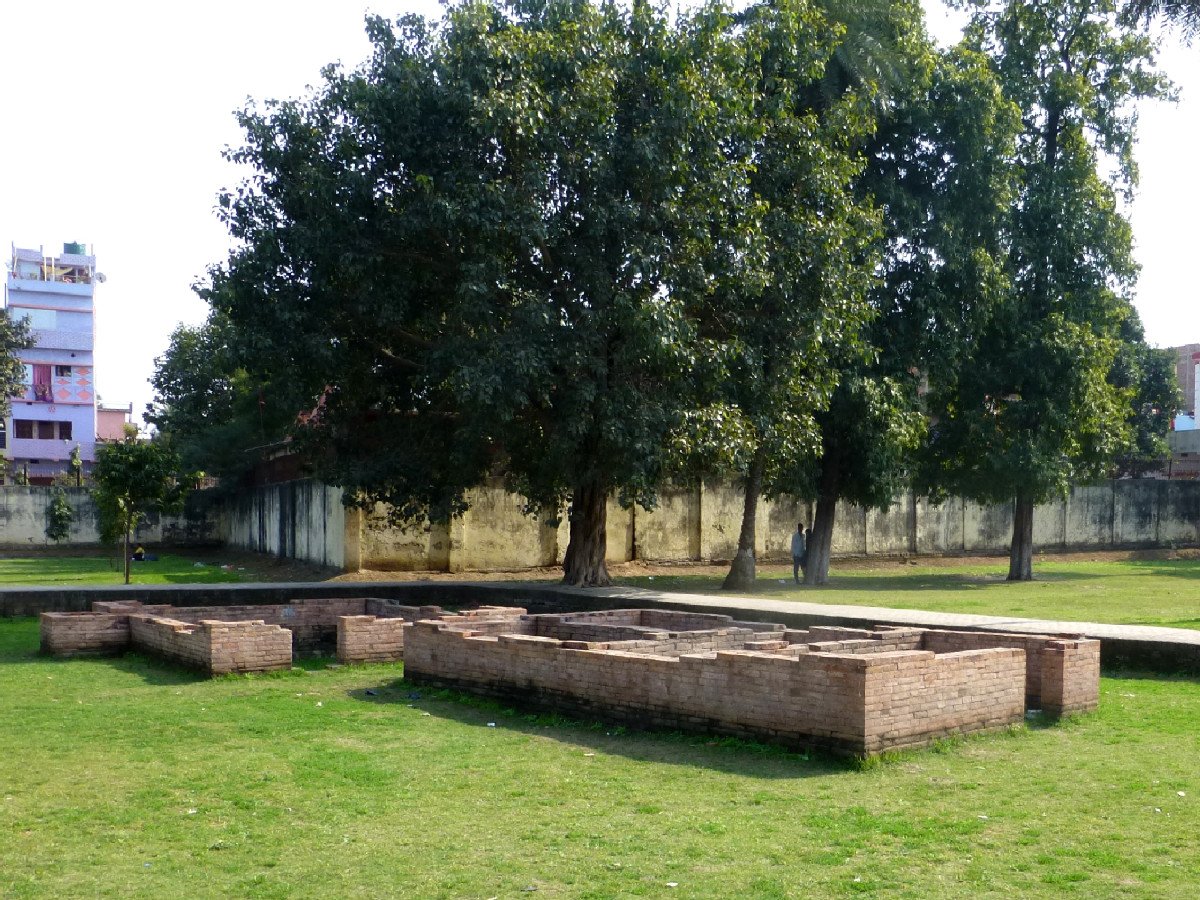
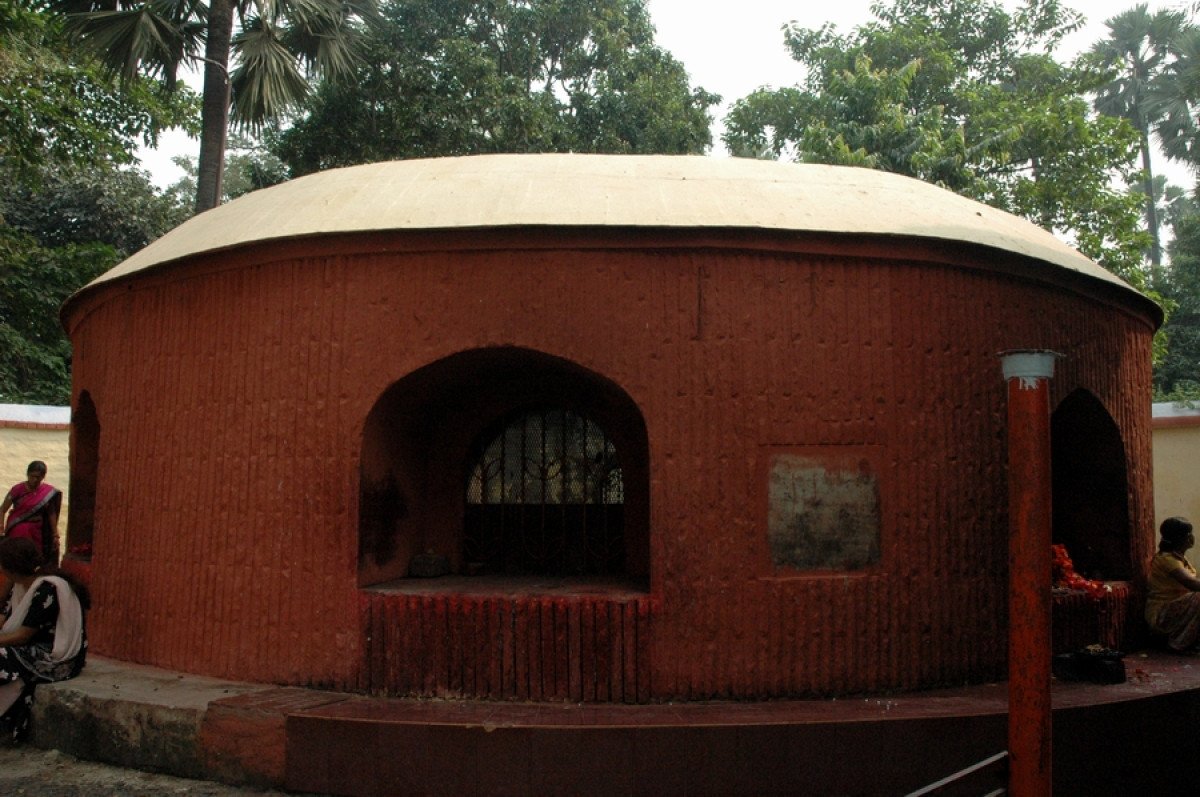
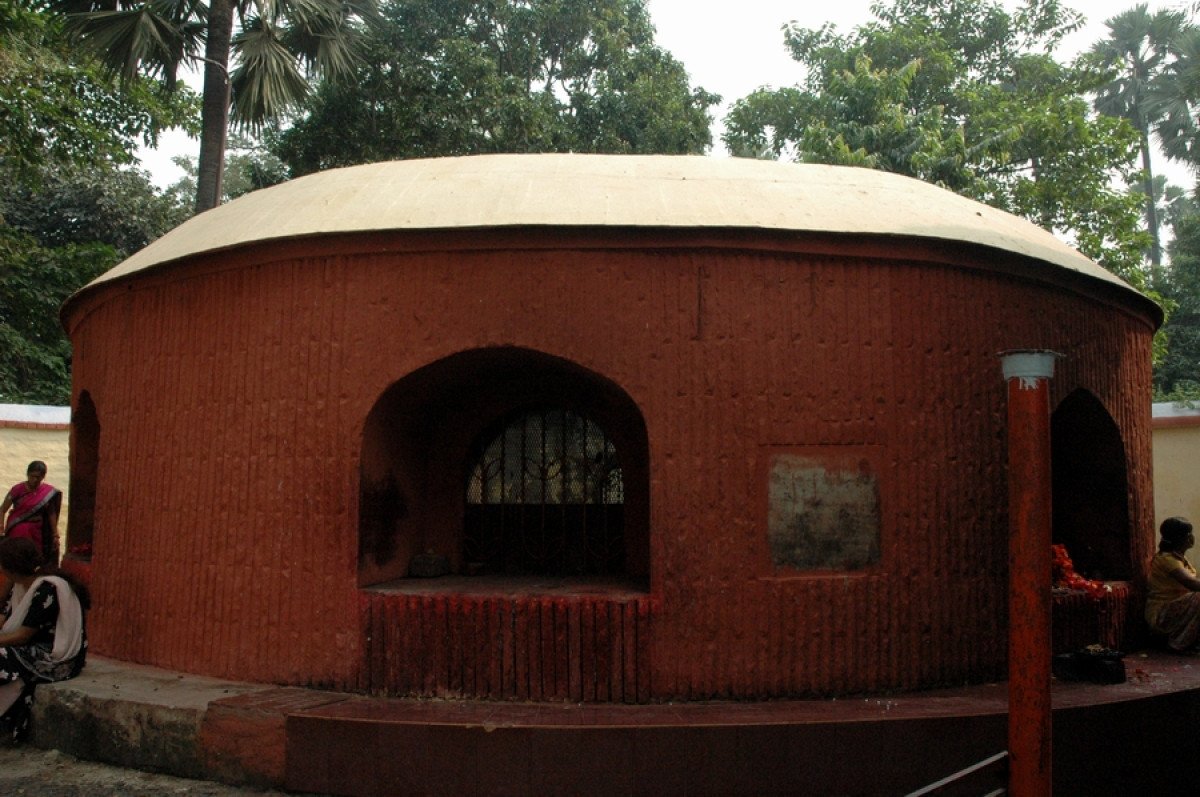
 @@Historical Context and Mauryan Era Legend: Agam Kuan, literally meaning the Unfathomable Well, is an ancient and profound archaeological site in Patna, Bihar, believed to date back to the Mauryan period, specifically the reign of Emperor Ashoka (304–232 BCE). It is intricately linked with the early, darker phase of Ashoka’s life, before he fully embraced Buddhism. Folklore and accounts from Chinese travelers like Fa Hien (5th Century A.D.) and Xuanzang (7th Century A.D.) suggest that the well was part of the infamous Ashoka’s Hell or Ashoka’s Chambers of Torture, an elaborate palace-like prison used for the brutal punishment of offenders and rivals. This historical narrative is one of the primary reasons for its enduring mystique and appeal to historians and tourists alike. The well is one of the few surviving relics from the ancient city of Pataliputra. The well's depth is stated to be around 105 feet, and it is circular in shape, reflecting the advanced engineering of the Mauryan era. The adjacent Shitala Devi Mandir complex adds a layer of modern religious significance, where devotees seek blessings for wish fulfillment and for curing ailments like smallpox and chickenpox. The site, under the protection of the Archaeological Survey of India (ASI), represents a powerful juxtaposition of ancient political ruthlessness and contemporary spiritual reverence, offering a unique window into India's rich and multilayered past. Its stories of imperial power, fratricide, and eventual repentance make it a vital landmark in understanding the trajectory of one of India's greatest dynasties and the rise of Buddhism. (400 words) :
 Prakash Punj (Bahu Uddeshiya Prakash Kendra and Udyan) is a newly constructed, significant complex near Takht Sri Patna Sahib in the Patna Sahib area; It was conceptualized to commemorate the 350th Prakash Parv (Birth Anniversary) of Guru Gobind Singh Ji, the tenth Sikh Guru; The vast 10-acre complex is more than just a park, featuring a themed garden, four commemorative gates, an auditorium, and two exhibition halls; The museum within the complex is designed to narrate the life, teachings, and works of Guru Gobind Singh Ji and all ten Sikh Gurus through modern audio-visual mediums, paintings, and graphic illustrations; The exhibition also displays replicas of weapons, costumes, and literature related to the Guru; It serves as a major spiritual and cultural center, attracting devotees and tourists from all over the world; The design incorporates symbols important in Sikhism, such as the names of the Guru's four sons (Sahibzadas) for the gates and the names of the five Takhts for the circular walls.
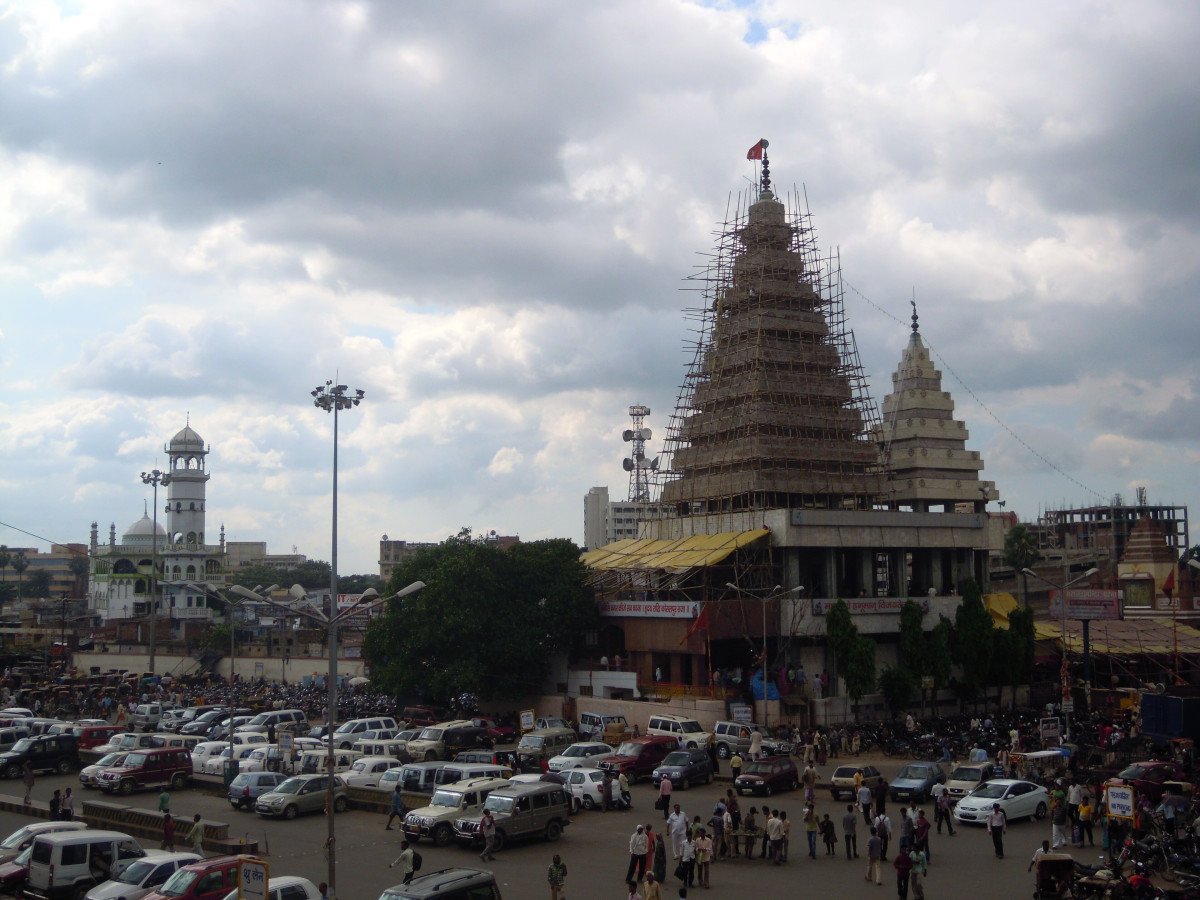
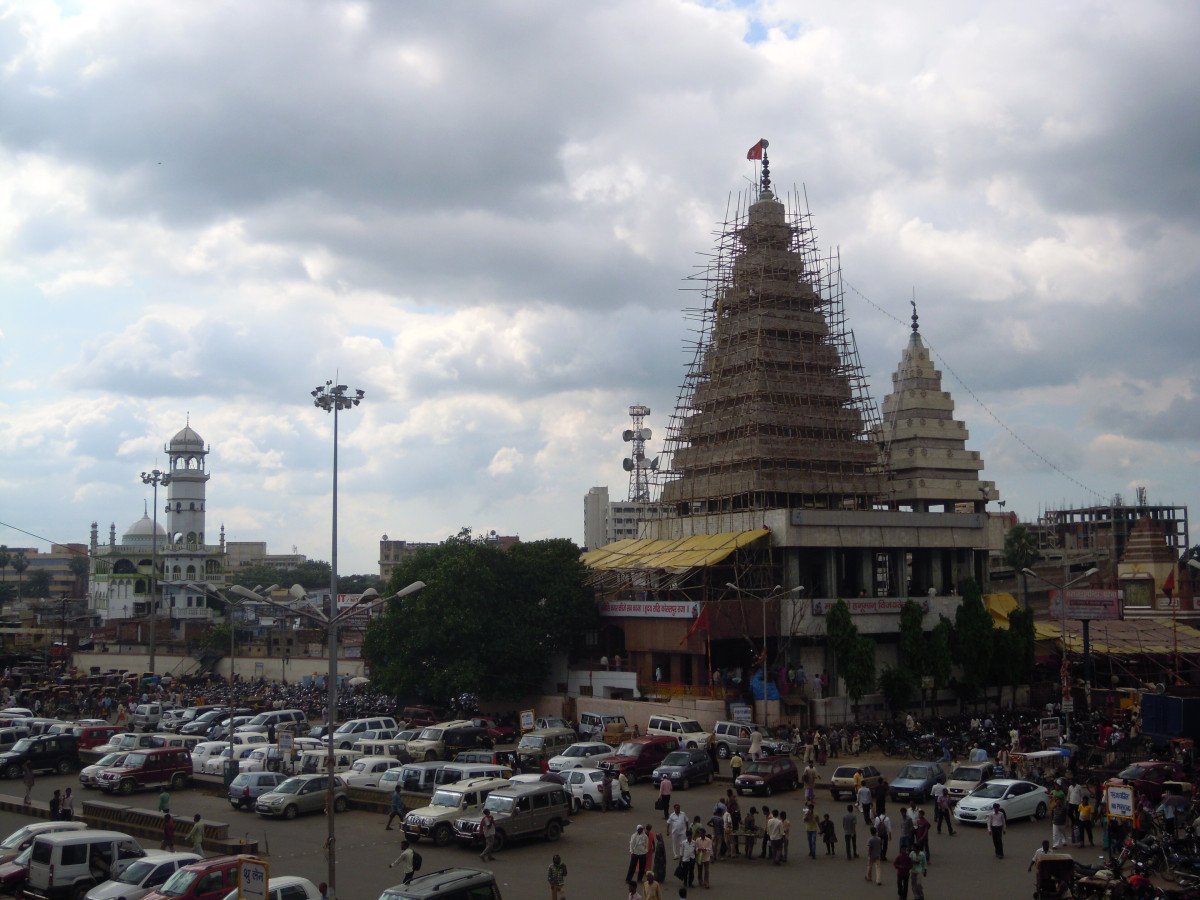
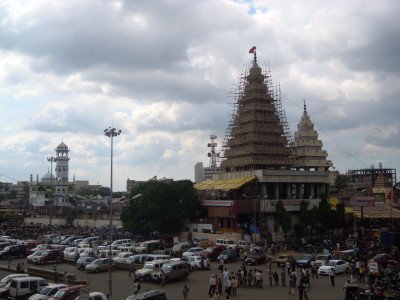 Mahavir Mandir is one of the holiest and most popular Hindu temples in Patna, dedicated to Lord Hanuman, the 'Monkey God.' It is the second-largest religious shrine in North India, trailing only the Vaishno Devi Temple in terms of daily footfall and offerings. The temple's history dates back to the 1730s when it was established by Swami Balanand of the Ramanandi sect, but its current multi-story structure and prominence largely developed after the 1940s under the guidance of Acharya Kishore Kunal. The temple is renowned for its unique feature of having two idols of Lord Hanuman facing different directions—one idol is believed to protect the city from evil, and the other fulfills the wishes of devotees, earning it the name 'Manokamna Temple' (Temple of Wishes). It is a major center for pilgrimage tourism, attracting millions of devotees annually, especially on Tuesdays and Saturdays, which are considered auspicious days for Lord Hanuman. The temple trust is actively involved in philanthropic activities, funding a large cancer hospital and other social services, using the substantial daily donations received from the devout.
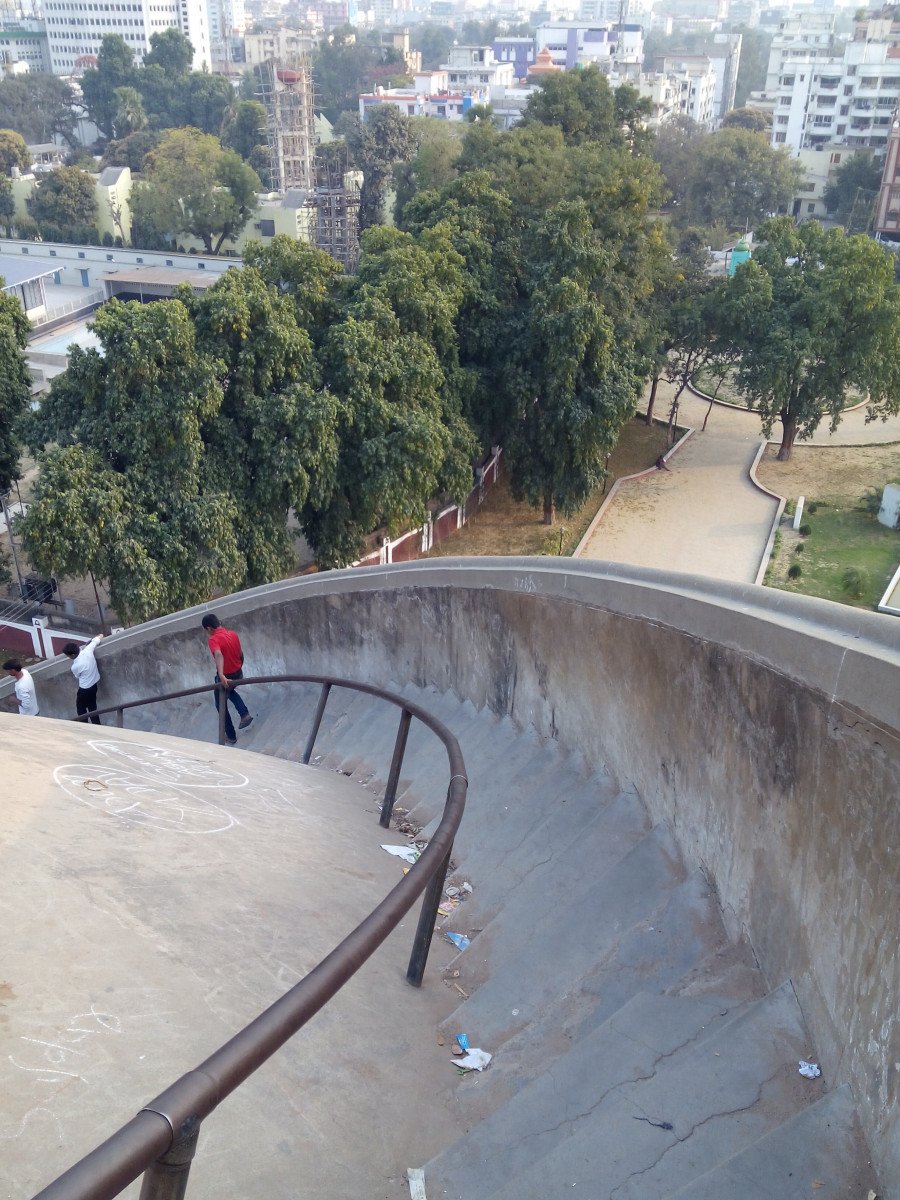
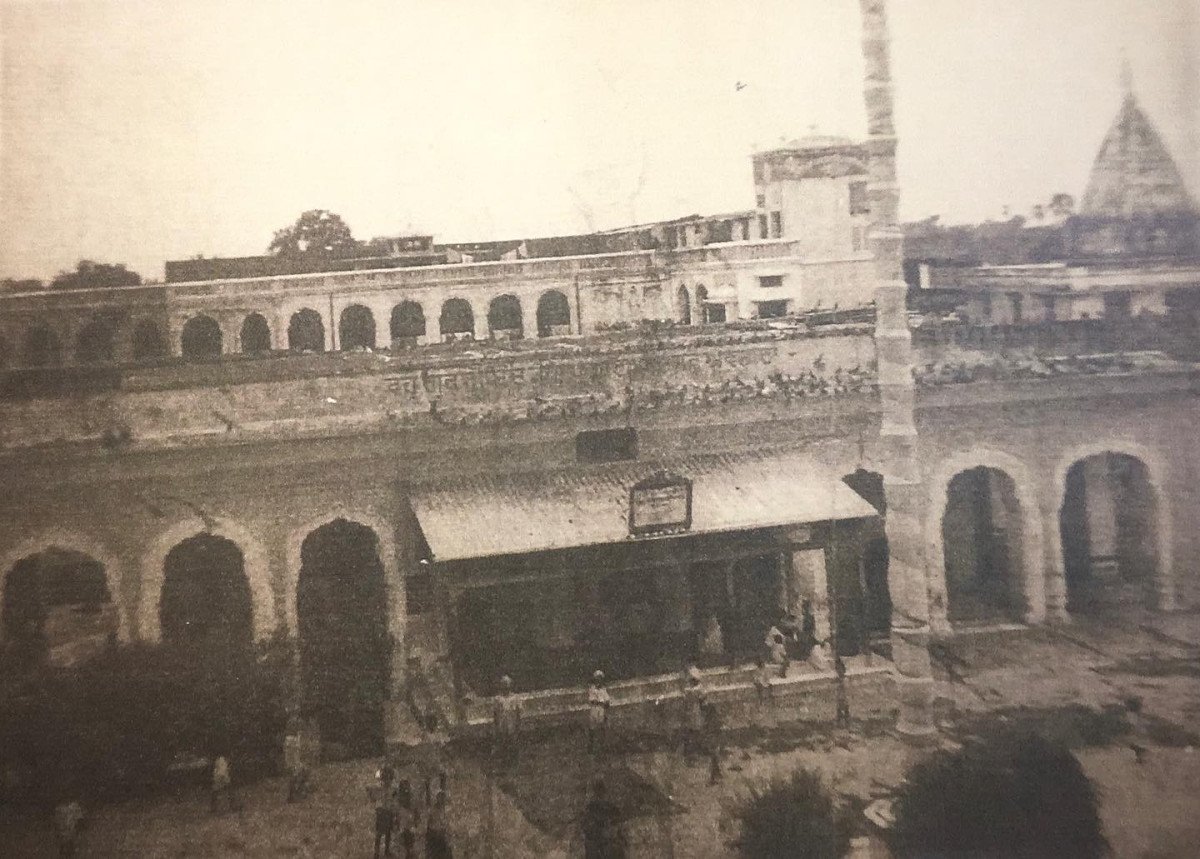
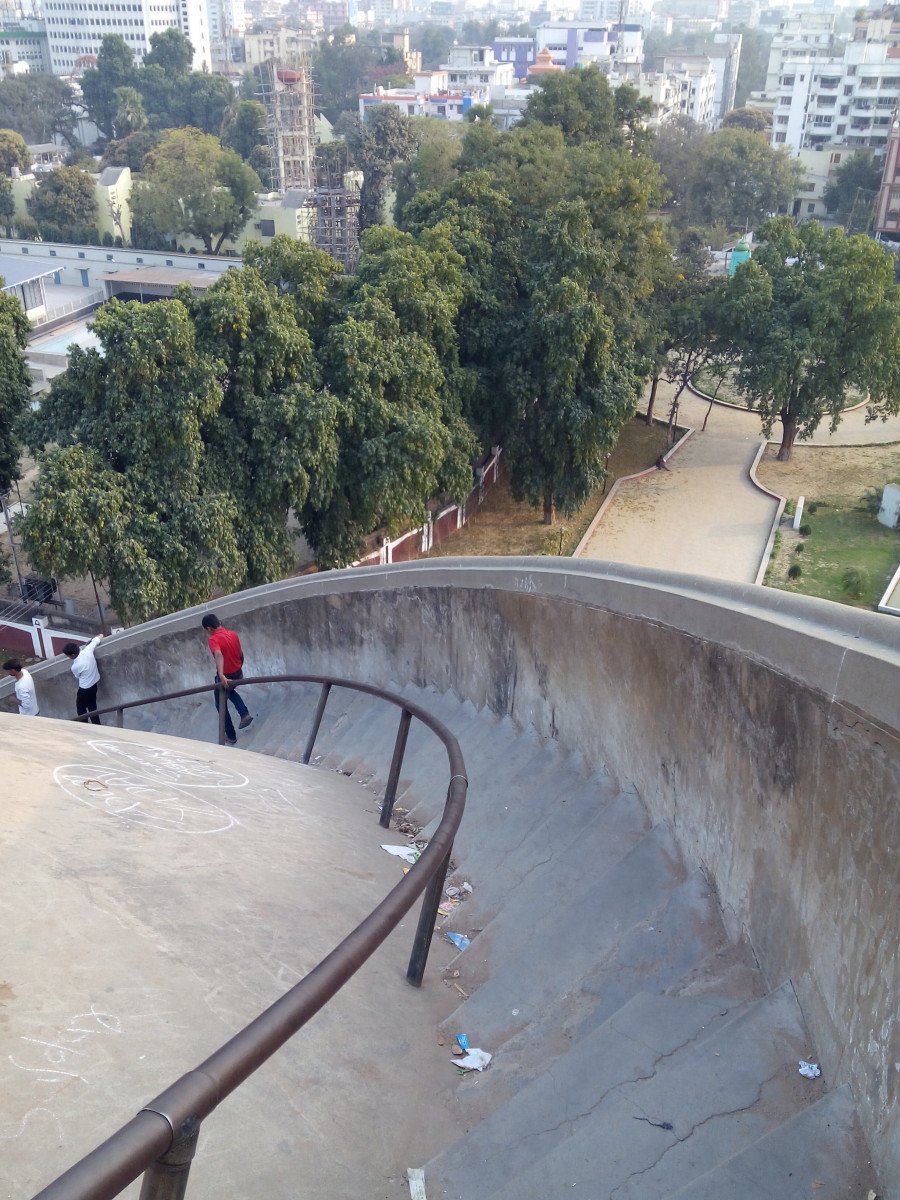
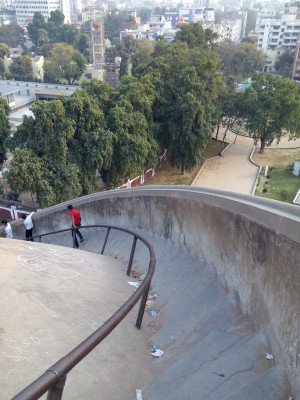 @@A Monument to Famine Prevention: Golghar is a unique, massive, beehive-shaped granary constructed in 1786 by Captain John Garstin of the Bengal Engineers. It was commissioned by Warren Hastings, the Governor-General of India, following the devastating Great Bengal Famine of 1770, which resulted in a massive loss of life in the region, including Bihar. The structure was intended to be the first of a series of state granaries to store grain reserves for the British army and local populace against future famines. @@A Flawed Design: The structure was designed to be filled from a hole at the top, accessed by a winding spiral staircase, and emptied through doors at the base. However, a famous design flaw prevents it from being filled to its full capacity of 140,000 tonnes. It is claimed that the doors were mistakenly designed to open inwards, meaning the structure could not be completely full or else the doors could not be opened. Historical records indicate it was never filled to maximum capacity, suggesting the granary remained largely symbolic. @@The Panoramic View: Despite its flawed function as a granary, Golghar is immensely popular for the incredible panoramic 360-degree view it offers from its top. After climbing the 145 steps of its unique, winding spiral staircase, visitors are rewarded with a breathtaking, sweeping view of the entire city of Patna and the vast, flowing Ganga river, especially beautiful during sunset. @@Architectural Marvel: The structure is a significant piece of British-era colonial architecture, known for its massive, pillar-less dome. Its solid construction and imposing height made it a major engineering feat of its time, standing as a historical testament to the architectural ambition of the British administration in India.
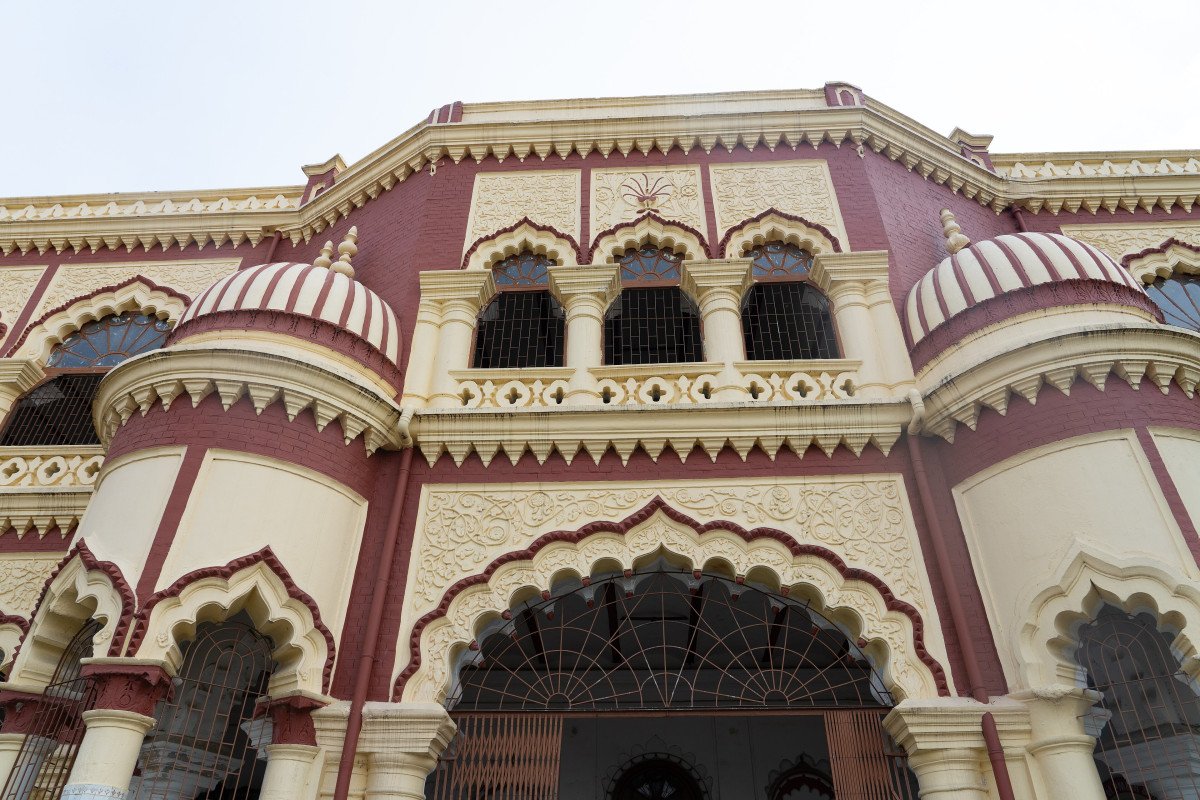
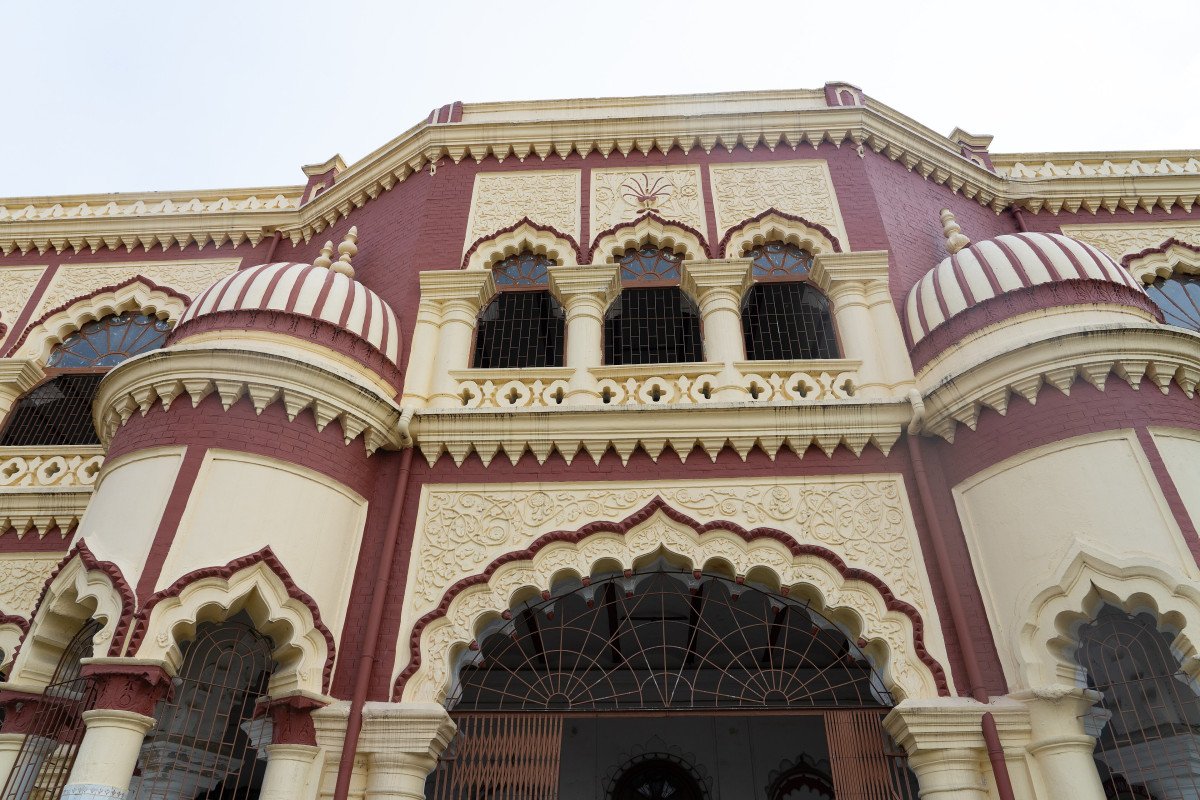
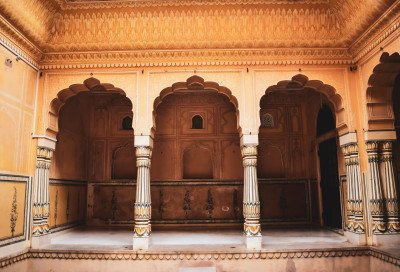
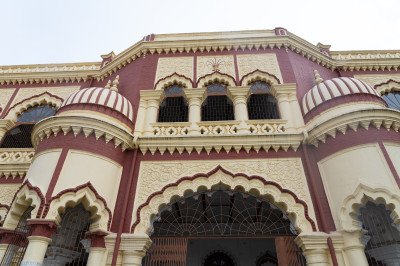 @@Historical Royal Residence: Darbhanga House, also known as the Nav Lakha building due to its original construction cost, is a magnificent palatial structure situated directly on the banks of the Ganges River in Patna. It was built in 1901 by Maharaja Sir Kameshwar Singh of Darbhanga, one of the largest landholders of the region, as his personal city residence. The palace served as a grand symbol of the wealth and cultural patronage of the Darbhanga Raj during the British era. The building is a unique blend of traditional Mithila architecture, reflecting the cultural heritage of the Darbhanga region, and contemporary colonial-era construction styles. @@The Kali Mandir and Spiritual Center: An integral part of the premises is the historic Kali Mandir, which is over 150 years old and is a revered place of worship for Goddess Durga/Kali. This temple is highly significant locally and has led to the ghat being alternatively known as Kalighat. The presence of this active, ancient temple within the grand palace grounds adds a spiritual dimension to the architectural landmark, drawing devotees as much as history buffs. @@Current Function and Preservation Challenge: Today, the grand structure houses several departments of Patna University, including History, Hindi, and Sanskrit. While its new function maintains its connection to education and culture, the building faces significant challenges related to maintenance and preservation due to its age and constant use. Despite its depleted condition, its architecture still conveys the glorious past and regal splendor of the Darbhanga Raj. The sprawling grounds and riverfront location offer a unique vantage point over the Ganges, making it a cherished spot for local students, devotees, and tourists.
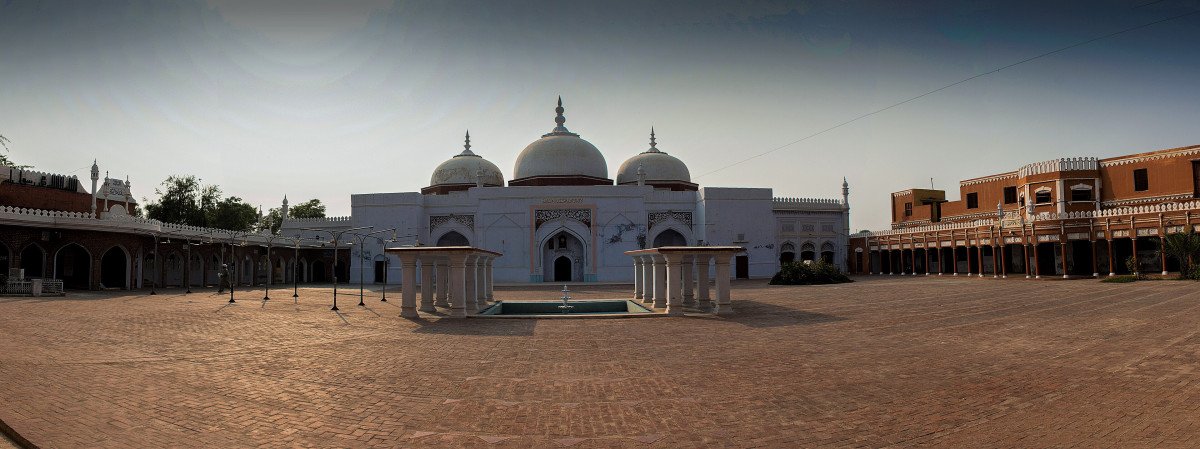
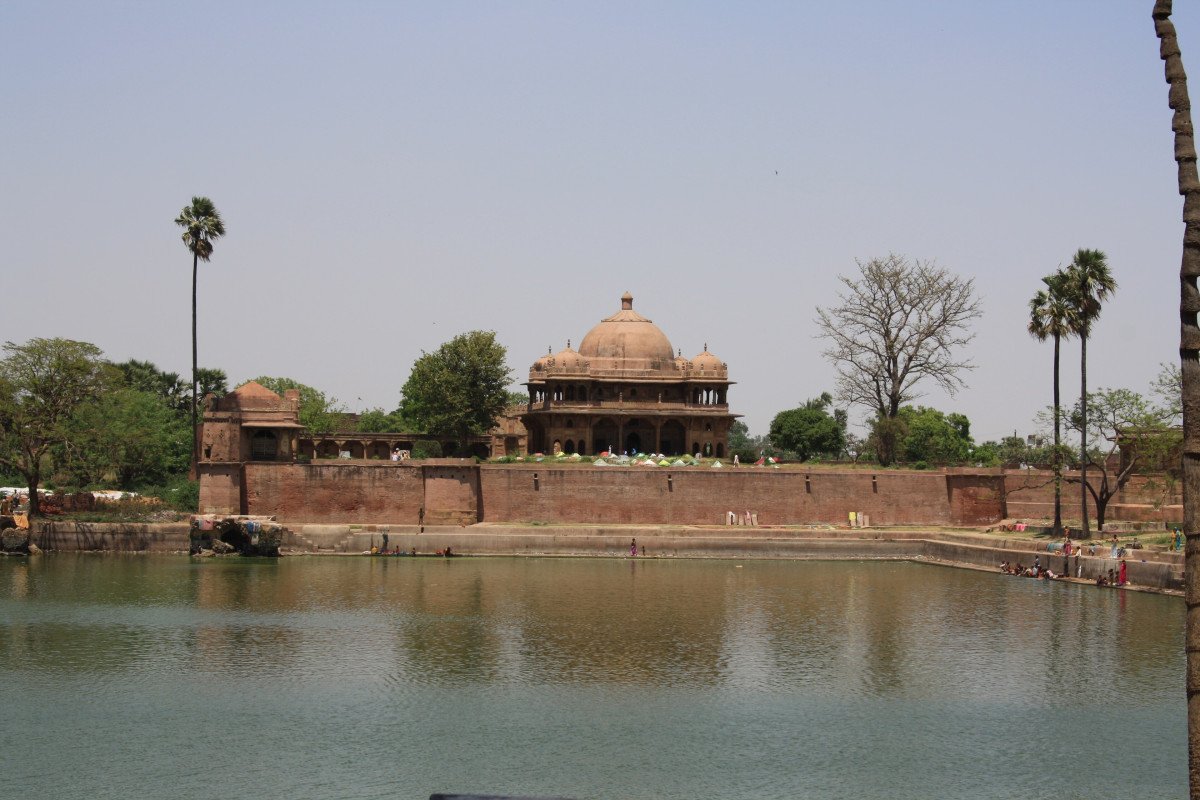
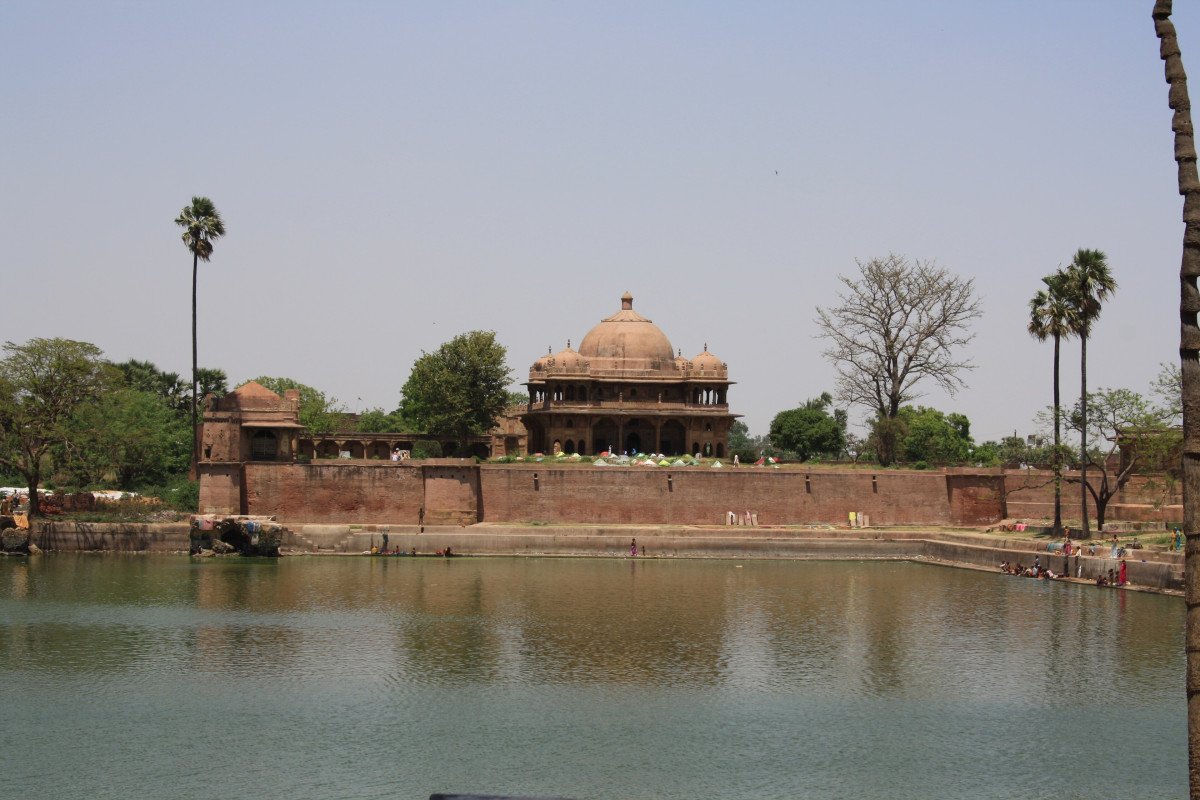
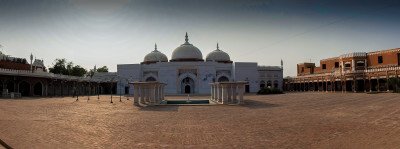 The Sher Shah Suri Masjid, also known as the Shershahi Mosque, is a fine example of Afghan architectural style in India; It was commissioned by the Afghan Emperor Sher Shah Suri between 1540 and 1545 CE to commemorate his reign and his victory over the Mughal Emperor Humayun; Located in the southwest corner of Purab Darwaza in the old city area of Patna (Patna City), the mosque remains an active place of worship for the local Muslim community; Its most striking architectural feature is the arrangement of its domes: a prominent central dome surrounded by four smaller domes, designed so that only three of the five domes are visible from any angle, a remarkable feat of structural design; The complex also includes a tomb covered by an octagonal stone slab; The mosque’s robust construction, intricate stone carvings, and symmetric design make it a crucial historical and architectural landmark, representing a pivotal era in the history of North India.Show All
The Moin-Ul-Haq Stadium is a multi-purpose sports venue in Patna, primarily famous as a cricket ground. Established in 1969-70, it was originally known as the Rajendra Prasad Stadium before being renamed in 1970 after Syed Muhammad Moin-ul-Haq, a prominent Indian sports administrator and former principal of Patna College. The stadium has a seating capacity of around 25,000 spectators. Its significant history includes hosting three One Day International (ODI) cricket matches, notably one during the 1996 Cricket World Cup between Zimbabwe and Kenya. It also hosted a Women's Test match between India and the West Indies in 1976. Although it faced a period of neglect after the formation of Jharkhand, there are ongoing plans for its major renovation and expansion, with a budget approved by the BCCI, to increase its capacity to over 40,000 and include modern facilities like a cricket academy and corporate boxes, aiming to revive its status as an international-standard venue.
The Sher Shah Suri Masjid, also known as the Shershahi Mosque, is a fine example of Afghan architectural style in India; It was commissioned by the Afghan Emperor Sher Shah Suri between 1540 and 1545 CE to commemorate his reign and his victory over the Mughal Emperor Humayun; Located in the southwest corner of Purab Darwaza in the old city area of Patna (Patna City), the mosque remains an active place of worship for the local Muslim community; Its most striking architectural feature is the arrangement of its domes: a prominent central dome surrounded by four smaller domes, designed so that only three of the five domes are visible from any angle, a remarkable feat of structural design; The complex also includes a tomb covered by an octagonal stone slab; The mosque’s robust construction, intricate stone carvings, and symmetric design make it a crucial historical and architectural landmark, representing a pivotal era in the history of North India.Show All
The Moin-Ul-Haq Stadium is a multi-purpose sports venue in Patna, primarily famous as a cricket ground. Established in 1969-70, it was originally known as the Rajendra Prasad Stadium before being renamed in 1970 after Syed Muhammad Moin-ul-Haq, a prominent Indian sports administrator and former principal of Patna College. The stadium has a seating capacity of around 25,000 spectators. Its significant history includes hosting three One Day International (ODI) cricket matches, notably one during the 1996 Cricket World Cup between Zimbabwe and Kenya. It also hosted a Women's Test match between India and the West Indies in 1976. Although it faced a period of neglect after the formation of Jharkhand, there are ongoing plans for its major renovation and expansion, with a budget approved by the BCCI, to increase its capacity to over 40,000 and include modern facilities like a cricket academy and corporate boxes, aiming to revive its status as an international-standard venue.Information
-
Why Famous:
Ancient Capital:: It is legendary for being the seat of power for the Mauryan Empire.
Sikh Pilgrimage:: Takht Sri Patna Sahib is one of the five holiest seats (Panj Takht) in Sikhism.
River Ganges:: The city...Ancient Capital:: It is legendary for being the seat of power for the Mauryan Empire.
Sikh Pilgrimage:: Takht Sri Patna Sahib is one of the five holiest seats (Panj Takht) in Sikhism.
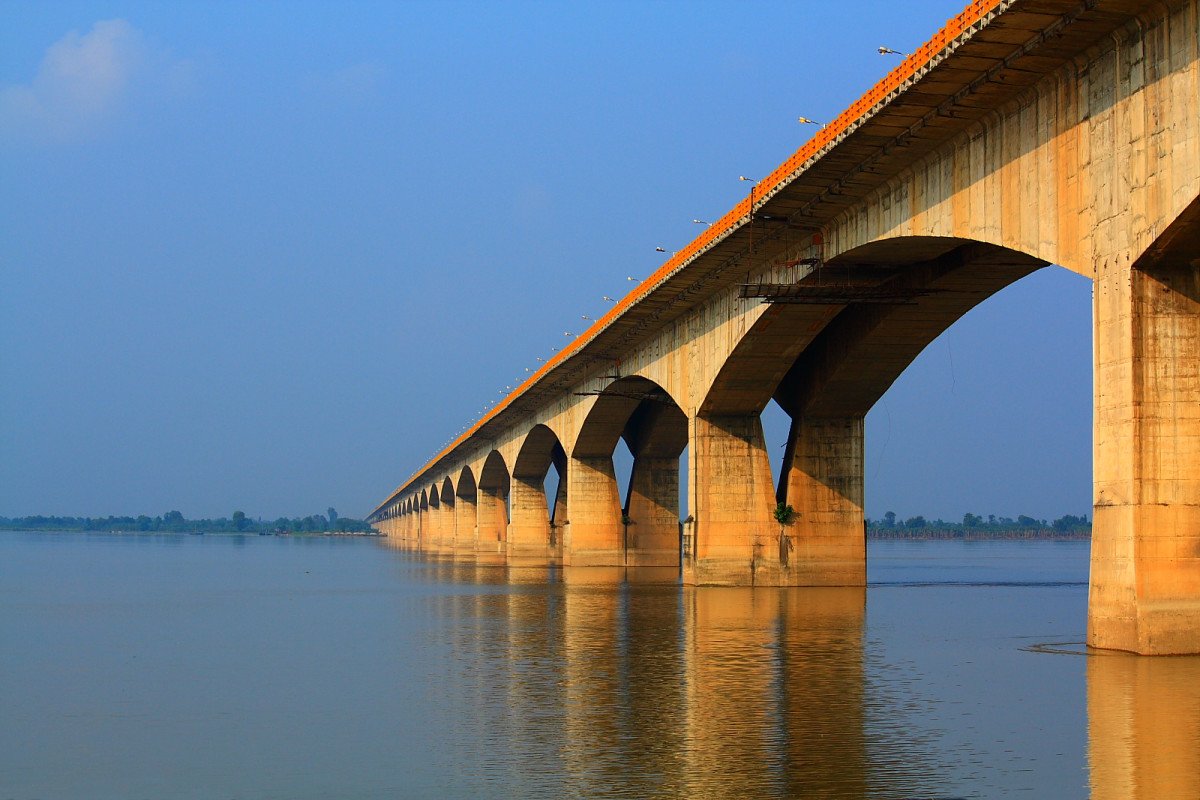
River Ganges:: The city is intrinsically linked to the holy river, featuring numerous historic ghats.
Educational Hub:: Home to prestigious institutions like Patna University and several state-of-the-art museums. -
Architecture:
Colonial and Indo-Saracenic:: Patna boasts a diverse architectural landscape ranging from ancient ruins to British-era monuments.
Golghar Structure:: Built in 1786, the Golghar is a massive beehive-shaped granary designed by Captain John Gar...Colonial and Indo-Saracenic:: Patna boasts a diverse architectural landscape ranging from ancient ruins to British-era monuments.
Golghar Structure:: Built in 1786, the Golghar is a massive beehive-shaped granary designed by Captain John Garstin. It stands 29 meters tall with a base thickness of 3. 6 meters. It is pillarless and features two spiral staircases with 145 steps leading to the top.
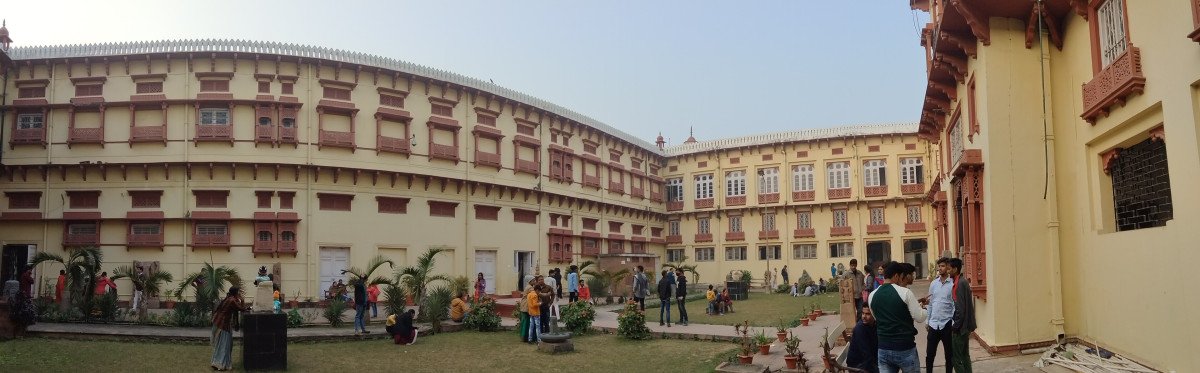
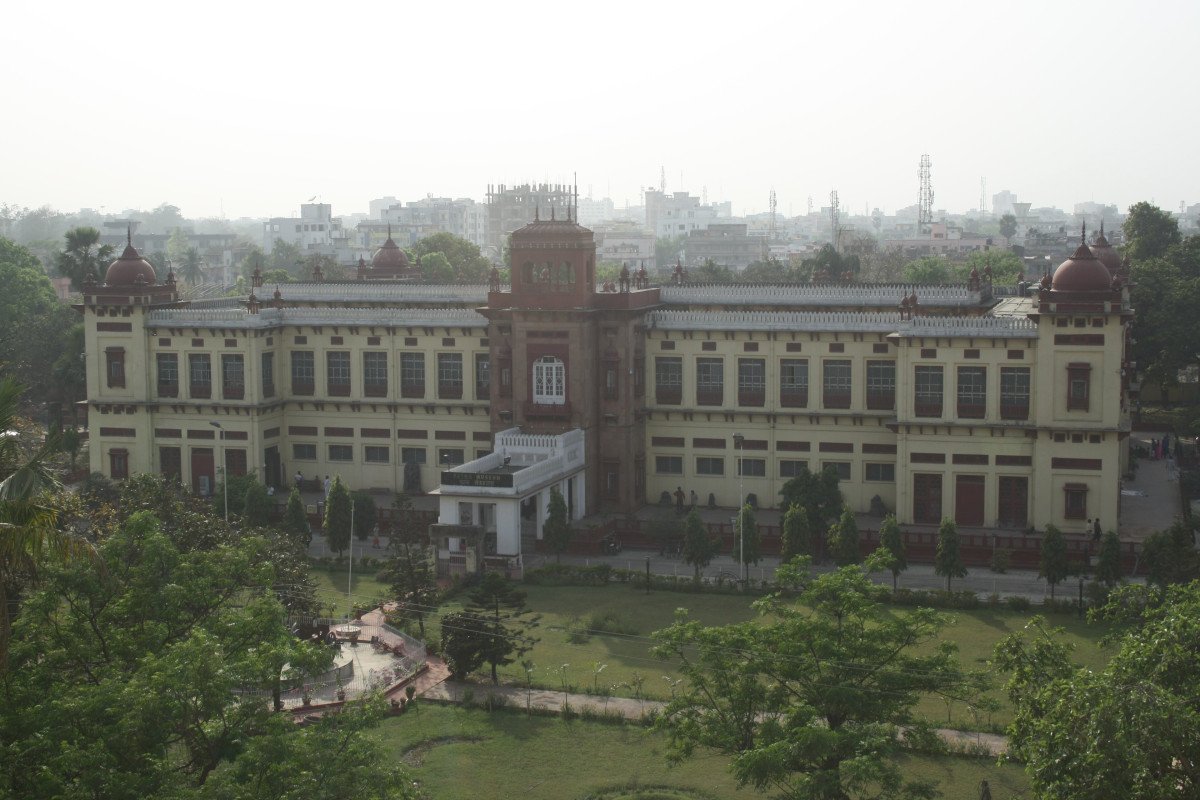
Museum Grandeur:: The Patna Museum is built in the Indo-Saracenic style, featuring grand domes and wide balconies. The newer Bihar Museum is a marvel of modern world-class architecture, designed by Maki and Associates. -
How To Reach:
By Air:: Jay Prakash Narayan International Airport connects Patna to all major Indian cities like Delhi and Mumbai.
By Train:: Patna Junction is a major railhead in the East Central Railway zone with direct trains from across India.
...By Air:: Jay Prakash Narayan International Airport connects Patna to all major Indian cities like Delhi and Mumbai.
By Train:: Patna Junction is a major railhead in the East Central Railway zone with direct trains from across India.
By Road:: Connected via NH-19 and NH-31; luxury bus services are available from Ranchi, Kolkata, and Varanasi.
Local Transport:: The city relies heavily on auto-rickshaws, app-based cabs (Ola/Uber), and the newly introduced electric buses. -
Weather and Best Time to Visit:
Winter Season:: November to February is pleasant with temperatures ranging from 10°C to 25°C, ideal for sightseeing.
Summer Season:: March to June is hot and dry; outdoor activities are best limited to early mornings or late evenings.Winter Season:: November to February is pleasant with temperatures ranging from 10°C to 25°C, ideal for sightseeing.
Summer Season:: March to June is hot and dry; outdoor activities are best limited to early mornings or late evenings.
Monsoon Season:: July to September sees heavy rainfall which can cause waterlogging in some parts of the city. -
Near Tourist Places:
Sonepur (25 KMS), Vaishali (55 KMS), Nalanda (90 KMS), Rajgir (105 KMS), Maner Sharif (30 KMS), Pawapuri (95 KMS), Barabar Caves (80 KMS), Bodh Gaya (115 KMS), Munger (170 KMS), Sasaram (150 KMS).
Tourism Tips
-
Health and Safety:: Avoid drinking tap water; always prefer bottled mineral water. Be cautious in crowded market areas.
Packing Essentials:: Light cotton clothes for summers; a heavy jacket is required if visiting in peak January winter. ...Health and Safety:: Avoid drinking tap water; always prefer bottled mineral water. Be cautious in crowded market areas.
Packing Essentials:: Light cotton clothes for summers; a heavy jacket is required if visiting in peak January winter.
Accommodation:: Patna offers everything from luxury hotels like Maurya and Lemon Tree to budget lodges near the station.
Traffic Tip:: Allow extra time for travel within the city as traffic congestion near Patna Junction can be unpredictable.
Reviews
FAQs
Patna Itineray And Cost:-
Other Places In Bihar :-
Other States In India :-
Information about New and Updated Locations() of Bihar Has Been Added :-
Card subtitle
Note:-
Information provided here in good Faith and for reference only.
Near Places
Araria
Some quick example text to build on the card title and make up the bulk of the card's content.
Go somewhere
Arwal
Some quick example text to build on the card title and make up the bulk of the card's content.
Go somewhere
Banka
Some quick example text to build on the card title and make up the bulk of the card's content.
Go somewhere
Begusarai
Some quick example text to build on the card title and make up the bulk of the card's content.
Go somewhere
Bhagalpur
Some quick example text to build on the card title and make up the bulk of the card's content.
Go somewhere
Bhojpur
Some quick example text to build on the card title and make up the bulk of the card's content.
Go somewhere
Bihar Sharif
Some quick example text to build on the card title and make up the bulk of the card's content.
Go somewhere
Bodh Gaya
Some quick example text to build on the card title and make up the bulk of the card's content.
Go somewhere
Buxar
Some quick example text to build on the card title and make up the bulk of the card's content.
Go somewhere
Champaran
Some quick example text to build on the card title and make up the bulk of the card's content.
Go somewhere
Darbhanga
Some quick example text to build on the card title and make up the bulk of the card's content.
Go somewhere
Gaya
Some quick example text to build on the card title and make up the bulk of the card's content.
Go somewhere
Golghar
Some quick example text to build on the card title and make up the bulk of the card's content.
Go somewhere
Madhubani
Some quick example text to build on the card title and make up the bulk of the card's content.
Go somewhere
Mithila
Some quick example text to build on the card title and make up the bulk of the card's content.
Go somewhere
Munger
Some quick example text to build on the card title and make up the bulk of the card's content.
Go somewherein Other Cities