
...

Place To Visit And Things To Do In Sambalpur

Odisha, India
Sambalpur City Overview: Sambalpur is a historic city located on the banks of the Mahanadi River and serves as a major gateway to western Odisha. It is globally recognized for its unique handloom industry, specifically the Sambalpuri Saree, which features intricate Ikkat patterns. The city blends an cient traditions with modern industrial growth, making it a hub for education and commerce. Visitors are often captivated by the natural beauty of the surrounding hills and the massive Hirakud Dam. Religious Significance: The city is named after the presiding deity, Goddess Samaleswari, whose temple attracts thousands of devotees daily. This spiritual connection defines the local lifestyle and festivals, creating a deeply rooted cultural identity. Historical Background: Historically, it was a diamond trading center mentioned by Ptolemy as 'Sambalak', showcasing its ancient global importance. It played a vital role in the Indian independence movement under leaders like Veer Surendra Sai. Economic Importance: Today, it is a center for aluminum, coal, and power industries while maintaining its heritage of tribal arts and folk music.

Things To Do

Card image cap
Badrama Wildlife Sanctuary

Badrama Wildlife Sanctuary, also known as Ushakothi, is a premier wildlife destination established in 1962 over a vast area of 304 square kilometers....

Badrama Wildlife Sanctuary, also known as Ushakothi, is a premier wildlife destination established in 1962 over a vast area of 304 square kilometers. Located on the Mumbai-Kolkata Highway, it serves as a critical corridor for majestic animals like the Royal Bengal Tiger and the Indian Elephant. The sanctuary is characterized by dense dry deciduous forests featuring trees like Sal, Sandalwood, Arjun, and Neem. It is home to diverse fauna including Leopards, Sambars, Bisons, and the rare Flying Squirrel. The forest provides a serene environment for nature lovers, offering a raw glimpse into the wilderness of Western Odisha. Visitors can explore the sanctuary through guided jeep safaris that navigate through the rugged terrain and thick canopies. The area is also rich in birdlife, making it a paradise for birdwatchers seeking the Racket-tail Drongo. Its proximity to the Hirakud Dam adds to the ecological importance of this protected zone. The sanctuary remains a vital part of the region's conservation efforts and is a must-visit for adventure seekers. :
Card image cap
Bhima Mandap

Bhima Mandap, also known as Bhima Mandali, is an extraordinary archaeological and mythological site located in the Naktideul forest. This site featur...

Bhima Mandap, also known as Bhima Mandali, is an extraordinary archaeological and mythological site located in the Naktideul forest. This site features ancient rock shelters and caves that house prehistoric rock art dating back over 20,000 years. The paintings depict hunting scenes, animals like Deer and Elephants, and the daily lives of early humans from the Stone Age. According to local legends, the site is named after Bhima, one of the Pandavas, who is believed to have stayed here during their exile. The caves are nestled within a lush green forest, providing a mystical atmosphere that blends history with nature. Lord Shiva and Parvati are worshipped here in a hidden cave form known as Gupteswar. The government of Odisha recently designated it a tourist spot in 2025 to preserve its rich heritage. It is a vital site for historians and trekkers who want to explore the roots of human civilization in Western Odisha. The tranquil surroundings and the sound of the nearby Champali river make it a perfect retreat for those seeking peace away from the city. :
Card image cap
Budharaja Hill

Budharaja Hill is a prominent hillock situated in the heart of Sambalpur city, rising majestically above the urban landscape. At the summit sits the ...
Budharaja Hill is a prominent hillock situated in the heart of Sambalpur city, rising majestically above the urban landscape. At the summit sits the ancient Budharaja Temple, dedicated to Lord Shiva, which is believed to be over 600 years old, built during the reign of the Chauhan kings. The hill is covered with lush greenery, offering a "green lung" to the city's residents. It is not just a religious site but also a historical one; it served as a strategic vantage point for the freedom fighter Veer Surendra Sai during his resistance against the British. To enhance tourism, the Sambalpur Municipality has developed a beautiful park and a high-standing watchtower on the hilltop. From the tower, visitors get a panoramic 360-degree view of the entire city, the winding Mahanadi river, and the distant Hirakud Dam. The climb to the top can be done via a well-maintained motorable road or a flight of stairs, making it accessible to everyone. It is a popular spot for morning walkers and evening strollers who come to enjoy the cool breeze and the sunset. :
Card image cap
Budharaja Temple

@@Ancient Temple History: Budharaja Temple is dedicated to Lord Shiva and is believed to be 600-700 years old, built by the former King of Sambalpur. ...
@@Ancient Temple History: Budharaja Temple is dedicated to Lord Shiva and is believed to be 600-700 years old, built by the former King of Sambalpur. It sits atop Budharaja Hill, offering a serene, forested retreat within the city. The temple holds significant religious importance, especially for local devotees. @@Historical Significance: The hill is also historically significant, linked to the freedom fighter Veer Surendra Sai, who is said to have used the area for strategic planning against the British. The temple and its surroundings provide a panoramic perspective of Sambalpur town. @@Natural Surroundings: The hill is covered with lush forest, providing a peaceful escape from the urban environment. A motorable road and stairs lead to the summit. It’s a beloved spot for both spiritual seekers and nature lovers. @@Panoramic Views: From the watchtower, visitors can see a sweeping view of the Mahanadi River and the distant Hirakud Dam. The park at the hilltop adds to its appeal as a recreational spot for families and walkers, particularly in the evenings to enjoy the city lights.:
Card image cap
Cattle Island

@@Geographical Marvel: Cattle Island is a unique geographical feature located at an extreme point of the vast Hirakud Reservoir. It is a submerged hil...

@@Geographical Marvel: Cattle Island is a unique geographical feature located at an extreme point of the vast Hirakud Reservoir. It is a submerged hill, and the portion above the water level forms the island. It's a natural wonder entirely uninhabited by humans. @@Origin Story: Before the Hirakud Dam construction, this was a developed village on a large hill. When the village was resettled, some of the villagers' domestic cattle were left behind. As the reservoir filled up, the cattle became marooned on the hilltop, which became the island. @@The Wild Inhabitants: The cattle living on the island have become wild, swift, and are notably larger than their domestic counterparts, with most of them being white. They have developed a feral nature, shunning human contact. @@Ecosystem: The island is covered with dense forest, providing a self-sustaining ecosystem for the wild cattle, making it a subject of ecological interest and a testament to nature reclaiming its own.:
Card image cap
Chauhan Dev Temple

The Chauhan Dev Temple (often referring to the cluster including Ananta Sayana or the Patneswari temple) represents the peak of the Chauhan dynasty's...

The Chauhan Dev Temple (often referring to the cluster including Ananta Sayana or the Patneswari temple) represents the peak of the Chauhan dynasty's religious patronage in Sambalpur. These temples were built starting from the 16th century by rulers like Balaram Dev, the founder of the Sambalpur kingdom. The temples are dedicated to various deities of the Hindu pantheon, showing the religious tolerance of the Chauhan kings. The most famous among them is the Ananta Sayana temple, which houses a unique reclining posture of Lord Vishnu. These structures are central to the cultural fabric of Sambalpur, serving as hubs for traditional festivals and rituals. The temples are located in the older parts of the city, surrounded by traditional Sambalpuri houses, giving visitors a sense of the city's ancient history. The intricate carvings on the walls depict scenes from the Ramayana and Mahabharata. Visiting these temples provides a deep insight into the socio-religious history of the Western Odisha region. They remain active places of worship where the rhythmic sound of bells and chants creates a spiritual aura throughout the day. :
Card image cap
Chipilima Hydro Electric Project

The Chipilima Hydro Electric Project (CHEP) is a vital component of the Hirakud power system, located downstream of the main Hirakud Dam. Established...

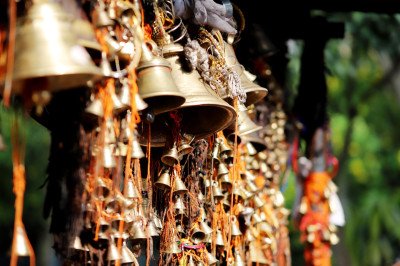
The Chipilima Hydro Electric Project (CHEP) is a vital component of the Hirakud power system, located downstream of the main Hirakud Dam. Established in the 1960s, it utilizes the natural fall of the Mahanadi river, which drops about 80 feet here, to generate electricity. The project consists of a massive power house with three generating units that have a total capacity of 72 MW. Beyond its industrial importance, Chiplima is a stunning scenic spot where the river's power is harnessed amidst lush greenery and rocky outcrops. The site is famous for the Ghanteswari Temple, where thousands of bells are tied by devotees, creating a unique soundscape against the backdrop of the rushing water. The area is also known for its diverse flora and fauna, making it a popular weekend getaway for the people of Sambalpur. Visitors can witness the engineering marvel of the power channel that carries water from Burla to the Chiplima turbines. The harmonious blend of high-tech engineering and ancient religious traditions makes this a unique stop on the Sambalpur tourist circuit. :
Card image cap
Debrigarh Wildlife Sanctuary

@@Wildlife Haven: Debrigarh is a vital wildlife sanctuary and tiger reserve located on the right dyke of the Hirakud Dam and reservoir. The sanctuary ...

@@Wildlife Haven: Debrigarh is a vital wildlife sanctuary and tiger reserve located on the right dyke of the Hirakud Dam and reservoir. The sanctuary is famous for its rich biodiversity, especially the healthy population of Indian Bison (Gaur), Sambhar deer, spotted deer, and the occasional Tiger or Leopard sighting. @@Historical Link: The sanctuary area holds great historical importance as it was the hiding place and base for the freedom fighter Veer Surendra Sai during his revolt against the British, with remnants of his fort and hideouts still present. @@Eco-Tourism: It is a premier eco-tourism destination in Odisha, offering night stays at the Debrigarh Nature Camp and guided jeep safaris. @@Scenic Beauty: The sanctuary's diverse landscape—ranging from dry deciduous forests to grasslands bordering the immense reservoir—provides a stunning scenic backdrop for wildlife viewing.:
Card image cap
Deer Park

@@Recreational Hub: Deer Park is a small yet popular mini-zoo and recreational park located within the city limits, making it easily accessible for a ...

@@Recreational Hub: Deer Park is a small yet popular mini-zoo and recreational park located within the city limits, making it easily accessible for a family outing. It serves as an important green space for locals and a learning center for children. @@Fauna: The park is home to a variety of deer species, including spotted deer and barking deer, housed in spacious, well-maintained enclosures. Other animals like panthers, sloth bears, civets, and various birds like peacocks are also present, providing a microcosm of the region's wildlife. @@Educational Role: The park plays a role in wildlife conservation awareness, offering visitors, especially children, a close view of animals and birds they might not otherwise see. @@High Footfall: It attracts a large number of visitors daily, with the number significantly increasing on Sundays and during the peak tourist season of November to March.:
Card image cap
Ghanteswari Temple

@@The Bell Tradition: Dedicated to Goddess Ghanteswari (Ghanta means bell, Eswari means Goddess), this temple is unique for the thousands of bells hun...

@@The Bell Tradition: Dedicated to Goddess Ghanteswari (Ghanta means bell, Eswari means Goddess), this temple is unique for the thousands of bells hung by devotees around the temple premises. It is believed that offering a bell to the Goddess fulfills a wish. @@Local Deity: The Goddess is considered the presiding deity of the locality, guarding the people against danger. Before the Hirakud Dam was built, the area often experienced floods, and the sound of the bells helped guide the fishermen and sailors on the river. @@Location: It is situated on the right bank of the Mahanadi River, near the Chiplima Hydro Electric Project, in a very scenic and tranquil spot. @@Power and Faith: The constant ringing of the bells by the wind creates a powerful, ethereal soundscape, making the atmosphere profoundly spiritual and distinct from other temples in the region.:
Card image cap
Gopalji Math

@@Vaishnavite Heritage: Gopalji Math is a historic Vaishnavite monastery and temple dedicated to Lord Krishna (Gopalji) and Lord Jagannath. It is one ...
@@Vaishnavite Heritage: Gopalji Math is a historic Vaishnavite monastery and temple dedicated to Lord Krishna (Gopalji) and Lord Jagannath. It is one of the important religious institutions in Sambalpur, representing the Vaishnava tradition in Western Odisha. @@Founding and Lineage: The Matha (monastery) traces its origins to Bansi Gopal Deva, a prince turned saint, who was the son of a Chauhan ruler. He became the first Mahanta (head priest) and is credited with constructing the twin temples within the complex. @@Spiritual Atmosphere: Though not architecturally grand, the complex exudes a powerful sense of serenity and timelessness, making it a place of deep introspection and quiet faith, away from the typical temple crowds. @@Historical Route: Historically, the Matha was part of a spiritual circuit, linked by a walking trail to other sacred spots like the Samaleswari Temple.:
Card image cap
Haldipali Handicrafts Village

Haldipali is a prestigious handicrafts village located on the outskirts of Sambalpur, near the border of Sonepur district. This village is the heart ...
Haldipali is a prestigious handicrafts village located on the outskirts of Sambalpur, near the border of Sonepur district. This village is the heart of the world-famous Sambalpuri Ikat handloom industry. Almost every household in this village is involved in the intricate process of "Bandha" or tie-and-dye weaving. The artisans here have preserved an ancient craft that involves dyeing the warp and weft threads before weaving them into stunning patterns. A visit to Haldipali allows tourists to witness the entire lifecycle of a Sambalpuri Saree, from the raw silk or cotton threads to the finished masterpiece. The village is a living museum of Odisha's textile heritage, where the rhythmic sound of looms provides a constant soundtrack. Many national award-winning weavers reside here, showcasing their skills to visitors from across the globe. The village is not just a production center but a cultural experience where you can interact with the creators of these iconic textiles. The designs often feature motifs inspired by nature, such as fish, shells, and flowers, reflecting the local environment. Exploring the narrow lanes of Haldipali gives a deep insight into the socio-economic life of the weaving community. It is an essential stop for anyone interested in sustainable fashion, traditional arts, and rural tourism. The authenticity of the products here is unmatched, as you buy directly from the source. This village plays a crucial role in keeping the traditional Odia identity alive through its vibrant and durable fabrics.
Card image cap
Hirakud Dam

@@Engineering Significance: Hirakud Dam is one of India's first major multipurpose river valley projects post-independence, constructed across the Mah...

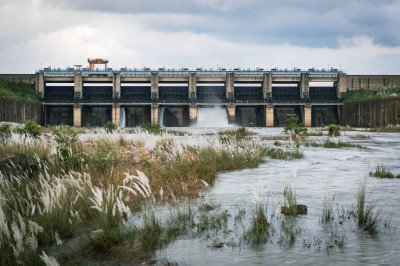
@@Engineering Significance: Hirakud Dam is one of India's first major multipurpose river valley projects post-independence, constructed across the Mahanadi River. It is renowned globally as the longest earthen dam in the world, with a total length of 25.8 KM, including the main dam and its dykes. @@Reservoir: The dam creates the vast Hirakud Reservoir, which is the largest artificial lake in Asia, covering an area of 746 sq KM. This reservoir is crucial for irrigation, flood control, and power generation in the region. @@Tourism Hub: The dam site, including the observation towers Jawahar Minar and Gandhi Minar, and the surrounding parks, is a major tourist destination, offering breathtaking panoramic views of the water body and the gates. @@Historical Context: The dam was inaugurated by the first Prime Minister of India, Jawaharlal Nehru, in 1957, and its construction fundamentally changed the socio-economic landscape of Odisha.:
Card image cap
Huma Leaning Temple

@@The Tilt: The temple, dedicated to Lord Bimaleswar Shiva, is famous for its distinct lean to one side, an architectural mystery that has stood for c...

@@The Tilt: The temple, dedicated to Lord Bimaleswar Shiva, is famous for its distinct lean to one side, an architectural mystery that has stood for centuries. The lean is visible in the main structure (Vimana) and is a unique phenomenon in temple architecture. @@Construction: The temple was built in the reign of King Baliar Singh, the fifth Chauhan ruler of Sambalpur, in the mid-17th century. The reason for the tilt is debated—some say it's due to an unstable foundation on the alluvial soil of the Mahanadi bank, and others say it's intentional. @@Divine Legend: Local lore connects the tilt to the sanctity of the deity, suggesting a miracle or a divine intervention. Despite the tilt, the temple has remained stable, surviving floods and earthquakes. @@Kudo Fish: The river stretch near the temple is home to a unique species of sacred fish called Kudo, which are protected and fed by devotees.:
Card image cap
Kumbharbandh

@@Rural Connection to Cattle Island: Kumbharbandh is a small village primarily known for its proximity to the Hirakud Reservoir and, specifically, as ...

@@Rural Connection to Cattle Island: Kumbharbandh is a small village primarily known for its proximity to the Hirakud Reservoir and, specifically, as one of the closest human settlements to Cattle Island. It is often the reference point for local boatmen who take tourists to the island. @@Local Community: The village is a glimpse into the rural and agricultural life of the region, where the economy and daily routine are intrinsically linked to the nearby reservoir and dam. @@Fishing and Boating Hub: Due to its location, it serves as a minor hub for local fishing activities and the launching point for the private boats that ferry tourists and locals to the many islands and shores of the vast lake. @@Peaceful Retreat: It offers a stark contrast to the busy city life of Sambalpur, providing a quiet, rustic environment for visitors interested in local interactions and reservoir views.:
Card image cap
Leaning Temple of Huma

The Leaning Temple of Huma is one of the most mysterious and fascinating architectural marvels in India. Dedicated to Lord Bimaleshwar, this temple i...

The Leaning Temple of Huma is one of the most mysterious and fascinating architectural marvels in India. Dedicated to Lord Bimaleshwar, this temple is famous because the entire structure, including the main temple and several smaller shrines, leans at a significant angle. Unlike the Leaning Tower of Pisa, where the tilt was an accidental result of poor foundation, the reason for Huma’s tilt remains a subject of intense debate among geologists and historians. Some believe it was a deliberate design to withstand the strong currents of the Mahanadi River, while others attribute it to tectonic shifts or the soft riverbed. Interestingly, while the body of the temple leans, the pinnacle (Kalash) is perfectly perpendicular to the ground. The temple was built in the 17th century by King Baliar Singh of the Chauhan dynasty. The serene location on the rocky banks of the river adds to its spiritual charm. Another unique attraction here is the Kudo Fish in the river. These fish are considered sacred and are so tame that they eat grains directly from the hands of devotees. It is strictly forbidden to catch these fish, and legend says anyone who harms them will be turned to stone. The temple complex provides a tranquil atmosphere, far from the city's noise, making it a favorite for pilgrims and curious travelers alike. The combination of architectural mystery, religious faith, and natural beauty makes Huma a must-visit destination in the Sambalpur circuit.
Card image cap
Maa Ghanteswari Temple Viewpoint

Maa Ghanteswari Temple, situated on the banks of the Mahanadi River, is one of the most unique and spiritually resonant sites in Odisha. The name is ...

Maa Ghanteswari Temple, situated on the banks of the Mahanadi River, is one of the most unique and spiritually resonant sites in Odisha. The name is derived from the word 'Ghanti' (bell), as the temple is adorned with thousands of bells offered by devotees. Historically, this site served as a "lighthouse without light" for early sailors. Because the river currents were dangerously strong near the whirlpools of Chiplima, sailors would ring massive bells to warn others of the treacherous waters. The deity is a form of Maa Durga, and it is believed that every wish made here is fulfilled. Once a prayer is answered, devotees return to tie a bell as a token of gratitude. The atmosphere is filled with the rhythmic chiming of bells in the breeze, creating a surreal and sacred soundscape. The temple is surrounded by lush greenery and the majestic expanse of the Mahanadi, making it a perfect blend of divinity and natural beauty. Over the centuries, it has evolved from a navigational landmark to a major pilgrimage hub, yet it retains a rustic, uncommercialized charm that offers deep peace. The sight of the sun setting over the river, reflecting off the polished brass of countless bells, is a spiritual experience that lingers in the heart of every traveler. It is not just a temple but a living testament to faith and the power of tradition. :
Card image cap
Maa Samaleswari Temple

@@Religious Significance and History of the Temple: The Maa Samaleswari Temple is a revered Hindu shrine dedicated to Goddess Samaleswari, the presidi...

@@Religious Significance and History of the Temple: The Maa Samaleswari Temple is a revered Hindu shrine dedicated to Goddess Samaleswari, the presiding deity of the region and a form of Maa Shakti. The idol is a unique large block of granite rock with an inverted, trunk-like projection, worshipped as Jagat Janani, Adishakti, Mahalaxmi, and Mahasaraswati. Its history traces back to the 16th century, built by the Chauhan dynasty ruler Balaram Dev. The temple is the spiritual and cultural heart of the Sambalpur region, which was historically known as Hirakhanda (Land of Diamonds). The belief in the Mother Goddess unites people across Western Odisha and parts of Chhattisgarh, making it a monumental center of faith. The environment is always charged with devotion, and the chants of Jai Maa Samalei are omnipresent. This divine energy makes the temple a powerful place for seeking blessings and experiencing profound peace and reverence for the ancient customs of the region.:
Card image cap
Odisi Dance Center

@@Importance of Odissi in Sambalpur: While Odissi is the classical dance form of Odisha, the region of Sambalpur has its own rich, vibrant folk and cl...
@@Importance of Odissi in Sambalpur: While Odissi is the classical dance form of Odisha, the region of Sambalpur has its own rich, vibrant folk and classical arts tradition, particularly the Sambalpuri Folk Dance and music. The term "Odisi Dance Center" refers to any of the numerous private dance academies, cultural institutions (like Natraj Kala Niketan or Sreejan Creative World), and local community halls that teach and promote the classical dance form of Odissi alongside local forms. These centers are crucial for preserving and promoting the state's cultural heritage. @@Training and Discipline: These centers typically offer structured training in the Odissi style, including the foundational steps (Chowka, Tribhanga), Mudras (hand gestures), Abhinaya (expression), and the repertoire of Mangalacharan, Battunrutya, and Moksha. They also often teach the folk dances of Western Odisha. @@Cultural Contribution: The centers play a vital role in providing a platform for young dancers to perform at regional and national cultural events, ensuring the continuity of the art form. They are the living embodiment of Odisha's artistic legacy.:
Card image cap
Oriya Literature Museum, Sambalpur

@@Museum Focus and Literary Collection: The "Oriya Literature Museum" is often best represented by the large collection housed in the Prof. N. K. Sahu...

@@Museum Focus and Literary Collection: The "Oriya Literature Museum" is often best represented by the large collection housed in the Prof. N. K. Sahu Museum at Sambalpur University. This museum serves as a critical repository for the history and culture of Western Odisha and Oriya Literature. It meticulously collects, preserves, and documents invaluable antiquities, especially focusing on manuscripts and historical records relevant to the region. The literary focus includes a dedicated Palm Leaf Manuscript section, which features original works of Oriya Literature like Samhita, Gita, Malika, Chautisas, Chhandas, and the masterpieces of poets like Upendra Bhanja (Vaidehisha Vilasha, Lavanyavati). It highlights the contributions of poets such as Dinakrushna Dasa and Kavi Surya Baladeva Rath to the literary heritage. @@Broader Cultural Scope: Beyond pure literature, the museum also preserves a wider range of cultural artifacts, including Vrata Kathas (ritualistic tales), Silpa Sastras (treatises on temple styles), and Samara Sahitya (War Literature), such as Samara Taranga by Brajanatha Badajena. The collection is crucial for scholars and provides deep insights into the evolution of the Odia language and regional historical narratives. @@Objectives: Established in 1970 by Prof. N. K. Sahu, the museum's objectives include scientific preservation and display, facilitating research on the history and culture of Western Odisha, and providing teaching aid to the Post Graduate Department of History.:
Card image cap
Pradhanpat Waterfall

Pradhanpat Waterfall is a magnificent natural wonder located on the Pradhanpat Hills in the Deogarh district, often visited as part of the Sambalpur ...

Pradhanpat Waterfall is a magnificent natural wonder located on the Pradhanpat Hills in the Deogarh district, often visited as part of the Sambalpur circuit. Cascading from a height of approximately 70 to 100 feet, the waterfall is the primary source of drinking water for Deogarh town. Surrounded by dense forests of Sal and Teak, the area was historically the summer retreat for the royal family of the Bamanda Kingdom. The site is steeped in history, featuring two royal palaces nearby—Basanta Nivas and Lalita Basanta—which served as guest houses during the British era. The water falls into a clear pool surrounded by rocky cliffs and lush greenery, providing a refreshing atmosphere even in the peak of summer. The sound of the gushing water combined with the chirping of forest birds creates a serene environment for nature lovers. It is also a site of religious importance, with the shrine of Maa Pradhan Pateswari located close to the falls. The waterfall's flow is most vigorous just after the monsoon in September, appearing like a white silk ribbon against the dark rocks. The ecosystem around the falls is rich in biodiversity, housing rare medicinal plants and various wildlife species. It remains one of the most picturesque picnic spots in Western Odisha, blending heritage, nature, and spirituality into one breathtaking location. :
Card image cap
Samaleswari Temple

@@Goddess of the West: Dedicated to Goddess Samaleswari, the mother deity (Maa Samalei), she is the presiding deity (Ishta Devi) of Sambalpur and the ...

@@Goddess of the West: Dedicated to Goddess Samaleswari, the mother deity (Maa Samalei), she is the presiding deity (Ishta Devi) of Sambalpur and the entire Western Odisha region. She is worshipped as an incarnation of Maa Shakti, Mahalaxmi, and Mahasaraswati. The name Sambalpur itself is believed to be derived from her name. @@Chauhan Dynasty Connection: The temple was built in the mid-16th century CE by Balarama Deva, the first Chauhan ruler of the Sambalpur kingdom. It served as the dynasty's spiritual and cultural center, symbolizing the power and devotion of the Chauhan rulers. @@Architectural Age: Though the temple has seen renovations, its roots trace back to the ancient traditions of the region. It is considered one of the oldest and most sacred Shakti Peethas in Odisha. @@Cultural Importance: The temple is the epicenter of the region's cultural life, with festivals like Nuakhai and Durga Puja revolving around offerings made to the Goddess. It is a symbol of the unique blend of tribal and Hindu traditions in Western Odisha.:
Card image cap
Sambalpur Airport Viewpoint

@@Location and Purpose: The Sambalpur Airport Viewpoint is a generalized term for a local spot that provides an elevated or accessible view of the Hir...

@@Location and Purpose: The Sambalpur Airport Viewpoint is a generalized term for a local spot that provides an elevated or accessible view of the Hirakud Airstrip (ICAO: VEHK), often referred to as Sambalpur Airport. The airstrip is primarily used for government flights, VIP movements, and sometimes for training purposes, as it is owned by the Government of Odisha. The viewpoint is not a formally developed tourist attraction but a popular spot for locals, particularly youth, who are interested in aviation and seek scenic views of the surrounding area. @@Functionality of Airstrip: The airstrip serves the city of Sambalpur and the nearby Hirakud Dam area. It has a single runway, which is relatively short, and its operational status is limited. The viewpoint's popularity stems from the rarity of aircraft movements, making each landing or take-off a special event. @@Scenic Value: Situated near Hirakud and often elevated, the viewpoint offers pleasant views of the vast surrounding plains, the nearby hills, and the industrial landscape in the distance. It is also an area that benefits from the cool breeze coming off the Hirakud Reservoir.:
Card image cap
Sambalpur University

@@Establishment and Academic Scope: Established in 1967 by the Odisha Legislature Act, Sambalpur University is one of the oldest and most prestigious ...

@@Establishment and Academic Scope: Established in 1967 by the Odisha Legislature Act, Sambalpur University is one of the oldest and most prestigious universities in Odisha. Located on a sprawling green campus of over 600 acres in Jyoti Vihar, Burla, it caters to over 30,000 students. The university offers a vast array of undergraduate, postgraduate, and doctoral programs across Arts, Science, Commerce, Law, and Management. It has a notable focus on regional studies, particularly through its Odia department and the Prof. N. K. Sahu Museum. @@Research and Outreach: The university is a major center for research, with departments like Anthropology, Biotechnology, Environmental Science, and History publishing significant scholarly work. Its Center for Distance and Online Education (CDOE), formerly DDCE, extends its reach, offering various distance learning courses and playing a critical role in regional education. @@Cultural and Social Importance: The campus is not just an academic institution but a cultural microcosm, hosting numerous regional literary, art, and science festivals throughout the year, contributing significantly to the social and intellectual life of Western Odisha. The university often serves as a venue for large-scale government and educational events.:
Card image cap
Sambalpuri Textiles/Handicrafts Center

@@The Ikat Legacy: Sambalpur is globally famous for its distinctive Sambalpuri Handloom textiles, particularly the Bandha or Ikat technique, where the...

@@The Ikat Legacy: Sambalpur is globally famous for its distinctive Sambalpuri Handloom textiles, particularly the Bandha or Ikat technique, where the yarn is tie-dyed before weaving to produce intricate patterns like the Ganda and Kumbha. @@Weaving Tradition: This tradition is an integral part of the region's cultural identity, with many villages surrounding Sambalpur dedicated entirely to weaving. The textiles are known for their comfort, vibrant colors, and motifs derived from nature, history, and local folklore. @@Economic Hub: The city acts as the main trading and design center for these world-renowned sarees, dhotis, and dress materials, sustaining thousands of artisan families. @@Cultural Symbol: A Sambalpuri saree is more than clothing; it is a cultural symbol of Odisha, highly sought after for weddings and festivals.:
Card image cap
Saraswati Temple, Sambalpur

@@Dedication to Goddess Saraswati: A prominent Saraswati Temple in Sambalpur is often found within or close to major educational institutions like Sam...

@@Dedication to Goddess Saraswati: A prominent Saraswati Temple in Sambalpur is often found within or close to major educational institutions like Sambalpur University (Jyoti Vihar) or the Gangadhar Meher University (GMU), reflecting the Goddess's status as the deity of knowledge, music, arts, and learning. The temples are dedicated to Goddess Saraswati, who is depicted holding a Veena (a musical instrument), a book, and a rosary. @@Importance to Students: The temple is of immense significance to the student community, who visit regularly, especially during examination periods, to seek blessings for academic success. The presence of the shrine on a campus or in an educational hub underscores the cultural value placed on knowledge in Western Odisha. @@Cultural Activities: The temples often serve as a hub for cultural events, especially those related to music and poetry. They also host the annual Saraswati Puja celebration with great zeal and community participation. The atmosphere is one of calm reverence and academic pursuit.:
Card image cap
Siba Temple

The Siba Temple, popularly known as the Budharaja Temple, is perched atop the Budharaja Hill in the heart of Sambalpur city. This ancient temple, ded...

The Siba Temple, popularly known as the Budharaja Temple, is perched atop the Budharaja Hill in the heart of Sambalpur city. This ancient temple, dedicated to Lord Shiva, is estimated to be around 600-700 years old and was patronized by the Chauhans of Sambalpur. To reach the sanctum, devotees must climb 108 stone steps, symbolizing a spiritual journey toward enlightenment. The hill itself holds immense historical significance as it served as a strategic lookout point for the freedom fighter Veer Surendra Sai during his rebellion against the British. The temple provides a panoramic 360-degree view of Sambalpur city, the winding Mahanadi River, and the distant Hirakud Dam. Surrounded by a dense forest patch, the hilltop offers a tranquil escape from the urban hustle. Legend speaks of a secret tunnel that connects the temple to the Samaleswari Temple, although its existence remains a mystery. During Maha Shivaratri, the entire hill is illuminated, and thousands of pilgrims climb the steps at night, creating a river of light. The site is managed by the local municipality and includes a well-maintained park and a watchtower. It is the spiritual and geographical anchor of the city, blending ancient Shaivite traditions with the glorious history of Odisha's resistance against colonial rule. :
Card image cap
Sita Ram Baba Temple

The Sita Ram Baba Temple, also associated with the Sita Ram Baba Ashram, is a profound spiritual center located in the Ainthapali area of Sambalpur. ...

The Sita Ram Baba Temple, also associated with the Sita Ram Baba Ashram, is a profound spiritual center located in the Ainthapali area of Sambalpur. Dedicated to the divine couple Lord Rama and Goddess Sita, the temple is also the resting place and memorial for the revered saint Sita Ram Baba, who spent his life in service and meditation here. Unlike the older stone temples of the region, this site focuses on a peaceful, ashram-like atmosphere that encourages introspection and prayer. The temple complex is beautifully landscaped with flowering gardens and provides a serene environment for devotees to chant 'Bhajans' and 'Kirtans'. It is a major hub for the local community, especially during the Ram Navami festival when the entire complex is filled with the aroma of incense and the sound of devotional music. The teachings of the Baba emphasize simplicity, truth, and universal love, which is reflected in the humble yet elegant architecture of the shrine. Many visitors come here to escape the noise of the city and find mental clarity. The 'Prasad' served at the temple is considered highly auspicious. It serves as a reminder of the rich 'Guru-Shishya' tradition that continues to thrive in Western Odisha, making it a must-visit for those seeking a soulful and authentic spiritual experience. :
Card image cap
Ushakothi Wildlife Sanctuary

Ushakothi Wildlife Sanctuary, also known as Badrama Wildlife Sanctuary, is a premier destination for nature and wildlife enthusiasts in Western Odish...

Ushakothi Wildlife Sanctuary, also known as Badrama Wildlife Sanctuary, is a premier destination for nature and wildlife enthusiasts in Western Odisha. Established in 1962, it covers an area of over 304 square kilometers of dense dry deciduous forest. Situated on the NH-53 (Mumbai-Kolkata highway), the sanctuary is part of the Sambalpur Elephant Reserve and is a vital corridor for Asian Elephants. The terrain is characterized by hills, seasonal streams, and dense groves of Sal, Sandalwood, Arjun, and Neem trees. The sanctuary is home to a diverse range of fauna including Tigers, Leopards, Sambar, Spotted Deer, Wild Boars, and Sloth Bears. For birdwatchers, it is a paradise, famously hosting the Racket-tailed Drongo and the rare Flying Squirrel. The sanctuary features two 30-foot high masonry watchtowers located near waterholes, allowing visitors to observe animals in their natural habitat without disturbance. The dense canopy and the raw wilderness offer a "soulful experience" that is far removed from the commercialized safari parks of India. Historically, the forest was a hunting ground for the local kings, but today it stands as a testament to conservation efforts in the Eastern Ghats ecosystem. The sanctuary remains closed during the monsoon to allow for animal breeding, making the winter months the prime time for exploration. It is a place where one can truly hear the heartbeat of the forest. :
Card image cap
Veer Surendra Sai Stadium

@@Sports Significance and Naming: The Veer Surendra Sai Stadium (also known as VSS Stadium) is the main multi-purpose sports facility and the premier ...

@@Sports Significance and Naming: The Veer Surendra Sai Stadium (also known as VSS Stadium) is the main multi-purpose sports facility and the premier cricket ground in Sambalpur. It is named after Veer Surendra Sai, the celebrated freedom fighter from Odisha. The stadium serves as a major hub for regional, state, and occasionally national-level sporting events, primarily focusing on cricket and football. It is the home ground for various local cricket clubs and is a central point for the development of sports talent in Western Odisha. @@Infrastructure and Use: The stadium is owned by the Sports Department of the Government of Odisha. While primarily known for hosting major cricket tournaments like the Ranji Trophy matches, it is also frequently used for large-scale public events, cultural shows, political rallies, and the annual athletic meets of local colleges and the university. It stands as a symbol of the city's commitment to sports and youth development. @@Atmosphere on Match Days: On the days of major cricket or football matches, the stadium comes alive with the roar of local fans, creating an electrifying atmosphere. It plays a vital role in providing a large-capacity, dedicated venue for the region's most popular spectator sports.:
Show All

Sambalpur Itineray And Cost:-

Information about New and Updated Locations() of Odisha Has Been Added :-
Card subtitle

Note:-

Information provided here in good Faith and for reference only.

All information and pictures will be updated soon, please keep visiting.

Near Places

...
Angul

Some quick example text to build on the card title and make up the bulk of the card's content.

Go somewhere
...
Balasore

Some quick example text to build on the card title and make up the bulk of the card's content.

Go somewhere
...
Bargarh

Some quick example text to build on the card title and make up the bulk of the card's content.

Go somewhere
...
Baripada

Some quick example text to build on the card title and make up the bulk of the card's content.

Go somewhere
...
Berhampur

Some quick example text to build on the card title and make up the bulk of the card's content.

Go somewhere
...
Bhadrak

Some quick example text to build on the card title and make up the bulk of the card's content.

Go somewhere
...
Bhubaneswar

Some quick example text to build on the card title and make up the bulk of the card's content.

Go somewhere
...
Chandipur

Some quick example text to build on the card title and make up the bulk of the card's content.

Go somewhere
...
Cuttack

Some quick example text to build on the card title and make up the bulk of the card's content.

Go somewhere
...
Daringbadi

Some quick example text to build on the card title and make up the bulk of the card's content.

Go somewhere
in Other Cities