



Sambalpur
General information
-
Ideal Duration:
2 to 3 DaysPlace Type:
Heritage, Pilgrimage, and NatureEntry Fees:
Temple Entry: Entry to most temples like Samaleswari and Huma is free for all visitors, though donations for maintenance are welcome.
Dam Viewpoints: There is a nominal fee of 20 to 50 rupees for vehicles and entry to the Gandhi Minar or Neh...Temple Entry: Entry to most temples like Samaleswari and Huma is free for all visitors, though donations for maintenance are welcome.
Dam Viewpoints: There is a nominal fee of 20 to 50 rupees for vehicles and entry to the Gandhi Minar or Nehru Minar observation towers.Timing:
Regular Timings: Most temples are open from 6:00 AM to 12:00 PM and then from 4:00 PM to 8:30 PM.
Ideal Visit Time: Early morning at 6:30 AM is best for temples, while late afternoon at 4:30 PM is perfect for the dam and boat rides. ...Regular Timings: Most temples are open from 6:00 AM to 12:00 PM and then from 4:00 PM to 8:30 PM.
Ideal Visit Time: Early morning at 6:30 AM is best for temples, while late afternoon at 4:30 PM is perfect for the dam and boat rides.Special Events:
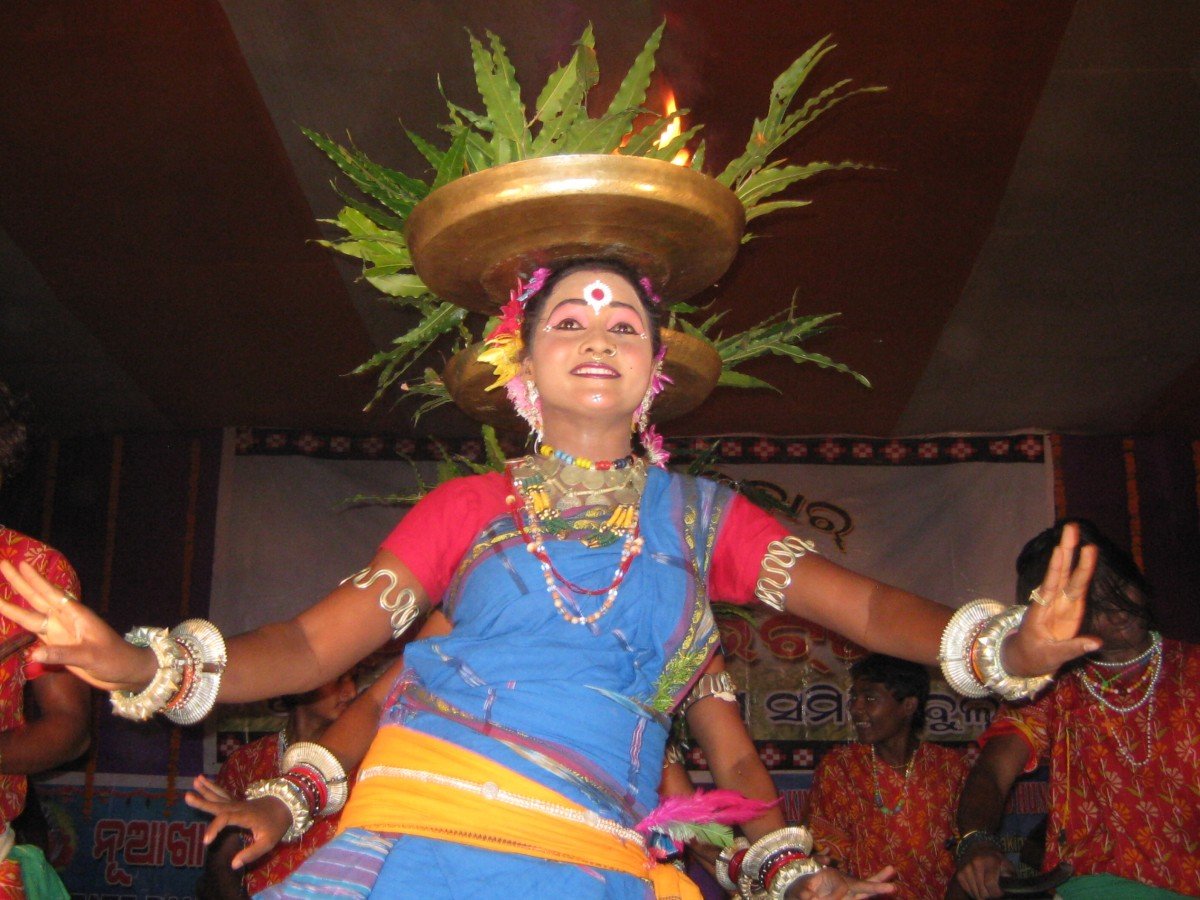
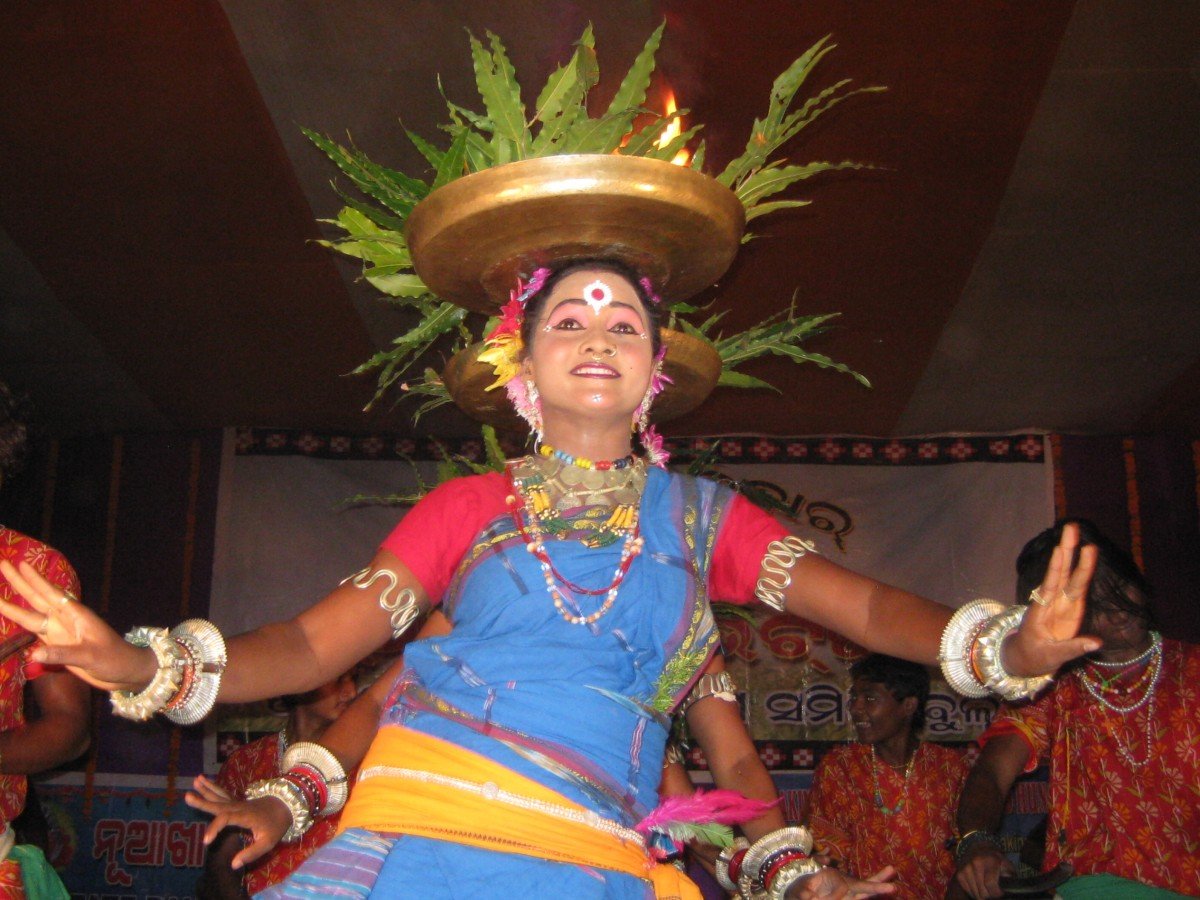
Sital Sasthi: A grand festival celebrating the divine marriage of Lord Shiva and Goddess Parvati, featuring massive street processions. Artists from all over the country perform traditional dances and music during this week-long event.
Nuakhai:...Sital Sasthi: A grand festival celebrating the divine marriage of Lord Shiva and Goddess Parvati, featuring massive street processions. Artists from all over the country perform traditional dances and music during this week-long event.
Nuakhai: The harvest festival of western Odisha where people offer the first grains of the season to the goddess and celebrate with family. It is a time for traditional food, new clothes, and folk songs like Sambalpuri Dalkhai.Best Photo Spots:
Gandhi Minar: Offers a high-angle panoramic view of the Hirakud Dam and the surrounding green hills during the golden hour.
Huma River Bank: The leaning temple against the backdrop of the flowing Mahanadi creates a perfect frame for architec...Gandhi Minar: Offers a high-angle panoramic view of the Hirakud Dam and the surrounding green hills during the golden hour.
Huma River Bank: The leaning temple against the backdrop of the flowing Mahanadi creates a perfect frame for architectural photography.
Samaleswari Gateway: The ornate entrance of the temple with its traditional carvings provides a regal setting for cultural portraits.Photo Gallery



Things To Do
 @@Ancient Temple History: Budharaja Temple is dedicated to Lord Shiva and is believed to be 600-700 years old, built by the former King of Sambalpur. It sits atop Budharaja Hill, offering a serene, forested retreat within the city. The temple holds significant religious importance, especially for local devotees. @@Historical Significance: The hill is also historically significant, linked to the freedom fighter Veer Surendra Sai, who is said to have used the area for strategic planning against the British. The temple and its surroundings provide a panoramic perspective of Sambalpur town. @@Natural Surroundings: The hill is covered with lush forest, providing a peaceful escape from the urban environment. A motorable road and stairs lead to the summit. It’s a beloved spot for both spiritual seekers and nature lovers. @@Panoramic Views: From the watchtower, visitors can see a sweeping view of the Mahanadi River and the distant Hirakud Dam. The park at the hilltop adds to its appeal as a recreational spot for families and walkers, particularly in the evenings to enjoy the city lights.:
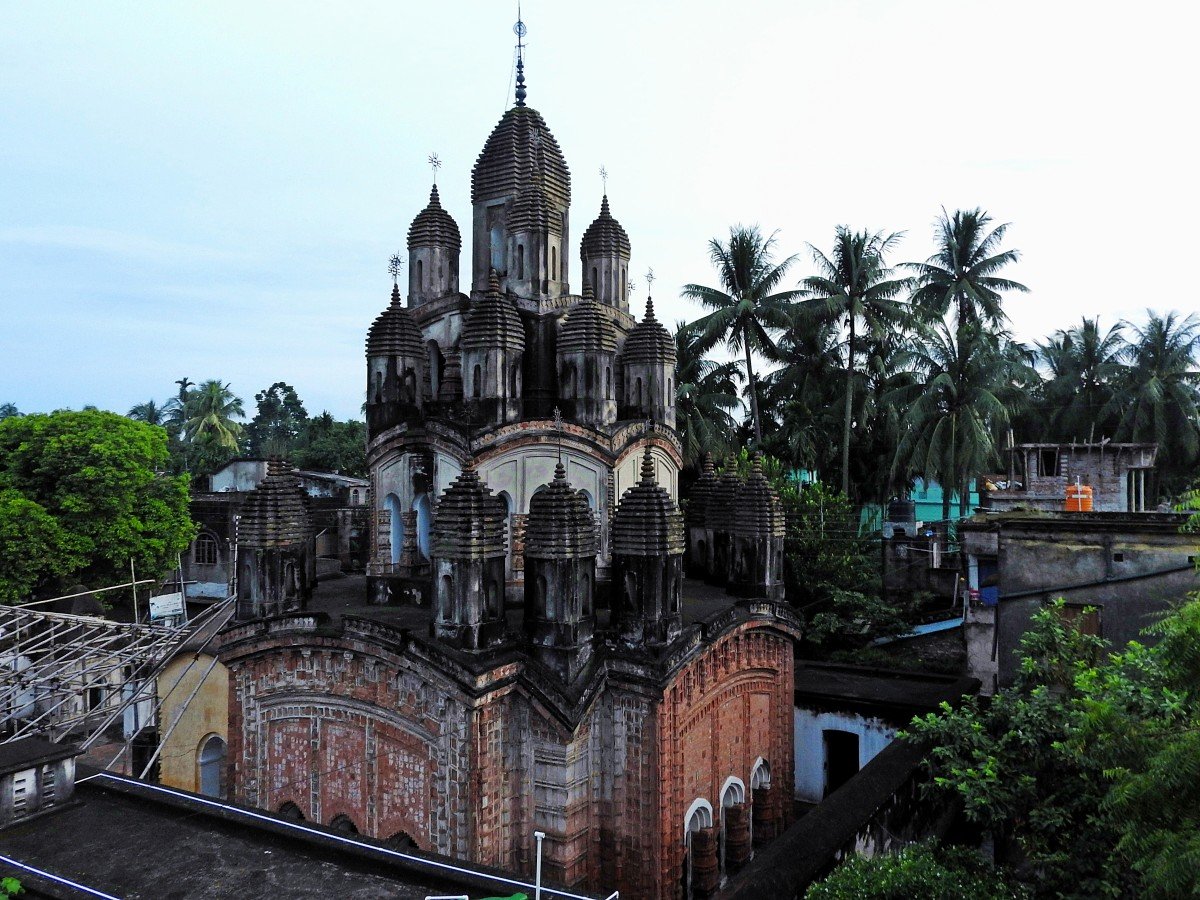
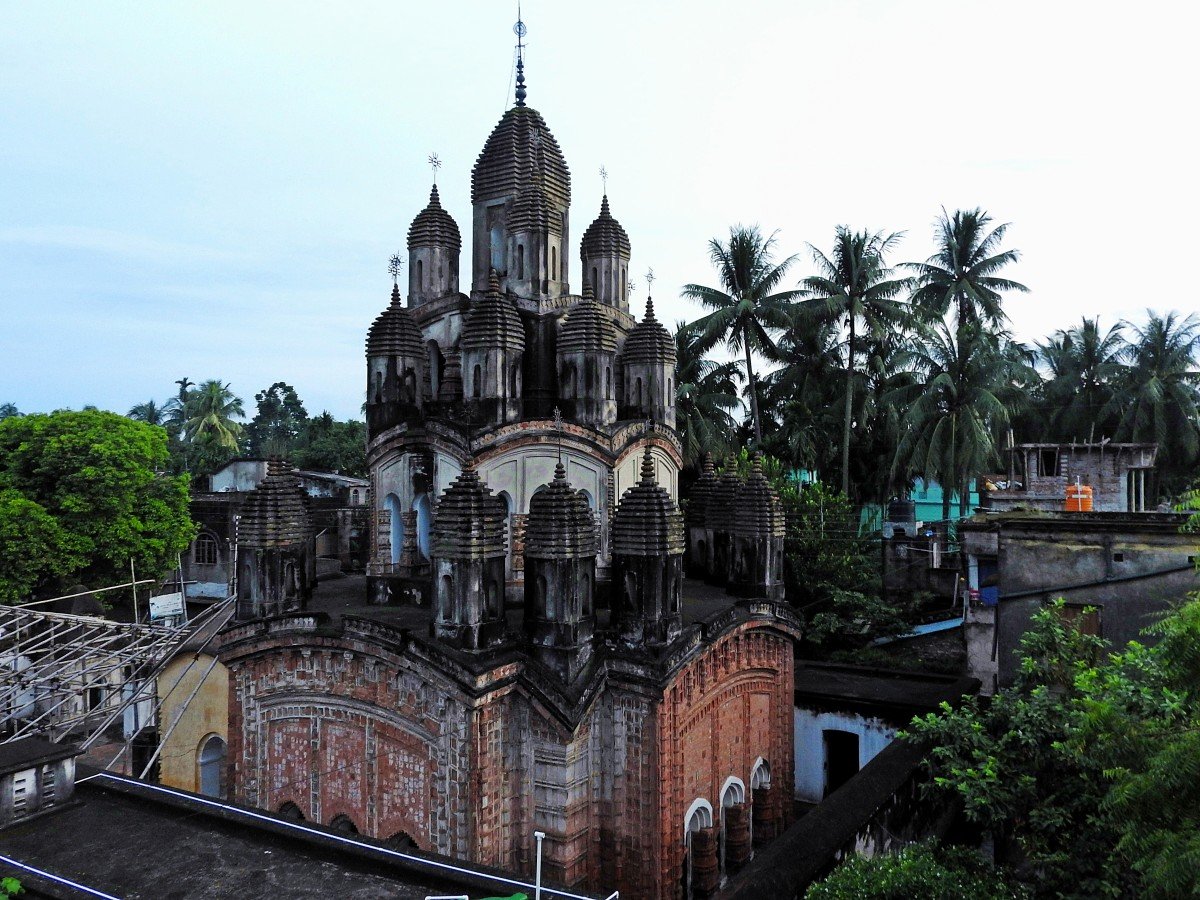
 The Leaning Temple of Huma is one of the most mysterious and fascinating architectural marvels in India. Dedicated to Lord Bimaleshwar, this temple is famous because the entire structure, including the main temple and several smaller shrines, leans at a significant angle. Unlike the Leaning Tower of Pisa, where the tilt was an accidental result of poor foundation, the reason for Huma’s tilt remains a subject of intense debate among geologists and historians. Some believe it was a deliberate design to withstand the strong currents of the Mahanadi River, while others attribute it to tectonic shifts or the soft riverbed. Interestingly, while the body of the temple leans, the pinnacle (Kalash) is perfectly perpendicular to the ground. The temple was built in the 17th century by King Baliar Singh of the Chauhan dynasty. The serene location on the rocky banks of the river adds to its spiritual charm. Another unique attraction here is the Kudo Fish in the river. These fish are considered sacred and are so tame that they eat grains directly from the hands of devotees. It is strictly forbidden to catch these fish, and legend says anyone who harms them will be turned to stone. The temple complex provides a tranquil atmosphere, far from the city's noise, making it a favorite for pilgrims and curious travelers alike. The combination of architectural mystery, religious faith, and natural beauty makes Huma a must-visit destination in the Sambalpur circuit.
@@Dedication to Goddess Saraswati: A prominent Saraswati Temple in Sambalpur is often found within or close to major educational institutions like Sambalpur University (Jyoti Vihar) or the Gangadhar Meher University (GMU), reflecting the Goddess's status as the deity of knowledge, music, arts, and learning. The temples are dedicated to Goddess Saraswati, who is depicted holding a Veena (a musical instrument), a book, and a rosary. @@Importance to Students: The temple is of immense significance to the student community, who visit regularly, especially during examination periods, to seek blessings for academic success. The presence of the shrine on a campus or in an educational hub underscores the cultural value placed on knowledge in Western Odisha. @@Cultural Activities: The temples often serve as a hub for cultural events, especially those related to music and poetry. They also host the annual Saraswati Puja celebration with great zeal and community participation. The atmosphere is one of calm reverence and academic pursuit.:
The Leaning Temple of Huma is one of the most mysterious and fascinating architectural marvels in India. Dedicated to Lord Bimaleshwar, this temple is famous because the entire structure, including the main temple and several smaller shrines, leans at a significant angle. Unlike the Leaning Tower of Pisa, where the tilt was an accidental result of poor foundation, the reason for Huma’s tilt remains a subject of intense debate among geologists and historians. Some believe it was a deliberate design to withstand the strong currents of the Mahanadi River, while others attribute it to tectonic shifts or the soft riverbed. Interestingly, while the body of the temple leans, the pinnacle (Kalash) is perfectly perpendicular to the ground. The temple was built in the 17th century by King Baliar Singh of the Chauhan dynasty. The serene location on the rocky banks of the river adds to its spiritual charm. Another unique attraction here is the Kudo Fish in the river. These fish are considered sacred and are so tame that they eat grains directly from the hands of devotees. It is strictly forbidden to catch these fish, and legend says anyone who harms them will be turned to stone. The temple complex provides a tranquil atmosphere, far from the city's noise, making it a favorite for pilgrims and curious travelers alike. The combination of architectural mystery, religious faith, and natural beauty makes Huma a must-visit destination in the Sambalpur circuit.
@@Dedication to Goddess Saraswati: A prominent Saraswati Temple in Sambalpur is often found within or close to major educational institutions like Sambalpur University (Jyoti Vihar) or the Gangadhar Meher University (GMU), reflecting the Goddess's status as the deity of knowledge, music, arts, and learning. The temples are dedicated to Goddess Saraswati, who is depicted holding a Veena (a musical instrument), a book, and a rosary. @@Importance to Students: The temple is of immense significance to the student community, who visit regularly, especially during examination periods, to seek blessings for academic success. The presence of the shrine on a campus or in an educational hub underscores the cultural value placed on knowledge in Western Odisha. @@Cultural Activities: The temples often serve as a hub for cultural events, especially those related to music and poetry. They also host the annual Saraswati Puja celebration with great zeal and community participation. The atmosphere is one of calm reverence and academic pursuit.: @@The Ikat Legacy: Sambalpur is globally famous for its distinctive Sambalpuri Handloom textiles, particularly the Bandha or Ikat technique, where the yarn is tie-dyed before weaving to produce intricate patterns like the Ganda and Kumbha. @@Weaving Tradition: This tradition is an integral part of the region's cultural identity, with many villages surrounding Sambalpur dedicated entirely to weaving. The textiles are known for their comfort, vibrant colors, and motifs derived from nature, history, and local folklore. @@Economic Hub: The city acts as the main trading and design center for these world-renowned sarees, dhotis, and dress materials, sustaining thousands of artisan families. @@Cultural Symbol: A Sambalpuri saree is more than clothing; it is a cultural symbol of Odisha, highly sought after for weddings and festivals.:
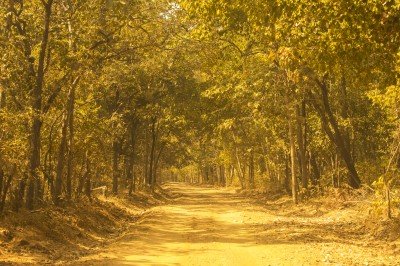 @@Recreational Hub: Deer Park is a small yet popular mini-zoo and recreational park located within the city limits, making it easily accessible for a family outing. It serves as an important green space for locals and a learning center for children. @@Fauna: The park is home to a variety of deer species, including spotted deer and barking deer, housed in spacious, well-maintained enclosures. Other animals like panthers, sloth bears, civets, and various birds like peacocks are also present, providing a microcosm of the region's wildlife. @@Educational Role: The park plays a role in wildlife conservation awareness, offering visitors, especially children, a close view of animals and birds they might not otherwise see. @@High Footfall: It attracts a large number of visitors daily, with the number significantly increasing on Sundays and during the peak tourist season of November to March.:
 The Siba Temple, popularly known as the Budharaja Temple, is perched atop the Budharaja Hill in the heart of Sambalpur city. This ancient temple, dedicated to Lord Shiva, is estimated to be around 600-700 years old and was patronized by the Chauhans of Sambalpur. To reach the sanctum, devotees must climb 108 stone steps, symbolizing a spiritual journey toward enlightenment. The hill itself holds immense historical significance as it served as a strategic lookout point for the freedom fighter Veer Surendra Sai during his rebellion against the British. The temple provides a panoramic 360-degree view of Sambalpur city, the winding Mahanadi River, and the distant Hirakud Dam. Surrounded by a dense forest patch, the hilltop offers a tranquil escape from the urban hustle. Legend speaks of a secret tunnel that connects the temple to the Samaleswari Temple, although its existence remains a mystery. During Maha Shivaratri, the entire hill is illuminated, and thousands of pilgrims climb the steps at night, creating a river of light. The site is managed by the local municipality and includes a well-maintained park and a watchtower. It is the spiritual and geographical anchor of the city, blending ancient Shaivite traditions with the glorious history of Odisha's resistance against colonial rule. :
Bhima Mandap, also known as Bhima Mandali, is an extraordinary archaeological and mythological site located in the Naktideul forest. This site features ancient rock shelters and caves that house prehistoric rock art dating back over 20,000 years. The paintings depict hunting scenes, animals like Deer and Elephants, and the daily lives of early humans from the Stone Age. According to local legends, the site is named after Bhima, one of the Pandavas, who is believed to have stayed here during their exile. The caves are nestled within a lush green forest, providing a mystical atmosphere that blends history with nature. Lord Shiva and Parvati are worshipped here in a hidden cave form known as Gupteswar. The government of Odisha recently designated it a tourist spot in 2025 to preserve its rich heritage. It is a vital site for historians and trekkers who want to explore the roots of human civilization in Western Odisha. The tranquil surroundings and the sound of the nearby Champali river make it a perfect retreat for those seeking peace away from the city. :Show All
The Siba Temple, popularly known as the Budharaja Temple, is perched atop the Budharaja Hill in the heart of Sambalpur city. This ancient temple, dedicated to Lord Shiva, is estimated to be around 600-700 years old and was patronized by the Chauhans of Sambalpur. To reach the sanctum, devotees must climb 108 stone steps, symbolizing a spiritual journey toward enlightenment. The hill itself holds immense historical significance as it served as a strategic lookout point for the freedom fighter Veer Surendra Sai during his rebellion against the British. The temple provides a panoramic 360-degree view of Sambalpur city, the winding Mahanadi River, and the distant Hirakud Dam. Surrounded by a dense forest patch, the hilltop offers a tranquil escape from the urban hustle. Legend speaks of a secret tunnel that connects the temple to the Samaleswari Temple, although its existence remains a mystery. During Maha Shivaratri, the entire hill is illuminated, and thousands of pilgrims climb the steps at night, creating a river of light. The site is managed by the local municipality and includes a well-maintained park and a watchtower. It is the spiritual and geographical anchor of the city, blending ancient Shaivite traditions with the glorious history of Odisha's resistance against colonial rule. :
Bhima Mandap, also known as Bhima Mandali, is an extraordinary archaeological and mythological site located in the Naktideul forest. This site features ancient rock shelters and caves that house prehistoric rock art dating back over 20,000 years. The paintings depict hunting scenes, animals like Deer and Elephants, and the daily lives of early humans from the Stone Age. According to local legends, the site is named after Bhima, one of the Pandavas, who is believed to have stayed here during their exile. The caves are nestled within a lush green forest, providing a mystical atmosphere that blends history with nature. Lord Shiva and Parvati are worshipped here in a hidden cave form known as Gupteswar. The government of Odisha recently designated it a tourist spot in 2025 to preserve its rich heritage. It is a vital site for historians and trekkers who want to explore the roots of human civilization in Western Odisha. The tranquil surroundings and the sound of the nearby Champali river make it a perfect retreat for those seeking peace away from the city. :Show All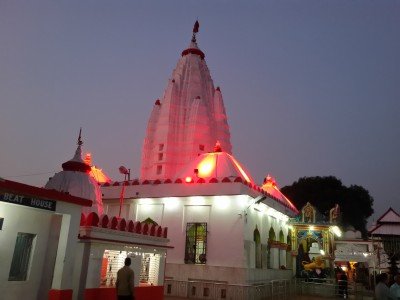 @@Religious Significance and History of the Temple: The Maa Samaleswari Temple is a revered Hindu shrine dedicated to Goddess Samaleswari, the presiding deity of the region and a form of Maa Shakti. The idol is a unique large block of granite rock with an inverted, trunk-like projection, worshipped as Jagat Janani, Adishakti, Mahalaxmi, and Mahasaraswati. Its history traces back to the 16th century, built by the Chauhan dynasty ruler Balaram Dev. The temple is the spiritual and cultural heart of the Sambalpur region, which was historically known as Hirakhanda (Land of Diamonds). The belief in the Mother Goddess unites people across Western Odisha and parts of Chhattisgarh, making it a monumental center of faith. The environment is always charged with devotion, and the chants of Jai Maa Samalei are omnipresent. This divine energy makes the temple a powerful place for seeking blessings and experiencing profound peace and reverence for the ancient customs of the region.:
Information
-
Why Famous:
Sambalpuri Textiles: Famous for the Sambalpuri Saree, which involves a complex tie-and-dye process known as Ikkat. This craft has earned international acclaim for its durability and vibrant geometric designs.
Hirakud Dam: One of the longest...Sambalpuri Textiles: Famous for the Sambalpuri Saree, which involves a complex tie-and-dye process known as Ikkat. This craft has earned international acclaim for its durability and vibrant geometric designs.
Hirakud Dam: One of the longest earthen dams in the world, it provides a breathtaking view of the reservoir and is a major engineering marvel. It serves as a vital source of irrigation and hydroelectric power for the region. -
Architecture:
Temple Structure: The Samaleswari Temple is built in the Chauhan style of architecture, featuring a square sanctum and a high pyramidal roof. The dimensions of the main temple complex cover a large area with stone-carved walls that depict various mythological stories.
<...Temple Structure: The Samaleswari Temple is built in the Chauhan style of architecture, featuring a square sanctum and a high pyramidal roof. The dimensions of the main temple complex cover a large area with stone-carved walls that depict various mythological stories.
Leaning Design: The Huma Temple nearby is famous for its leaning structure, where the entire building tilts at an angle, yet remains stable for centuries. This architectural mystery attracts engineers and history buffs who study the unique displacement and stone placement. -
How To Reach:
By Air: The nearest airport is Veer Surendra Sai Airport in Jharsuguda, about 60 KM away, which has regular flights from Bhubaneswar and Delhi.
By Train: Sambalpur Junction is a major railhead well-connected to Kolkata, Mumbai, Chennai, and ...By Air: The nearest airport is Veer Surendra Sai Airport in Jharsuguda, about 60 KM away, which has regular flights from Bhubaneswar and Delhi.
By Train: Sambalpur Junction is a major railhead well-connected to Kolkata, Mumbai, Chennai, and Delhi via express trains.
By Road: The city is situated on NH-53 and NH-55, making it easily accessible by luxury buses from Bhubaneswar (280 KM) and Raipur.
By Local Transport: Auto-rickshaws and cycle-rickshaws are the most common modes of transport within the city for short distances. -
Weather and Best Time to Visit:
Winter Season: October to March is the best time as the weather is pleasant with temperatures between 15°C and 25°C.
Summer/Monsoon: Summers are very hot (up to 45°C), but the monsoon in August is beautiful as the dam gates often open, cr...Winter Season: October to March is the best time as the weather is pleasant with temperatures between 15°C and 25°C.
Summer/Monsoon: Summers are very hot (up to 45°C), but the monsoon in August is beautiful as the dam gates often open, creating a majestic sight. -
Near Tourist Places:
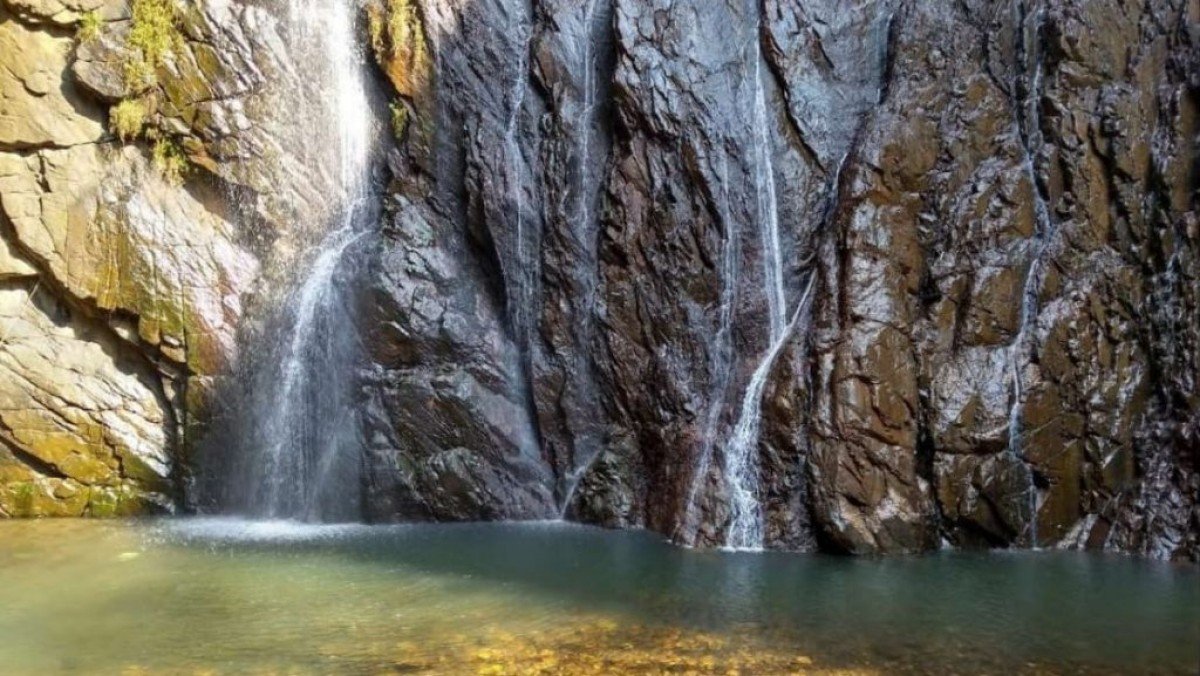
1. Hirakud Dam (15 KM), 2. Huma Leaning Temple (25 KM), 3. Ghanteswari Temple (30 KM), 4. Debrigarh Sanctuary (40 KM), 5. Chiplima (35 KM), 6. Ushakothi Sanctuary (45 KM), 7. Gudguda Falls (75 KM), 8. Pradhanpat Falls (100 KM), 9. Bargarh (50 KM), 10. Jharsuguda (60 KM)
Tourism Tips
-
Health & Safety: Carry bottled water as the weather can be dehydrating; stick to well-lit areas during the evening hours.
Packing: Wear light cotton clothes for the day and carry a light jacket if visiting in December or January.Health & Safety: Carry bottled water as the weather can be dehydrating; stick to well-lit areas during the evening hours.
Packing: Wear light cotton clothes for the day and carry a light jacket if visiting in December or January.
Accommodation: There are several budget and mid-range hotels near the railway station and OTDC Panthanivas for a comfortable stay.
Local Etiquette: Remove shoes before entering temple premises and dress modestly to respect local religious sentiments.
Reviews
FAQs
Sambalpur Itineray And Cost:-
Other Places In Odisha :-
Other States In India :-
Information about New and Updated Locations() of Odisha Has Been Added :-
Card subtitle
Note:-
Information provided here in good Faith and for reference only.
Near Places
Angul
Some quick example text to build on the card title and make up the bulk of the card's content.
Go somewhere
Balasore
Some quick example text to build on the card title and make up the bulk of the card's content.
Go somewhere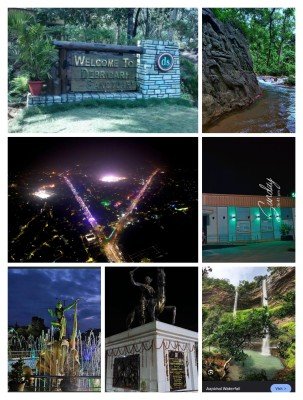
Bargarh
Some quick example text to build on the card title and make up the bulk of the card's content.
Go somewhere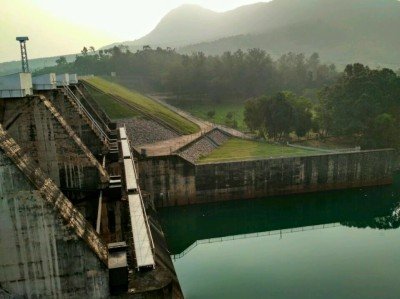
Baripada
Some quick example text to build on the card title and make up the bulk of the card's content.
Go somewhere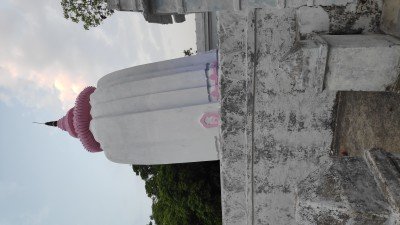
Berhampur
Some quick example text to build on the card title and make up the bulk of the card's content.
Go somewhere
Bhadrak
Some quick example text to build on the card title and make up the bulk of the card's content.
Go somewhere
Bhubaneswar
Some quick example text to build on the card title and make up the bulk of the card's content.
Go somewhere
Chandipur
Some quick example text to build on the card title and make up the bulk of the card's content.
Go somewhere
Cuttack
Some quick example text to build on the card title and make up the bulk of the card's content.
Go somewhere
Daringbadi
Some quick example text to build on the card title and make up the bulk of the card's content.
Go somewhere
Dhauli
Some quick example text to build on the card title and make up the bulk of the card's content.
Go somewhere
Dhauligiri
Some quick example text to build on the card title and make up the bulk of the card's content.
Go somewhere
Gopalpur
Some quick example text to build on the card title and make up the bulk of the card's content.
Go somewhere
Jajpur
Some quick example text to build on the card title and make up the bulk of the card's content.
Go somewhere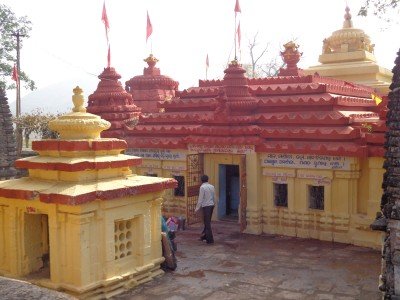
Jeypore
Some quick example text to build on the card title and make up the bulk of the card's content.
Go somewhere
Jharsuguda
Some quick example text to build on the card title and make up the bulk of the card's content.
Go somewherein Other Cities