
...

Place To Visit And Things To Do In Shirdi

Maharashtra, India
The Spiritual Heart: Shirdi is one of the most revered pilgrimage sites in India, famous as the home of the saint Sai Baba. Millions of devotees from all over the world visit this small town to seek his blessings. Sai Baba lived here for over 60 years, teaching the message of 'Shraddha' (Faith) and 'Saburi' (Patience). The town's atmosphere is filled with a deep sense of peace and spirituality. It has transformed from a tiny village into a major religious hub with world-class facilities for pilgrims. Life of Sai Baba: The history of Shirdi is inseparable from the life of Sai Baba. He arrived here as a young boy and spent his life in the Dwarkamai mosque. He performed numerous miracles and helped people of all religions, promoting the idea of 'Sabka Malik Ek' (One God for all). The various sites in the town, like Gurusthan and Chavadi, are places where he spent his time. Devotees find a strong spiritual connection here, believing that Baba still resides in the hearts of his followers. Modern Pilgrimage: Today, Shirdi is managed by the Shri Saibaba Sansthan Trust, which is one of the richest temple trusts in India. The infrastructure is highly organized, with massive dining halls, residential complexes, and a high-tech 'Darshan' system. Despite the large crowds, the town maintains a disciplined and holy environment. Apart from the main temple, there are several other religious and leisure attractions nearby. It is a destination that offers spiritual solace and a sense of community to everyone who visits. Cultural Unity: Shirdi is a shining example of communal harmony, as Sai Baba himself followed no single religion. People from all walks of life, regardless of their caste or creed, stand in the same queue for Darshan. The local culture is centered around the temple activities, with the daily 'Aartis' being the highlight of the day. The town's economy is largely driven by tourism and religious activities. A visit to Shirdi is often a life-changing experience for many, providing a path to inner peace and devotion.

Things To Do

Card image cap
Abdul Baba Cottage

@@Historical Significance: The Abdul Baba Cottage is the residence where Haji Abdul Baba, one of Sai Baba's most fervent and trusted devotees, spent t...
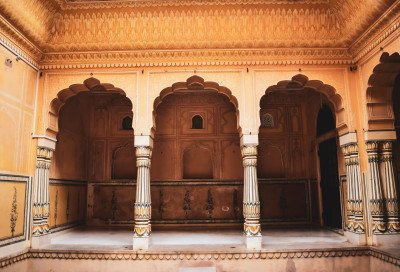
@@Historical Significance: The Abdul Baba Cottage is the residence where Haji Abdul Baba, one of Sai Baba's most fervent and trusted devotees, spent the last years of his life in Shirdi India. Abdul Baba arrived in Shirdi around 1889 and served Sai Baba faithfully until the saint's Mahasamadhi in 1918. Sai Baba referred to him as "My Abdul". The cottage is not grand but holds immense spiritual value, serving as a memorial to the deep bond between the Guru and his disciple. It is located directly opposite the Chavadi, another historically significant spot. This proximity underscores the central role Abdul Baba played in the daily life of Sai Baba, especially during the procession to Chavadi every alternate night. The green-coloured cottage is kept simple, reflecting the humble life of the devotee. @@Artifacts and Memorabilia: Inside the cottage, visitors can see various rare artifacts and memorabilia associated with both Sai Baba and Abdul Baba. The most prominent items are the pair of chimta (fire tongs) that Sai Baba is said to have given to Abdul Baba. These artifacts offer a tangible link to the saint's daily life and interactions. There are also several old black and white photographs, including a notable one of Sai Baba with Swami Chinmayanand. The simplicity and personal nature of the relics create a unique, intimate atmosphere unlike the grandeur of the main temple complex, making it a very personal pilgrimage spot. The history maintained by the descendants provides continuous emotional connection to the past. @@Preservation and Maintenance: The cottage is now a small museum open to the public, maintained by the family of Abdul Baba. This continuity ensures the preservation of the original ethos. The place is a powerful reminder of the virtues of service, devotion, and surrender, which Sai Baba greatly valued. While some visitors suggest more institutional maintenance, its current, slightly rustic state preserves the charm of old Shirdi. It provides a window into the lives of the early devotees who formed the core of Sai Baba's spiritual circle. The visit is a tribute to the humble followers who dedicated their lives to the saint and his message of "Sabka Malik Ek" (One God governs all). Abdul Baba's spiritual journey is intertwined with the cottage itself, making it a sacred space. (Word count: 402):
Card image cap
Bibi Ka Maqbara (Aurangabad)

Bibi Ka Maqbara is a striking mausoleum located in Aurangabad, often referred to as the "Taj of the Deccan" due to its uncanny resemblance to the ico...

Bibi Ka Maqbara is a striking mausoleum located in Aurangabad, often referred to as the "Taj of the Deccan" due to its uncanny resemblance to the iconic Taj Mahal in Agra. Built by Prince Azam Shah, the son of Emperor Aurangzeb, in memory of his mother, Dilras Banu Begum (Rabia-ud-Daurani), in the late 17th century, it stands as a significant example of Mughal architecture in the Deccan region. While it may not possess the grand scale and opulence of the Taj Mahal, its architectural style, the use of white marble, and the layout of the garden evoke a strong sense of its famous predecessor. The mausoleum is situated in a charbagh (four-part garden) layout, with pathways, water channels, and fountains leading up to the main structure. The tomb itself is set on a high platform, accessed by a flight of steps. The central dome is flanked by four minarets, mirroring the Taj Mahal's design. The intricate marble screens (jali work) and stucco ornamentation on the walls are noteworthy, showcasing the fine craftsmanship of the era. The tomb of Dilras Banu Begum lies beneath the ground level, accessible via a flight of stairs. Despite being a lesser-known monument compared to the Taj, Bibi Ka Maqbara offers a serene and historically rich experience. It provides insight into the later period of Mughal architecture and the personal lives of the emperors. For visitors to Shirdi, it's an excellent addition to an itinerary that includes the Ellora Caves and Aurangabad, offering a taste of imperial history and architectural grandeur away from the spiritual focus of Shirdi.
Card image cap
Chavadi

@@Historical Significance: The Chavadi holds a unique and central place in the history of Shirdi as the place where Sai Baba began to sleep every alte...

@@Historical Significance: The Chavadi holds a unique and central place in the history of Shirdi as the place where Sai Baba began to sleep every alternate night for the last decade of his life, starting around 1909. Before this, he spent all his time in the Dwarkamai Masjid. The reason for this shift is often attributed to a heavy rainstorm that flooded the Dwarkamai, making it unsuitable for sleeping. His devotees, led by Shri Mhalsapati, insisted he move to the drier Chavadi. The event became a formal procession, a ritual that continues even today every Thursday evening. The name Chavadi literally means a "village office" or "community hall" in Marathi, and it was originally used for collecting village taxes and records. @@The Procession Tradition: The act of moving from Dwarkamai to the Chavadi became a ritual of grand ceremony, with music, flags, and a bedecked horse, treating Sai Baba like a king. This procession, which was initially simple, grew in grandeur due to the devotion of followers like Radhakrishnayi. This is where the tradition of the Shej Arati (night arati) at the Chavadi began, as the arati was performed upon his arrival. This formal worship laid the foundation for the regular worship of Sai Baba in his later life. @@Interior Layout: The Chavadi is divided into two main sections: the male section and the female section. The male section, where Sai Baba slept, houses his large portrait, a wooden bed, and a white chair. Women are traditionally not allowed in this specific area, a custom maintained since Baba's time. The other side is the female section. The building also holds a special portrait of Baba in a grand attire (Raj Upachar photo), which is the one taken out in the Thursday procession. The building underwent renovation in 1912 with tiled flooring and mirror work, funded by the devotee Anna Chinchanikar, making it more suitable for Baba's use while preserving its essence. (Word count: 405):
Card image cap
Daulatabad Fort

Daulatabad Fort, also known as Devagiri, is a magnificent 12th-century citadel located atop a conical basalt hill. Originally built by the Yadava dyn...
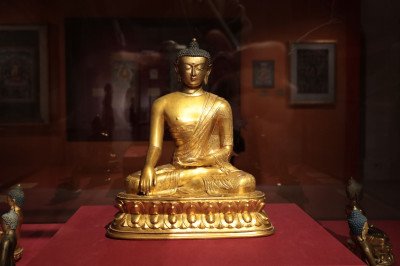
Daulatabad Fort, also known as Devagiri, is a magnificent 12th-century citadel located atop a conical basalt hill. Originally built by the Yadava dynasty, it later served as the capital for the Delhi Sultanate under Muhammad bin Tughlaq, who famously moved his entire population from Delhi to this site. The fort is renowned for its complex defense systems that made it nearly impossible to conquer by force. Visitors must climb nearly 750 steps to reach the summit, passing through various gates, dark tunnels, and bastions. The site offers a rich tapestry of history, showcasing a blend of Hindu and Islamic influences. Exploring this massive complex provides deep insights into medieval warfare and structural engineering. The panoramic views of the surrounding plains from the top are truly breathtaking.
Card image cap
Dixit Wada Museum

@@Historical Significance: The Dixit Wada Museum is located within the Shri Sai Baba Sansthan Trust complex. It is housed in the former residence of K...

@@Historical Significance: The Dixit Wada Museum is located within the Shri Sai Baba Sansthan Trust complex. It is housed in the former residence of Kaka Saheb Dixit, a close and highly educated devotee of Sai Baba. The term 'Wada' refers to a large traditional dwelling in Maharashtra. This place was built and frequently visited by Kaka Saheb Dixit to seek Baba's darshan and company. After Sai Baba's Mahasamadhi, the Wada was converted into a museum to preserve the precious personal belongings and artifacts used by Sai Baba during his lifetime, ensuring that his memory and material legacy are maintained for future generations of devotees. @@Collection of Artifacts: The museum is a repository of rare and personal items that provide an intimate glimpse into the simple lifestyle of the great saint. The collection includes his famous Kafni (long robes), his leather Padukas (sandals or wooden footwear), and his smoking pipe (chilim). Visitors can also view various cooking utensils, water tumblers, and the bathing stone used by Sai Baba. These everyday items are treated with immense reverence and are the main draw for pilgrims. @@Photographic Archive: A significant part of the museum's collection is a rich archive of rare black and white photographs of Sai Baba, offering visual documentation of his life, his interactions with devotees, and the development of Shirdi during his time. These photos are invaluable to historians and devotees alike, as they capture the saint's physical presence and the spiritual atmosphere of early Shirdi. The museum is centrally located, making it an essential and easily accessible part of the standard pilgrimage circuit. It complements the spiritual experience of the main temple with a historical and tangible connection to Baba. (Word count: 401):
Card image cap
Dwarkamai Masjid

@@Historical Significance: Dwarkamai Masjid is arguably the most sacred spot in Shirdi, second only to the Samadhi Mandir. It was the humble, dilapida...

@@Historical Significance: Dwarkamai Masjid is arguably the most sacred spot in Shirdi, second only to the Samadhi Mandir. It was the humble, dilapidated mosque where Sai Baba resided continuously for about 60 years, right up until his Mahasamadhi in 1918. Baba transformed this ruin into a spiritual powerhouse, which he lovingly called "Masjid Mai" (Mosque Mother), emphasizing its role as a protective and nurturing deity for his devotees. The name Dwarkamai itself is a blend of Dwarka (a holy Hindu city) and Masjid (Mosque), symbolizing Baba's philosophy of religious unity (Hindu and Muslim). @@The Dhuni and Udi: The most important feature inside is the sacred Dhuni (a perpetual sacred fire) that Sai Baba kept burning day and night. The ash (Udi) from this fire is considered holy and is distributed to devotees as prasad for its miraculous healing and protective properties. Baba would use this Udi to bless and heal his followers. The original location of the Dhuni is maintained today. @@Interior Layout and Relics: The structure has two levels. The first level houses a large portrait of Sai Baba and the stone on which he used to sit (Baba's Asana). This level also features a niche that contains a chariot and a Palki (palanquin). The second level is reached by stone steps and contains the Bathing Stone and the Kolamba (a wooden vessel) where Baba kept the Bhiksha (alms) he collected, along with the Grinding Stone he used. The entire structure is a testament to Baba's simple, austere, and yet profoundly spiritual life, serving as the nucleus of the entire Shirdi complex. (Word count: 401):
Card image cap
Ellora Caves (near Aurangabad)

The Ellora Caves represent one of the most remarkable examples of Indian rock-cut architecture, showcasing an extraordinary display of religious harm...

The Ellora Caves represent one of the most remarkable examples of Indian rock-cut architecture, showcasing an extraordinary display of religious harmony. This complex of 34 caves comprises Buddhist, Hindu, and Jain rock-cut temples and monasteries, excavated out of the basalt cliffs between the 6th and 10th centuries CE. The caves are a testament to the coexistence and artistic collaboration of these three major Indian religions during that period. Each group of caves (Buddhist, Hindu, and Jain) has its distinct architectural and sculptural styles, yet all are carved from a single rock face, a feat of immense engineering and artistic skill. The most iconic of the Ellora Caves is the Kailasa Temple (Cave 16), a monumental single-rock-cut temple dedicated to Lord Shiva. It's an unparalleled architectural marvel, carved top-down from a single massive rock, designed to resemble a multi-storied structural temple. Its intricate carvings depict various Hindu mythological scenes, including episodes from the Ramayana and Mahabharata, and sculptures of deities, dancers, and musicians. The Buddhist caves (Caves 1-12) feature large monastic halls (viharas) and prayer halls (chaityas), adorned with Buddha statues and exquisite carvings. The Jain caves (Caves 30-34) are smaller but known for their detailed carvings and well-preserved paintings. Exploring Ellora is a journey through centuries of religious art, architecture, and philosophical thought. The sheer scale and artistic brilliance of these caves leave visitors awe-struck, offering a profound appreciation for ancient Indian craftsmanship and the peaceful coexistence of diverse faiths. It's a historical and artistic pilgrimage that is well worth the travel from Shirdi, providing a rich cultural experience.
Card image cap
Grishneshwar Jyotirlinga Temple

The Grishneshwar Temple stands as another revered Jyotirlinga shrine dedicated to Lord Shiva, making it a crucial pilgrimage site, particularly for d...

The Grishneshwar Temple stands as another revered Jyotirlinga shrine dedicated to Lord Shiva, making it a crucial pilgrimage site, particularly for devotees visiting the nearby Ellora Caves. This ancient temple, often spelled Grishneshwar or Ghrishneshwar, is a living example of the rich Maratha temple architecture and devotional heritage. It holds a unique significance as it is located very close to the Ellora Caves, allowing pilgrims and tourists to combine spiritual and historical exploration. The temple's structure is predominantly built of red basalt rock, a characteristic feature of Deccan architecture. It is believed to have been built by Maloji Raje Bhonsle (Shivaji's grandfather) in the 17th century and later renovated by Ahilyabai Holkar in the 18th century, a renowned patron of Hindu temples. The temple features intricate carvings, depicting various mythological figures and scenes from Hindu scriptures. The inner sanctum houses the sacred Jyotirlinga. The temple's modest yet spiritually charged atmosphere invites devotees to offer prayers and perform rituals. The presence of a sacred tank nearby further adds to the temple's sanctity. Grishneshwar is not just a place of worship; it's a testament to the enduring faith and architectural prowess of the bygone eras. Its proximity to the magnificent Ellora Caves offers a powerful juxtaposition: the living tradition of a functional temple alongside the ancient artistry of rock-cut monuments, making it an essential stop for anyone exploring the historical and spiritual heartland of Maharashtra.
Card image cap
Gurusthan

@@Historical Significance: Gurusthan, meaning "Place of the Guru", is revered as the spot where Sai Baba was first seen as a young Bal Yogi (child asc...

@@Historical Significance: Gurusthan, meaning "Place of the Guru", is revered as the spot where Sai Baba was first seen as a young Bal Yogi (child ascetic) when he arrived in Shirdi around 1854. He was discovered sitting in deep meditation under a Neem tree (Azadirachta indica). Sai Baba himself declared this place to be the location of the tomb of his own Guru, an unnamed saint, and asserted that anyone who lights a lamp here will have their miseries banished. This initial arrival marked the beginning of Baba's 60-year sojourn in the village. @@The Sacred Neem Tree: The Neem tree is the central feature of the Gurusthan. Its leaves, which are usually bitter, are said to have become sweet at this spot due to Baba's divine presence, symbolizing the sweetness of his teachings that remove the bitterness of worldly life. A small shrine and platform have been built around the base of the tree. @@The Shrine and Relics: The current structure is a small, renovated temple built in 1941. Inside, it houses a large portrait of Sai Baba, a marble statue of Baba, a Shivalingam, and a Nandi bull statue. Pictures of the Twelve Jyotirlingas are also displayed. This syncretic setup, blending the memory of the saint with traditional Hindu deities, again reflects Baba's inclusive philosophy. The roots of the ancient Neem tree penetrate through the roof of the temple, physically connecting the original sacred spot with the modern shrine, creating a highly charged spiritual environment. (Word count: 403):
Card image cap
House of Abdul Baba

The House of Abdul Baba holds a significant and intimate connection to Shirdi Sai Baba, as Abdul Baba was one of Sai Baba's most devoted and trusted ...

The House of Abdul Baba holds a significant and intimate connection to Shirdi Sai Baba, as Abdul Baba was one of Sai Baba's most devoted and trusted disciples. He served Baba faithfully for many years, performing various tasks, including fetching water, sweeping Dwarkamai, and tending to Baba's clothes. Abdul Baba was known for his simplicity, humility, and unwavering dedication to the saint. He was also a prolific writer and maintained a diary, which is considered a valuable source of information about Baba's life and sayings. His humble house, a testament to the simple lives of Baba's closest devotees, has been preserved to honor his service and connection to the saint. Inside the house, visitors can see some of Abdul Baba's personal belongings, including a chilam (smoking pipe) that Baba occasionally used and then passed on to him, some old books, and perhaps photographs. The atmosphere is one of quiet reverence, offering a stark contrast to the main temple's bustle. Visiting Abdul Baba's house provides a more personal and grounded perspective on Baba's life and the lives of those who served him. It highlights the profound relationships Baba forged with his devotees, regardless of their social standing or background. It allows visitors to step back in time and imagine the simple daily routines of those who were closest to the saint. For devotees, it's a poignant reminder of the power of selfless service and the deep bond between a Guru and his disciple, making it a meaningful stop in their spiritual exploration of Shirdi.
Card image cap
House of Laxmibai Shinde

@@Historical Significance: The House of Laxmibai Shinde is a small, revered cottage that belonged to Laxmibai Shinde, one of the very few devotees who...

@@Historical Significance: The House of Laxmibai Shinde is a small, revered cottage that belonged to Laxmibai Shinde, one of the very few devotees who were allowed to serve Sai Baba personally. Laxmibai was renowned for her intense and selfless devotion to Baba. She was one of the three primary women who served him food and water. This is particularly significant as Baba was a Fakir (mendicant) who lived on alms (Bhiksha). Laxmibai was among the seven fortunate devotees who were with Sai Baba at the moment of his Mahasamadhi in 1918. @@The Gift of Nine Coins: The house is most famous for preserving the tangible memory of Baba's ultimate blessing to Laxmibai. Before his Mahasamadhi, Sai Baba gave her nine silver coins (Nav Nane). These coins are symbolic of the nine forms of devotion (Navavidha Bhakti) and represent the completeness of her service and her spiritual wealth. These precious coins are now the central attraction and are displayed inside the house, along with a statue of Laxmibai. @@Preservation as a Memorial: The small house and the lane leading to it, located just a few metres down the alley opposite the Chavadi, are maintained as a private memorial by her descendants. The place also contains the Samadhi (tomb) of Laxmibai Shinde in the small open area in front of the house, allowing devotees to pay respect to the loyal disciple. Visiting this spot is a tribute to the virtues of unconditional service and faith. The experience is intimate, far removed from the massive crowds of the main temple, offering a personal connection to Baba's circle. (Word count: 401):
Card image cap
Jangli Maharaj Ashram

@@Historical Significance: The Vishwatmak Jangli Maharaj Ashram is dedicated to His Holiness Param Pujya Vishwatmak Gurudev, who is widely revered as ...

@@Historical Significance: The Vishwatmak Jangli Maharaj Ashram is dedicated to His Holiness Param Pujya Vishwatmak Gurudev, who is widely revered as Jangli Maharaj. While not directly connected to Sai Baba's inner circle like the other sites, it is a significant spiritual centre located near Shirdi and is often included in the pilgrimage itinerary due to its profound spiritual and social activities. The Ashram serves as a peaceful retreat and a focal point for the spiritual tradition (parampara) of Jangli Maharaj. The Ashram's founder, Om Gurudev, continued a mission of spiritual and social upliftment, drawing pilgrims seeking guidance and peace. @@Educational and Social Activities: Beyond its spiritual role, the Ashram is famous for running a co-educational residential school for children, promoting holistic development that combines spiritual values with modern education. This commitment to seva (service) and education makes it a modern hub of philanthropy, drawing visitors interested in the social work alongside the spiritual aspect. The tranquil environment offers a sharp contrast to the crowded main Shirdi temple complex. @@The Gurudev's Philosophy: The Ashram propagates the teachings and philosophy of Jangli Maharaj, which are rooted in universal spirituality, self-realization, and devotion. It hosts regular programs and spiritual discourses, fostering a sense of community among followers. The distance from the main town center contributes to its serene and contemplative atmosphere, making it ideal for devotees seeking a deeper spiritual retreat and detachment from the hustle and bustle of city life. The Ashram is a symbol of a living spiritual tradition in the region. (Word count: 400):
Card image cap
Khandoba Mandir

@@Historical Significance: The Khandoba Mandir is a small, ancient temple dedicated to Lord Khandoba, a fierce form of Lord Shiva worshipped as the pr...
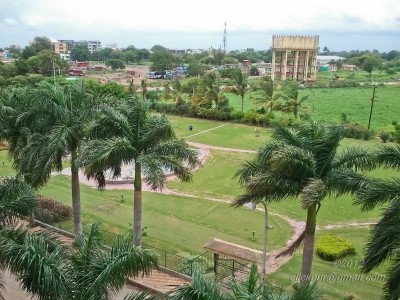
@@Historical Significance: The Khandoba Mandir is a small, ancient temple dedicated to Lord Khandoba, a fierce form of Lord Shiva worshipped as the presiding deity (Gramadevata) of Shirdi. This temple holds extraordinary significance because it is the very first place in Shirdi where Sai Baba was received by a villager upon his second arrival to the village around 1872. Mahalsapati, the temple priest, was the one who saw the young Fakir (mendicant) and, mistaking him for a Muslim, is said to have greeted him with the now-immortal words: "Aao Sai" (Come, Sai). It is this welcome that gave the saint the name 'Sai', meaning "Saint" or "Master", which has stuck ever since. @@A Simple, Sacred Structure: The temple is a small, well-maintained, and quiet place, contrasting with the massive Samadhi Mandir. It houses the stone idol of Lord Khandoba in the sanctum. The idols of Sai Baba and Mahalsapati are also enshrined here, commemorating the moment of their first meeting and the naming of the saint. The presence of the three idols symbolizes the historical event and the profound devotion of Mahalsapati. @@The Fire-Walking Pit: In front of the temple, there is a rectangular sandpit that was historically used for fire-walking ceremonies during the annual Champa Shashti festival. Although the tradition is mostly discontinued now, the pit remains, linking the temple to ancient, folk devotional practices, which Sai Baba respected and observed. The temple stands at the intersection of local village devotion and the new spiritual wave brought by Sai Baba. (Word count: 401):
Card image cap
Lendi Baug

@@The Holy Garden: Lendi Baug is a historical garden where Sai Baba would regularly go for a stroll, water plants, and spend solitary time in the morn...
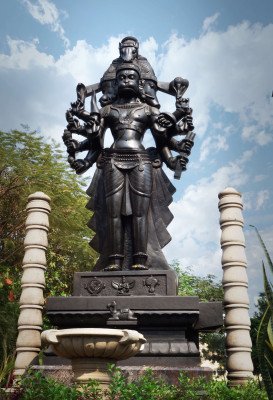
@@The Holy Garden: Lendi Baug is a historical garden where Sai Baba would regularly go for a stroll, water plants, and spend solitary time in the mornings and afternoons, making it a place of immense spiritual value for devotees. It is named after a small drain (Lendi) that once flowed nearby. The garden houses several significant objects and shrines related to the saint’s life, including the Nanda Deep and the Samadhi of his horse.@@A Peaceful Sanctuary: This tranquil space served as a personal retreat for Baba, signifying his love for nature and his daily routine away from the Dwarkamai and Samadhi Mandir complex. Devotees visit here to feel the presence of the saint and witness the remnants of his earthly activities.
Card image cap
Maruti Mandir

@@Ancient Devotional Site: Dedicated to Lord Hanuman (Maruti), this is one of the oldest temples in Shirdi and predates the arrival of Sai Baba. It is...
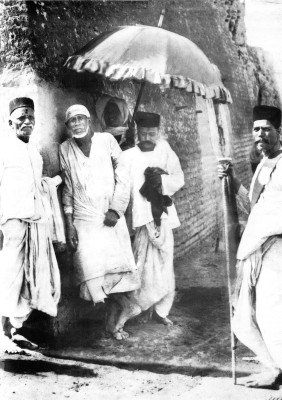
@@Ancient Devotional Site: Dedicated to Lord Hanuman (Maruti), this is one of the oldest temples in Shirdi and predates the arrival of Sai Baba. It is a simple, serene structure located very close to the main temple complex. Sai Baba is said to have rested here during his initial days in Shirdi before moving to the Dwarkamai. @@A Place of Strength: The temple is revered by devotees who believe that visiting Lord Hanuman bestows strength, courage, and unwavering faith, complementing their spiritual journey to seek the blessings of Sai Baba, whose teachings emphasized devotion.
Card image cap
Nashik (Panchavati, Kalaram Temple, Muktidham, Pandavleni Caves)

Nashik is one of Hinduism's most sacred pilgrimage centers and a city brimming with history and culture, making it a compelling day trip or an overni...

Nashik is one of Hinduism's most sacred pilgrimage centers and a city brimming with history and culture, making it a compelling day trip or an overnight stay from Shirdi. Situated on the banks of the sacred Godavari River, Nashik is renowned for its connection to the epic Ramayana, particularly the area known as Panchavati. It is believed that Lord Rama, Sita, and Lakshmana spent a significant part of their exile here. Panchavati: This revered site is where the Godavari River takes a sharp turn, and numerous small temples and ghats line its banks. The most important spot is Ramkund, where Lord Rama is believed to have bathed. Devotees take a holy dip here, especially during the Kumbh Mela, which takes place every 12 years. Nearby are the Sita Gufa (Sita's Cave), a small cave temple associated with Sita, and the Kalaram Temple. Kalaram Temple: This ancient temple, built in black stone in 1794, is dedicated to Lord Rama. The idol of Rama, Lakshmana, and Sita inside is made of black stone, hence the name "Kalaram" (Kala meaning black). The temple's architecture is grand and features intricate carvings. Muktidham Temple: A modern and architecturally unique temple built with white Makrana marble. It features replicas of all twelve Jyotirlingas of Lord Shiva, allowing devotees to experience all these shrines in one place. The walls of Muktidham also have the 18 chapters of the Bhagavad Gita inscribed on them. Pandavleni Caves: Located on a hill (Trivashmi Hill) just outside Nashik, these are a group of 24 ancient rock-cut caves dating back to the 1st century BCE to 3rd century CE. While popularly associated with the Pandavas of Mahabharata, these caves are predominantly Buddhist monastic complexes, housing stupas, prayer halls, and viharas (monasteries). They offer a glimpse into ancient Indian architecture and Buddhist art. Nashik's diverse attractions offer a rich blend of spiritual, historical, and architectural exploration, providing a deeper understanding of Maharashtra's cultural heritage.
Card image cap
Sai Heritage Village

@@India's First Pilgrim-cum-Picnic Theme Park: Opened in 2014, Sai Heritage Village is an innovative spiritual and recreational park that recreates th...
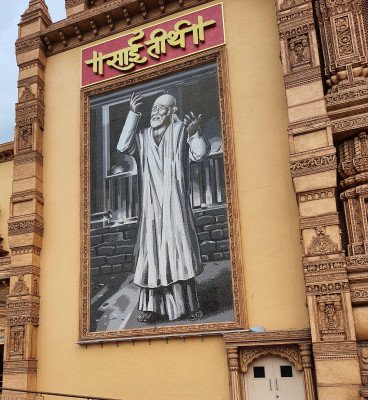
@@India's First Pilgrim-cum-Picnic Theme Park: Opened in 2014, Sai Heritage Village is an innovative spiritual and recreational park that recreates the old village of Shirdi from the time Sai Baba lived there. It showcases key events from Sai Baba's life using realistic, life-size statues and exhibits. @@Educational and Family Friendly: It offers a unique blend of spiritual learning and fun activities, making it an ideal destination for families and children to learn about the saint’s life in an engaging, interactive environment. It aims to visualize the simple, austere life Baba led.
Card image cap
Sai Prasadalaya

Sai Prasadalaya is a massive, state-of-the-art dining facility run by the Shri Saibaba Sansthan Trust, designed to provide hygienic and affordable me...

Sai Prasadalaya is a massive, state-of-the-art dining facility run by the Shri Saibaba Sansthan Trust, designed to provide hygienic and affordable meals (Prasad or holy food) to the millions of devotees visiting Shirdi. It stands as a remarkable example of large-scale community service and embodies the spirit of charity and selfless service that Sai Baba himself preached. Often cited as one of the largest solar-powered kitchens in India, it can feed thousands of pilgrims daily. The facility is meticulously clean and organized, offering a streamlined process for obtaining meals. Devotees purchase a nominal meal coupon and then proceed to spacious dining halls where they are served simple, wholesome, and delicious vegetarian meals. The use of solar energy for cooking highlights the trust's commitment to sustainability and modern practices. The atmosphere within the Prasadalaya is one of humility and gratitude, as devotees partake in a meal that is considered a blessing from Sai Baba. Beyond its primary function, Sai Prasadalaya often serves as a central point for various community initiatives and charitable works undertaken by the Sansthan. It ensures that every devotee, regardless of their background, has access to a nutritious meal, reinforcing the message of equality and universal brotherhood that Sai Baba championed. For many, eating at the Prasadalaya is an integral part of their Shirdi pilgrimage, providing not just sustenance but also a deeper connection to the principles of selfless service and shared community that are central to Sai Baba's teachings.
Card image cap
Sai Teerth Devotional Theme Park

@@India's First Indoor AC Devotional Theme Park: Sai Teerth is a modern, high-tech theme park that uses technology to present the life and miracles of...

@@India's First Indoor AC Devotional Theme Park: Sai Teerth is a modern, high-tech theme park that uses technology to present the life and miracles of Sai Baba and the history of Indian pilgrimage sites. It provides a spiritual experience blended with entertainment in an air-conditioned environment. @@Immersive Attractions: The park features multiple indoor shows and rides like Teerth Yatra (a temple ride), Dwarkamai (a robotic show), and Lanka Dahan (a 5D show), making the religious journey interactive and engaging for all age groups.
Card image cap
Shani Shingnapur

Shani Shingnapur is a globally unique village where houses, shops, and even banks lack doors and locks. This tradition stems from the profound belief...

Shani Shingnapur is a globally unique village where houses, shops, and even banks lack doors and locks. This tradition stems from the profound belief that Lord Shani, the deity of the planet Saturn, protects the village from any crime. The central attraction is the Shani Dev shrine, which features a self-emerged (Swayambhu) black stone idol standing on an open-air platform. Unlike traditional temples, there is no roof over the deity, as per the Lord's own divine instruction. Millions of devotees visit annually to perform Tailabhishekam (pouring oil) to appease the deity and seek protection from ill effects. The atmosphere is one of intense devotion and simplicity, reflecting the rural roots of the region. It is a place where faith literally replaces physical security.
Card image cap
Shri Khandoba Mandir

The Shri Khandoba Mandir holds significant historical and spiritual importance in the narrative of Shirdi Sai Baba's life. This temple, dedicated to ...

The Shri Khandoba Mandir holds significant historical and spiritual importance in the narrative of Shirdi Sai Baba's life. This temple, dedicated to Lord Khandoba (a manifestation of Lord Shiva, revered as a folk deity in Maharashtra), is famously associated with Baba's arrival in Shirdi. It is believed that when Sai Baba first arrived in Shirdi as a young ascetic, he was greeted by the temple priest, Mhalsapati, who recognized his spiritual aura and exclaimed, "Aao Sai!" (Come, Sai!). This greeting is said to be how the saint received the name "Sai." The temple itself is a modest but revered structure. It houses idols of Lord Khandoba along with his consorts, Mhalsai and Banai. The atmosphere is peaceful, offering a sense of calm distinct from the bustling main temple complex. In front of the temple, there is a rectangular sandpit that was traditionally used for fire-walking rituals (agnihotra), though this practice is no longer performed. Devotees often visit this temple to offer prayers and pay their respects, recognizing its pivotal role in the early days of Sai Baba's presence in Shirdi. It serves as a reminder of Baba's initial acceptance into the village and the secular nature of his teachings, which transcended religious boundaries. A visit to the Khandoba Mandir provides a deeper historical context to the Sai Baba pilgrimage, allowing devotees to connect with the very place where Baba was first acknowledged and welcomed into the community that would later become his eternal abode. It's an important stop for anyone wanting to trace the origins of Sai Baba's journey in Shirdi and the divine events that unfolded.
Card image cap
Shri Sai Baba Samadhi Mandir

@@History of the Sacred Wada: The shrine which houses Sai Baba's tomb was originally a Dagadi Wada (stone mansion) constructed during Baba's last year...

@@History of the Sacred Wada: The shrine which houses Sai Baba's tomb was originally a Dagadi Wada (stone mansion) constructed during Baba's last years by a wealthy devotee from Nagpur, Shreemant Gopalrao Booty. The land itself was a garden that Sai Baba had personally tended in his earlier days, planting it with jasmine and marigold seeds, thus transforming a dumping ground into a place of beauty. The construction began around 1915 with the original intention of being a rest house and a temple for an idol of Murlidhar (a form of Lord Krishna). Sai Baba gave his blessing, saying, “When the temple is built, we shall inhabit it and ever afterwards live in joy.” This statement is crucial as it foreshadowed his Mahasamadhi. @@The Mahasamadhi: On October 15, 1918, a very auspicious Tuesday that coincided with a Hindu festival and the Muslim month of Ramzan, Sai Baba's health deteriorated. His last words were, "I am not feeling well in the Masjid (referring to Dwarkamai). Carry me to the Dagadi Wada." He was carried there and was ultimately interred exactly where the idol of Murlidhar was supposed to be placed, thus fulfilling his prophecy in a unique and spiritual way. The beautiful life-size marble idol of Sai Baba, sculpted by Late Balaji Vasant, was installed much later in 1954. Today, this Mandir is the spiritual climax for millions of devotees, representing the living presence of the saint. The complex is maintained by the Shri Saibaba Sansthan Trust (SSSS) and is open to all visitors irrespective of caste, creed, or religion. It is a symbol of unity and devotion. Shirdi as a town revolves entirely around this one sacred spot. (Word Count: ~405):
Card image cap
Shri Saibaba Samadhi Mandir

The Shri Saibaba Samadhi Mandir is the spiritual epicenter of Shirdi, where the mortal remains of the revered saint, Shirdi Sai Baba, are enshrined. ...

The Shri Saibaba Samadhi Mandir is the spiritual epicenter of Shirdi, where the mortal remains of the revered saint, Shirdi Sai Baba, are enshrined. This sacred temple holds immense significance for millions of devotees worldwide, serving as the primary reason for their pilgrimage to Shirdi. The temple complex is a sprawling and meticulously managed space, designed to accommodate the vast influx of devotees while maintaining a solemn and spiritual ambiance. The main idol of Sai Baba, a beautiful white marble statue, is located in the central shrine, seated on a throne. This idol is a replica of the original one installed in 1954 and is the focal point of devotion. Devotees line up for hours in queues, patiently waiting for a glimpse (darshan) of the revered idol. The temple performs various daily rituals, including Kakad Arati (morning aarti), Madhyan Arati (afternoon aarti), Dhoop Arati (evening aarti), and Shej Arati (night aarti), each accompanied by devotional hymns and prayers. These aartis are deeply spiritual experiences, drawing large crowds. The temple's architecture is a blend of traditional Indian temple styles, with intricate carvings and serene prayer halls. The complex also houses other significant areas like the Gurusthan, the place where Sai Baba first appeared as a young lad and stayed under a neem tree; the Dwarkamai Masjid, a mosque where Baba lived for much of his life and performed miracles; and the Chavadi, where Baba occasionally slept. The Samadhi Mandir's atmosphere is charged with devotion, and the unwavering faith of the devotees creates a powerful spiritual energy that is palpable. A visit to the Shri Saibaba Samadhi Mandir is not just a religious ritual; it's a deeply personal and transformative spiritual journey for many, offering peace, solace, and a profound connection to the teachings of Sai Baba.
Card image cap
Shri Upasani Maharaj Ashram

@@Sacred Abode of a Disciple: The ashram is the spiritual sanctuary of Shri Upasani Maharaj (Upasani Baba of Sakori), a principal disciple of Shirdi S...

@@Sacred Abode of a Disciple: The ashram is the spiritual sanctuary of Shri Upasani Maharaj (Upasani Baba of Sakori), a principal disciple of Shirdi Sai Baba. Located in the nearby village of Sakori, it is an important pilgrimage site for followers of both saints. @@Unique Management by Kanyas: The ashram is historically and uniquely run by a group of devoted women (Kanyas), known as the Kanya Kumari Sthan, who maintain the traditions of selfless service and austerity taught by Upasani Maharaj and his successor, Godavari Mataji.
Card image cap
Sula Vineyards (Nashik)

While Shirdi draws visitors for spiritual solace, a short journey to Nashik offers a delightful and unique experience at Sula Vineyards, a prominent ...

While Shirdi draws visitors for spiritual solace, a short journey to Nashik offers a delightful and unique experience at Sula Vineyards, a prominent name in India's burgeoning wine industry. Sula Vineyards is not just a winery; it's a destination that blends agriculture, gourmet food, and leisure, providing a refreshing change of pace from traditional pilgrimage tourism. It has played a pivotal role in establishing Nashik as India's "Wine Capital." Spread over a picturesque landscape, Sula Vineyards offers comprehensive vineyard tours where visitors can learn about the winemaking process, from grape cultivation and harvesting to crushing, fermentation, and bottling. These tours often conclude with a wine-tasting session, allowing guests to sample a range of Sula's award-winning red, white, ros , and sparkling wines. The vineyard boasts a chic tasting room that provides a relaxed ambiance with stunning views of the surrounding hills and vineyards. Beyond wine tasting, Sula offers a range of facilities for a complete leisure experience. There are gourmet restaurants like "Little Italy" (serving Italian cuisine) and "Soma" (serving Indian and fusion cuisine) where visitors can enjoy fine dining paired with their favorite wines. The property also features a resort, the "Beyond by Sula," for those wishing to extend their stay in a tranquil setting. Sula hosts various events throughout the year, including the popular SulaFest music festival. A visit to Sula Vineyards is an immersive experience that caters to wine enthusiasts, foodies, and those simply looking to enjoy a serene and sophisticated day out amidst beautiful natural surroundings, adding a touch of modern leisure to a trip focused on traditional Indian heritage.
Card image cap
Trimbakeshwar Jyotirlinga Temple

The Trimbakeshwar Temple is one of the most revered pilgrimage sites in India, dedicated to Lord Shiva. It houses one of the twelve Jyotirlingas, mak...

The Trimbakeshwar Temple is one of the most revered pilgrimage sites in India, dedicated to Lord Shiva. It houses one of the twelve Jyotirlingas, making it a highly sacred destination for Hindu devotees. What makes this particular Jyotirlinga unique is that the Lingam is not a singular monolithic structure but comprises three small lingams representing the three major deities of the Hindu trinity: Brahma, Vishnu, and Mahesh (Shiva). These lingams are located in a depression on the floor of the sanctum, and water continuously oozes from the top of the Lingam, signifying the flow of the sacred Godavari River. The temple's architecture is exquisite, built in the traditional Nagara style using black basalt stone, and adorned with intricate carvings of deities, celestial beings, and decorative motifs. The temple complex is surrounded by beautiful natural scenery, including the Brahmagiri Mountain, which is believed to be the source of the Godavari River. Pilgrims often undertake a trek to the top of Brahmagiri to visit the origin of the river. Besides the main deity, the temple also houses other smaller shrines dedicated to various gods and goddesses. The atmosphere within the temple is deeply spiritual, filled with the chanting of mantras and the devout prayers of pilgrims. Visiting Trimbakeshwar offers a profound spiritual experience, connecting devotees to one of the most significant manifestations of Lord Shiva and providing a deeper insight into the rich tapestry of Hindu mythology and pilgrimage traditions. It's a must-visit for those seeking spiritual solace and a connection with ancient Indian heritage.
Card image cap
Trimbakeshwar Shiva Temple

Trimbakeshwar is one of the 12 Jyotirlingas and is uniquely significant because the lingam represents the Hindu Trinity: Brahma, Vishnu, and Mahesh. ...

Trimbakeshwar is one of the 12 Jyotirlingas and is uniquely significant because the lingam represents the Hindu Trinity: Brahma, Vishnu, and Mahesh. Located at the base of the Brahmagiri mountains, it is also the starting point of the sacred Godavari river. The current temple was built by Peshwa Balaji Baji Rao in the 18th century using local black basalt stone. It is a major center for Vedic rituals, particularly Kaal Sarp Dosh and Narayan Nagbali pujas. The temple's spiritual energy is palpable, with the sound of Vedic chants echoing through the stone corridors. Pilgrims often take a holy dip in the Kushavarta Kund before entering the shrine. The town of Trimbak itself is steeped in mythology and provides a serene, mountainous backdrop for spiritual seekers.
Card image cap
Upasani Maharaj Ashram

Located in the small village of Sakori, just a stone's throw from Shirdi, the Upasani Maharaj Ashram is a place of intense spiritual vibrations. It w...

Located in the small village of Sakori, just a stone's throw from Shirdi, the Upasani Maharaj Ashram is a place of intense spiritual vibrations. It was established by Shri Upasani Maharaj, a prominent disciple of Sai Baba. The ashram is unique because it is primarily managed by a group of dedicated women known as Kanyas, who lead a life of celibacy and service. The atmosphere here is far more quiet and austere compared to the main Shirdi temple, making it a favorite for those seeking deep meditation. The ashram preserves the teachings of Upasani Maharaj, which focus on the path of suffering as a means to reach the divine. Visitors can see the famous "cage" where the Maharaj performed severe penance. It remains a vital stop for Sai devotees who wish to understand the broader spiritual lineage of their master.
Card image cap
Wet N Joy Water Park

@@Modern Water and Amusement Park: Wet N Joy is a major recreational park in Shirdi offering a wide array of wet and dry rides, providing a fun and ex...

@@Modern Water and Amusement Park: Wet N Joy is a major recreational park in Shirdi offering a wide array of wet and dry rides, providing a fun and exciting break from the purely devotional aspects of the town. It is one of India's largest aqua play stations. @@Thrilling Rides and Family Fun: The park features high-thrill slides like the Black Hole and Anaconda, alongside family-friendly attractions like the Thunder Wave Pool (with eight types of waves) and a Lazy River for relaxation. It is a favorite among younger visitors and families.
Card image cap
Wet N Joy Waterpark

Offering a refreshing contrast to the spiritual serenity of the Sai Baba temple, Wet N Joy Waterpark provides a fun-filled and exciting recreational ...

Offering a refreshing contrast to the spiritual serenity of the Sai Baba temple, Wet N Joy Waterpark provides a fun-filled and exciting recreational option for families and tourists visiting Shirdi. While Shirdi is primarily a pilgrimage destination, this modern waterpark caters to those looking for a leisurely break, especially during the hot summer months. It's a testament to the evolving tourism landscape around major religious sites, offering diverse attractions for visitors. The waterpark boasts a variety of thrilling water rides, slides, and attractions designed for all age groups. It features exhilarating slides like the "Cyclone," "Boomerango," and "Family Raft Ride" for adventure seekers, along with gentler attractions such as a lazy river, a wave pool, and dedicated splash pads and smaller slides for children. The park is well-maintained, adhering to safety standards, and provides locker facilities, changing rooms, and food courts, ensuring a comfortable and enjoyable experience for its guests. The vibrant atmosphere, coupled with the cooling effect of the water, makes it a popular choice for families with children or groups of friends looking to unwind and have some fun after their spiritual pilgrimage. Wet N Joy Waterpark offers a perfect blend of excitement and relaxation, providing a memorable recreational escape. It allows visitors to extend their stay in Shirdi and enjoy a different facet of entertainment, adding a modern leisure option to the traditional pilgrimage experience.
Show All

Note:-

Information provided here in good Faith and for reference only.

All information and pictures will be updated soon, please keep visiting.

Near Places

...
Ajanta Caves

Some quick example text to build on the card title and make up the bulk of the card's content.

Go somewhere
...
Alibag

Some quick example text to build on the card title and make up the bulk of the card's content.

Go somewhere
...
Alibaug

Some quick example text to build on the card title and make up the bulk of the card's content.

Go somewhere
...
Amravati

Some quick example text to build on the card title and make up the bulk of the card's content.

Go somewhere
...
Aurangabad

Some quick example text to build on the card title and make up the bulk of the card's content.

Go somewhere
...
Bhandardara

Some quick example text to build on the card title and make up the bulk of the card's content.

Go somewhere
...
Diveagar

Some quick example text to build on the card title and make up the bulk of the card's content.

Go somewhere
...
Ganpatipule

Some quick example text to build on the card title and make up the bulk of the card's content.

Go somewhere
...
Karjat

Some quick example text to build on the card title and make up the bulk of the card's content.

Go somewhere
...
Khandala

Some quick example text to build on the card title and make up the bulk of the card's content.

Go somewhere
in Other Cities