
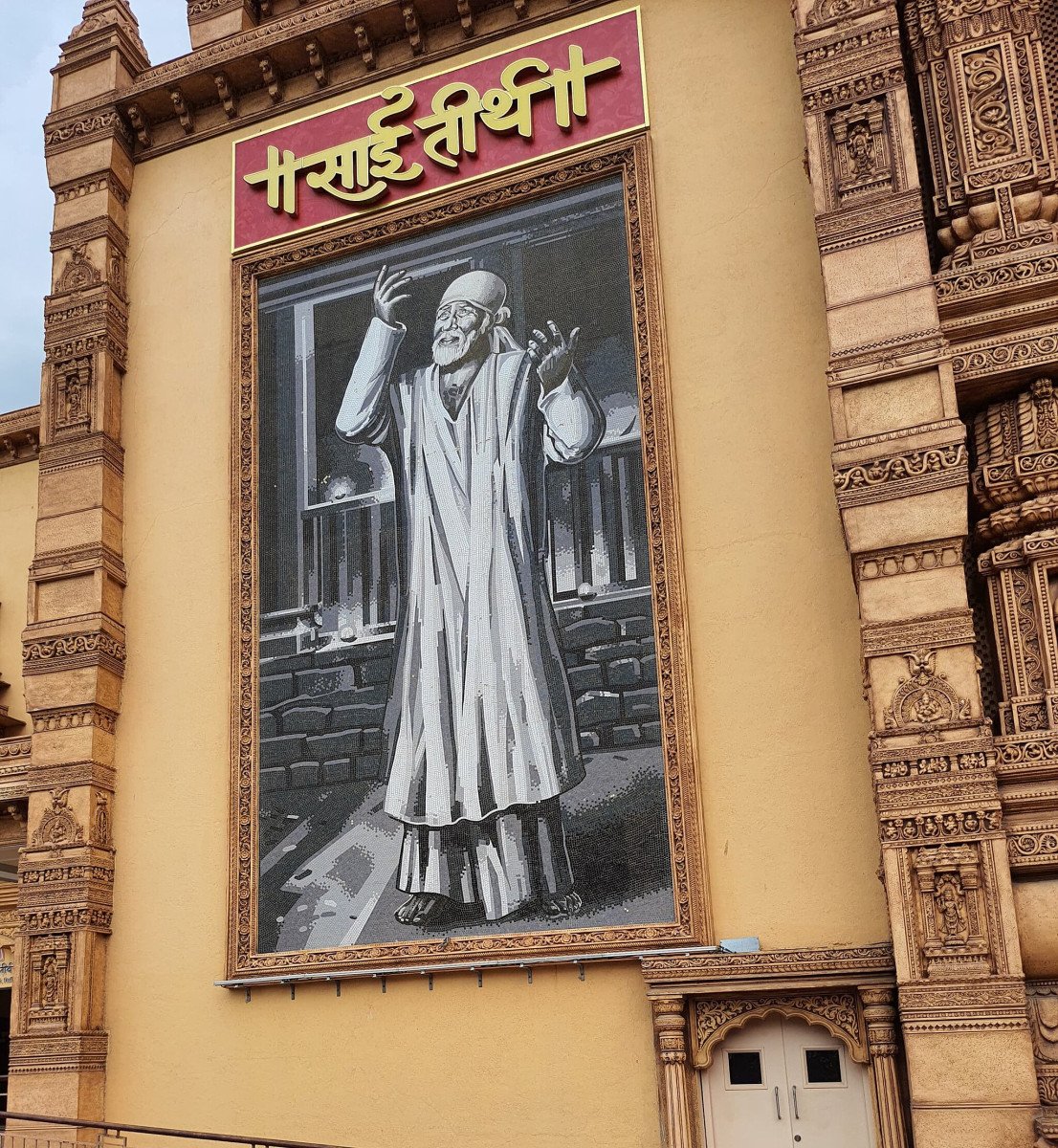
Shirdi
General information
-
Ideal Duration:
1-2 DaysPlace Type:
PilgrimageEntry Fees:
Darshan Fees: General entry for Darshan is free of cost. However, for those who want a quicker entry, 'VIP' or 'Paid Darshan' tickets are available for Rs. 200 per person. Tickets for the various 'Aartis' are also priced between Rs. 500 and Rs. 600.
Read MoreDarshan Fees: General entry for Darshan is free of cost. However, for those who want a quicker entry, 'VIP' or 'Paid Darshan' tickets are available for Rs. 200 per person. Tickets for the various 'Aartis' are also priced between Rs. 500 and Rs. 600.
Facilities Fees: The trust provides accommodation at very subsidized rates, starting from Rs. 200 per room. The meal at the Prasadalaya is available for a nominal charge of Rs. 10-20, and many devotees even get it for free through donations.Timing:
Regular Timings: The temple opens at 4:00 AM and closes after the final Aarti at 11:00 PM. The Prasadalaya operates from 10:00 AM to 10:00 PM. Other sites like Dwarkamai and Chavadi follow similar timings as the main temple.
Ideal Visit Time:<...Regular Timings: The temple opens at 4:00 AM and closes after the final Aarti at 11:00 PM. The Prasadalaya operates from 10:00 AM to 10:00 PM. Other sites like Dwarkamai and Chavadi follow similar timings as the main temple.
Ideal Visit Time: The best time to visit the temple is during the early afternoon (2 PM to 4 PM) on weekdays, as the crowds are generally thinner. For a spiritual experience, the morning 'Kakad Aarti' is the best time, though it requires an early start.Special Events:
Ram Navami: This is the most significant festival in Shirdi, as it was started by Sai Baba himself. The town is decorated with lights, and special processions and cultural programs are organized. It attracts the largest number of devotees during the year.Ram Navami: This is the most significant festival in Shirdi, as it was started by Sai Baba himself. The town is decorated with lights, and special processions and cultural programs are organized. It attracts the largest number of devotees during the year.
Guru Purnima: A day dedicated to the 'Guru', this festival is celebrated with great devotion in Shirdi. Thousands of people come to pay their respects to Sai Baba. The temple complex is filled with the sound of bhajans and prayers throughout the day.Best Photo Spots:
Samadhi Mandir Entrance: The grand entrance of the temple with its golden top is a popular spot for a commemorative photo. The architecture provides a beautiful backdrop, especially when lit up at night. Note that photography is strictly prohibited inside the inner sanctum...Samadhi Mandir Entrance: The grand entrance of the temple with its golden top is a popular spot for a commemorative photo. The architecture provides a beautiful backdrop, especially when lit up at night. Note that photography is strictly prohibited inside the inner sanctum.
Lendi Baug: This beautiful garden, where Baba used to spend time, offers several picturesque spots. The 'Nanda Deep' (lamp) and the lush green surroundings make for peaceful and aesthetic photos. It's a great place to capture the serene side of Shirdi.
Palki Procession: Capturing the Thursday Palki procession is a great way to document the local traditions. The colors, the music, and the devotion of the people provide powerful subjects for photography. Make sure to respect the space of the devotees while taking pictures.Photo Gallery
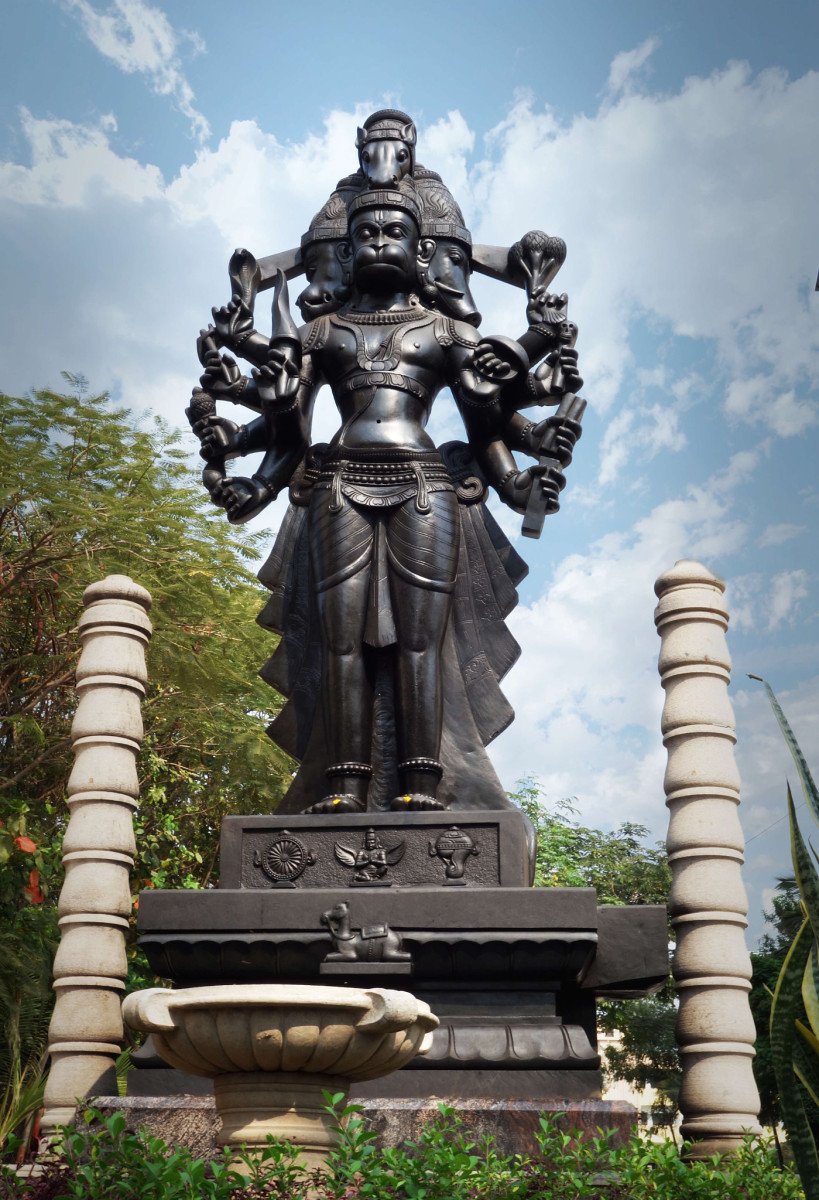
Things To Do
 @@History of the Sacred Wada: The shrine which houses Sai Baba's tomb was originally a Dagadi Wada (stone mansion) constructed during Baba's last years by a wealthy devotee from Nagpur, Shreemant Gopalrao Booty. The land itself was a garden that Sai Baba had personally tended in his earlier days, planting it with jasmine and marigold seeds, thus transforming a dumping ground into a place of beauty. The construction began around 1915 with the original intention of being a rest house and a temple for an idol of Murlidhar (a form of Lord Krishna). Sai Baba gave his blessing, saying, “When the temple is built, we shall inhabit it and ever afterwards live in joy.” This statement is crucial as it foreshadowed his Mahasamadhi. @@The Mahasamadhi: On October 15, 1918, a very auspicious Tuesday that coincided with a Hindu festival and the Muslim month of Ramzan, Sai Baba's health deteriorated. His last words were, "I am not feeling well in the Masjid (referring to Dwarkamai). Carry me to the Dagadi Wada." He was carried there and was ultimately interred exactly where the idol of Murlidhar was supposed to be placed, thus fulfilling his prophecy in a unique and spiritual way. The beautiful life-size marble idol of Sai Baba, sculpted by Late Balaji Vasant, was installed much later in 1954. Today, this Mandir is the spiritual climax for millions of devotees, representing the living presence of the saint. The complex is maintained by the Shri Saibaba Sansthan Trust (SSSS) and is open to all visitors irrespective of caste, creed, or religion. It is a symbol of unity and devotion. Shirdi as a town revolves entirely around this one sacred spot. (Word Count: ~405):
@@Historical Significance: The Abdul Baba Cottage is the residence where Haji Abdul Baba, one of Sai Baba's most fervent and trusted devotees, spent the last years of his life in Shirdi India. Abdul Baba arrived in Shirdi around 1889 and served Sai Baba faithfully until the saint's Mahasamadhi in 1918. Sai Baba referred to him as "My Abdul". The cottage is not grand but holds immense spiritual value, serving as a memorial to the deep bond between the Guru and his disciple. It is located directly opposite the Chavadi, another historically significant spot. This proximity underscores the central role Abdul Baba played in the daily life of Sai Baba, especially during the procession to Chavadi every alternate night. The green-coloured cottage is kept simple, reflecting the humble life of the devotee. @@Artifacts and Memorabilia: Inside the cottage, visitors can see various rare artifacts and memorabilia associated with both Sai Baba and Abdul Baba. The most prominent items are the pair of chimta (fire tongs) that Sai Baba is said to have given to Abdul Baba. These artifacts offer a tangible link to the saint's daily life and interactions. There are also several old black and white photographs, including a notable one of Sai Baba with Swami Chinmayanand. The simplicity and personal nature of the relics create a unique, intimate atmosphere unlike the grandeur of the main temple complex, making it a very personal pilgrimage spot. The history maintained by the descendants provides continuous emotional connection to the past. @@Preservation and Maintenance: The cottage is now a small museum open to the public, maintained by the family of Abdul Baba. This continuity ensures the preservation of the original ethos. The place is a powerful reminder of the virtues of service, devotion, and surrender, which Sai Baba greatly valued. While some visitors suggest more institutional maintenance, its current, slightly rustic state preserves the charm of old Shirdi. It provides a window into the lives of the early devotees who formed the core of Sai Baba's spiritual circle. The visit is a tribute to the humble followers who dedicated their lives to the saint and his message of "Sabka Malik Ek" (One God governs all). Abdul Baba's spiritual journey is intertwined with the cottage itself, making it a sacred space. (Word count: 402):
Shani Shingnapur is a globally unique village where houses, shops, and even banks lack doors and locks. This tradition stems from the profound belief that Lord Shani, the deity of the planet Saturn, protects the village from any crime. The central attraction is the Shani Dev shrine, which features a self-emerged (Swayambhu) black stone idol standing on an open-air platform. Unlike traditional temples, there is no roof over the deity, as per the Lord's own divine instruction. Millions of devotees visit annually to perform Tailabhishekam (pouring oil) to appease the deity and seek protection from ill effects. The atmosphere is one of intense devotion and simplicity, reflecting the rural roots of the region. It is a place where faith literally replaces physical security.
@@History of the Sacred Wada: The shrine which houses Sai Baba's tomb was originally a Dagadi Wada (stone mansion) constructed during Baba's last years by a wealthy devotee from Nagpur, Shreemant Gopalrao Booty. The land itself was a garden that Sai Baba had personally tended in his earlier days, planting it with jasmine and marigold seeds, thus transforming a dumping ground into a place of beauty. The construction began around 1915 with the original intention of being a rest house and a temple for an idol of Murlidhar (a form of Lord Krishna). Sai Baba gave his blessing, saying, “When the temple is built, we shall inhabit it and ever afterwards live in joy.” This statement is crucial as it foreshadowed his Mahasamadhi. @@The Mahasamadhi: On October 15, 1918, a very auspicious Tuesday that coincided with a Hindu festival and the Muslim month of Ramzan, Sai Baba's health deteriorated. His last words were, "I am not feeling well in the Masjid (referring to Dwarkamai). Carry me to the Dagadi Wada." He was carried there and was ultimately interred exactly where the idol of Murlidhar was supposed to be placed, thus fulfilling his prophecy in a unique and spiritual way. The beautiful life-size marble idol of Sai Baba, sculpted by Late Balaji Vasant, was installed much later in 1954. Today, this Mandir is the spiritual climax for millions of devotees, representing the living presence of the saint. The complex is maintained by the Shri Saibaba Sansthan Trust (SSSS) and is open to all visitors irrespective of caste, creed, or religion. It is a symbol of unity and devotion. Shirdi as a town revolves entirely around this one sacred spot. (Word Count: ~405):
@@Historical Significance: The Abdul Baba Cottage is the residence where Haji Abdul Baba, one of Sai Baba's most fervent and trusted devotees, spent the last years of his life in Shirdi India. Abdul Baba arrived in Shirdi around 1889 and served Sai Baba faithfully until the saint's Mahasamadhi in 1918. Sai Baba referred to him as "My Abdul". The cottage is not grand but holds immense spiritual value, serving as a memorial to the deep bond between the Guru and his disciple. It is located directly opposite the Chavadi, another historically significant spot. This proximity underscores the central role Abdul Baba played in the daily life of Sai Baba, especially during the procession to Chavadi every alternate night. The green-coloured cottage is kept simple, reflecting the humble life of the devotee. @@Artifacts and Memorabilia: Inside the cottage, visitors can see various rare artifacts and memorabilia associated with both Sai Baba and Abdul Baba. The most prominent items are the pair of chimta (fire tongs) that Sai Baba is said to have given to Abdul Baba. These artifacts offer a tangible link to the saint's daily life and interactions. There are also several old black and white photographs, including a notable one of Sai Baba with Swami Chinmayanand. The simplicity and personal nature of the relics create a unique, intimate atmosphere unlike the grandeur of the main temple complex, making it a very personal pilgrimage spot. The history maintained by the descendants provides continuous emotional connection to the past. @@Preservation and Maintenance: The cottage is now a small museum open to the public, maintained by the family of Abdul Baba. This continuity ensures the preservation of the original ethos. The place is a powerful reminder of the virtues of service, devotion, and surrender, which Sai Baba greatly valued. While some visitors suggest more institutional maintenance, its current, slightly rustic state preserves the charm of old Shirdi. It provides a window into the lives of the early devotees who formed the core of Sai Baba's spiritual circle. The visit is a tribute to the humble followers who dedicated their lives to the saint and his message of "Sabka Malik Ek" (One God governs all). Abdul Baba's spiritual journey is intertwined with the cottage itself, making it a sacred space. (Word count: 402):
Shani Shingnapur is a globally unique village where houses, shops, and even banks lack doors and locks. This tradition stems from the profound belief that Lord Shani, the deity of the planet Saturn, protects the village from any crime. The central attraction is the Shani Dev shrine, which features a self-emerged (Swayambhu) black stone idol standing on an open-air platform. Unlike traditional temples, there is no roof over the deity, as per the Lord's own divine instruction. Millions of devotees visit annually to perform Tailabhishekam (pouring oil) to appease the deity and seek protection from ill effects. The atmosphere is one of intense devotion and simplicity, reflecting the rural roots of the region. It is a place where faith literally replaces physical security.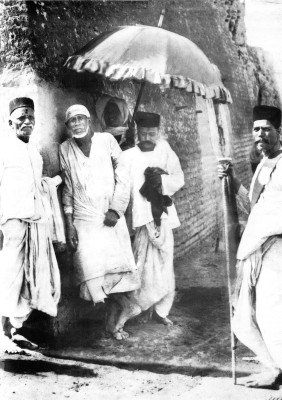 @@India's First Pilgrim-cum-Picnic Theme Park: Opened in 2014, Sai Heritage Village is an innovative spiritual and recreational park that recreates the old village of Shirdi from the time Sai Baba lived there. It showcases key events from Sai Baba's life using realistic, life-size statues and exhibits. @@Educational and Family Friendly: It offers a unique blend of spiritual learning and fun activities, making it an ideal destination for families and children to learn about the saint’s life in an engaging, interactive environment. It aims to visualize the simple, austere life Baba led.
@@Historical Significance: Dwarkamai Masjid is arguably the most sacred spot in Shirdi, second only to the Samadhi Mandir. It was the humble, dilapidated mosque where Sai Baba resided continuously for about 60 years, right up until his Mahasamadhi in 1918. Baba transformed this ruin into a spiritual powerhouse, which he lovingly called "Masjid Mai" (Mosque Mother), emphasizing its role as a protective and nurturing deity for his devotees. The name Dwarkamai itself is a blend of Dwarka (a holy Hindu city) and Masjid (Mosque), symbolizing Baba's philosophy of religious unity (Hindu and Muslim). @@The Dhuni and Udi: The most important feature inside is the sacred Dhuni (a perpetual sacred fire) that Sai Baba kept burning day and night. The ash (Udi) from this fire is considered holy and is distributed to devotees as prasad for its miraculous healing and protective properties. Baba would use this Udi to bless and heal his followers. The original location of the Dhuni is maintained today. @@Interior Layout and Relics: The structure has two levels. The first level houses a large portrait of Sai Baba and the stone on which he used to sit (Baba's Asana). This level also features a niche that contains a chariot and a Palki (palanquin). The second level is reached by stone steps and contains the Bathing Stone and the Kolamba (a wooden vessel) where Baba kept the Bhiksha (alms) he collected, along with the Grinding Stone he used. The entire structure is a testament to Baba's simple, austere, and yet profoundly spiritual life, serving as the nucleus of the entire Shirdi complex. (Word count: 401):
@@Historical Significance: The Vishwatmak Jangli Maharaj Ashram is dedicated to His Holiness Param Pujya Vishwatmak Gurudev, who is widely revered as Jangli Maharaj. While not directly connected to Sai Baba's inner circle like the other sites, it is a significant spiritual centre located near Shirdi and is often included in the pilgrimage itinerary due to its profound spiritual and social activities. The Ashram serves as a peaceful retreat and a focal point for the spiritual tradition (parampara) of Jangli Maharaj. The Ashram's founder, Om Gurudev, continued a mission of spiritual and social upliftment, drawing pilgrims seeking guidance and peace. @@Educational and Social Activities: Beyond its spiritual role, the Ashram is famous for running a co-educational residential school for children, promoting holistic development that combines spiritual values with modern education. This commitment to seva (service) and education makes it a modern hub of philanthropy, drawing visitors interested in the social work alongside the spiritual aspect. The tranquil environment offers a sharp contrast to the crowded main Shirdi temple complex. @@The Gurudev's Philosophy: The Ashram propagates the teachings and philosophy of Jangli Maharaj, which are rooted in universal spirituality, self-realization, and devotion. It hosts regular programs and spiritual discourses, fostering a sense of community among followers. The distance from the main town center contributes to its serene and contemplative atmosphere, making it ideal for devotees seeking a deeper spiritual retreat and detachment from the hustle and bustle of city life. The Ashram is a symbol of a living spiritual tradition in the region. (Word count: 400):
@@India's First Pilgrim-cum-Picnic Theme Park: Opened in 2014, Sai Heritage Village is an innovative spiritual and recreational park that recreates the old village of Shirdi from the time Sai Baba lived there. It showcases key events from Sai Baba's life using realistic, life-size statues and exhibits. @@Educational and Family Friendly: It offers a unique blend of spiritual learning and fun activities, making it an ideal destination for families and children to learn about the saint’s life in an engaging, interactive environment. It aims to visualize the simple, austere life Baba led.
@@Historical Significance: Dwarkamai Masjid is arguably the most sacred spot in Shirdi, second only to the Samadhi Mandir. It was the humble, dilapidated mosque where Sai Baba resided continuously for about 60 years, right up until his Mahasamadhi in 1918. Baba transformed this ruin into a spiritual powerhouse, which he lovingly called "Masjid Mai" (Mosque Mother), emphasizing its role as a protective and nurturing deity for his devotees. The name Dwarkamai itself is a blend of Dwarka (a holy Hindu city) and Masjid (Mosque), symbolizing Baba's philosophy of religious unity (Hindu and Muslim). @@The Dhuni and Udi: The most important feature inside is the sacred Dhuni (a perpetual sacred fire) that Sai Baba kept burning day and night. The ash (Udi) from this fire is considered holy and is distributed to devotees as prasad for its miraculous healing and protective properties. Baba would use this Udi to bless and heal his followers. The original location of the Dhuni is maintained today. @@Interior Layout and Relics: The structure has two levels. The first level houses a large portrait of Sai Baba and the stone on which he used to sit (Baba's Asana). This level also features a niche that contains a chariot and a Palki (palanquin). The second level is reached by stone steps and contains the Bathing Stone and the Kolamba (a wooden vessel) where Baba kept the Bhiksha (alms) he collected, along with the Grinding Stone he used. The entire structure is a testament to Baba's simple, austere, and yet profoundly spiritual life, serving as the nucleus of the entire Shirdi complex. (Word count: 401):
@@Historical Significance: The Vishwatmak Jangli Maharaj Ashram is dedicated to His Holiness Param Pujya Vishwatmak Gurudev, who is widely revered as Jangli Maharaj. While not directly connected to Sai Baba's inner circle like the other sites, it is a significant spiritual centre located near Shirdi and is often included in the pilgrimage itinerary due to its profound spiritual and social activities. The Ashram serves as a peaceful retreat and a focal point for the spiritual tradition (parampara) of Jangli Maharaj. The Ashram's founder, Om Gurudev, continued a mission of spiritual and social upliftment, drawing pilgrims seeking guidance and peace. @@Educational and Social Activities: Beyond its spiritual role, the Ashram is famous for running a co-educational residential school for children, promoting holistic development that combines spiritual values with modern education. This commitment to seva (service) and education makes it a modern hub of philanthropy, drawing visitors interested in the social work alongside the spiritual aspect. The tranquil environment offers a sharp contrast to the crowded main Shirdi temple complex. @@The Gurudev's Philosophy: The Ashram propagates the teachings and philosophy of Jangli Maharaj, which are rooted in universal spirituality, self-realization, and devotion. It hosts regular programs and spiritual discourses, fostering a sense of community among followers. The distance from the main town center contributes to its serene and contemplative atmosphere, making it ideal for devotees seeking a deeper spiritual retreat and detachment from the hustle and bustle of city life. The Ashram is a symbol of a living spiritual tradition in the region. (Word count: 400):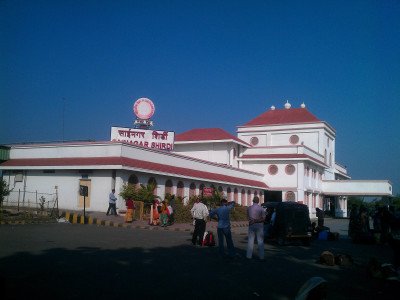 @@Modern Water and Amusement Park: Wet N Joy is a major recreational park in Shirdi offering a wide array of wet and dry rides, providing a fun and exciting break from the purely devotional aspects of the town. It is one of India's largest aqua play stations. @@Thrilling Rides and Family Fun: The park features high-thrill slides like the Black Hole and Anaconda, alongside family-friendly attractions like the Thunder Wave Pool (with eight types of waves) and a Lazy River for relaxation. It is a favorite among younger visitors and families.Show All
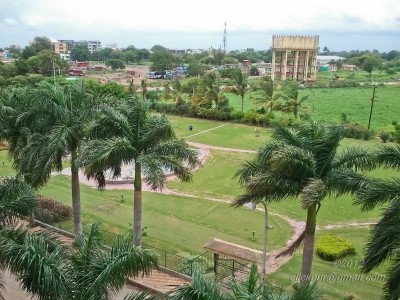 @@The Holy Garden: Lendi Baug is a historical garden where Sai Baba would regularly go for a stroll, water plants, and spend solitary time in the mornings and afternoons, making it a place of immense spiritual value for devotees. It is named after a small drain (Lendi) that once flowed nearby. The garden houses several significant objects and shrines related to the saint’s life, including the Nanda Deep and the Samadhi of his horse.@@A Peaceful Sanctuary: This tranquil space served as a personal retreat for Baba, signifying his love for nature and his daily routine away from the Dwarkamai and Samadhi Mandir complex. Devotees visit here to feel the presence of the saint and witness the remnants of his earthly activities.
Information
-
Why Famous:
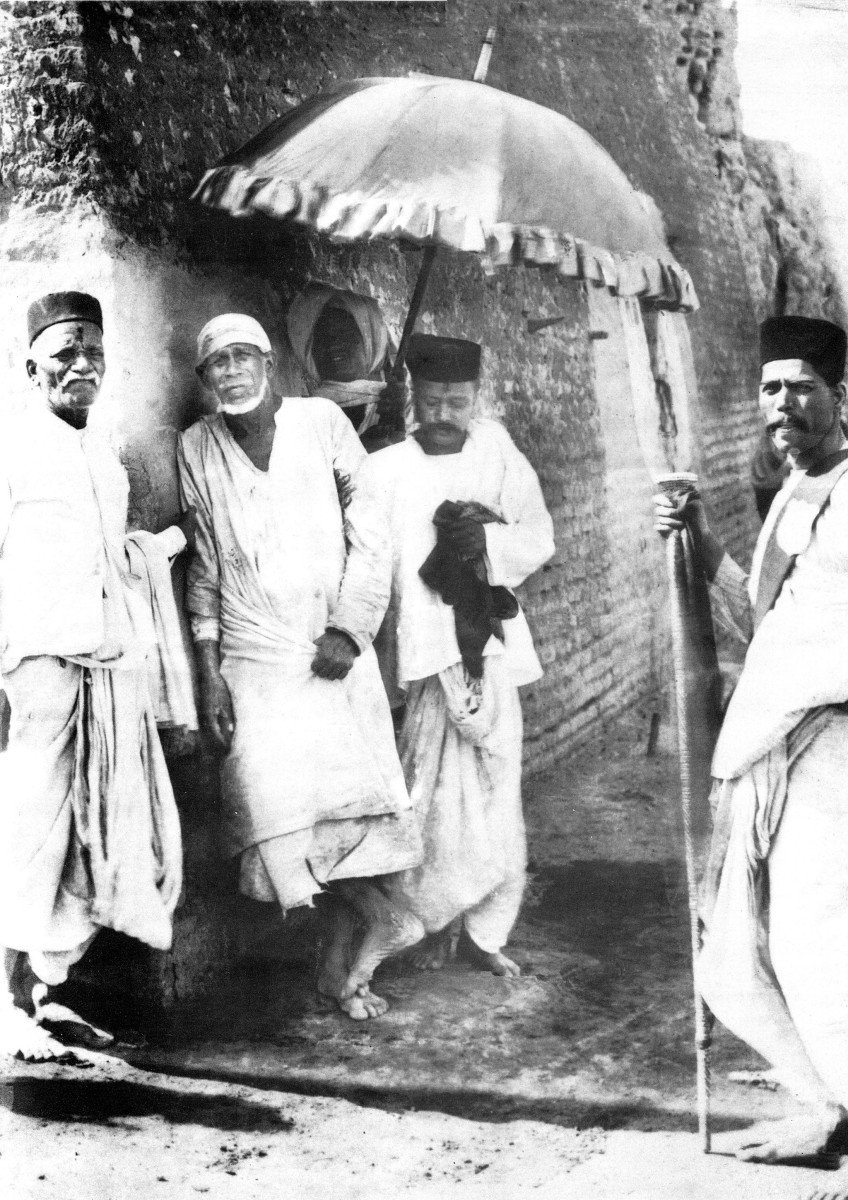
Sai Baba: Shirdi is famous solely because of Sai Baba. It is the place where he lived, taught, and took 'Samadhi'. His teachings of love and equality continue to inspire millions. The temple is considered a place where prayers are answered and miracles happen.Sai Baba: Shirdi is famous solely because of Sai Baba. It is the place where he lived, taught, and took 'Samadhi'. His teachings of love and equality continue to inspire millions. The temple is considered a place where prayers are answered and miracles happen.
Global Devotion: It is famous as a global spiritual center, with Sai temples located in many countries. The town's ability to host millions of visitors every year with organized systems is a feat in itself. The name Shirdi has become synonymous with faith and selfless service. -
Architecture:
Temple Grandeur: The main Samadhi Mandir is built with white marble and features a gold-plated spire. The idol of Sai Baba, carved in Italian marble, is a masterpiece of sculpture, showing him sitting on a throne. The temple complex covers a large area with multiple halls ...Temple Grandeur: The main Samadhi Mandir is built with white marble and features a gold-plated spire. The idol of Sai Baba, carved in Italian marble, is a masterpiece of sculpture, showing him sitting on a throne. The temple complex covers a large area with multiple halls and corridors designed for crowd management.
Rustic Sacredness: In contrast, Dwarkamai is a simple structure with a tiled roof, preserved as it was when Baba lived there. It features old stone walls and a sacred fire (Dhuni) that has been burning for over a century. The dimensions of these older structures are modest, maintaining their original rustic and humble character. -
How To Reach:
By Air: Shirdi has its own international airport (SAG) located about 14 km from the main town. It is well-connected to major cities like Delhi, Mumbai, Hyderabad, and Bangalore. Taxis and shuttle buses are available from the airport to the temple.
Read MoreBy Air: Shirdi has its own international airport (SAG) located about 14 km from the main town. It is well-connected to major cities like Delhi, Mumbai, Hyderabad, and Bangalore. Taxis and shuttle buses are available from the airport to the temple.
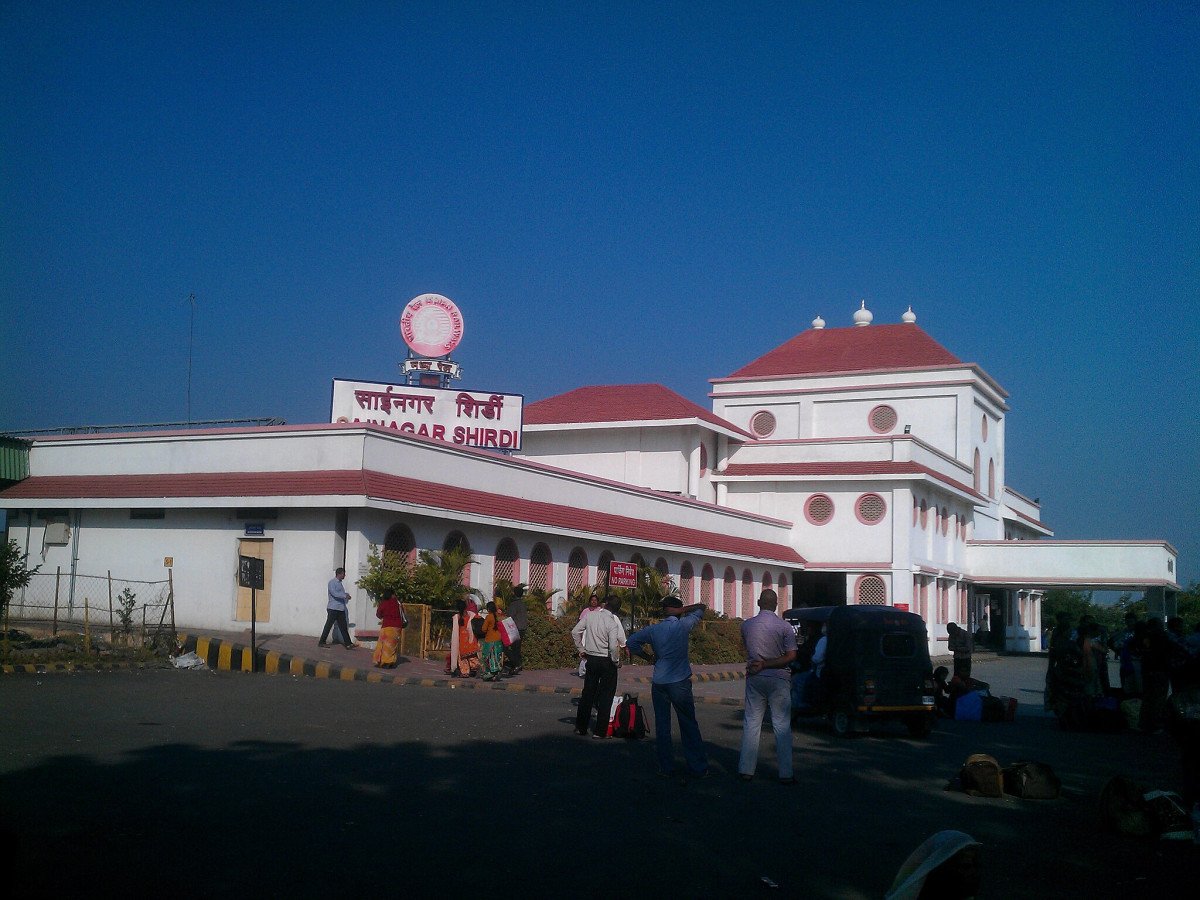
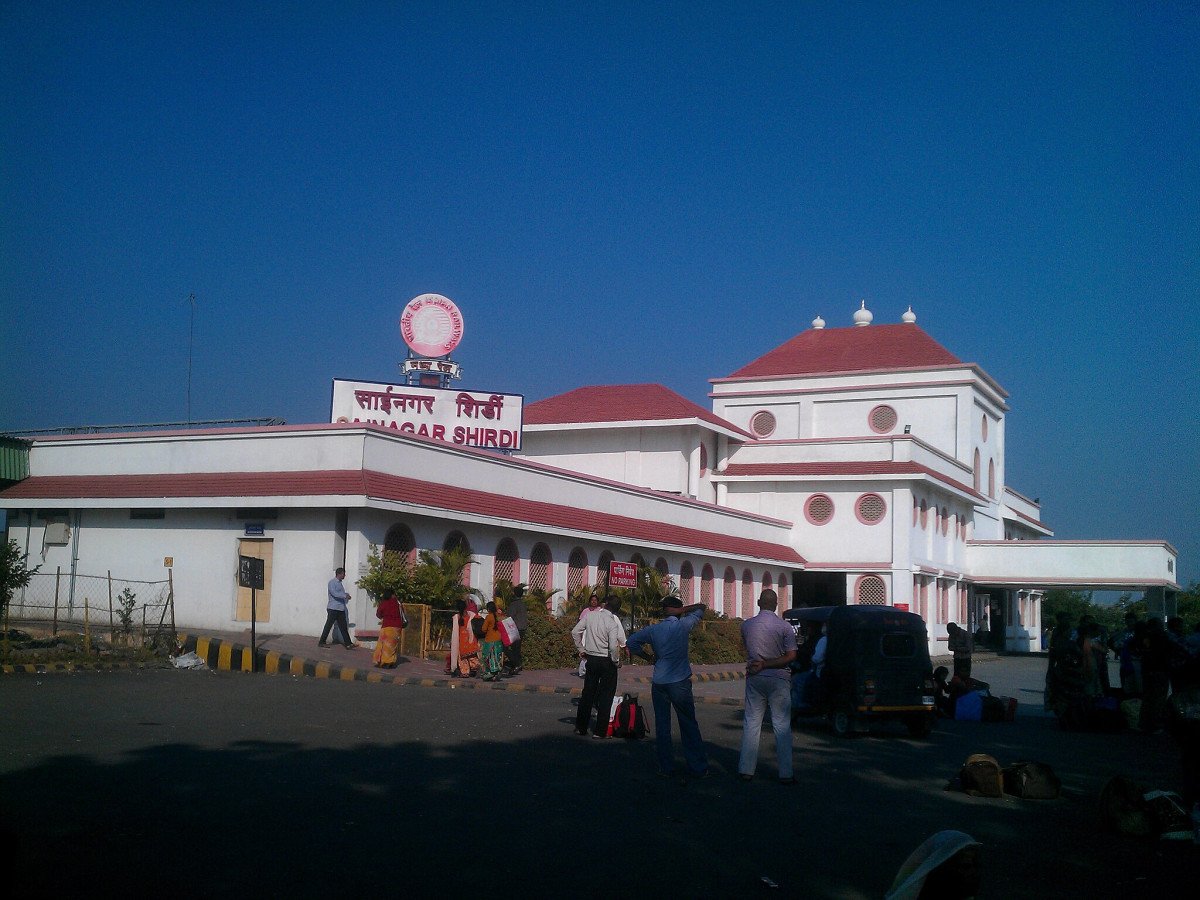
By Train: The Sainagar Shirdi railway station is just 2 km from the temple. It is connected to many parts of India via direct trains. Alternatively, you can get down at Kopargaon (16 km) or Manmad (58 km) and take a taxi or bus.
By Road: Shirdi is well-connected by a network of highways. It is about 240 km from Mumbai and 190 km from Pune. Many private and state-run (MSRTC) buses operate daily, including comfortable AC sleeper coaches for overnight journeys.
By Local Transport: Within Shirdi, most places are within walking distance of the temple. Auto-rickshaws are available for longer distances or for visiting the airport and railway station. Many hotels also provide free shuttle services to the temple for their guests.Weather and Best Time to Visit:
Winter Season: October to March is the most popular time to visit. The weather is cool and pleasant, making it comfortable to stand in Darshan lines. This period also includes several important festivals like Dussehra.
Monsoon Season: June...Winter Season: October to March is the most popular time to visit. The weather is cool and pleasant, making it comfortable to stand in Darshan lines. This period also includes several important festivals like Dussehra.
Monsoon Season: June to September brings relief from the heat with moderate rainfall. The surroundings become green and the weather is quite comfortable for travel. It is a good time to visit if you want to avoid the extreme summer heat.
Summer Season: April to May can be quite hot, with temperatures rising above 40°C. However, since the temple and most queue areas are air-conditioned or covered, many devotees still visit. It is advisable to carry sun protection and stay hydrated.Near Tourist Places:
Shani Shingnapur (72 km), Nashik (90 km), Trimbakeshwar (120 km), Ellora Caves (100 km), Ajanta Caves (190 km), Bhandardara (105 km), Muktidham (85 km), Panchavati (92 km), Kalaram Temple (92 km), Wet N Joy Waterpark (1 km)Tourism Tips
-
Health & Safety: Be prepared for long waiting times in the Darshan queue; wear comfortable shoes and carry water. Keep your belongings safe, as the temple area can be very crowded. Follow all the security instructions and cooperate with the temple staff.Health & Safety: Be prepared for long waiting times in the Darshan queue; wear comfortable shoes and carry water. Keep your belongings safe, as the temple area can be very crowded. Follow all the security instructions and cooperate with the temple staff.
Packing Essentials: Dress modestly as it is a religious site; traditional Indian wear is preferred. Carry a light jacket for winter mornings. Don't forget your ID proof, which is required for online booking verification and entry.
Accommodation: Shirdi has thousands of hotels ranging from budget lodges to 5-star resorts. It is highly recommended to book your stay in advance, especially during weekends and festivals. The temple trust's own accommodation is also a reliable and clean option.
Local Etiquette: Remove your shoes before entering any of the sacred areas. It is customary to maintain silence inside the temple. While it is a custom to offer flowers or sweets, follow the latest guidelines of the trust regarding offerings.
Reviews
FAQs
Shirdi Itineray And Cost:-
Other Places In Maharashtra :-
Other States In India :-
Information about New and Updated Locations() of Maharashtra Has Been Added :-
Card subtitle
Note:-
Information provided here in good Faith and for reference only.
Near Places
Alibaug
Some quick example text to build on the card title and make up the bulk of the card's content.
Go somewhere
Amravati
Some quick example text to build on the card title and make up the bulk of the card's content.
Go somewhere
Aurangabad
Some quick example text to build on the card title and make up the bulk of the card's content.
Go somewhere
Bhandardara
Some quick example text to build on the card title and make up the bulk of the card's content.
Go somewhere
Diveagar
Some quick example text to build on the card title and make up the bulk of the card's content.
Go somewhere
Ganpatipule
Some quick example text to build on the card title and make up the bulk of the card's content.
Go somewhere
Karjat
Some quick example text to build on the card title and make up the bulk of the card's content.
Go somewhere
Khandala
Some quick example text to build on the card title and make up the bulk of the card's content.
Go somewhere
Kolad
Some quick example text to build on the card title and make up the bulk of the card's content.
Go somewhere
Kolhapur
Some quick example text to build on the card title and make up the bulk of the card's content.
Go somewhere
Lavasa
Some quick example text to build on the card title and make up the bulk of the card's content.
Go somewhere
Lonavala
Some quick example text to build on the card title and make up the bulk of the card's content.
Go somewhere
Mahabaleshwar
Some quick example text to build on the card title and make up the bulk of the card's content.
Go somewhere
Matheran
Some quick example text to build on the card title and make up the bulk of the card's content.
Go somewhere
Mumbai
Some quick example text to build on the card title and make up the bulk of the card's content.
Go somewhere
Nagpur
Some quick example text to build on the card title and make up the bulk of the card's content.
Go somewherein Other Cities