
...

Place To Visit And Things To Do In Sonepur

Odisha, India
City Overview: Sonepur, also known as Subarnapur, is an ancient town situated at the confluence of the Mahanadi and Tel rivers. It is often called the "Second Kashi" due to the high density of temples and its deep spiritual significance. The city has a rich history dating back to the Somavamsi perio d when it was a major political and cultural center. It is famous for its unique blend of Tantric, Vaishnava, and Shaiva traditions, reflecting a diverse religious heritage. The local weavers are also renowned for their exquisite silk and cotton handlooms. Mythological Links: Many legends associate the town with the Ramayana, specifically the Lankeswari temple which is said to have links to the ancient kingdom of Lanka. Handloom Heritage: The Sonepuria sarees are a symbol of elegance, featuring traditional motifs like fish, conch, and flowers. River Confluence: The meeting point of the two rivers provides a scenic and sacred spot for rituals and evening strolls.

Things To Do

Card image cap
Bhima Bhoi Samadhi Pitha

@@The Legacy of Bhima Bhoi : This sacred site is dedicated to the 19th-century saint-poet Bhima Bhoi, a visionary who preached the Mahima Dharma philo...
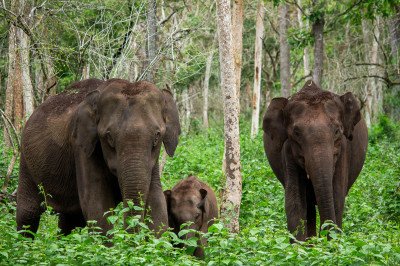
@@The Legacy of Bhima Bhoi : This sacred site is dedicated to the 19th-century saint-poet Bhima Bhoi, a visionary who preached the Mahima Dharma philosophy. Born in the mid-1800s, he was a staunch advocate of monotheism and social equality, famously known for his mystical poetry that challenged the caste system and idol worship. The Samadhi Pitha was established after his death in 1895, serving as a sanctuary for those seeking spiritual solace. It is not just a tomb but a living monastery where the teachings of Sunya Brahma (the formless absolute) are still vibrantly practiced. The atmosphere is thick with the scent of incense and the sound of ancient bhajans, making it a cornerstone of western Odisha's spiritual heritage. Visitors often find themselves moved by the profound simplicity of the saint’s lifestyle, which is preserved through his personal artifacts. For over a century, this place has acted as a lighthouse for the marginalized, echoing the poet's prayer for the well-being of the world over his own salvation.
Card image cap
Forest Park / Manikeswari Park

@@Nature Retreat : Forest Park is a popular green space in Sonepur often referred to as Manikeswari Park due to its proximity or local association. It...
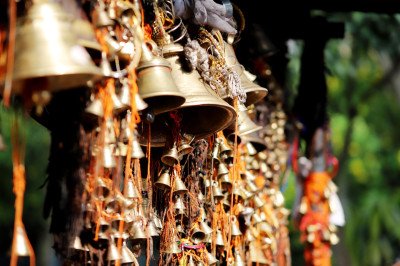
@@Nature Retreat : Forest Park is a popular green space in Sonepur often referred to as Manikeswari Park due to its proximity or local association. It is a well-maintained urban park providing locals and tourists a peaceful environment away from the city's hustle. It serves as a vital lung space for the town, promoting recreational activities and a connection with nature. It features lush greenery, walking paths, and well-designed landscapes, making it an ideal spot for morning walks and evening relaxation. Its development as a Nagarvan or urban forest emphasizes local biodiversity conservation. It is a family-friendly destination, offering facilities that cater to all age groups, thereby becoming a cornerstone of the community's leisure time. The park is a testament to the local administration's effort to preserve green cover within the rapidly developing town. The calm ambiance and natural surroundings are the primary draw, appealing to those seeking tranquility.
Card image cap
Gundicha Temple / Nursinghanath Temple

@@Historical Significance : @@ The Gundicha Temple in Sonepur is also known as the Nursinghanath Temple. It is a significant historical monument, ofte...

@@Historical Significance : @@ The Gundicha Temple in Sonepur is also known as the Nursinghanath Temple. It is a significant historical monument, often cited as the last great architectural work of the Chouhan dynasty in the region. Built by Rani Gundicha Devi, wife of Raja Prithviraj Singh Deo, in the 17th century to commemorate the birth of her son, it originally housed the deity Lord Narasimha. The wooden idol was later replaced by a metal (astadhatu) idol by Maharaja Prataprudra Singh Deo. It is distinct from the Puri Gundicha Temple but shares the same spiritual devotion to Lord Jagannath. It is the highest temple in Western Odisha, representing a strong spiritual and political legacy. The temple stands as a testament to the local royal patronage of art and religion, particularly the Kalinga style of temple building.
Card image cap
Kapileswar Temple

@@The Grandeur of Kapileswar : This ancient temple is a masterpiece dedicated to Lord Shiva, known here as Kapileswar Mahadev. Built in the 13th centu...

@@The Grandeur of Kapileswar : This ancient temple is a masterpiece dedicated to Lord Shiva, known here as Kapileswar Mahadev. Built in the 13th century during the reign of Anangabhima Dev III of the Eastern Ganga Dynasty, it stands as a testament to the architectural prowess of medieval Odisha. The temple is deeply revered as a "Saiva Pitha," where the deity is believed to possess immense healing powers. Local legends suggest that the temple was constructed to mirror the spiritual significance of the Lingaraj Temple in Bhubaneswar, often referred to as its satellite shrine. The temple complex is expansive, sprawling over 15 acres of land, and is home to numerous smaller shrines, a massive sacred pond, and an ancient deep well. For centuries, the Mallia priests have served the deity, maintaining a tradition that dates back hundreds of years. The temple's historical narrative is intertwined with the royal history of the Sonepur kingdom, making it a focal point for both history buffs and devout pilgrims who travel from across the state to seek blessings.
Card image cap
Lankeswari Temple

@@Mythological and Historical Nexus : @@ Lankeswari Temple is dedicated to Goddess Lankeswari (also known as Nikumbhilaa), the presiding deity of the ...

@@Mythological and Historical Nexus : @@ Lankeswari Temple is dedicated to Goddess Lankeswari (also known as Nikumbhilaa), the presiding deity of the ancient region of Paschima Lanka (Western Lanka), which historians believe was the former name of the Sonepur area. Evidence from a 10th-century Somavamsi copper plate supports this historical identity. The temple's unique location—on an elevated rock formation within the flowing Mahanadi River—gives it a mystical and remote charm. It is particularly revered by the local Kaivarta (fisherman) community, who seek the Goddess's blessings for safety and prosperity on the river. The temple is a vital part of Odisha's Shakti worship tradition, representing a powerful local goddess. Its location at a river junction (a "Darha") is considered highly auspicious, reinforcing its sacred status in the region, often called the "Second Varanasi."
Card image cap
Mahanadi Bridge Hikudi

@@Scenic Beauty and Engineering: The Mahanadi Bridge at Hikudi is not just a transport link but a vantage point to witness the grandeur of Odisha's la...

@@Scenic Beauty and Engineering: The Mahanadi Bridge at Hikudi is not just a transport link but a vantage point to witness the grandeur of Odisha's largest river. Spanning across the mighty Mahanadi, the bridge offers a side view that is particularly famous among locals and tourists for its sunset vistas. From here, one can see the vast expanse of the riverbed, which transforms from a roaring water body in the monsoon to a scenic landscape of sand dunes and small streams in the summer. The bridge connects the cultural heart of Sonepur with the rest of the district, serving as a lifeline for trade and travel. In the evenings, the bridge becomes a social hub where people come to feel the cool breeze blowing off the water. The rhythmic sound of the river below and the sight of local fishermen in their wooden boats create a peaceful atmosphere. It is an ideal spot for those who want to experience the local lifestyle and the natural beauty of the river confluence nearby.
Card image cap
Mahanadi Ghat

@@A Sacred Confluence : @@ The Mahanadi Ghat in Sonepur is a crucial religious and cultural site, situated near the confluence of the sacred Mahanadi ...

@@A Sacred Confluence : @@ The Mahanadi Ghat in Sonepur is a crucial religious and cultural site, situated near the confluence of the sacred Mahanadi and Tel rivers, a spot revered for its spiritual power. This area, which includes ghats like Tentli Ghat, Rajaghat, Dasamatighat, and Gourighat, is often called the "Second Varanasi" due to its cluster of temples (Lankeswari, Rameswar, Gokarneswar, etc.) and the religious significance of bathing at a river junction. Thousands of pilgrims visit the ghats to take a holy dip, especially during major festivals. Historically, it was a hub for trade and spiritual discourse. The river here flows over a rocky bed, creating scenic views, and the ghats serve as the primary social and ritualistic meeting point for the entire town and district. The atmosphere is a vibrant mix of devotion, local life, and natural beauty, reflecting the deep cultural connection the people of Odisha have with the Mahanadi river.
Card image cap
Manikeswari Temple

@@The Spirit of Manikeswari : Located at the strategic junction where the Mahanadi and Tel rivers converge, the Manikeswari Temple in Manamunda is a v...

@@The Spirit of Manikeswari : Located at the strategic junction where the Mahanadi and Tel rivers converge, the Manikeswari Temple in Manamunda is a vital Shakti shrine. The deity, Goddess Manikeswari, is considered the protective mother of the region, specifically revered by the local farming and weaving communities. While the most famous temple of this name is in Bhawanipatna, this local shrine holds equal spiritual weight for the people of Sonepur. The history of the temple is tied to the tribal roots of the area, blending indigenous rituals with Vedic traditions. The temple has served as a cultural anchor for Manamunda, a village famous for its unique handloom traditions. Devotees believe that the Goddess ensures the prosperity of the land and protects the village from the floods of the mighty Mahanadi. The temple environment is vibrant yet tranquil, offering a unique perspective on the regional "Shakti" cult of western Odisha. Visiting this temple provides a deep dive into the local folklore and the deep-seated faith that defines the rural landscape of the Subarnapur district.
Card image cap
Metakani Temple

@@The Myth of Metakani : Nestled within a dense forest near Ulunda, the Metakani Temple is one of the most atmospheric shrines in western Odisha. The ...

@@The Myth of Metakani : Nestled within a dense forest near Ulunda, the Metakani Temple is one of the most atmospheric shrines in western Odisha. The deity, Maa Metakani, is believed to be an incarnation of Goddess Sureswari and is worshipped as a powerful "Pratyaksha Devi" (a goddess who manifests directly). According to local lore, the Goddess first appeared under a massive tamarind tree in 1733, and for centuries, she was worshipped in the open air by tribal communities. It was only in 1991 that the modern temple structure was built to house the deity. The location is unique because it combines spiritual fervor with the raw beauty of the Odishan wilderness. The temple serves as a bridge between tribal forest worship and formal Hindu traditions. Pilgrims believe that a visit to Metakani provides protection from evil spirits and grants strength to overcome life's obstacles. The sound of the wind through the forest trees, combined with the temple bells, creates a mystical ambiance that is hard to find elsewhere.
Card image cap
Pancharatha Temple

@@A Memorial and Architectural Gem : @@ Pancharatha Temple is a highly revered shrine in Sonepur, notable for its unique chariot-like structure, which...

@@A Memorial and Architectural Gem : @@ Pancharatha Temple is a highly revered shrine in Sonepur, notable for its unique chariot-like structure, which draws comparisons to the Sun Temple at Konark. The name Pancharatha (five chariots) is derived from the five distinct shrines built on a single platform, dedicated to Lord Shiva, Goddess Parvati, Lord Kartikeya, Lord Ganesha, and Nandi/Brishab. It is believed to have been constructed by King Birmitra Singhdeo to commemorate the death of his son, Prince Somobhusan. This temple is a significant example of Kalinga architecture with local influences. A noteworthy feature is the idol of Lord Ganesha facing East, which is unusual in Shiva temples where the idol typically faces South. The temple is a key pilgrimage center, particularly vibrant during major festivals dedicated to Lord Shiva. Its location at the heart of the town makes it easily accessible and a central point for local religious life and community gatherings.
Card image cap
Papakshya Ghat

@@The Legend of Healing : Papakshya Ghat, situated on the banks of the Mahanadi River in Binika, is a site of immense mythological and historical sign...

@@The Legend of Healing : Papakshya Ghat, situated on the banks of the Mahanadi River in Binika, is a site of immense mythological and historical significance. The name literally translates to "The Ghat where Sins are Destroyed." The most famous legend associated with this place involves King Anangabhima Deva III of the Ganga dynasty. It is said that the King was suffering from leprosy and was advised to take a holy dip here. After bathing at the ghat and passing through a natural tunnel formed by an ancient Bata Bruksha (Banyan tree), he was miraculously cured. In gratitude, he commissioned the construction of the nearby temples. Since then, the ghat has become a primary pilgrimage site for those seeking spiritual cleansing and physical healing. During solar and lunar eclipses, thousands of people gather here to take a dip in the holy waters. The site is not just a bathing ghat but a complex spiritual ecosystem including an ancient banyan tree temple and a serene view of the river's curve.
Card image cap
Paschima Lanka

@@A Region of Deep History : @@ Paschima Lanka (Western Lanka) is the historical name for the Sonepur region, a claim supported by a 10th-century copp...

@@A Region of Deep History : @@ Paschima Lanka (Western Lanka) is the historical name for the Sonepur region, a claim supported by a 10th-century copper plate charter issued by the Somavamsi prince Kumar Someswaradeva, who referred to himself as the king of Paschima Lanka. This ancient identity is intrinsically linked to the worship of Goddess Lankeswari. The name itself, meaning "Western Lanka," along with the modern name Subarnapur (city of gold—an epithet for Lanka), suggests a profound connection to the epic Ramayana. The area's history extends much further, with archaeological finds at nearby sites like Manmunda Asurgarh pointing to a sophisticated civilization and Asura tribes dating back to the 6th century BCE. The entire area, with its numerous temples, confluence of the Mahanadi and Tel rivers, and strong handloom tradition, represents a confluence of ancient civilization, spiritual history (Tantra, Shaiva, Vaishnava), and local crafts.
Card image cap
Patali Srikhetra

@@History and Significance: Patali Srikhetra is a site of immense spiritual and historical importance in Odisha. It is widely believed that the idols ...

@@History and Significance: Patali Srikhetra is a site of immense spiritual and historical importance in Odisha. It is widely believed that the idols of Lord Jagannath, Balabhadra, and Devi Subhadra were kept hidden here in the caves of the Trikut Hill for 144 years to protect them from the invasion of Raktavahu. This event is recorded in the Madala Panji, the temple chronicle of Puri. The site serves as a bridge between the coastal and western cultures of Odisha, blending Shaktism, Buddhism, and Vaishnavism. Visitors feel a profound sense of peace as they explore the caves where the deities once resided. The lush greenery surrounding the hill adds to its divine aura, making it a perfect spot for spiritual seekers and history buffs. The site has been officially recognized by the Puri Jagannath Temple administration, solidifying its status as a sister shrine to the Great Temple of Puri. Tourists can witness the ancient caves that provided refuge to the "Lord of the Universe" during a period of crisis in Odia history.
Card image cap
Rameswar Temple

This ancient Shaiva Pitha is situated at the picturesque confluence (Triveni Sangam) of the Mahanadi and Tel rivers, earning Sonepur the moniker of "S...

This ancient Shaiva Pitha is situated at the picturesque confluence (Triveni Sangam) of the Mahanadi and Tel rivers, earning Sonepur the moniker of "Second Varanasi". Legend credits Lord Ram with installing the primary Shiva Lingam. The temple complex, dating back possibly to the 18th century AD or earlier, includes shrines for Lord Kartik, Ganesh, and Goddess Parvati, symbolizing a confluence of different Hindu cults. The location itself holds immense spiritual significance, drawing large crowds for ritualistic bathing, especially during holy months, and it serves as a serene spot for meditation and prayer. It is a key historical and religious landmark in the Subarnapur region.:
Card image cap
Samaleswari Temple

Dedicated to Maa Samaleswari, the chief and presiding deity of the region and the tutelary goddess (Ishta-Devi) of the Chauhan rulers of Sonepur. The ...

Dedicated to Maa Samaleswari, the chief and presiding deity of the region and the tutelary goddess (Ishta-Devi) of the Chauhan rulers of Sonepur. The temple is an important Shakti Pitha in Western Odisha. Built by Raja Sobha Singh Deo, its history is closely tied to the Sonepur royal family and the local culture. The Goddess is worshipped in her fierce yet protective form. Located close to the now-ruined Sonepur Royal Palace, it symbolizes the divine sanction and protection sought by the former kings. The atmosphere is consistently vibrant, particularly with local women offering prayers for prosperity and family well-being. The idol faces North, which is significant in Shakta traditions.:
Card image cap
Sashisena Temple

This highly unique and fascinating temple, also known locally as Nimuhi Deula (Doorless Temple), is dedicated not to a conventional deity but to the t...

This highly unique and fascinating temple, also known locally as Nimuhi Deula (Doorless Temple), is dedicated not to a conventional deity but to the tragic, immortal love story between Princess Sashisena and Ahimanikya, the son of the king's minister, as immortalized in the work of poet Pratap Rai. It is considered a memorial to their love and a site historically linked to Tantric practices in the region. The temple’s lack of an entrance is its defining architectural feature, symbolizing the unfulfilled nature of their love or perhaps its spiritual purity. It serves as a significant cultural and historical monument, distinct from the purely religious shrines of Sonepur.:
Card image cap
Sonepur Beach

@@A Unique Inland Beach: Unlike coastal beaches, the Sonepur Beach is a vast riverine stretch of golden sand formed by the Mahanadi River. It is often...

@@A Unique Inland Beach: Unlike coastal beaches, the Sonepur Beach is a vast riverine stretch of golden sand formed by the Mahanadi River. It is often referred to as the "Beach of Subarnapur" because of its expansive sandy area that mimics a seashore. The water here is crystal clear for most of the year, flowing over a rocky and sandy bed. This spot is deeply intertwined with the religious life of the city, as many temples line its banks. Families from the town gather here for evening relaxation, and children enjoy playing in the soft sand. During the dry season, the river recedes, leaving behind large playgrounds of sand that are used for community events and fairs. It is a place where nature and spirituality coexist, with the sound of temple bells echoing across the water. The beach offers a tranquil escape from the bustling town market, providing a space for meditation and leisure.
Card image cap
Sonepur Royal Palace

These are the remains of the historic residence and administrative center of the Chauhan dynasty rulers of the erstwhile Sonepur Princely State. Thoug...

These are the remains of the historic residence and administrative center of the Chauhan dynasty rulers of the erstwhile Sonepur Princely State. Though now largely in ruins, the site holds immense historical value, representing the political and cultural power center of the region from the 17th century until the merger with Odisha post-independence. The proximity to the Samaleswari Temple highlights the close relationship between the ruling dynasty and the presiding deity. Visitors can explore the crumbling walls and foundations, imagining the grandeur of the past and the significant events that shaped Western Odisha's history. It is primarily an archaeological and historical site.:
Card image cap
Subarnameru Temple

An extremely popular and highly revered Lord Shiva temple situated on the tranquil bank of the Tel River. Like Rameswar, its location by the river mak...

An extremely popular and highly revered Lord Shiva temple situated on the tranquil bank of the Tel River. Like Rameswar, its location by the river makes it a significant site for ritual bathing, contributing to Sonepur's title of "Second Varanasi". The temple's construction is attributed to the second Chauhan ruler, Raja Lal Sai Deo, and later completed by Raja Baliyar Singh Deo in the 17th century. The temple houses an important Shiva Lingam and attracts massive crowds, especially during Maha Shivratri and the holy month of Shravan. The serene riverside setting offers a peaceful escape and is a must-visit for both spiritual seekers and tourists.:
Card image cap
Sureswari Temple

The Sureswari Temple is one of the oldest and most revered Shakti Pithas in Sonepur, dedicated to Maa Sursuri, the local folk goddess, whose name is S...
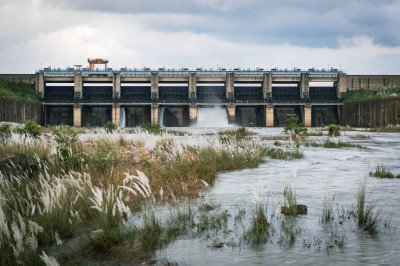
The Sureswari Temple is one of the oldest and most revered Shakti Pithas in Sonepur, dedicated to Maa Sursuri, the local folk goddess, whose name is Sanskritized as Sureswari. Located on the left bank of the Tel River, close to the confluence with the Mahanadi, it forms a vital part of Sonepur's sacred landscape, emphasizing the region's strong tradition of Shakti worship and Tantricism. The temple's exact date is difficult to determine, but the worship of this deity predates many of the other structures, suggesting a deep history rooted in tribal and folk traditions before being absorbed into mainstream Hinduism. It is a powerful local shrine, especially popular among the people of Western Odisha.:
Card image cap
Thengo Dam / Irrigation Project

@@A Blend of Utility and Nature: Thengo Dam is a medium irrigation project that has evolved into one of the most popular eco-tourism and picnic spots ...

@@A Blend of Utility and Nature: Thengo Dam is a medium irrigation project that has evolved into one of the most popular eco-tourism and picnic spots in the Subarnapur district. Built to conserve water for local agriculture, the reservoir is surrounded by dense forests and the majestic Trikut Hills. The tranquil environment, away from the noise of the city, makes it a haven for nature lovers. During the winter, the reservoir becomes a home for various migratory birds, their chirping filling the air. The dam's structure provides a beautiful view of the water body reflecting the green hills. It is a common sight to see locals and tourists enjoying weekend outings here. The forest department has taken initiatives to promote the area as an eco-tourism site, highlighting the biodiversity of the region. Visitors can often spot peacocks and other wildlife in the periphery of the forest, making it an exciting destination for children and wildlife enthusiasts alike.
Show All

Sonepur Itineray And Cost:-

Information about New and Updated Locations() of Odisha Has Been Added :-
Card subtitle

Note:-

Information provided here in good Faith and for reference only.

All information and pictures will be updated soon, please keep visiting.

Near Places

...
Angul

Some quick example text to build on the card title and make up the bulk of the card's content.

Go somewhere
...
Balasore

Some quick example text to build on the card title and make up the bulk of the card's content.

Go somewhere
...
Bargarh

Some quick example text to build on the card title and make up the bulk of the card's content.

Go somewhere
...
Baripada

Some quick example text to build on the card title and make up the bulk of the card's content.

Go somewhere
...
Berhampur

Some quick example text to build on the card title and make up the bulk of the card's content.

Go somewhere
...
Bhadrak

Some quick example text to build on the card title and make up the bulk of the card's content.

Go somewhere
...
Bhubaneswar

Some quick example text to build on the card title and make up the bulk of the card's content.

Go somewhere
...
Chandipur

Some quick example text to build on the card title and make up the bulk of the card's content.

Go somewhere
...
Cuttack

Some quick example text to build on the card title and make up the bulk of the card's content.

Go somewhere
...
Daringbadi

Some quick example text to build on the card title and make up the bulk of the card's content.

Go somewhere
in Other Cities