


Sonepur
General information
-
Ideal Duration:
2 DaysPlace Type:
Pilgrimage and CultureEntry Fees:
Temple Access: Most temples have free entry, though special pujas may have a small fee as per the temple trust.
Boat Charges: A boat ride to the Lankeswari temple or the confluence usually costs between 200 to 500 rupees depending on the dur...Temple Access: Most temples have free entry, though special pujas may have a small fee as per the temple trust.
Boat Charges: A boat ride to the Lankeswari temple or the confluence usually costs between 200 to 500 rupees depending on the duration.Timing:
Regular Timings: Temples are open from 5:30 AM to 1:00 PM and 4:30 PM to 9:00 PM daily.
Ideal Visit Time: The months of October to February offer the most comfortable weather for walking between temples. ...Regular Timings: Temples are open from 5:30 AM to 1:00 PM and 4:30 PM to 9:00 PM daily.
Ideal Visit Time: The months of October to February offer the most comfortable weather for walking between temples.Special Events:
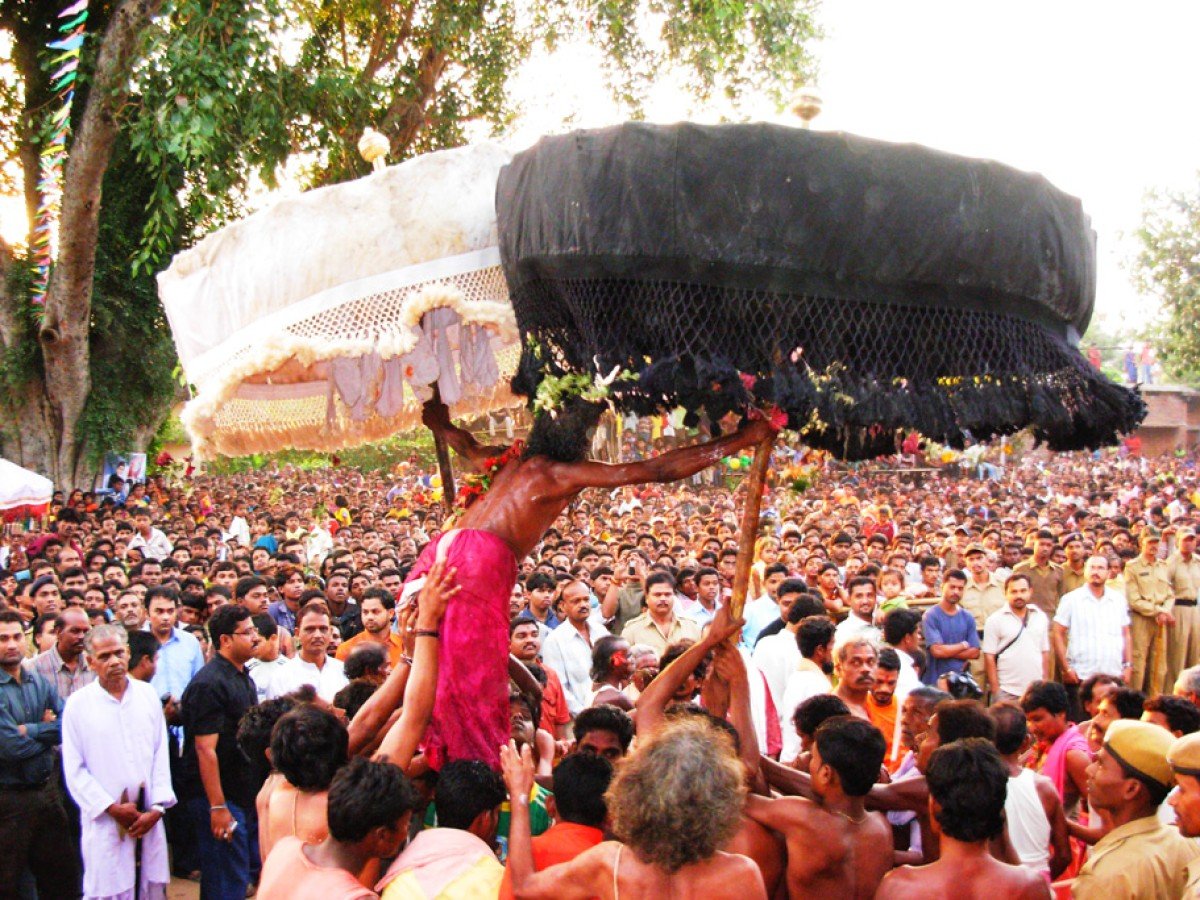
Bali Yatra: A major local festival celebrating the maritime glory of Odisha, featuring large fairs and cultural programs on the river bank.
Sital Sasthi: Celebrated with great pomp, including a marriage procession of the gods that involves t...Bali Yatra: A major local festival celebrating the maritime glory of Odisha, featuring large fairs and cultural programs on the river bank.
Sital Sasthi: Celebrated with great pomp, including a marriage procession of the gods that involves the entire town in festivities.Best Photo Spots:
Lankeswari in the River: The temple standing amidst the flowing water offers a rare and powerful visual, especially during the monsoon.
Pancharatha Detail: The intricate carvings on the five shrines provide a great opportunity for macro and ...Lankeswari in the River: The temple standing amidst the flowing water offers a rare and powerful visual, especially during the monsoon.
Pancharatha Detail: The intricate carvings on the five shrines provide a great opportunity for macro and architectural shots.
River Confluence: The point where the two rivers meet is a great spot for wide-angle landscape photography during sunrise.Photo Gallery


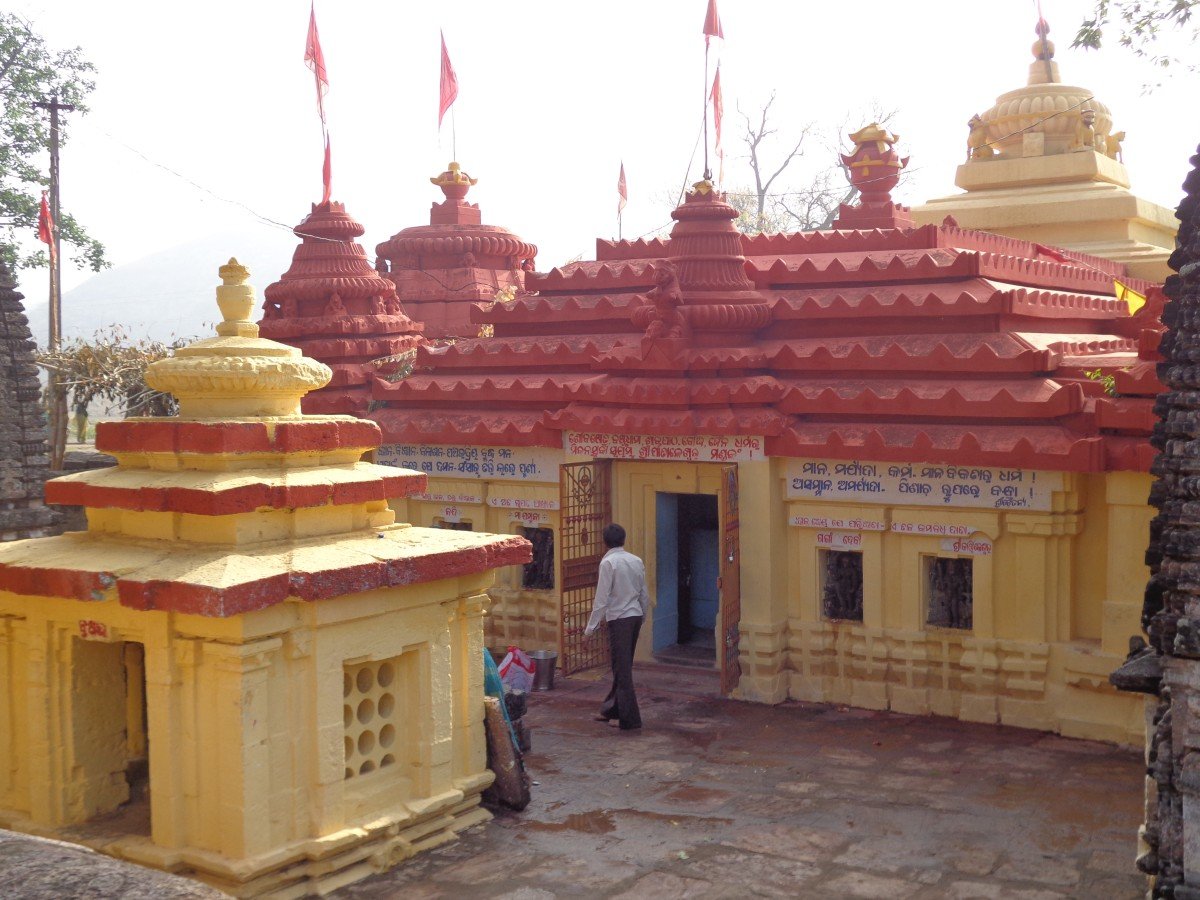
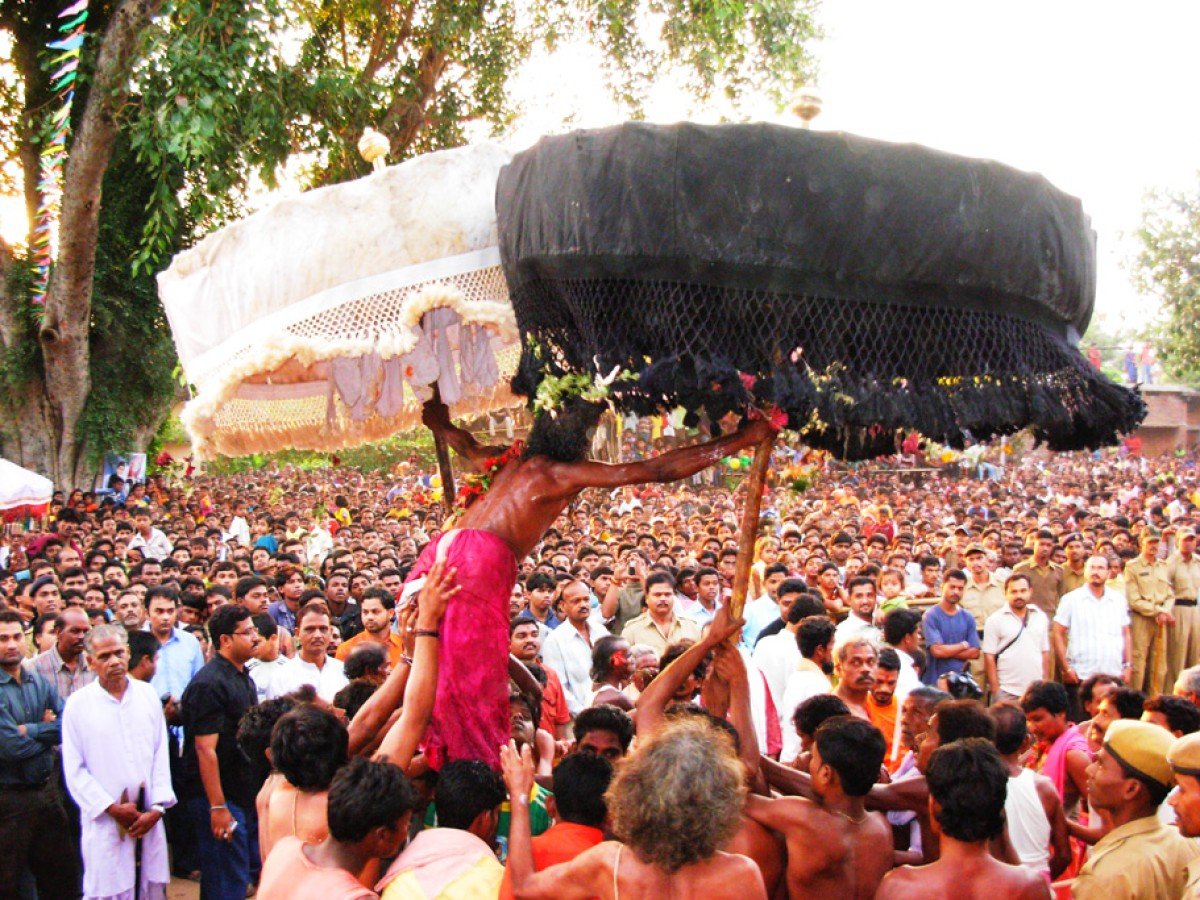

Things To Do
 @@The Legend of Healing : Papakshya Ghat, situated on the banks of the Mahanadi River in Binika, is a site of immense mythological and historical significance. The name literally translates to "The Ghat where Sins are Destroyed." The most famous legend associated with this place involves King Anangabhima Deva III of the Ganga dynasty. It is said that the King was suffering from leprosy and was advised to take a holy dip here. After bathing at the ghat and passing through a natural tunnel formed by an ancient Bata Bruksha (Banyan tree), he was miraculously cured. In gratitude, he commissioned the construction of the nearby temples. Since then, the ghat has become a primary pilgrimage site for those seeking spiritual cleansing and physical healing. During solar and lunar eclipses, thousands of people gather here to take a dip in the holy waters. The site is not just a bathing ghat but a complex spiritual ecosystem including an ancient banyan tree temple and a serene view of the river's curve.
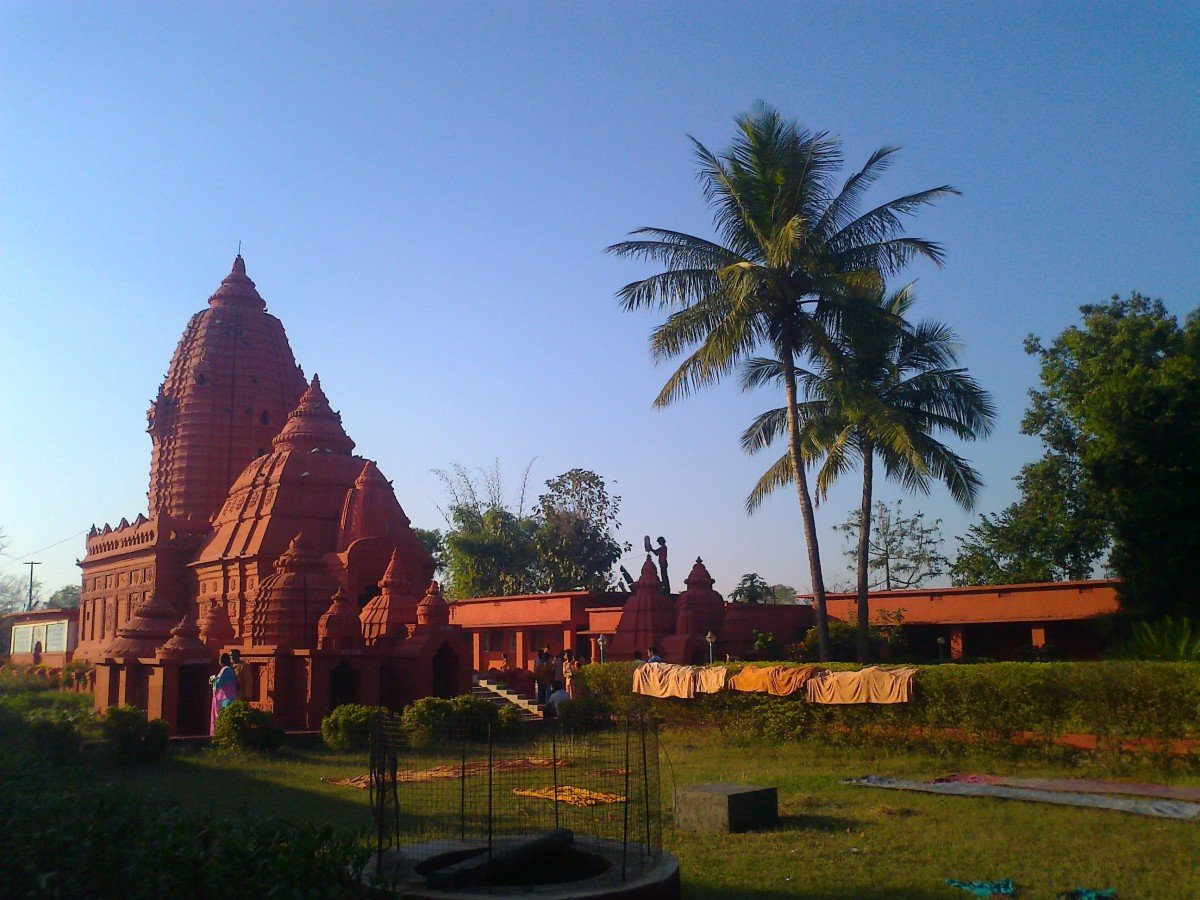
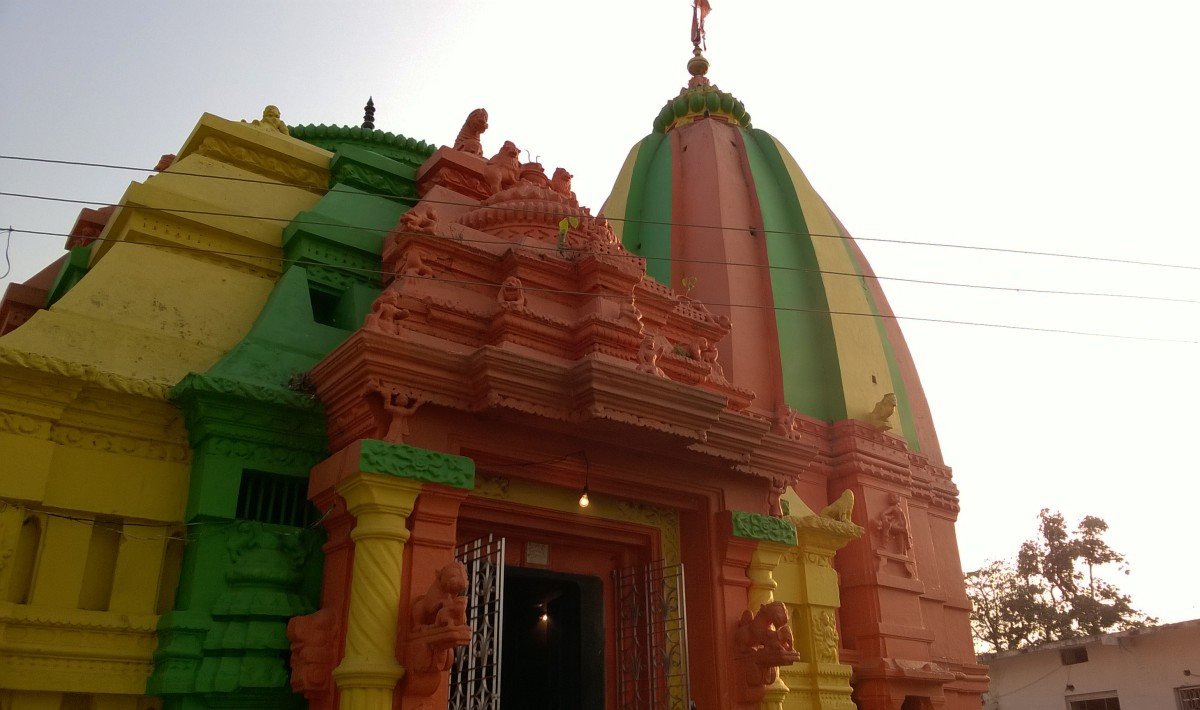
 This highly unique and fascinating temple, also known locally as Nimuhi Deula (Doorless Temple), is dedicated not to a conventional deity but to the tragic, immortal love story between Princess Sashisena and Ahimanikya, the son of the king's minister, as immortalized in the work of poet Pratap Rai. It is considered a memorial to their love and a site historically linked to Tantric practices in the region. The temple’s lack of an entrance is its defining architectural feature, symbolizing the unfulfilled nature of their love or perhaps its spiritual purity. It serves as a significant cultural and historical monument, distinct from the purely religious shrines of Sonepur.:
 @@Nature Retreat : Forest Park is a popular green space in Sonepur often referred to as Manikeswari Park due to its proximity or local association. It is a well-maintained urban park providing locals and tourists a peaceful environment away from the city's hustle. It serves as a vital lung space for the town, promoting recreational activities and a connection with nature. It features lush greenery, walking paths, and well-designed landscapes, making it an ideal spot for morning walks and evening relaxation. Its development as a Nagarvan or urban forest emphasizes local biodiversity conservation. It is a family-friendly destination, offering facilities that cater to all age groups, thereby becoming a cornerstone of the community's leisure time. The park is a testament to the local administration's effort to preserve green cover within the rapidly developing town. The calm ambiance and natural surroundings are the primary draw, appealing to those seeking tranquility.
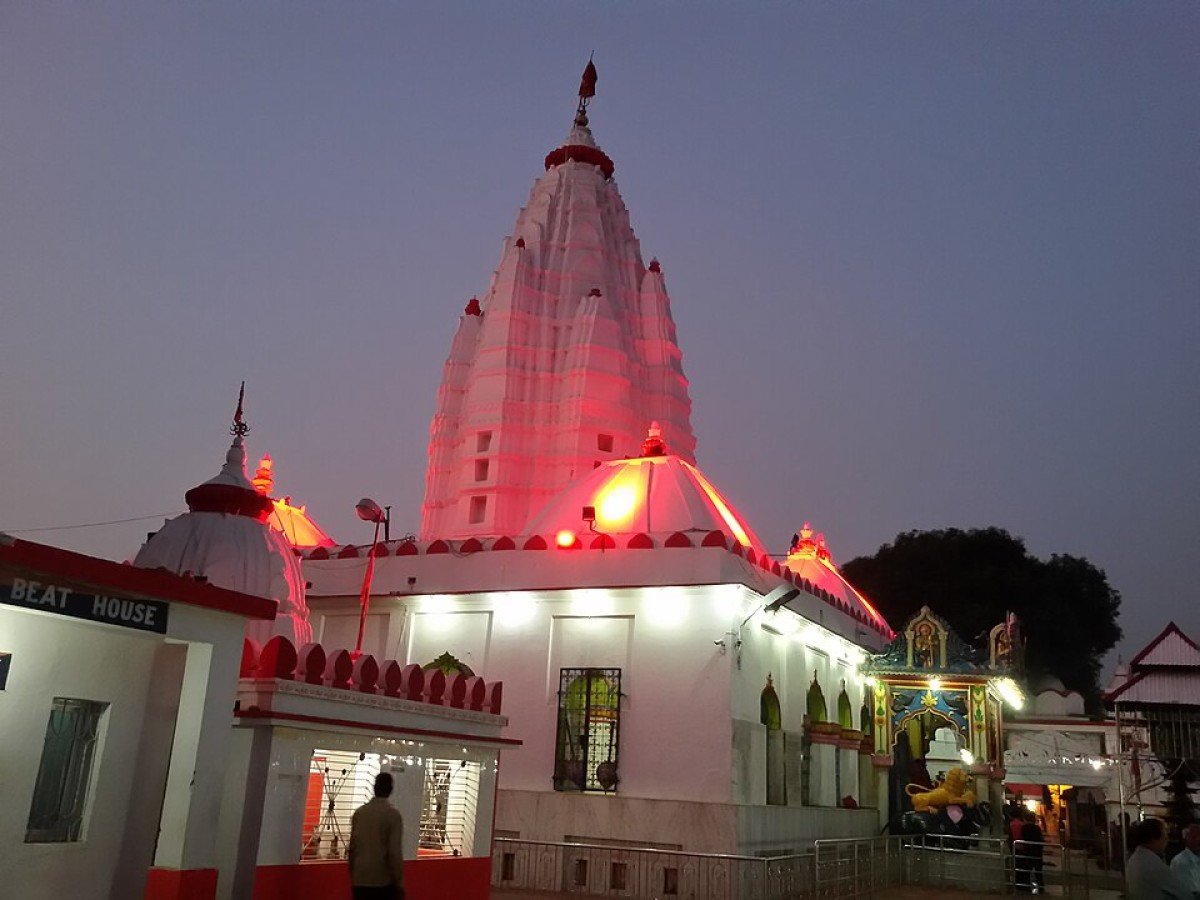
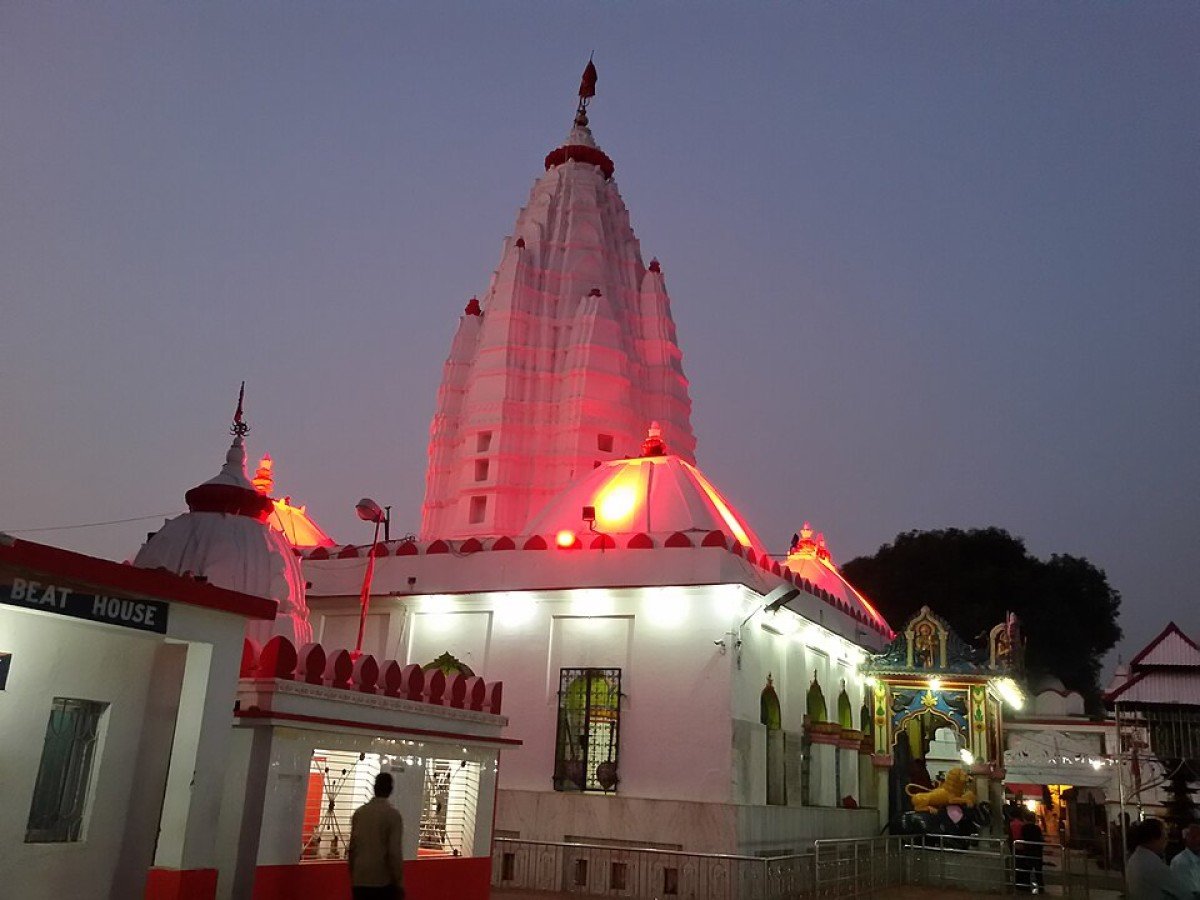
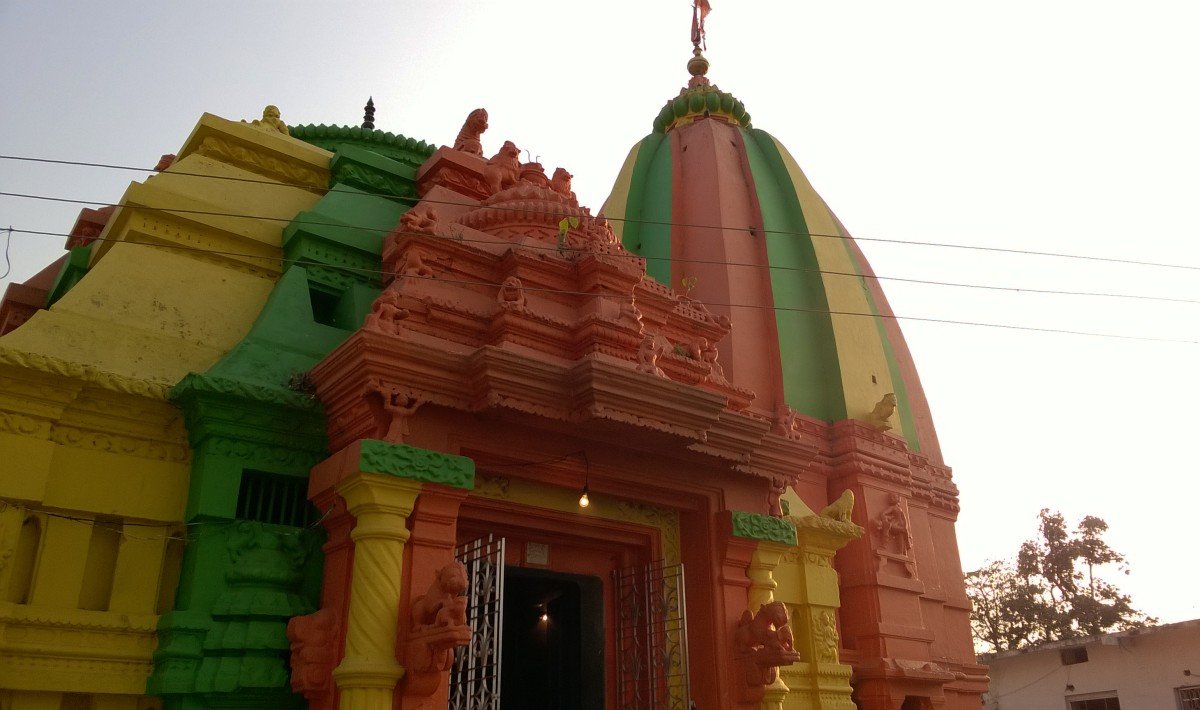
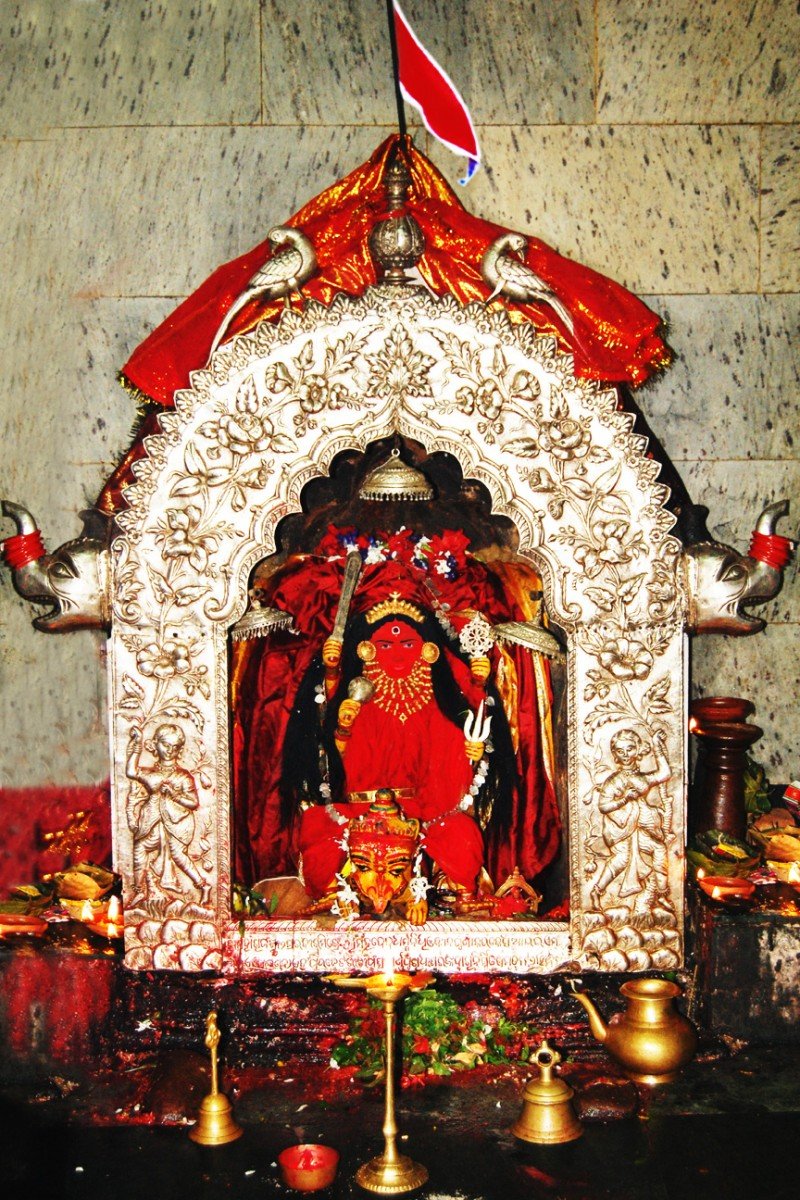
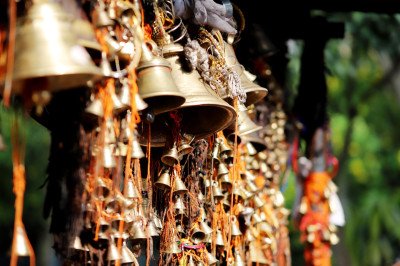 The Sureswari Temple is one of the oldest and most revered Shakti Pithas in Sonepur, dedicated to Maa Sursuri, the local folk goddess, whose name is Sanskritized as Sureswari. Located on the left bank of the Tel River, close to the confluence with the Mahanadi, it forms a vital part of Sonepur's sacred landscape, emphasizing the region's strong tradition of Shakti worship and Tantricism. The temple's exact date is difficult to determine, but the worship of this deity predates many of the other structures, suggesting a deep history rooted in tribal and folk traditions before being absorbed into mainstream Hinduism. It is a powerful local shrine, especially popular among the people of Western Odisha.:
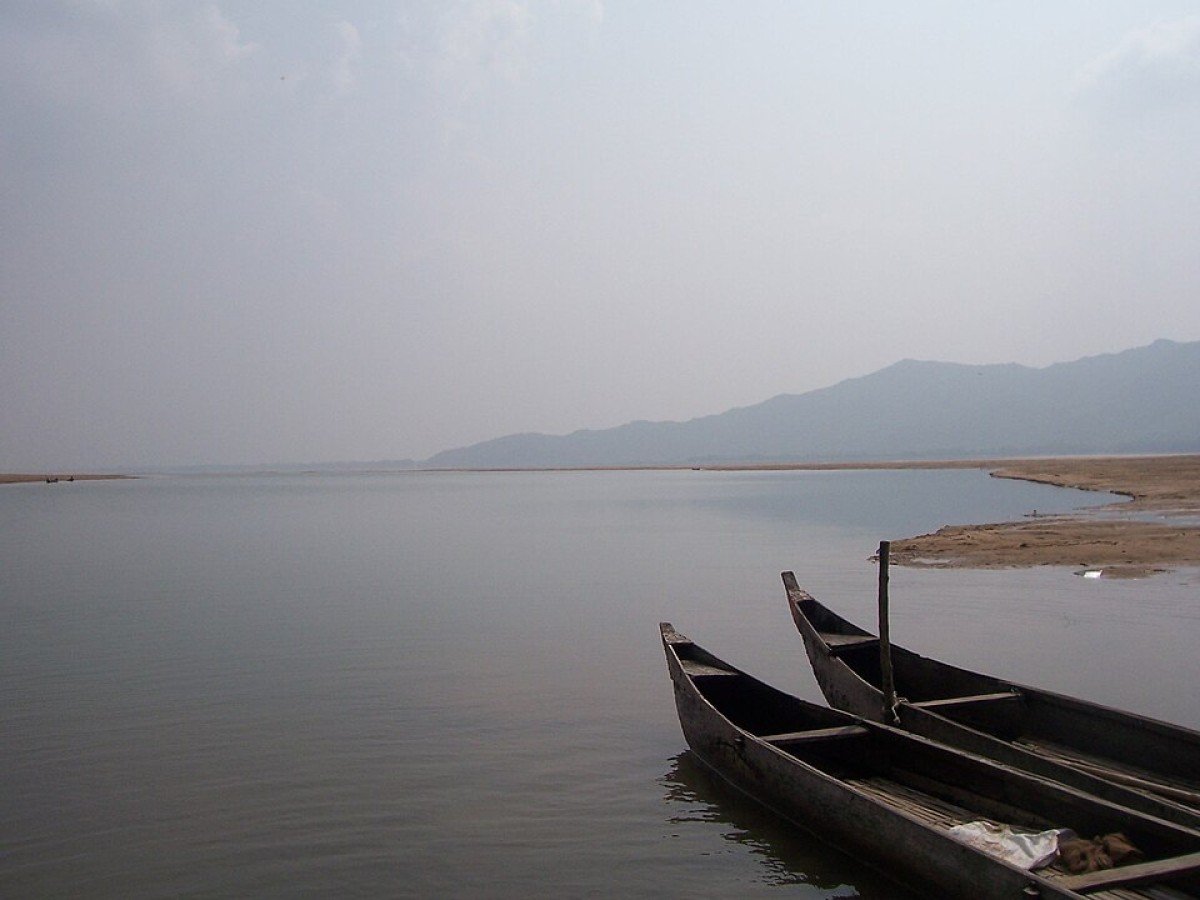
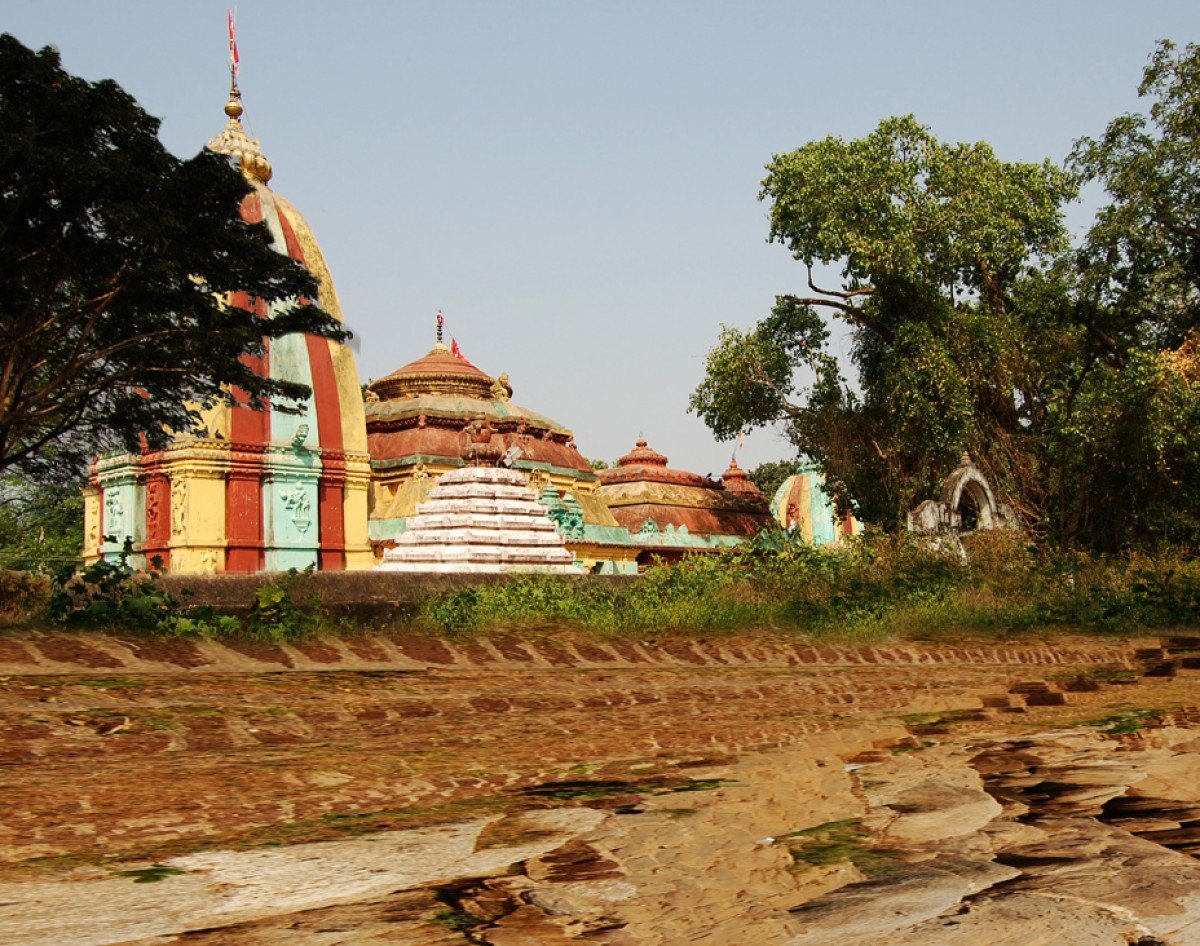
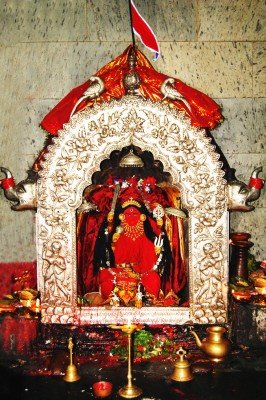 @@A Sacred Confluence : @@ The Mahanadi Ghat in Sonepur is a crucial religious and cultural site, situated near the confluence of the sacred Mahanadi and Tel rivers, a spot revered for its spiritual power. This area, which includes ghats like Tentli Ghat, Rajaghat, Dasamatighat, and Gourighat, is often called the "Second Varanasi" due to its cluster of temples (Lankeswari, Rameswar, Gokarneswar, etc.) and the religious significance of bathing at a river junction. Thousands of pilgrims visit the ghats to take a holy dip, especially during major festivals. Historically, it was a hub for trade and spiritual discourse. The river here flows over a rocky bed, creating scenic views, and the ghats serve as the primary social and ritualistic meeting point for the entire town and district. The atmosphere is a vibrant mix of devotion, local life, and natural beauty, reflecting the deep cultural connection the people of Odisha have with the Mahanadi river.
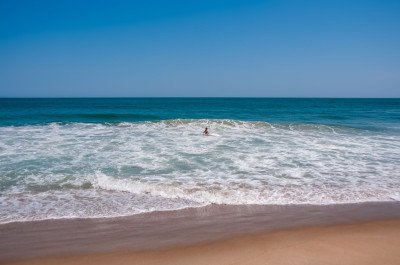 @@A Unique Inland Beach: Unlike coastal beaches, the Sonepur Beach is a vast riverine stretch of golden sand formed by the Mahanadi River. It is often referred to as the "Beach of Subarnapur" because of its expansive sandy area that mimics a seashore. The water here is crystal clear for most of the year, flowing over a rocky and sandy bed. This spot is deeply intertwined with the religious life of the city, as many temples line its banks. Families from the town gather here for evening relaxation, and children enjoy playing in the soft sand. During the dry season, the river recedes, leaving behind large playgrounds of sand that are used for community events and fairs. It is a place where nature and spirituality coexist, with the sound of temple bells echoing across the water. The beach offers a tranquil escape from the bustling town market, providing a space for meditation and leisure.
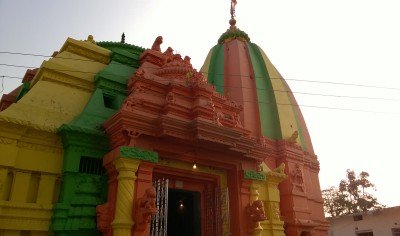 @@The Spirit of Manikeswari : Located at the strategic junction where the Mahanadi and Tel rivers converge, the Manikeswari Temple in Manamunda is a vital Shakti shrine. The deity, Goddess Manikeswari, is considered the protective mother of the region, specifically revered by the local farming and weaving communities. While the most famous temple of this name is in Bhawanipatna, this local shrine holds equal spiritual weight for the people of Sonepur. The history of the temple is tied to the tribal roots of the area, blending indigenous rituals with Vedic traditions. The temple has served as a cultural anchor for Manamunda, a village famous for its unique handloom traditions. Devotees believe that the Goddess ensures the prosperity of the land and protects the village from the floods of the mighty Mahanadi. The temple environment is vibrant yet tranquil, offering a unique perspective on the regional "Shakti" cult of western Odisha. Visiting this temple provides a deep dive into the local folklore and the deep-seated faith that defines the rural landscape of the Subarnapur district.Show All
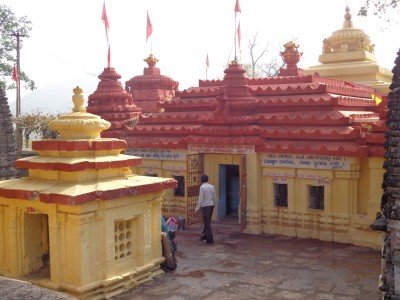 This ancient Shaiva Pitha is situated at the picturesque confluence (Triveni Sangam) of the Mahanadi and Tel rivers, earning Sonepur the moniker of "Second Varanasi". Legend credits Lord Ram with installing the primary Shiva Lingam. The temple complex, dating back possibly to the 18th century AD or earlier, includes shrines for Lord Kartik, Ganesh, and Goddess Parvati, symbolizing a confluence of different Hindu cults. The location itself holds immense spiritual significance, drawing large crowds for ritualistic bathing, especially during holy months, and it serves as a serene spot for meditation and prayer. It is a key historical and religious landmark in the Subarnapur region.:
Information
-
Why Famous:
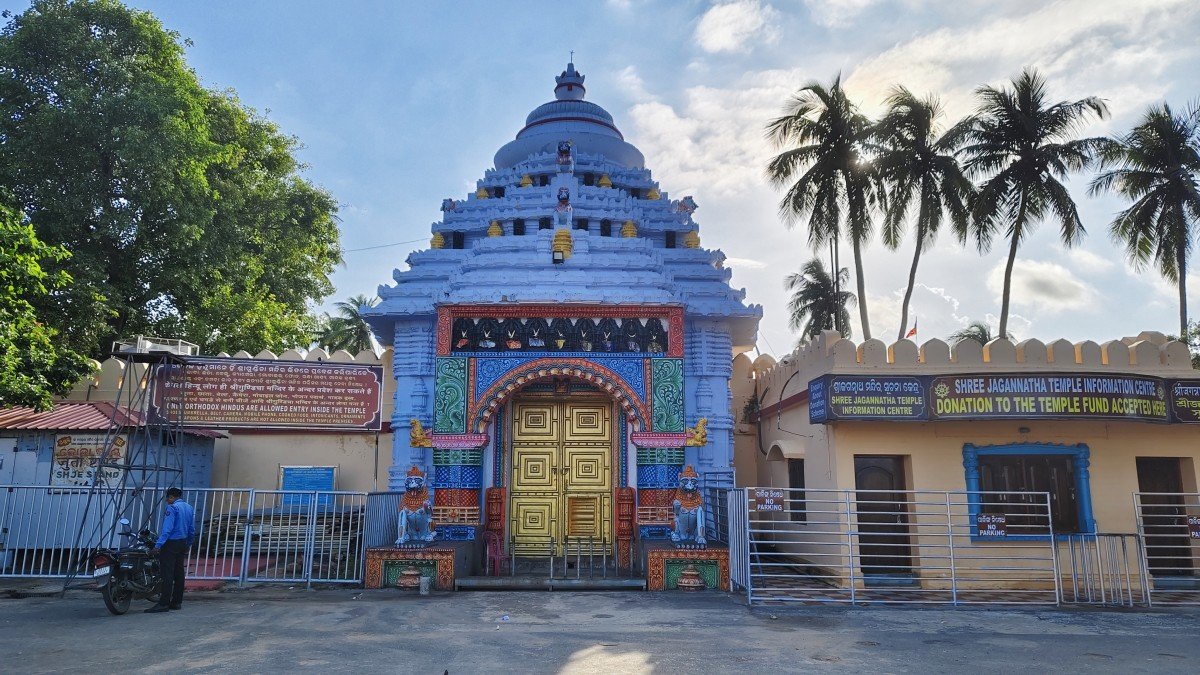
Temple Town: Famous for housing over a hundred temples in a small area, making it a major pilgrimage site in western Odisha. Each temple has its own unique deity and architectural style, providing a comprehensive view of regional history.
Lanke...Temple Town: Famous for housing over a hundred temples in a small area, making it a major pilgrimage site in western Odisha. Each temple has its own unique deity and architectural style, providing a comprehensive view of regional history.
Lankeswari Temple: Located in the middle of the Mahanadi river, this temple is dedicated to the presiding deity of the region and is unique for its location and history. -
Architecture:
Temple Styles: The architecture is a mix of the Kalinga style and the local Chauhan style, characterized by smaller, intricately carved shrines. The Pancharatha Temple is a unique example, featuring five shrines on a single platform, mimicking the chariot style.Temple Styles: The architecture is a mix of the Kalinga style and the local Chauhan style, characterized by smaller, intricately carved shrines. The Pancharatha Temple is a unique example, featuring five shrines on a single platform, mimicking the chariot style.
Dimensions: The temples are generally compact but vertically aligned, with the Suvarnameru Temple standing as a prominent landmark with its high shikhara and stone carvings. -
How To Reach:
By Air: The nearest airport is Jharsuguda (110 KM) or Bhubaneswar (260 KM), from where you can take a taxi.
By Train: The nearest major railway stations are Balangir (50 KM) or Sambalpur (80 KM), which are well-connected to other states.By Air: The nearest airport is Jharsuguda (110 KM) or Bhubaneswar (260 KM), from where you can take a taxi.
By Train: The nearest major railway stations are Balangir (50 KM) or Sambalpur (80 KM), which are well-connected to other states.
By Road: Sonepur is well-connected by state highways with regular bus services from Bhubaneswar, Sambalpur, and Cuttack.
By Local Transport: Cycle-rickshaws and auto-rickshaws are the primary modes of transport within the narrow streets of the temple town. -
Weather and Best Time to Visit:
Winter: November to February is the peak season with pleasant temperatures around 20°C, ideal for sightseeing.
Morning: The best time for temple visits is before 9:00 AM to avoid the heat and experience the morning rituals. ...Winter: November to February is the peak season with pleasant temperatures around 20°C, ideal for sightseeing.
Morning: The best time for temple visits is before 9:00 AM to avoid the heat and experience the morning rituals. -
Near Tourist Places:
1. Balangir (50 KM), 2. Sambalpur (80 KM), 3. Patali Srikhetra (25 KM), 4. Birmaharajpur (30 KM), 5. Harishankar (110 KM), 6. Nrusinghanath (160 KM), 7. Tikarapada (120 KM), 8. Boudh (60 KM), 9. Phulbani (130 KM), 10. Kantilo (180 KM)
Tourism Tips
-
Health & Safety: Drink only bottled water and be cautious when boarding boats in the river.
Packing: Wear modest clothing for temples and carry a pair of socks as you need to walk barefoot on temple stone floors.Health & Safety: Drink only bottled water and be cautious when boarding boats in the river.
Packing: Wear modest clothing for temples and carry a pair of socks as you need to walk barefoot on temple stone floors.
Accommodation: There are basic lodges and a few decent hotels in the town; booking in advance is recommended during festival seasons.
Cultural Respect: Ask for permission before taking photos of deities or people during their religious rituals.
Reviews
FAQs
Sonepur Itineray And Cost:-
Other Places In Odisha :-
Other States In India :-
Information about New and Updated Locations() of Odisha Has Been Added :-
Card subtitle
Note:-
Information provided here in good Faith and for reference only.
Near Places
Angul
Some quick example text to build on the card title and make up the bulk of the card's content.
Go somewhere
Balasore
Some quick example text to build on the card title and make up the bulk of the card's content.
Go somewhere
Bargarh
Some quick example text to build on the card title and make up the bulk of the card's content.
Go somewhere
Baripada
Some quick example text to build on the card title and make up the bulk of the card's content.
Go somewhere
Berhampur
Some quick example text to build on the card title and make up the bulk of the card's content.
Go somewhere
Bhadrak
Some quick example text to build on the card title and make up the bulk of the card's content.
Go somewhere
Bhubaneswar
Some quick example text to build on the card title and make up the bulk of the card's content.
Go somewhere
Chandipur
Some quick example text to build on the card title and make up the bulk of the card's content.
Go somewhere
Cuttack
Some quick example text to build on the card title and make up the bulk of the card's content.
Go somewhere
Daringbadi
Some quick example text to build on the card title and make up the bulk of the card's content.
Go somewhere
Dhauli
Some quick example text to build on the card title and make up the bulk of the card's content.
Go somewhere
Dhauligiri
Some quick example text to build on the card title and make up the bulk of the card's content.
Go somewhere
Gopalpur
Some quick example text to build on the card title and make up the bulk of the card's content.
Go somewhere
Jajpur
Some quick example text to build on the card title and make up the bulk of the card's content.
Go somewhere
Jeypore
Some quick example text to build on the card title and make up the bulk of the card's content.
Go somewhere
Jharsuguda
Some quick example text to build on the card title and make up the bulk of the card's content.
Go somewherein Other Cities