




Poovar
General information
-
Ideal Duration:
1 to 2 DaysPlace Type:
Backwaters, Estuary, and BeachEntry Fees:
Boat Cruise Rates: The cost of a backwater boat ride ranges from Rs. 500 to Rs. 2,000 depending on the duration and the type of boat. Most resorts include this in their packages.
Beach and Estuary: There is no direct entry fee for the bea...Boat Cruise Rates: The cost of a backwater boat ride ranges from Rs. 500 to Rs. 2,000 depending on the duration and the type of boat. Most resorts include this in their packages.
Beach and Estuary: There is no direct entry fee for the beach or estuary, but you must pay for the boat ride to reach them.
Museums and Aquariums: Nearby attractions like the Vizhinjam Aquarium have a nominal entry fee of around Rs. 20-50.Timing:
Boating and Beach: Backwater boat rides in Poovar are generally available from 8:00 AM to 6:00 PM. The best time for a boat cruise is early morning for birdwatching or late afternoon for the sunset.
Resort and Village: Most resorts are open...Boating and Beach: Backwater boat rides in Poovar are generally available from 8:00 AM to 6:00 PM. The best time for a boat cruise is early morning for birdwatching or late afternoon for the sunset.
Resort and Village: Most resorts are open 24/7 for guests, but external visitors should plan their trips during daylight hours. The Vizhinjam Aquarium is open from 9:00 AM to 5:30 PM.
Ideal Visit Time: A 2-day stay is ideal to experience the backwaters, the beach, and the local culture. Visiting during the Winter season ensures pleasant weather for all outdoor activities.Special Events:
Poovar Boat Races: Local boat races held during the Onam festival in August/September, showcasing the spirit of the backwaters.
Christmas Celebrations: The coastal community celebrates Christmas with beautiful decorations and midnight masses...Poovar Boat Races: Local boat races held during the Onam festival in August/September, showcasing the spirit of the backwaters.
Christmas Celebrations: The coastal community celebrates Christmas with beautiful decorations and midnight masses at the local churches.Best Photo Spots:
The Estuary Point: The exact spot where the river meets the sea provides a unique natural frame with contrasting water colors.
Floating Cottages: Taking photos from a boat showing the cottages reflecting in the calm backwater is a classic Po...The Estuary Point: The exact spot where the river meets the sea provides a unique natural frame with contrasting water colors.
Floating Cottages: Taking photos from a boat showing the cottages reflecting in the calm backwater is a classic Poovar shot.
Mangrove Tunnels: The dense green canopy over the narrow canals creates a mystical and serene background for nature photography.Photo Gallery



Things To Do
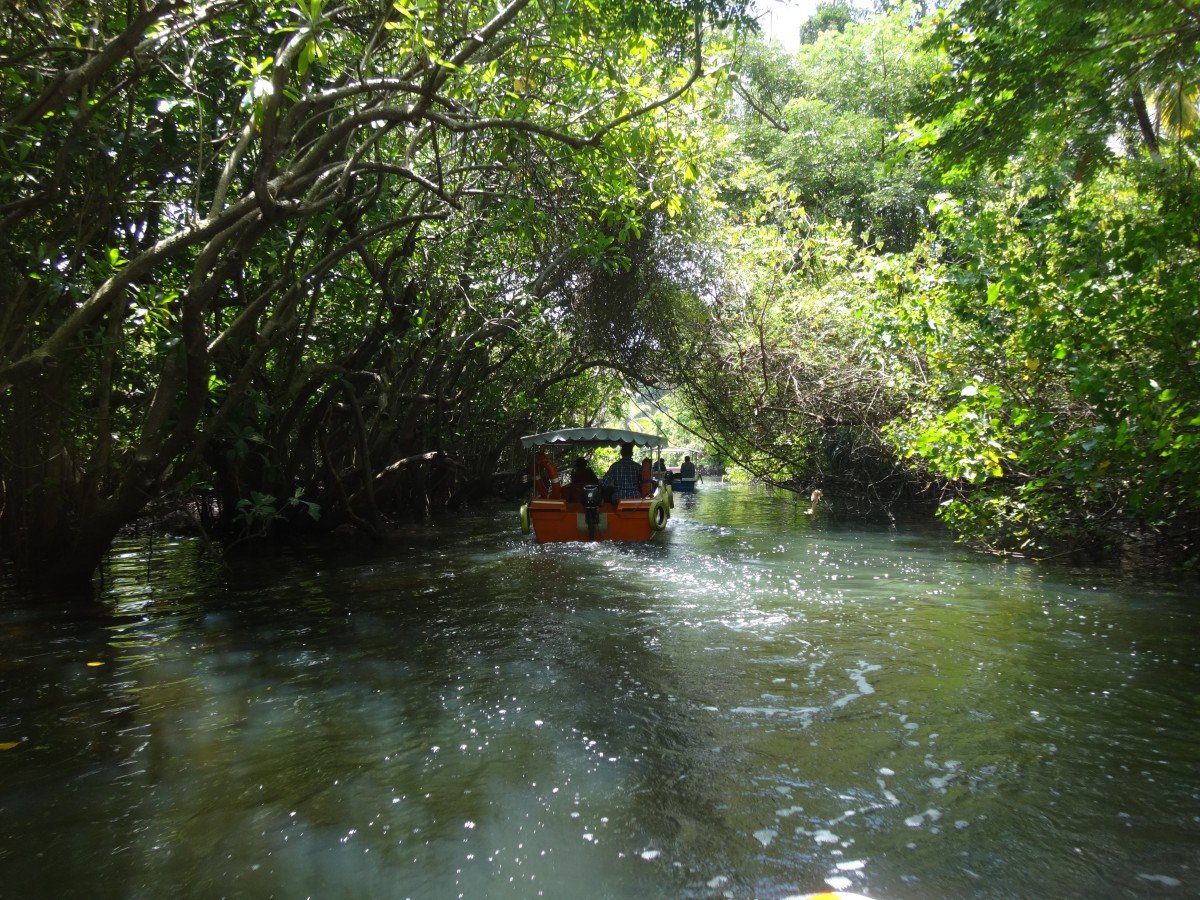
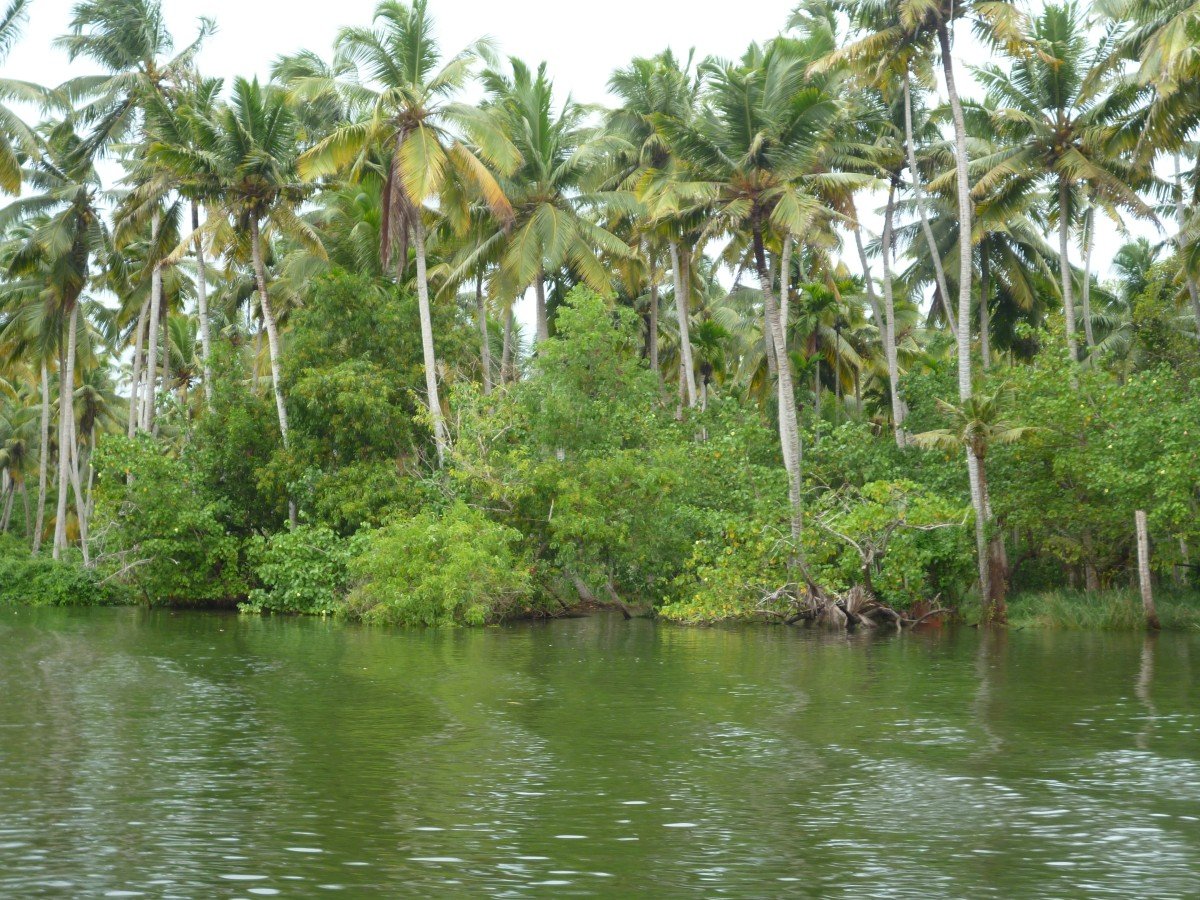
 The Mangroves in Poovar form a dense, mystical forest that lines the narrowest canals of the backwaters. These "forests of the sea" are vital to the local ecosystem, acting as a nursery for fish and a shield against coastal erosion. Navigating through the mangrove forest is an adventurous experience, as the branches often form a natural canopy over the boat. The roots of these trees are visible above the water, creating intricate patterns that look like natural sculptures. It is one of the best places in Kerala for bird watching, with species like the Brahminy Kite and various herons frequenting the area. The air inside the mangrove canals is significantly cooler and carries the scent of damp earth and salt. The silence is profound, interrupted only by the sound of your boat's oars or the occasional splash of a water monitor lizard. Exploring these mangroves provides an educational insight into the importance of wetland conservation. It is a must-visit for photographers and nature enthusiasts.
 This ancient and highly revered shrine is dedicated to Goddess Bhadrakali, a powerful manifestation of Shakti. The temple is steeped in local legends and serves as a spiritual anchor for the community near Poovar. It is particularly famous for its ritualistic traditions and the deep faith of its devotees who seek protection and prosperity. The atmosphere here is one of profound serenity, especially during the early morning hours when the air is filled with the scent of incense and the sound of bells. Historical accounts suggest the temple has stood for centuries, witnessing the rise and fall of various local dynasties while maintaining its spiritual sanctity. Visitors are often struck by the vibrant energy during festival seasons, which contrasts with the usual calm. The temple complex is well-maintained and provides a peaceful retreat for those looking to explore the religious heritage of South Kerala. It is a place where traditional customs are still practiced with great precision and devotion, offering a glimpse into the authentic cultural fabric of the region. :
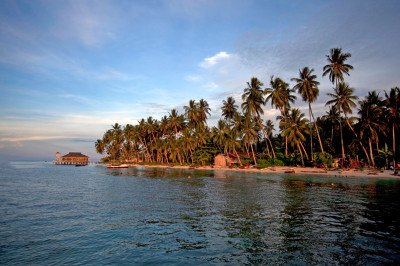 @@Island Oasis Details: Poovar Island is a secluded getaway known for its pristine beauty and luxury resorts. It is nestled between the Neyyar River and the Arabian Sea, accessible only by a short boat ride from the mainland. The island is covered with lush coconut groves and tropical flowers, living up to its name (Poo-Var means River of Flowers). Historically, it was a major trading port for sandalwood and spices. Today, it serves as a premium destination for those seeking peace and Ayurvedic rejuvenation. The island features the famous "Floating Cottages" which are a hallmark of Kerala tourism. Life on the island moves at a slow, relaxing pace. The sound of the waves on the nearby beach and the rustle of palm leaves create a tranquil atmosphere. It is a popular choice for destination weddings and romantic escapes. The island's eastern side faces the backwaters, while the western side opens to the sea. This duality makes it a unique geographic location. It is also a site of historical significance, once providing refuge to King Marthanda Varma.
The Sree Bhagavathy Temple in Poovar is a significant religious landmark dedicated to the Mother Goddess, a form of Shakti who is believed to be the guardian deity of the village and its waters. This ancient temple serves as the spiritual heart of the local community, attracting devotees who seek protection and prosperity. The temple complex is characterized by a sense of deep peace and traditional sanctity. It is situated close to the backwaters, and the sound of the temple bells often mingles with the gentle lapping of the water. The presiding deity is worshipped with great fervor, particularly during the early morning and evening rituals. The temple holds historical significance, as it has been a place of worship for generations of the local fishing community who pray for safe passage at sea. The atmosphere within the temple is thick with the scent of incense and fresh flowers. The rituals performed here follow the strict traditions of Kerala's Tantric practices. During festivals, the temple becomes a vibrant hub of activity, with traditional music and oil lamps lighting up the night. It represents the deep-rooted faith of the people of Poovar and their connection to the divine. The temple's location makes it easily accessible for tourists staying at the nearby island resorts. It offers a cultural contrast to the natural beauty of the backwaters, providing a holistic experience of Kerala's heritage. Visitors are expected to follow the traditional dress code and maintain the sanctity of the premises.
@@Island Oasis Details: Poovar Island is a secluded getaway known for its pristine beauty and luxury resorts. It is nestled between the Neyyar River and the Arabian Sea, accessible only by a short boat ride from the mainland. The island is covered with lush coconut groves and tropical flowers, living up to its name (Poo-Var means River of Flowers). Historically, it was a major trading port for sandalwood and spices. Today, it serves as a premium destination for those seeking peace and Ayurvedic rejuvenation. The island features the famous "Floating Cottages" which are a hallmark of Kerala tourism. Life on the island moves at a slow, relaxing pace. The sound of the waves on the nearby beach and the rustle of palm leaves create a tranquil atmosphere. It is a popular choice for destination weddings and romantic escapes. The island's eastern side faces the backwaters, while the western side opens to the sea. This duality makes it a unique geographic location. It is also a site of historical significance, once providing refuge to King Marthanda Varma.
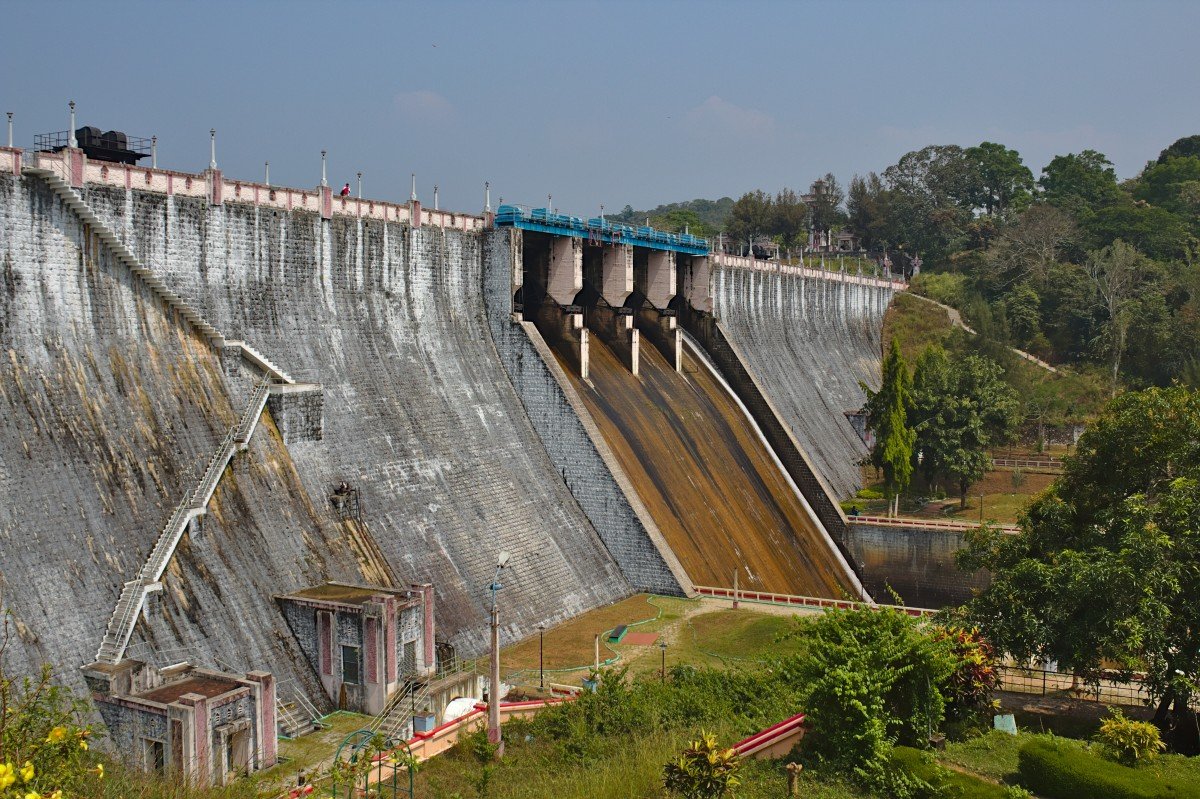
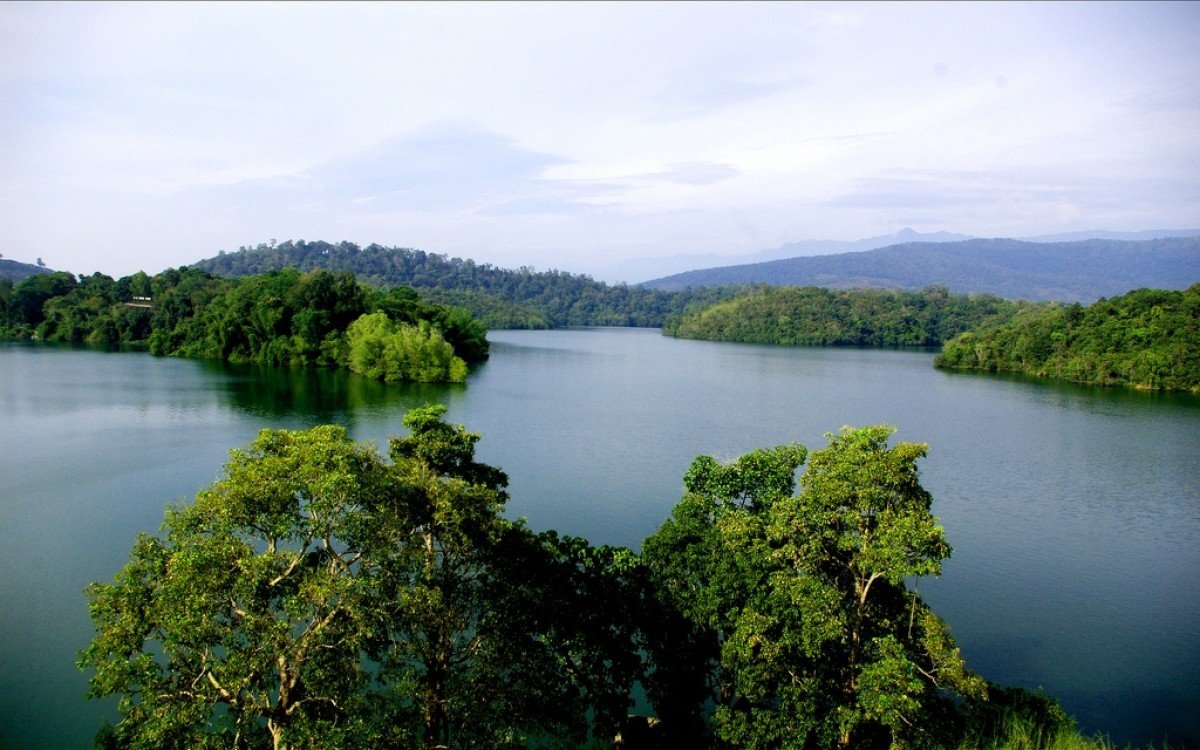
The Sree Bhagavathy Temple in Poovar is a significant religious landmark dedicated to the Mother Goddess, a form of Shakti who is believed to be the guardian deity of the village and its waters. This ancient temple serves as the spiritual heart of the local community, attracting devotees who seek protection and prosperity. The temple complex is characterized by a sense of deep peace and traditional sanctity. It is situated close to the backwaters, and the sound of the temple bells often mingles with the gentle lapping of the water. The presiding deity is worshipped with great fervor, particularly during the early morning and evening rituals. The temple holds historical significance, as it has been a place of worship for generations of the local fishing community who pray for safe passage at sea. The atmosphere within the temple is thick with the scent of incense and fresh flowers. The rituals performed here follow the strict traditions of Kerala's Tantric practices. During festivals, the temple becomes a vibrant hub of activity, with traditional music and oil lamps lighting up the night. It represents the deep-rooted faith of the people of Poovar and their connection to the divine. The temple's location makes it easily accessible for tourists staying at the nearby island resorts. It offers a cultural contrast to the natural beauty of the backwaters, providing a holistic experience of Kerala's heritage. Visitors are expected to follow the traditional dress code and maintain the sanctity of the premises. Neyyar Wildlife Sanctuary is a sprawling protected area of 128 square kilometers in the Western Ghats. Established in 1958, it is home to a diverse range of flora and fauna, including elephants and leopards. The sanctuary's landscape is a mix of tropical evergreen and deciduous forests. It encompasses the Neyyar Dam reservoir, providing a unique aquatic-terrestrial ecosystem. The sanctuary is part of the Agasthyamala Biosphere Reserve, a UNESCO world heritage site. Visitors can take guided safaris to see the animals in their natural surroundings. The sanctuary is also a center for wildlife research and conservation efforts in Kerala. The Crocodile Rehabilitation Centre at the sanctuary is one of the most successful in the country. It offers a rare glimpse into the lives of these prehistoric predators. The sanctuary's quiet trails are perfect for those who want to disconnect from technology. It is a vital lung for the region, maintaining the ecological balance of the Neyyar river basin. The presence of the Agasthyakoodam peak makes it a spiritual destination as well. Travelers can see monkeys, deer, and various reptiles during their visit. The sanctuary emphasizes eco-tourism and sustainable travel practices. It is a perfect destination for students and nature enthusiasts to learn about tropical ecosystems. The forest department maintains several watchtowers for safe animal viewing.
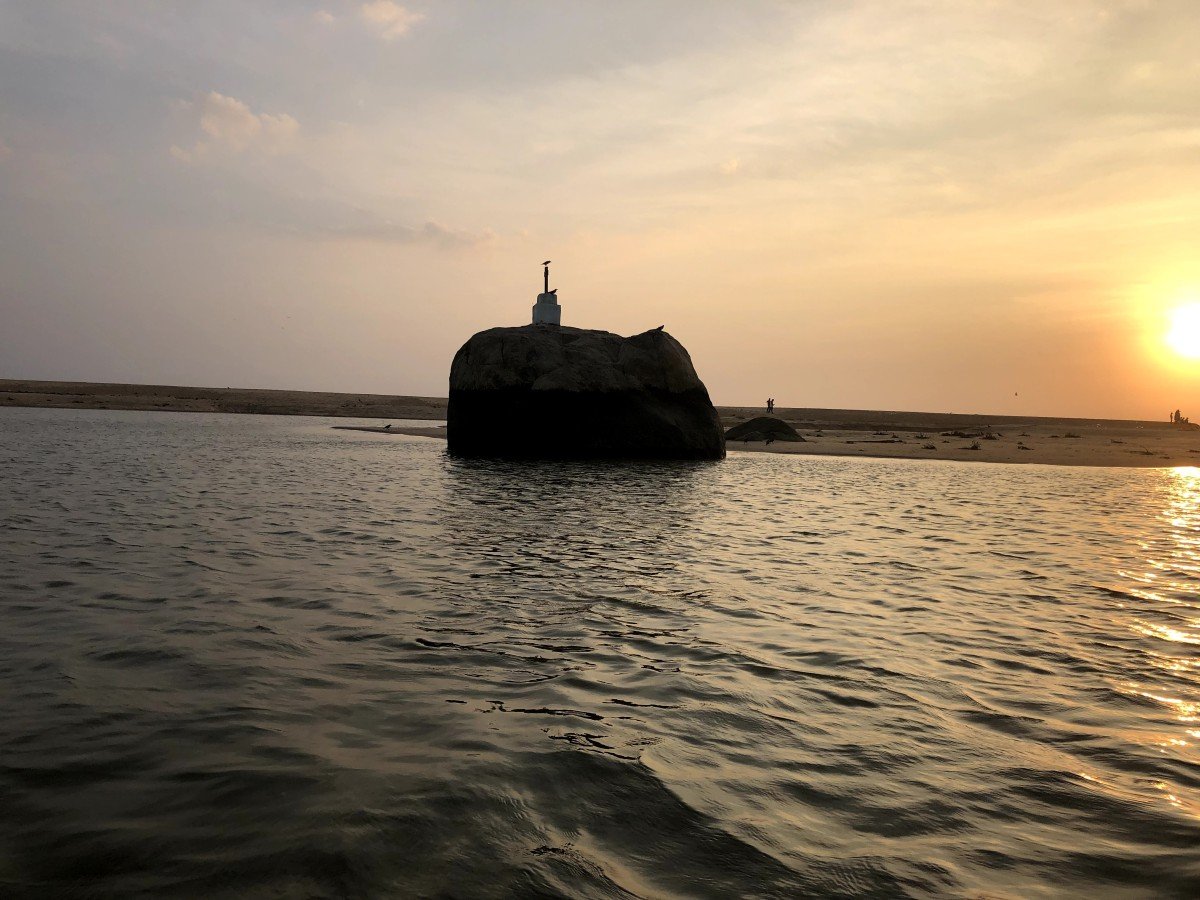
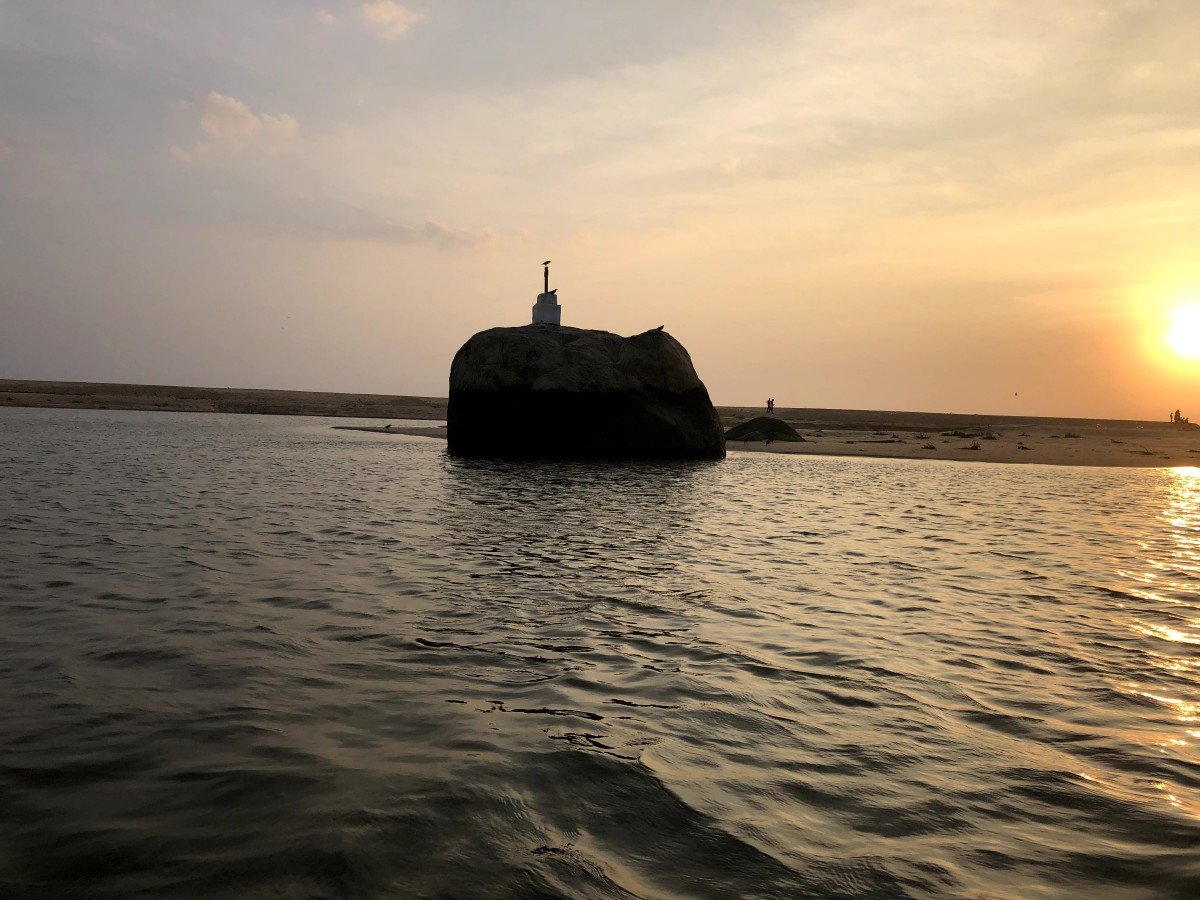
 Elephant Rock is a fascinating geological feature located near the Poovar estuary and beach. It is a massive rock formation that, from a specific angle, remarkably resembles a giant elephant standing in the water. This natural wonder is a popular stop during the backwater boat cruises that Poovar is famous for. The rock is part of the rugged coastal landscape where the river meets the sea, and it stands as a testament to the power of erosion and time. Over centuries, the waves and weather have sculpted the stone into this unique shape, which has now become a landmark for the local boatmen. It is not just a visual treat; the rock also provides a habitat for various marine birds and small sea creatures. Visitors often take photos from their boats as they glide past, marveling at nature's artistry. The rock is most impressive during high tide when the water surrounds its base, making the "elephant" appear as if it is wading through the waves. It is an essential part of the Poovar experience, adding a touch of whimsy and wonder to the serene backwater journey. :
 Sunset Point in Poovar is a breathtaking geographical marvel where the tranquil backwaters of the Neyyar River meet the vast Arabian Sea. This specific spot is part of the famous Golden Sand Beach, a narrow strip of land that offers a 360-degree view of the water bodies surrounding it. As the day ends, the sky transforms into a canvas of deep oranges, purples, and fiery reds, reflecting off the shimmering estuary waters. It is widely considered one of the most romantic and peaceful locations in Southern Kerala, providing a sense of isolation from the modern world. The point is unique because it can primarily be accessed only by a boat cruise through the lush mangrove forests, adding an element of adventure to the visit. Visitors often spend their time sitting on the soft golden sands, watching the waves crash on one side while the river flows silently on the other. The atmosphere is filled with the rhythmic sound of the ocean and the distant calls of migratory birds. It is a place that captures the true essence of "God's Own Country" through its raw and untouched natural beauty. Local legends often associate the beauty of this river-sea confluence with the royal history of the region. Many travelers find that the silence here is healing, making it a top choice for meditation and nature photography. The shifting sands during different seasons create a dynamic landscape that looks different every time you visit. It is truly the crown jewel of Poovar tourism.:Show All
The Island Backwater in Poovar is a network of tranquil lagoons and canals that offer a glimpse into the traditional lifestyle of Kerala. Surrounded by swaying coconut palms and dense tropical vegetation, these backwaters are significantly cleaner and quieter than the famous Alleppey backwaters. A boat cruise through these waters takes you past local fishing villages where you can see traditional Chinese fishing nets. The water reflects the deep emerald green of the surrounding trees, creating a mirror-like effect. It is a habitat for various aquatic species and migratory birds. The stillness of the water is only broken by the occasional ripple of a passing country boat or the dive of a cormorant. Traveling through these backwaters is like stepping back in time, away from modern technology. The cruise usually includes a visit to the estuary where the backwater ends and the sea begins. This is an essential experience for anyone seeking peace and natural beauty.
Sunset Point in Poovar is a breathtaking geographical marvel where the tranquil backwaters of the Neyyar River meet the vast Arabian Sea. This specific spot is part of the famous Golden Sand Beach, a narrow strip of land that offers a 360-degree view of the water bodies surrounding it. As the day ends, the sky transforms into a canvas of deep oranges, purples, and fiery reds, reflecting off the shimmering estuary waters. It is widely considered one of the most romantic and peaceful locations in Southern Kerala, providing a sense of isolation from the modern world. The point is unique because it can primarily be accessed only by a boat cruise through the lush mangrove forests, adding an element of adventure to the visit. Visitors often spend their time sitting on the soft golden sands, watching the waves crash on one side while the river flows silently on the other. The atmosphere is filled with the rhythmic sound of the ocean and the distant calls of migratory birds. It is a place that captures the true essence of "God's Own Country" through its raw and untouched natural beauty. Local legends often associate the beauty of this river-sea confluence with the royal history of the region. Many travelers find that the silence here is healing, making it a top choice for meditation and nature photography. The shifting sands during different seasons create a dynamic landscape that looks different every time you visit. It is truly the crown jewel of Poovar tourism.:Show All
The Island Backwater in Poovar is a network of tranquil lagoons and canals that offer a glimpse into the traditional lifestyle of Kerala. Surrounded by swaying coconut palms and dense tropical vegetation, these backwaters are significantly cleaner and quieter than the famous Alleppey backwaters. A boat cruise through these waters takes you past local fishing villages where you can see traditional Chinese fishing nets. The water reflects the deep emerald green of the surrounding trees, creating a mirror-like effect. It is a habitat for various aquatic species and migratory birds. The stillness of the water is only broken by the occasional ripple of a passing country boat or the dive of a cormorant. Traveling through these backwaters is like stepping back in time, away from modern technology. The cruise usually includes a visit to the estuary where the backwater ends and the sea begins. This is an essential experience for anyone seeking peace and natural beauty.Information
-
Why Famous:
Unique Estuary: Poovar is famous for being one of the few places in India where a river, lake, sea, and beach converge at a single point. This rare geographical phenomenon attracts nature lovers.
Floating Cottages: The town is renowned for ...Unique Estuary: Poovar is famous for being one of the few places in India where a river, lake, sea, and beach converge at a single point. This rare geographical phenomenon attracts nature lovers.
Floating Cottages: The town is renowned for its luxury floating resorts that provide a unique stay experience right on the backwaters.
Peaceful Backwaters: Unlike the crowded backwaters of Alleppey, Poovar offers a quiet and pristine waterway experience through dense mangroves and coconut groves. -
Architecture:
Estuary and Resort Design: Poovar is famous for its eco-friendly architecture, particularly the Floating Cottages made of wood and bamboo. These structures are built on pontoons to float on the backwaters, featuring sloping thatched roofs and large glass windows. Tradition...Estuary and Resort Design: Poovar is famous for its eco-friendly architecture, particularly the Floating Cottages made of wood and bamboo. These structures are built on pontoons to float on the backwaters, featuring sloping thatched roofs and large glass windows. Traditional houses in the village are built with laterite stones and tiled roofs, typical of coastal Kerala. The Vizhinjam Cave Temple nearby is an 8th-century rock-cut structure, showcasing ancient Dravidian stone carving skills.
Dimensions and Features: The floating cottages are typically 20 by 15 feet in size, offering a cozy yet luxurious interior with private decks. The Vizhinjam Cave Temple is a small but significant monolithic structure carved directly into a granite boulder. Many resorts in the area utilize open-plan designs to allow natural ventilation and panoramic views of the sea. The use of local materials like coconut timber and coir is a common feature in the local construction style. -
How To Reach:
By Air: The nearest airport is Trivandrum International Airport, which is about 30 km away from Poovar. It receives flights from all major Indian cities and several international destinations in the Middle East. From the airport, a taxi ride to Poovar takes approximately 4...By Air: The nearest airport is Trivandrum International Airport, which is about 30 km away from Poovar. It receives flights from all major Indian cities and several international destinations in the Middle East. From the airport, a taxi ride to Poovar takes approximately 45-60 minutes. Most resorts in Poovar arrange airport transfers for their guests.
By Train: Thiruvananthapuram Central is the nearest major railway station, located about 30 km from Poovar. It is one of the busiest stations in South India, with trains arriving from across the country. Taxis and local buses are available at the station to take you to the village. The drive passes through beautiful coastal and rural landscapes.
By Road: Poovar is well-connected by road to Thiruvananthapuram and other parts of Kerala. Regular state transport buses (KSRTC) and private buses run between the city and nearby towns. The scenic coastal road is ideal for those who enjoy driving. Taxis and self-drive cars can also be hired from the city for a more comfortable journey.
By Local Transport: Since Poovar is a small village, the best way to move around is by walking or using auto-rickshaws. However, the most unique form of local transport here is the boat, which is used to reach the beach, the estuary, and some of the floating resorts. Many tourists prefer to hire a boat for the duration of their stay to explore the backwaters at their own pace. -
Weather and Best Time to Visit:
Seasonal Guide: The ideal time to visit Poovar is between August and March. The post-monsoon and winter periods offer the most pleasant weather for boating and beach activities. The Monsoon (June to August) transforms the area into a lush green paradise, but boating might ...Seasonal Guide: The ideal time to visit Poovar is between August and March. The post-monsoon and winter periods offer the most pleasant weather for boating and beach activities. The Monsoon (June to August) transforms the area into a lush green paradise, but boating might be restricted due to heavy rains. Summer (April to May) is warm and humid, but the coastal breeze makes it manageable for a quiet retreat.
Time of Day: Early morning is the best time for a backwater cruise to spot birds and enjoy the calm. The late afternoon, starting from 4:00 PM, is perfect for visiting the beach and witnessing the sunset over the Arabian Sea. Nighttime at the floating resorts offers a unique and serene experience under the stars. -
Near Tourist Places:
Nearby Attractions: 1. Kovalam Beach (17 km), 2. Vizhinjam (13 km), 3. Thiruvananthapuram City (30 km), 4. Neyyar Dam (35 km), 5. Shankumugham Beach (32 km), 6. Napier Museum (32 km), 7. Padmanabhaswamy Temple (28 km), 8. Veli Tourist Village (35 km), 9. Kanyakumari (70 km), 10. Ponmudi (85 km).
Tourism Tips
-
Health and Safety: Use life jackets during boat rides, especially in the deeper parts of the backwaters and estuary. Be cautious at the beach as the currents can be strong; avoid swimming unless in designated safe zones. Protect yourself from mosquitoes by using repellent...Health and Safety: Use life jackets during boat rides, especially in the deeper parts of the backwaters and estuary. Be cautious at the beach as the currents can be strong; avoid swimming unless in designated safe zones. Protect yourself from mosquitoes by using repellent, especially in the evenings.
Packing: Carry breathable clothing, swimwear, and a good pair of sandals. A camera is essential to capture the unique scenery of the estuary.
Accommodation: Staying in a Floating Cottage is a must-do experience, so try to book one well in advance. There are also several luxury and mid-range resorts along the backwaters.
General Tips: Respect the privacy of the local fishing communities. Negotiate boat ride prices beforehand if not booking through a resort. Try the local coconut water and fresh seafood for an authentic taste of Poovar.
Reviews
FAQs
Poovar Itineray And Cost:-
Other Places In Kerala :-
Other States In India :-
Information about New and Updated Locations() of Kerala Has Been Added :-
Card subtitle
Note:-
Information provided here in good Faith and for reference only.
Near Places
Athirappilly:
Some quick example text to build on the card title and make up the bulk of the card's content.
Go somewhere
Attingal
Some quick example text to build on the card title and make up the bulk of the card's content.
Go somewhere
Bekal
Some quick example text to build on the card title and make up the bulk of the card's content.
Go somewhere
Ernakulam
Some quick example text to build on the card title and make up the bulk of the card's content.
Go somewhere
Guruvayur
Some quick example text to build on the card title and make up the bulk of the card's content.
Go somewhere
Idukki
Some quick example text to build on the card title and make up the bulk of the card's content.
Go somewhere
Kannur
Some quick example text to build on the card title and make up the bulk of the card's content.
Go somewhere
Kasaragod
Some quick example text to build on the card title and make up the bulk of the card's content.
Go somewhere
Kollam
Some quick example text to build on the card title and make up the bulk of the card's content.
Go somewhere
Kottayam
Some quick example text to build on the card title and make up the bulk of the card's content.
Go somewhere
Kovalam
Some quick example text to build on the card title and make up the bulk of the card's content.
Go somewhere
Kozhikode
Some quick example text to build on the card title and make up the bulk of the card's content.
Go somewhere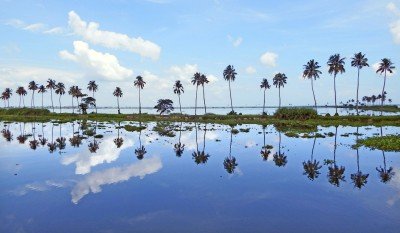
Kumarakom
Some quick example text to build on the card title and make up the bulk of the card's content.
Go somewhere
Kuttanad
Some quick example text to build on the card title and make up the bulk of the card's content.
Go somewhere
Malappuram
Some quick example text to build on the card title and make up the bulk of the card's content.
Go somewhere
Marari Beach
Some quick example text to build on the card title and make up the bulk of the card's content.
Go somewherein Other Cities