Radha Krishna Mandir
General information
-
Ideal Duration:
1 to 2 HoursPlace Type:
Religious/Spiritual Site (Hindu Temple)Entry Fees:
General Entry Fee:
None: There is NO entry fee for general visitors or devotees to enter the Radha Krishna Mandir. This is consistent with the practice of most Hindu temples in India, which welcome all individuals without charge to ensure sp...General Entry Fee:
None: There is NO entry fee for general visitors or devotees to enter the Radha Krishna Mandir. This is consistent with the practice of most Hindu temples in India, which welcome all individuals without charge to ensure spiritual accessibility. The temple operates primarily through the generous donations (Bhetis) offered by devotees.
Accessibility: The free entry ensures that the temple serves as an open religious and cultural center, accessible to people from all economic backgrounds, fulfilling its role as a spiritual hub for the Dibrugarh community.
Donations and Puja Materials (Optional Costs): While entry is free, visitors will incur optional costs related to offerings and donations.
Offerings: Devotees often purchase items like flowers, coconut, sweets (Mishri or Mithai), and incense sticks from small shops or vendors outside the temple premises. The cost for these items is typically minimal, ranging from Rs.20 to Rs.100, depending on the size and type of offering.
Donations: Visitors may choose to make a voluntary donation to the temple fund. Donation boxes are placed at various spots, and there is no fixed amount, entirely at the visitor's discretion. These funds are used for the maintenance of the complex, the garden, and for running community services. Special Services and Sankalpa Fees (Variable Costs): For specific, personalized religious services or puja ceremonies (like a Sankalpa for a specific blessing, a family prayer, or a Satyanarayan Puja), a small, variable fee or contribution is given to the priest (Dakshina).
Consultation: These fees are not fixed and are best discussed directly with the temple priest before the ritual begins. They represent a token of respect for the priest's service and the cost of the special materials used in the ceremony.
Parking and Miscellaneous: There may be a very minimal fee for parking two-wheelers or cars in the designated area, which is not an "entry fee" but a facility charge. Also, for proTiming:
Regular Timings: Open All Day (Generally 6 AM to 8 PM) The general visiting hours for the Radha Krishna Mandir are typically from 06:00 AM (Six in the morning) to 08:00 PM (Eight in the evening), seven days a week.
Flexibility: Note that th...Regular Timings: Open All Day (Generally 6 AM to 8 PM) The general visiting hours for the Radha Krishna Mandir are typically from 06:00 AM (Six in the morning) to 08:00 PM (Eight in the evening), seven days a week.
Flexibility: Note that the timings can sometimes be extended, especially during major festivals like Janmashtami and Holi, when the temple may remain open late into the night for special ceremonies.
Ideal Visit Time:
The Tranquil Hours: The most ideal time to visit for a peaceful experience is either in the early morning between 6:00 AM and 8:00 AM or in the late afternoon between 4:00 PM and 6:00 PM.
Morning Serenity: The early morning hours are perfect for quiet prayer, meditation, and enjoying the fresh air in the temple garden before the heat and crowds of the day build up.
Evening Devotion: The late afternoon offers pleasant, cooler temperatures and is the best time to witness the devotional atmosphere leading up to the evening aarti, which is a visually and spiritually uplifting event.
Time to Avoid:
Festival Peak Hours: If you prefer a quiet, uncrowded visit, try to avoid the peak hours of major festivals. On Janmashtami and other significant days, the temple will be extremely crowded, though visiting during these times is recommended for experiencing the cultural grandeur. The hours right after the midday closure (if any is observed) or the middle of the day can also be quite warm and less atmospheric. Always check for specific aarti timings to plan your visit around these spiritual highlights.Special Events:
Grand Janmashtami Celebration: The most significant special event at the Radha Krishna Mandir is the celebration of Janmashtami, the festival marking the birth of Lord Krishna. This event, typically falling in August or September, draws massive crowds of devotees from all o...Grand Janmashtami Celebration: The most significant special event at the Radha Krishna Mandir is the celebration of Janmashtami, the festival marking the birth of Lord Krishna. This event, typically falling in August or September, draws massive crowds of devotees from all over Dibrugarh and nearby towns.
Midnight Birth Ceremony: The festivities peak at midnight, the time of Krishna's birth, with special aarti, devotional singing, and the bathing (Abhishekam) of the small idol of infant Krishna.
Cultural Programs: Leading up to the midnight ceremony, the temple hosts various cultural programs, including dramatic re-enactments (Ras Leela) of the love story of Radha and Krishna, and performances of traditional Assamese folk music and dance. The entire complex is decorated with lights, flowers, and intricate thematic displays.
Holi and Phagwan Celebration: The festival of Holi, usually in February or March, is celebrated with great joy. While the main festival involves playing with colors, the temple's celebration of Phagwan or Phalgutsav focuses on a spiritual play of colors with the deities, a tradition particularly significant in Radha Krishna temples. Devotees sing Holi-themed Bhajans, and special offerings are made, often involving an abundance of flowers, creating a truly colorful and fragrant environment. The temple complex becomes a center for community gathering, sharing of sweets, and promoting goodwill, all centered around the theme of divine love.
Radhashtami and Annual Kirtans: Radhashtami, the birth anniversary of Goddess Radha, is another important special event, typically falling a few weeks after Janmashtami. The temple organizes elaborate special pujas and long sessions of continuous Kirtan (devotional chanting). These annual Kirtans sometimes extend for days, involving groups of singers and musicians. They are a profound spiritual experience, focusing on the glories of Radha and Krishna, and offer a deep dive into the Bhakti tradition for all attendees.Best Photo Spots:
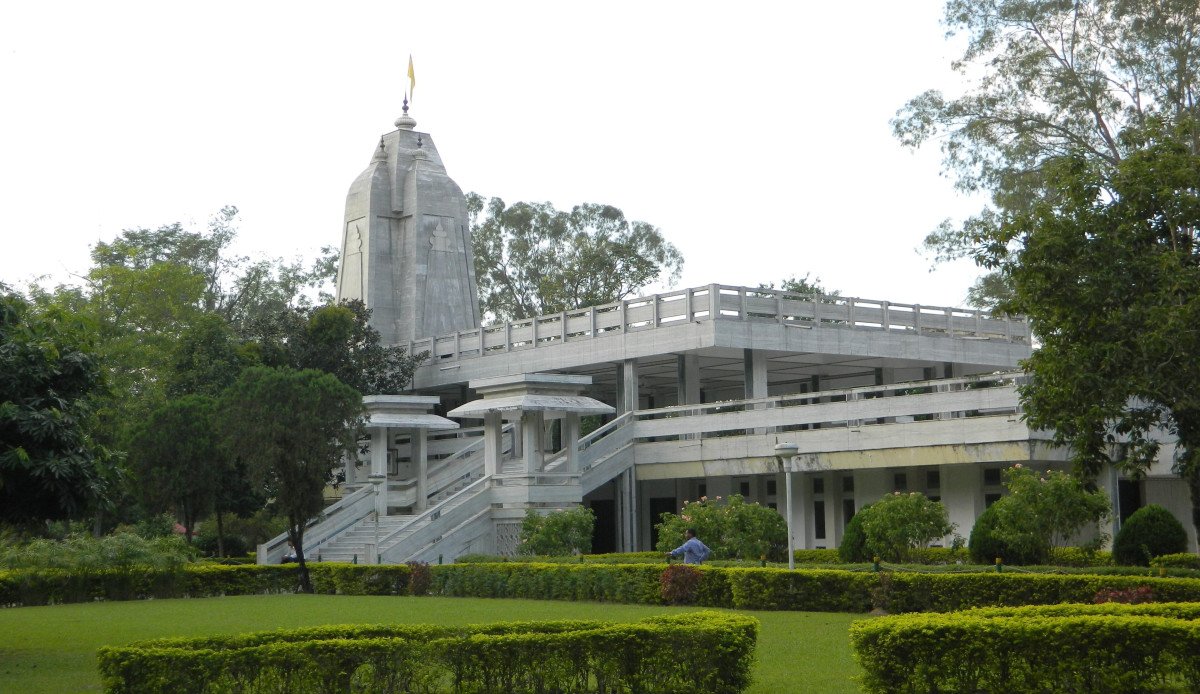
The Main Temple Facade and Shikhara: The large, typically white and grand facade of the Radha Krishna Mandir itself is the primary photo spot. The main entrance, with its elaborate gate and the towering Shikhara (dome) in the background, makes for a spectacular photograph, ...The Main Temple Facade and Shikhara: The large, typically white and grand facade of the Radha Krishna Mandir itself is the primary photo spot. The main entrance, with its elaborate gate and the towering Shikhara (dome) in the background, makes for a spectacular photograph, especially when captured with the clear Assam sky behind it.
Best Time: Early morning (post-sunrise) or late afternoon (pre-sunset) for soft, warm lighting. The light enhances the white color of the building.
The Temple Garden Pathways: The beautifully maintained garden provides numerous picturesque spots. The winding pathways, framed by lush greenery and vibrant flowers, are ideal for natural, tranquil photographs. The inclusion of the temple structure partially visible through the foliage adds depth and context.
Composition: Focus on the contrast between the colorful flowers and the serene architecture. This spot is perfect for portraits or landscape shots that capture the peaceful ambiance.
The Elevated Sanctum Entrance: The staircase leading up to the main sanctum on the first floor offers a unique photographic angle. Pictures taken here can capture the sense of spiritual ascent. The design of the railing and the decorative elements on the stairs can serve as excellent foreground features.
Perspective: Shoot from the bottom of the stairs looking up to emphasize height, or from the top looking down to capture the expanse of the courtyard.
During Aarti (External Shots Only): While photography is often restricted inside the inner sanctum, capturing the atmosphere just outside during the morning or evening aarti can be truly special. The glow of the lamps, the collective devotion of the crowd, and the decorative lighting (especially during festivals) provide a rich, dramatic subject.
Note: Always be respectful and discreet; focus on capturing the overall mood and lighting rather than individuals.
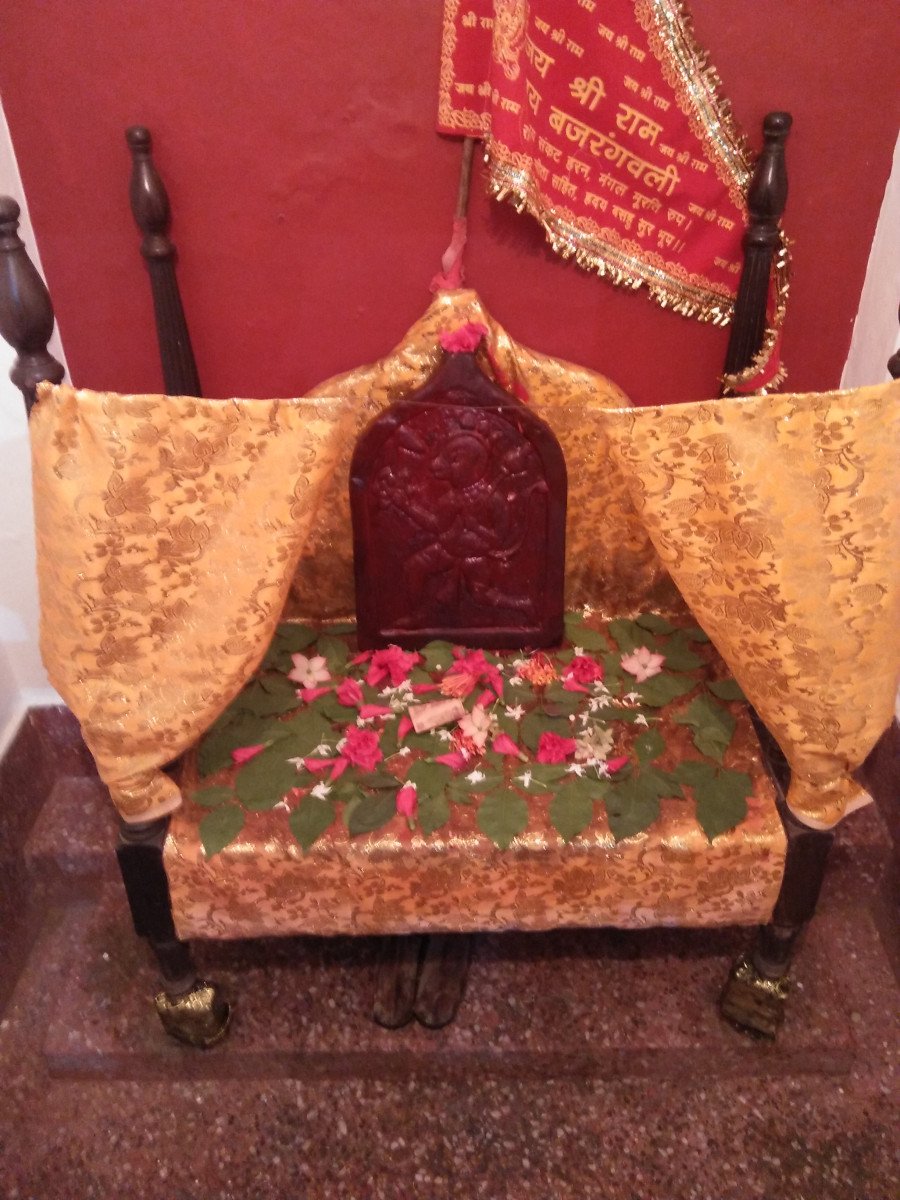
Architectural Details: Focus on close-up shots of the intricate carvings and relief work found on the walls and pillars. These details showcase the craftsmanship and artistic heritage. Look for images of Radha and Krishna or other deities subtly integrated into the design.
Tip: Use a zoom or macro setting to highlight the fine detail and texture of the stonework or paint.Photo Gallery
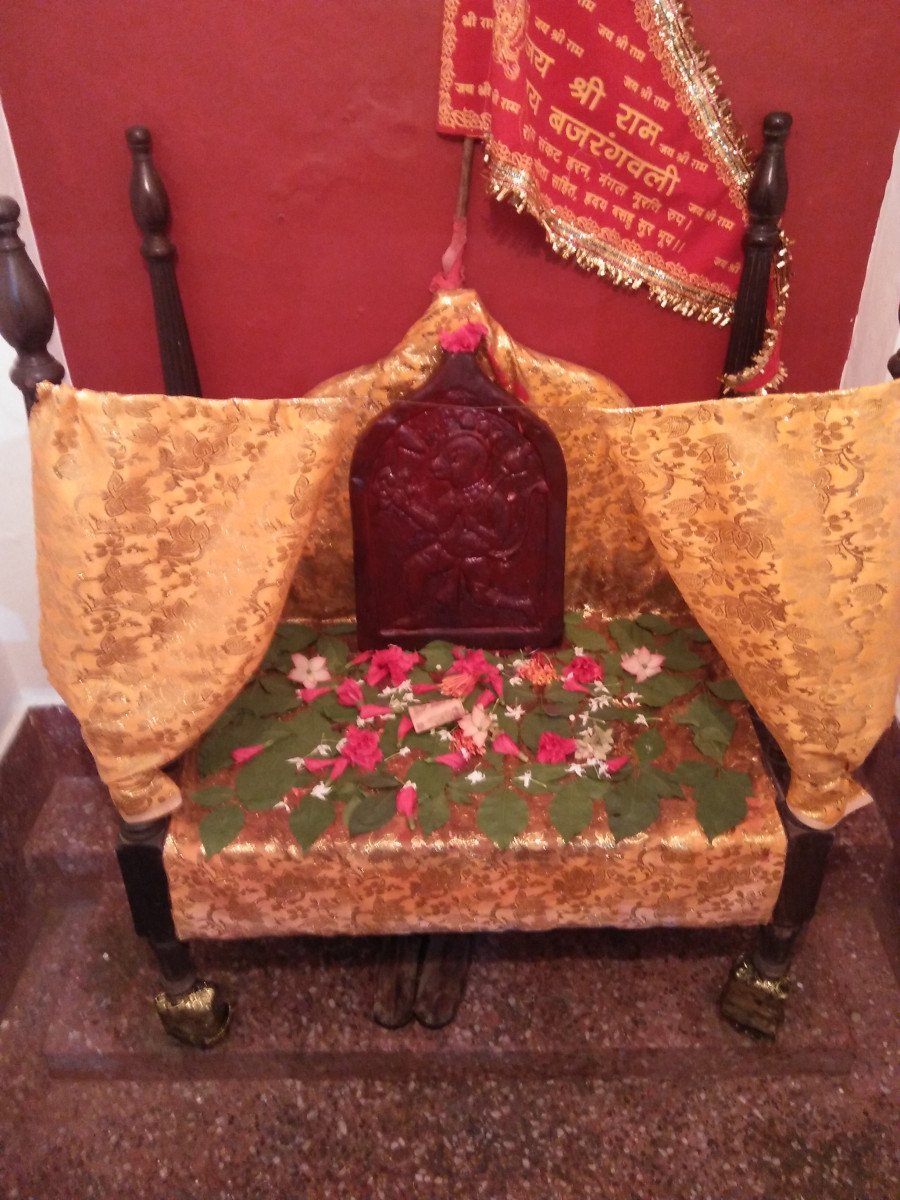
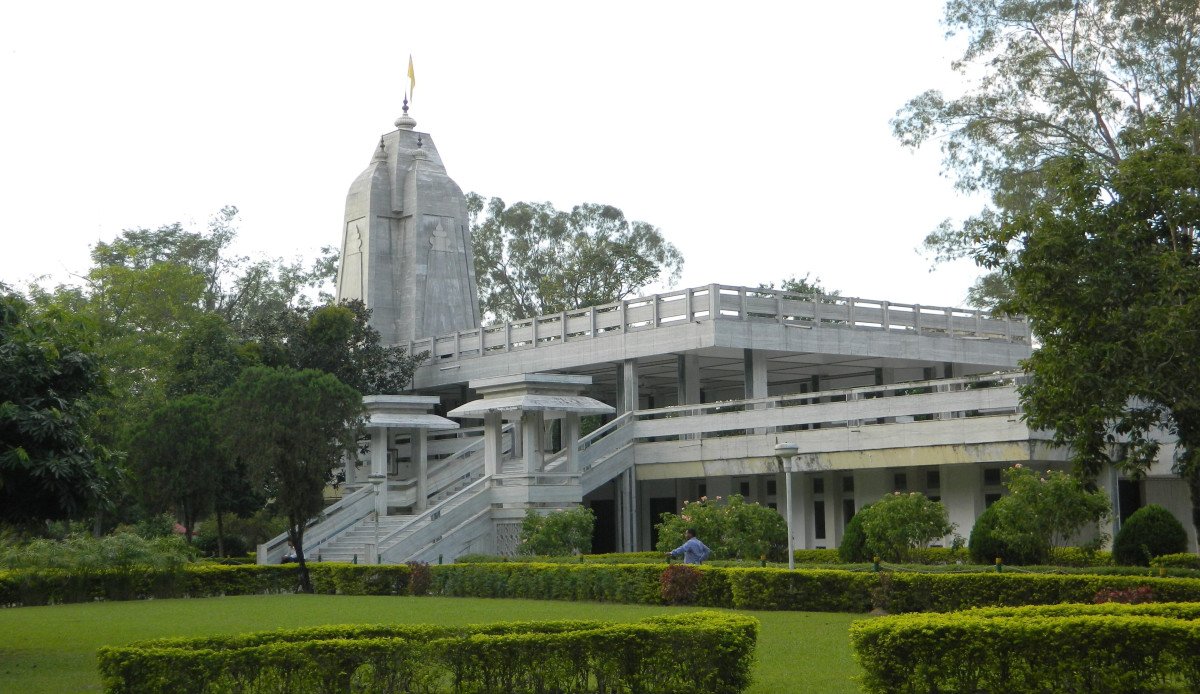
Things To Do
-
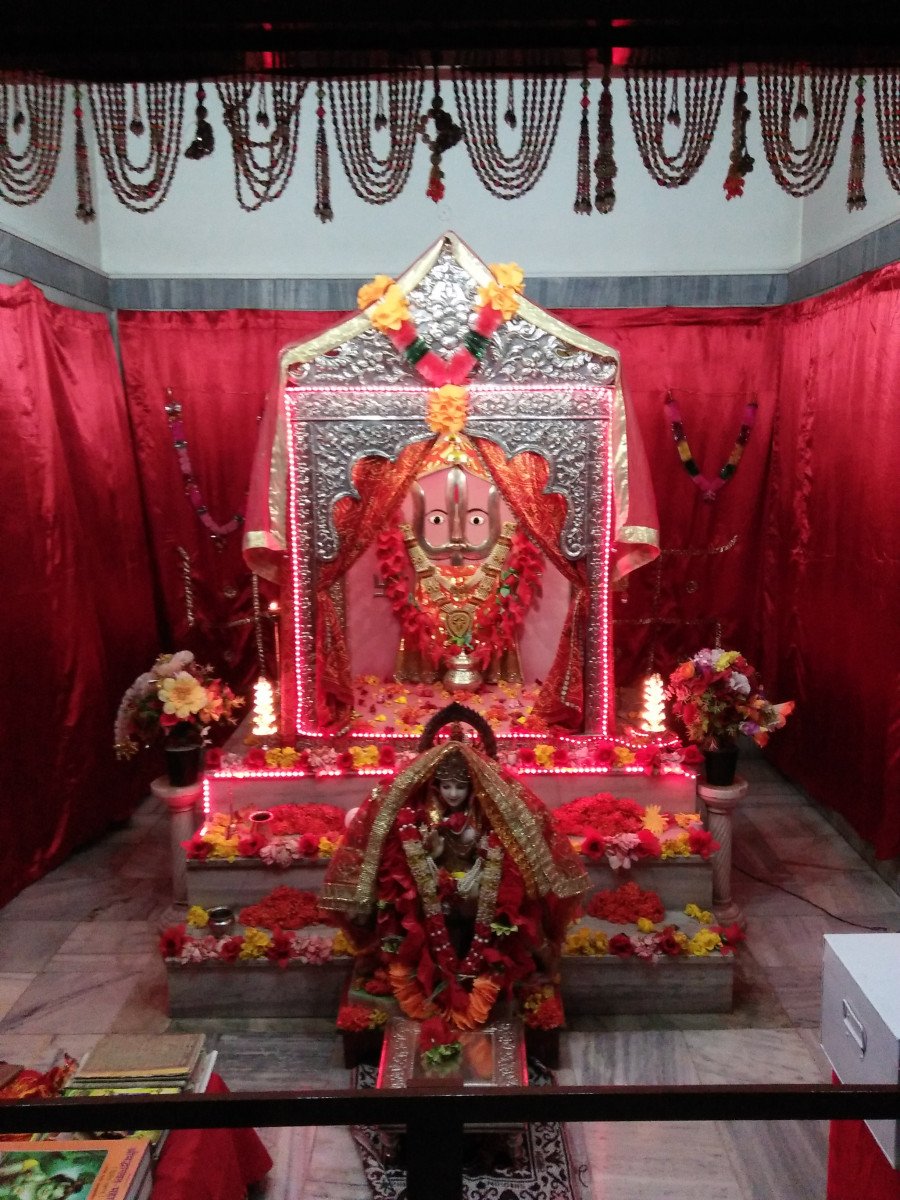
Participate in Morning and Evening Aarti: Attending the morning and evening aarti (a ritual of worship with lamps) is the most enriching experience at the Radha Krishna Mandir. The aarti is a vibrant display of devotion, involving the ringing of bells, the chanting of mantras, and the singing of Bhajans (devotional songs). The morning aarti, usually held around sunrise, is a beautiful way to start the day, filling you with energy and positive thoughts. The evening aarti, performed just before the temple closes, is particularly mesmerizing, as the light from the oil lamps illuminates the sanctum, creating a magical glow. It’s an ideal time for photography (where allowed) and deep spiritual reflection.
Quiet Meditation and Prayer: The mandir’s tranquil atmosphere is perfect for spending time in quiet meditation. Visitors...Participate in Morning and Evening Aarti: Attending the morning and evening aarti (a ritual of worship with lamps) is the most enriching experience at the Radha Krishna Mandir. The aarti is a vibrant display of devotion, involving the ringing of bells, the chanting of mantras, and the singing of Bhajans (devotional songs). The morning aarti, usually held around sunrise, is a beautiful way to start the day, filling you with energy and positive thoughts. The evening aarti, performed just before the temple closes, is particularly mesmerizing, as the light from the oil lamps illuminates the sanctum, creating a magical glow. It’s an ideal time for photography (where allowed) and deep spiritual reflection.
Quiet Meditation and Prayer: The mandir’s tranquil atmosphere is perfect for spending time in quiet meditation. Visitors can sit in the main hall or the surrounding areas and simply focus on the peaceful surroundings. Finding a quiet corner in the garden is also an excellent option. This is a chance to connect with your inner self, away from the noise of the outside world, and offer silent prayers for well-being.
Explore the Temple Architecture and Art: Take a leisurely walk around the temple premises to admire the architectural details. Pay close attention to the intricate carvings on the walls and the Shikhara. The temple is a showcase of regional religious art, with motifs often depicting mythological stories from the life of Lord Krishna. The brightly colored exterior and the design of the elevated sanctum are particularly noteworthy.
Offerings and Seeking Blessings: Engage in the traditional act of offering prayers to Lord Krishna and Radha. You can purchase small offerings of flowers, fruits, and sweets from vendors outside.
Prasad: After your darshan, receive the prasad (consecrated food), which is a small but significant part of the spiritual experience. The act of sharing and consuming prasad is believed to be blessed.
Sankalpa: If you wish, you can consult with the priests to perform a Sankalpa (a formal intention or vow) for a special occasion or personal blessing.
Enjoy the Serenity of the Temple Garden: Dedicate some time to the beautiful garden within the complex. It's a peaceful space for a slow, contemplative stroll. The garden is well-maintained and a visual delight with its various flora, making it an excellent spot for quiet reading or simply sitting and absorbing the tranquil energy of the place.
Observe Local Devotional Culture: The temple is a living center of local Assamese religious life. Sit back and simply observe the rituals, the way local devotees offer their prayers, and the cultural nuances of their worship. This provides a rich, authentic insight into the religious practices of the region, especially the Bhakti tradition that revolves around Radha and Krishna.
Celebrate Major Festivals: If your visit coincides with festivals like Janmashtami (usually August or September), Holi (usually February or March), or Radhashtami, make sure to be at the mandir. The celebrations are grand and involve cultural performances, community feasting, and special elaborate pujas (worship ceremonies) that are a highlight of the local calendar. This is the best time to witness the community's collective religious fervor and joy.
Information
-
Why Famous:
Center of Devotion and Serenity: The Radha Krishna Mandir is highly famous for its profound spiritual significance and the unmatched calm environment it offers. It is a key pilgrimage site for the followers of Lord Krishna and Radha across the region. The temple provides a...Center of Devotion and Serenity: The Radha Krishna Mandir is highly famous for its profound spiritual significance and the unmatched calm environment it offers. It is a key pilgrimage site for the followers of Lord Krishna and Radha across the region. The temple provides a tranquil retreat, helping visitors shed daily stresses and attain peace of mind. The serene atmosphere is a major draw, distinguishing it from the busier parts of Dibrugarh. The clean and well-maintained complex, including the beautiful surrounding garden, adds to its fame as a peaceful sanctuary.
Architectural Beauty and Donor History: The temple's aesthetically pleasing architecture, a fusion of traditional and modern styles, makes it a notable landmark. Its fame is also tied to its construction, having been built through the contributions of the prominent Jalan family, symbolizing the dedication and devotion of the local community. The sight of the towering white structure with its intricate carvings is a famous visual symbol in the city.
Festival Grandeur: The mandir is particularly renowned for the elaborate and vibrant celebrations of festivals like Janmashtami, Holi, and Radhashtami. During these times, the temple is spectacularly decorated, and the large crowds of devotees attending the special prayers and cultural programs make it a center of cultural activity and festive joy, further solidifying its reputation as a major cultural hub in Dibrugarh. -
Architecture:
Fusion of Styles: The architecture of the Radha Krishna Mandir showcases a harmonious blend of traditional Hindu temple design principles and contemporary construction methods. The structure primarily features a distinct Assamese touch combined with pan-Indian temple elemen...Fusion of Styles: The architecture of the Radha Krishna Mandir showcases a harmonious blend of traditional Hindu temple design principles and contemporary construction methods. The structure primarily features a distinct Assamese touch combined with pan-Indian temple elements, resulting in a unique and visually appealing facade. The use of bright, often white or light-colored paint on the exterior walls makes the temple stand out against the lush green backdrop of Dibrugarh. Intricate carvings and religious embellishments are visible on the outer walls and the main dome (Shikhara), depicting scenes from the life of Lord Krishna and other Hindu deities.
Dimensions and Layout: While precise professional architectural dimensions (like length, width, and height in meters) are not publicly available, the mandir is noted to be built on a spacious area (large area according to local reports), allowing for a large main building, an adjacent garden, and open areas for devotees to congregate. The main sanctum (Garbhagriha), which houses the idols of Radha and Krishna, is distinctively located on the first floor of the structure, accessed by an entrance staircase. The Shikhara (tower) above the sanctum is typically multi-tiered and adorned with ornamental motifs, culminating in a Kalasha (pot-shaped finial), a common feature in North Indian temple architecture. The complex includes a well-maintained garden outside, which acts as a peaceful and aesthetically pleasing boundary to the main prayer hall. The overall design emphasizes openness and cleanliness, allowing for a constant flow of natural light and air, contributing to the tranquil spiritual environment. -
How To Reach:
From Dibrugarh (From Place Name): The Radha Krishna Mandir is conveniently located in Jalan Nagar, approximately 5 KMS from the main Dibrugarh city center, making it easily accessible.
By Air:
Mohanbari Airport (...From Dibrugarh (From Place Name): The Radha Krishna Mandir is conveniently located in Jalan Nagar, approximately 5 KMS from the main Dibrugarh city center, making it easily accessible.
By Air:
Mohanbari Airport (DIB): The nearest airport is Dibrugarh Airport (Mohanbari Airport - DIB).
Distance: The airport is approximately 15-20 KMS from the temple.
Connectivity: It connects Dibrugarh to major Indian cities like Delhi, Kolkata, Guwahati, and Mumbai.
Transport from Airport: Upon arrival, visitors can hire pre-paid taxis or book a ride-share cab to the temple. The journey by road takes about 30 to 45 minutes, depending on traffic. This is the fastest and most convenient option for long-distance travelers.
By Train: Dibrugarh Railway Station (DBRG) and Dibrugarh Town (DBRT): Dibrugarh is well-connected by the railway network.
Nearest Stations: The nearest major stations are Dibrugarh Railway Station (DBRG) and the closer Dibrugarh Town (DBRT) station.
Connectivity: These stations receive trains from all major parts of the country, including the famous Vivek Express and other superfast trains.
Transport from Station: From either railway station, the temple is a short ride. Auto-rickshaws (tuk-tuks) and local cabs are readily available outside the station premises. The journey from Dibrugarh Town station is approximately 10 to 15 minutes by road.
By Road:
National Highways and Local Roads: Dibrugarh is connected to the rest of Assam and the country by well-maintained National Highways like NH-15 and NH-315A.
Bus Service: Inter-state and intra-state buses frequently connect Dibrugarh with cities like Guwahati, Jorhat, and Tinsukia. Visitors arriving by bus can alight at the main Dibrugarh bus terminal and easily hire a local transport option.
Self-Drive/Taxi: Driving to the temple is straightforward, as it's located in the developed Jalan Nagar area. The road access is good, with local signboards directing to the prominent landmark.
By Local Transport:
Auto-Rickshaws and Cabs:
Auto-Rickshaws: These are the most common and budget-friendly local transport. They can be hailed from anywhere in the city and will take you directly to the temple. Always confirm the fare before starting the journey.
Local Cabs/Taxis: Ride-share apps or local taxi services are also available for a more comfortable, though slightly more expensive, option.
Cycle-Rickshaws: For a very short distance or a slow, immersive experience, cycle-rickshaws might be available, offering a traditional way to travel. -
Weather and Best Time to Visit:
The Winter Season (October to March):
The Ideal Weather: The period from October to March is widely regarded as the best time to visit the Radha Krishna Mandir and Dibrugarh in general.
Pleasant Climate: Dur...The Winter Season (October to March):
The Ideal Weather: The period from October to March is widely regarded as the best time to visit the Radha Krishna Mandir and Dibrugarh in general.
Pleasant Climate: During these winter months, the weather is cool, dry, and extremely pleasant, with temperatures ranging from 10°C to 25°C.
Comfortable Exploration: This climate is perfect for spending time in the open temple complex, exploring the garden, and comfortably participating in the morning and evening aarti without the discomfort of heat or heavy rain. Major festivals like Janmashtami (sometimes September) and the comfortable Christmas and New Year's period fall within or close to this window, adding festive cheer.
The Post-Monsoon Season (September and October):
Lush Greenery: The transition from the monsoon to winter is also a very beautiful time. The landscape, including the temple's garden, is lush and vibrant due to the recent rains.
Clear Skies: The skies begin to clear, and the overall atmosphere is fresh, making for excellent sightseeing and photography.
The Day:
Early Morning and Evening: As a religious site, the timing within the day significantly impacts the experience. Early Morning (6:00 AM - 8:00 AM) Recommended for those seeking deep peace and spiritual connection. The light is soft, the air is cool, and the crowd is minimal. This time allows for quiet meditation. Evening (Aarti Time, 6:00 PM - 8:00 PM) Recommended for the most vibrant and visually stunning experience. Witnessing the evening aarti and the temple illuminated under lights is the spiritual and cultural highlight of a visit.
The Summer and Monsoon Seasons (April to August):
High Heat and Rain: The summer months (April to June) can be hot and humid, and the monsoon months (June to August) experience heavy rainfall. While the temple remains open, outdoor exploration is less comfortable, though the rain does bring a certain freshness and dramatic atmosphere to the landscape. -
Near Tourist Places:
1.
Barbarua Maidam: Ahom-era burial mounds, approx. 3 KMS2.
Lekai Chetia Maidam: Historical Ahom site, approx. 3 KMS3.
Dibrugarh Jagannath Mandir: Sacred temple, replica of Puri, approx. 4-5 KMS4.
Jokai Botanical Garden Reserve Forest: Nature and biodiversity center, approx. 12 KMS5.
Mancotta Tea Estate: Famous tea garden for tours, approx. 8-10 KMS6.
Raidongia Dol: Historical Ahom temple ruin, approx. 10 KMS7.
Dinjoy Satra: Important religious and cultural Vaishnavite monastery, approx. 15 KMS8.
Dehing Namti Satra: Ancient Satra, approx. 20 KMS9.
Namphake Village: Tai Phake village with a Buddhist monastery, approx. 37 KMS10.
Thana Chariali: Vibrant local shopping and food hub, approx. 4-5 KMS (City Center Area)
Tourism Tips
-
Health & Safety:
Respect and Preparedness:
Conservative Dress: Always dress conservatively as a mark of respect when visiting the temple. Shoulders and knees should be covered.
...Health & Safety:
Respect and Preparedness:
Conservative Dress: Always dress conservatively as a mark of respect when visiting the temple. Shoulders and knees should be covered.
Footwear: You must remove your footwear before entering the temple complex. Carry a small bag for your shoes or use the designated shoe-keeping area.
Hydration: If visiting outside of winter, carry a reusable water bottle, as the climate in Dibrugarh can be humid.
Photography: Check for and adhere to any restrictions on photography, especially within the inner sanctum (Garbhagriha). Always be respectful of devotees during prayers.
Safety: The temple is generally safe, but be mindful of your belongings in crowded areas, especially during festivals.
Packing:
Essentials for Assam's Climate:
Clothing: Pack light cotton clothing for summer and layers of woolens (sweaters, jackets, shawls) for the winter months (October to March).
Rain Gear: If traveling during the monsoon (June to September), a sturdy umbrella or raincoat is essential.
Comfortable Footwear: Pack easy-to-remove sandals or slip-on shoes for quick access and removal at the temple entrance.
Essentials: Carry hand sanitizer, a basic first-aid kit, and any personal medication.
Accommodation:
Options in Dibrugarh City:
Variety: Dibrugarh offers a range of accommodation, from luxury hotels to budget-friendly guesthouses and homestays.
Location: Look for hotels near the city center or Jalan Nagar for easy access to the temple and other local attractions. Popular options include Hotel Indsurya, Hotel Embassy, and other well-rated establishments.
Booking: It’s advisable to book in advance, especially if visiting during the winter tourist season or major festivals like Janmashtami.
Other Different Topics:
Local Etiquette and Language:
Language: Assamese and Hindi are the most widely spoken languages. Knowledge of basic Hindi will be very helpful.
Local Transport: When using auto-rickshaws, it's wise to negotiate the fare before starting the journey, especially if they are unmetered.
Food: Explore the local Assamese cuisine, but exercise caution with street food. Stick to reputable places for meals. The temple complex is close to many good local eateries.
Donations: Any offerings or donations should be voluntary and given with a sincere heart. Avoid any pressure to donate large sums.
Reviews
FAQs
Dibrugarh Itineray And Cost:-
Radha Krishna Mandir Tourism:-
Other Places In Dibrugarh :-
Other States In India :-
Information about New and Updated Locations() of Assam Has Been Added :-
Card subtitle
Note:-
Information provided here in good Faith and for reference only.
Near Places
Anthropological Museum Of Indigenous Peoples
Some quick example text to build on the card title and make up the bulk of the card's content.
Go somewhere
Barbarua Maidam
Some quick example text to build on the card title and make up the bulk of the card's content.
Go somewhere
Bogibeel Bridge
Some quick example text to build on the card title and make up the bulk of the card's content.
Go somewhere
Brahmaputra Riverfront
Some quick example text to build on the card title and make up the bulk of the card's content.
Go somewhere
Dehing Namti Satra
Some quick example text to build on the card title and make up the bulk of the card's content.
Go somewhere
Dibrugarh Phoolbagan Ferry Ghat
Some quick example text to build on the card title and make up the bulk of the card's content.
Go somewhere
Dinjoy Satra
Some quick example text to build on the card title and make up the bulk of the card's content.
Go somewhere
Jokai Botanical Garden
Some quick example text to build on the card title and make up the bulk of the card's content.
Go somewhere
Lekai Chetia Maidam
Some quick example text to build on the card title and make up the bulk of the card's content.
Go somewhere
Mancotta Tea Estate
Some quick example text to build on the card title and make up the bulk of the card's content.
Go somewhere
Naharkatia Town
Some quick example text to build on the card title and make up the bulk of the card's content.
Go somewhere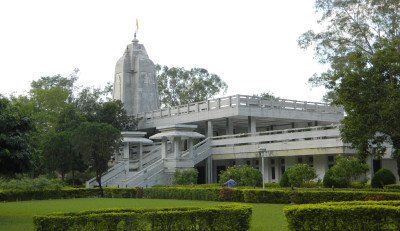
Radha Krishna Mandir
Some quick example text to build on the card title and make up the bulk of the card's content.
Go somewhere
Raidongia Dol
Some quick example text to build on the card title and make up the bulk of the card's content.
Go somewhere
Raidongia Dol or Raidongia Shiv Doul
Some quick example text to build on the card title and make up the bulk of the card's content.
Go somewhere
Sarumechlow and Bormechow Maidam
Some quick example text to build on the card title and make up the bulk of the card's content.
Go somewhere
Shri Jagannath Temple
Some quick example text to build on the card title and make up the bulk of the card's content.
Go somewherein Other Cities