

Raidongia Dol or Raidongia Shiv Doul
General information
-
Ideal Duration:
1 to 2 hoursPlace Type:
Historical Monument, Religious Site, Heritage SiteEntry Fees:
Official Entry Fees:
Free of Cost: One of the most pleasant aspects of visiting the Raidongia Dol is that there is no official entry fee for tourists or pilgrims. Since it is an active place of worship and a State Protected Monument, the gov...Official Entry Fees:
Free of Cost: One of the most pleasant aspects of visiting the Raidongia Dol is that there is no official entry fee for tourists or pilgrims. Since it is an active place of worship and a State Protected Monument, the government and local management prefer to keep it accessible to everyone. This makes the Dol an excellent historical and spiritual site for budget-conscious travelers.
Photography/Videography Charges:
None: There are generally no charges for carrying and using cameras or camcorders for personal photography and videography. However, for commercial filming or high-level professional shoots, it is highly recommended to seek prior permission from the local management or the Archaeological Department of Assam.
Donations for Temple Maintenance: While entry is free, visitors are encouraged to make a small voluntary donation towards the maintenance and upkeep of the temple premises. These funds are crucial for the daily running of the temple, the priest's salary, and the conservation of the ancient structure. A donation box is usually placed in a visible area, and contributing is a respectful way to support the preservation of the heritage site.
Parking and Other Incidental Costs: If you travel by a private vehicle, there might be a nominal, unofficial fee for parking charged by local residents managing the parking space, although this is usually very minimal. Budget for a small amount for any local offerings you might wish to buy outside the temple gate.Timing:
Regular Temple Timings:
Open Throughout the Day: The Raidongia Dol, being an active religious site, is generally open to visitors and pilgrims throughout the day, typically from Sunrise to Sunset. It does not have strict, fixed closing and o...Regular Temple Timings:
Open Throughout the Day: The Raidongia Dol, being an active religious site, is generally open to visitors and pilgrims throughout the day, typically from Sunrise to Sunset. It does not have strict, fixed closing and opening times like a museum. Visitors can usually enter the premises from around 6:00 AM to 7:00 PM every day of the week.
Ideal Visit Time:
Early Morning: The absolute ideal time to visit the Dol is during the early morning hours, between 6:00 AM and 9:00 AM.
Atmosphere: The air is fresh and cool, and the surroundings are quiet and peaceful, which is perfect for historical exploration and spiritual reflection.
Photography: The early morning light (the 'Golden Hour') is excellent for photography, providing soft, warm light on the temple structure and the surrounding green fields.
Avoiding Crowds: You can avoid the crowds, especially the local visitors who come later in the day, ensuring a more personal and quiet experience.
Ideal Visit Time:
Late Afternoon: The late afternoon, from 3:00 PM to Sunset (around 4:30 PM to 5:30 PM), is the second-best time. The light is again beautiful for photography, and the cooler temperature makes walking around the complex pleasant.
Mid-Day: Visiting between 11:00 AM and 3:00 PM is generally not recommended as the tropical sun is often intense and harsh, making exploration uncomfortable and photography challenging due to bright overhead light.Special Events:
Maha Shivratri:
The Main Festival: The most significant and important special event celebrated at the Raidongia Dol is Maha Shivratri. As the temple is also known as Raidongia Shiv Doul and Lord Shiva is the main deity worshiped today, this ...Maha Shivratri:
The Main Festival: The most significant and important special event celebrated at the Raidongia Dol is Maha Shivratri. As the temple is also known as Raidongia Shiv Doul and Lord Shiva is the main deity worshiped today, this festival holds immense religious importance.
Date and Significance: Maha Shivratri is celebrated every year on the fourteenth day of the Krishna Paksha (waning phase of the moon) in the Hindu calendar month of Phalguna, which usually falls in February or March. On this night, devotees observe fasts, perform special Pujas, and offer prayers to Lord Shiva.
Pilgrim Gathering and Atmosphere: On the occasion of Maha Shivratri, the temple complex transforms into a major center for pilgrimage. Thousands of devotees and pilgrims from Dibrugarh and surrounding districts of Assam gather here to seek the blessings of Lord Shiva. The atmosphere is spiritually charged, with continuous chanting, devotional songs (bhajans), and the performance of special rituals like the four-time worship (char-pahar puja) throughout the night. It is the best time to experience the temple's living cultural and religious heart.
Local Festivities and Fair: Beyond the main rituals, the event often involves a small local fair, with stalls selling traditional food, handicrafts, and religious items. This adds a vibrant, community-focused layer to the pilgrimage experience.Best Photo Spots:
The Temple’s Majestic Front View: The absolute best spot is the main frontal view of the Dol. Stand a little distance back, allowing the camera to capture the entire 45-foot height of the main peak. This angle is perfect for showcasing the imposing scale and the blend of...The Temple’s Majestic Front View: The absolute best spot is the main frontal view of the Dol. Stand a little distance back, allowing the camera to capture the entire 45-foot height of the main peak. This angle is perfect for showcasing the imposing scale and the blend of the Ahom-Nilachal architecture. The contrast of the ancient brick structure against the often-clear sky or lush green background provides a striking composition.
Reflections in the Ancient Pond: Head to the edge of the adjacent historical pond, which was also built by the Ahom King. This spot offers a beautiful, peaceful frame. On a calm day, the reflection of the Dol in the water is crystal clear, creating a mesmerizing mirrored effect. This is particularly stunning during the 'Golden Hour' (Sunrise or late afternoon Sunset) when the warm light hits the temple walls.
Detailed Carvings on the Walls: Focus your camera on the walls of the main peak to capture the intricate rock sculptures. Use a zoom lens or close-up setting to clearly photograph the carvings of the Dasavatara (ten incarnations of Vishnu), Goddess Durga, and other deities. These detail shots emphasize the artistic and historical value of the monument.
The Serene Rural Backdrop: Position yourself in the surrounding paddy fields (without damaging any crops) to use the beautiful rural landscape as a natural frame. The deep green or golden yellow of the fields, depending on the season, provides a stunning, tranquil backdrop that highlights the temple's peaceful isolation. This view emphasizes the temple's location away from the hustle of the city.
The Courtyard and Ancient Relics: Inside the temple courtyard, you can find other ancient relics and numerous Shivlings. Use the courtyard space to take shots that include the devotees or the priest, showcasing the living worship tradition. Capturing the remaining Ahom statues or ruined monuments gives a sense of the passage of time and the site's archaeological importance.Photo Gallery
Things To Do
-
Explore the Ahom-Nilachal Architecture: The first and most important activity is to spend time studying the unique architecture. Walk around the entire perimeter of the Dol to observe the magnificent blend of the Ahom and Nilachal styles. Look closely at the brickwork and the indigenous cement used in the construction. Try to spot the octagonal shape of the foundation, which supports the main 45-foot structure.
Identify the Sculptures and Carvings: Dedicated time should be spent identifying the detailed rock sculptures on the walls of the main peak.
The Dasavatara: Look for the ten incarnations of Lord Vishnu (Matsya, Kurma, Varaha, Narasimha, Vamana, Parashurama, Rama, Krishna, Buddha, and Kalki). Observing these carvings provides an enriching religious and artistic experience.Explore the Ahom-Nilachal Architecture: The first and most important activity is to spend time studying the unique architecture. Walk around the entire perimeter of the Dol to observe the magnificent blend of the Ahom and Nilachal styles. Look closely at the brickwork and the indigenous cement used in the construction. Try to spot the octagonal shape of the foundation, which supports the main 45-foot structure.
Identify the Sculptures and Carvings: Dedicated time should be spent identifying the detailed rock sculptures on the walls of the main peak.
The Dasavatara: Look for the ten incarnations of Lord Vishnu (Matsya, Kurma, Varaha, Narasimha, Vamana, Parashurama, Rama, Krishna, Buddha, and Kalki). Observing these carvings provides an enriching religious and artistic experience.
Other Deities: Search for the sculptures of Brahma, Vishnu, Lakshmi, and the various forms of Goddess Durga. The courtyard also features several ancient Shivlings and other relics.
Learn the Temple’s History and Legends: Engage with the local priest, caretakers, or a guide if available, to learn more about the temple's fascinating history. Inquire specifically about the famous story of the dowry given by Swargadeo Pramatta Singha to his sister. Understanding the local legends and historical context greatly enhances the visit, giving the ruins a voice.
Photography and Heritage Documentation: The Raidongia Dol is a beautiful subject for photography. Capture the imposing height of the main peak, the intricate details of the stone carvings, and the overall peaceful, rural atmosphere. Photographers can capture stunning shots, especially during the Golden Hours (Sunrise and Sunset). The reflection of the Dol in the adjacent pond offers a particularly picturesque frame.
Meditate or Relax by the Ancient Pond: The temple complex includes an ancient pond that was dug during the time of the construction. The pond area is quiet and serene. Spend some time sitting by the pond, meditating, or simply enjoying the peaceful view of the temple reflected in the water. It’s a perfect spot for quiet reflection away from the busy world.
Witness the Daily Worship Rituals: If your timing permits, observe the regular Pujas (worship rituals) performed by the priest, especially those dedicated to Lord Shiva. Participating respectfully or simply witnessing these rituals gives you a glimpse into the living tradition and the temple’s importance to the local community.
Visit During Maha Shivratri: If possible, plan your visit to coincide with the main festival, Maha Shivratri (which falls in the February or March month), to experience the temple at its most vibrant. The atmosphere is filled with devotion, and you can witness grand festivities, a large gathering of pilgrims, and traditional rituals.
Enjoy the Rural Landscape and Bird Watching: Take a short, leisurely walk around the temple premises and the surrounding fields. The Dol is set amidst a beautiful, green rural landscape of paddy fields. This area is a known habitat for various migratory and local birds. It offers a wonderful opportunity for a refreshing nature walk and bird watching.
Information
-
Why Famous:
Historical Legacy of the Ahom Kingdom: The primary fame of Raidongia Dol comes from its deep connection to the powerful Ahom Dynasty, which ruled Assam for nearly 600 years. It was commissioned by King Swargadeo Pramatta Singha in 1750. This makes it a crucial historical m...Historical Legacy of the Ahom Kingdom: The primary fame of Raidongia Dol comes from its deep connection to the powerful Ahom Dynasty, which ruled Assam for nearly 600 years. It was commissioned by King Swargadeo Pramatta Singha in 1750. This makes it a crucial historical marker, representing the Ahom rulers' patronage of art and religion. Visiting the Dol is like stepping back into the 18th century, offering a tangible link to one of the longest-ruling dynasties in Indian history.
The Romantic Dowry Legend: The temple is famous for the fascinating local legend associated with its construction. It is believed to have been given by the King as a dowry for his sister, Yamini, when she married the local Raidongia Barua. This story adds a romantic and personal touch to the monumental structure, making it memorable for visitors. The fact that the adjacent pond and a large plot of land were also part of this offering further highlights the monument's importance to the royal family.
Architectural Significance: It is an outstanding example of the Ahom-Nilachal style of temple architecture. The impressive 45-foot tall structure, built with indigenous materials and featuring detailed carvings of the Dasavatara and other deities, showcases the high level of craftsmanship achieved during the Ahom period. This architectural uniqueness makes it an important structure for heritage conservation and study. -
Architecture:
Architectural Style:
A Blend of Traditions: The Raidongia Dol showcases a fascinating combination of two distinct styles: the traditional Ahom style and the famous Nilachal architectural style, which is prominent in Assam temples like the Kam...Architectural Style:
A Blend of Traditions: The Raidongia Dol showcases a fascinating combination of two distinct styles: the traditional Ahom style and the famous Nilachal architectural style, which is prominent in Assam temples like the Kamakhya Temple. This fusion is a characteristic feature of many structures built during the later Ahom period.
Structural Foundation and Shape: The entire structure of the 'Doul' is built upon an octagonal altar or platform. The use of brick and an indigenous type of cement, made from local materials like duck eggs, ground porridge, and Bora sticky rice, highlights the clever and sustainable construction techniques of the time.
Main Peak and Dimensions: The main conical peak of the Dol stands impressively at approximately 45 feet in height. It is surrounded by eight smaller peaks, which follow the polygonal shape of the main structure.
Sculptural Richness: The walls of the main peak are adorned with numerous stone sculptures that depict various Hindu gods and goddesses. Notably, you can find detailed carvings representing the ten incarnations of Lord Vishnu (Dasavatara): Matsya, Kurma, Varaha, Narasimha, Vamana, Parashurama, Rama, Krishna, Buddha, and Kalki. There are also sculptures of Brahma, Vishnu, Lakshmi, and different forms of Goddess Durga. The dome is topped with a chakra (disc) marked with four tridents (trishulas). The courtyard houses additional sculptures of deities and Shivlings. -
How To Reach:
From Place Name:
Dibrugarh, Assam, India By Air: The nearest major airport is Dibrugarh Airport (Mohanbari Airport, code: DIB). The airport is located approximately 37 km from the Raidongia Dol site.From Place Name:
Dibrugarh, Assam, India By Air: The nearest major airport is Dibrugarh Airport (Mohanbari Airport, code: DIB). The airport is located approximately 37 km from the Raidongia Dol site.
How to Proceed: Upon arrival at DIB, you can easily hire a pre-paid taxi or a private cab directly to Raidongia Dol. The drive takes about 1. 5 to 2 hours, depending on traffic. You will need to take the road towards the Lejai-Kalakhowa area.
By Train: The nearest major railway station is Dibrugarh Town Railway Station (DBRT) or the New Dibrugarh Railway Station (DBRG), with the latter being more centrally located. The site is approximately 28 km from DBRT or DBRG.
How to Proceed: Dibrugarh is well-connected to major Indian cities like Delhi, Kolkata, Chennai, and Bangalore via various express trains. From the railway station, you can hire a local taxi, a private cab, or an auto-rickshaw to take you to the Raidongia Dol in the Lejai-Kalakhowa area.
By Road: Dibrugarh city is a major hub and is well-connected by a network of National Highways. The Raidongia Dol is about 22 km from the city center.
Self-Drive/Taxi: You can drive a personal vehicle or hire an outstation taxi from nearby cities like Tinsukia, Sivasagar, or Jorhat to Dibrugarh, and then proceed to the Lejai-Kalakhowa road. The journey from Dibrugarh city typically takes about 45 minutes to 1 hour.
By Local Transport (from Dibrugarh City):
Hired Cabs/Taxis: This is the most convenient option. You can hire a local cab (like an Ola/Uber or a local taxi service) for a round trip. This is highly recommended as finding public transport for the return journey from the rural area can be difficult.
Auto-Rickshaws: For a budget-friendly option, you can hire an auto-rickshaw from the city center. However, auto-rickshaws might be slower and more expensive for the round trip, so negotiate the fare beforehand for the entire trip, including waiting time.
Local Buses: While local buses operate towards the general Lejai-Kalakhowa region, the exact route or frequency to the specific village of Lejai Miripathar is unpredictable. This option requires significant walking and local guidance. -
Weather and Best Time to Visit:
Best Season:
Winter (October to March):
Weather Conditions: The Winter season is hands-down the best time to v...Best Season:
Winter (October to March):
Weather Conditions: The Winter season is hands-down the best time to visit. The weather is cool, pleasant, and dry, with temperatures ranging from 10°C to 25°C. This comfortable climate is ideal for outdoor exploration, photography, and enjoying the peaceful surroundings without the stress of heat or humidity.
Festivals: The major festival of Maha Shivratri is celebrated during the late Winter or early Spring (February or March), making this period particularly vibrant for a visit.
Shoulder Season:
Post-Monsoon (September to October):
Weather Conditions: This is a good time as the heavy rains have subsided. The entire area, including the paddy fields, is lush green and extremely picturesque.
Best Avoided Season:
Monsoon (June to August):
Weather Conditions: This period experiences very heavy rainfall, which can cause significant inconvenience. Travel becomes challenging, outdoor activities are severely restricted, and the high humidity makes the weather uncomfortable.
Best Avoided Season:
Summer (April to May):
Weather Conditions: The Summer months are hot and humid, with temperatures often soaring above 30°C. Sightseeing in the open is generally tiring and uncomfortable.
Best Part of the Day: Early Morning (Sunrise to 9:00 AM) As mentioned in the timings section, the early morning provides the perfect light and serene atmosphere for a historical visit and photography. The coolness of the morning is a huge advantage.
Best Part of the Day: Late Afternoon (3:
00 PM to Sunset): This is the second-best time for a comfortable walk and the beautiful low-angle light that makes the architecture and the surroundings pop for great photos. -
Near Tourist Places:
Barbarua Maidam: Ancient burial mounds of the Ahom royalty/nobles (approx. 15 km)
Dinjoy Satra: A prominent Vaishnavite monastery/cultural center (approx. 20 km)
Lekai Chetia Maidam: Another historical Ahom monument (approx. 20-25 km)
Dibrugarh Tea Gardens: The famous tea estates for sightseeing and touring (various locations, nearest approx. 15-20 km)
Dehing Namti Satra: A historical Satra located on the banks of the Disang River (approx. 40-50 km)
Jokai Botanical Garden Reserve Forest: A place for nature lovers and birdwatchers (approx. 35 km)
Shri Jagannath Temple Dibrugarh: A modern, major religious structure (approx. 25-30 km)
Dibru-Saikhowa National Park (Guijan Ghat entry): Famous for Feral Horses and migratory birds (approx. 60-70 km)
Tinsukia Town: A neighboring commercial hub (approx. 60 km)
Bogibeel Bridge: India's longest rail-road bridge over the Brahmaputra River (approx. 65 km)
Tourism Tips
-
Health & Safety:
Mosquito Repellent: Since the Dol is located in a rural area surrounded by water (the pond and fields), it is essential to carry and generously apply a good quality mosquito repellent, especially during the early morning or l...Health & Safety:
Mosquito Repellent: Since the Dol is located in a rural area surrounded by water (the pond and fields), it is essential to carry and generously apply a good quality mosquito repellent, especially during the early morning or late afternoon.
Hydration: Carry a reusable water bottle, especially if visiting during the Summer or mid-day, to stay hydrated.
Footwear: Wear comfortable walking shoes, as you will be exploring the grounds and potentially walking on uneven, grassy paths.
Respectful Behavior: Remember the Dol is an active place of worship. Dress modestly, covering your shoulders and knees, as a sign of respect for the religious sentiments of the local community.
Packing:
Sun Protection: Carry sunglasses, a wide-brimmed hat, and sunscreen, even in Winter, as the sun can be strong.
Camera Gear: Don't forget your camera for the fantastic photo opportunities. A polarizing filter can help capture the reflection in the pond.
Cash: Carry some cash for any small purchases or to leave a donation, as card payment facilities are non-existent here.
Accommodation:
Stay in Dibrugarh City: Since the Dol is a short visit, it is highly recommended to book your accommodation in Dibrugarh city. Dibrugarh has a range of hotels, from budget-friendly guesthouses to more comfortable business-class hotels.
Homestays: For a more local experience, you can look for quality-certified homestays within Dibrugarh city or on its outskirts.
Other Important Tips:
Hire a Round-Trip Cab: It is strongly advised to hire a cab for a round trip from Dibrugarh city, including a waiting time of about 1. 5 to 2 hours. This ensures a hassle-free visit as local transport for the return trip can be difficult to find.
Local Language: Basic knowledge of Hindi or a few Assamese phrases is helpful, though English is understood by most tourism-related personnel.
Check Festival Dates: If you wish to witness the grand celebration, check the exact date of Maha Shivratri before planning your trip.
Reviews
FAQs
Dibrugarh Itineray And Cost:-
Raidongia Dol or Raidongia Shiv Doul Tourism:-
Other Places In Dibrugarh :-
Other States In India :-
Information about New and Updated Locations() of Assam Has Been Added :-
Card subtitle
Note:-
Information provided here in good Faith and for reference only.
Near Places
Anthropological Museum Of Indigenous Peoples
Some quick example text to build on the card title and make up the bulk of the card's content.
Go somewhere
Barbarua Maidam
Some quick example text to build on the card title and make up the bulk of the card's content.
Go somewhere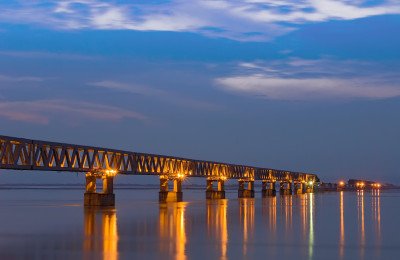
Bogibeel Bridge
Some quick example text to build on the card title and make up the bulk of the card's content.
Go somewhere
Brahmaputra Riverfront
Some quick example text to build on the card title and make up the bulk of the card's content.
Go somewhere
Dehing Namti Satra
Some quick example text to build on the card title and make up the bulk of the card's content.
Go somewhere
Dibrugarh Phoolbagan Ferry Ghat
Some quick example text to build on the card title and make up the bulk of the card's content.
Go somewhere
Dinjoy Satra
Some quick example text to build on the card title and make up the bulk of the card's content.
Go somewhere
Jokai Botanical Garden
Some quick example text to build on the card title and make up the bulk of the card's content.
Go somewhere
Lekai Chetia Maidam
Some quick example text to build on the card title and make up the bulk of the card's content.
Go somewhere
Mancotta Tea Estate
Some quick example text to build on the card title and make up the bulk of the card's content.
Go somewhere
Naharkatia Town
Some quick example text to build on the card title and make up the bulk of the card's content.
Go somewhere
Radha Krishna Mandir
Some quick example text to build on the card title and make up the bulk of the card's content.
Go somewhere
Raidongia Dol
Some quick example text to build on the card title and make up the bulk of the card's content.
Go somewhere
Raidongia Dol or Raidongia Shiv Doul
Some quick example text to build on the card title and make up the bulk of the card's content.
Go somewhere
Sarumechlow and Bormechow Maidam
Some quick example text to build on the card title and make up the bulk of the card's content.
Go somewhere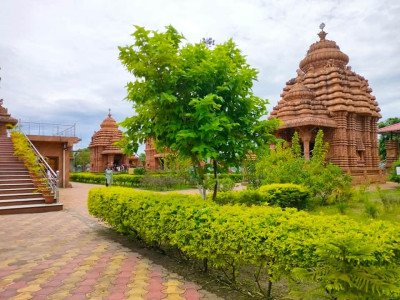
Shri Jagannath Temple
Some quick example text to build on the card title and make up the bulk of the card's content.
Go somewherein Other Cities