Sangrur
General information
-
Ideal Duration:
1 DayPlace Type:
Heritage & ReligionSpecial Events:
Mela Guga Naumi: A traditional fair held with great enthusiasm involving local folk performances. It attracts people from nearby villages and showcases the local rural culture.
Gurpurab Celebrations: The city’s Gurudwaras are beautifully ...Mela Guga Naumi: A traditional fair held with great enthusiasm involving local folk performances. It attracts people from nearby villages and showcases the local rural culture.
Gurpurab Celebrations: The city’s Gurudwaras are beautifully lit up during Sikh festivals. Community kitchens (Langar) are organized on a massive scale for all visitors.Best Photo Spots:
Banasar Bagh Lake: The Baradari looks magnificent during the "golden hour" just before sunset. The reflection in the water creates a perfectly symmetrical and peaceful image.
Shahi Samadhan Arches: The play of light and shadow through the d...Banasar Bagh Lake: The Baradari looks magnificent during the "golden hour" just before sunset. The reflection in the water creates a perfectly symmetrical and peaceful image.
Shahi Samadhan Arches: The play of light and shadow through the domes makes for artistic shots. It is best to visit in the morning for the clearest light on the carvings.Photo Gallery
Things To Do
 Samana is an ancient town with a history that dates back several centuries, once serving as a significant administrative center during the Mughal and Tughlaq periods. The T-Point Samana is a central junction in the town that connects the major historical and commercial zones. Samana is famously associated with the executioners of the younger sons of Guru Gobind Singh Ji, and it was eventually conquered by Banda Singh Bahadur. The T-Point serves as the heart of the town's current activity, surrounded by old structures that whisper tales of its past glory. This area is significant because it leads toward the various historic "Gates" and the "Panch Pir" shrine. The town was once a place of residence for many influential Mughal officials and scholars. Today, the T-Point is a bustling area filled with local shops selling traditional Punjabi sweets and textiles. It represents the transition of Samana from a medieval power center to a modern commercial town. For a traveler, this point is the best place to start exploring the town's narrow alleys and hidden architectural gems. The historical significance of Samana is immense in Sikh history, and the T-Point is the geographic center of this narrative. It is also close to the famous Ran Baas Palace and the old tehsil buildings. Visiting this spot allows one to witness the daily life of a traditional Punjabi town. The architecture in the vicinity shows a mix of old Mughal influences and modern Punjabi styles. It is a place where history meets the present at every corner.
@@Detailed History and Legend: Gurdwara Akoi Sahib is a site of immense spiritual significance as it was sanctified by the visits of three Sikh Gurus. Guru Nanak Dev Ji first visited in 1504, followed by Guru Hargobind Sahib Ji in 1616 and Guru Tegh Bahadur Ji in 1665. The area was once a dense forest where the Gurus paused to bless the local inhabitants. The history of this place is deeply rooted in the devotion of local followers like Manak Chand Ji, who served the Gurus with great love. Legend says that the milk here is blessed to be abundant because of the Gurus' words. It remains a cornerstone of the Sikh faith in the Sangrur district, attracting thousands who seek the divine peace that the Gurus left behind.
Kala Shergill Farm House is a popular private farm and tourist attraction located in the Baasiarkh area near Sunam. This farm house serves as a prime example of the prosperous agricultural lifestyle that defines the Sangrur district. It is not just a residence but a destination that offers visitors a glimpse into the "Kothi" culture of Punjab. The farm is surrounded by lush green fields of wheat and mustard, providing a serene environment away from the city's hustle. It has become a notable landmark for people traveling between Sangrur and Sunam because of its well-maintained lawns and traditional Punjabi architecture. Many locals visit this area to experience the fresh air and the scenic beauty of rural India. The farm house also serves as a location for local gatherings and sometimes for cinematic shoots that require an authentic Punjabi backdrop. The hospitality of the region is reflected in the surrounding atmosphere, where agriculture remains the heart of the community. For those looking for a peaceful afternoon, a drive to this farm house provides the perfect rural escape while staying close to the historical town of Sunam, the birthplace of the great martyr Udham Singh. It is a testament to the modern farming success of the Shergill family in this fertile belt. :
@@Historical Legacy of the Rulers: Retgarh Palace is a magnificent historical edifice that stands as a testament to the royal lineage and architectural taste of the erstwhile rulers of the region. Located in the quiet village of Retgarh, this palace was once a center of political activity and royal festivities, reflecting the opulence of the Punjabi aristocracy. The structure is built with a blend of traditional Indian and colonial architectural styles, featuring large courtyards, high ceilings, and intricately carved wooden doors that have withstood the test of time. Although some parts of the palace have aged, the overall grandeur remains intact, drawing history buffs and architecture students who wish to study the transition of royal lifestyles in the Malwa belt of Punjab. @@Cultural Hub and Restoration: Over the years, the palace has served as a cultural landmark, hosting various local gatherings and traditional ceremonies that kept the heritage alive. Recent efforts by heritage enthusiasts and the local community have focused on preserving the remaining structural integrity of the palace to ensure it doesn't fall into total ruin. The surrounding gardens, though now simplified, once boasted exotic plants and fountains, echoing the lifestyle of the Maharajas who frequented this retreat for hunting and leisure. It remains an important site for understanding the local history of Sangrur and its connection to the larger princely states of Punjab like Jind and Patiala.
Sirhandi Gate is one of the ten historic gates that once protected the walled city of Patiala. Built during the 18th and 19th centuries, it served as a major entry point for travelers coming from the direction of Sirhind. The gate is a massive brick structure that reflects the military architecture of the era. It stands as a silent witness to the expansion of the city under the Phulkian rulers. The area around the gate is now a bustling commercial hub, but the structure itself retains its old-world charm. It was designed to regulate traffic and provide security to the royal inhabitants of the nearby Qila Mubarak. The gate is made of Lakhori bricks, which were characteristic of the period. Over the years, it has become a landmark for locals and a starting point for heritage walks. The gate's arches are wide enough to have allowed elephants and royal carriages to pass through. Today, it marks the boundary between the old city and the newer developments. Visiting the gate provides a sense of the scale of the original fortifications. It is surrounded by traditional markets where one can find authentic Punjabi items. The preservation of this gate is crucial for maintaining the historical identity of Patiala. It is often illuminated during festivals, making it look majestic at night. Many local tales are associated with the gate, involving the arrival of royal guests and military platoons. It remains a functional part of the city's urban landscape.
@@Divine Origins and Miracles: Gurdwara Nanak Jhira Sahib in Kanjhla is associated with the first, sixth, and ninth Gurus. The name 'Jhira' refers to the thick growth of shrubs and bushes that once existed here. Guru Nanak Dev Ji visited this place during his first Udasi and sat at the Hajare Khuh to discourse with religious heads. Later, Guru Hargobind Ji stayed here for three days while traveling to Delhi. The most significant aspect of this site is the belief in the healing powers of its water. Guru Tegh Bahadur Ji is said to have cured people suffering from leprosy during his stay here. The Gurdwara serves as a beacon of hope and healing, where the natural surroundings and the holy sarovar provide a deeply meditative environment for all who visit, regardless of their background.
Numberdar Farm, located in the Gajewas area on the road to Patiala, is a prominent agri-tourism destination and farm estate near Sangrur. This farm is a representation of the traditional "Numberdar" (village headman) prestige combined with modern agricultural practices. It has gained popularity as a tourist attraction for those who want to experience the authentic rural life of Punjab in a comfortable setting. The farm is expansive, featuring various seasonal crops, a dairy section, and well-manicured gardens. It serves as an educational site for students and urban dwellers who are disconnected from the source of their food. The farm owners often host visitors, providing them with a taste of fresh Punjabi "Lassi," "Makki di Roti," and "Sarson da Saag" during the winter. The location is peaceful, surrounded by endless horizons of fertile land that characterize the Malwa region of Punjab. It is also a popular spot for weekend getaways for families from Sangrur and Patiala who seek to spend time in nature. The farm emphasizes sustainable farming and showcases the use of modern machinery alongside traditional methods. For many, it is a place of nostalgia, reminding them of their ancestral roots in the villages of North India. The hospitality here is legendary, reflecting the warm nature of the Punjabi people. :Show All
@@The Palace of Reflective Beauty: The Sheesh Mahal in Malerkotla is an architectural marvel known for its exquisite mirror work and detailed frescoes. Built by the local Nawabs, it served as a private residential palace that showcased the artistic heights of the 19th-century Punjabi elite. The walls and ceilings of the main chambers are embedded with thousands of tiny, multicolored mirror pieces that reflect light to create a starry effect. This technique, originally inspired by Mughal palaces, was adapted locally to include themes from Punjabi folklore and nature. The palace is surrounded by a small garden and features elegant arches that highlight its royal character. It remains one of the most photographed and admired heritage buildings in the Sangrur district. @@Artistic Heritage and Museum: Beyond the mirror work, the Sheesh Mahal is a repository of local art, featuring murals that depict scenes from Indian mythology and royal processions. The palace has been partially converted into a space where visitors can appreciate the craftsmanship of the bygone era. The intricate woodwork on the doors and the delicate plasterwork on the ceilings are a testament to the skilled artisans of Malerkotla. Despite the passage of time, the brilliance of the glasswork continues to fascinate visitors, making it a "must-visit" for anyone exploring the cultural landscape of Punjab. It stands as a reminder of the refined lifestyle and the patronage of art by the Nawabs.
Information
-
Why Famous:
Capital of Jind State: Its transformation from a small village to a princely capital is a fascinating story. The royal family’s contribution to the city’s layout is still evident.
Banasar Bagh Baradari: The unique architecture of the pa...Capital of Jind State: Its transformation from a small village to a princely capital is a fascinating story. The royal family’s contribution to the city’s layout is still evident.
Banasar Bagh Baradari: The unique architecture of the pavilion in the middle of the pond is iconic. It served as a summer retreat for the rulers and remains a major attraction. -
How To Reach:
By Air: Chandigarh Airport is about 120 KMS away, while Ludhiana Sahnewal Airport is closer. Taxis and buses are readily available from both these locations.
By Train: Sangrur Railway Station is well-connected to major cities like Delhi, Lu...By Air: Chandigarh Airport is about 120 KMS away, while Ludhiana Sahnewal Airport is closer. Taxis and buses are readily available from both these locations.
By Train: Sangrur Railway Station is well-connected to major cities like Delhi, Ludhiana, and Amritsar. It is a convenient way to travel for both local and long-distance tourists.
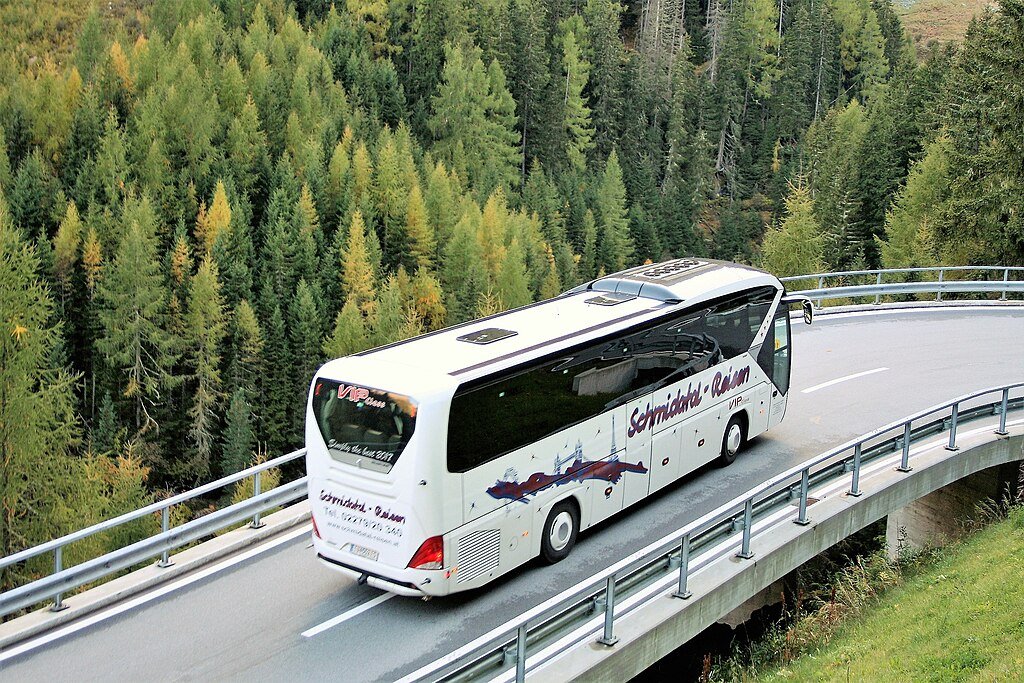
By Road: It lies on the intersection of several major state highways. Comfortable air-conditioned buses run by Punjab Roadways connect it to all major towns in the state.
By Local Transport: Cycle-rickshaws are the most charming way to explore the inner city. Auto-rickshaws are also available for longer distances within the district. -
Weather and Best Time to Visit:
Winter Season: October to March is the most pleasant time for a visit. The cool breeze and bright sun make it ideal for exploring the gardens and royal sites.
Spring Season: February and March are beautiful as the flowers in the gardens are...Winter Season: October to March is the most pleasant time for a visit. The cool breeze and bright sun make it ideal for exploring the gardens and royal sites.
Spring Season: February and March are beautiful as the flowers in the gardens are in full bloom. The surrounding mustard fields turn bright yellow, creating a stunning landscape.
Summer Season: April to June can be quite harsh with high temperatures. If you must visit, try to stay indoors during the peak afternoon hours to avoid heatstroke. -
Near Tourist Places:
Patiala (55 KM), Malerkotla (35 KM), Barnala (40 KM), Sunam (20 KM), Ludhiana (80 KM), Bathinda (100 KM), Mansa (55 KM), Nabha (30 KM), Dhuri (15 KM), Bhawanigarh (20 KM)
Tourism Tips
-
Health & Safety: Drink bottled water and eat at reputable dhabas to avoid stomach upsets. The city is peaceful, but it is always wise to return to your hotel by late evening.
Packing Advice: Wear cotton clothes in summer and heavy woolens i...Health & Safety: Drink bottled water and eat at reputable dhabas to avoid stomach upsets. The city is peaceful, but it is always wise to return to your hotel by late evening.
Packing Advice: Wear cotton clothes in summer and heavy woolens if visiting in December or January. A good pair of walking shoes is essential for the large garden areas.
Accommodation: There are several decent mid-range hotels and guest houses in the city. For a more authentic experience, look for accommodations near the historical center.
Local Interaction: People in Sangrur are known for their hospitality and simple nature. Learning a few basic Punjabi phrases can help you connect better with the local shopkeepers.
Reviews
FAQs
Sangrur Itineray And Cost:-
Other Places In Punjab :-
Other States In India :-
Information about New and Updated Locations() of Punjab Has Been Added :-
Card subtitle
Note:-
Information provided here in good Faith and for reference only.
Near Places
Abohar
Some quick example text to build on the card title and make up the bulk of the card's content.
Go somewhere
Amritsar
Some quick example text to build on the card title and make up the bulk of the card's content.
Go somewhere
Anandpur Sahib
Some quick example text to build on the card title and make up the bulk of the card's content.
Go somewhere
Batala
Some quick example text to build on the card title and make up the bulk of the card's content.
Go somewhere
Bathinda
Some quick example text to build on the card title and make up the bulk of the card's content.
Go somewhere
Faridkot
Some quick example text to build on the card title and make up the bulk of the card's content.
Go somewhere
Fatehgarh Sahib
Some quick example text to build on the card title and make up the bulk of the card's content.
Go somewhere
Fazilka
Some quick example text to build on the card title and make up the bulk of the card's content.
Go somewhere
Firozpur
Some quick example text to build on the card title and make up the bulk of the card's content.
Go somewhere
Gurdaspur
Some quick example text to build on the card title and make up the bulk of the card's content.
Go somewhere
Hoshiarpur
Some quick example text to build on the card title and make up the bulk of the card's content.
Go somewhere
Jalandhar
Some quick example text to build on the card title and make up the bulk of the card's content.
Go somewhere
Kapurthala
Some quick example text to build on the card title and make up the bulk of the card's content.
Go somewhere
Khanna
Some quick example text to build on the card title and make up the bulk of the card's content.
Go somewhere
Ludhiana
Some quick example text to build on the card title and make up the bulk of the card's content.
Go somewhere
Mandi Gobindgarh
Some quick example text to build on the card title and make up the bulk of the card's content.
Go somewherein Other Cities