...

Place To Visit And Things To Do In Sangrur

Punjab, India
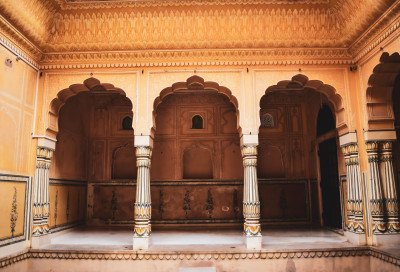
Princely Heritage: Sangrur was the capital of the erstwhile Jind State. It is known for its royal history and well-planned layout, often compared to Jaipur for its design. Garden City of Malwa: The city is famous for its beautiful gardens, especially the Banasar Bagh. These green spaces were created by the royal family for leisure and recreation. Spiritual Landmarks: It is home to several historic Gurudwaras and temples that reflect the local faith. Gurudwara Nankiana Sahib is a major site associated with the first and sixth Sikh Gurus. Agricultural Heart: Located in the Malwa region, it is a significant center for agriculture. The surrounding countryside offers a glimpse into the traditional rural life of Punjab.

Things To Do

Card image cap
Bagrian Fort Qila Mubarak

@@Royal Legacy and Architecture: Bagrian Fort, also known as the Qila of Bhai Sahib, is a majestic structure representing the princely history of the ...

@@Royal Legacy and Architecture: Bagrian Fort, also known as the Qila of Bhai Sahib, is a majestic structure representing the princely history of the region. The fort has been the ancestral home of the Bhai Sahib family, who served as spiritual guides to the Rajas of the Phulkian states including Patiala, Nabha, and Jind. This fort is not just a military structure but a residence that has hosted several Sikh Gurus. The Bhai family of Bagrian is renowned for their hospitality and the tradition of 'Langar' that has been running for centuries. The fort's walls hold the secrets of royal treaties and spiritual discourses, making it a unique blend of a fortress and a spiritual sanctuary. It stands as a living museum of Punjabi royalty and the deep bond between the state and the Sikh Gurus.
Card image cap
Fountain Chowk

@@City Life and Significance: Fountain Chowk is the most iconic landmark of Sangrur city, serving as the central hub for both social and commercial ac...

@@City Life and Significance: Fountain Chowk is the most iconic landmark of Sangrur city, serving as the central hub for both social and commercial activities. This square is famous for its beautiful fountains that illuminate at night, creating a mesmerizing view for visitors. Historically, it has been the witness to the city's transformation from a princely capital to a modern district headquarters. The Chowk is surrounded by the main bazaars, where the pulse of the city can be felt most strongly. It is a place where locals gather for evening walks and where major city celebrations are centered. The architectural style of the surrounding buildings reflects the early 20th-century urban planning of the Jind State. It is the perfect starting point for anyone wishing to explore the culture, food, and people of Sangrur.
Card image cap
Gurdwara Akoi Sahib

@@Detailed History and Legend: Gurdwara Akoi Sahib is a site of immense spiritual significance as it was sanctified by the visits of three Sikh Gurus....

@@Detailed History and Legend: Gurdwara Akoi Sahib is a site of immense spiritual significance as it was sanctified by the visits of three Sikh Gurus. Guru Nanak Dev Ji first visited in 1504, followed by Guru Hargobind Sahib Ji in 1616 and Guru Tegh Bahadur Ji in 1665. The area was once a dense forest where the Gurus paused to bless the local inhabitants. The history of this place is deeply rooted in the devotion of local followers like Manak Chand Ji, who served the Gurus with great love. Legend says that the milk here is blessed to be abundant because of the Gurus' words. It remains a cornerstone of the Sikh faith in the Sangrur district, attracting thousands who seek the divine peace that the Gurus left behind.
Card image cap
Gurdwara Nanak Jhira Sahib

@@Divine Origins and Miracles: Gurdwara Nanak Jhira Sahib in Kanjhla is associated with the first, sixth, and ninth Gurus. The name 'Jhira' refers to ...

@@Divine Origins and Miracles: Gurdwara Nanak Jhira Sahib in Kanjhla is associated with the first, sixth, and ninth Gurus. The name 'Jhira' refers to the thick growth of shrubs and bushes that once existed here. Guru Nanak Dev Ji visited this place during his first Udasi and sat at the Hajare Khuh to discourse with religious heads. Later, Guru Hargobind Ji stayed here for three days while traveling to Delhi. The most significant aspect of this site is the belief in the healing powers of its water. Guru Tegh Bahadur Ji is said to have cured people suffering from leprosy during his stay here. The Gurdwara serves as a beacon of hope and healing, where the natural surroundings and the holy sarovar provide a deeply meditative environment for all who visit, regardless of their background.
Card image cap
Kacha Darwaja

Kacha Darwaja is a significant historical gateway located near the Patiala region, deeply connected to the heritage of the Sangrur district area. Thi...

Kacha Darwaja is a significant historical gateway located near the Patiala region, deeply connected to the heritage of the Sangrur district area. This site represents the old-world charm of Punjab, serving as a silent witness to the various political and social transitions that the region has undergone over centuries. Historically, such gates were part of protective fortifications made from sun-dried mud or "Kacha" bricks, which gives the place its unique name. Visiting this site offers a deep dive into the local folklore and the architectural evolution of defensive structures in rural North India. The area surrounding the gate is filled with traditional markets and old havelis that tell stories of the Nawabs and regional chieftains who once patrolled these boundaries. It is an essential stop for those looking to understand the transition from clay-based fortifications to modern urban settlements in the heart of Punjab. The site remains a focal point for researchers and history students who wish to study the early settlement patterns of the Patiala and Sangrur border regions. Despite the passage of time, the spirit of the old gate continues to influence the layout of the local town. :
Card image cap
Kala Shergill Farm House

Kala Shergill Farm House is a popular private farm and tourist attraction located in the Baasiarkh area near Sunam. This farm house serves as a prime...

Kala Shergill Farm House is a popular private farm and tourist attraction located in the Baasiarkh area near Sunam. This farm house serves as a prime example of the prosperous agricultural lifestyle that defines the Sangrur district. It is not just a residence but a destination that offers visitors a glimpse into the "Kothi" culture of Punjab. The farm is surrounded by lush green fields of wheat and mustard, providing a serene environment away from the city's hustle. It has become a notable landmark for people traveling between Sangrur and Sunam because of its well-maintained lawns and traditional Punjabi architecture. Many locals visit this area to experience the fresh air and the scenic beauty of rural India. The farm house also serves as a location for local gatherings and sometimes for cinematic shoots that require an authentic Punjabi backdrop. The hospitality of the region is reflected in the surrounding atmosphere, where agriculture remains the heart of the community. For those looking for a peaceful afternoon, a drive to this farm house provides the perfect rural escape while staying close to the historical town of Sunam, the birthplace of the great martyr Udham Singh. It is a testament to the modern farming success of the Shergill family in this fertile belt. :
Card image cap
Maharaja Nawab Mahal

The Maharaja Nawab Mahal, often associated with the royal family of Malerkotla, is a magnificent haveli located in the Sajida Colony area. This palac...

The Maharaja Nawab Mahal, often associated with the royal family of Malerkotla, is a magnificent haveli located in the Sajida Colony area. This palace is a core part of the heritage of the Malerkotla sub-division of Sangrur. It represents the unique history of the only Muslim-ruled princely state in East Punjab. The Mahal was the residence of the Nawabs who were known for their secular values and their historic support for the sons of Guru Gobind Singh Ji. Walking through the gates of this palace feels like stepping back into a time of royal durbars and aristocratic lifestyle. The structure is part of a larger complex that includes the Mubarak Manzil and other royal buildings. While some parts of the haveli have faced the ravages of time, the grandeur of the high ceilings and the massive wooden doors still remain intact. It serves as a cultural bridge, attracting visitors from all faiths who come to pay their respects to the legacy of Nawab Sher Mohammad Khan. The palace is surrounded by the bustling markets of Malerkotla, known for their exquisite hand-crafted goods and traditional Punjabi-Muslim cuisine. For history enthusiasts, this mahal is a treasure trove of stories regarding the political alliances between the Sikh misls and the Afghan descendants who ruled this small but influential state. :
Card image cap
Mubarak Manzil

Mubarak Manzil is a historic palace located in Malerkotla, representing the 19th-century European-style architecture favored by the later Nawabs. It ...

Mubarak Manzil is a historic palace located in Malerkotla, representing the 19th-century European-style architecture favored by the later Nawabs. It was the official residence of the last ruler of Malerkotla, Nawab Iftikhar Ali Khan. The palace is famous not just for its beauty but for the royal collection it once housed, including a sword gifted by Guru Gobind Singh Ji to the royal family. Today, the palace stands in a state of "faded glory," with its crumbling walls and grand halls telling a poignant story of the transition from princely rule to modern democratic India. Despite its dilapidated condition, the palace remains a major draw for tourists who want to see the European influence on Indian royalty. The building features large meeting halls, expansive courtyards, and a distinctive facade that stands out in the dense urban landscape of Malerkotla. It is currently under the care of the state government for restoration, as it is considered a vital piece of Punjab’s heritage. Visitors can explore the outer premises and see the remnants of the royal library and the audience halls where important state decisions were once made. The palace is a reminder of the unique status Malerkotla held as a peaceful haven during the 1947 partition. A visit here is incomplete without exploring the surrounding Sajida Colony, which is filled with other minor havelis and historical structures belonging to the extended royal family. :
Card image cap
Numberdar Farm

Numberdar Farm, located in the Gajewas area on the road to Patiala, is a prominent agri-tourism destination and farm estate near Sangrur. This farm i...
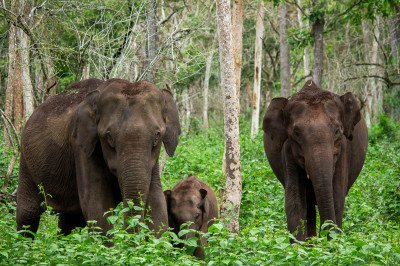
Numberdar Farm, located in the Gajewas area on the road to Patiala, is a prominent agri-tourism destination and farm estate near Sangrur. This farm is a representation of the traditional "Numberdar" (village headman) prestige combined with modern agricultural practices. It has gained popularity as a tourist attraction for those who want to experience the authentic rural life of Punjab in a comfortable setting. The farm is expansive, featuring various seasonal crops, a dairy section, and well-manicured gardens. It serves as an educational site for students and urban dwellers who are disconnected from the source of their food. The farm owners often host visitors, providing them with a taste of fresh Punjabi "Lassi," "Makki di Roti," and "Sarson da Saag" during the winter. The location is peaceful, surrounded by endless horizons of fertile land that characterize the Malwa region of Punjab. It is also a popular spot for weekend getaways for families from Sangrur and Patiala who seek to spend time in nature. The farm emphasizes sustainable farming and showcases the use of modern machinery alongside traditional methods. For many, it is a place of nostalgia, reminding them of their ancestral roots in the villages of North India. The hospitality here is legendary, reflecting the warm nature of the Punjabi people. :
Card image cap
Rampur Bhindran Forest

@@The Ecological Sanctuary of Sangrur: The Rampur Bhindran Forest is a vital ecological zone located in the Sangrur district, offering a lush green es...

@@The Ecological Sanctuary of Sangrur: The Rampur Bhindran Forest is a vital ecological zone located in the Sangrur district, offering a lush green escape from urban life. This forest is characterized by its dense canopy of indigenous trees, including Kikar, Shisham, and Neem, which provide a natural habitat for various species of birds and small mammals. Visitors often find the atmosphere here incredibly serene, making it a popular spot for morning walks, nature photography, and quiet contemplation away from the city's noise. The forest serves as a natural barrier against pollution and plays a significant role in maintaining the local groundwater levels and biodiversity of the Malwa region. @@Biodiversity and Conservation Efforts: The forest is home to a variety of avian species such as the Peacock, Grey Partridge, and various migratory birds that visit during the winter months. Local authorities and environmentalists have made consistent efforts to preserve this green patch through afforestation programs and strict protection laws against poaching and illegal felling. Educational tours are often organized for school children to teach them about the importance of forest ecosystems and the need for wildlife conservation in Punjab. The forest floor is often covered with medicinal herbs and shrubs, which are of great interest to botany students and researchers studying the flora of Northern India.
Card image cap
Retgarh Palace

@@Historical Legacy of the Rulers: Retgarh Palace is a magnificent historical edifice that stands as a testament to the royal lineage and architectura...
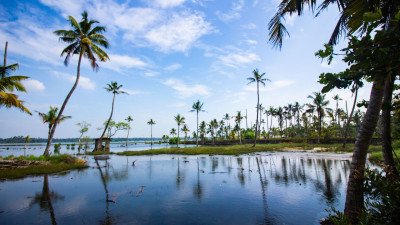
@@Historical Legacy of the Rulers: Retgarh Palace is a magnificent historical edifice that stands as a testament to the royal lineage and architectural taste of the erstwhile rulers of the region. Located in the quiet village of Retgarh, this palace was once a center of political activity and royal festivities, reflecting the opulence of the Punjabi aristocracy. The structure is built with a blend of traditional Indian and colonial architectural styles, featuring large courtyards, high ceilings, and intricately carved wooden doors that have withstood the test of time. Although some parts of the palace have aged, the overall grandeur remains intact, drawing history buffs and architecture students who wish to study the transition of royal lifestyles in the Malwa belt of Punjab. @@Cultural Hub and Restoration: Over the years, the palace has served as a cultural landmark, hosting various local gatherings and traditional ceremonies that kept the heritage alive. Recent efforts by heritage enthusiasts and the local community have focused on preserving the remaining structural integrity of the palace to ensure it doesn't fall into total ruin. The surrounding gardens, though now simplified, once boasted exotic plants and fountains, echoing the lifestyle of the Maharajas who frequented this retreat for hunting and leisure. It remains an important site for understanding the local history of Sangrur and its connection to the larger princely states of Punjab like Jind and Patiala.
Card image cap
Sekha Lake

@@A Natural Oasis in the Heartland: Sekha Lake is a beautiful water body located near the village of Sekha, serving as a major recreational and ecolog...

@@A Natural Oasis in the Heartland: Sekha Lake is a beautiful water body located near the village of Sekha, serving as a major recreational and ecological site in the Sangrur district. This man-made yet naturally integrated lake is surrounded by lush greenery and provides a much-needed respite for the local population and tourists alike. The lake is known for its calm waters and the variety of birds it attracts, making it a hotspot for nature lovers. Over the years, the area around the lake has been developed with walking tracks and seating areas, allowing visitors to enjoy the scenic beauty comfortably. It is a perfect example of how water conservation projects can turn into thriving community spaces and tourist attractions. @@Flora and Fauna: The lake ecosystem supports a variety of aquatic life and serves as a watering hole for the local wildlife. During the winter season, several species of migratory birds from Siberia and other parts of the world can be spotted here, turning the lake into a vibrant canvas of colors and sounds. The surrounding area is planted with trees like Eucalyptus and Willow, which add to the aesthetic appeal and provide shade to the visitors. The local government has also introduced fish into the lake to maintain the biological balance and promote local ecological health. It is a quiet destination where one can truly connect with nature without the distractions of commercial tourism.
Card image cap
Shahi Maqbara

@@A Monument of Royal Lineage: The Shahi Maqbara is the ancestral burial ground of the Nawabs of Malerkotla, a town known for its unique history of co...

@@A Monument of Royal Lineage: The Shahi Maqbara is the ancestral burial ground of the Nawabs of Malerkotla, a town known for its unique history of communal harmony. This site is home to several beautifully constructed tombs that reflect the architectural grandeur of the Mughal and Afghan styles. Each tomb tells a story of the ruler it houses, with the oldest ones dating back several centuries. The complex is not just a cemetery but a historical record of the Lodhi and Nawab dynasties that ruled this princely state. The atmosphere is one of profound silence and respect, as visitors walk among the graves of warriors, saints, and royalty. It is a key site for anyone interested in the Islamic heritage of East Punjab. @@Cultural and Historical Significance: The Maqbara stands as a symbol of the town's resilience and its peaceful past. During the partition of India in 1947, Malerkotla remained an oasis of peace, a fact often attributed to the "Ha da Naara" (protest against injustice) raised by Nawab Sher Mohammad Khan. This historical backdrop makes the Shahi Maqbara a site of pilgrimage for those who value humanity and peace. The tombs are intricately decorated with calligraphy and floral patterns, though many have faded over time. The local community and heritage groups are active in keeping the site maintained, ensuring that the legacy of the Nawabs continues to inspire future generations.
Card image cap
Sheesh Mahal

@@The Palace of Reflective Beauty: The Sheesh Mahal in Malerkotla is an architectural marvel known for its exquisite mirror work and detailed frescoes...

@@The Palace of Reflective Beauty: The Sheesh Mahal in Malerkotla is an architectural marvel known for its exquisite mirror work and detailed frescoes. Built by the local Nawabs, it served as a private residential palace that showcased the artistic heights of the 19th-century Punjabi elite. The walls and ceilings of the main chambers are embedded with thousands of tiny, multicolored mirror pieces that reflect light to create a starry effect. This technique, originally inspired by Mughal palaces, was adapted locally to include themes from Punjabi folklore and nature. The palace is surrounded by a small garden and features elegant arches that highlight its royal character. It remains one of the most photographed and admired heritage buildings in the Sangrur district. @@Artistic Heritage and Museum: Beyond the mirror work, the Sheesh Mahal is a repository of local art, featuring murals that depict scenes from Indian mythology and royal processions. The palace has been partially converted into a space where visitors can appreciate the craftsmanship of the bygone era. The intricate woodwork on the doors and the delicate plasterwork on the ceilings are a testament to the skilled artisans of Malerkotla. Despite the passage of time, the brilliance of the glasswork continues to fascinate visitors, making it a "must-visit" for anyone exploring the cultural landscape of Punjab. It stands as a reminder of the refined lifestyle and the patronage of art by the Nawabs.
Card image cap
Sheesh Mehal

The Sheesh Mehal is a magnificent structure originally built by Maharaja Narinder Singh in 1847. It was designed to be a residential palace that inte...

The Sheesh Mehal is a magnificent structure originally built by Maharaja Narinder Singh in 1847. It was designed to be a residential palace that integrated beauty with leisure, featuring a large artificial lake and a suspension bridge. The palace is renowned for its extensive use of mirrors and colored glass, which were imported from Europe and intricately set into the walls and ceilings. The interior is a vibrant gallery of 19th-century Punjabi art, showcasing the Kangra and Rajasthani styles of painting. The museum inside houses a world-class collection of medals, coins, and rare manuscripts. It serves as a testament to the royal lifestyle of the Phulkian dynasty and their patronage of arts and culture. Visitors can witness the "Lachman Jhoola" (suspension bridge) which adds a poetic charm to the landscape. The gardens surrounding the palace, known as Banasar Bagh, are meticulously landscaped. The palace once hosted grand royal functions and today stands as a premier heritage site in Punjab. It offers a deep dive into the historical narrative of the Sikh Empire. The reflection of the palace in the lake during sunset creates a surreal visual experience. It is a must-visit for history buffs and art enthusiasts. The detailed frescoes depict scenes from Hindu mythology and royal processions. The preservation of the mirror work is exceptional, making it one of the finest "Palaces of Mirrors" in India. The sheer scale of the numismatic collection is one of the largest in Asia.
Card image cap
Sirhandi Gate

Sirhandi Gate is one of the ten historic gates that once protected the walled city of Patiala. Built during the 18th and 19th centuries, it served as...

Sirhandi Gate is one of the ten historic gates that once protected the walled city of Patiala. Built during the 18th and 19th centuries, it served as a major entry point for travelers coming from the direction of Sirhind. The gate is a massive brick structure that reflects the military architecture of the era. It stands as a silent witness to the expansion of the city under the Phulkian rulers. The area around the gate is now a bustling commercial hub, but the structure itself retains its old-world charm. It was designed to regulate traffic and provide security to the royal inhabitants of the nearby Qila Mubarak. The gate is made of Lakhori bricks, which were characteristic of the period. Over the years, it has become a landmark for locals and a starting point for heritage walks. The gate's arches are wide enough to have allowed elephants and royal carriages to pass through. Today, it marks the boundary between the old city and the newer developments. Visiting the gate provides a sense of the scale of the original fortifications. It is surrounded by traditional markets where one can find authentic Punjabi items. The preservation of this gate is crucial for maintaining the historical identity of Patiala. It is often illuminated during festivals, making it look majestic at night. Many local tales are associated with the gate, involving the arrival of royal guests and military platoons. It remains a functional part of the city's urban landscape.
Card image cap
Sirhind Canal Aqueduct

The Sirhind Canal Aqueduct is a significant hydraulic structure where the Sirhind Canal crosses another water body or depression. Built during the Br...

The Sirhind Canal Aqueduct is a significant hydraulic structure where the Sirhind Canal crosses another water body or depression. Built during the British era in the late 19th century (around 1882), this canal system is one of the oldest and largest in the Indus river system. The aqueduct represents a masterpiece of civil engineering from a time when heavy machinery was unavailable. It was designed to carry the massive volume of water from the Sutlej River to the arid regions of Malwa, transforming them into fertile agricultural lands. The Patiala branch of the canal is particularly vital for the local economy. Standing at the aqueduct, one can appreciate the scale of the masonry work and the foresight of the planners. The surrounding area is primarily rural, offering a serene view of the Punjab countryside. The sound of rushing water and the sight of the vast canal network are quite impressive. It is a popular spot for locals to visit for a quick getaway. The aqueduct showcases the use of traditional materials like stone and lime in creating durable infrastructure that has lasted over a century. It serves as a reminder of how water management changed the destiny of the Punjab region. Engineers and students often visit this site to study the hydraulic design. The sheer volume of water managed here is a testament to the importance of the canal in the state's irrigation policy. It is a peaceful location, away from the hustle of the city, perfect for those interested in industrial heritage.
Card image cap
T-Point Samana

Samana is an ancient town with a history that dates back several centuries, once serving as a significant administrative center during the Mughal and...

Samana is an ancient town with a history that dates back several centuries, once serving as a significant administrative center during the Mughal and Tughlaq periods. The T-Point Samana is a central junction in the town that connects the major historical and commercial zones. Samana is famously associated with the executioners of the younger sons of Guru Gobind Singh Ji, and it was eventually conquered by Banda Singh Bahadur. The T-Point serves as the heart of the town's current activity, surrounded by old structures that whisper tales of its past glory. This area is significant because it leads toward the various historic "Gates" and the "Panch Pir" shrine. The town was once a place of residence for many influential Mughal officials and scholars. Today, the T-Point is a bustling area filled with local shops selling traditional Punjabi sweets and textiles. It represents the transition of Samana from a medieval power center to a modern commercial town. For a traveler, this point is the best place to start exploring the town's narrow alleys and hidden architectural gems. The historical significance of Samana is immense in Sikh history, and the T-Point is the geographic center of this narrative. It is also close to the famous Ran Baas Palace and the old tehsil buildings. Visiting this spot allows one to witness the daily life of a traditional Punjabi town. The architecture in the vicinity shows a mix of old Mughal influences and modern Punjabi styles. It is a place where history meets the present at every corner.
Card image cap
The Heritage Location

The Heritage Location in the Dhanetha area near Samana is a destination focused on preserving and showcasing the rural heritage of Punjab. It is an e...

The Heritage Location in the Dhanetha area near Samana is a destination focused on preserving and showcasing the rural heritage of Punjab. It is an expansive area that has been developed to give visitors a feel of traditional Punjabi village life combined with historical elements. The location features reconstructed mud houses, traditional wells, and displays of old agricultural implements. It serves as an educational and recreational spot where the younger generation can learn about their roots. The site often hosts cultural performances, including Bhangra and Gidda, during the peak tourist season. The ambiance is designed to be quiet and reflective, contrasting with the noisy city centers. Many film crews use this location for shooting Punjabi movies due to its authentic rustic look. The landscape is dotted with indigenous trees and open courtyards. It is not just a museum but a living space that celebrates the "Pind" (village) culture of Punjab. Visitors can enjoy traditional meals served in a rustic setting, emphasizing the hospitality the region is famous for. The project aims to promote sustainable tourism by highlighting local crafts and traditions. It is particularly popular with NRI families returning to Punjab to show their children the heritage. The location also serves as a venue for destination weddings and corporate retreats that want a traditional Punjabi theme. Its proximity to both Sangrur and Patiala makes it an easy day trip.
Show All

Sangrur Itineray And Cost:-

Information about New and Updated Locations() of Punjab Has Been Added :-
Card subtitle

Note:-

Information provided here in good Faith and for reference only.

Near Places
...
Abohar

Some quick example text to build on the card title and make up the bulk of the card's content.

Go somewhere
...
Amritsar

Some quick example text to build on the card title and make up the bulk of the card's content.

Go somewhere
...
Anandpur Sahib

Some quick example text to build on the card title and make up the bulk of the card's content.

Go somewhere
...
Batala

Some quick example text to build on the card title and make up the bulk of the card's content.

Go somewhere
...
Bathinda

Some quick example text to build on the card title and make up the bulk of the card's content.

Go somewhere

...
Faridkot

Some quick example text to build on the card title and make up the bulk of the card's content.

Go somewhere
...
Fatehgarh Sahib

Some quick example text to build on the card title and make up the bulk of the card's content.

Go somewhere
...
Fazilka

Some quick example text to build on the card title and make up the bulk of the card's content.

Go somewhere
...
Firozpur

Some quick example text to build on the card title and make up the bulk of the card's content.

Go somewhere
...
Gurdaspur

Some quick example text to build on the card title and make up the bulk of the card's content.

Go somewhere
...
Hoshiarpur

Some quick example text to build on the card title and make up the bulk of the card's content.

Go somewhere
...
Jalandhar

Some quick example text to build on the card title and make up the bulk of the card's content.

Go somewhere
...
Kapurthala

Some quick example text to build on the card title and make up the bulk of the card's content.

Go somewhere
...
Khanna

Some quick example text to build on the card title and make up the bulk of the card's content.

Go somewhere
...
Ludhiana

Some quick example text to build on the card title and make up the bulk of the card's content.

Go somewhere
...
Mandi Gobindgarh

Some quick example text to build on the card title and make up the bulk of the card's content.

Go somewhere
in Other Cities