

Sarumechlow and Bormechow Maidam
General information
-
Ideal Duration:
1 to 2 hoursPlace Type:
Historical Site, Burial Mound, Archaeological MonuEntry Fees:
A.
Entry Fees Policy: Since the Sarumechlow and Bormechow Maidam are protected archaeological sites under state or central government jurisdiction (often the Archaeological Survey of India - ASI), they may have a nominal entry fee. This fee is generally very low, u...A.
Entry Fees Policy: Since the Sarumechlow and Bormechow Maidam are protected archaeological sites under state or central government jurisdiction (often the Archaeological Survey of India - ASI), they may have a nominal entry fee. This fee is generally very low, usually in the range of Rs.5 to Rs.25 for Indian citizens. Foreign tourists may be charged a higher but still reasonable fee (e. g. , Rs.100 to Rs.300). B.
Photography and Video Fees: Separate fees may be charged for carrying a professional camera or camcorder. Basic mobile photography is typically free. C.
Concessions and Exemptions: Children below a certain age and local students often receive a discount or are exempt from the fee upon showing valid identification. D.
Purpose of the Charge: The collected funds are essential for the maintenance, security, conservation, and upkeep of the historical monument, which is a common practice for protected heritage sites across India.Timing:
A.
Regular Timings (Open to Public): As a historical monument, the Maidams typically operate during standard daytime hours, generally from 9:00 AM to 5:00 PM. Visitors are usually not allowed after sunset for security and conservation reasons. B.A.
Regular Timings (Open to Public): As a historical monument, the Maidams typically operate during standard daytime hours, generally from 9:00 AM to 5:00 PM. Visitors are usually not allowed after sunset for security and conservation reasons. B.
Ideal Visit Time (Comfort and Light): The most Ideal Visit Time is during the Winter Season (November to February) and during the day between 10:00 AM and 1:00 PM or 3:00 PM to 4:00 PM. The midday sun is manageable in winter, and the afternoon light is good for photography. C.
Ideal Visit Time (Avoiding Heat/Humidity): During the hotter and humid months (March to May), visiting right after opening (9:00 AM) is advisable to avoid the mid-day heat. D.
Closed Days: The site is generally open on all days of the week, but checking for local holidays or potential closure for conservation work is always a good practice.Special Events:
A.
Local Pujas and Offerings: Since these are burial sites, they are not typically venues for large, public festivals. However, local communities or descendants of the Ahom families may occasionally hold quiet, private pujas (worship rituals) or offering ceremonies...A.
Local Pujas and Offerings: Since these are burial sites, they are not typically venues for large, public festivals. However, local communities or descendants of the Ahom families may occasionally hold quiet, private pujas (worship rituals) or offering ceremonies to honor the queens, especially during auspicious local days or historical commemoration dates. B.
Archaeological/Heritage Days: The site may participate in State-level or National-level observances of Heritage Week (usually in November) or Archaeology Day, where special clean-up drives, small exhibitions, or guided talks might be organized to promote the historical value of the maidams. C.
Community Gatherings: The peaceful, open ground around the monument may be occasionally used by the surrounding Lengeri Mouza community for small, non-disruptive social or cultural functions, reflecting the integration of the historical site into local life.Best Photo Spots:
A.
The Maidam Profile Shot: Stand a comfortable distance from the mound to capture its full profile and size, showing its distinct dome shape against the horizon. This is best done in the soft light of the morning or late afternoon. B.A.
The Maidam Profile Shot: Stand a comfortable distance from the mound to capture its full profile and size, showing its distinct dome shape against the horizon. This is best done in the soft light of the morning or late afternoon. B.
The Entrance/Signage: Capture the official Archaeological Survey of India (ASI) or State Tourism signage (if available) along with the maidam in the background to document the site's official status and location. C.
Maidam in the Green Landscape: Frame the mound with the surrounding lush vegetation and trees, emphasizing its serene location and historical importance in the rural landscape. Look for nearby tea bushes to add a characteristic Dibrugarh element to the photo. (Approx. )Photo Gallery
Things To Do
-
A.
Historical Exploration and Study: Dedicate time to understanding the history of the Ahom dynasty and the specific queens, Sarumechlow and Bormechow. Look for any informational plaques provided by the Archaeological Survey of India (ASI) or the State Department. Bring a guidebook or use a mobile search to deepen your knowledge of the Maidam architectural style. B.
Peaceful Contemplation and Reflection: The quiet and serene environment is perfect for a few moments of peaceful contemplation, away from the digital world and urban noise. This spot encourages a meditative experience surrounded by historical silence. C.
Scenic Photography: Capture the contrast between the imposing, dome-shaped earth mounds and the surrounding lush green landscape (often including the nearby tea gardens)...A.
Historical Exploration and Study: Dedicate time to understanding the history of the Ahom dynasty and the specific queens, Sarumechlow and Bormechow. Look for any informational plaques provided by the Archaeological Survey of India (ASI) or the State Department. Bring a guidebook or use a mobile search to deepen your knowledge of the Maidam architectural style. B.
Peaceful Contemplation and Reflection: The quiet and serene environment is perfect for a few moments of peaceful contemplation, away from the digital world and urban noise. This spot encourages a meditative experience surrounded by historical silence. C.
Scenic Photography: Capture the contrast between the imposing, dome-shaped earth mounds and the surrounding lush green landscape (often including the nearby tea gardens). Focus on the texture of the old brickwork (if visible) or the scale of the mounds against the sky. D.
Gentle Walk and Exercise: The grounds around the maidams allow for a gentle, short walk, providing light exercise in a clean, unpolluted environment. It is a pleasant activity for a quiet afternoon. E.
Engaging with Local Guides (if available): If a local caretaker or un-official guide is present, engage with them. They often possess fascinating folklore and oral history about the queens and the site that isn't written in the official records, which can greatly enrich your visit. F.
Visit the Nearby Lengeri Village: Take a short walk or ride to the nearby village area to experience the local lifestyle, try any small local eateries, or buy a local product, offering a complete cultural experience of the locality. G.
Sketching and Art: For those inclined towards art, the maidams provide an unusual and historically rich subject for sketching or watercolor painting, capturing their unique form in the landscape.
Information
-
Why Famous:
A.
Ahom Royal Connection: Their primary fame lies in their association with the powerful Ahom dynasty, which ruled for six centuries. As the graves of two queens of a major Ahom king (Sukhampha Khura), they are direct, tangible links to Assam's royal past and a mus...A.
Ahom Royal Connection: Their primary fame lies in their association with the powerful Ahom dynasty, which ruled for six centuries. As the graves of two queens of a major Ahom king (Sukhampha Khura), they are direct, tangible links to Assam's royal past and a must-visit for understanding the state's medieval history. B.
Preservation of the Maidam Tradition: The Maidams are important because they are well-recognized examples of the Ahom burial ritual and architectural tradition, which is similar to the great tombs found in Sivasagar but closer to the major town of Dibrugarh. They highlight the ancient burial customs of a unique Southeast Asian-origin dynasty. C.
Serene, Historical Atmosphere: They offer a quiet, historical experience away from crowded attractions. They are famous among those who appreciate historical tranquility and the opportunity to reflect on ancient practices amidst peaceful, rural/semi-urban landscapes, often with surrounding tea gardens adding to the scenic value. -
Architecture:
A.
Structure Type:
The Maidam Style: The architecture is characterized by the Maidam tradition of the Ahom dynasty. A Maidam is essentially a large, hemispherical burial mound built over a subterranean vault (or Chow-Chali) where th...A.
Structure Type:
The Maidam Style: The architecture is characterized by the Maidam tradition of the Ahom dynasty. A Maidam is essentially a large, hemispherical burial mound built over a subterranean vault (or Chow-Chali) where the remains and sometimes possessions of the deceased royalty were interred. The mound is typically constructed from earth and often stabilized by brick or stone lining, reflecting a unique blend of indigenous burial practices and external influences. B.
Burial Chamber (Chow-Chali) Design and Dimensions: The subterranean chamber, though typically inaccessible to the public, is the most crucial part. It is usually a rectangular vault made of burnt bricks and sometimes stone. While exact, modern-surveyed dimensions are hard to cite publicly, historical research indicates these chambers could be quite large, approximately 5-7 meters long and 3-4 meters wide, providing space for the coffin (Sandooq) and burial goods. The height of the vault varies, but it is substantial enough for a person to stand upright. C.
External Form:
The Mound and Superstructure: The visible part is the large, dome-shaped earth mound, which can be significant in size, possibly reaching 8-10 meters in height and having a base circumference of 50-70 meters. Historically, the mound was often topped with a small, open pavilion or structure known as a Chow, which served as a commemorative marker or an offering place, though these are often in ruins or reconstructed. The simplicity of the external architecture belies the complex engineering and ritualistic significance of the entire structure. -
How To Reach:
A.
By Air (Nearest Airport): The nearest airport is Dibrugarh Airport (Mohanbari Airport - DIB), approximately 25-30 KMS from the Lengeri Mouza area. From the airport, you can hire a taxi. Since the location is slightly outside the main city center and the route i...A.
By Air (Nearest Airport): The nearest airport is Dibrugarh Airport (Mohanbari Airport - DIB), approximately 25-30 KMS from the Lengeri Mouza area. From the airport, you can hire a taxi. Since the location is slightly outside the main city center and the route is not a direct highway, ensure you inform the driver of the exact location in Lengeri Mouza. Travel time is about 45-60 minutes. B.
By Train (Nearest Railway Station): The nearest major station is Dibrugarh Railway Station (DBRG) or Dibrugarh Town (DBRT), both approximately 10-12 KMS away. From the station, the best way to reach is by hiring a local taxi or an auto-rickshaw. The road journey should take around 20-30 minutes. C.
By Road (From Dibrugarh City): The Maidams are accessible via the local road network from the city. The route involves driving or taking a taxi/auto past the main city limits towards the rural areas of Lengeri Mouza. It is advisable to use a GPS or ask the driver for the location near Lengeri Gaon to avoid confusion. The roads are generally motorable but may become narrow or less well-maintained closer to the final site. D.
By Local Transport (Within Dibrugarh): Due to the distance from the city center, a regular cycle-rickshaw is not practical.
The recommended local options are:
Auto-rickshaws: Ideal for a one-way or round trip. Negotiate a return fare with the driver, including waiting time, as finding transport back might be difficult.
Hired Taxis: The most comfortable option. Arrange for a local taxi for a few hours to take you there, wait, and bring you back. -
Weather and Best Time to Visit:
A.
Different Types of Seasons: The best time to visit is during the Winter Season (October to March). The dry, cool weather makes outdoor exploration pleasant. The surrounding fields and trees are often at their greenest or offer a picturesque, calm look. B. The...A.
Different Types of Seasons: The best time to visit is during the Winter Season (October to March). The dry, cool weather makes outdoor exploration pleasant. The surrounding fields and trees are often at their greenest or offer a picturesque, calm look. B. The Monsoon Season (June to September) should be avoided as the earthen mound can become muddy, and the rain makes sightseeing difficult. C. Different Parts of the Day (Photography and Climate): For the best light and comfortable climate, an afternoon visit between 3:00 PM and 5:00 PM is ideal, especially in the winter. The morning light is also excellent for a crisp view of the mounds against the sky. D.
Different Parts of the Day (Peace and Quiet): Visit right at the opening time (9:00 AM) for the most peaceful experience, as tourist traffic is usually minimal during the early hours. -
Near Tourist Places:
1.
Barbarua Maidam: (Approx. 5-7 KMS) 2.
Lekai Chetia Maidam: (Approx. 8 KMS) 3.
Dinjoy Satra: (Approx. 30 KMS) 4. Dibrugarh Tea Gardens (Various Estates
): (Approx. 5-10 KMS) 5.
Raidongia Dol: (Approx. 15 KMS) 6.
Jokai Botanical Garden and Wildlife Sanctuary: (Approx. 12 KMS) 7.
Mancotta Tea Estate: (Approx. 8 KMS) 8.
Dibrugarh Town Center: (Approx. 12 KMS) 9.
Bogibeel Bridge: (Approx. 30-35 KMS to access point) 10. Tilinga Mandir (Bell Temple, Tinsukia Dist.
): (Approx. 35-40 KMS)
Tourism Tips
-
A.
Health & Safety: Since the area is slightly remote, ensure your cell phone is fully charged. Carry drinking water. The walking paths around the mound might be uneven, so wear comfortable, closed-toe shoes. B.
Packing Essentials:A.
Health & Safety: Since the area is slightly remote, ensure your cell phone is fully charged. Carry drinking water. The walking paths around the mound might be uneven, so wear comfortable, closed-toe shoes. B.
Packing Essentials: A good camera for historical and landscape photography is a must. Carry a hat or cap, especially for visits between March and May. Light jackets are good for the winter months. C.
Accommodation: As the site is outside the main city, staying in a hotel near the Dibrugarh city center is highly recommended for convenience. Refer to the accommodation options listed for the Brahmaputra Riverfront. D.
Respect and Conduct: Maintain silence and show utmost respect for the site, as it is a royal burial ground of significant historical and cultural value. Do not climb on the mounds or deface any structures or signage. E.
Local Transport Planning: Since the maidams are located in a rural area, it is crucial to arrange for a return journey in advance (e. g. , negotiating a waiting time with a taxi/auto driver) rather than relying on finding local transport at the site. F.
Combining Visits: Plan to visit the Sarumechlow and Bormechow Maidam along with other nearby historical sites in the same general direction, such as Barbarua Maidam or a trip to a nearby tea garden, to maximize your time.
Reviews
FAQs
Dibrugarh Itineray And Cost:-
Sarumechlow and Bormechow Maidam Tourism:-
Other Places In Dibrugarh :-
Other States In India :-
Information about New and Updated Locations() of Assam Has Been Added :-
Card subtitle
Note:-
Information provided here in good Faith and for reference only.
Near Places
Anthropological Museum Of Indigenous Peoples
Some quick example text to build on the card title and make up the bulk of the card's content.
Go somewhere
Barbarua Maidam
Some quick example text to build on the card title and make up the bulk of the card's content.
Go somewhere
Bogibeel Bridge
Some quick example text to build on the card title and make up the bulk of the card's content.
Go somewhere
Brahmaputra Riverfront
Some quick example text to build on the card title and make up the bulk of the card's content.
Go somewhere
Dehing Namti Satra
Some quick example text to build on the card title and make up the bulk of the card's content.
Go somewhere
Dibrugarh Phoolbagan Ferry Ghat
Some quick example text to build on the card title and make up the bulk of the card's content.
Go somewhere
Dinjoy Satra
Some quick example text to build on the card title and make up the bulk of the card's content.
Go somewhere
Jokai Botanical Garden
Some quick example text to build on the card title and make up the bulk of the card's content.
Go somewhere
Lekai Chetia Maidam
Some quick example text to build on the card title and make up the bulk of the card's content.
Go somewhere
Mancotta Tea Estate
Some quick example text to build on the card title and make up the bulk of the card's content.
Go somewhere
Naharkatia Town
Some quick example text to build on the card title and make up the bulk of the card's content.
Go somewhere
Radha Krishna Mandir
Some quick example text to build on the card title and make up the bulk of the card's content.
Go somewhere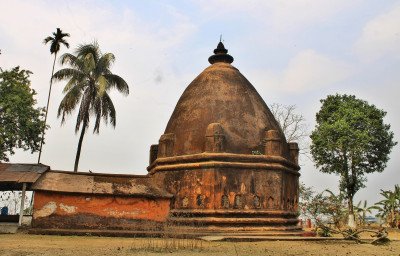
Raidongia Dol
Some quick example text to build on the card title and make up the bulk of the card's content.
Go somewhere
Raidongia Dol or Raidongia Shiv Doul
Some quick example text to build on the card title and make up the bulk of the card's content.
Go somewhere
Sarumechlow and Bormechow Maidam
Some quick example text to build on the card title and make up the bulk of the card's content.
Go somewhere
Shri Jagannath Temple
Some quick example text to build on the card title and make up the bulk of the card's content.
Go somewherein Other Cities