Seemanthi Bai Government Museum
General information
-
Ideal Duration:
Ideal Visit: 2 to 3 Hours (To appreciate the diverse collections)Place Type:
History, Archaeology, and Art MuseumEntry Fees:
Nominal Entry Fee: The museum has a very nominal entry fee.
Adults: around INR 20 per person.
Children: around INR 15 per person. Students in groups may have a reduced rate. Carry cash as digital payment ...Nominal Entry Fee: The museum has a very nominal entry fee.
Adults: around INR 20 per person.
Children: around INR 15 per person. Students in groups may have a reduced rate. Carry cash as digital payment options may be limited.
No Photography Fee: While the ticket is inexpensive, it is important to note that photography is often strictly prohibited inside the main exhibition halls. There is no separate camera/video fee because the activity itself is generally disallowed to protect the old artifacts.
Parking Fee: A small, nominal fee (around INR 10 to 30) may be charged for parking two-wheelers or cars on the premises or the immediate access road.
Guide Fee: There is generally no formal guided tour fee, but one can inquire if a museum staff member is available to provide a brief orientation or highlight the key artifacts for a small tip.Timing:
Regular Timings: The museum is open from 10:00 AM to 5:30 PM. It is Closed on Mondays and often on the Second Saturday of the month (standard government holiday). Always confirm the closing day before planning the visit.
Ideal Visit Time:Regular Timings: The museum is open from 10:00 AM to 5:30 PM. It is Closed on Mondays and often on the Second Saturday of the month (standard government holiday). Always confirm the closing day before planning the visit.
Ideal Visit Time: The Mid-Morning (10:00 AM to 1:00 PM) is the most ideal time, as the museum is not usually crowded, allowing for a quiet and focused exploration of the artifacts. Since the visit is entirely indoors, the time of day does not significantly impact comfort, but early in the day is best for concentration.
Duration Note: Allow a minimum of 2 to 3 hours to properly view the diverse collections, especially the intricate international artifacts and the photo gallery.Special Events:
World Heritage Day Events: The museum celebrates World Heritage Day (April 18th) and International Museum Day (May 18th) with special educational programs, guided tours, and exhibitions designed to raise awareness about the preservation of cultural heritage.World Heritage Day Events: The museum celebrates World Heritage Day (April 18th) and International Museum Day (May 18th) with special educational programs, guided tours, and exhibitions designed to raise awareness about the preservation of cultural heritage.
Gandhi Jayanti Observances: Given the presence of the dedicated photo gallery, the museum often hosts special talks, documentary screenings, and commemorative exhibitions on Gandhi Jayanti (October 2nd), focusing on the life and teachings of Mahatma Gandhi.
Annual Founding Day: The museum's founding day on May 4th is occasionally marked with special educational events and lectures by archaeologists or historians to promote public engagement with the institution.Best Photo Spots:
The Ship-Shaped Exterior: The main gate/lawn area is the best spot to capture the full, unique, ship-shaped facade of the building in a single frame. The structure, perched on a hill, makes for a great subject.
Archaeological Sculpture Garden...The Ship-Shaped Exterior: The main gate/lawn area is the best spot to capture the full, unique, ship-shaped facade of the building in a single frame. The structure, perched on a hill, makes for a great subject.
Archaeological Sculpture Garden: The outdoor area displaying the ancient Hero Stones, Jaina statues, and the massive cannons is excellent for wide-angle and detail shots of the historical stone works against the sky.
Vantage Point View: The location on Bejai hill offers a partial vantage point view of the surrounding city. While not the primary focus, it can provide a nice backdrop for photos taken in the museum garden.
Architectural Details: Capture the unique design elements of the building, such as its balconies, curved walls, and specific columns, which highlight the Italianate influence in the coastal city.Photo Gallery
Things To Do
-
Exploring the Galleries: Take a self-guided tour through the various sections: Archaeology, Paintings, Natural History (fossils/rocks), and Ethnography. Dedicate specific time to the rare Keladi inscription and the ancient coins. Study Dr.
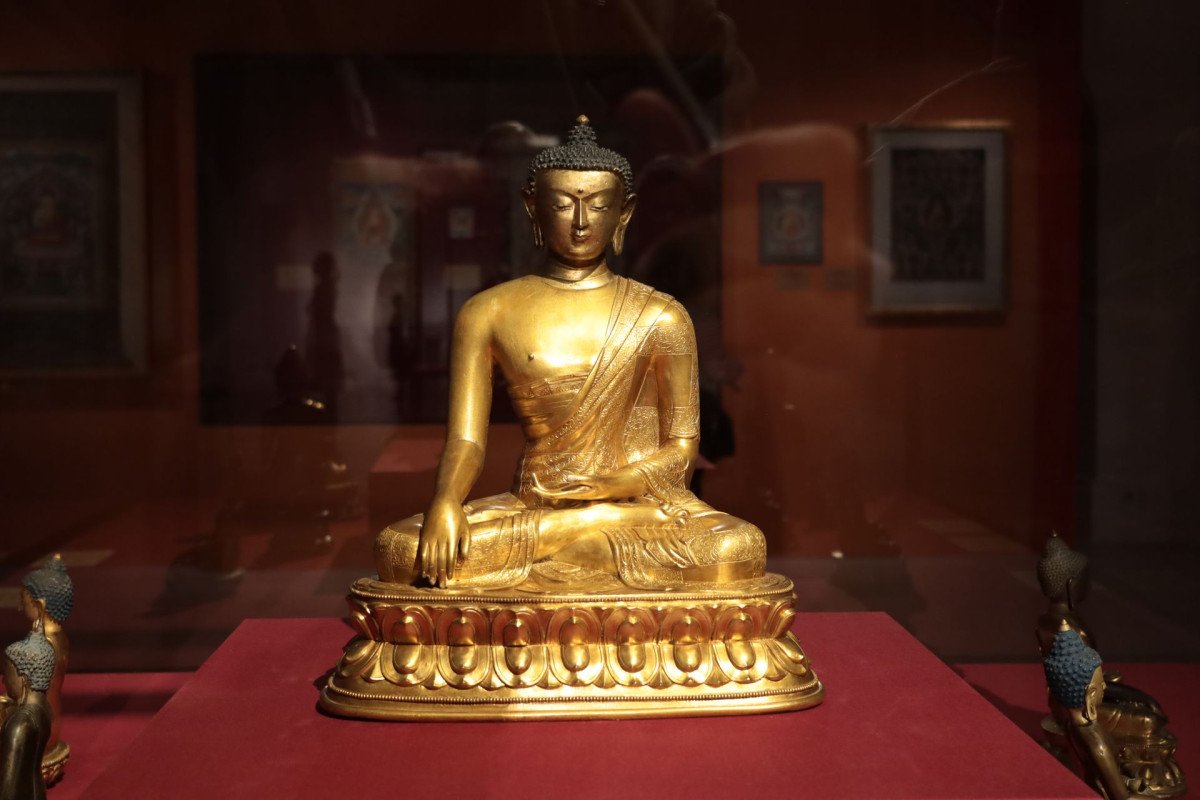
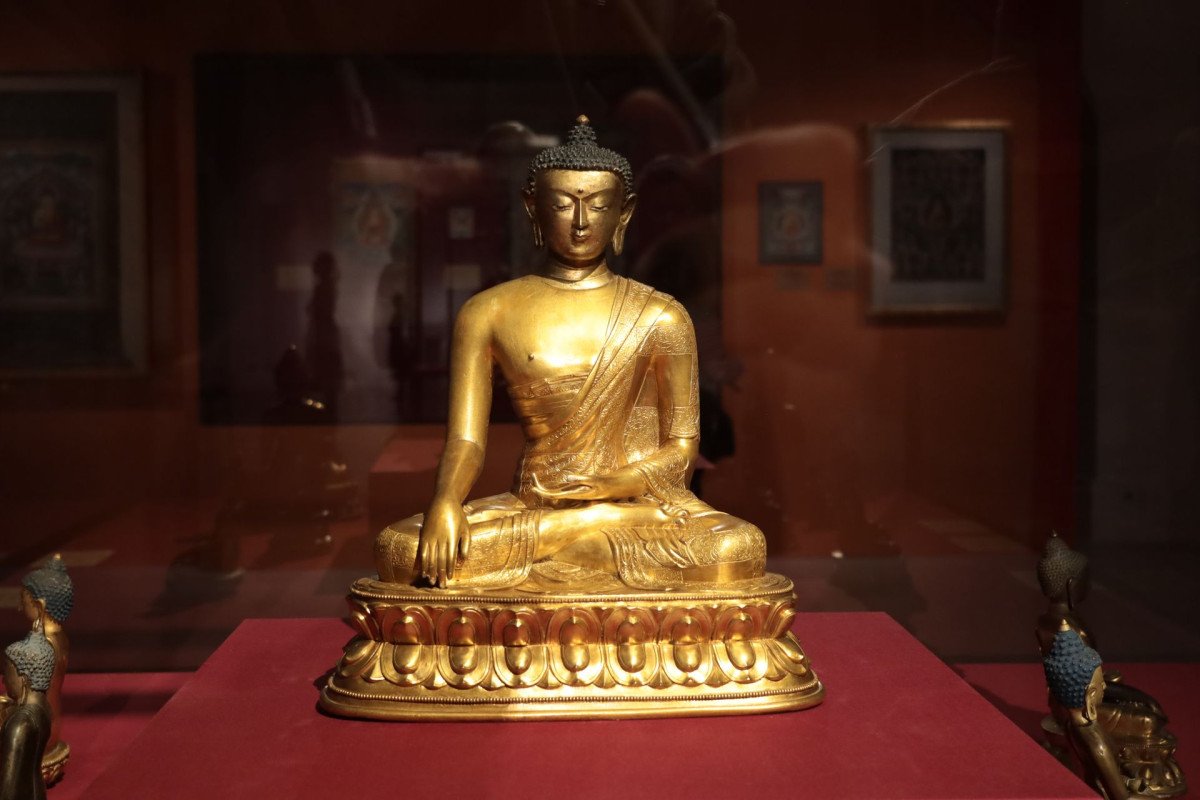
Mirajkar's International Collection: Spend time on the first floor to examine the unique global collection. Observe the diverse art and handicrafts from countries like China, Japan, Tibet, and various parts of Europe, reflecting the collector’s cosmopolitan interests.
Historical Reflection at the Gandhiji Gallery: Walk slowly through the dedicated Gandhiji Photo Gallery. The visual journey of Mahatma Gandhi's life, as depicted in rare photos, is a powerful historical and educational experience.
Exterior Photography: S...Exploring the Galleries: Take a self-guided tour through the various sections: Archaeology, Paintings, Natural History (fossils/rocks), and Ethnography. Dedicate specific time to the rare Keladi inscription and the ancient coins. Study Dr.
Mirajkar's International Collection: Spend time on the first floor to examine the unique global collection. Observe the diverse art and handicrafts from countries like China, Japan, Tibet, and various parts of Europe, reflecting the collector’s cosmopolitan interests.
Historical Reflection at the Gandhiji Gallery: Walk slowly through the dedicated Gandhiji Photo Gallery. The visual journey of Mahatma Gandhi's life, as depicted in rare photos, is a powerful historical and educational experience.
Exterior Photography: Since interior photography is often restricted, focus on photographing the exterior of the unique ship-shaped building. Capture its architectural novelty from different angles outside the museum structure.
Examining Outdoor Artifacts: The museum premises, especially the outdoor area, display large stone sculptures, Hero Stones (Maha Sati Kallu), Tulu/Kannada inscriptions, and old cannons from Jamlabad Fort, which offer a hands-on view of the region's ancient past.
Information
-
Why Famous:
Unique Building Architecture: The museum is famous because its building is an architectural marvel—a historic bungalow built in the 1930s with a distinctive, unusual design that is said to resemble a ship. This makes the structure itself as much of an exhibit as the coll...Unique Building Architecture: The museum is famous because its building is an architectural marvel—a historic bungalow built in the 1930s with a distinctive, unusual design that is said to resemble a ship. This makes the structure itself as much of an exhibit as the collections inside, drawing attention for its unique aesthetic. Legacy of Dr.
Mirajkar's Collection: It is a memorial to the philanthropic spirit of Dr. Vaman Raghunath Mirajkar, whose immense personal collection of artifacts from all over the world forms the museum's core. This collection includes rare global handicrafts, paintings, and historical items, offering a window into global culture that is unique for a regional government museum.
Archaeological Significance: The museum is a major repository of the region's history, showcasing important artifacts like the 1624 AD copper inscription of Keladi Venkatappa Nayaka, ancient sculptures, and local Tulu Nadu artifacts (Hero Stones, Bhoota Kola items), making it a key educational center for local history. -
Architecture:
Ship-Shaped Italianate Bungalow: The museum's most notable architectural feature is the building itself, the former residence of Dr. Vaman Raghunath Mirajkar. The structure is built in an eclectic style, strongly influenced by the Italianate architecture of Milan, Italy, ...Ship-Shaped Italianate Bungalow: The museum's most notable architectural feature is the building itself, the former residence of Dr. Vaman Raghunath Mirajkar. The structure is built in an eclectic style, strongly influenced by the Italianate architecture of Milan, Italy, which Dr. Mirajkar admired. Its distinct, somewhat bizarre ship-like or aeroplane-like shape makes it stand out on the Bejai Road hill.
Interior Layout and Galleries: The building is a two-story structure. The ground floor houses various archaeological and geological artifacts, while the first floor is primarily dedicated to Dr. Mirajkar's extensive international collection of art, handicrafts, and personal items (like wooden furniture, silver, ivory objects, and glass materials) acquired from over a dozen countries, including China, Japan, Germany, and Italy.
Dimension: The building has two main floors. The outer premises house larger, heavier artifacts. The museum building occupies a significant area atop the Bejai hill, offering a good vantage point. The building’s unique construction features include curved walls and balconies to enhance the ‘ship’ effect. -
How To Reach:
By Air: Mangalore International Airport (IXE) is about 10 KM away. Hire a taxi or an auto-rickshaw to the Bejai area. The journey should take around 20-30 minutes.
By Train: The museum is centrally located. Mangalore Central Railway Stati...By Air: Mangalore International Airport (IXE) is about 10 KM away. Hire a taxi or an auto-rickshaw to the Bejai area. The journey should take around 20-30 minutes.
By Train: The museum is centrally located. Mangalore Central Railway Station (MAQ) is about 4 KM away, and Mangalore Junction (MAJN) is about 7 KM away. Take an auto-rickshaw directly to the Bejai area (Bejai Museum is a well-known landmark).
By Road: The museum is situated on Bejai Road in the Bejai neighborhood, a prominent city area. It is easily reachable from Hampankatta (City Center) by car or bus in about 15 minutes. The road is steep and narrow on the final approach to the hilltop.
By Local Transport: Local city buses frequently pass through the Bejai area. Ask for the stop near Bejai Church or the Lighthouse Hill area. Auto-rickshaws are the most convenient option, and the fare from the city center should be reasonable. -
Weather and Best Time to Visit:
Different Types of Seasons: Winter (October to February) is the most comfortable season for a visit, as the pleasant weather allows for easy travel to the museum and the exploration of the outdoor artifacts. Summer (March to May) is hot, but since the visit is largely indo...Different Types of Seasons: Winter (October to February) is the most comfortable season for a visit, as the pleasant weather allows for easy travel to the museum and the exploration of the outdoor artifacts. Summer (March to May) is hot, but since the visit is largely indoors, it is a good activity to escape the mid-day heat. Monsoon (June to September) makes the narrow, steep road to the museum a bit challenging for driving, but the museum itself is unaffected by the rain.
Different Parts of the Day: Morning (10:00 AM to 1:00 PM) is the best time to visit, as the light is better for viewing the exhibits, and you can comfortably spend the core hours of the day inside. It tends to be less crowded than on weekends. -
Near Tourist Places:
1. Kadri Manjunath Temple (2 KM) 2. Kadri Park (1. 5 KM) 3. Rosario Cathedral (4 KM) 4. St Aloysius Chapel (2 KM) 5. Sultan Battery (4. 5 KM) 6. Milagres Church (3 KM) 7. City Centre Mall (3 KM) 8. Hampankatta Market (3 KM) 9. Pilikula Nisargadhama (9. 5 KM) 10. New Mangalore Port (8 KM)
Tourism Tips
-
Health & safety: The road to the museum on the Bejai hill is narrow and steep; if driving your own vehicle, proceed with caution. The museum is generally well-maintained. Always handle and view artifacts with care and do not touch them.
Packi...Health & safety: The road to the museum on the Bejai hill is narrow and steep; if driving your own vehicle, proceed with caution. The museum is generally well-maintained. Always handle and view artifacts with care and do not touch them.
Packing: Carry your reading glasses if you need them for viewing small inscriptions or coin details. Since photography is restricted, consider carrying a small notepad to take notes about the key exhibits. Wear comfortable but respectable attire.
Accommodation: Stay in the central areas like Balmatta, Kankanady, or Hampankatta for easy access. The Bejai area itself has some accommodation options.
Other Different Topics heading:
Check the Closing Day: Confirm that it is not a Monday or a Second Saturday before you visit.
Curiosity is Key: Engage with the placards and labels. The history is deep, and the international collection requires focused attention to appreciate its diversity.
Footwear: Avoid wearing wet footwear, especially on the older wooden floors of the historic building.
Reviews
FAQs
Mangalore Itineray And Cost:-
Seemanthi Bai Government Museum Tourism:-
Information about New and Updated Locations() of Karnataka Has Been Added :-
Card subtitle
Note:-
Information provided here in good Faith and for reference only.
All information and pictures will be updated soon, please keep visiting.
Near Places
Adyar Falls
Some quick example text to build on the card title and make up the bulk of the card's content.
Go somewhere
Bahubali Gomateshwara Monolith
Some quick example text to build on the card title and make up the bulk of the card's content.
Go somewhere
Bappanadu Sri Durgaparameshwari Temple
Some quick example text to build on the card title and make up the bulk of the card's content.
Go somewhere
Kadri Hill Park
Some quick example text to build on the card title and make up the bulk of the card's content.
Go somewhere
Kadri Manjunatha Temple
Some quick example text to build on the card title and make up the bulk of the card's content.
Go somewhere
Karinja Cliff
Some quick example text to build on the card title and make up the bulk of the card's content.
Go somewhere
Kudroli Gokarnath Temple
Some quick example text to build on the card title and make up the bulk of the card's content.
Go somewhere
Mangaladevi Temple
Some quick example text to build on the card title and make up the bulk of the card's content.
Go somewhere
Milagres Church
Some quick example text to build on the card title and make up the bulk of the card's content.
Go somewhere
Mookambika Temple, Kollur
Some quick example text to build on the card title and make up the bulk of the card's content.
Go somewherein Other Cities