



Shree Siddhivinayak Temple
General information
-
Ideal Duration:
1 to 2 hours (excluding waiting time in long queues). On Tuesdays or festival days, the time needed can be 3 to 5 hours.Place Type:
Religious / Pilgrimage SiteEntry Fees:
Regular Darshan: There is no entry fee for the regular darshan queue. This is the common practice for the vast majority of temples in India, including the Shree Siddhivinayak Temple, emphasizing that spiritual access should be free for all devotees. This free entry allows ...Regular Darshan: There is no entry fee for the regular darshan queue. This is the common practice for the vast majority of temples in India, including the Shree Siddhivinayak Temple, emphasizing that spiritual access should be free for all devotees. This free entry allows millions of people, regardless of their financial status, to offer their prayers every year.
Mukh Darshan (Paid Entry - E-Pass): The temple has a system for Mukh Darshan where devotees can book an e-pass (usually a nominal fee, which is subject to change) to get a quicker, albeit brief, viewing of the deity. This fast-track option is mainly to manage the massive crowds on peak days like Tuesdays or Angarki Sankashti Chaturthi. The fees collected from this system contribute directly to the temple's maintenance and extensive charitable activities, thus serving both convenience and philanthropy.
Special Pujas and Rituals (Variable Fees): For devotees who wish to perform specific, personal rituals like Abhishekam (ritualistic bathing) or Archana (special prayer) in their name, there are corresponding fixed fees. These fees are determined by the temple trust and vary based on the ritual's complexity and duration. These paid services offer a more personalized religious experience and are a structured source of revenue for the temple's upkeep and social welfare programs.
Donations: While there is no mandatory fee to enter, the temple gratefully accepts voluntary donations from devotees. These donations, made in cash or via digital platforms, are crucial for supporting the temple's operations, security, infrastructure maintenance, and, most importantly, the massive scale of its charitable and social work across Maharashtra.Timing:
Regular Temple Opening and Closing Times (Daily Schedule): The temple's schedule is fairly consistent but is subject to slight changes during festivals. Typically, the temple opens for Kakad Aarti (morning prayer) around 5:30 AM or 6:00 AM. The last ritual of the day, the Shejarti (night prayer), ...Regular Temple Opening and Closing Times (Daily Schedule): The temple's schedule is fairly consistent but is subject to slight changes during festivals. Typically, the temple opens for Kakad Aarti (morning prayer) around 5:30 AM or 6:00 AM. The last ritual of the day, the Shejarti (night prayer), is performed around 9:30 PM or 10:00 PM, after which the temple doors close for the night. The period in between is dedicated to continuous darshan, various pujas, and the daily Aartis.
Ideal Visit Time (Crowd Management): The ideal visit time to have a relatively peaceful darshan is early in the morning, immediately after the temple opens, or late in the evening just before the final Shejarti. Weekdays (Mondays, Wednesdays, Thursdays, Fridays) are significantly less crowded than Tuesdays and weekends (Saturdays, Sundays). To completely avoid the massive, hours-long queues, it is best to avoid visiting on any Tuesday or during the major festive season of Ganesh Chaturthi.
Aarti Timings (Ritual Experience): To fully experience the spiritual atmosphere, visit during one of the main Aarti timings: the Kakad Aarti (early morning, around 6:00 AM) or the Evening Aarti (around 7:30 PM). These times, while slightly busier, offer a sensory experience of devotion with music, chants, and light rituals.Special Events:
Ganesh Chaturthi Festival (The Grandest Celebration): The nine-day festival of Ganesh Chaturthi (usually in August or September) is the most significant and spectacular event at the temple. The celebrations are world-renowned, drawing millions of devotees. The entire temple is exquisitely decorate...Ganesh Chaturthi Festival (The Grandest Celebration): The nine-day festival of Ganesh Chaturthi (usually in August or September) is the most significant and spectacular event at the temple. The celebrations are world-renowned, drawing millions of devotees. The entire temple is exquisitely decorated with flowers and lights, and special Aartis and pujas are performed throughout the day and night. The atmosphere is electric, charged with immense devotion, and the temple remains open for extended hours to accommodate the colossal crowds wishing for darshan of Lord Ganesha before his departure.
Angarki Sankashti Chaturthi (Tuesday Power): Any Sankashti Chaturthi (a day to worship Ganesha) that falls on a Tuesday is termed Angarki Sankashti Chaturthi, and it is considered highly auspicious and a massive special event at the temple. The temple witnesses an exponentially larger crowd on this day, with devotees often queuing for over 12 to 15 hours. Special arrangements, security, and a continuous stream of rituals are organized to manage the unparalleled rush and ensure the smooth flow of the long line of worshippers. Maghi Ganesh Jayanti (Ganesha's Birth Anniversary): This festival, celebrated in the Magha month (usually January or February), marks the birth anniversary of Lord Ganesha. The temple celebrates it with great pomp. Special programs, including cultural performances, religious discourses, and community feasts, are organized. The decorations are grand, and the day is marked by a unique atmosphere of celebratory joy, distinct from the intense devotion of Ganesh Chaturthi.Best Photo Spots:
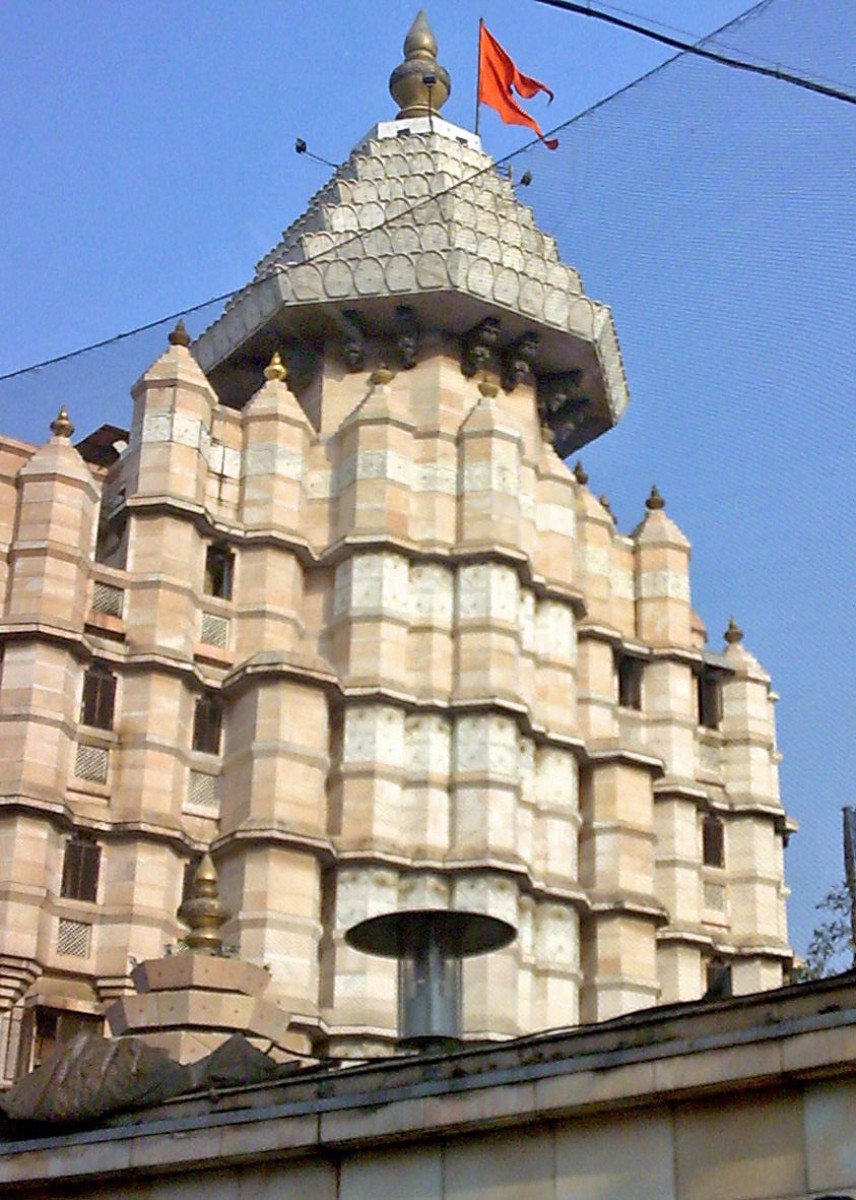
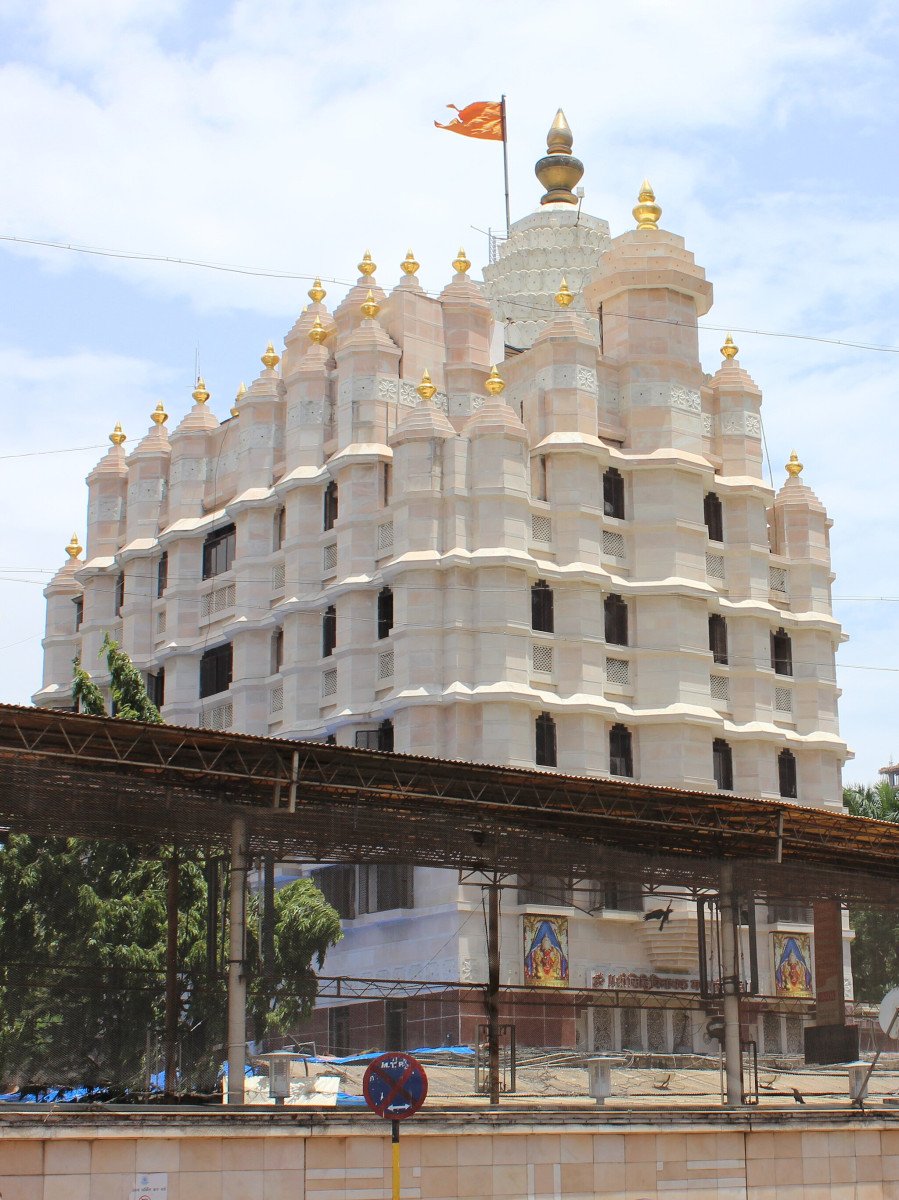
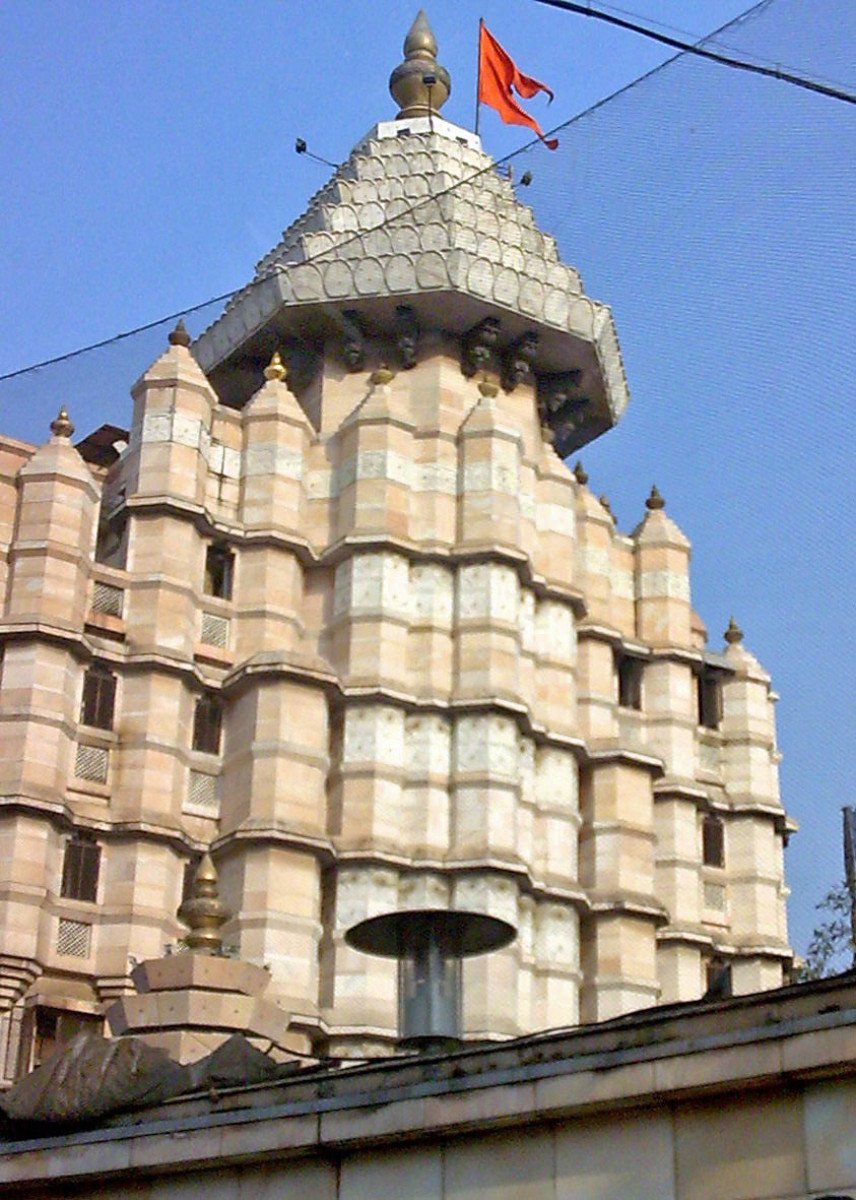
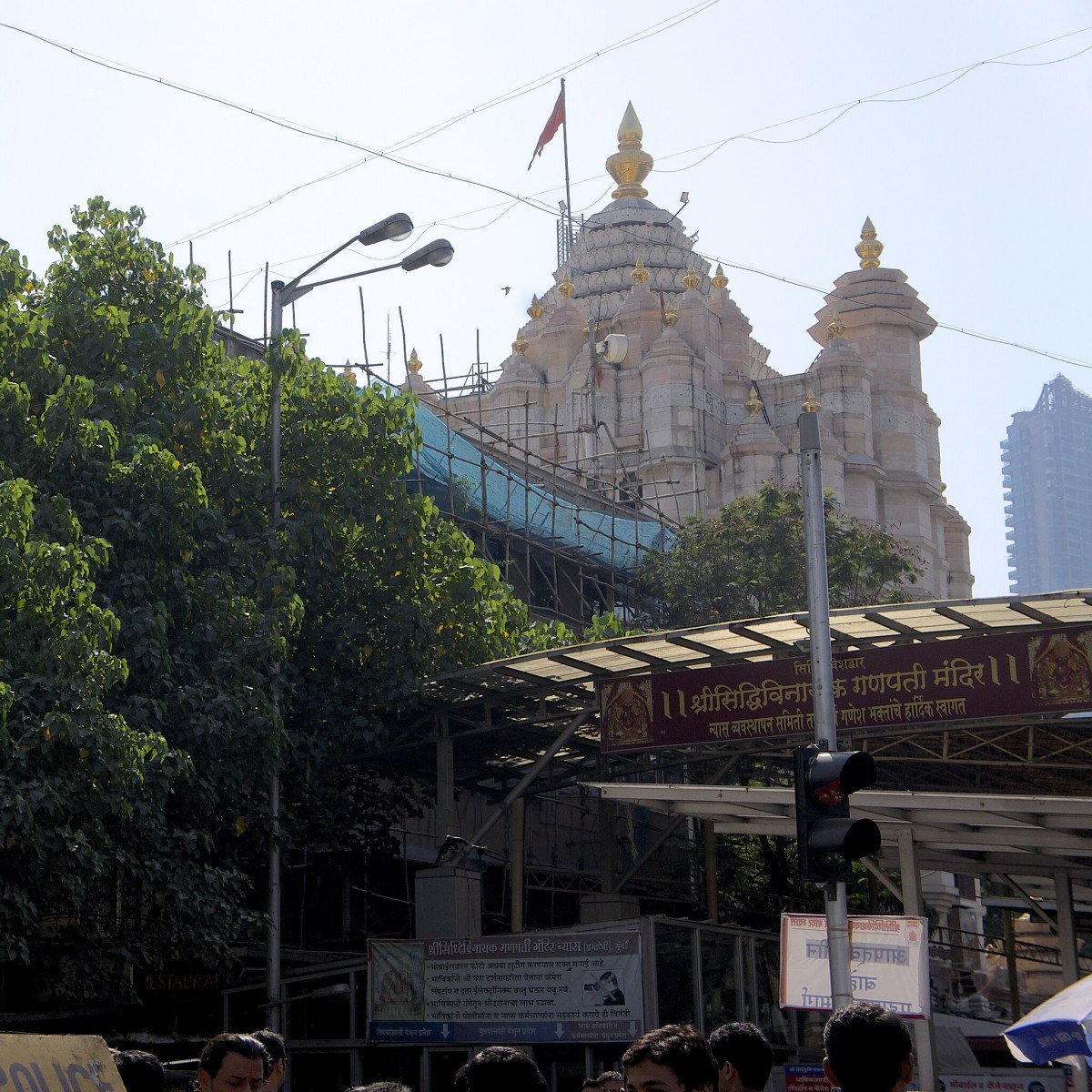
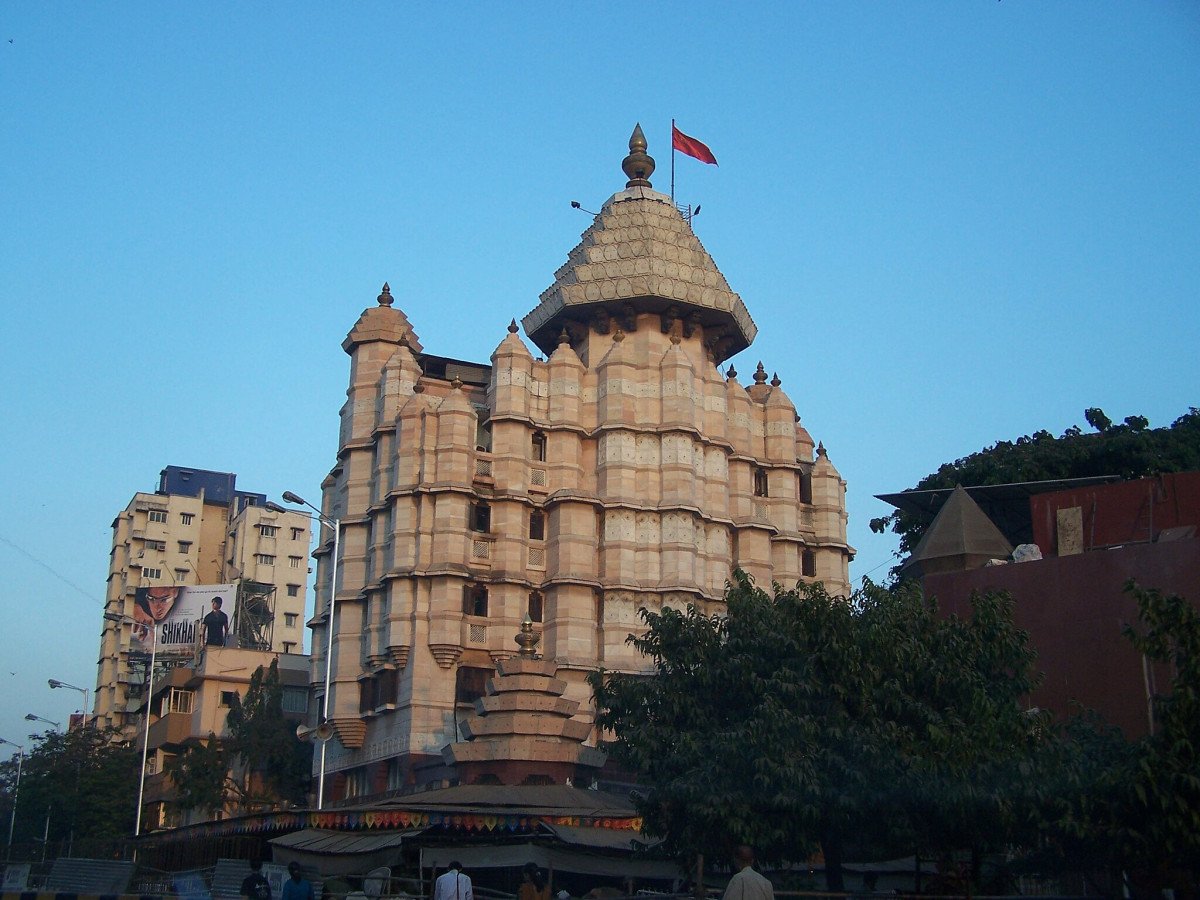
The Golden Dome at Dusk (The Iconic Shot): The absolute best place for a photograph is the exterior view of the magnificent gold-plated central dome and the cluster of smaller crowns. This shot is particularly stunning during the twilight hours (dusk or dawn) when the dome ...The Golden Dome at Dusk (The Iconic Shot): The absolute best place for a photograph is the exterior view of the magnificent gold-plated central dome and the cluster of smaller crowns. This shot is particularly stunning during the twilight hours (dusk or dawn) when the dome is illuminated by the temple lights and set against the changing hues of the sky. A wider-angle shot from the street, ensuring the entire structure is framed, captures the sheer scale and splendor of the temple's modern architecture.
The Queue and Street Life (The Human Element): While photography inside the sanctum is strictly prohibited, the lively scene outside provides excellent street photography opportunities. Focus on the long, winding queue of devotees, often stretching down the road, to capture the human scale of the temple's popularity. The expressions of faith, the vibrant clothes, and the sight of people carrying offerings (flowers, coconut) make for compelling, authentic documentary-style images.
The Offerings Stalls (Color and Culture): The stalls lining the street near the temple entrance, selling colorful flowers, modaks, and religious items, are a feast for the eyes. Capture the vibrant colors of the marigold garlands, the texture of the flower vendors' baskets, and the lively transactions between vendor and devotee. This spot provides the perfect opportunity for close-up, high-detail photos that encapsulate the local religious marketplace culture. The Temple's Intricate Entrance (Architectural Details): Focus on the intricately carved wooden and metal doors at the temple's entrance. These detailed sections often feature carvings of Ganesha and other Hindu deities. These close-up shots allow you to highlight the exquisite craftsmanship and the traditional artistic elements that contrast with the structure's modern, monolithic appearance.Photo Gallery

Things To Do
-
Perform Darshan and Seek Blessings (Spiritual Focus): The primary activity is to have darshan, which means viewing the idol of Lord Ganesha. Devotees patiently wait in queues—especially long on Tuesdays and during major festivals—to briefly stand before the idol and offer prayers. Many perform the pradakshina (circumambulation) around the temple perimeter. The intense spiritual atmosphere and the belief in the idol's wish-granting power make this a profound and moving experience. You can buy modaks (a sweet delicacy and Ganesha's favorite food) and flower garlands to offer to the deity. Witness the Aarti and Rituals (Cultural Immersion): Time your visit to coincide with one of the daily Aartis (a Hindu religious ritual of worship, a part of which lights are offered to the deity). The morning and evening Aartis are particularly vibrant, filled with devotional music (bhajans) and...
Information
-
Why Famous:
The Idol's Right-Sided Trunk: The primary reason for the temple's fame is the distinct idol of Lord Ganesha with its trunk curved to the right. This specific posture is known as 'Siddhivinayak,' which literally means 'the one who grants desires. ' Temples with a right-sided...The Idol's Right-Sided Trunk: The primary reason for the temple's fame is the distinct idol of Lord Ganesha with its trunk curved to the right. This specific posture is known as 'Siddhivinayak,' which literally means 'the one who grants desires. ' Temples with a right-sided trunk are considered extremely powerful but also demanding in their rituals and devotion, attracting a massive number of believers who seek divine intervention for their wishes.
Celebrity and High-Profile Devotees: The temple has attained iconic status as a preferred place of worship for a multitude of high-profile individuals, including renowned Bollywood actors, successful industrialists, and prominent political figures. Their frequent visits, often before a film release or a new business launch, are widely covered by the media, which significantly enhances the temple's visibility and fame, cementing its status as a symbol of good fortune in Mumbai.
Historical and Philanthropic Legacy: The temple's history, dating back to 1801, and the inspiring story of its co-founder, Deubai Patil, who wanted the temple to grant children to childless women, give it a rich emotional and historical depth. Furthermore, the temple trust is actively involved in large-scale social welfare and charitable initiatives across health, education, and disaster relief, elevating its reputation beyond a religious site to a pillar of community service. -
Architecture:
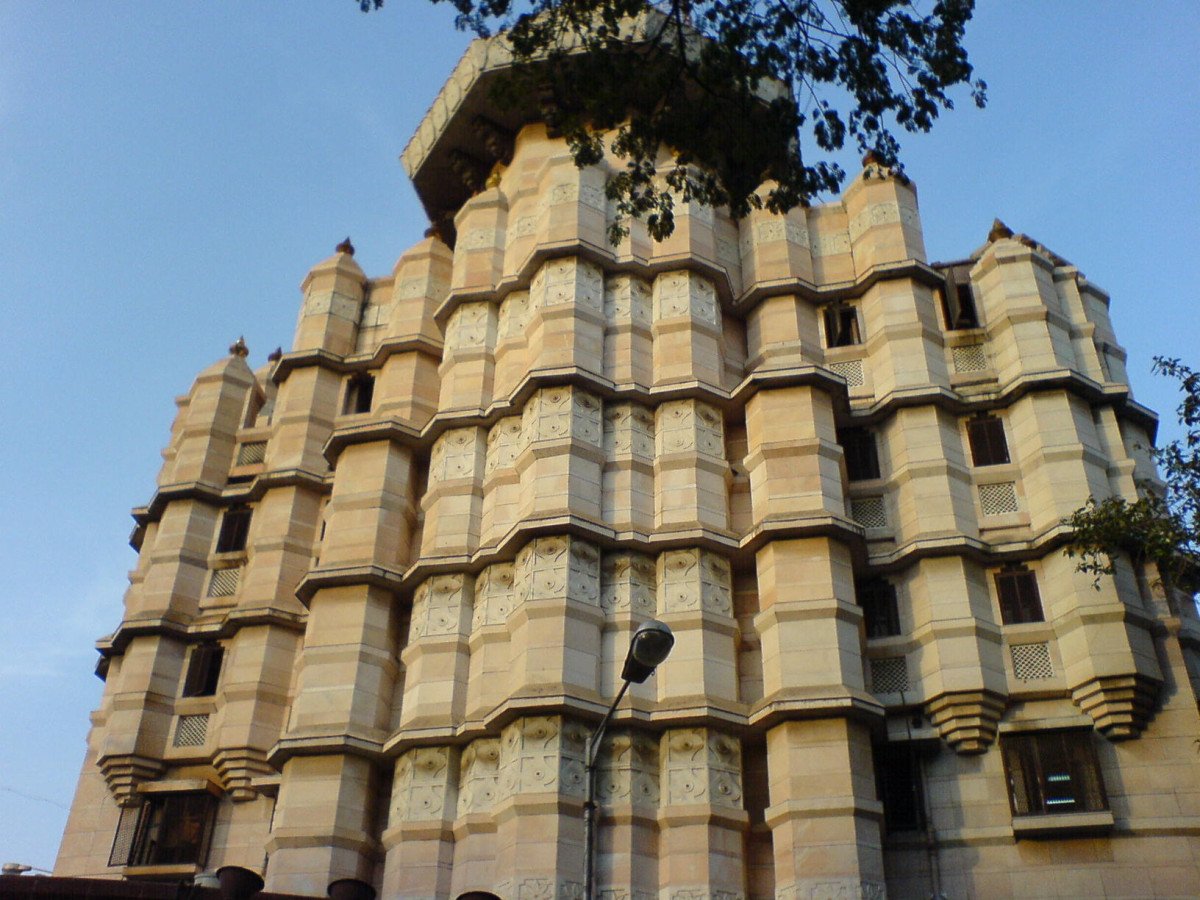
Gothic Influence and Multi-Storey Design: The present-day structure, which resulted from a major renovation, is a unique blend of modern construction and traditional temple architecture, reflecting a multi-storeyed design. It is built in a modern style using marble and pink...Gothic Influence and Multi-Storey Design: The present-day structure, which resulted from a major renovation, is a unique blend of modern construction and traditional temple architecture, reflecting a multi-storeyed design. It is built in a modern style using marble and pink granite. The core of the temple is a multi-angular, six-storeyed structure designed to accommodate the massive flow of devotees. The multi-storey design is functional, with the sanctum on the ground floor, a mezzanine floor for darshan (viewing the idol) and pujas, a second floor housing the temple kitchen, and the third floor for administrative offices.
The Golden Dome and Crowns (Dimension): The most striking feature is the central gold-plated dome that surmounts the main structure. This main dome reaches towards the sky and is surrounded by a cluster of smaller gold-plated crowns (47 in total), with the main crown measuring about 12 feet in height. The main entrances are around 13 feet high to ensure the darshan of the deity is visible from the main hall and the mezzanine floor simultaneously.
Sanctum Sanctorum (Garbhagriha): The inner sanctum is spacious, and the idol of Lord Ganesha is carved from a single block of black stone. The Makhar (frame) of the sanctum is intricately carved by skilled artisans, continuing a long tradition of fine Indian craftsmanship. The design ensures that devotees can have a clear view of the idol, even from the hall and the mezzanine floor, showcasing an architecture centered around the convenience of the worshipper. -
How To Reach:
By Air (For Domestic and International Travelers): The nearest airport is Chhatrapati Shivaji Maharaj International Airport (BOM), which is approximately 12-15 KMS away from Prabhadevi, where the temple is located. From the airport, you can hire a prepaid taxi (available at... -
Near Tourist Places:
1.
Dadar Chowpatty Beach: (Approx. 3 KMS) 2.
Mahalaxmi Temple: (Approx. 4. 5 KMS) 3.
Nehru Science Centre: (Approx. 5 KMS) 4.
Haji Ali Dargah: (Approx. 6 KMS) 5.
Worli Sea Face: (Approx. 3 KMS) 6.
Bandra-Worli Sea Link: (Entry Point approx. 5 KMS) 7.
Dhobi Ghat (Mahalaxmi): (Approx. 5. 5 KMS) 8.
Phoenix Palladium Mall (Lower Parel): (Approx. 4 KMS) 9.
Sassoon Dock: (Approx. 12 KMS) 10.
Chhatrapati Shivaji Maharaj Terminus (CSMT): (Approx. 10 KMS)
Tourism Tips
-
Health & Safety:
Crowds and Security: The temple is extremely crowded, especially on Tuesdays.
Health & Safety is paramount: stay hydrated, especially in the heat, and watch your steps in the long queues. Th...
Reviews
Shree Siddhivinayak Temple Tourism:-
Information about New and Updated Locations(608+) of Maharashtra Has Been Added :-
Card subtitle
Note:-
Information provided here in good Faith and for reference only.
All information and pictures will be updated soon, please keep visiting.
Near Places

Bandra Fort
Some quick example text to build on the card title and make up the bulk of the card's content.
Go somewhere
Bandra-Worli Sea Link
Some quick example text to build on the card title and make up the bulk of the card's content.
Go somewhere
Chhatrapati Shivaji Maharaj Vastu Sangrahalaya
Some quick example text to build on the card title and make up the bulk of the card's content.
Go somewhere
Chhatrapati Shivaji Terminus
Some quick example text to build on the card title and make up the bulk of the card's content.
Go somewhere
Colaba Causeway
Some quick example text to build on the card title and make up the bulk of the card's content.
Go somewhere
Dhobi Ghat
Some quick example text to build on the card title and make up the bulk of the card's content.
Go somewhere
Elephanta Caves
Some quick example text to build on the card title and make up the bulk of the card's content.
Go somewhere
EsselWorld
Some quick example text to build on the card title and make up the bulk of the card's content.
Go somewhere
Film City
Some quick example text to build on the card title and make up the bulk of the card's content.
Go somewhere
Flora Fountain
Some quick example text to build on the card title and make up the bulk of the card's content.
Go somewherein Other Cities