Shri Jagannath Temple
General information
-
Ideal Duration:
1 to 2 hoursPlace Type:
Religious Site, Architectural Marvel, Pilgrimage CEntry Fees:
General Entry for Devotees and Tourists:Like most Hindu temples in India, there is typically No Entry Fee for devotees and general tourists visiting the Shri Jagannath Temple. The temple's primary purpose is to serve the spiritual needs of the community, and access is kept ...General Entry for Devotees and Tourists:Like most Hindu temples in India, there is typically No Entry Fee for devotees and general tourists visiting the Shri Jagannath Temple. The temple's primary purpose is to serve the spiritual needs of the community, and access is kept free to all. This open access is a core part of its mission.
Special Darshan or Ritual Fees:There are generally No Mandatory 'Special Darshan' fees. However, if a visitor wishes to perform a specific Puja (worship ceremony) or a ritual in their name, they would need to pay the temple priests a fee for the service and the materials required. These fees are variable depending on the complexity of the ritual, usually ranging from Rs.100 for a simple offering to higher amounts for elaborate Havan or Archana.
Photography/Videography Permission:While mobile phone photography of the exterior is generally allowed and free, professional photography or video shooting inside the complex (especially for commercial purposes) may require permission and a fee. Based on local reports, this fee can range from Rs.100 to Rs.500 or more for casual non-intrusive photography with a DSLR. Always check with the temple management before using professional equipment.Timing:
Regular Opening and Closing Timings:The temple generally operates in two main time slots, typical for temples with a ritual calendar.
The common timings are: Morning (7:00 AM to 12:00 PM) and Evening (4:00 PM to 8:00 PM). The temple closes ...Regular Opening and Closing Timings:The temple generally operates in two main time slots, typical for temples with a ritual calendar.
The common timings are: Morning (7:00 AM to 12:00 PM) and Evening (4:00 PM to 8:00 PM). The temple closes in the afternoon for Bhoga offering, rest, and cleaning. It is crucial to respect the closing time. The specific times for Aarti ceremonies are usually posted at the entrance.
Ideal Visit Time for Darshan:The Morning is often the most sacred and ideal time for Darshan (viewing the deity) (7:00 AM to 9:00 AM), as you can witness the morning rituals and the temple is less crowded. The Evening (6:00 PM to 7:30 PM) is also a beautiful time, especially during the Sandhya Aarti, with the temple lights illuminating the architecture, creating a spiritual glow. Avoid the closing time rush.
Best Time to Avoid Crowds:To experience maximum peace, visit on a weekday during the mid-morning slot, just after the initial rush of the opening hours. Saturdays and Sundays, and days during the Rath Yatra and other major festivals, are the most crowded. If you seek tranquility, avoid the peak festive season.Special Events:
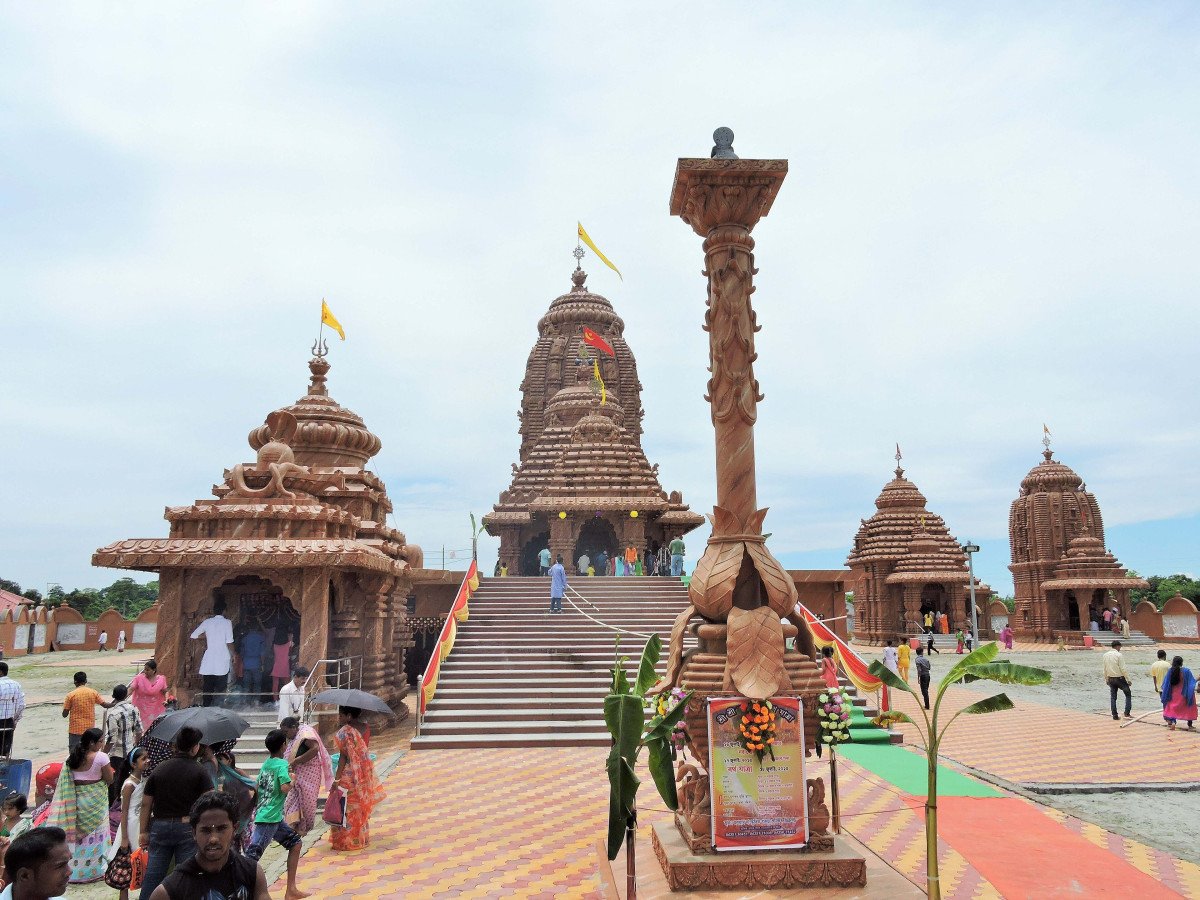
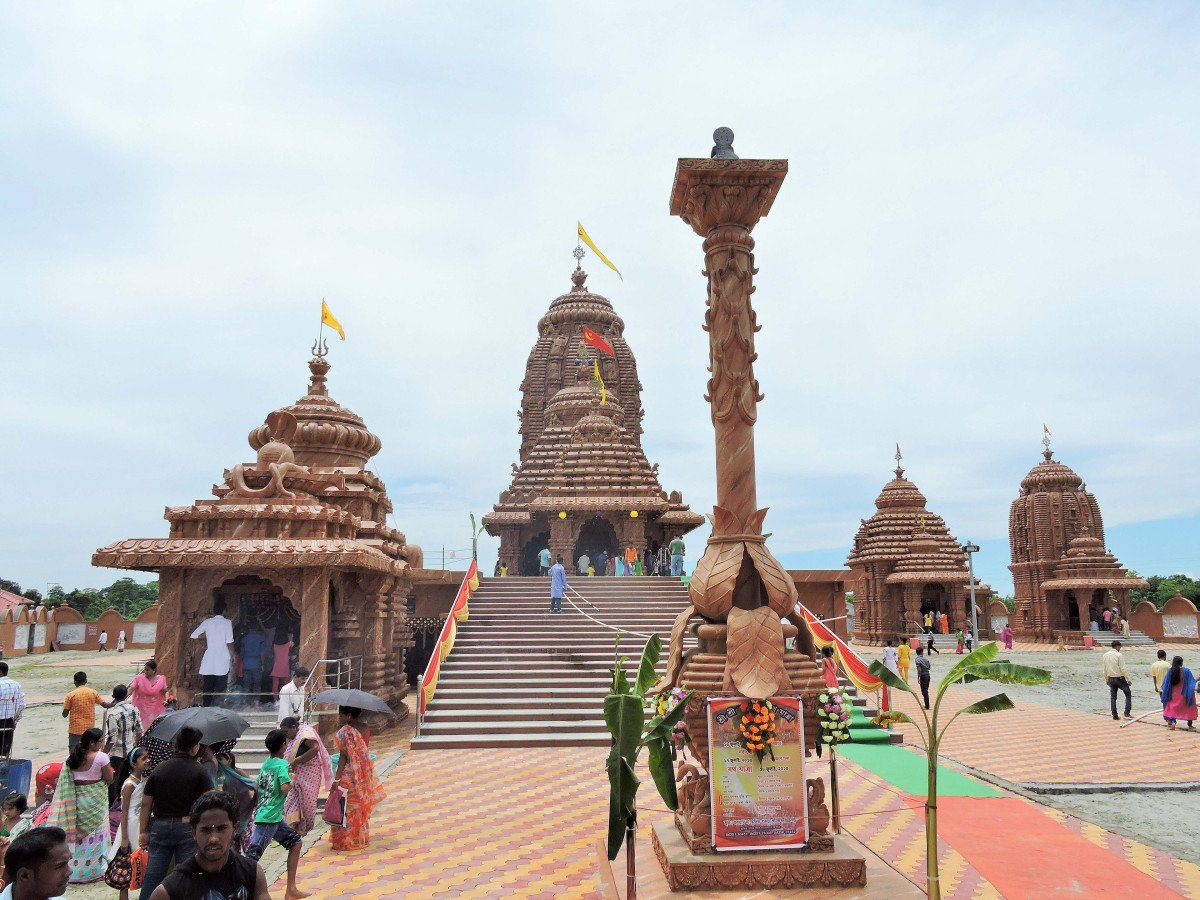
The Grand Rath Yatra Festival:The most significant and special event is the annual Rath Yatra (Chariot Festival), which usually takes place in the Hindu month of Ashadha (typically June or July). This festival celebrates the journey of Lord Jagannath, Lord Balabhadra, and D...The Grand Rath Yatra Festival:The most significant and special event is the annual Rath Yatra (Chariot Festival), which usually takes place in the Hindu month of Ashadha (typically June or July). This festival celebrates the journey of Lord Jagannath, Lord Balabhadra, and Devi Subhadra on grand chariots. The event draws massive crowds, with devotees pulling the sacred chariots, accompanied by devotional music and dance. The atmosphere is electric, replicating the fervor of the Puri festival and showcasing a powerful display of faith.
Snana Yatra and Other Ritualistic Observances:The temple observes other key festivals associated with the deities, such as Snana Yatra (Bathing Festival) before the Rath Yatra, and Chandan Yatra (Sandalwood Paste Application Festival). These rituals are performed with great sanctity and are a treat for visitors interested in Hindu temple traditions. The temple also celebrates Janmashtami and Dol Yatra (Holi) with special puja and community gatherings, offering a deeper look into the temple's ceremonial calendar.
Anniversary of Temple Installation:The anniversary of the Prana Prastha Samaroh (installation of the deities), which occurred around 2014, is celebrated with special pujas, havans, and cultural programs. This day serves as a day of thanksgiving and is a good time to witness the community's dedication to the temple's maintenance and spiritual mission.Best Photo Spots:
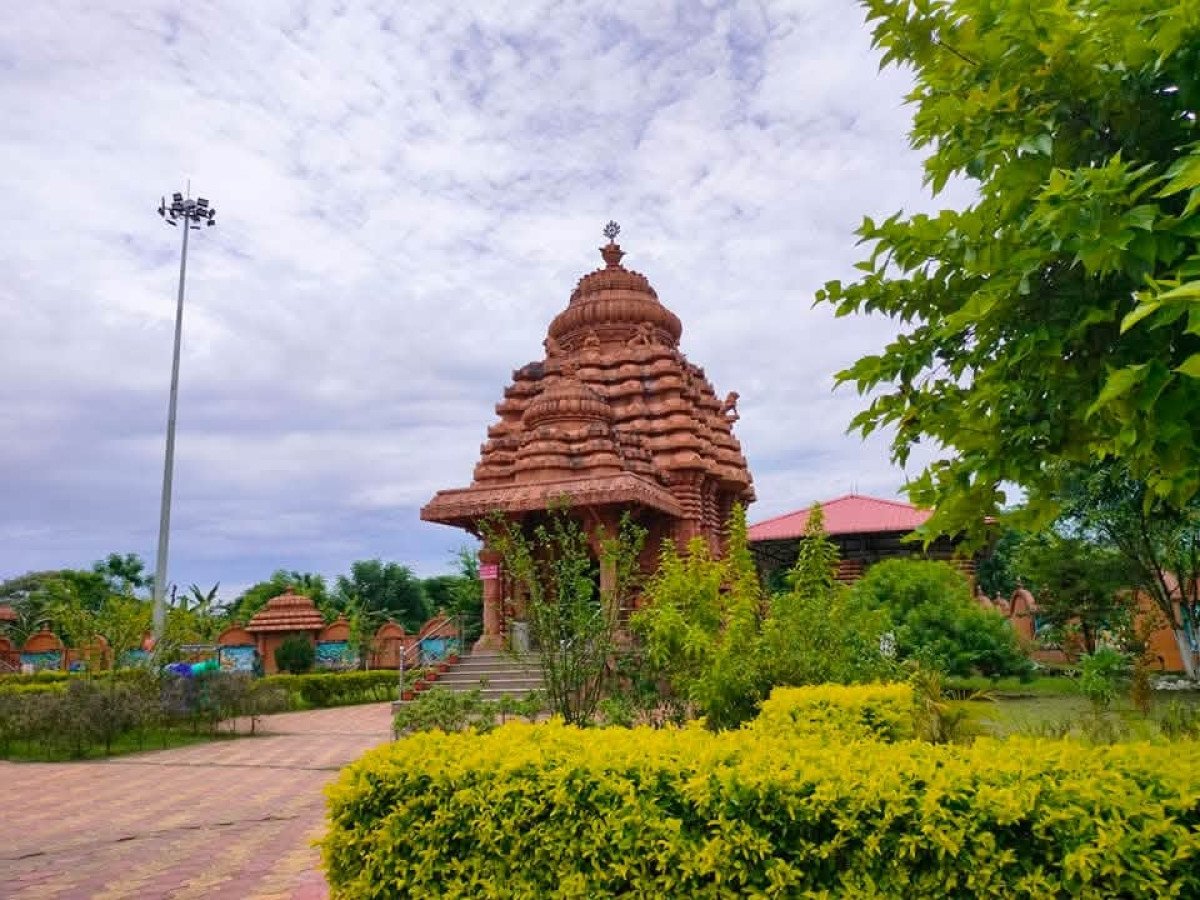
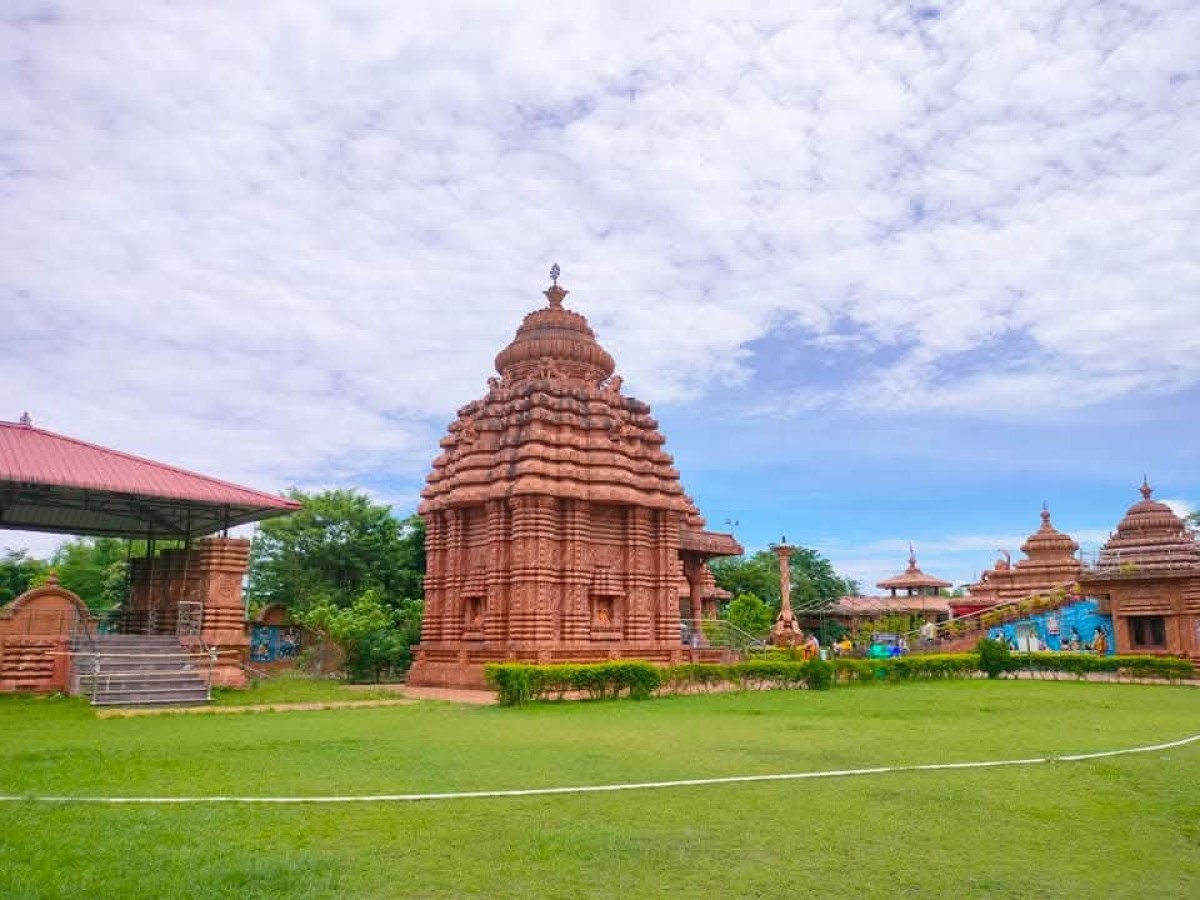
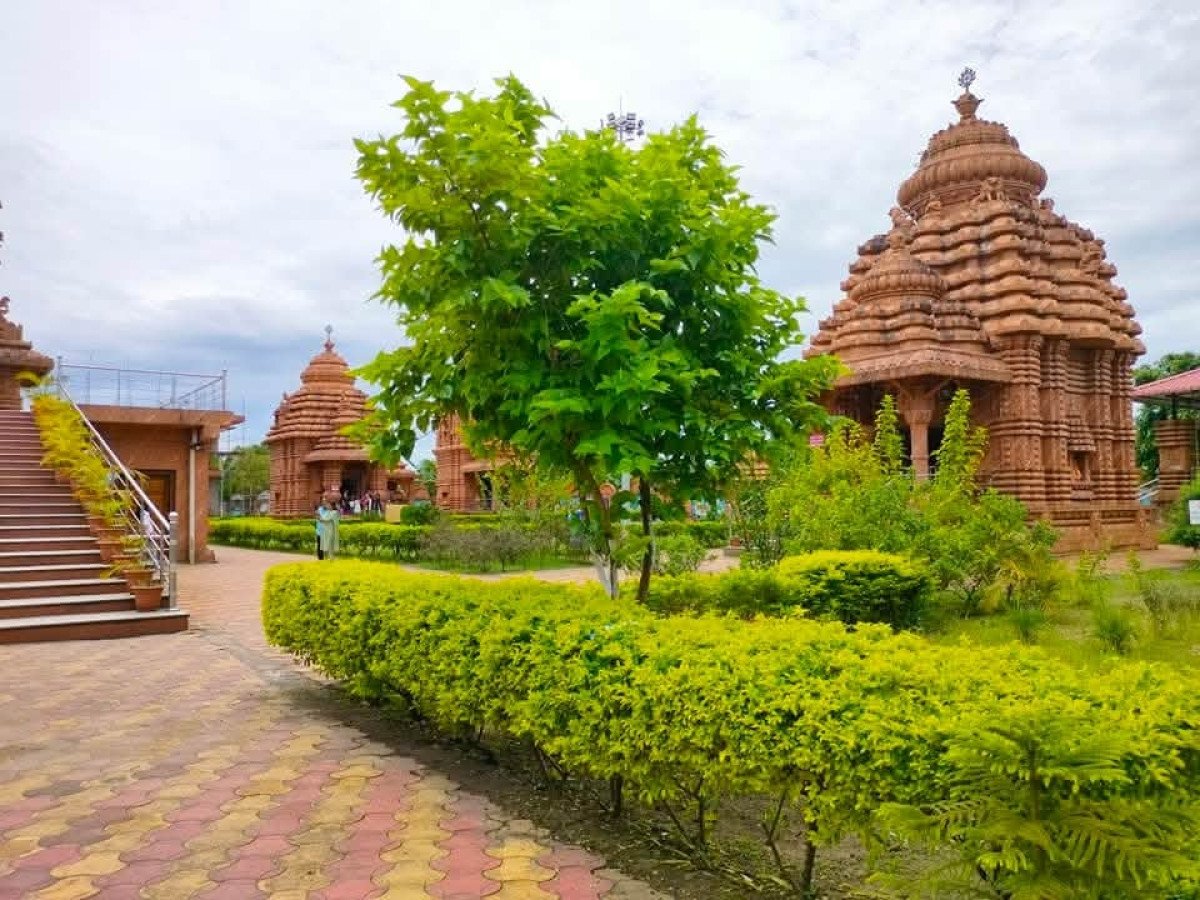
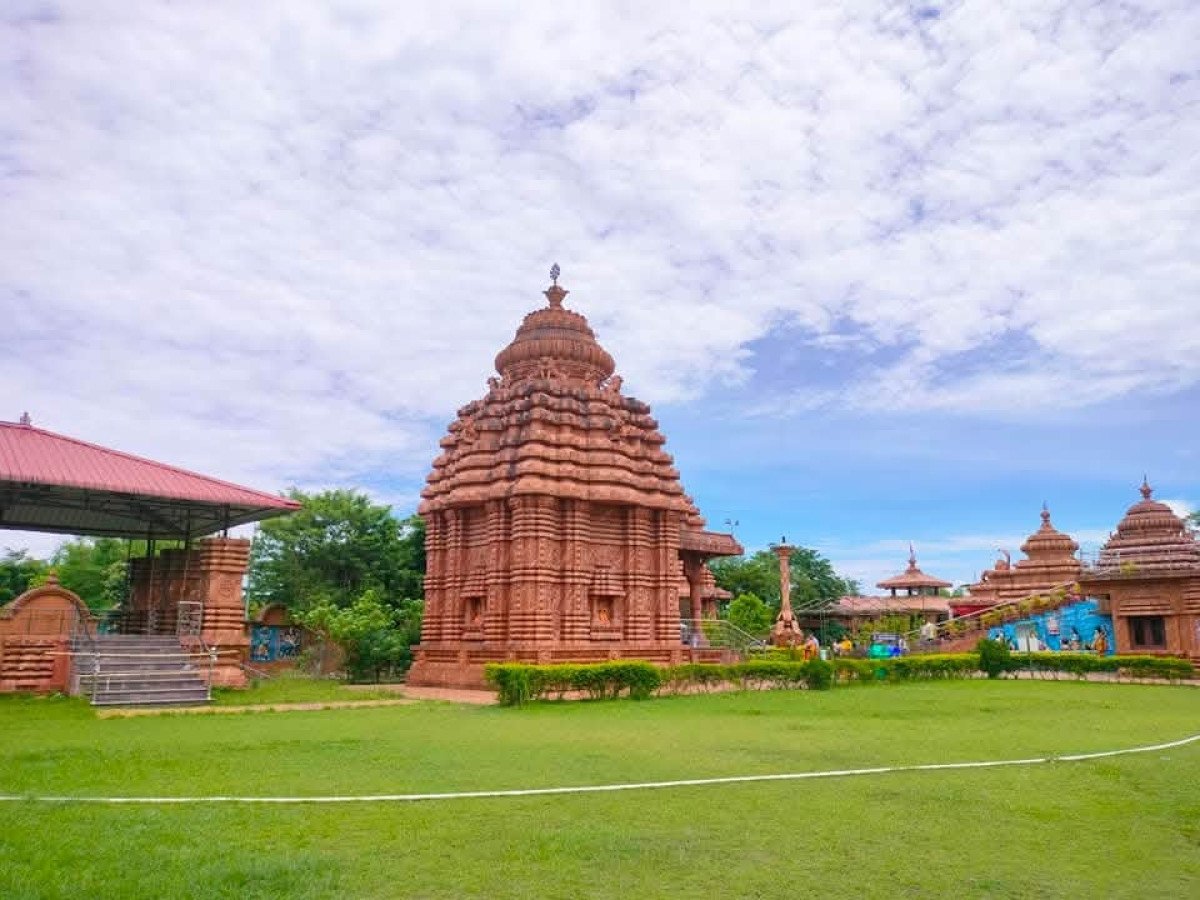
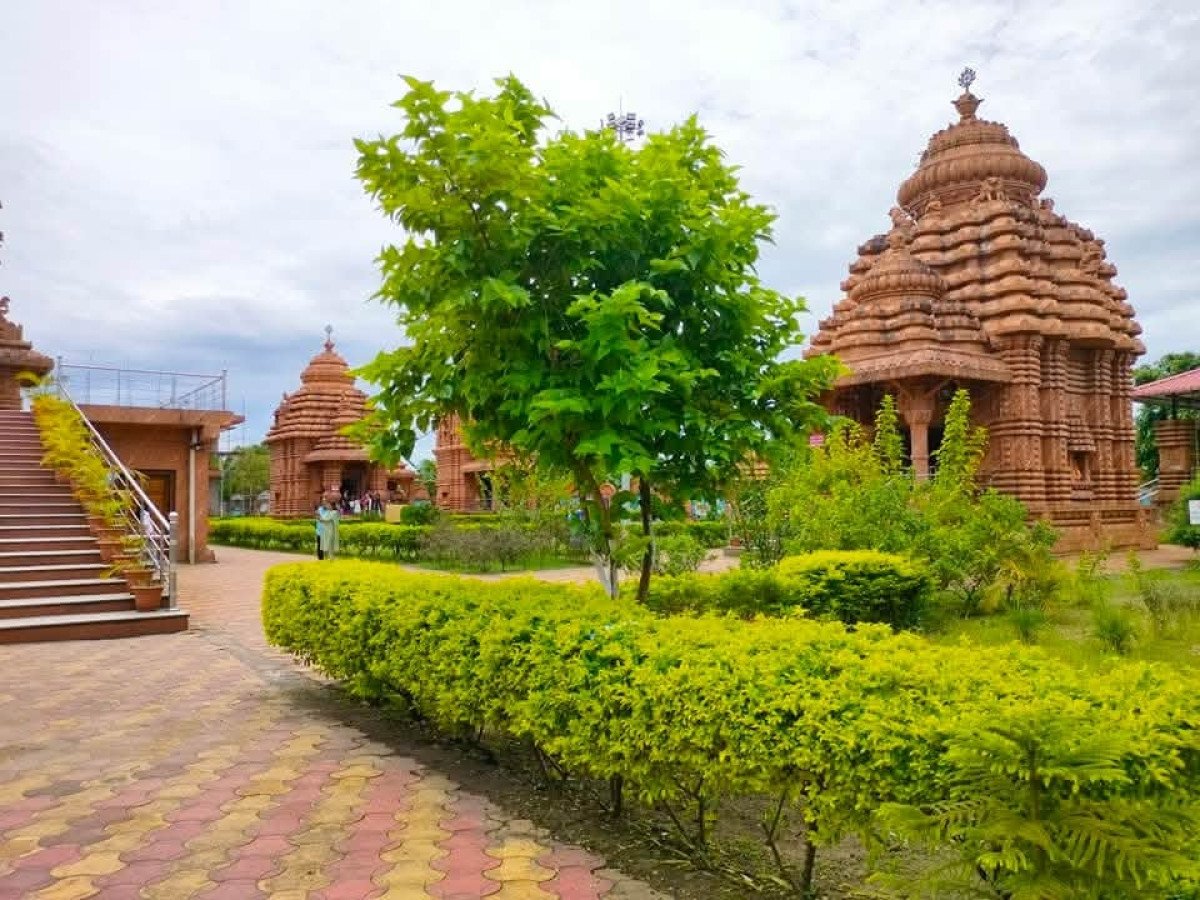
The Main Temple Shikhar (85 ft):The towering, curvilinear Shikhar is the most photogenic feature. Stand in the main courtyard to capture its full height. The best light for this is often when the sun is behind you, highlighting the intricate relief work. Aim for a perspec...The Main Temple Shikhar (85 ft):The towering, curvilinear Shikhar is the most photogenic feature. Stand in the main courtyard to capture its full height. The best light for this is often when the sun is behind you, highlighting the intricate relief work. Aim for a perspective that emphasizes the massive scale and the traditional Kalinga architecture, often by including the main gate (Simhadwara) in the frame.
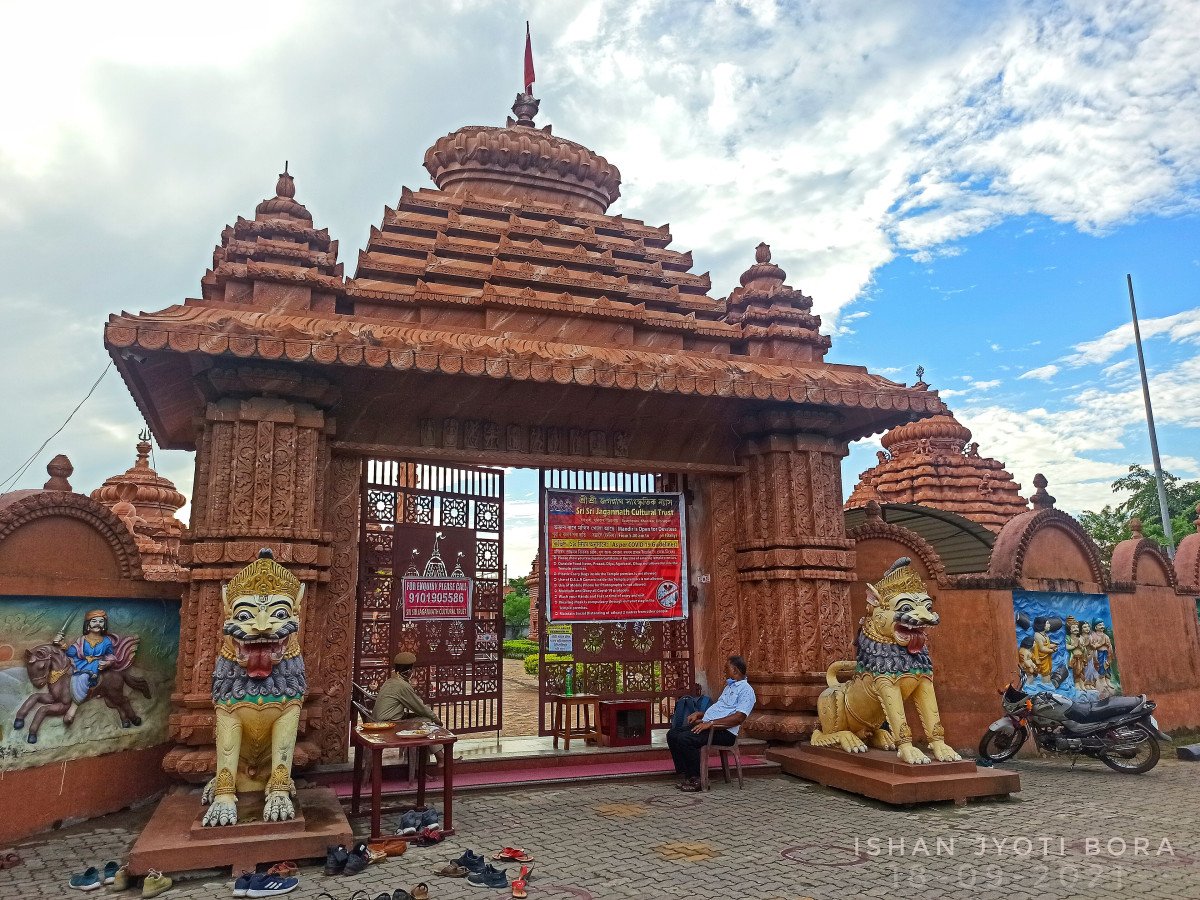
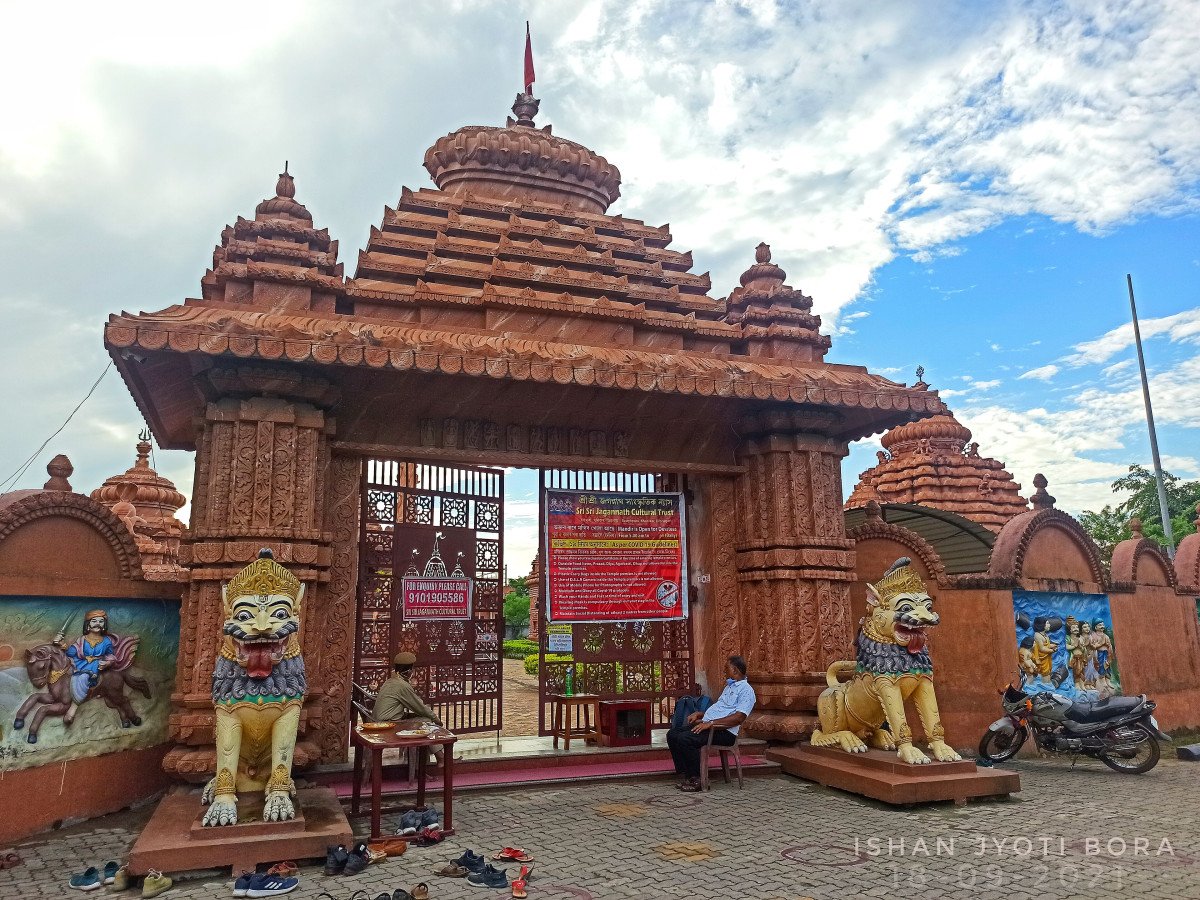
The Simhadwara (Lion Gate):The main entrance, with the lion sculptures on either side, is an excellent spot to capture the temple's architectural detail and grand welcome. Focus on the detail of the lion sculptures and the traditional Odia/Kalinga motifs above the doorway. This spot also offers a great frame for candid shots of devotees entering and leaving the temple.
Sculptural Reliefs on the Outer Walls:The intricate carvings depicting mythological scenes are a hidden photo gem. Use a zoom lens or close-up shots to capture the fine details of the stone carving. Focus on the panels that tell the story of Krishna Leela or figures of celestial beings. These detailed shots highlight the craftsmanship and the artistic investment in the replica.
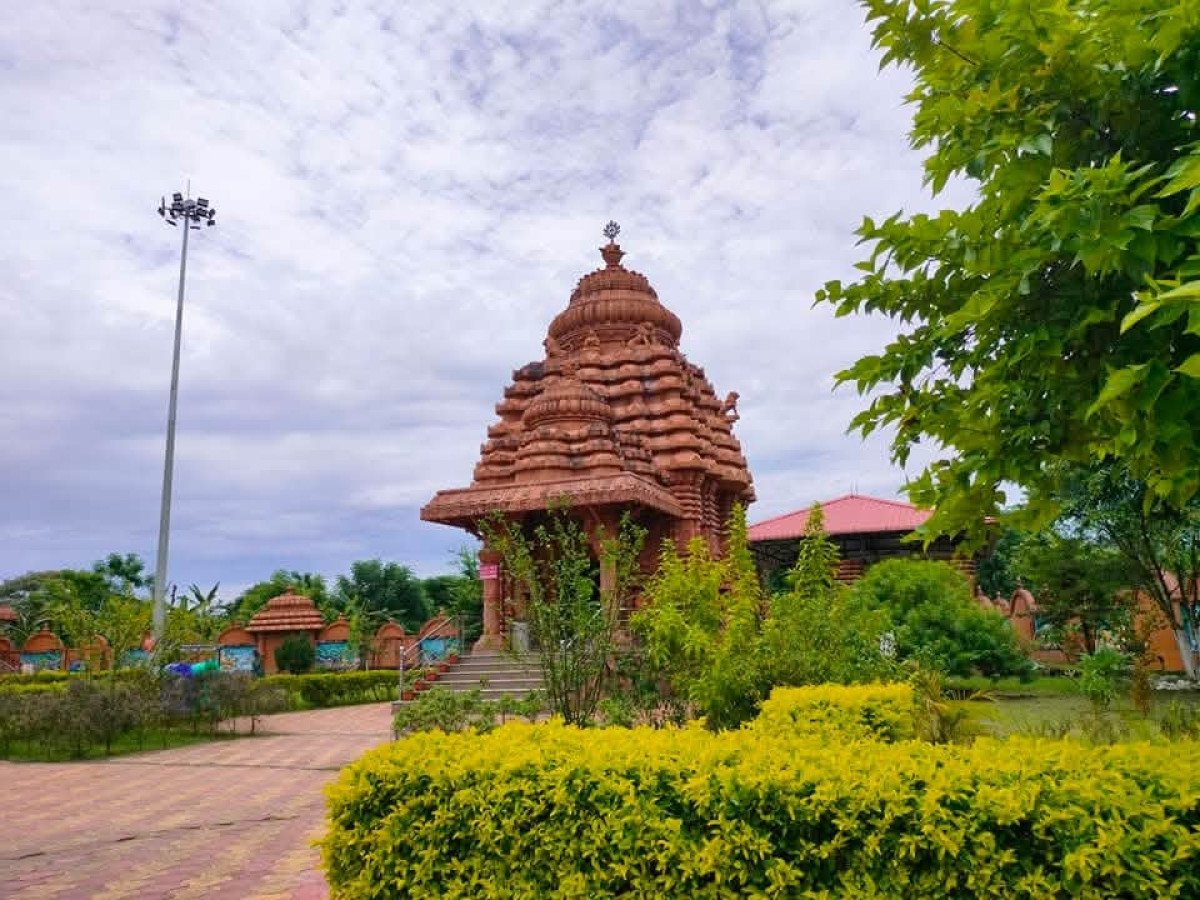
Framing the Temple with Greenery:Step back a little from the temple premises, perhaps across the road or in an adjacent elevated area (if safe and accessible), to frame the temple's red structure against the lush green backdrop of the surrounding landscape, characteristic of Upper Assam. This contrast of color and texture is visually stunning and places the monument in its regional context.Photo Gallery
Things To Do
-
Attend the Daily Aarti and Puja:The primary activity is to participate in the daily religious rituals. Inquire about the schedule for the morning (Mangal Aarti), afternoon (Bhoga or offering), and evening (Sandhya Aarti) ceremonies. Being present during the Aarti offers the deepest spiritual connection and a chance to observe the temple's daily life. Remember to maintain silence and follow the prescribed decorum during these times.
Circumambulation (Parikrama) and Shrine Visits:Perform a clockwise circumambulation (Parikrama) around the main temple. Pay your respects at the seven subsidiary temples within the complex, which are dedicated to deities like Lord Shiva and Lord Ganesha. Take time to study the intricate carvings and relief sculptures on the outer walls and the main entrance (Simhadwara). The narrative panels on th...Attend the Daily Aarti and Puja:The primary activity is to participate in the daily religious rituals. Inquire about the schedule for the morning (Mangal Aarti), afternoon (Bhoga or offering), and evening (Sandhya Aarti) ceremonies. Being present during the Aarti offers the deepest spiritual connection and a chance to observe the temple's daily life. Remember to maintain silence and follow the prescribed decorum during these times.
Circumambulation (Parikrama) and Shrine Visits:Perform a clockwise circumambulation (Parikrama) around the main temple. Pay your respects at the seven subsidiary temples within the complex, which are dedicated to deities like Lord Shiva and Lord Ganesha. Take time to study the intricate carvings and relief sculptures on the outer walls and the main entrance (Simhadwara). The narrative panels on the walls offer a visual lesson in Hindu mythology.
Meditation and Spiritual Reflection:The atmosphere inside the temple complex is calm and serene. Find a quiet corner on the temple grounds (outside the main sanctum) to sit and meditate. The tranquil environment, coupled with the sacred energy of the deity, provides an ideal setting for spiritual contemplation and seeking peace of mind, away from the hustle of the city.
Photography of the Kalinga Architecture:Capture the magnificent Kalinga architecture. Focus on the height of the Shikhar (85 feet) and the intricate details of the sculptural work on the walls and gates. Use wide-angle shots from the courtyard to capture the entire structure. The best time for exterior photography is early morning or late afternoon when the red stone is beautifully illuminated by the sun's gentle light.
Note: Photography inside the main sanctum is usually restricted. Witnessing the Rath Yatra Preparations (If Timed Right):If visiting in May or early June, you might catch the preparations for the grand annual Rath Yatra. Observing the construction or decoration of the chariots, which is often a community effort, provides a unique cultural insight into the magnitude of the festival. Check the specific dates of the festival before planning a visit.
Enjoying the Temple's Landscape and Grounds:The temple is well-maintained and surrounded by a clean, green garden area. Take a leisurely stroll on the premises. The elevated platform of the main temple offers a good vantage point for viewing the surrounding landscape, which often includes glimpses of nearby tea estates and the general Upper Assam scenery. This is a relaxing activity after the main darshan.
Sampling Local Temple Food (Prasad):Inquire about the Prasad (consecrated food offering) distribution. Like the Puri temple, this temple may also offer simple, sacred food to devotees. Partaking in the Prasad is considered an act of devotion and a cultural experience. There might be a small cafeteria or shops nearby selling traditional Assamese snacks and drinks.
Information
-
Why Famous:
Replica of the Holy Puri Temple:Its most significant fame comes from being an accurate, though smaller, replica of the revered Shri Jagannath Temple in Puri. For devotees who cannot travel the long distance to Odisha, this temple serves as a local 'Srikshetra Dham,' allowin...Replica of the Holy Puri Temple:Its most significant fame comes from being an accurate, though smaller, replica of the revered Shri Jagannath Temple in Puri. For devotees who cannot travel the long distance to Odisha, this temple serves as a local 'Srikshetra Dham,' allowing them to experience the spiritual atmosphere and offer prayers to Lord Jagannath, Lord Balabhadra, and Devi Subhadra. This spiritual accessibility has made it extremely popular among the Hindu community in Northeast India.
Magnificent Kalinga Architecture:The temple is renowned for its striking architecture. The faithful reproduction of the Kalinga style, with its towering Shikhar (85 feet high) and detailed red-stone carvings, stands out in the landscape of Dibrugarh. The sheer scale and intricate craftsmanship draw tourists and architectural enthusiasts alike, establishing it as one of the most beautiful modern temples in Assam.
Grand Rath Yatra Celebration:The temple is famous for hosting a spectacular annual Rath Yatra (Chariot Festival), which mirrors the celebrated procession in Puri. This event, typically held in June or July, is a massive cultural and religious draw, bringing the community together and attracting thousands of visitors who wish to participate in the grand procession of the deities. -
Architecture:
Kalinga Temple Architecture:The temple is a masterpiece of modern construction following the classical Kalinga style of architecture, which is typical of temples in Odisha, especially the Puri Jagannath Temple. This style is characterized by a high, curvilinear tower (Shikh...Kalinga Temple Architecture:The temple is a masterpiece of modern construction following the classical Kalinga style of architecture, which is typical of temples in Odisha, especially the Puri Jagannath Temple. This style is characterized by a high, curvilinear tower (Shikhara or Rekha Deula in Odia) over the sanctum and a pyramidal roof (Pida Deula) over the entrance hall. The structure employs red stone, giving it an authentic and traditional look.
Structural Dimensions and Complex Layout:The main temple Shikhara stands at an approximate height of 85 feet (about 26 meters), making it a prominent landmark. The temple complex is typically enclosed by a high boundary wall, which is about 9. 8 feet (3 meters) tall and features beautiful, carved sculptures. The complex is spread over a sizable area, with the central deity's temple on a raised platform. The main entrance, or Simhadwara (Lion Gate), is adorned with lion statues, a signature feature of Kalinga temple gates.
Intricate Sculpture and Relief Work:The walls of the temple and the compound are richly decorated with relief sculptures. These carvings are not merely ornamental; they narrate religious tales from Hindu mythology, particularly those associated with Lord Krishna and other Puranic episodes. This detailed craftsmanship requires skilled artisans, many of whom were reportedly brought from Odisha to ensure architectural authenticity. -
How To Reach:
By Air (Mohanbari Airport - DIB):The nearest airport is Dibrugarh Airport (Mohanbari Airport - DIB), situated about 11-12 KMs from the temple. The airport offers connectivity to key metropolitan cities across India. Upon arrival, you can easily hire a pre-paid taxi, a priv...By Air (Mohanbari Airport - DIB):The nearest airport is Dibrugarh Airport (Mohanbari Airport - DIB), situated about 11-12 KMs from the temple. The airport offers connectivity to key metropolitan cities across India. Upon arrival, you can easily hire a pre-paid taxi, a private cab, or an app-based taxi to reach the temple via the Dibrugarh-Tinsukia bypass road. The journey by road typically takes about 20-30 minutes.
By Train (Dibrugarh Town Railway Station - DBRT):The temple is conveniently located near the city's main terminal, Dibrugarh Town Railway Station (DBRT), which is approximately 7-8 KMs away. Dibrugarh is a major railway junction connecting Upper Assam to the national network. From the station, you can hire a local auto-rickshaw (negotiate the fare) or book a taxi. The short drive should take approximately 15-20 minutes.
By Road (Dibrugarh-Tinsukia Bypass):The temple is situated directly on the Dibrugarh-Tinsukia bypass road (near Khanikar), which makes it very easily accessible by road. If you are driving from either Dibrugarh city or Tinsukia, look for the main bypass. The road network in and around the city is generally excellent. The temple's 85-foot Shikhar is often visible from a distance, aiding navigation. Ample parking space is usually available for private vehicles. By Local Transport (Auto-Rickshaws, City Buses, and Cabs):Local travel within Dibrugarh is most convenient using auto-rickshaws and app-based taxis (cabs). Since the temple is a well-known landmark, finding local transport from any point in the city is straightforward. City buses also ply on the Dibrugarh-Tinsukia road, providing a very economical option, though they may require a short walk from the main road stop. Always confirm the destination (Khanikar/Jagannath Temple) with the driver before starting the journey. -
Weather and Best Time to Visit:
Winter Season (October to March):This is the Best Time to Visit. The weather is cool, pleasant, and dry, with temperatures ranging from 10°C to 25°C. The moderate climate is perfect for spending time in the open temple complex and participating in all the rituals comfort...Winter Season (October to March):This is the Best Time to Visit. The weather is cool, pleasant, and dry, with temperatures ranging from 10°C to 25°C. The moderate climate is perfect for spending time in the open temple complex and participating in all the rituals comfortably. The skies are generally clear, which is ideal for viewing the temple's architectural splendor.
Summer Season (April to May):The weather is hot and humid, reaching over 30°C. It is Less Ideal for a visit. If traveling during this time, strictly limit your visit to the early morning or late evening hours to avoid the intense heat. Wear light, minimal clothing, and stay hydrated, especially since you may need to walk barefoot within the temple premises.
Monsoon Season (June to September):This season is a mix. While the air is cleaner and the surrounding nature is lushest, heavy rainfall can disrupt travel and make walking within the complex difficult. However, the month of June/July is when the grand Rath Yatra takes place, making it the most significant time for devotees despite the weather. Carry appropriate rain gear.
Different Parts of the Day (Morning and Evening):The early Morning (7:00 AM to 9:00 AM) is the Ideal time for spiritual seekers to witness the opening rituals in a calm environment. The early Evening (6:00 PM to 7:30 PM) is equally rewarding, as the temple is beautifully lit for the Sandhya Aarti, providing a warm, spiritual ambiance and great photography light. Avoid the midday closing hours (12:00 PM to 4:00 PM). -
Near Tourist Places:
1.
Dibrugarh Town Railway Station: (Landmark) - Approx. 7 KMs2.
Mancotta Tea Estate: (Tea Garden) - Approx. 5 KMs3.
Barbarua Maidam: (Historical) - Approx. 9 KMs4.
Radha Krishna Mandir: (Religious) - Approx. 6 KMs5.
Lekai Chetia Maidam: (Historical/Thaan) - Approx. 9 KMs6.
Jokai Botanical Garden Reserve Forest: (Nature/Forest) - Approx. 12 KMs7.
Thana Chariali: (Shopping Hub) - Approx. 6 KMs8.
Dibrugarh University: (Landmark) - Approx. 10 KMs9.
Mohanbari Airport (DIB): (Landmark) - Approx. 11 KMs10.
Bogibeel Bridge: (Engineering Marvel) - Approx. 35 KMs
Tourism Tips
-
Health & Safety Guidelines:Since you have to walk barefoot inside the temple, be careful, especially if the ground is hot in the Summer or wet during the Monsoon. Carry a small bag for your footwear. Drink bottled or purified water only. The area is generally safe, but ke...Health & Safety Guidelines:Since you have to walk barefoot inside the temple, be careful, especially if the ground is hot in the Summer or wet during the Monsoon. Carry a small bag for your footwear. Drink bottled or purified water only. The area is generally safe, but keep your valuables secure, especially during crowded festivals like Rath Yatra. Be prepared for the tropical humidity in the non-winter months.
Packing Essentials:Wear modest attire—no shorts, sleeveless tops, or short skirts—as a sign of respect for the religious site. Traditional Indian wear (like sarees, salwar kameez for women and shirts and trousers/ dhoti for men) is preferred. Pack light cotton clothing for humidity and a sweater/shawl for the cool Winter evenings. A camera for exterior shots and a pair of sunglasses are useful.
Accommodation Options:As the temple is close to the city, the best accommodation options are in Dibrugarh city proper. You can find a range of hotels from budget to luxury, such as Hotel Natraj, Hotel Rajhans, or guesthouses near the Dibrugarh Town Railway Station area. Booking a hotel near the bypass road or the town center will give you easy access to the temple. It is advisable to book at least a month in advance if planning to visit during the Rath Yatra festival.
Respecting Temple Customs & Conduct:Always leave your footwear and leather items (belts, bags) outside the temple complex. Photography is generally restricted inside the main sanctum; respect all signs and the instructions of the temple staff. Maintain silence and reverence inside the worship areas. Avoid touching the deities or sacred objects. Make a small, voluntary donation to the temple's maintenance fund if you wish, but never feel obliged to do so.
Reviews
FAQs
Dibrugarh Itineray And Cost:-
Shri Jagannath Temple Tourism:-
Other Places In Dibrugarh :-
Other States In India :-
Information about New and Updated Locations() of Assam Has Been Added :-
Card subtitle
Note:-
Information provided here in good Faith and for reference only.
Near Places

Anthropological Museum Of Indigenous Peoples
Some quick example text to build on the card title and make up the bulk of the card's content.
Go somewhere
Barbarua Maidam
Some quick example text to build on the card title and make up the bulk of the card's content.
Go somewhere
Bogibeel Bridge
Some quick example text to build on the card title and make up the bulk of the card's content.
Go somewhere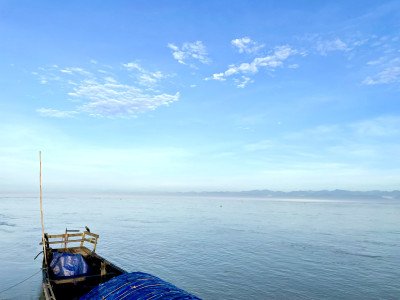
Brahmaputra Riverfront
Some quick example text to build on the card title and make up the bulk of the card's content.
Go somewhere
Dehing Namti Satra
Some quick example text to build on the card title and make up the bulk of the card's content.
Go somewhere
Dibrugarh Phoolbagan Ferry Ghat
Some quick example text to build on the card title and make up the bulk of the card's content.
Go somewhere
Dinjoy Satra
Some quick example text to build on the card title and make up the bulk of the card's content.
Go somewhere
Jokai Botanical Garden
Some quick example text to build on the card title and make up the bulk of the card's content.
Go somewhere
Lekai Chetia Maidam
Some quick example text to build on the card title and make up the bulk of the card's content.
Go somewhere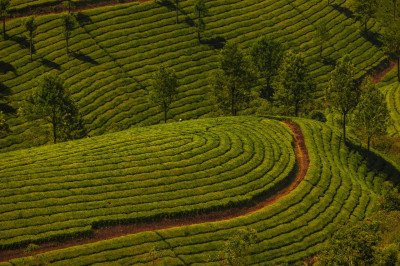
Mancotta Tea Estate
Some quick example text to build on the card title and make up the bulk of the card's content.
Go somewhere
Naharkatia Town
Some quick example text to build on the card title and make up the bulk of the card's content.
Go somewhere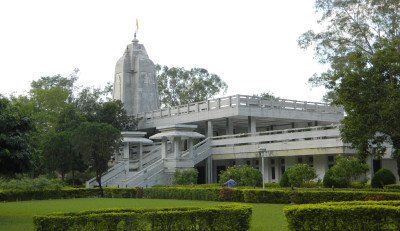
Radha Krishna Mandir
Some quick example text to build on the card title and make up the bulk of the card's content.
Go somewhere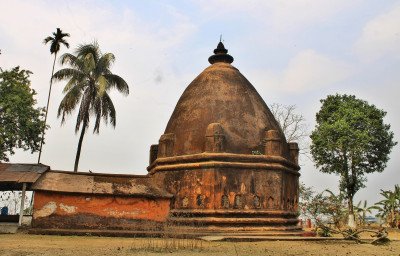
Raidongia Dol
Some quick example text to build on the card title and make up the bulk of the card's content.
Go somewhere
Raidongia Dol or Raidongia Shiv Doul
Some quick example text to build on the card title and make up the bulk of the card's content.
Go somewhere
Sarumechlow and Bormechow Maidam
Some quick example text to build on the card title and make up the bulk of the card's content.
Go somewhere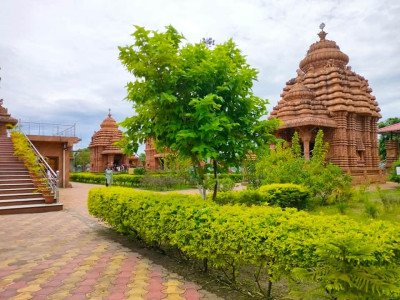
Shri Jagannath Temple
Some quick example text to build on the card title and make up the bulk of the card's content.
Go somewherein Other Cities