Somnath
General information
-
Ideal Duration:
1 to 2 DaysPlace Type:
Religious, HeritageEntry Fees:
General Entry: Free for all visitors for Darshan.
Sound Show: Rs.30 for adults and Rs.10 for children.
Photography: Prohibited inside the temple. ...General Entry: Free for all visitors for Darshan.
Sound Show: Rs.30 for adults and Rs.10 for children.
Photography: Prohibited inside the temple.Timing:
Regular Timings: Open from 6:00 AM to 9:30 PM daily.
Aarti Times: Morning at 7:00 AM, Noon at 12:00 PM, and Evening at 7:00 PM.
Ideal Visit Time: Early morning or late evening. ...Regular Timings: Open from 6:00 AM to 9:30 PM daily.
Aarti Times: Morning at 7:00 AM, Noon at 12:00 PM, and Evening at 7:00 PM.
Ideal Visit Time: Early morning or late evening.Special Events:
Maha Shivratri: The festival is celebrated with great pomp and show in February or March with thousands of pilgrims.
Kartik Purnima Fair: A massive fair is organized in November which lasts for five days and includes cultural programs. ...Maha Shivratri: The festival is celebrated with great pomp and show in February or March with thousands of pilgrims.
Kartik Purnima Fair: A massive fair is organized in November which lasts for five days and includes cultural programs.Best Photo Spots:
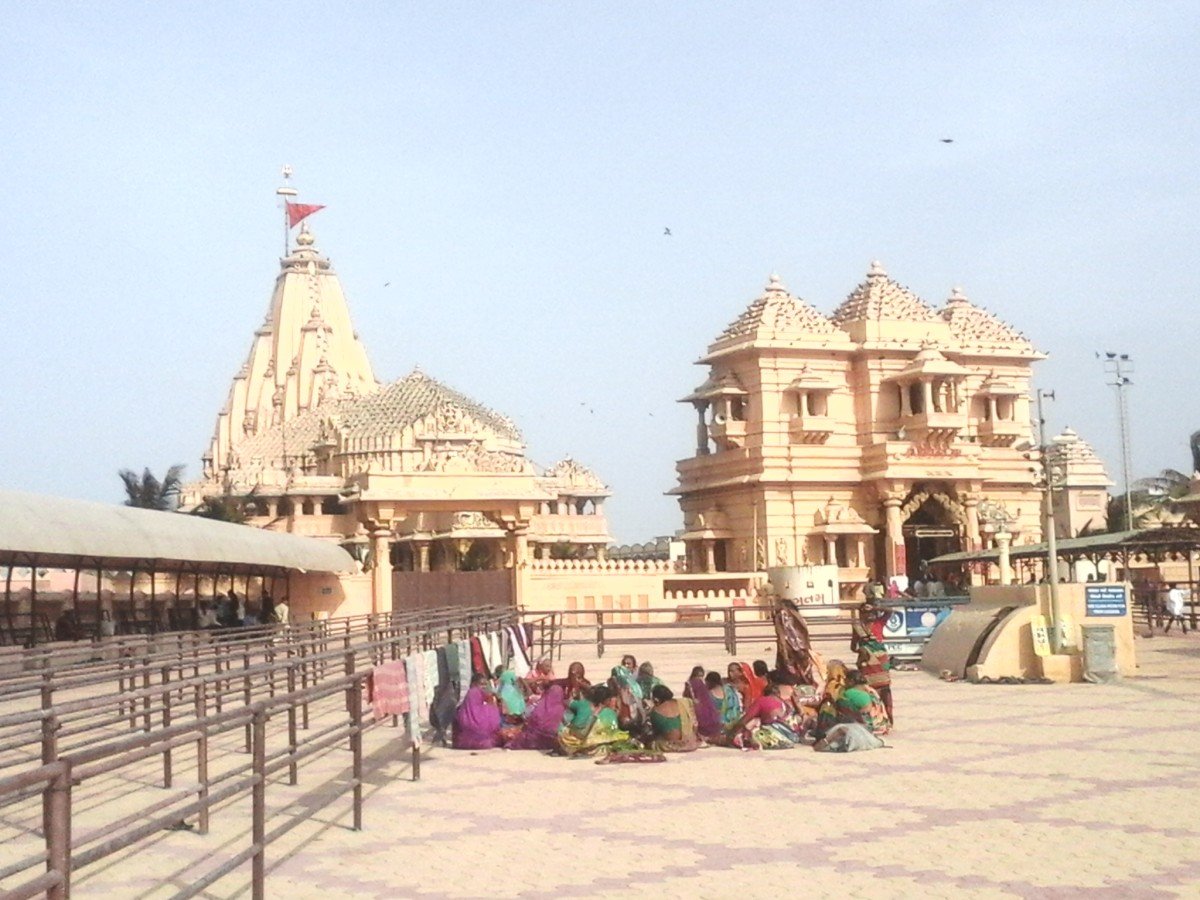
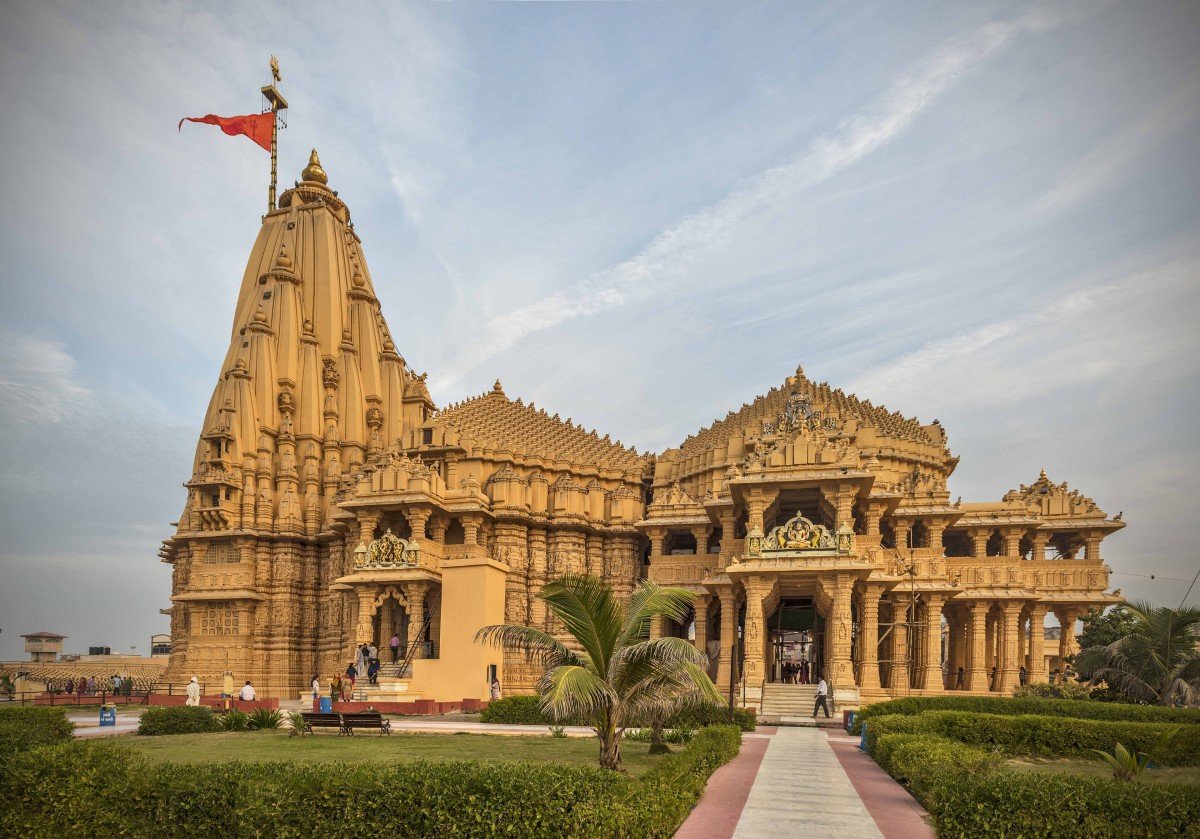
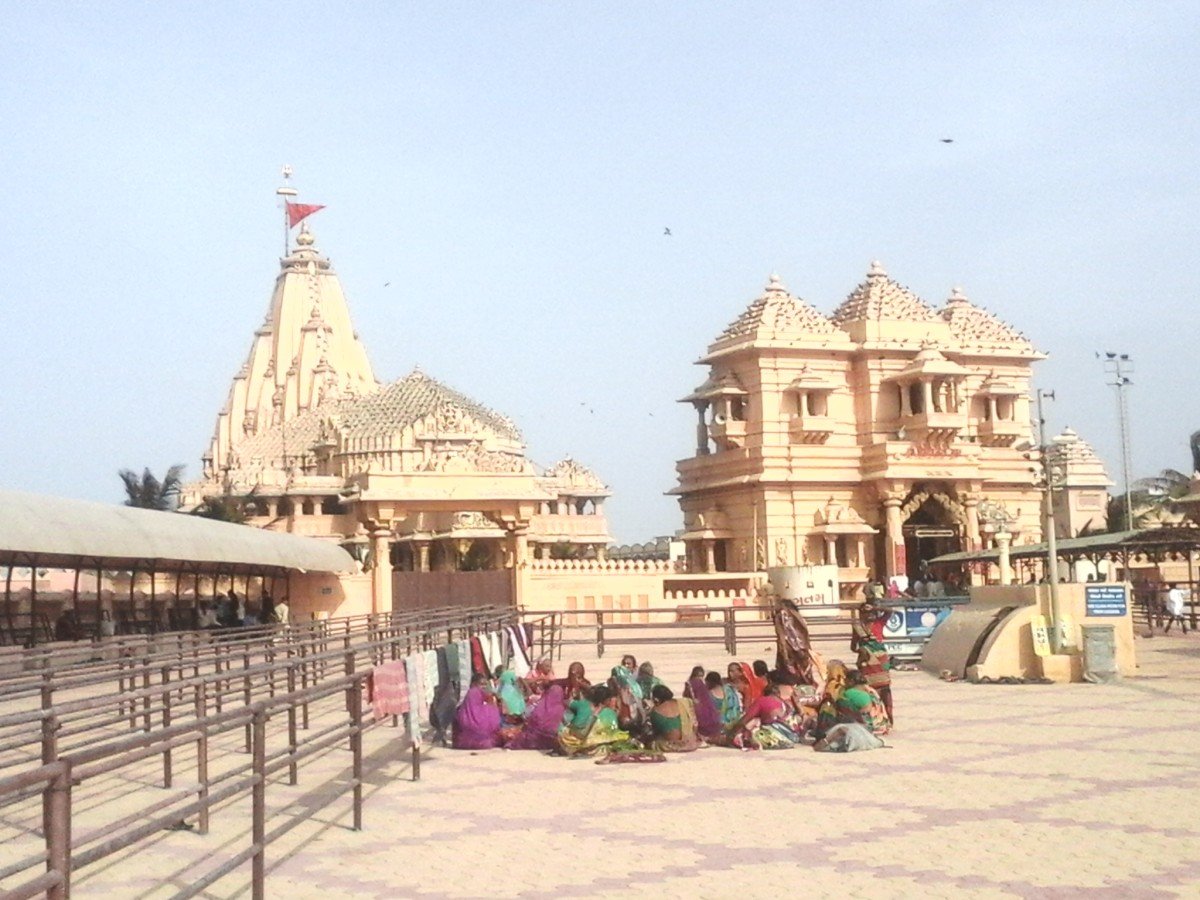
Temple Entrance: The main gate offers a grand view of the entire structure with the sea in the background.
The Arrow Pillar: A unique spot for photos, though photography is restricted inside the inner sanctum area.
Read MoreTemple Entrance: The main gate offers a grand view of the entire structure with the sea in the background.
The Arrow Pillar: A unique spot for photos, though photography is restricted inside the inner sanctum area.
Sunset Point: Capture the golden hour as the sun sets over the Arabian Sea near the temple wall.Photo Gallery
Things To Do
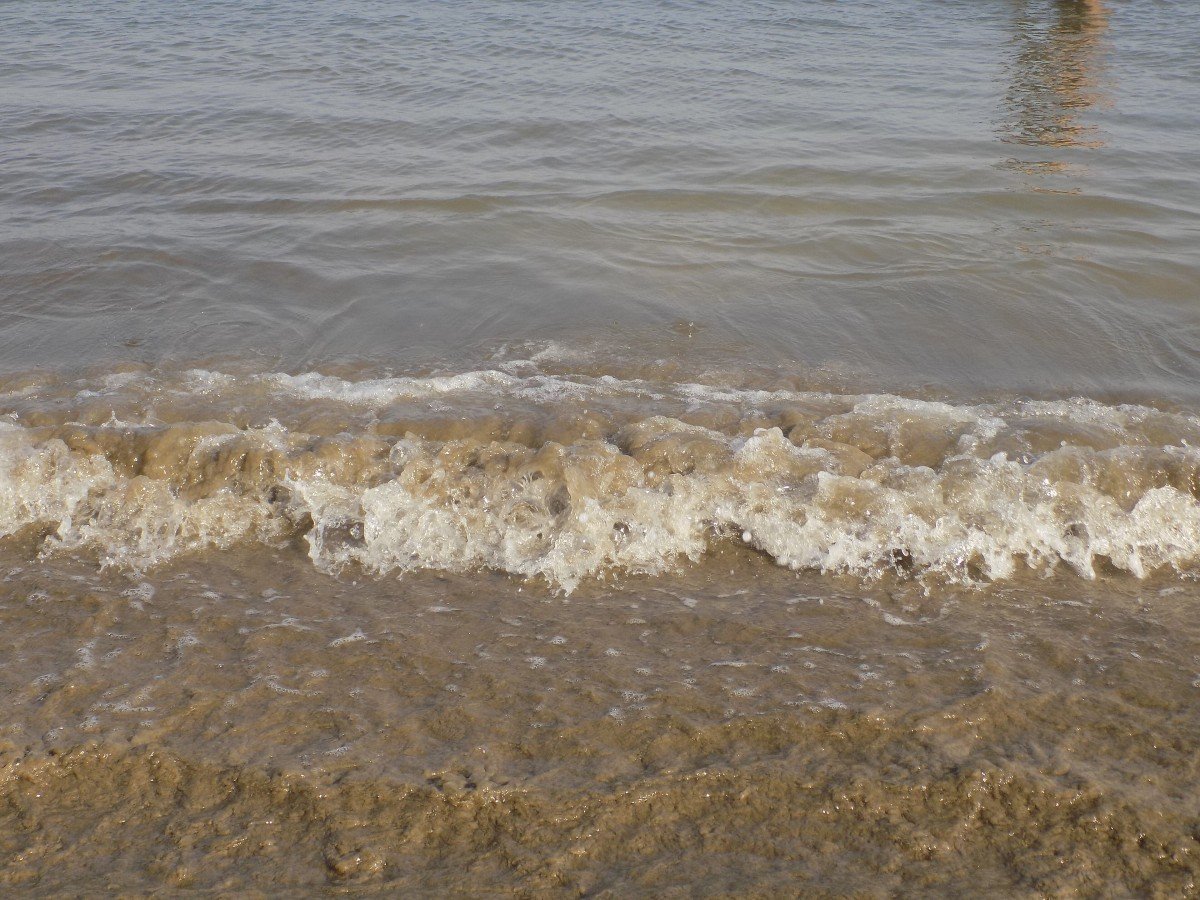
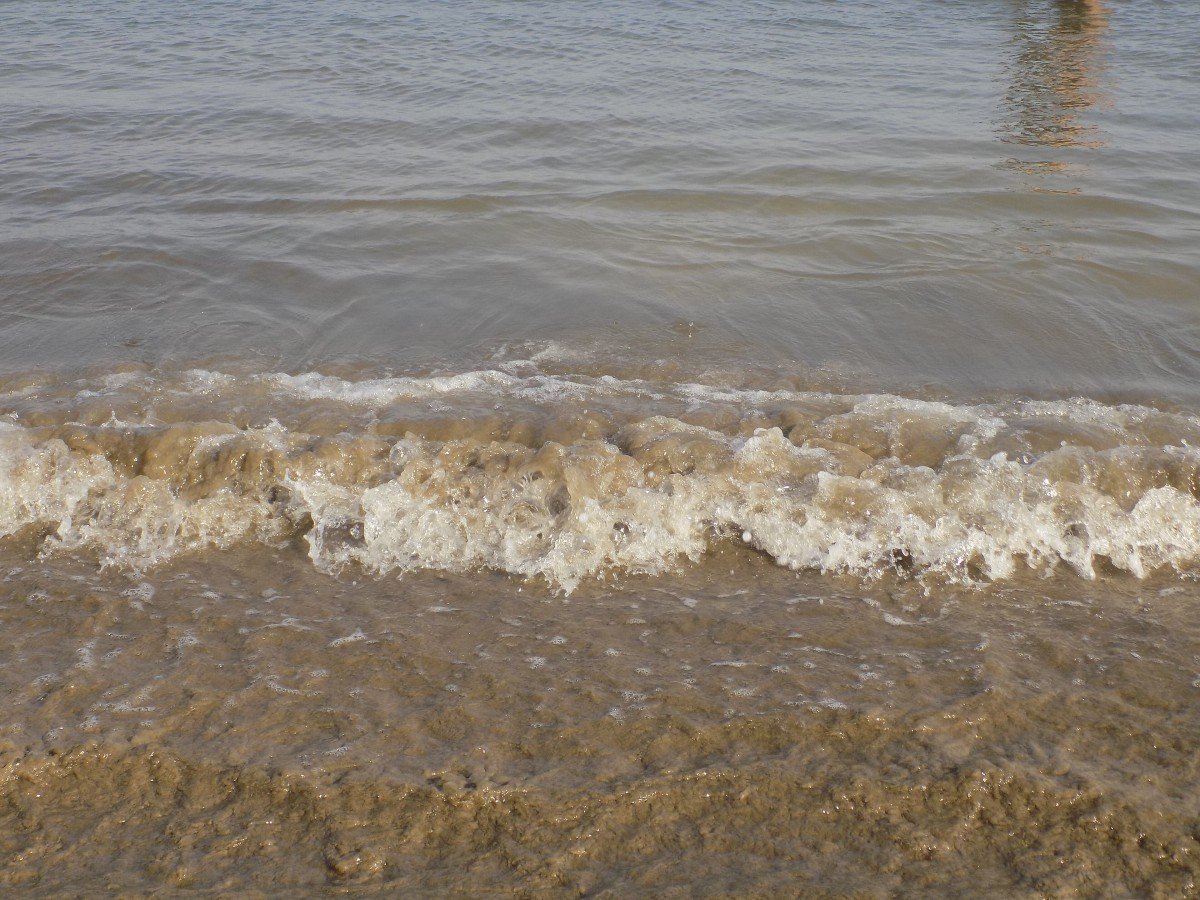
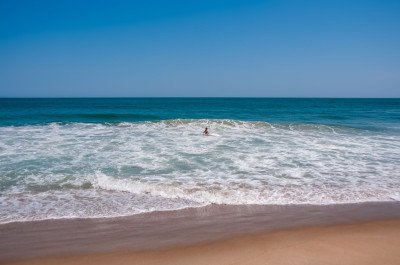 @@Coastal Splendor of Veraval: Veraval Beach is a stunning stretch of coastline located in the fishing hub of Veraval, serving as a peaceful retreat for those visiting the holy town of Somnath. Unlike the busy temple areas, this beach offers a vast expanse of gray and golden sands where one can truly connect with the raw power of the Arabian Sea. Historically, Veraval was a major port for pilgrims traveling to Mecca, and today, the beach serves as a reminder of the town's deep-rooted maritime heritage. The shoreline is characterized by its long, walkable stretches and the constant, soothing rhythm of crashing waves that provide a natural soundtrack for relaxation. While the currents here can be quite strong, making swimming a cautious activity, the beach is perfect for long evening strolls and family outings. The air is filled with the refreshing scent of salt and the occasional aroma of fresh seafood being prepared at local stalls. Visitors can witness the unique sight of massive wooden dhows and colorful fishing boats anchored in the distance, showcasing the traditional boat-building industry that Veraval is famous for. The beach is a hub of local life, where children play in the sand and vendors sell fresh coconut water and local Gujarati snacks. It offers a perfect vantage point to view the horizon where the sky meets the sea in a brilliant display of colors, especially during the twilight hours. The proximity to the Somnath Temple makes it an essential part of the local tourism circuit, providing a natural balance to the intense spiritual energy of the shrines. It is a place where nature's beauty and the region's industrial spirit coexist beautifully, offering a glimpse into the authentic coastal life of Gujarat.
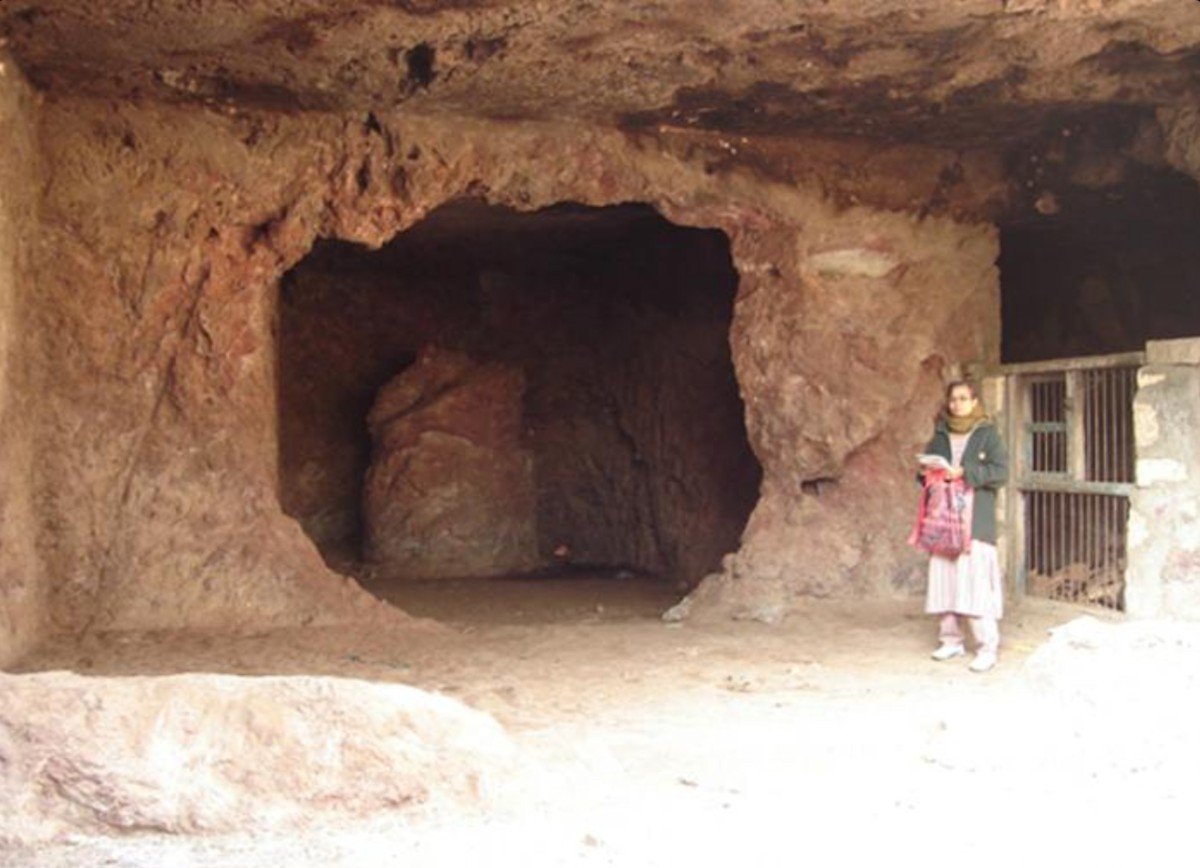
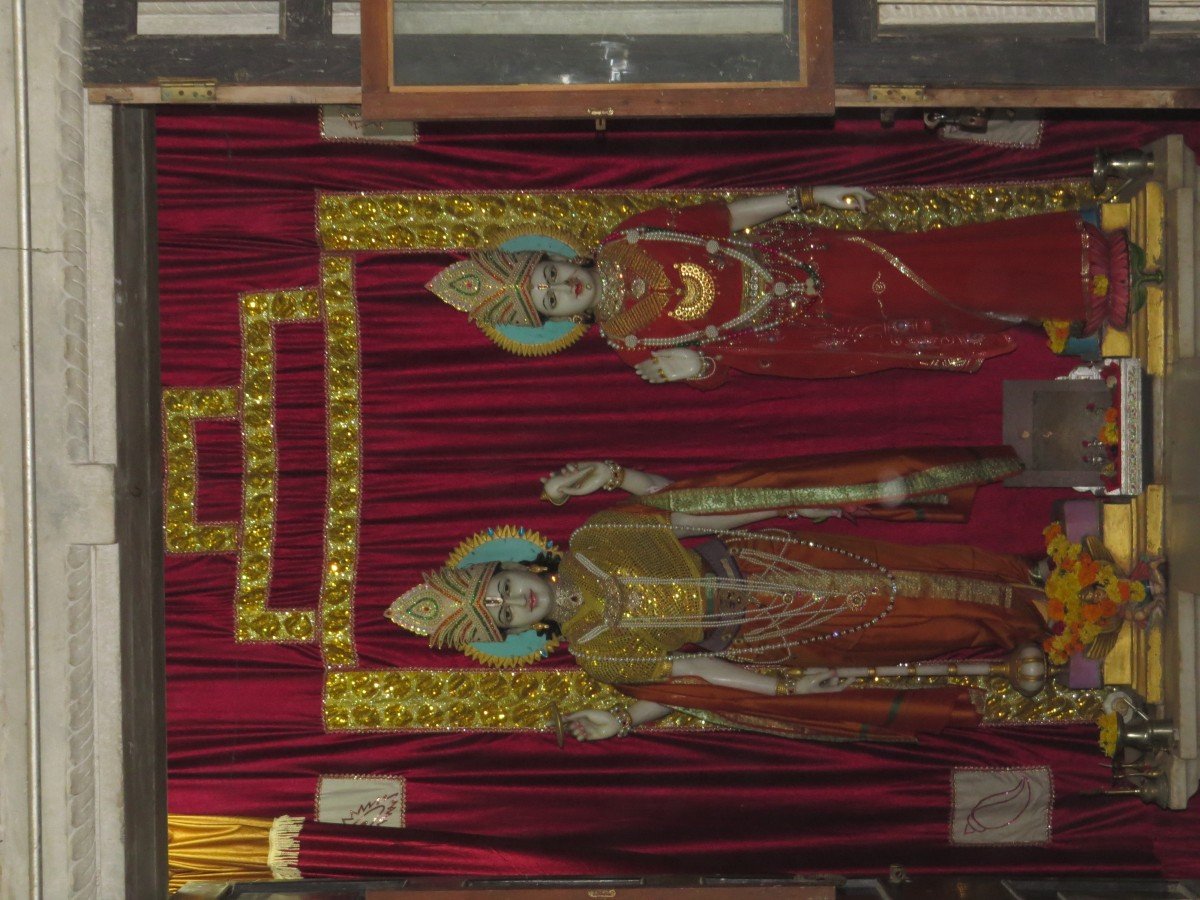
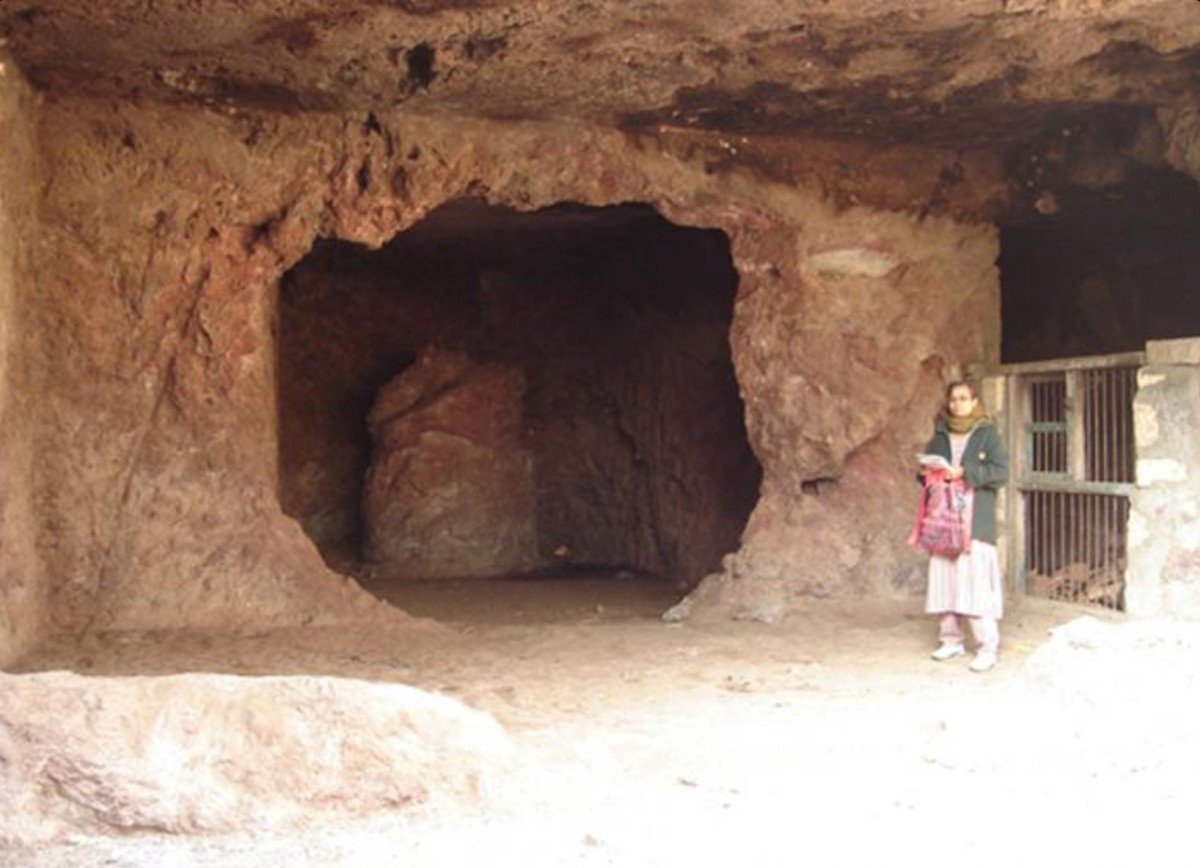
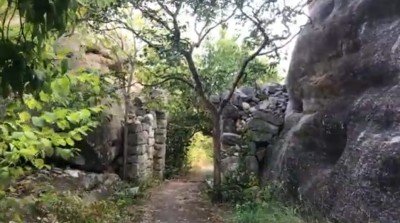 The Panch Pandav Gufa is a fascinating historical and religious site located on a small hillock near the Triveni Sangam. This cave temple is deeply rooted in the Mahabharata epic, as it is believed to be the place where the five Pandava brothers—Yudhishthira, Bhima, Arjuna, Nakula, and Sahadeva—spent time during their period of exile. Discovered in 1949 by Baba Narayandas, the cave also houses a shrine dedicated to Hinglaj Mata, which is why it is often called the Hinglaj Mataji Gufa. The entrance to the cave is quite narrow and requires visitors to bend or crawl slightly, adding an element of adventure to the spiritual visit. Inside, the air is cool and heavy with the scent of incense. The cave contains idols of the Pandavas, Lord Shiva, Lord Rama, Laxman, and Sita. The spiritual energy inside the cave is palpable, offering a sense of stepping back thousands of years into the Vedic era. The site also provides a commanding view of the surrounding landscape and the sea, making it a popular spot for those who enjoy a blend of mythology and natural beauty. It is a "must-visit" for anyone interested in the physical traces of India's ancient epics. :
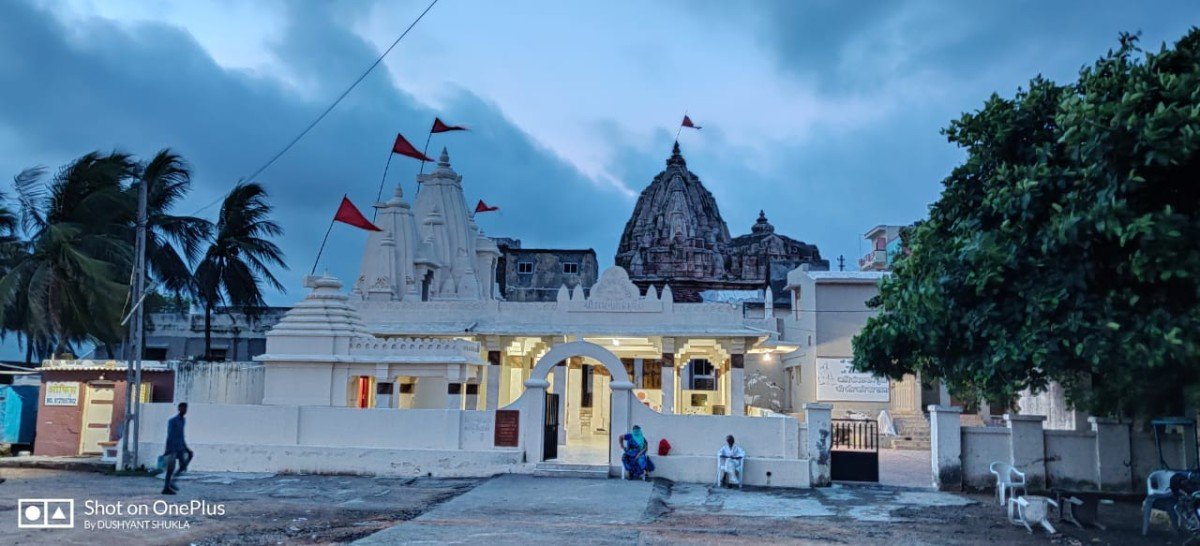
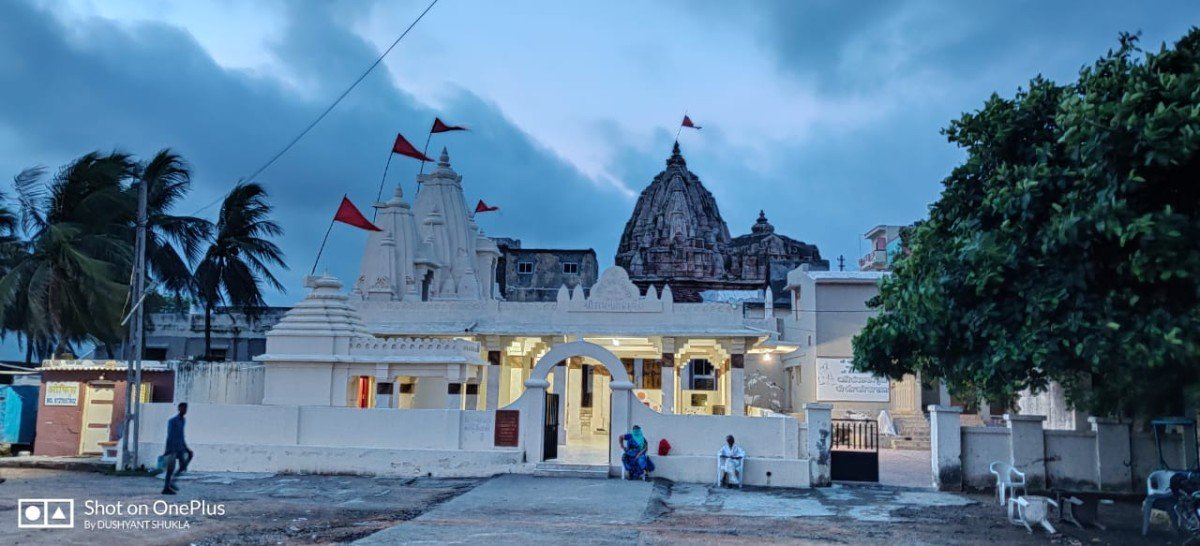
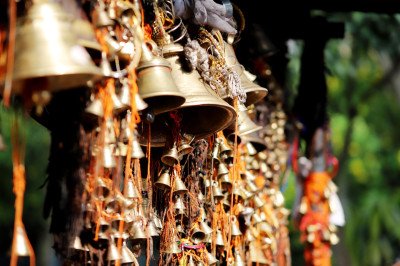 This sacred shrine, also known as the Old Somnath Temple, was commissioned by the legendary Maratha Queen Ahilyabai Holkar of Indore in 1783. The history of this temple is deeply intertwined with the resilience of Hindu faith, as it was built when the original Somnath Temple lay in ruins after multiple invasions. Legend says the Queen had a divine dream of Lord Shiva, guiding her to the exact spot of the Swayambhu (self-manifested) Lingam, which was hidden to protect it from desecration. Unlike the modern grand structure nearby, this temple maintains a quiet, meditative atmosphere that transports visitors back to the 18th century. It served as the primary place of worship for nearly two centuries until the new temple was consecrated in 1951. Today, it remains a vital pilgrimage stop where devotees can experience a more personal and intimate connection with the deity. The spiritual energy here is palpable, and the temple stands as a testament to the architectural and religious patronage of the Holkar dynasty. Visitors often find solace in its simplicity and the deep historical roots it represents.
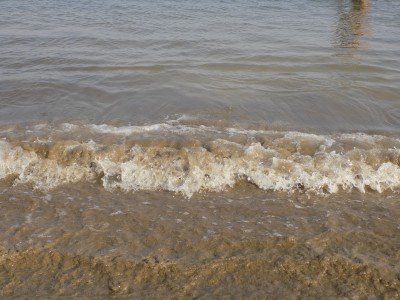 @@Tranquility by the Arabian Sea: Somnath Beach is a stunning stretch of coastline located right next to the famous Shree Somnath Temple. Unlike other commercial beaches, this one offers a spiritual and quiet atmosphere. The shoreline is characterized by golden sands and rocky patches where the powerful waves of the Arabian Sea crash with great force. It is not recommended for swimming due to strong undercurrents and the rocky nature of the sea bed, but it is a paradise for those who enjoy long walks and the sound of the ocean. The beach provides a perfect vantage point to view the temple's Shikhara against the horizon. In the evenings, the beach comes alive with local vendors selling snacks and offering camel or horse rides. The cool sea breeze provides much-needed relief from the Gujarat heat. It is a place where pilgrims come to relax after their temple visit, reflecting on their spiritual journey. The sunset here is a visual treat, as the sky turns into a canvas of orange and purple hues. The beach is also a great spot for bird watching, especially during the winter months when migratory birds can be seen near the shore. The proximity to the temple means that the atmosphere remains respectful and peaceful. Many visitors enjoy sitting on the concrete benches along the promenade, watching the endless horizon. The sound of the waves, combined with the distant sound of temple bells, creates a unique meditative environment that is hard to find elsewhere.
Chorwad Beach is a stunning stretch of the Arabian Sea coastline that offers a perfect blend of natural beauty and royal history. Once a quiet fishing village, it became famous when the Nawab of Junagadh built his magnificent summer palace, the Daria Mahal, right on the shore. The beach is known for its rocky shores and powerful waves, making it more of a scenic destination than a swimming spot. It is also the birthplace of the legendary industrialist Dhirubhai Ambani, adding a layer of modern historical significance to the location. The beach is relatively clean and far less crowded than the beaches in Somnath or Diu, providing a peaceful escape for travelers. The sound of the sea here is thunderous and majestic, especially during high tide. Visitors can explore the ruins of the old palace or walk along the sandy patches during low tide. The village of Chorwad itself is charming, with narrow lanes and a traditional Saurashtra lifestyle. It is an ideal day-trip destination for those staying in Somnath who want to experience the raw beauty of the Gujarat coast. The sunset views here are among the best in the region, with the sun dipping into the ocean behind the silhouettes of local fishing boats.
@@Tranquility by the Arabian Sea: Somnath Beach is a stunning stretch of coastline located right next to the famous Shree Somnath Temple. Unlike other commercial beaches, this one offers a spiritual and quiet atmosphere. The shoreline is characterized by golden sands and rocky patches where the powerful waves of the Arabian Sea crash with great force. It is not recommended for swimming due to strong undercurrents and the rocky nature of the sea bed, but it is a paradise for those who enjoy long walks and the sound of the ocean. The beach provides a perfect vantage point to view the temple's Shikhara against the horizon. In the evenings, the beach comes alive with local vendors selling snacks and offering camel or horse rides. The cool sea breeze provides much-needed relief from the Gujarat heat. It is a place where pilgrims come to relax after their temple visit, reflecting on their spiritual journey. The sunset here is a visual treat, as the sky turns into a canvas of orange and purple hues. The beach is also a great spot for bird watching, especially during the winter months when migratory birds can be seen near the shore. The proximity to the temple means that the atmosphere remains respectful and peaceful. Many visitors enjoy sitting on the concrete benches along the promenade, watching the endless horizon. The sound of the waves, combined with the distant sound of temple bells, creates a unique meditative environment that is hard to find elsewhere.
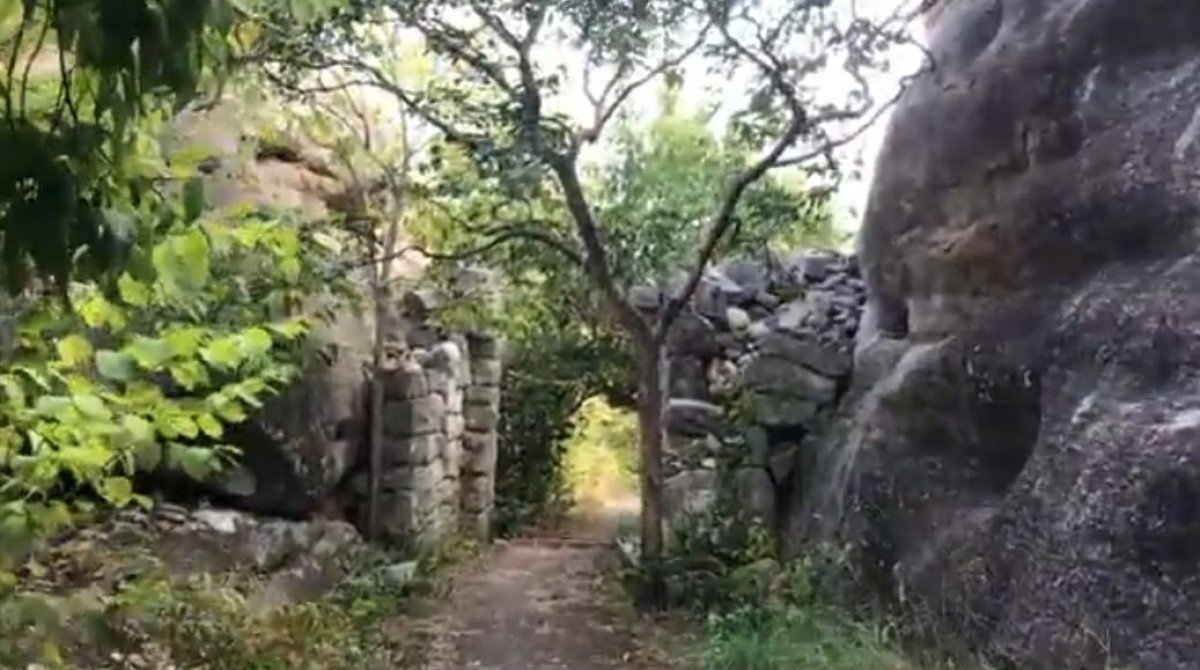
Chorwad Beach is a stunning stretch of the Arabian Sea coastline that offers a perfect blend of natural beauty and royal history. Once a quiet fishing village, it became famous when the Nawab of Junagadh built his magnificent summer palace, the Daria Mahal, right on the shore. The beach is known for its rocky shores and powerful waves, making it more of a scenic destination than a swimming spot. It is also the birthplace of the legendary industrialist Dhirubhai Ambani, adding a layer of modern historical significance to the location. The beach is relatively clean and far less crowded than the beaches in Somnath or Diu, providing a peaceful escape for travelers. The sound of the sea here is thunderous and majestic, especially during high tide. Visitors can explore the ruins of the old palace or walk along the sandy patches during low tide. The village of Chorwad itself is charming, with narrow lanes and a traditional Saurashtra lifestyle. It is an ideal day-trip destination for those staying in Somnath who want to experience the raw beauty of the Gujarat coast. The sunset views here are among the best in the region, with the sun dipping into the ocean behind the silhouettes of local fishing boats.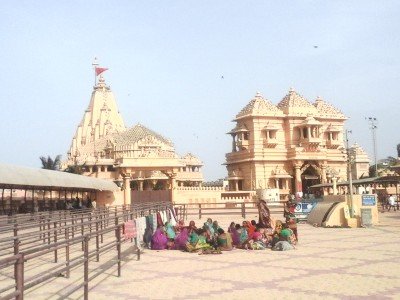 @@The Holy Site of Penance: Shree Parshuram Temple is a highly revered shrine located on the banks of the holy river Hiran. This site is significant because it is believed to be the place where Lord Parshuram, the sixth avatar of Lord Vishnu, performed severe penance (Tapasya) to rid himself of the sin of killing Kshatriyas. The temple is part of a larger religious complex that includes two ancient caves where Parshuram is said to have meditated. The atmosphere here is deeply spiritual and much quieter than the main Somnath temple. Surrounded by lush greenery and the gentle flow of the Hiran River, the temple offers a serene environment for prayer and contemplation. The complex also features a small shrine dedicated to Lord Shiva, as Parshuram was a great devotee of Mahadev. Many pilgrims visit this site to perform rituals for their ancestors or to seek strength and discipline, qualities associated with Lord Parshuram. The location at the riverbank adds a natural beauty to the spiritual experience. The temple has been renovated over time, but it retains a sense of ancient holiness. Walking through the complex, one can see various small shrines and platforms for meditation. It is a place where history, mythology, and nature converge. For many, a visit to Somnath is incomplete without paying respects at the Parshuram Temple, as it marks an important chapter in the Vaishnava and Shaiva traditions of the region.
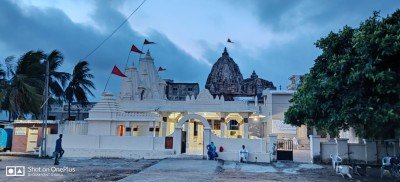 The Kamnath Mahadev Mandir is an ancient temple complex built over 200 years ago by King Mayurdhwaj. It is one of the most revered shrines in the Somnath region, dedicated to Lord Shiva in his form as Kamnath—the lord who fulfills desires. The temple complex is massive and houses several significant structures, including the Sharda Peeth, established by Adi Shankaracharya. A unique feature of this temple is the presence of two large water bodies within its premises: the Dudhiyu Talav and the Mahadev no Kund. Legend has it that King Mayurdhwaj was cured of leprosy after bathing in the holy waters of Dudhiyu Talav, leading to the pond's reputation for medicinal and spiritual healing properties. The temple is also the site of the Shankaracharya Gufa, a cave where the great saint Adi Shankaracharya is said to have meditated. Inside the temple, the atmosphere is electric with devotion, especially during the holy month of Shravan. The intricate idols of various deities and the display of the 12 Jyotirlingas make it a comprehensive site for Shaivite followers. It is a place where history, mythology, and faith converge, offering a deep sense of peace to every visitor who enters its gates. :Show All
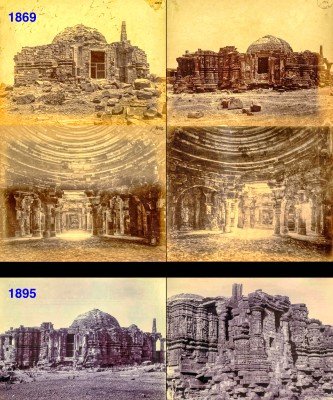 The Prabhas Patan Museum, also known as the Somnath Museum, is an archaeological treasure trove that documents the tumultuous and glorious history of the Somnath Temple. Established in 1951, the museum houses a vast collection of artifacts recovered from the ruins of previous versions of the temple, which were destroyed and rebuilt multiple times over the centuries. The museum is divided into several galleries featuring ancient sculptures, inscriptions, coins, and pottery. One of the most unique exhibits is a collection of "Holy Waters" in glass bottles from major rivers across the world, including the Nile, Danube, and Tigris, symbolizing the universal nature of divinity. The museum also showcases the reconstructed 12th-century shrine of the main temple, allowing visitors to see the intricate craftsmanship of the Solanki era. For history enthusiasts, the museum provides a context that makes the visit to the main temple much more meaningful. It houses over 3,500 objects that tell the story of the Prabhas Patan region from the prehistoric era to the medieval period. The museum is maintained by the Government of Gujarat and serves as a vital educational center for understanding the architectural evolution of North Indian temples. :
Information
-
Why Famous:
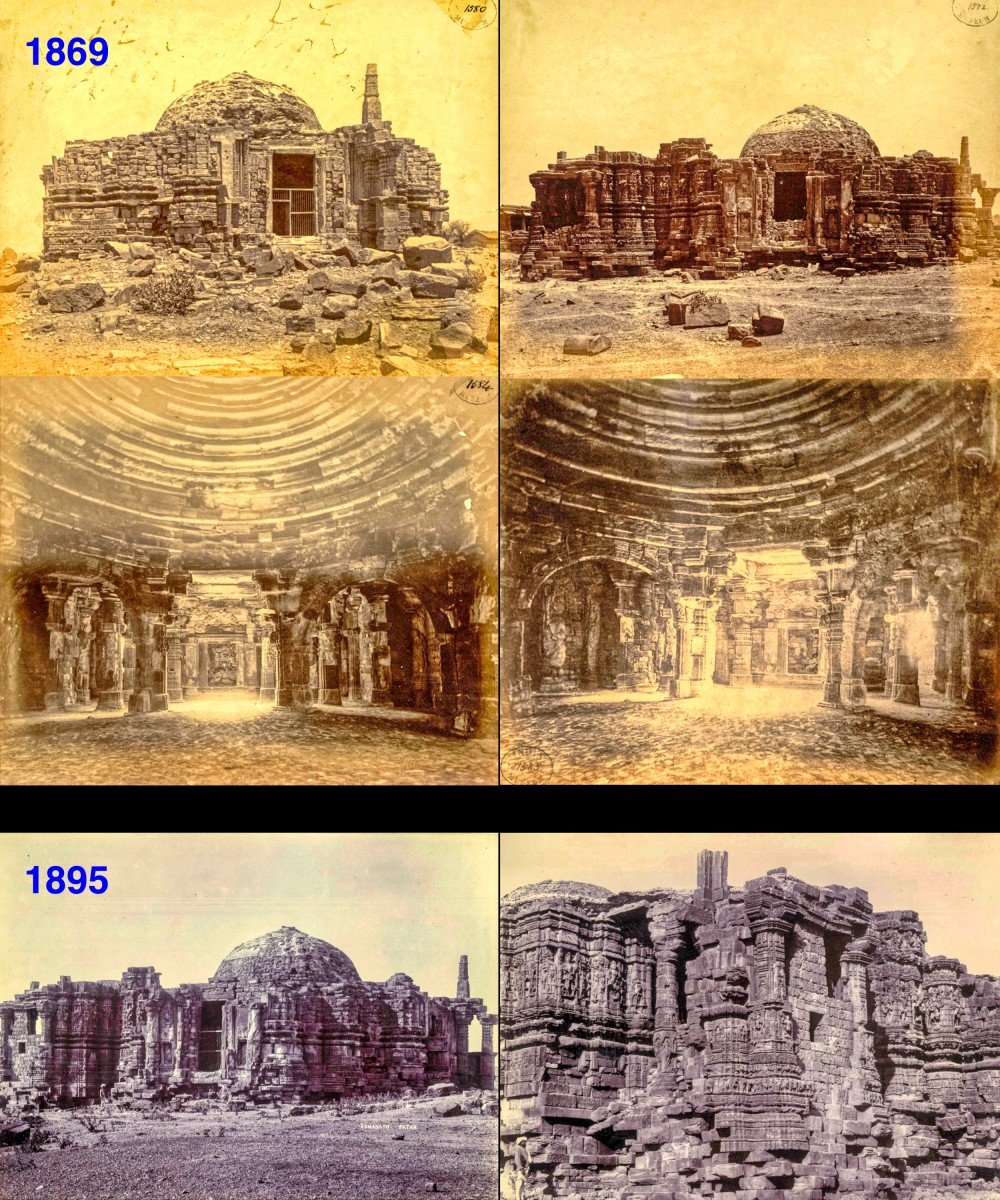
The First Jyotirlinga: Being the first among the twelve Jyotirlingas, it holds the highest spiritual merit for devotees of Lord Shiva.
Coastal Landmark: The temple's unique location right on the edge of the Arabian Sea provides a breathtakin...The First Jyotirlinga: Being the first among the twelve Jyotirlingas, it holds the highest spiritual merit for devotees of Lord Shiva.
Coastal Landmark: The temple's unique location right on the edge of the Arabian Sea provides a breathtaking spiritual experience.
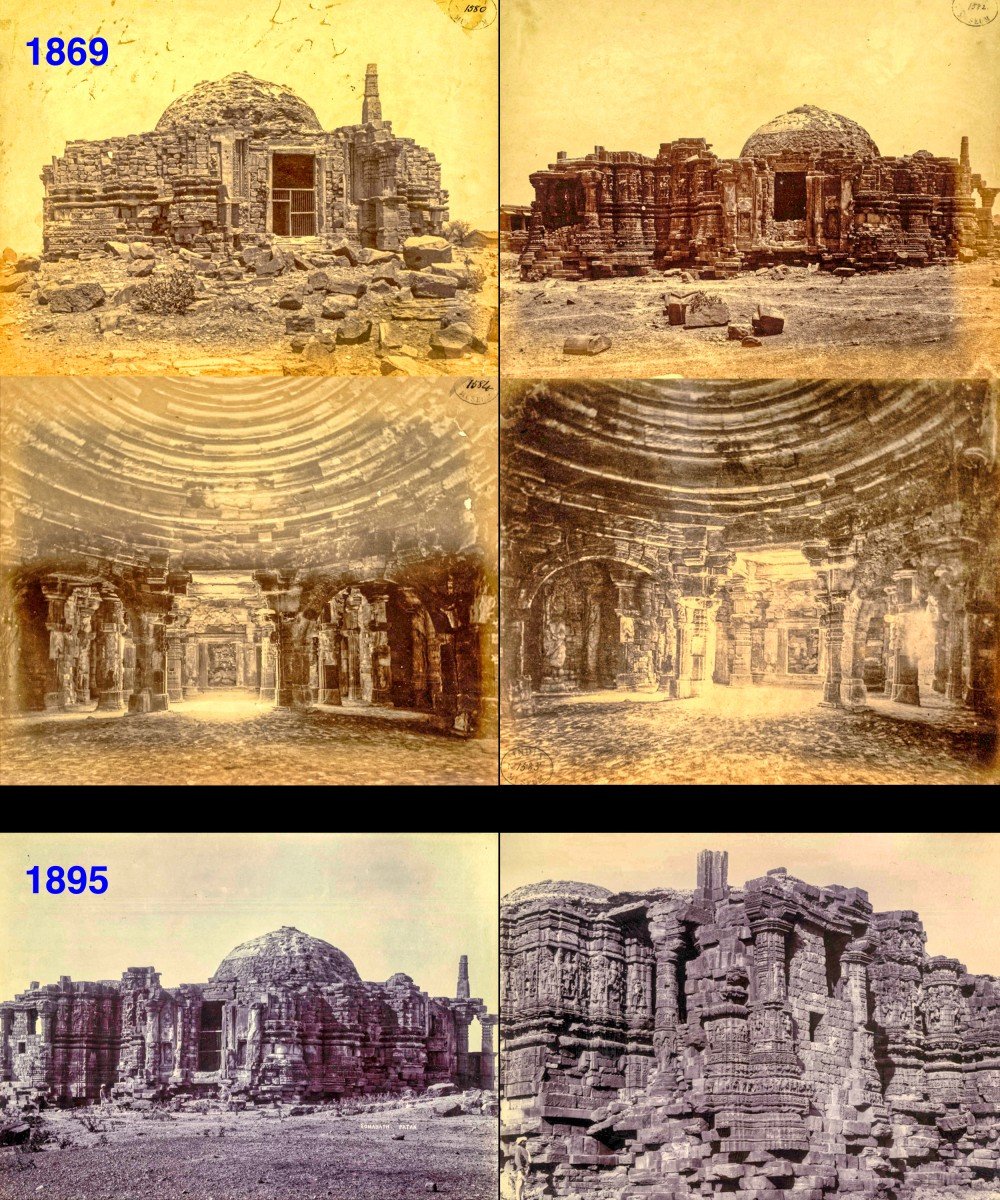
Historical Icon: Known as the "Shrine Eternal," its history of being rebuilt seven times makes it a legend of endurance. -
Architecture:
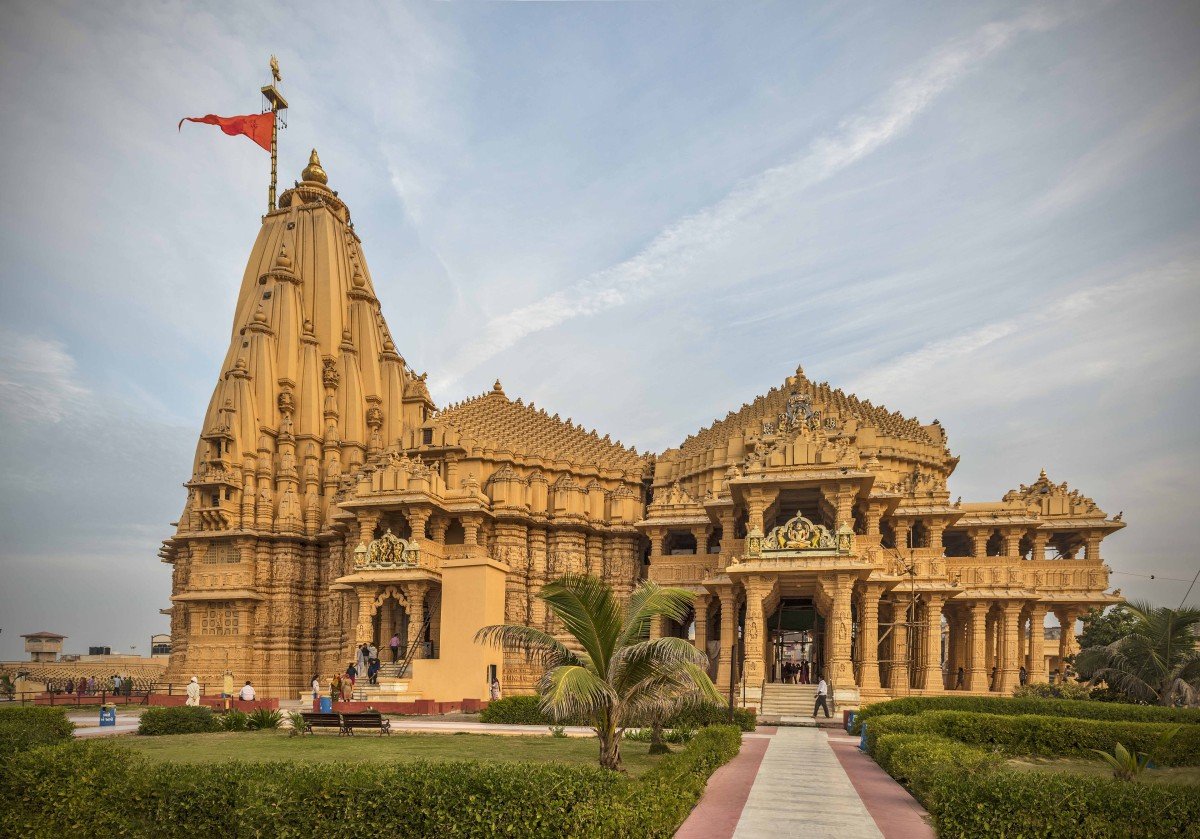
Nagara Style: The temple is built in the Kailash Mahameru Prasad style, which is a masterpiece of the Chalukya architecture. It features intricate carvings of gods, goddesses, and celestial beings on the walls. The main spire or Shikhar reaches a height of 155 feet, making...Nagara Style: The temple is built in the Kailash Mahameru Prasad style, which is a masterpiece of the Chalukya architecture. It features intricate carvings of gods, goddesses, and celestial beings on the walls. The main spire or Shikhar reaches a height of 155 feet, making it visible from a distance. The temple has a Garbhagriha, a Sabha Mandap, and a Nritya Mandap.
Dimensions and Features: the temple occupies a vast area on the shores of the Arabian Sea. The temple tower is topped with a Kalash that weighs about 10 tonnes. The flag mast or Dhvajadand is 37 feet long and is changed three times a day. The Arrow Pillar indicates a straight line to the South Pole without any land. -
How To Reach:
By Air: The nearest airport is Diu Airport located 85 Kms away, with regular flights from Mumbai.
By Train: Veraval Railway Station is just 7 Kms from the temple and is well connected to major cities.
By Road:By Air: The nearest airport is Diu Airport located 85 Kms away, with regular flights from Mumbai.
By Train: Veraval Railway Station is just 7 Kms from the temple and is well connected to major cities.
By Road: State transport buses and private taxis are available from Rajkot, Ahmedabad, and Dwarka regularly.
Local Transport: Auto-rickshaws and cycle-rickshaws are the most common ways to move around the temple town. -
Weather and Best Time to Visit:
Winter Season: October to March is the best time as the weather is cool and pleasant for sightseeing.
Monsoon Season: July to September offers a different vibe with rough sea waves and lush green surroundings.
P...Winter Season: October to March is the best time as the weather is cool and pleasant for sightseeing.
Monsoon Season: July to September offers a different vibe with rough sea waves and lush green surroundings.
Part of Day: Early morning is best for a peaceful Darshan before the large crowds arrive at the temple. -
Near Tourist Places:
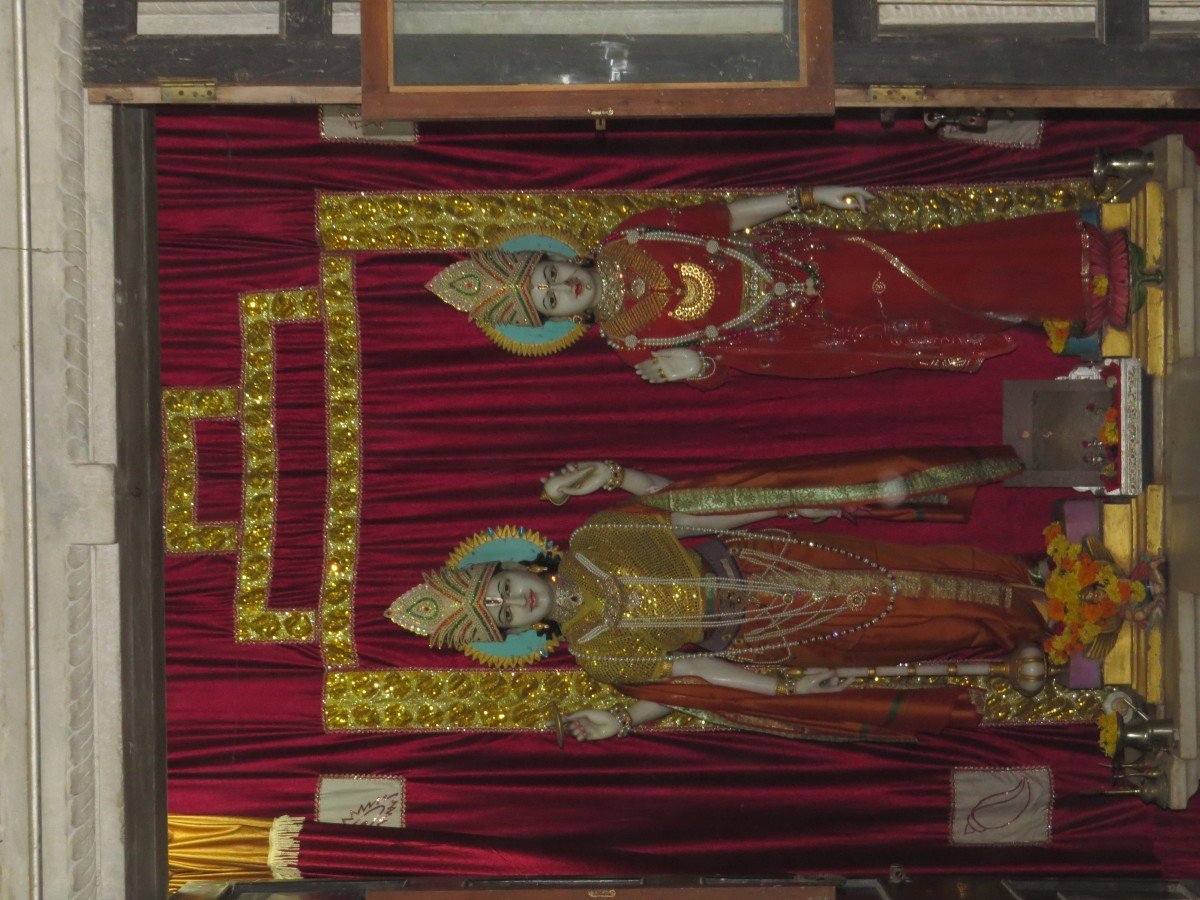
1. Bhalka Tirth (5 Kms), 2. Triveni Sangam (1. 5 Kms), 3. Gita Mandir (1. 5 Kms), 4. Junagadh (90 Kms), 5. Gir National Park (50 Kms), 6. Diu (85 Kms), 7. Porbandar (130 Kms), 8. Veraval Beach (5 Kms), 9. Lakshminarayan Temple (1 Km), 10. Dehotsarg Tirth (1. 5 Kms)
Tourism Tips
-
Health and Safety: Wear comfortable footwear as you have to walk, and keep yourself hydrated in the coastal heat.
Packing: Carry light cotton clothes for the day and a light jacket if visiting during the winter months.
Read MoreHealth and Safety: Wear comfortable footwear as you have to walk, and keep yourself hydrated in the coastal heat.
Packing: Carry light cotton clothes for the day and a light jacket if visiting during the winter months.
Accommodation: Stay at the VIP Guest House or Sagar Darshan Guest House for great views of the sea and temple.
Security: Mobile phones and cameras are not allowed inside the temple, use the locker facility provided at the gate.Reviews
FAQs
Somnath Itineray And Cost:-
Other Places In Gujarat :-
Other States In India :-
Information about New and Updated Locations() of Gujarat Has Been Added :-
Card subtitle
Note:-
Information provided here in good Faith and for reference only.
Near Places
Ahmedabad
Some quick example text to build on the card title and make up the bulk of the card's content.
Go somewhere
Bhuj
Some quick example text to build on the card title and make up the bulk of the card's content.
Go somewhere
Chotila
Some quick example text to build on the card title and make up the bulk of the card's content.
Go somewhere
Dahod
Some quick example text to build on the card title and make up the bulk of the card's content.
Go somewhere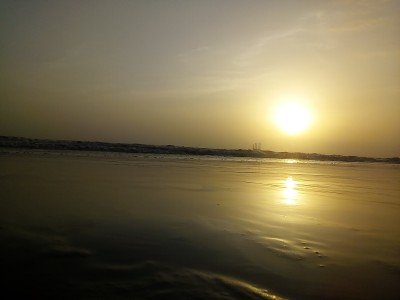
Dandi
Some quick example text to build on the card title and make up the bulk of the card's content.
Go somewhere
Kevadia
Some quick example text to build on the card title and make up the bulk of the card's content.
Go somewhere
Kutch
Some quick example text to build on the card title and make up the bulk of the card's content.
Go somewhere
Lothal
Some quick example text to build on the card title and make up the bulk of the card's content.
Go somewhere
Mandvi
Some quick example text to build on the card title and make up the bulk of the card's content.
Go somewhere
Modhera
Some quick example text to build on the card title and make up the bulk of the card's content.
Go somewhere
Near Ahmedabad
Some quick example text to build on the card title and make up the bulk of the card's content.
Go somewhere
Palanpur
Some quick example text to build on the card title and make up the bulk of the card's content.
Go somewhere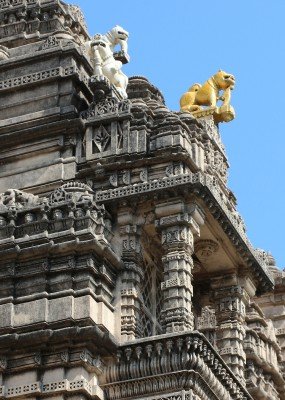
Palitana
Some quick example text to build on the card title and make up the bulk of the card's content.
Go somewhere
Patan
Some quick example text to build on the card title and make up the bulk of the card's content.
Go somewhere
Pavagadh
Some quick example text to build on the card title and make up the bulk of the card's content.
Go somewhere
Porbandar
Some quick example text to build on the card title and make up the bulk of the card's content.
Go somewherein Other Cities