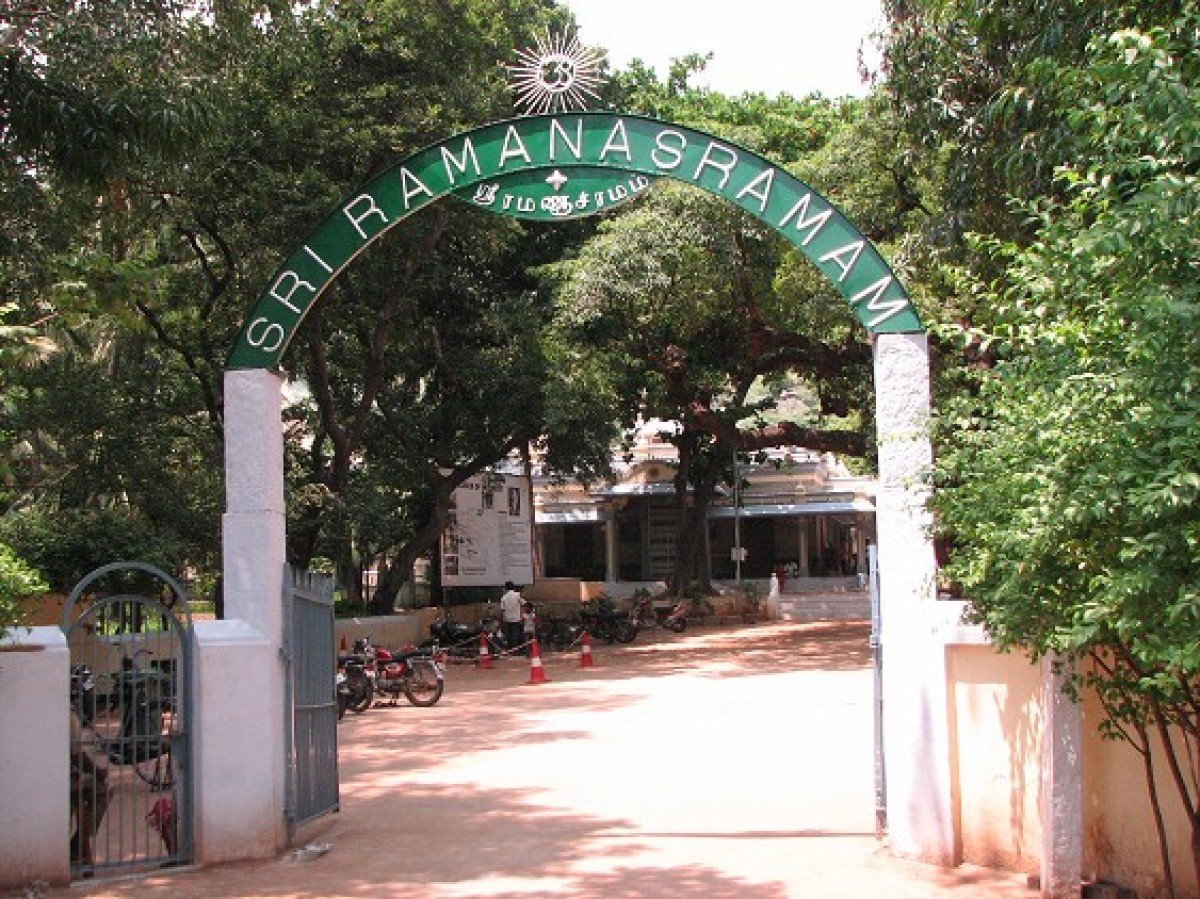
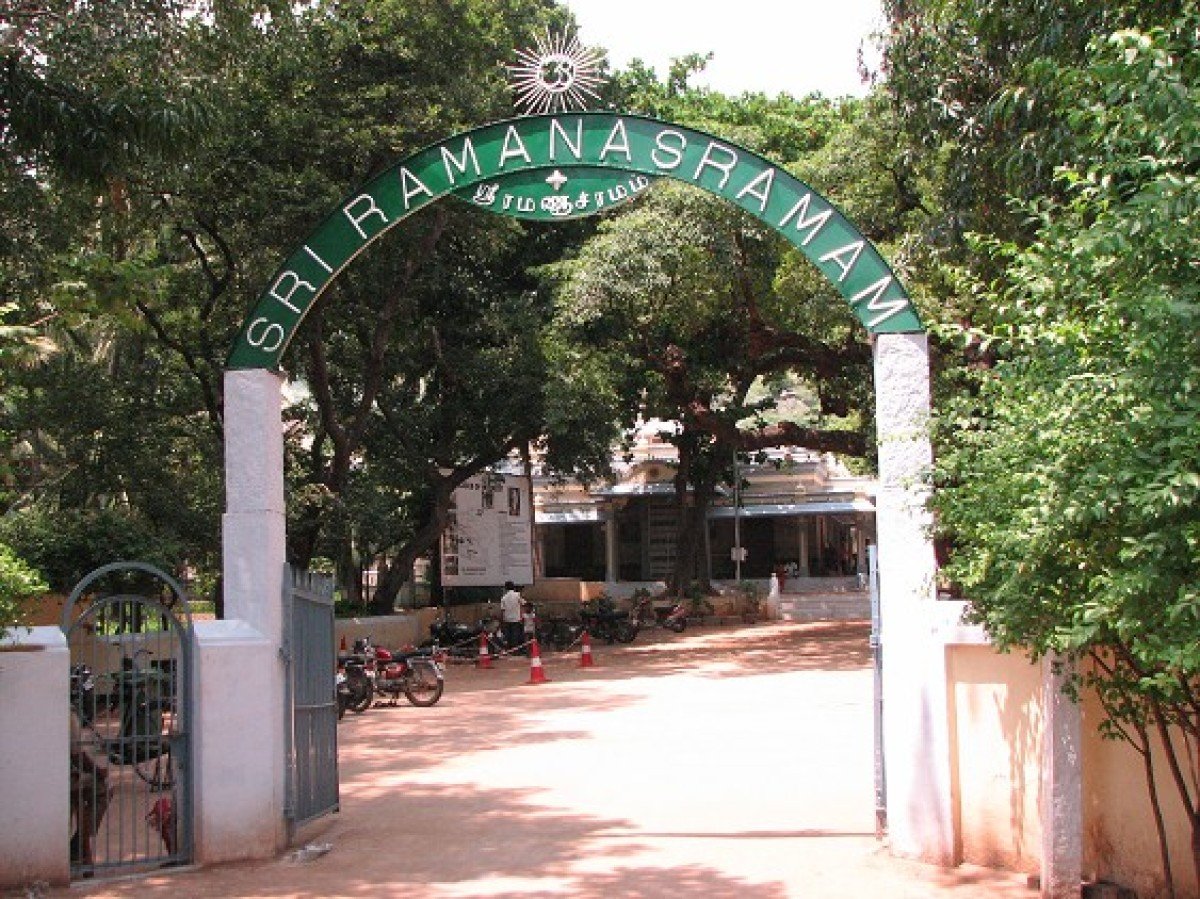
Sri Ramana Ashram
General information
-
Ideal Duration:
2-3 Hours (for a brief visit) to Full Day/Multiple Days (for sincere seekers)Place Type:
Spiritual Retreat, Pilgrim Site, Historical SiteEntry Fees:
Main Entry and Meditation Halls: There are generally no entry fees to visit the ashram, its temples, and to attend the regular meditation and chanting sessions, upholding the tradition of free access for spiritual seekers.
Accommodation: Whi...Main Entry and Meditation Halls: There are generally no entry fees to visit the ashram, its temples, and to attend the regular meditation and chanting sessions, upholding the tradition of free access for spiritual seekers.
Accommodation: While spiritual activities are free, accommodation within the ashram is usually reserved for serious, long-term spiritual aspirants and is typically by application, with a minimal or reasonable fee to cover maintenance, not an entry fee.
Meals (Anna Dhanam): The ashram often provides free, simple, and nutritious meals to all visitors in the dining hall, a practice known as Anna Dhanam, symbolizing selfless service and hospitality, eliminating a food-related entry cost.Timing:
Regular Timings: The ashram is generally open from 5:00 AM to 9:00 PM daily, with specific schedules for Vedic chanting, pujas, breakfast, lunch, and dinner, which are posted on the notice board.
Ideal Visit Time: Early mornings (5:30 AM to ...Regular Timings: The ashram is generally open from 5:00 AM to 9:00 PM daily, with specific schedules for Vedic chanting, pujas, breakfast, lunch, and dinner, which are posted on the notice board.
Ideal Visit Time: Early mornings (5:30 AM to 8:00 AM) are the most ideal, offering a profound sense of peace and the opportunity to participate in the solemn Vedic chanting. Late evenings (4:30 PM to 7:00 PM) are also excellent for quiet meditation sessions.Special Events:
Ramana Jayanti: The celebration of the Maharshi's birth anniversary, usually in December/January, is a major festival with special pujas, mass feeding, and extended chanting sessions, attracting a huge international crowd.
Aradhana: The anni...Ramana Jayanti: The celebration of the Maharshi's birth anniversary, usually in December/January, is a major festival with special pujas, mass feeding, and extended chanting sessions, attracting a huge international crowd.
Aradhana: The anniversary of his Mahasamadhi in April is observed with solemn pujas and chanting, a deeply spiritual day for devotees.
Karthigai Deepam: Although centered on the main Arunachaleswarar Temple, the ashram provides a unique and powerful perspective of the lighting of the huge lamp atop Arunachala Hill during the November/December full moon.Best Photo Spots:
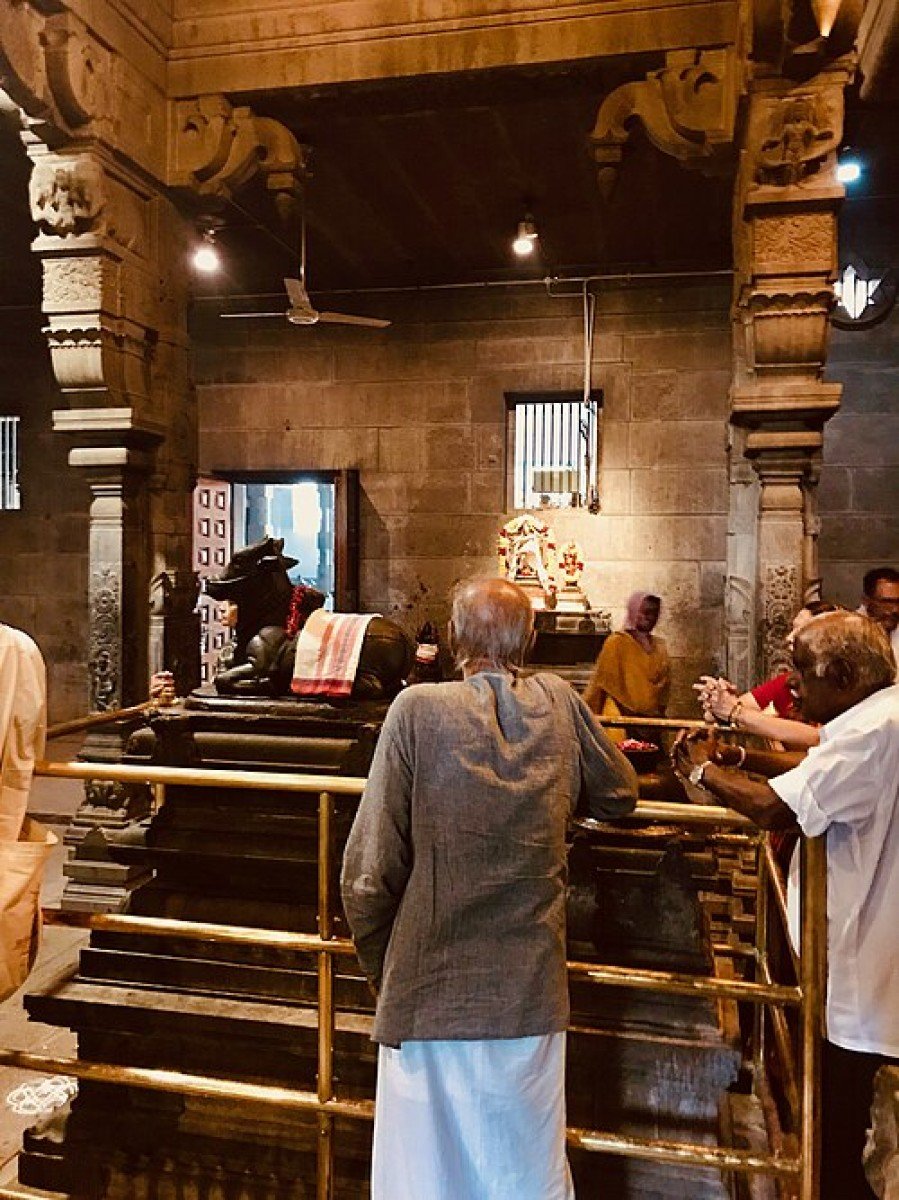
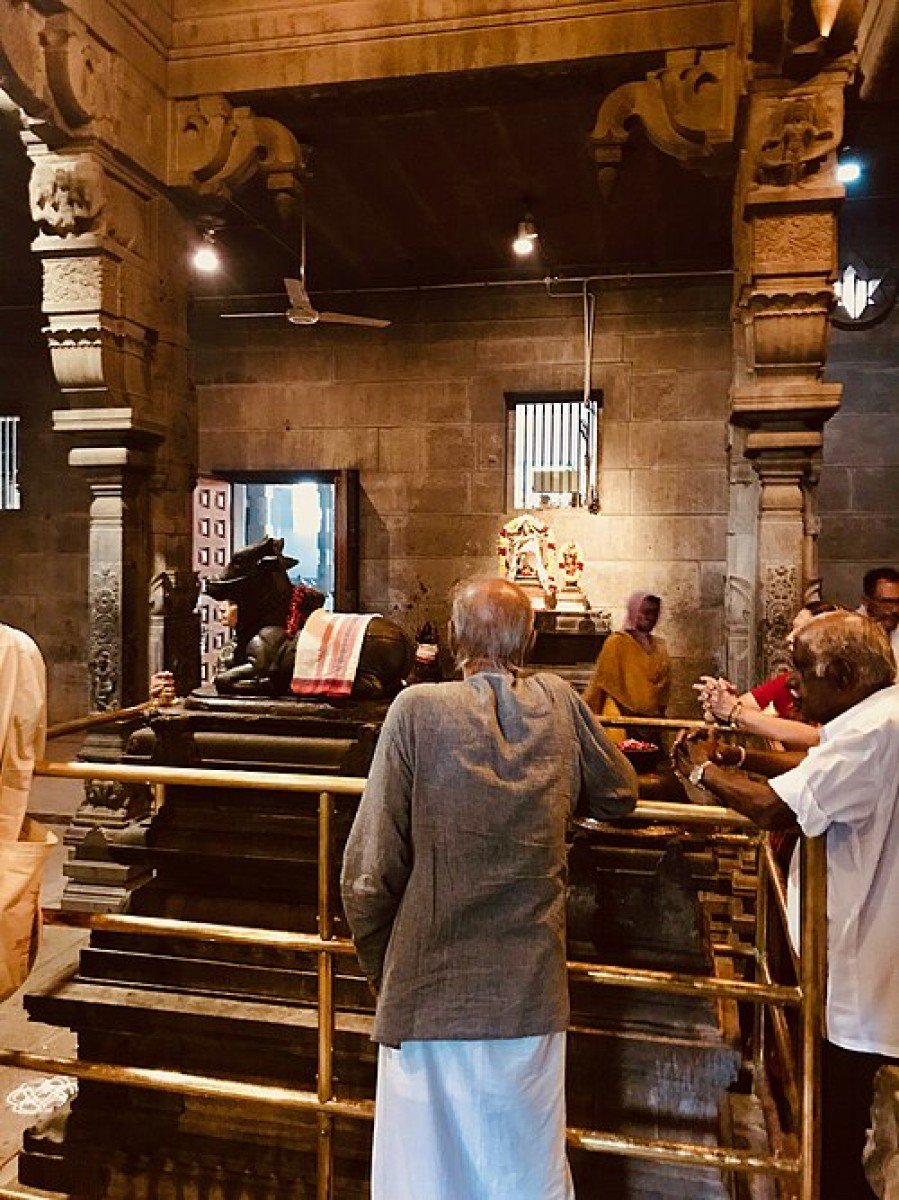
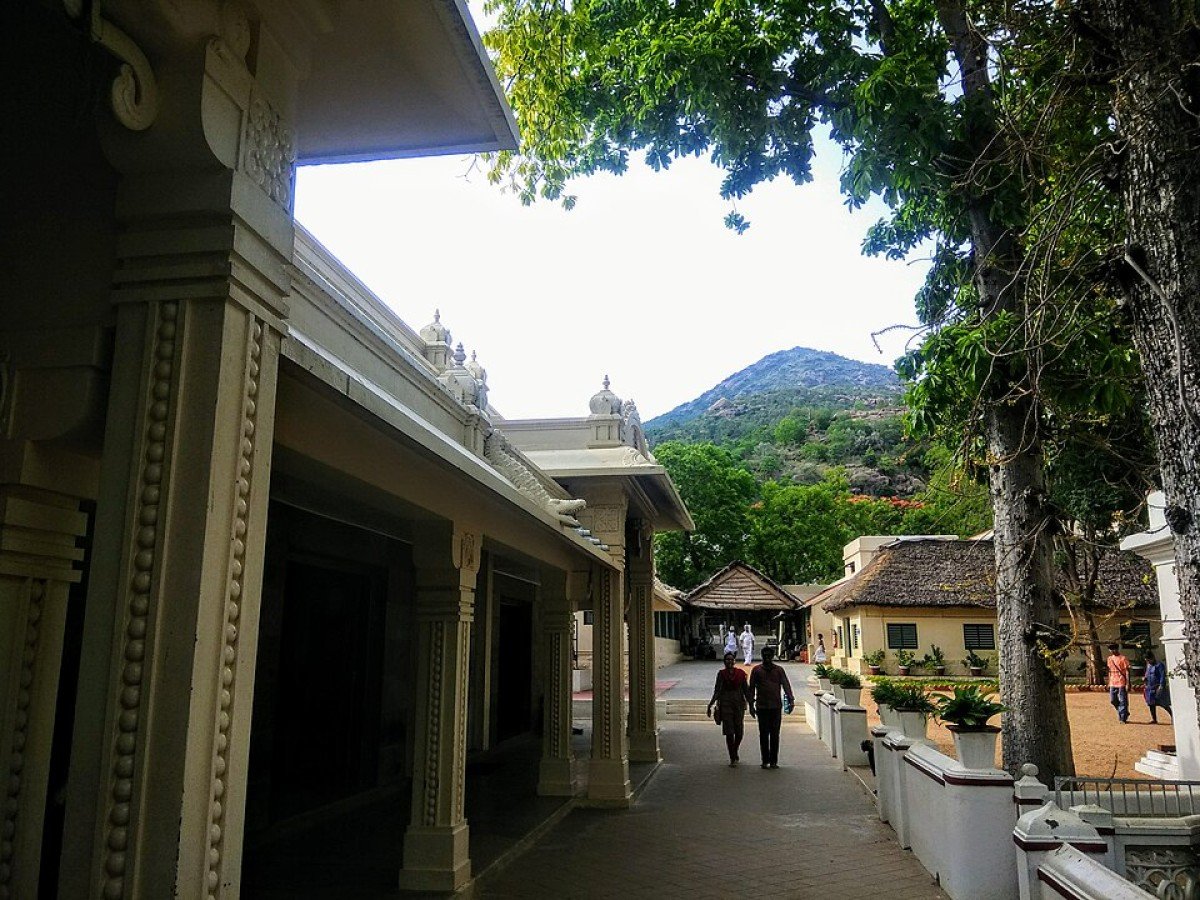
Samadhi Hall Interiors: Capture the devotional atmosphere and the intricate carvings around the main shrine, though photography inside the inner sanctum is often restricted, so focus on the periphery.
Arunachala Hill View: The ashram grounds...Samadhi Hall Interiors: Capture the devotional atmosphere and the intricate carvings around the main shrine, though photography inside the inner sanctum is often restricted, so focus on the periphery.
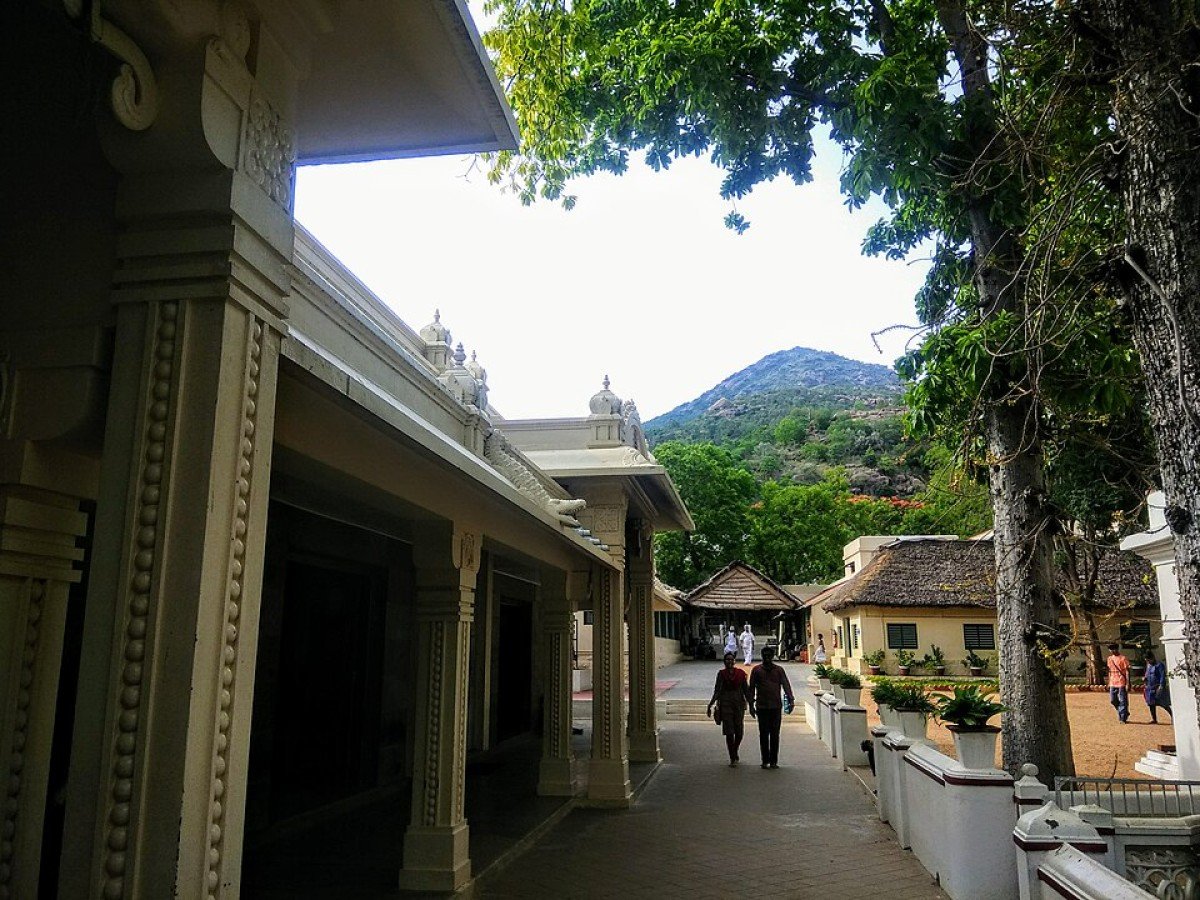
Arunachala Hill View: The ashram grounds offer clear, picturesque views of the holy Arunachala Hill, especially the lower slopes and the path leading up to Virupaksha Cave, ideal for landscape and spiritual context shots.
Goshala and Garden: The quiet, simple beauty of the cow shelter and the lush gardens provide peaceful and aesthetically pleasing nature shots, often featuring the tranquil atmosphere and the sacred cows.
Peacocks and Wildlife: Early morning and late evening often yield opportunities to photograph peacocks and other local fauna within the ashram's serene, natural habitat.Photo Gallery
Things To Do
-
Silent Meditation: Sit in the Samadhi Hall or the Old Hall for silent meditation, the primary activity, soaking in the serene atmosphere and focusing on the core teaching of 'Who am IRs.'.
Attending Chants and Poojas: Participate in the morning and evening Vedic chanting and Aradhana (worship/rituals) at the shrines, which provide a deep cultural and devotional experience.
Visiting the Samadhi Shrines: Pay respects at the Samadhi shrines of Sri Ramana Maharshi and his mother Alagammal.
Exploring the Book Stall and Library: Browse the extensive collection of books on the life, teachings, and philosophy of the Maharshi, including various spiritual texts.
Walking the Ashram Grounds: Take a quiet, contemplative stroll through the ashra...Silent Meditation: Sit in the Samadhi Hall or the Old Hall for silent meditation, the primary activity, soaking in the serene atmosphere and focusing on the core teaching of 'Who am IRs.'.
Attending Chants and Poojas: Participate in the morning and evening Vedic chanting and Aradhana (worship/rituals) at the shrines, which provide a deep cultural and devotional experience.
Visiting the Samadhi Shrines: Pay respects at the Samadhi shrines of Sri Ramana Maharshi and his mother Alagammal.
Exploring the Book Stall and Library: Browse the extensive collection of books on the life, teachings, and philosophy of the Maharshi, including various spiritual texts.
Walking the Ashram Grounds: Take a quiet, contemplative stroll through the ashram's beautiful and well-maintained premises, including the Goshala (cow shelter) and the gardens.
Climbing to Skandashram and Virupaksha Cave: Embark on the path up the Arunachala Hill to visit the caves where the Maharshi previously lived and meditated, offering a pilgrimage within the main pilgrimage.
Partaking in Anna Dhanam: Eat the simple, nourishing vegetarian food served at the ashram dining hall, which is offered to all visitors as a spiritual service.
Information
-
Why Famous:
The Sage of Arunachala: The ashram is famous as the final residence and Samadhi Mandir of Bhagavan Sri Ramana Maharshi, one of the most celebrated and influential spiritual masters of the 20th century. His teaching of Atma Vichara (Self-Inquiry) is universally recognized. <...The Sage of Arunachala: The ashram is famous as the final residence and Samadhi Mandir of Bhagavan Sri Ramana Maharshi, one of the most celebrated and influential spiritual masters of the 20th century. His teaching of Atma Vichara (Self-Inquiry) is universally recognized.
Energy and Silence: It is renowned for its powerful, palpable atmosphere of peace and spiritual energy, often referred to as 'Ramana's Grace', attracting people seeking profound inner stillness and genuine spiritual awakening, regardless of their background. -
Architecture:
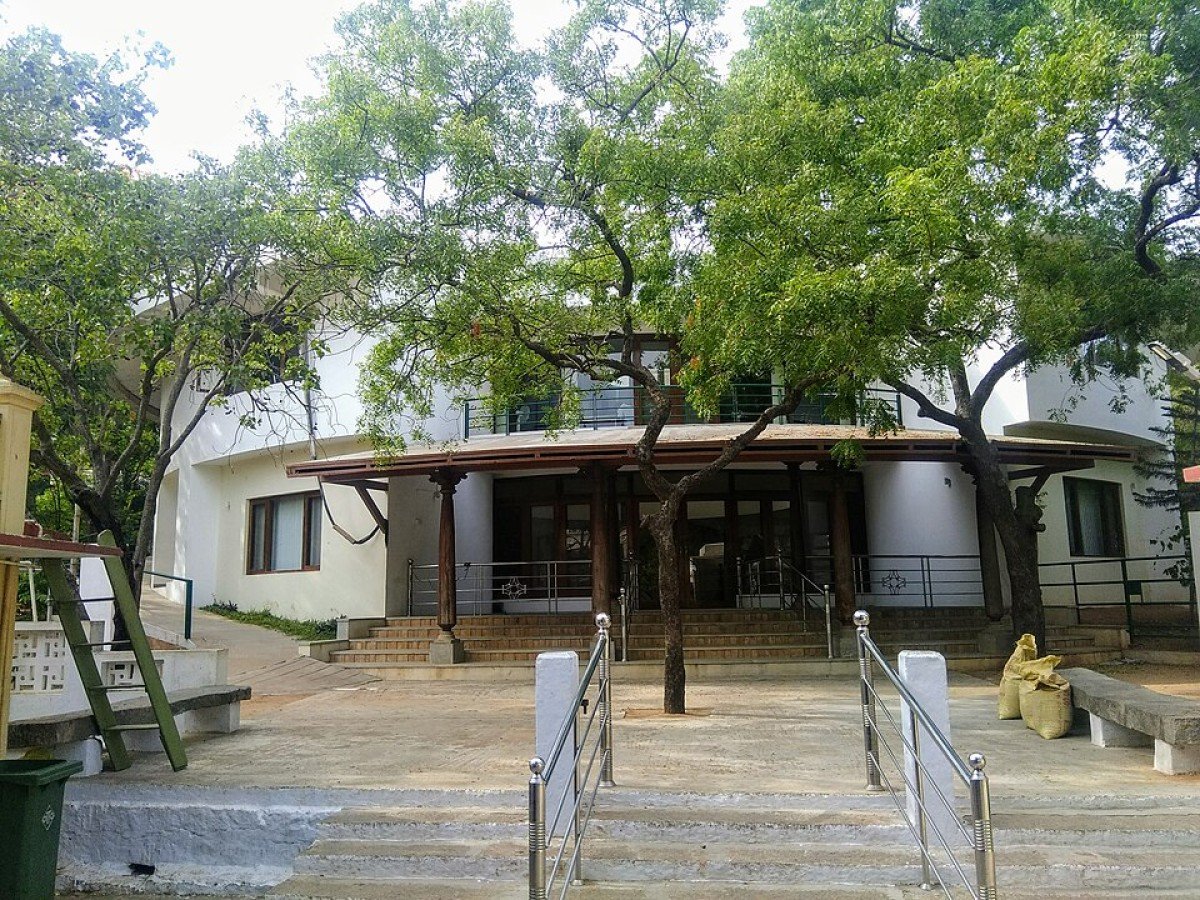
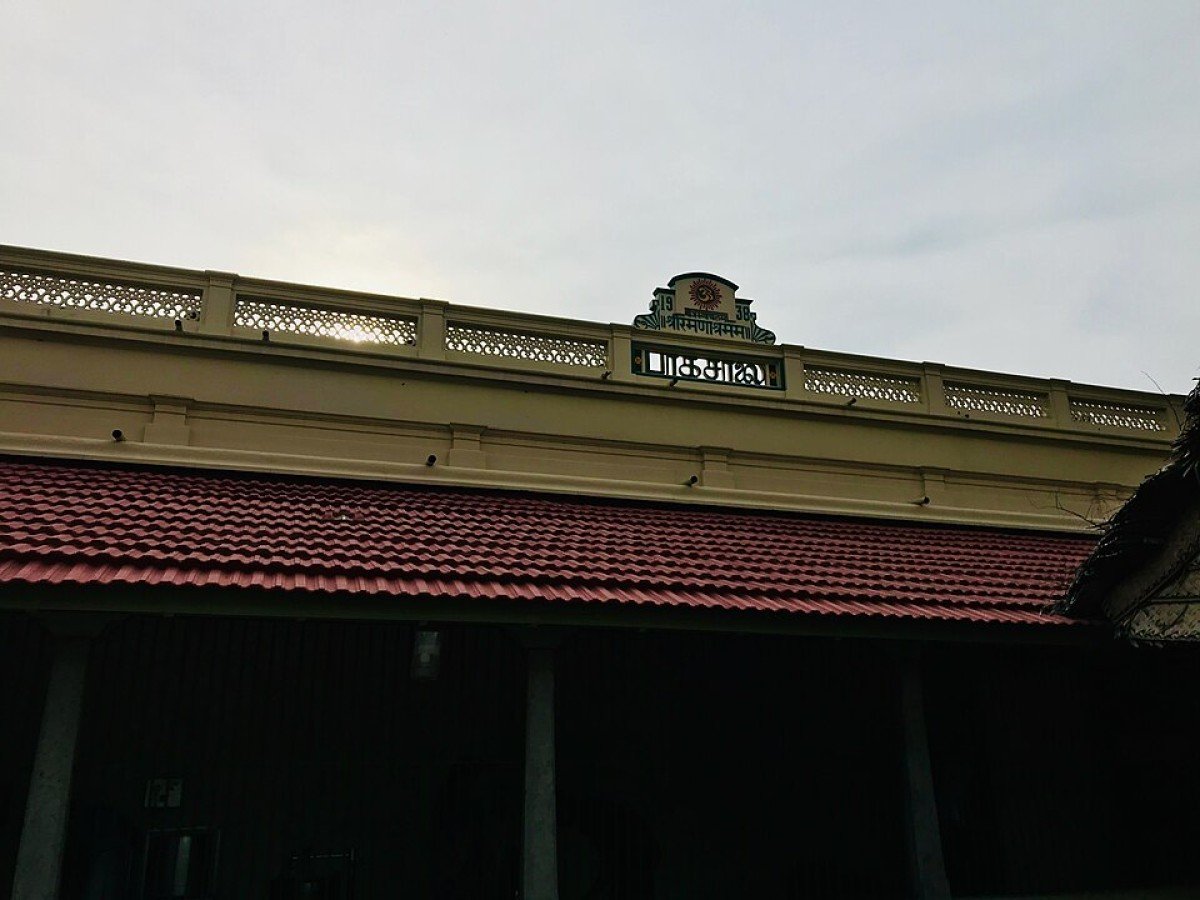
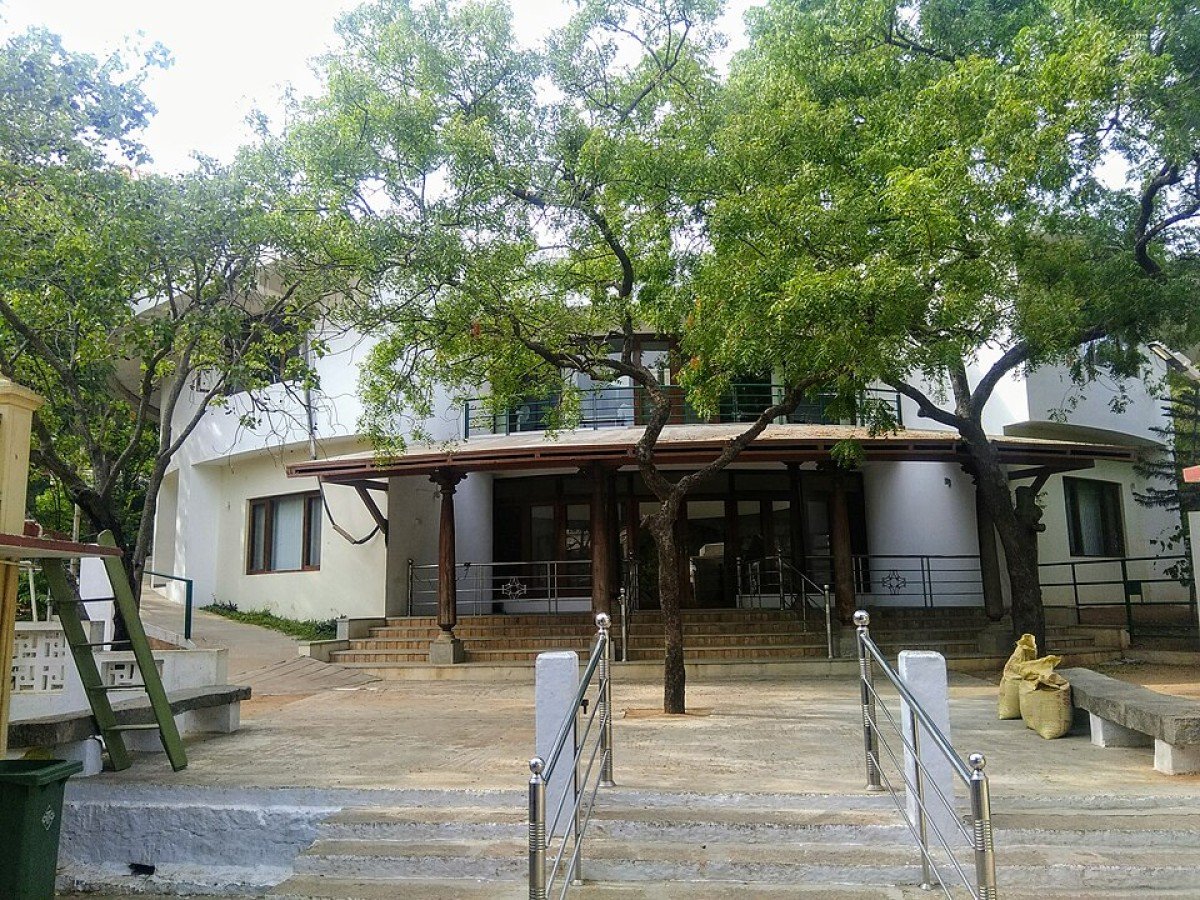
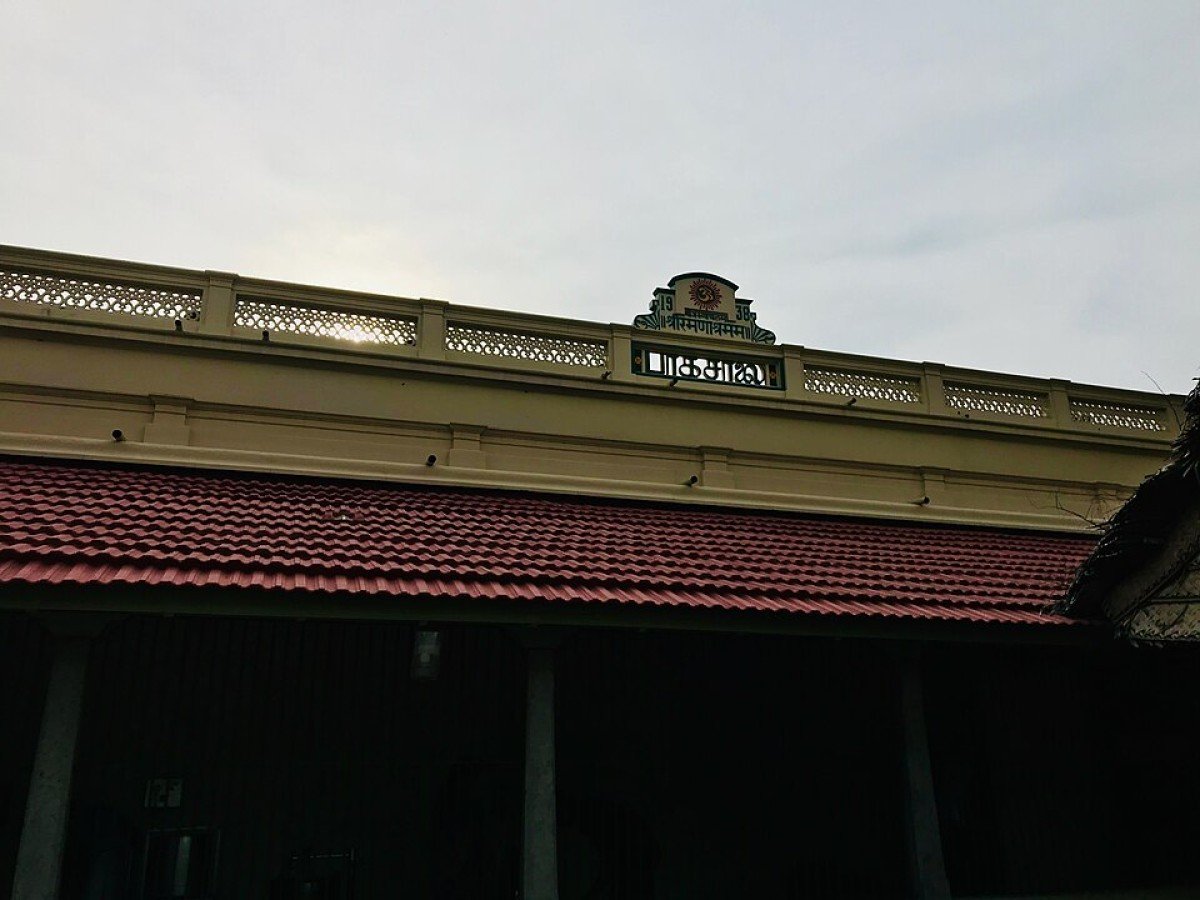
Architectural Style and Dimension: The architecture is predominantly traditional South Indian temple style, evolving organically over time, centered around the Samadhi Shrine of the Maharshi and his mother. The main complex features the Matrubhuteswara Temple, dedicated to ...Architectural Style and Dimension: The architecture is predominantly traditional South Indian temple style, evolving organically over time, centered around the Samadhi Shrine of the Maharshi and his mother. The main complex features the Matrubhuteswara Temple, dedicated to his mother, and the New Hall used for chanting and meditation. The Samadhi Shrine is a sanctum sanctorum, often housing a monolithic Lingam and a structure resembling a Vimana (temple tower), reflecting reverence. The structure is built with granite and features typical elements like pillared halls and enclosed courtyards. The dimensions are expansive, covering a considerable area at the base of the hill, with the main halls designed to accommodate large groups for silent sitting. The New Hall is a significant, large structure intended for mass darshan and chanting. The overall design emphasizes simplicity, function, and a meditative environment over excessive ornamentation. -
How To Reach:
By Air: The nearest international airports are Chennai International Airport (MAA) (approx. 190 km) and Bengaluru International Airport (BLR) (approx. 210 km). From the airport, hire a pre-paid taxi or take an intercity bus or train to Tiruvannamalai.
Read MoreBy Air: The nearest international airports are Chennai International Airport (MAA) (approx. 190 km) and Bengaluru International Airport (BLR) (approx. 210 km). From the airport, hire a pre-paid taxi or take an intercity bus or train to Tiruvannamalai.
By Train: Tiruvannamalai has its own railway station (TNM) which is well-connected to major cities like Chennai, Bengaluru, and Madurai. The ashram is about 3 km from the railway station; take an auto-rickshaw or taxi.
By Road: Tiruvannamalai is very well-connected by an extensive network of state and national highways. Regular public and private bus services run from Chennai, Bengaluru, Puducherry, and other Tamil Nadu cities. Private taxis and hired cars are the most comfortable options.
By Local Transport: The ashram is easily reachable from the city center via auto-rickshaws, cycle rickshaws, and local taxis; auto-rickshaw drivers know the location well, as it is a prominent landmark.Weather and Best Time to Visit:
The Winter Season (October to March): This is the best time to visit, with pleasant and cool weather (20°C to 30°C), perfect for long periods of meditation, walking the Girivalam path, and climbing the hill to the caves.
Summer Season (April t...The Winter Season (October to March): This is the best time to visit, with pleasant and cool weather (20°C to 30°C), perfect for long periods of meditation, walking the Girivalam path, and climbing the hill to the caves.
Summer Season (April to June): This period is extremely hot and dry (35°C to 40°C+), making daytime visits, especially climbing, challenging; restrict outdoor activities to very early morning or late evening.
Monsoon Season (July to September): The town experiences moderate rainfall, which can make the surroundings lush and beautiful, but sudden downpours may disrupt travel and outdoor schedules.
Ideal Part of the Day: The absolute best part of the day is the early morning (Sunrise to 8:00 AM) for meditation and the peaceful atmosphere.Near Tourist Places:
Arunachaleswarar Temple (3 km), Arunachala Hill (0 km - at the foot), Virupaksha Cave (0. 5 km uphill), Skandashram (1 km uphill), Sri Seshadri Swamigal Ashram (0. 5 km), Yogi Ram Surathkumar Ashram (2. 5 km), Girivalam Path (0. 5 km), Sathanur Dam (30 km), Gingee Fort (37 km), Javvadhu Hills (70 km).Tourism Tips
-
Health & Safety: Drink only bottled water or purified water from the ashram's designated areas. Be cautious while climbing Arunachala Hill, wear sturdy shoes, and carry water, especially during the day. Avoid walking alone around the hill after sunset.
Read MoreHealth & Safety: Drink only bottled water or purified water from the ashram's designated areas. Be cautious while climbing Arunachala Hill, wear sturdy shoes, and carry water, especially during the day. Avoid walking alone around the hill after sunset.
Packing Essentials: Dress modestly (shoulders and knees covered) out of respect for the spiritual culture; light, breathable cotton clothing is recommended due to the warm climate. Carry essential personal medication, sunscreen, and mosquito repellent.
Accommodation: Accommodation inside the ashram is very limited and reserved mainly for serious, long-term devotees; book external accommodation in Tiruvannamalai well in advance, especially during full moon or festivals.
Respectful Conduct: Maintain silence within the shrine and meditation halls, switch off mobile phones, and respect the ashram's rules, which emphasize a quiet, contemplative environment.Reviews
FAQs
Tiruvannamalai Itineray And Cost:-
Sri Ramana Ashram Tourism:-
Other Places In Tiruvannamalai :-
Other States In India :-
Information about New and Updated Locations() of Tamil Nadu Has Been Added :-
Card subtitle
Note:-
Information provided here in good Faith and for reference only.
Near Places
Adiannamalai Lake
Some quick example text to build on the card title and make up the bulk of the card's content.
Go somewhere
Ammangund Rock
Some quick example text to build on the card title and make up the bulk of the card's content.
Go somewhere
Ancient Mantapam
Some quick example text to build on the card title and make up the bulk of the card's content.
Go somewhere
Annamalaiyar Temple / Arunachaleswarar Temple
Some quick example text to build on the card title and make up the bulk of the card's content.
Go somewhere
Gingee Fort
Some quick example text to build on the card title and make up the bulk of the card's content.
Go somewhere
I Love Tvmalai
Some quick example text to build on the card title and make up the bulk of the card's content.
Go somewhere
Javadu Hills
Some quick example text to build on the card title and make up the bulk of the card's content.
Go somewhere
Kuruvimalai Dam
Some quick example text to build on the card title and make up the bulk of the card's content.
Go somewhere
Padaveedu
Some quick example text to build on the card title and make up the bulk of the card's content.
Go somewhere
Parvathamalai Hill
Some quick example text to build on the card title and make up the bulk of the card's content.
Go somewhere
Pick Up Dam
Some quick example text to build on the card title and make up the bulk of the card's content.
Go somewhere
Sathanur Dam
Some quick example text to build on the card title and make up the bulk of the card's content.
Go somewhere
Skandashram
Some quick example text to build on the card title and make up the bulk of the card's content.
Go somewhere
Skandasram Way City View Point
Some quick example text to build on the card title and make up the bulk of the card's content.
Go somewhere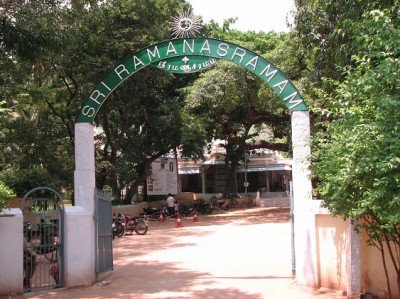
Sri Ramana Ashram
Some quick example text to build on the card title and make up the bulk of the card's content.
Go somewhere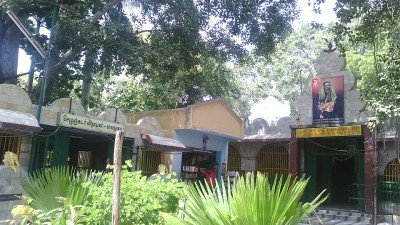
Sri Seshadri Swamigal Ashram
Some quick example text to build on the card title and make up the bulk of the card's content.
Go somewherein Other Cities