

Srirangapatna
General information
-
Ideal Duration:
1 DayPlace Type:
History, Pilgrimage, HeritageEntry Fees:
Place Entry Fees: Entry to the Ranganathaswamy Temple is free; however, there is a small fee for special darshan to skip the long queues.
Museum Entry: Daria Daulat Bagh and the Tipu Sultan Museum have an entry fee of approximately Rs.25 for ...Place Entry Fees: Entry to the Ranganathaswamy Temple is free; however, there is a small fee for special darshan to skip the long queues.
Museum Entry: Daria Daulat Bagh and the Tipu Sultan Museum have an entry fee of approximately Rs.25 for Indians and Rs.300 for foreigners.
Gumbaz: Entry to the Gumbaz mausoleum is generally free, but small donations are accepted for the maintenance of the historic site.Timing:
Place Timings: The monuments like Daria Daulat Bagh are open from 9:00 AM to 5:00 PM, while the temple opens from 7:30 AM to 8:00 PM.
Ideal Visit Time: The best time to visit the temple is early morning at 7:30 AM, while the fort and palaces...Place Timings: The monuments like Daria Daulat Bagh are open from 9:00 AM to 5:00 PM, while the temple opens from 7:30 AM to 8:00 PM.
Ideal Visit Time: The best time to visit the temple is early morning at 7:30 AM, while the fort and palaces are best explored before the afternoon heat.
Public Holidays: Expect heavy crowds on weekends and during the month of October when the region celebrates the famous Dasara festival.Special Events:
Place Special Event: Vaikuntha Ekadashi is celebrated with great fervor at the Ranganathaswamy Temple, drawing lakhs of devotees for the special darshan.
Tipu Sultan Urs: The death anniversary of the ruler is observed at the Gumbaz with pray...Place Special Event: Vaikuntha Ekadashi is celebrated with great fervor at the Ranganathaswamy Temple, drawing lakhs of devotees for the special darshan.
Tipu Sultan Urs: The death anniversary of the ruler is observed at the Gumbaz with prayers and traditional offerings by the local community.
Mysuru Dasara: Being very close to Mysuru, the town also gets decorated during the Dasara festival, with special lighting and cultural events.Best Photo Spots:
Place Best Photo Spots: The manicured gardens of Daria Daulat Bagh provide a beautiful foreground for capturing the wooden architecture of the summer palace.
Sangam Sunset: The sunset over the confluence of the Kaveri River offers a spectacu...Place Best Photo Spots: The manicured gardens of Daria Daulat Bagh provide a beautiful foreground for capturing the wooden architecture of the summer palace.
Sangam Sunset: The sunset over the confluence of the Kaveri River offers a spectacular view for landscape photographers and nature lovers.
Fort Walls: The weathered stones and cannons of the Srirangapatna Fort are perfect for capturing the essence of the town's military history.Photo Gallery
Things To Do
 @@Religious Significance: The temple is dedicated to Goddess Nimishamba, an incarnation of Goddess Parvati (consort of Lord Shiva). The name Nimishamba is derived from Nimisha, meaning a minute, signifying the belief that the Goddess fulfills the wishes of her devotees instantly (within a minute). The temple is a very powerful and popular pilgrimage center, attracting devotees from all over South India. @@Temple Deities: The main shrine houses the idol of Nimishamba, and in front of the idol, the Sree Chakra is carved on a stone, which is a focal point of worship. The complex also features shrines for Mukthikeshwara (Lord Shiva) and other deities like Hanuman, Lakshmi, and Saraswati. @@History: The temple was constructed around 400 years ago by King Mummadi Krishnaraja Wodeyar of the Wodeyar dynasty of Mysore. Its location near the riverbank adds to its spiritual serenity.
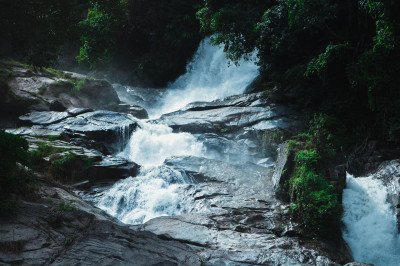 @@History and Origin: This is a spectacular man-made cascade, not a natural waterfall, created by a check dam built across the sacred Kaveri River. Its name comes from the Kannada words 'Bala' (Right) and 'Muri' (Turn), referring to the river's slight turn at this spot. The dam was primarily constructed for irrigation purposes, but the cascading water flowing over the 6-foot wall has created a popular tourist spot. It's often visited alongside the nearby Edmuri Falls. @@Importance: The location is a highly favored picnic and relaxation spot, offering a tranquil escape from the city. The gentle flow of the water makes it relatively safe for wading and bathing during non-monsoon periods. The area is surrounded by lush greenery, especially coconut groves, adding to its picturesque charm. It is a favored location for filming song sequences in the Kannada film industry, further boosting its popularity. @@Local Culture: Nearby, you can find small temples dedicated to Lord Ganesha, lending a spiritual dimension to the scenic beauty. The check dam plays a crucial role in water management for the surrounding agricultural lands in Mandya district.:
@@Religious Significance: The temple is one of the most important pilgrimage centers in South India, forming the first of the five sacred sites devoted to Lord Vishnu in his reclining form (Ranganatha) along the Cauvery River, known as the Pancharanga Kshetram. The deity here is known as Adi Ranga ('First Ranga'). It is dedicated to Lord Ranganatha (a form of Vishnu) resting on the coils of the Adishesha (seven-headed snake). @@History: The temple's earliest inscription dates back to 984 AD, indicating it was consecrated by a chieftain of the Western Ganga Dynasty. It was later expanded and renovated by the Hoysala and Vijayanagara dynasties, and the Wodeyar kings of Mysore. The town is named after this temple. @@Spiritual Belief: It is believed that a visit to the three most important Ranga temples (Srirangapatna, Shivanasamudra, and Srirangam) on the same day can grant salvation (Moksha).
@@History and Origin: This is a spectacular man-made cascade, not a natural waterfall, created by a check dam built across the sacred Kaveri River. Its name comes from the Kannada words 'Bala' (Right) and 'Muri' (Turn), referring to the river's slight turn at this spot. The dam was primarily constructed for irrigation purposes, but the cascading water flowing over the 6-foot wall has created a popular tourist spot. It's often visited alongside the nearby Edmuri Falls. @@Importance: The location is a highly favored picnic and relaxation spot, offering a tranquil escape from the city. The gentle flow of the water makes it relatively safe for wading and bathing during non-monsoon periods. The area is surrounded by lush greenery, especially coconut groves, adding to its picturesque charm. It is a favored location for filming song sequences in the Kannada film industry, further boosting its popularity. @@Local Culture: Nearby, you can find small temples dedicated to Lord Ganesha, lending a spiritual dimension to the scenic beauty. The check dam plays a crucial role in water management for the surrounding agricultural lands in Mandya district.:
@@Religious Significance: The temple is one of the most important pilgrimage centers in South India, forming the first of the five sacred sites devoted to Lord Vishnu in his reclining form (Ranganatha) along the Cauvery River, known as the Pancharanga Kshetram. The deity here is known as Adi Ranga ('First Ranga'). It is dedicated to Lord Ranganatha (a form of Vishnu) resting on the coils of the Adishesha (seven-headed snake). @@History: The temple's earliest inscription dates back to 984 AD, indicating it was consecrated by a chieftain of the Western Ganga Dynasty. It was later expanded and renovated by the Hoysala and Vijayanagara dynasties, and the Wodeyar kings of Mysore. The town is named after this temple. @@Spiritual Belief: It is believed that a visit to the three most important Ranga temples (Srirangapatna, Shivanasamudra, and Srirangam) on the same day can grant salvation (Moksha). @@Religious Significance: Dodda Ghosai Ghat (also spelt Gosayi Ghat) is one of the most important bathing ghats on the sacred Kaveri River in Srirangapatna. It holds deep religious significance, primarily used for ritual bathing, performing last rites (Pind Daan), and ancestral worship ceremonies. @@The Temple Complex: The ghat is a complex featuring several temples, including a spacious main shrine dedicated to Kashi Vishwanatha (a form of Lord Shiva), as well as smaller temples for Lord Ishwara and Lord Hanumantha. This confluence of shrines highlights its importance as a center for Hindu pilgrimage. @@The River Flow: The flow of the Kaveri River here is considered particularly auspicious. Devotees believe that bathing at this spot cleanses sins and grants merit. The combination of the river, the ghat, and the temples creates a serene and spiritually charged atmosphere. @@Historical Context: The site's ancient existence is tied to the long history of Srirangapatna as a major religious center, especially since the town is a sacred island (Adi Ranga) dedicated to Lord Ranganatha.:
Kunti Betta consists of two rocky hills that dominate the landscape of Pandavapura. It is a legendary site associated with the Mahabharata, where it is believed the Pandavas and their mother Kunti stayed during their exile. The hills reach an elevation of about 2882 feet and are a favorite for adventure seekers and trekkers. The terrain is a mix of steep rock faces, grasslands, and stone steps. At the base lies a beautiful temple and a large lake known as Kunti Kundu. This spot is exceptionally famous for night trekking, where adventurers climb the peak to witness a spectacular sunrise over the surrounding sugarcane and paddy fields. The climb is considered easy to moderate, making it accessible to beginners. Historically, the area was also used by the French army (allies of Tipu Sultan) for camping, which is why the nearby town is called Pandavapura (formerly French Rocks). The summit offers a breathtaking 360-degree view of the KRS Dam and the Kaveri basin. It’s a perfect blend of mythology, history, and raw adrenaline, offering one of the best trekking experiences in the Mandya district.:
The Light and Sound Show, usually held in the picturesque gardens of Daria Daulat Bagh, provides a dramatic retelling of the history of the Mysore Kingdom, focusing heavily on the rise and fall of Tipu Sultan. The narrative, often delivered through theatrical lighting, sound effects, and voiceovers, covers his father Hyder Ali's ascent, Tipu's fierce resistance against the British East India Company, his diplomatic efforts with the French and other powers, and the final, decisive Siege of Srirangapatna in 1799. It highlights his military innovations, like the use of iron-cased rockets, and his tragic demise at the hands of the British forces. The show aims to bring the turbulent 18th century, a crucial period in South Indian history, to life for modern audiences. It offers a concise, engaging summary of the fort's strategic importance and the cultural and military legacy of Tipu Sultan, making history accessible and entertaining, especially for those unfamiliar with the complexities of the Anglo-Mysore Wars. It serves as an excellent starting point before exploring the fort and other historical ruins.
@@Historical Significance: The Jama Masjid or Masjid-e-Ala was constructed in 1784 AD by the great ruler Tipu Sultan, also known as the Tiger of Mysore, during his reign as a part of the Srirangapatna Fort complex. It is a historical monument that served as a place of worship and learning. Tipu Sultan himself used to offer prayers here. The mosque stands as a powerful symbol of the Islamic presence and Indo-Islamic architectural style prevalent during the Mysore Kingdom. The place continues to be an active mosque where daily prayers are offered. The serene environment and historical importance make it a key stop for tourists exploring the heritage of Srirangapatna. It includes a Madrasa (school) within its premises.Show All
@@Religious Significance: Dodda Ghosai Ghat (also spelt Gosayi Ghat) is one of the most important bathing ghats on the sacred Kaveri River in Srirangapatna. It holds deep religious significance, primarily used for ritual bathing, performing last rites (Pind Daan), and ancestral worship ceremonies. @@The Temple Complex: The ghat is a complex featuring several temples, including a spacious main shrine dedicated to Kashi Vishwanatha (a form of Lord Shiva), as well as smaller temples for Lord Ishwara and Lord Hanumantha. This confluence of shrines highlights its importance as a center for Hindu pilgrimage. @@The River Flow: The flow of the Kaveri River here is considered particularly auspicious. Devotees believe that bathing at this spot cleanses sins and grants merit. The combination of the river, the ghat, and the temples creates a serene and spiritually charged atmosphere. @@Historical Context: The site's ancient existence is tied to the long history of Srirangapatna as a major religious center, especially since the town is a sacred island (Adi Ranga) dedicated to Lord Ranganatha.:
Kunti Betta consists of two rocky hills that dominate the landscape of Pandavapura. It is a legendary site associated with the Mahabharata, where it is believed the Pandavas and their mother Kunti stayed during their exile. The hills reach an elevation of about 2882 feet and are a favorite for adventure seekers and trekkers. The terrain is a mix of steep rock faces, grasslands, and stone steps. At the base lies a beautiful temple and a large lake known as Kunti Kundu. This spot is exceptionally famous for night trekking, where adventurers climb the peak to witness a spectacular sunrise over the surrounding sugarcane and paddy fields. The climb is considered easy to moderate, making it accessible to beginners. Historically, the area was also used by the French army (allies of Tipu Sultan) for camping, which is why the nearby town is called Pandavapura (formerly French Rocks). The summit offers a breathtaking 360-degree view of the KRS Dam and the Kaveri basin. It’s a perfect blend of mythology, history, and raw adrenaline, offering one of the best trekking experiences in the Mandya district.:
The Light and Sound Show, usually held in the picturesque gardens of Daria Daulat Bagh, provides a dramatic retelling of the history of the Mysore Kingdom, focusing heavily on the rise and fall of Tipu Sultan. The narrative, often delivered through theatrical lighting, sound effects, and voiceovers, covers his father Hyder Ali's ascent, Tipu's fierce resistance against the British East India Company, his diplomatic efforts with the French and other powers, and the final, decisive Siege of Srirangapatna in 1799. It highlights his military innovations, like the use of iron-cased rockets, and his tragic demise at the hands of the British forces. The show aims to bring the turbulent 18th century, a crucial period in South Indian history, to life for modern audiences. It offers a concise, engaging summary of the fort's strategic importance and the cultural and military legacy of Tipu Sultan, making history accessible and entertaining, especially for those unfamiliar with the complexities of the Anglo-Mysore Wars. It serves as an excellent starting point before exploring the fort and other historical ruins.
@@Historical Significance: The Jama Masjid or Masjid-e-Ala was constructed in 1784 AD by the great ruler Tipu Sultan, also known as the Tiger of Mysore, during his reign as a part of the Srirangapatna Fort complex. It is a historical monument that served as a place of worship and learning. Tipu Sultan himself used to offer prayers here. The mosque stands as a powerful symbol of the Islamic presence and Indo-Islamic architectural style prevalent during the Mysore Kingdom. The place continues to be an active mosque where daily prayers are offered. The serene environment and historical importance make it a key stop for tourists exploring the heritage of Srirangapatna. It includes a Madrasa (school) within its premises.Show All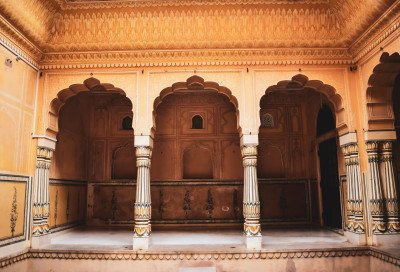 Tipu Sultan Fort is a massive, historic fortress encompassing the whole town of Srirangapatna, which is situated on an island in the Cauvery River. Originally a mud fort built by a Vijayanagara chieftain in 1454, it was later heavily fortified with stone by the Mysore Wodeyars and subsequently by Hyder Ali and Tipu Sultan, becoming the capital of the Mysore Sultanate from 1610 to 1799. The fort, with its double walls, bastions, and four major gates (Delhi, Bangalore, Mysore, and Water/Elephant Gates), was considered nearly impregnable. It was the strategic and administrative heart of the kingdom, housing the Royal Palace (Lal Mahal), the treasury, the Jama Masjid, the Sri Ranganathaswamy Temple, and military installations like the rocket court and dungeons. The fort witnessed the climactic battle of the Fourth Anglo-Mysore War in 1799, where Tipu Sultan was killed while defending it, leading to the fort's fall and the end of his rule. Today, it stands as a complex of ruins and well-preserved structures, illustrating the Indo-Islamic and Hindu architectural blend of the era.
Information
-
Why Famous:
Why Famous Place: Srirangapatna is famous as the stronghold of Tipu Sultan and the site of the Fourth Anglo-Mysore War in 1799.
Religious Significance: The Ranganathaswamy Temple is one of the most important shrines for Vaishnavas, dating ba...Why Famous Place: Srirangapatna is famous as the stronghold of Tipu Sultan and the site of the Fourth Anglo-Mysore War in 1799.
Religious Significance: The Ranganathaswamy Temple is one of the most important shrines for Vaishnavas, dating back to the 9th century AD.
Architectural Heritage: The town is a living museum of Indo-Islamic architecture, seen in its palaces, mosques, and the formidable Srirangapatna Fort. -
Architecture:
Place Architecture: The Sri Ranganathaswamy Temple showcases a blend of Hoysala and Vijayanagara styles with a massive five-storied Gopuram.
Dimension: The temple complex is vast, with the main deity of Lord Vishnu in a reclining posture mea...Place Architecture: The Sri Ranganathaswamy Temple showcases a blend of Hoysala and Vijayanagara styles with a massive five-storied Gopuram.
Dimension: The temple complex is vast, with the main deity of Lord Vishnu in a reclining posture measuring about 15 feet in length.
Daria Daulat Bagh: This summer palace is built in the Indo-Saracenic style, featuring intricate teakwood work and vibrant frescoes depicting battle scenes.
Gumbaz: The mausoleum of Tipu Sultan features a large dome supported by black hornblende pillars and walls painted with tiger stripes. -
How To Reach:
Place How to Reach:
By Air: Mysuru Airport (MYQ) is the nearest (30 KMS), but Bengaluru International Airport (160 KMS) offers better global connectivity.
By Train: Srirangapatna Railway Station is a major st...Place How to Reach:
By Air: Mysuru Airport (MYQ) is the nearest (30 KMS), but Bengaluru International Airport (160 KMS) offers better global connectivity.
By Train: Srirangapatna Railway Station is a major stop on the Bengaluru-Mysuru line, with many express trains stopping here daily.
By Road: It is located on the Bengaluru-Mysuru Expressway, making it very easy to reach by car or bus within 3 hours from Bengaluru.
By Local Transport: Taxis and auto-rickshaws are readily available from Mysuru and the local railway station to visit all major points of interest. -
Weather and Best Time to Visit:
Place Best Time to Visit:
Winter (October to March): The weather is very pleasant, ranging from 15°C to 30°C, making it the peak season for tourists and history buffs.
Monsoon (July to September): The Kaver...Place Best Time to Visit:
Winter (October to March): The weather is very pleasant, ranging from 15°C to 30°C, making it the peak season for tourists and history buffs.
Monsoon (July to September): The Kaveri River is in full flow, and the surroundings are green, but heavy rains might limit outdoor walking tours.
Summer (April to June): Summers can be quite hot with temperatures reaching 35°C, so carrying hats and water is essential for day visits. -
Near Tourist Places:
Mysuru Palace (15 KMS), Ranganathittu (5 KMS), Brindavan Gardens (20 KMS), Nimishamba Temple (2 KMS), Karighatta (5 KMS), Somnathpur (35 KMS), Shivanasamudra (80 KMS), Talakadu (50 KMS), Melukote (35 KMS), Chamundi Hills (25 KMS).
Tourism Tips
-
Place Tourism Tips:
Health & Safety: Drink plenty of water and wear comfortable walking shoes as exploring the fort and palaces involves a lot of walking.
Packing: Carry sunscreen, sunglasses, and a hat for t...Place Tourism Tips:
Health & Safety: Drink plenty of water and wear comfortable walking shoes as exploring the fort and palaces involves a lot of walking.
Packing: Carry sunscreen, sunglasses, and a hat for the daytime sun, and wear modest clothing when visiting the religious shrines.
Accommodation: Most tourists stay in Mysuru due to the wider range of hotels, but there are some riverside resorts in Srirangapatna for a quiet stay.
Other Tips: Hire a local guide to understand the complex history of the battles and the architectural nuances of the various monuments.
Reviews
FAQs
Srirangapatna Itineray And Cost:-
Information about New and Updated Locations() of Karnataka Has Been Added :-
Card subtitle
Note:-
Information provided here in good Faith and for reference only.
All information and pictures will be updated soon, please keep visiting.
Near Places
Badami
Some quick example text to build on the card title and make up the bulk of the card's content.
Go somewhere
Belagavi
Some quick example text to build on the card title and make up the bulk of the card's content.
Go somewhere
Belur
Some quick example text to build on the card title and make up the bulk of the card's content.
Go somewhere
Bengaluru
Some quick example text to build on the card title and make up the bulk of the card's content.
Go somewhere
Bidar
Some quick example text to build on the card title and make up the bulk of the card's content.
Go somewhere
Bijapur
Some quick example text to build on the card title and make up the bulk of the card's content.
Go somewhere
Chamarajanagar
Some quick example text to build on the card title and make up the bulk of the card's content.
Go somewhere
Chikkaballapur
Some quick example text to build on the card title and make up the bulk of the card's content.
Go somewhere
Chikmagalur
Some quick example text to build on the card title and make up the bulk of the card's content.
Go somewhere
Coorg
Some quick example text to build on the card title and make up the bulk of the card's content.
Go somewherein Other Cities