



Thirumalai Nayakkar Mahal
General information
-
Ideal Duration:
1.
5 to 2 Hours: (Including the Sound and Light Show)Place Type:
Historical Palace, Architectural Landmark, HeritEntry Fees:
General Entry Fee: There is a minimal entry fee for Indian citizens (typically INR 10 to 25) and a higher fee for foreign nationals (typically INR 50 to 100). The fee is collected at the entrance gate.
Photography/Videography Fee: A separat...General Entry Fee: There is a minimal entry fee for Indian citizens (typically INR 10 to 25) and a higher fee for foreign nationals (typically INR 50 to 100). The fee is collected at the entrance gate.
Photography/Videography Fee: A separate, nominal fee is often charged for still photography (typically INR 30 to 50). Videography fees are significantly higher (typically INR 100 to 200 or more) and may require special permission for commercial use. Always purchase the ticket for your camera if you intend to take photos.
Sound and Light Show Ticket: The show requires a separate ticket. Prices are usually moderate (e. g. , INR 50 to 100 per person) and differ for the Tamil and English shows. Tickets should be purchased at the counter well in advance, especially for the popular English show.
Parking Fees: A nominal parking fee is charged for two-wheelers and four-wheelers near the palace premises, managed by the local corporation.Timing:
Regular Timings (Palace Viewing): The palace is generally open from 9:00 AM to 5:00 PM daily, including weekends and public holidays. Note that there is often a short lunch break from 1:00 PM to 1:30 PM, during which entry may be temporarily suspended.
Read MoreRegular Timings (Palace Viewing): The palace is generally open from 9:00 AM to 5:00 PM daily, including weekends and public holidays. Note that there is often a short lunch break from 1:00 PM to 1:30 PM, during which entry may be temporarily suspended.
Sound and Light Show Timings:
English Show: Typically at 6:45 PM.
Tamil Show: Typically at 8:15 PM. (Always check the current schedule upon arrival, as times are subject to change).
Ideal Visit Time (Comfort & Light): The Best Time to Visit for comfort and photography is the early morning (9:00 AM to 11:00 AM), before the midday heat, or the late afternoon (3:30 PM to 5:00 PM). The light is best in the late afternoon. Visiting for the evening Sound and Light Show is mandatory for the complete experience.Special Events:
Sound and Light Show: This is the most consistent special event, held every evening in two languages (English at 6:45 PM, Tamil at 8:15 PM). It is a carefully curated historical and cultural narration, not a religious festival, but it is the primary attraction that occurs o...Sound and Light Show: This is the most consistent special event, held every evening in two languages (English at 6:45 PM, Tamil at 8:15 PM). It is a carefully curated historical and cultural narration, not a religious festival, but it is the primary attraction that occurs on a regular, almost daily, basis.
Arangetram and Cultural Events: The vast courtyard and grand halls are occasionally used by the Government of Tamil Nadu for major state functions, cultural performances (Arangetram ceremonies, classical dance recitals), and public heritage events, leveraging the majestic backdrop of the historic structure. These events are not regular but are significant when they occur.
State Heritage Day Celebrations: On important government or heritage-related days, special ceremonies or exhibitions are hosted at the Mahal to commemorate its historical and architectural significance, drawing public and official attendance.Best Photo Spots:
The Central Courtyard Pillars: The long colonnade of massive, white pillars in the Swarga Vilasam offers a dramatic photo opportunity, emphasizing symmetry and scale. The best time is during the Golden Hour (late afternoon) for warm light.
The ...The Central Courtyard Pillars: The long colonnade of massive, white pillars in the Swarga Vilasam offers a dramatic photo opportunity, emphasizing symmetry and scale. The best time is during the Golden Hour (late afternoon) for warm light.
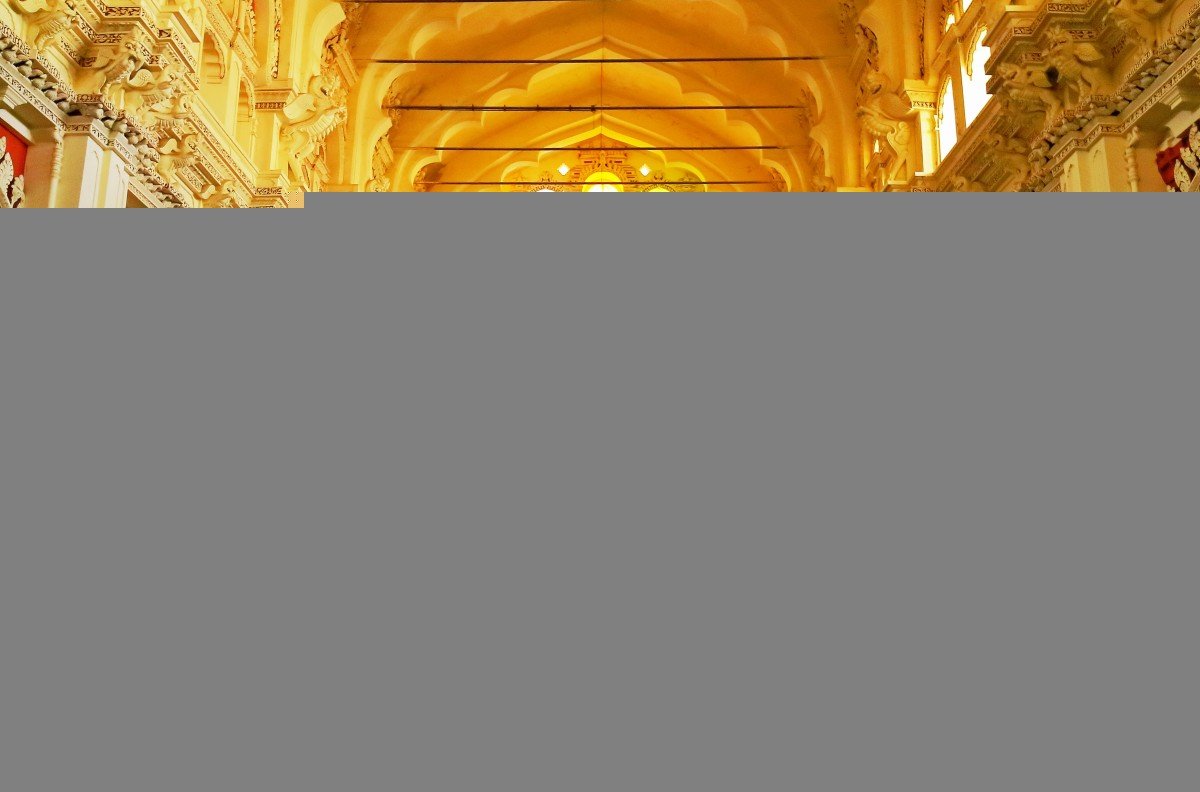
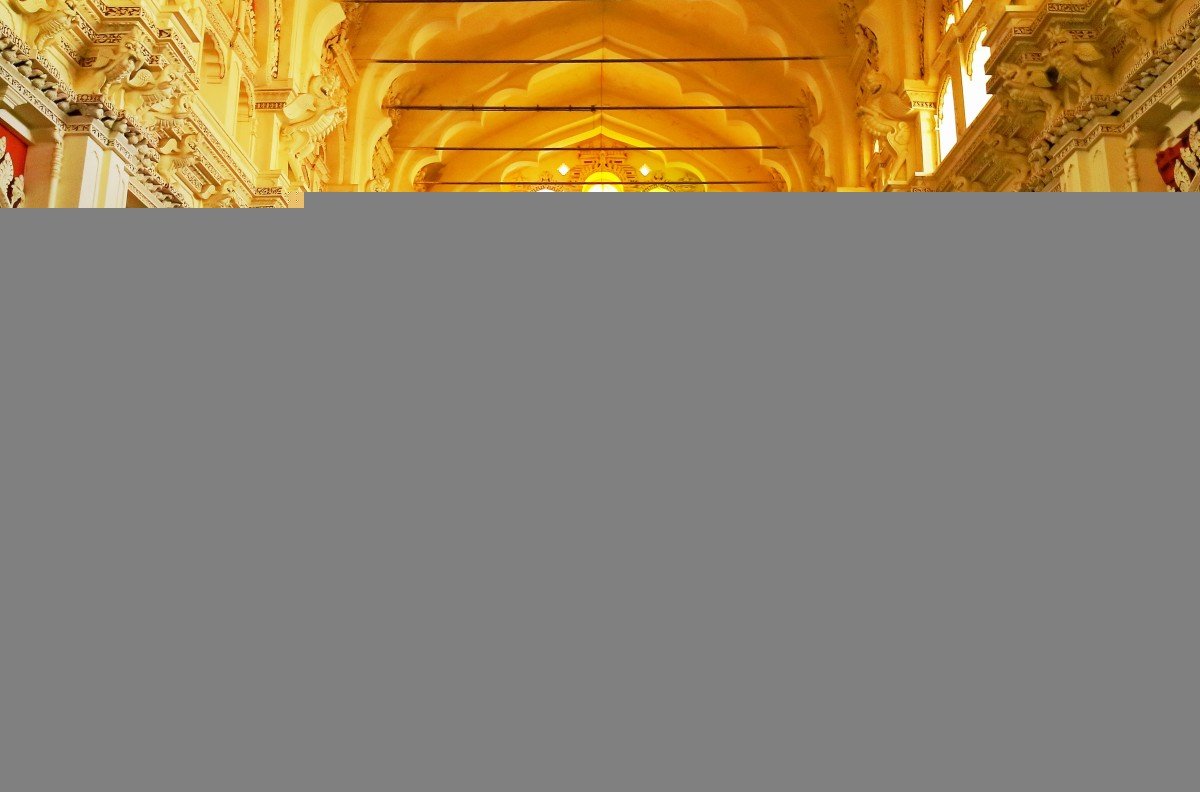
The Grand Arch and Dome: Stand directly beneath the main arch of the Swarga Vilasam and look up to capture the soaring height of the dome. This requires a wide-angle lens and a steady hand to capture the scale and the stucco work details.
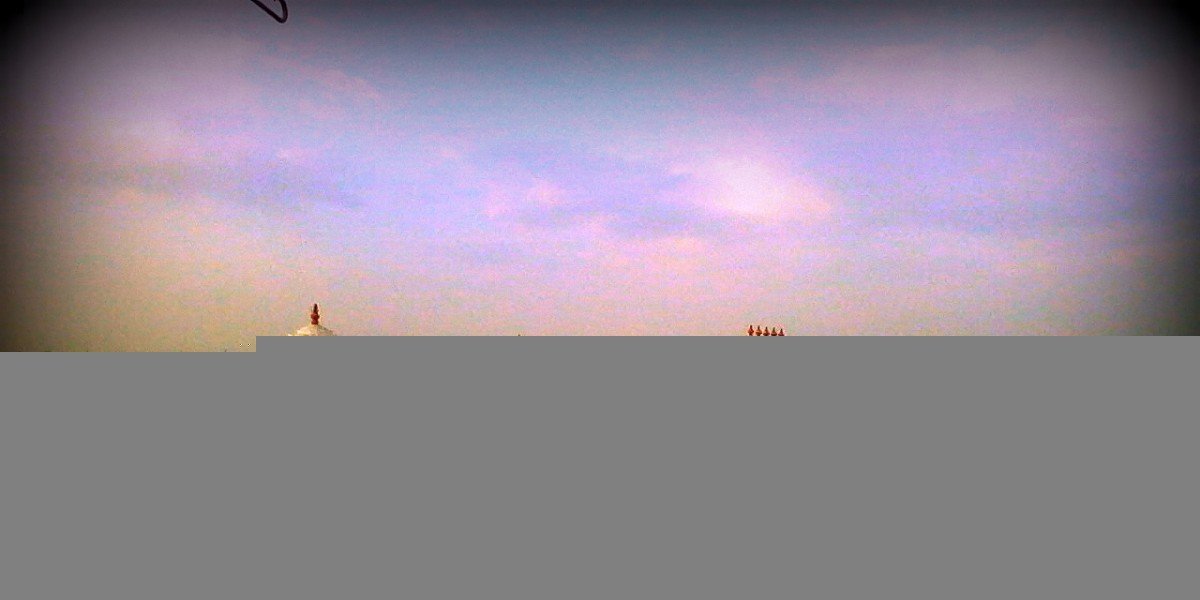
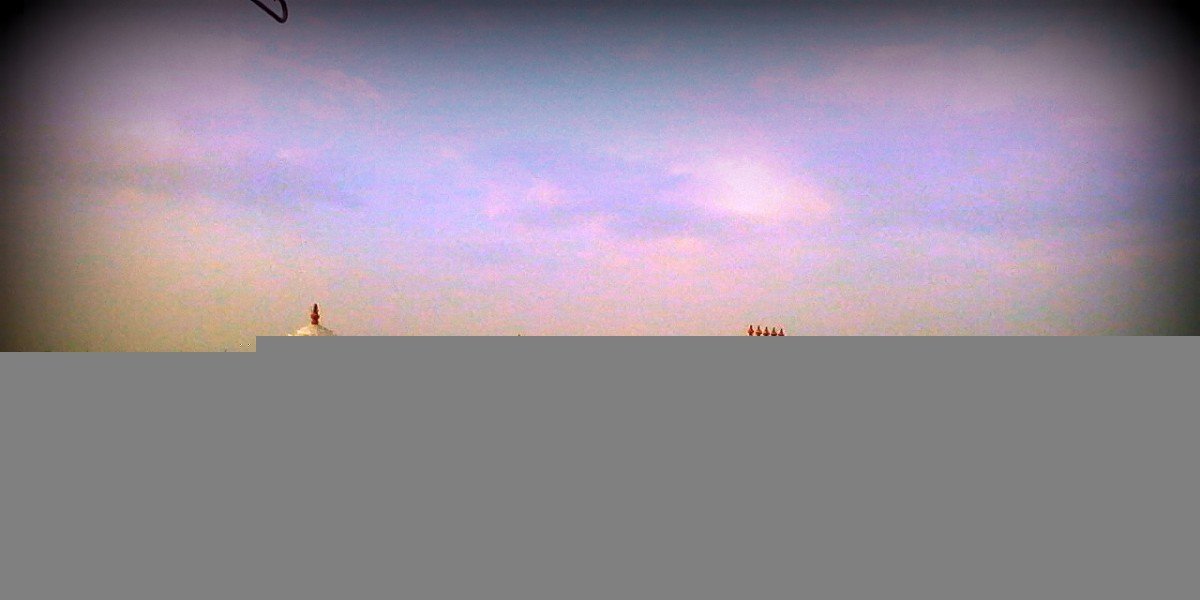
The Exterior Façade and Entrance: The palace's grand entrance gate provides a powerful visual, framing the scale of the structure. Capture the facade, which clearly shows the blend of the two architectural styles.
The Sound and Light Show Shots: During the evening show, the way the colored lights illuminate the colossal pillars and arches creates stunning, dramatic, and colorful photographs, though this is challenging to capture without a tripod. Focus on the reflections of the lights on the polished walls.Photo Gallery


Things To Do
-
Walking the Grand Courtyard: Spend time in the vast main courtyard, known as the Swarga Vilasam. Walk along the colossal pillared corridor and appreciate the immense scale of the architecture. Look up to admire the decorative arches and the smooth, polished chunnam plaster work on the columns.
Attending the Sound and Light Show: This is a highly recommended evening activity. The show is held daily (with separate timings for Tamil and English shows) and uses dramatic lighting and narration to bring the history of King Thirumalai Nayakkar and the palace to life. Book your tickets in advance.
Photography (Scale and Symmetry): This is an architect's dream for photography. Focus on capturing the height of the pillars and the symmetry of the arcades. The late afternoon light is best for minimizin...Walking the Grand Courtyard: Spend time in the vast main courtyard, known as the Swarga Vilasam. Walk along the colossal pillared corridor and appreciate the immense scale of the architecture. Look up to admire the decorative arches and the smooth, polished chunnam plaster work on the columns.
Attending the Sound and Light Show: This is a highly recommended evening activity. The show is held daily (with separate timings for Tamil and English shows) and uses dramatic lighting and narration to bring the history of King Thirumalai Nayakkar and the palace to life. Book your tickets in advance.
Photography (Scale and Symmetry): This is an architect's dream for photography. Focus on capturing the height of the pillars and the symmetry of the arcades. The late afternoon light is best for minimizing harsh shadows and providing a golden glow to the white walls and pillars. Use wide-angle lenses to capture the sheer size of the Swarga Vilasam dome.
Visiting the Dance Hall: Explore the remains of the Dance Hall (Natyasala) and other adjacent rooms to see the different architectural styles and the extent of the restoration work. These areas often have informative plaques detailing the original function of the space.
Exploring the Museum Section: Dedicate time to the smaller museum/gallery sections within the palace that display recovered artefacts, drawings of the original complex, and historical information. This provides crucial context to the magnificent, surviving structure.
Understanding the Fusion: Look for specific elements that showcase the Indo-Saracenic fusion—for example, the use of pointed arches (Islamic influence) on a granite structure (Dravidian influence). The fusion is key to understanding the palace's unique identity.
Shopping for Madurai Souvenirs: The streets surrounding the Mahal, particularly the Mahal Area and Panthadi Street, are excellent for traditional shopping, particularly for jewelry and metalware, after your visit to the palace.
Information
-
Why Famous:
A Royal Legacy of Power and Art: The palace's fame rests on its association with King Thirumalai Nayakkar, a visionary and powerful ruler whose patronage defined the golden age of Madurai in the 17th century. The palace was intended to be the jewel of his empire. Its colos...A Royal Legacy of Power and Art: The palace's fame rests on its association with King Thirumalai Nayakkar, a visionary and powerful ruler whose patronage defined the golden age of Madurai in the 17th century. The palace was intended to be the jewel of his empire. Its colossal scale and the breathtaking architectural mastery—especially the unsupported dome and the towering pillars in the Swarga Vilasam—make it a globally recognized example of Indo-Saracenic architecture. The palace is an essential historical site that allows visitors to physically walk through the court of one of South India's greatest monarchs.
The Daily Sound and Light Show: The evening show, held in Tamil and English, is a major draw. It vividly recounts the life, military campaigns, and cultural contributions of King Thirumalai Nayakkar, using the majestic architecture itself as the backdrop. This interactive, modern presentation of history is a popular reason for the palace's notoriety and is a must-see for visitors, ensuring the king's legacy endures. -
Architecture:
Indo-Saracenic (Dravidian-Islamic) Synthesis: The architecture is defined by its masterful fusion of native Dravidian elements (like the massive granite structure) with Islamic features (like the extensive use of arches, domes, and Stucco work). The palace was reportedly de...Indo-Saracenic (Dravidian-Islamic) Synthesis: The architecture is defined by its masterful fusion of native Dravidian elements (like the massive granite structure) with Islamic features (like the extensive use of arches, domes, and Stucco work). The palace was reportedly designed by an Italian architect, further adding to its unique hybrid style. Dimension of the Swarga Vilasam (Celestial Pavilion): This is the most impressive surviving section, originally the throne room. It measures approximately 75 meters by 52 meters. The huge, unsupported dome, which rises to 70 feet, is a marvel of 17th-century engineering, constructed entirely of brick and mortar without wooden rafters or girders.
Pillars and Arches: The Main Courtyard is flanked by massive white stone pillars, each measuring up to 20 meters (66 feet) in height and 4 meters (13 feet) in circumference. These pillars are connected by grand ornamental arches that provide an overwhelming sense of scale and majesty to the space. The use of polished chunnam (shell-lime plaster mixed with egg white) gives the walls and pillars a distinct, smooth texture.
Original Complex: The original palace was divided into two main sections: Swarga Vilasam (the royal residence/throne room) and Ranga Vilasam (the servants' quarters, gardens, and religious structures). The present remains are primarily the Swarga Vilasam area. -
How To Reach:
By Air: The nearest airport is Madurai International Airport (IXM), about 12 KMS away. Hire a taxi or cab directly to the Mahal Area. The journey takes about 30 minutes.
By Train: Madurai Junction Railway Station (MDU) is the main station ...By Air: The nearest airport is Madurai International Airport (IXM), about 12 KMS away. Hire a taxi or cab directly to the Mahal Area. The journey takes about 30 minutes.
By Train: Madurai Junction Railway Station (MDU) is the main station and is only about 1. 5 KMS from the Mahal. This distance is easily covered by a short auto-rickshaw ride (about 5 minutes) or a brisk walk (15-20 minutes). The location is highly central and well-known.
By Road: Being in the heart of the city, the Mahal is easily accessible from any of the city's bus stands (Mattuthavani, Arapalayam) via local city bus, taxi, or auto-rickshaw. It is located on the old city's main street network, making road access highly convenient but often subject to heavy traffic congestion.
By Local Transport: An auto-rickshaw is the simplest way to reach the Mahal. Due to the high traffic in the area, it is often faster to get dropped off a short distance away and walk the final few hundred meters. The site is a well-established and famous landmark; asking for "Nayakar Mahal" will suffice. -
Weather and Best Time to Visit:
Season-wise: Winter (October to March) is the most comfortable and Best Time to Visit. The cooler weather allows for a relaxing exploration of the open courtyard. Monsoon (June to September) makes the air humid but the structure remains majestic. Summer (April to June) is...Season-wise: Winter (October to March) is the most comfortable and Best Time to Visit. The cooler weather allows for a relaxing exploration of the open courtyard. Monsoon (June to September) makes the air humid but the structure remains majestic. Summer (April to June) is hot, making the visit difficult during midday, so stick to the early morning or late afternoon.
Part of the Day-wise: Late Afternoon (3 PM - 5 PM) is ideal for viewing the architecture, followed by the Evening (6 PM onwards) for the Sound and Light Show. Visiting in the early morning is also comfortable but lacks the dramatic lighting of the evening. -
Near Tourist Places:
Meenakshi Amman Temple: (Approx. 1.
5 KMS) Saint Mary's Cathedral: (Approx.
1 KMS) Puthu Mandapam: (Approx. 1.
5 KMS) Vandiyur Mariamman Teppakulam: (Approx. 3.
5 KMS) Madurai Railway Junction: (Approx. 1.
5 KMS) Kazimar Big Mosque: (Approx.
1 KMS) Tirupparankundram Temple: (Approx.
9 KMS) Gandhi Memorial Museum: (Approx. 5 KMS) Tiruchirappalli (Original destination of materials): (Approx.
130 KMS) Goripalayam Dargah: (Approx. 3 KMS)
Tourism Tips
-
Health & Safety: The building is old, and some surfaces may be uneven; watch your step, especially in the peripheral areas. Stay alert in crowds during the peak tourist season and for the evening show.
Packing: Carry a camera and water. L...Health & Safety: The building is old, and some surfaces may be uneven; watch your step, especially in the peripheral areas. Stay alert in crowds during the peak tourist season and for the evening show.
Packing: Carry a camera and water. Light, cotton, and comfortable clothing are recommended. Since it is a secular monument (a palace, not a temple), there is no strict dress code, but modest wear is always appropriate.
Accommodation: Choose a hotel in the city center or near the Madurai Junction for easy access. The Mahal is centrally located, making it a good base for exploring the other temple areas.
Show Tickets: Buy your Sound and Light Show tickets as soon as you arrive, or even a day before, to ensure a seat, particularly for the English show, which is popular with tourists. Arrive at least 30 minutes before the show starts to get a good seat.
Reviews
FAQs
Madurai Itineray And Cost:-
Thirumalai Nayakkar Mahal Tourism:-
Other Places In Madurai :-
Other States In India :-
Information about New and Updated Locations() of Tamil Nadu Has Been Added :-
Card subtitle
Note:-
Information provided here in good Faith and for reference only.
Near Places

Athisayam Water & Amusement Park
Some quick example text to build on the card title and make up the bulk of the card's content.
Go somewhere
Azhagar Kovil
Some quick example text to build on the card title and make up the bulk of the card's content.
Go somewhere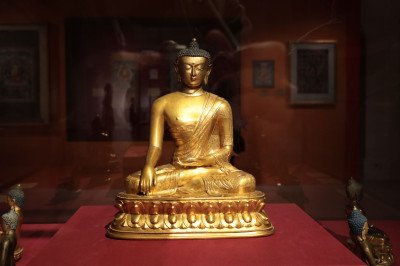
Gandhi Memorial Museum
Some quick example text to build on the card title and make up the bulk of the card's content.
Go somewhere
Kazimar Big Mosque
Some quick example text to build on the card title and make up the bulk of the card's content.
Go somewhere
Koodal Azhagar Temple
Some quick example text to build on the card title and make up the bulk of the card's content.
Go somewhere
Kutladampatti Falls
Some quick example text to build on the card title and make up the bulk of the card's content.
Go somewhere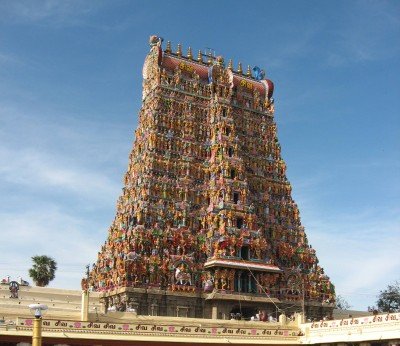
Meenakshi Amman Temple
Some quick example text to build on the card title and make up the bulk of the card's content.
Go somewhere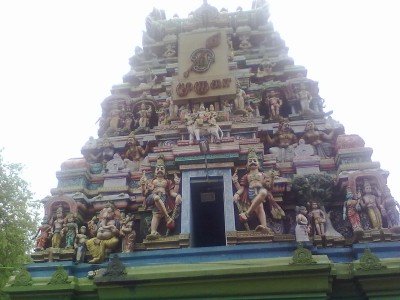
Pazhamudhircholai
Some quick example text to build on the card title and make up the bulk of the card's content.
Go somewhere
Puthu Mandapam
Some quick example text to build on the card title and make up the bulk of the card's content.
Go somewhere
Saint Mary's Cathedral
Some quick example text to build on the card title and make up the bulk of the card's content.
Go somewhere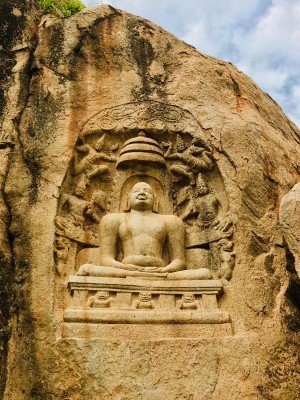
Samanar Hills / Samanar Malai
Some quick example text to build on the card title and make up the bulk of the card's content.
Go somewhere
Thirumalai Nayakkar Mahal
Some quick example text to build on the card title and make up the bulk of the card's content.
Go somewhere
Thirupparankundram Murugan Temple
Some quick example text to build on the card title and make up the bulk of the card's content.
Go somewhere
Vaigai Dam
Some quick example text to build on the card title and make up the bulk of the card's content.
Go somewhere
Vandiyur Mariamman Teppakulam
Some quick example text to build on the card title and make up the bulk of the card's content.
Go somewherein Other Cities