

Yamunanagar
General information
-
Ideal Duration:
2 to 3 DaysPlace Type:
Industrial and WildlifeEntry Fees:
National Park Fees: Entry to Kalesar National Park costs around Rs.50 for Indians, with additional charges for jeep safaris and camera equipment for visitors.
Heritage Sites: Most sites like the Chaneti Stupa and Kapal Mochan do not charge any...National Park Fees: Entry to Kalesar National Park costs around Rs.50 for Indians, with additional charges for jeep safaris and camera equipment for visitors.
Heritage Sites: Most sites like the Chaneti Stupa and Kapal Mochan do not charge any entry fee, though small donations at temples are common practices.
Herbal Park Entry: The Ch. Devi Lal Herbal Nature Park has a nominal entry fee of about Rs.10 to Rs.20 for adults, used for the maintenance of the plant species.
Parking Charges: Public and private parking lots at major spots like Hathni Kund and the local malls charge between Rs.20 and Rs.50 per vehicle.Timing:
Regular Hours: The Kalesar National Park is open from 6:00 AM to 10:00 AM and 3:00 PM to 6:00 PM; most temples are open from 5:00 AM to 8:00 PM.
Ideal Visit Time: Winters (November to February) are the best for exploring the wildlife and hi...Regular Hours: The Kalesar National Park is open from 6:00 AM to 10:00 AM and 3:00 PM to 6:00 PM; most temples are open from 5:00 AM to 8:00 PM.
Ideal Visit Time: Winters (November to February) are the best for exploring the wildlife and historical sites as the weather remains cool and pleasant all day.
Park Closures: Please note that Kalesar National Park may be closed during the peak monsoon months of July to September for the safety of visitors.
Market Timings: Local markets in Yamunanagar and Jagadhri are generally open from 10:00 AM to 9:00 PM, with most remaining closed on Sundays.Special Events:
Kapal Mochan Mela: A massive religious fair held in November on Kartik Purnima, where lakhs of devotees gather for holy baths and traditional cultural activities.
Lohri and Baisakhi: Celebrated with great energy in the industrial and rural a...Kapal Mochan Mela: A massive religious fair held in November on Kartik Purnima, where lakhs of devotees gather for holy baths and traditional cultural activities.
Lohri and Baisakhi: Celebrated with great energy in the industrial and rural areas, featuring folk dances, bonfires, and feasts that highlight the local Punjabi influence.
Gita Jayanti: The city also participates in the state-wide celebrations of the Gita, with local temples hosting special prayers and cultural events during the month.
Holi Celebrations: The festival of colors is a grand affair in the city's residential colonies and industrial estates, bringing people from all communities together to celebrate.Best Photo Spots:
Hathni Kund Vista: The wide expanse of the Yamuna River with the blue hills in the background provides a stunning landscape shot for every nature photographer.
Chaneti Stupa Brickwork: The geometric patterns of the ancient bricks and the mas...Hathni Kund Vista: The wide expanse of the Yamuna River with the blue hills in the background provides a stunning landscape shot for every nature photographer.
Chaneti Stupa Brickwork: The geometric patterns of the ancient bricks and the massive dome create a perfect subject for architectural and historical photography.
Kalesar Forest Canopy: The dense Sal forests and the filtering sunlight offer a magical environment for wildlife and nature-focused photography in the park.
Chhachhrauli Clock Tower: The unique blend of stone and colonial design makes for a great architectural frame, especially during the soft light of the late afternoon.
Adibadri Temples: The ancient stone temples set against the rugged Shivalik hills provide a spiritually charged and scenic subject for travel and culture photos.Photo Gallery
Things To Do
 Adi Badri is a site of immense archaeological, religious, and ecological significance, situated in the picturesque foothills of the Shivalik Hills in northern Yamunanagar district. It is closely associated with the mythical origin of the holy Sarasvati River, where the river is believed to emerge from the mountains. The area contains remnants of ancient Buddhist Stupas and monasteries, dating back 1500–2000 years, alongside a cluster of Hindu temples from the 9th Century CE. Excavations by the ASI have uncovered multiple cultural phases, including the Buddhist Sharirika Stupa (3rd century Kushana era) and Adi Badri-Narayana temple. Legends suggest that the sage Ved Vyasa wrote the Mahabharata nearby and the Pandavas spent their last year of exile here, making it one of the most ancient Vedic religious sites in Haryana and a key part of the 48 kos parikrama of Kurukshetra. The surrounding landscape, rich in biodiversity, adds to its tranquility and spiritual importance.
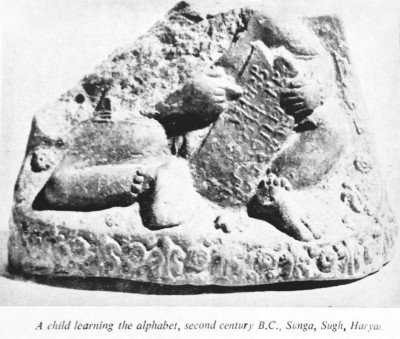 @@ Archaeological Significance: The Sugh Ancient Mound is a site of immense historical importance, identified as the ancient city of Shrughna. It was mentioned in the travelogues of the famous Chinese traveler Hiuen Tsang in the 7th century. The mound covers a vast area and has yielded artifacts dating back to the Mauryan and Kushan periods. Excavations have revealed a rich urban life that existed thousands of years ago. It served as a strategic point on the ancient trade route connecting the Gangetic plains to the northwest. The site is a treasure trove for history buffs and researchers interested in early Indian civilizations. Many terracotta figurines found here are now displayed in national museums. The mound provides a glimpse into the architectural and social structure of ancient Haryana. Despite its age, the layout of the old city can still be traced by experts. It is surrounded by lush green fields, making it a peaceful spot for exploration. The government has protected the site to prevent further encroachment. Visiting this place is like stepping back in time to the Vedic era. It is one of the few places where the layers of history are literally visible. The local community holds the site in high regard due to its links to the past. :
 @@Place Details: Buria is one of the oldest towns in the region, deeply rooted in the history of the Mughal Empire. It is widely celebrated as the birthplace of Birbal, the legendary advisor and wit in the court of Emperor Akbar. The town features a significant Fort built by Sikh rulers and the famous Rang Mahal, a three-storied pleasure palace constructed during the reign of Shah Jahan. This site served as a serene getaway for the Mughal royals during their hunting expeditions and official travels. The town has witnessed the rise and fall of various dynasties, from the Mughals to the Sikhs and eventually the British. Today, the ruins of the Fort of Buria stand on raised ground, offering a panoramic view of the surrounding landscape. The Rang Mahal still showcases the artistic brilliance of the 17th century with its ornate designs. Visitors can explore the narrow lanes of the town, which feel like a walk through time. The town's atmosphere is a unique blend of rural charm and imperial history, making it a must-visit for heritage enthusiasts. Local legends suggest that the underground tunnels once connected the palace to other strategic locations. The preservation of these sites is handled by the archaeology department to maintain their historical integrity. Exploring Buria provides a deep insight into the socio-political evolution of Haryana. The town also houses ancient temples and a Gurudwara dedicated to Guru Tegh Bahadur.
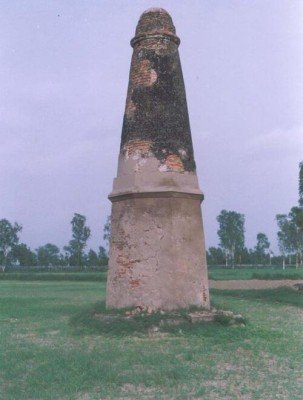 @@Historic Significance: The Kos Minar is a medieval milestone that was built by the Mughal emperors, primarily by Sher Shah Suri and later maintained and expanded by Akbar, along the major routes known as the Grand Trunk Road (or Sadak-e-Azam). These towers were built at every 'Kos' (an ancient unit of distance, roughly 3.2 kilometers or 2 miles) to mark the distance and provide guidance to travelers, royal messengers, and armies. This particular Minar near Yamunanagar serves as a tangible link to India's vast historical network of communication and trade routes. It represents an era when infrastructure development was crucial for the administration of a massive empire. Today, it stands as a protected monument, a silent testament to centuries of travel and historical change, reminding visitors of the impressive logistical planning of the Mughal administration. Its simple, yet robust, design allowed it to survive centuries of weather and conflict, making it a valuable piece of heritage in the Yamunanagar region. It is a favored spot for history enthusiasts and students studying Mughal roadways and administrative systems. The surrounding area is often quiet, providing a peaceful environment to reflect on its history. The Minar's cylindrical structure against the backdrop of the modern landscape highlights the contrast between the past and the present.
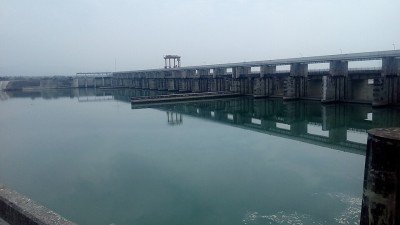 The Dadupur Barrage is an important structure in the irrigation network of Haryana, primarily known for diverting water from the Yamuna River (via the Western Yamuna Canal) and the Somb River into the Dadupur-Nalvi Canal. This canal network is crucial for providing irrigation water to vast tracts of agricultural land in the region. Although the search results sometimes reference the nearby Pathrala Barrage (on the Somb River) which feeds the Western Yamuna Canal, and the Hathni Kund Barrage (on the Yamuna River) which replaced the Tajewala Barrage, the Dadupur Barrage itself is key to the local canal system that supports the livelihood of many farmers in the district. It represents a significant feat of regional engineering and is a quiet, scenic spot, often visited for its peaceful setting near the water body and its view of the surrounding countryside.
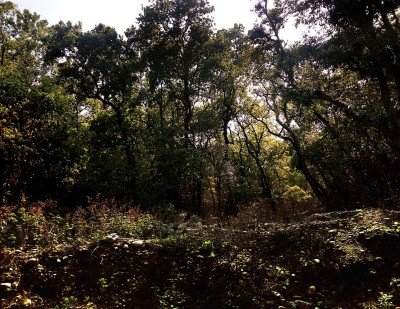 Declared a National Park on December 8, 2003, Kalesar National Park spans an area of 11,570 acres (46.8 sq km) and is Haryana's only National Park with a good natural forest. Named after the Kalesar (Shiva) temple located within the protected area, it is a biodiversity hotspot in the foothills of the Shivalik Hills. The park's ecosystem is dominated by dense Sal forests, along with Khair forests and patches of grasslands, which support a wide array of flora and fauna. It is an integral part of a larger ecological corridor, contiguous with Simbalbara National Park (Himachal Pradesh) and Rajaji National Park (Uttarakhand), which means it receives occasional visits from large, threatened animals like Tigers and Elephants. It is a major conservation site, safeguarding species such as the Leopard, Ghoral, Barking Deer, Sambar, and Red Jungle Fowl.
 Named after the former Deputy Prime Minister of India, Ch. Devi Lal, this expansive Herbal Nature Park is situated in the Chuharpur Reserved Forest near the Shivalik foothills. Inaugurated in November 2001, the park spans a large area (the forest itself is 184 acres) and is a dedicated resource base for the conservation and propagation of medicinal plants. It houses over 400 rare and endangered species of herbs, shrubs, and medicinal trees, making it a significant center for education, research, and tourism, instrumental in promoting the commercial potential of regional medicinal resources. The park features an elaborately designed Demonstrative Herbal Garden, a Poly House for seedling preparation, a Green House for hardening young plants, and a charming Bamboo Hut serving as an information center. It also includes an artificial lake fed by the West Yamuna Canal and a small children's park, attracting a wide range of visitors, including farmers for training on agro-forestry models and conservationists.Show All
 @@Place Details: The Chaneti Buddhist Stupa is a monumental evidence of the spread of Buddhism in the northern plains of India. Dating back to the 3rd Century BCE, it is widely believed to have been constructed during the reign of the Mauryan Emperor Ashoka. The site was mentioned by the famous Chinese traveler Hiuen Tsang in his travelogues, where he described the prosperous kingdom of Srughna (modern-day Sugh). This stupa is one of the few surviving structures that represent the early phase of Buddhist architecture in Haryana. It is built entirely of sun-dried and baked bricks, arranged in a hemispherical dome shape. Over the centuries, the structure remained buried under a mound until it was identified by archaeologists in the 19th century. The Archaeological Survey of India (ASI) has since restored parts of it to preserve its historical value. The stupa sits in a quiet, rural setting, offering a peaceful atmosphere for meditation and contemplation. It is a significant stop for pilgrims on the Buddhist circuit in North India. The site highlights the ancient link between the Yamuna region and the teachings of Lord Buddha. Scholars believe the stupa might have originally housed sacred relics. The surrounding area of Sugh is also rich in terracotta artifacts and ancient coins. Visiting this site is like touching a piece of history that is over 2,300 years old.
Information
-
Why Famous:
Timber and Sugar Hub: Yamunanagar is world-famous as a premier industrial center for high-quality plywood, paper, and sugar production in the northern part of India.
Kalesar National Park: It is famous for its rich biodiversity and dense for...Timber and Sugar Hub: Yamunanagar is world-famous as a premier industrial center for high-quality plywood, paper, and sugar production in the northern part of India.
Kalesar National Park: It is famous for its rich biodiversity and dense forests that house leopards, elephants, and various bird species in the Shivalik foothills.
Chaneti Stupa: The city is renowned for this ancient Buddhist monument, which is one of the few surviving examples of Mauryan brick architecture in the entire region.
Hathni Kund: It is famous for the majestic barrage on the Yamuna River, offering a beautiful spot for picnics and a scenic border point between Haryana and UP. -
Architecture:
Buddhist Brickwork: The Chaneti Stupa is a massive hemispherical structure made of solid burnt bricks, spanning about 100 square meters at its base and rising 8 meters high.
Mughal Influence: The Rang Mahal and Buria fort reflect late Mughal...Buddhist Brickwork: The Chaneti Stupa is a massive hemispherical structure made of solid burnt bricks, spanning about 100 square meters at its base and rising 8 meters high.
Mughal Influence: The Rang Mahal and Buria fort reflect late Mughal styles with decorative frescoes, arched gateways, and thick defensive stone walls designed for royal leisure.
Modern Engineering: The Hathni Kund Barrage is a marvel of civil engineering, featuring a large concrete dam structure that regulates the flow of the Yamuna for irrigation and power.
Colonial Clock Towers: The Chhachhrauli Fort features a unique clock tower that combines local stone masonry with British architectural elements, standing as a landmark in the town. -
How To Reach:
By Air: The nearest major airport is Chandigarh Airport, located about 85 KMs away, which is well-connected to the city via taxis and regular buses.
By Train: Yamunanagar-Jagadhri Railway Station is a key stop on the Amritsar-Howrah main lin...By Air: The nearest major airport is Chandigarh Airport, located about 85 KMs away, which is well-connected to the city via taxis and regular buses.
By Train: Yamunanagar-Jagadhri Railway Station is a key stop on the Amritsar-Howrah main line, with frequent trains from Delhi, Lucknow, and Chandigarh.
By Road: The city is well-connected by National Highway 344, with regular bus services from Dehradun, Delhi, Ambala, and other neighboring industrial towns.
By Local Transport: Within the city, auto-rickshaws and cycle-rickshaws are the primary modes of transport, while taxis are available for visiting distant spots like Kalesar. -
Weather and Best Time to Visit:
Winter Season: October to March is the best time for sightseeing and wildlife safaris, as the humidity is low and the temperature is very comfortable.
Spring Time: March and April offer clear skies and blooming flowers in the Herbal Park, ma...Winter Season: October to March is the best time for sightseeing and wildlife safaris, as the humidity is low and the temperature is very comfortable.
Spring Time: March and April offer clear skies and blooming flowers in the Herbal Park, making it a great time for nature walks and photography.
Early Morning: The best time for visiting the national park and the river banks, as wildlife is most active and the air is fresh and invigorating for travelers.
Late Evening: Perfect for visiting the local markets or enjoying a quiet meal at one of the city's restaurants after a long day of exploring the nearby hills. -
Near Tourist Places:
1. Kalesar (30 KM), 2. Jagadhri (Adjacent), 3. Paonta Sahib (45 KM), 4. Dehradun (100 KM), 5. Kurukshetra (50 KM), 6. Ambala (55 KM), 7. Chandigarh (85 KM), 8. Saharanpur (35 KM), 9. Adibadri (40 KM), 10. Bilaspur (25 KM)
Tourism Tips
-
Health and Safety: Always follow the instructions of forest guards during the safari and do not attempt to feed any wild animals in the national park area.
Packing Tips: Pack light cotton clothes for the day and a light jacket for the cool w...Health and Safety: Always follow the instructions of forest guards during the safari and do not attempt to feed any wild animals in the national park area.
Packing Tips: Pack light cotton clothes for the day and a light jacket for the cool winter evenings, along with sturdy shoes for trekking in the hills.
Accommodation: Stay at the Kalesar Forest Rest House for a unique experience, or choose from the many modern hotels available in the main Yamunanagar city.
Respecting the River: Keep the banks of the Yamuna clean by not littering, and be cautious of the water currents near the barrage and the river banks.
Reviews
FAQs
Yamunanagar Itineray And Cost:-
Other Places In Haryana :-
Other States In India :-
Information about New and Updated Locations() of Haryana Has Been Added :-
Card subtitle
Note:-
Information provided here in good Faith and for reference only.
Near Places

Ambala
Some quick example text to build on the card title and make up the bulk of the card's content.
Go somewhere
Bahadurgarh
Some quick example text to build on the card title and make up the bulk of the card's content.
Go somewhere
Bhiwani
Some quick example text to build on the card title and make up the bulk of the card's content.
Go somewhere
Faridabad
Some quick example text to build on the card title and make up the bulk of the card's content.
Go somewhere
Fatehabad
Some quick example text to build on the card title and make up the bulk of the card's content.
Go somewhere
Gurugram
Some quick example text to build on the card title and make up the bulk of the card's content.
Go somewhere
Hisar
Some quick example text to build on the card title and make up the bulk of the card's content.
Go somewhere
Jhajjar
Some quick example text to build on the card title and make up the bulk of the card's content.
Go somewhere
Jind
Some quick example text to build on the card title and make up the bulk of the card's content.
Go somewhere
Jyotisar
Some quick example text to build on the card title and make up the bulk of the card's content.
Go somewhere
Karnal
Some quick example text to build on the card title and make up the bulk of the card's content.
Go somewhere
Kurukshetra
Some quick example text to build on the card title and make up the bulk of the card's content.
Go somewhere
Narnaul
Some quick example text to build on the card title and make up the bulk of the card's content.
Go somewhere
Palwal
Some quick example text to build on the card title and make up the bulk of the card's content.
Go somewhere
Panchkula
Some quick example text to build on the card title and make up the bulk of the card's content.
Go somewhere
Panipat
Some quick example text to build on the card title and make up the bulk of the card's content.
Go somewherein Other Cities