

Darbhanga
General information
-
Ideal Duration:
Place Idea Duration: 2 Days.Place Type:
Place Category: Heritage, Pilgrimage, and CultuEntry Fees:
Standard Visitor Fees: Entry to the Darbhanga Fort and its external grounds is free for all visitors. The Chandradhari Museum and Maharaja Laxmiswar Singh Museum charge a nominal fee of Rs.5 to Rs.10 for Indian citizens. Most temples, including Shyama Mai and Ahilya Asthan, d...Standard Visitor Fees: Entry to the Darbhanga Fort and its external grounds is free for all visitors. The Chandradhari Museum and Maharaja Laxmiswar Singh Museum charge a nominal fee of Rs.5 to Rs.10 for Indian citizens. Most temples, including Shyama Mai and Ahilya Asthan, do not have any entry charges. Special photography permits in museums might cost extra depending on the department's rules.Timing:
Standard Timings and Best Hours: Museums are generally open from 10:00 AM to 5:00 PM, usually closed on Mondays. The Shyama Mai Temple is open from 5:00 AM to 9:00 PM daily for devotees. The ideal time to visit the fort and palaces is in the late afternoon for better ligh...Standard Timings and Best Hours: Museums are generally open from 10:00 AM to 5:00 PM, usually closed on Mondays. The Shyama Mai Temple is open from 5:00 AM to 9:00 PM daily for devotees. The ideal time to visit the fort and palaces is in the late afternoon for better lighting and cooler temperatures. Early morning is the best time for visiting the Bird Sanctuary to spot the most activity.Special Events:
Shyama Mai Festival: The annual festival held in December at the Shyama Mai Temple is a grand event attracting lakhs of devotees. Another major event is Mithila Mahotsav, which celebrates the local art, music, and food of the region. During Chhath Puja, the numerous ponds...Shyama Mai Festival: The annual festival held in December at the Shyama Mai Temple is a grand event attracting lakhs of devotees. Another major event is Mithila Mahotsav, which celebrates the local art, music, and food of the region. During Chhath Puja, the numerous ponds of Darbhanga come alive with thousands of worshippers offering prayers to the Sun God.Best Photo Spots:
Top Photography Locations: The Sinha Dwar of Darbhanga Fort is the most iconic spot for capturing the grandeur of the city. The reflection of the Shyama Mai Temple in the central pond during sunset provides a breathtaking frame for photographers. The vibrant murals of Mad...Top Photography Locations: The Sinha Dwar of Darbhanga Fort is the most iconic spot for capturing the grandeur of the city. The reflection of the Shyama Mai Temple in the central pond during sunset provides a breathtaking frame for photographers. The vibrant murals of Madhubani paintings on the walls of the Darbhanga Railway Station are perfect for colorful street photography. Nargona Palace offers a majestic backdrop with its unique architectural blend and sprawling lawns. Finally, the Kusheshwar Asthan Bird Sanctuary is a paradise for wildlife photographers to capture migratory birds.Photo Gallery
Things To Do
 The Raghopur site, known as the Sheosingh-garh Mound, is a significant archaeological landmark in the Darbhanga district. It is widely believed to contain the remnants of a grand palace or fortress built by the legendary Raja Shiva Singh, a powerful ruler of the Oinwar dynasty who reigned in the early 15th century. Shiva Singh was a great patron of arts and the famous poet Vidyapati, and his court was a center of Maithili culture. The mound at Raghopur stands as a silent testament to this golden era of Mithila. Over the centuries, the structure has been covered by layers of earth, forming a prominent hillock that dominates the local landscape. Archaeological explorations have occasionally yielded pottery shards, ancient coins, and brick structures that suggest a sophisticated level of urban planning. For visitors, the site offers a sense of mystery and a deep connection to the medieval history of North Bihar. Walking atop the mound, one can see the surrounding fertile plains of the Kamla river basin, which likely provided the economic foundation for Shiva Singh's kingdom. The site is not just a pile of earth but a cultural repository that local villagers protect with various legends of hidden treasures and subterranean passages. It is a must-visit for those who wish to go beyond the typical tourist circuit and explore the roots of Maithili identity.
Ahilya Asthan is one of the most significant pilgrimage sites in the Mithila region, deeply rooted in the Ramayana. According to legend, this is the exact spot where Lord Rama liberated Ahilya, the wife of Sage Gautam, from a stone curse. For centuries, the site has served as a beacon of hope and spiritual cleansing for devotees who travel from far and wide to offer prayers. The temple is situated in the peaceful village of Ahiyari, surrounded by lush greenery and the gentle flow of local streams, providing a serene backdrop for meditation. Visitors often feel a profound sense of peace as they walk through the gates, where the air is filled with the scent of incense and the sound of Vedic chants. The history of the temple dates back to the Darbhanga Raj era, specifically built during the reign of Maharaja Chhatra Singh in 1835 AD. It serves not just as a religious center but also as a cultural hub where the oral traditions of the Ramayana are kept alive through generations. The local community takes great pride in maintaining the sanctity of this site, ensuring that every pilgrim leaves with a sense of divine grace. The temple complex also includes various smaller shrines and a sacred pond where rituals are performed daily. Over the years, the site has evolved into a major tourist attraction, drawing history buffs and spiritual seekers alike to witness the living legacy of ancient Indian epics. Exploring Ahilya Asthan offers a unique glimpse into the soul of Bihar, where mythology and daily life intertwine seamlessly.
The Raghopur site, known as the Sheosingh-garh Mound, is a significant archaeological landmark in the Darbhanga district. It is widely believed to contain the remnants of a grand palace or fortress built by the legendary Raja Shiva Singh, a powerful ruler of the Oinwar dynasty who reigned in the early 15th century. Shiva Singh was a great patron of arts and the famous poet Vidyapati, and his court was a center of Maithili culture. The mound at Raghopur stands as a silent testament to this golden era of Mithila. Over the centuries, the structure has been covered by layers of earth, forming a prominent hillock that dominates the local landscape. Archaeological explorations have occasionally yielded pottery shards, ancient coins, and brick structures that suggest a sophisticated level of urban planning. For visitors, the site offers a sense of mystery and a deep connection to the medieval history of North Bihar. Walking atop the mound, one can see the surrounding fertile plains of the Kamla river basin, which likely provided the economic foundation for Shiva Singh's kingdom. The site is not just a pile of earth but a cultural repository that local villagers protect with various legends of hidden treasures and subterranean passages. It is a must-visit for those who wish to go beyond the typical tourist circuit and explore the roots of Maithili identity.
Ahilya Asthan is one of the most significant pilgrimage sites in the Mithila region, deeply rooted in the Ramayana. According to legend, this is the exact spot where Lord Rama liberated Ahilya, the wife of Sage Gautam, from a stone curse. For centuries, the site has served as a beacon of hope and spiritual cleansing for devotees who travel from far and wide to offer prayers. The temple is situated in the peaceful village of Ahiyari, surrounded by lush greenery and the gentle flow of local streams, providing a serene backdrop for meditation. Visitors often feel a profound sense of peace as they walk through the gates, where the air is filled with the scent of incense and the sound of Vedic chants. The history of the temple dates back to the Darbhanga Raj era, specifically built during the reign of Maharaja Chhatra Singh in 1835 AD. It serves not just as a religious center but also as a cultural hub where the oral traditions of the Ramayana are kept alive through generations. The local community takes great pride in maintaining the sanctity of this site, ensuring that every pilgrim leaves with a sense of divine grace. The temple complex also includes various smaller shrines and a sacred pond where rituals are performed daily. Over the years, the site has evolved into a major tourist attraction, drawing history buffs and spiritual seekers alike to witness the living legacy of ancient Indian epics. Exploring Ahilya Asthan offers a unique glimpse into the soul of Bihar, where mythology and daily life intertwine seamlessly.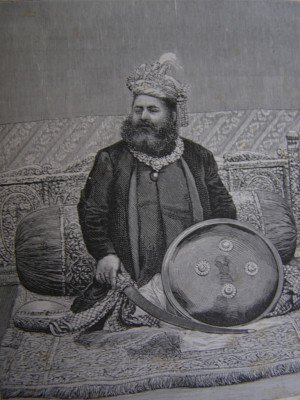 The Maharaja Laxmeshwar Singh Museum, established on September 16, 1977, is a premier cultural institution in Bihar. Named after one of the most progressive rulers of the Darbhanga Raj, the museum houses an incredible collection of royal artifacts. The collection was largely donated by Prince Subheshwar Singh to preserve the legacy of the Mithila royalty. The museum is divided into eight distinct galleries, each showcasing a different facet of the royal lifestyle. One of the most famous exhibits is the Royal Throne of Maharaja Rameshwar Singh, which is crafted from gold, silver, and precious stones. Visitors can also see an extensive collection of ivory items, including intricately woven mats and a sofa set that demonstrate the peak of craftsmanship. The hall of weapons displays vintage swords, shields, and firearms used by the Maharajas. For art lovers, the gallery of stone and marble sculptures, including pieces with Greek influence, is a highlight. The museum's location on the banks of Mansarover Lake adds to its charm, providing a scenic backdrop for the historical exploration. It serves as a vital educational resource for students and historians interested in the socio-political history of the Mithila region. The museum effectively captures the transition from the feudal opulence of the past to the modern democratic era.
Darbhanga Airport (DBR), officially known as Mithilanchal Airport, is a significant civil enclave operating from the Indian Air Force (IAF) Station in Darbhanga. The history of this location is fascinating, tracing back to the days of the Darbhanga Raj. It was originally built by Maharaja Kameshwar Singh Bahadur when he established his own private airline, Darbhanga Aviation, after World War II. This private airline, which operated until 1962 using aircraft like the Douglas DC3, showcased the forward-thinking nature of the Maharaja. During the 1962 Sino-Indian War, the airport was acquired by the IAF for defense purposes. The airport was reactivated for commercial passenger services in November 2020 under the Government of India's UDAN scheme, transforming it into a vital regional connectivity hub. The Airports Authority of India (AAI) constructed an interim terminal building, strengthened the runway to handle larger aircraft like the Airbus A320 and Boeing 737, and added other facilities. Currently, it handles a growing number of daily flights, connecting Darbhanga to major metropolitan cities like Delhi, Mumbai, Bengaluru, and Kolkata. The ongoing, massive expansion project (Phase 1 started in 2024) includes a new, modern, green, and sustainable passenger terminal building with increased capacity, multiple check-in counters, and advanced facilities, which will further cement its role as a key gateway to the Mithilanchal region. This transition from a private royal air service to an IAF base and finally to a modern commercial airport is a unique story in Indian aviation history.:
The Maharaja Laxmeshwar Singh Museum, established on September 16, 1977, is a premier cultural institution in Bihar. Named after one of the most progressive rulers of the Darbhanga Raj, the museum houses an incredible collection of royal artifacts. The collection was largely donated by Prince Subheshwar Singh to preserve the legacy of the Mithila royalty. The museum is divided into eight distinct galleries, each showcasing a different facet of the royal lifestyle. One of the most famous exhibits is the Royal Throne of Maharaja Rameshwar Singh, which is crafted from gold, silver, and precious stones. Visitors can also see an extensive collection of ivory items, including intricately woven mats and a sofa set that demonstrate the peak of craftsmanship. The hall of weapons displays vintage swords, shields, and firearms used by the Maharajas. For art lovers, the gallery of stone and marble sculptures, including pieces with Greek influence, is a highlight. The museum's location on the banks of Mansarover Lake adds to its charm, providing a scenic backdrop for the historical exploration. It serves as a vital educational resource for students and historians interested in the socio-political history of the Mithila region. The museum effectively captures the transition from the feudal opulence of the past to the modern democratic era.
Darbhanga Airport (DBR), officially known as Mithilanchal Airport, is a significant civil enclave operating from the Indian Air Force (IAF) Station in Darbhanga. The history of this location is fascinating, tracing back to the days of the Darbhanga Raj. It was originally built by Maharaja Kameshwar Singh Bahadur when he established his own private airline, Darbhanga Aviation, after World War II. This private airline, which operated until 1962 using aircraft like the Douglas DC3, showcased the forward-thinking nature of the Maharaja. During the 1962 Sino-Indian War, the airport was acquired by the IAF for defense purposes. The airport was reactivated for commercial passenger services in November 2020 under the Government of India's UDAN scheme, transforming it into a vital regional connectivity hub. The Airports Authority of India (AAI) constructed an interim terminal building, strengthened the runway to handle larger aircraft like the Airbus A320 and Boeing 737, and added other facilities. Currently, it handles a growing number of daily flights, connecting Darbhanga to major metropolitan cities like Delhi, Mumbai, Bengaluru, and Kolkata. The ongoing, massive expansion project (Phase 1 started in 2024) includes a new, modern, green, and sustainable passenger terminal building with increased capacity, multiple check-in counters, and advanced facilities, which will further cement its role as a key gateway to the Mithilanchal region. This transition from a private royal air service to an IAF base and finally to a modern commercial airport is a unique story in Indian aviation history.: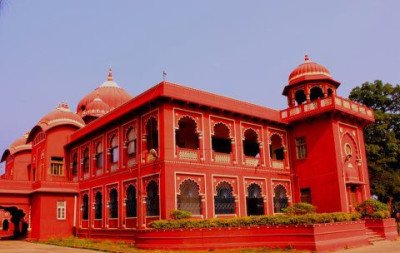 Lalit Narayan Mithila University (LNMU) is a public university established in 1972, serving four districts: Darbhanga, Madhubani, Samastipur, and Begusarai. The university's main campus, spread over approximately 230 acres, is historically significant as it occupies the grounds and buildings of the former Raj Darbhanga estate, notably the Nargona Palace and Anand Bagh Palace area. Named after the former railway minister, Lalit Narayan Mishra, the institution is a crucial center for higher education in the Mithila region, offering diverse courses in humanities, science, commerce, and medicine. It symbolizes the transition of the royal legacy into a public educational resource.
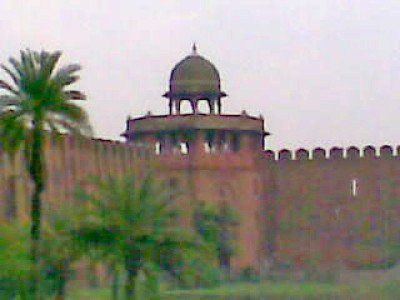 The Darbhanga Fort, also prominently known as the Ram Bagh Fort or Raj Qila, is a majestic historical monument situated in the heart of Darbhanga City. It served as the principal fortified residential complex for the powerful Khandwala dynasty of the Darbhanga Raj. The fort, initially constructed in the 17th century and further developed by later Maharajas like Maharaja Lakshmeshwar Singh in the 18th century, is a sprawling complex encompassing around 85 acres of land. It is characterized by massive, architecturally rich fortified walls that enclose the complex, including several palaces like the Ram Bagh Palace and the Nargona Palace (partially accessible or in ruins). The fort's construction aimed to balance aesthetics with utility, serving both as a residence and a defensive structure. Though time and natural calamities, particularly the 1934 earthquake, have taken a toll, the fort's remains still evoke the immense power and artistic patronage of the Raj family. While the property remains in the possession of the descendants of the royal family, and much of the interior is private or restricted, the massive surrounding walls and the historic gates are visible to the public. The fort complex contains significant cultural and religious spots, most notably the Shyama Mai Temple (or Tara-Shyama Temple) and the Kankali Temple, making it a continuous center for religious and cultural life in Darbhanga. It stands as a crucial landmark, symbolizing the feudal past and the deep historical roots of the region.:
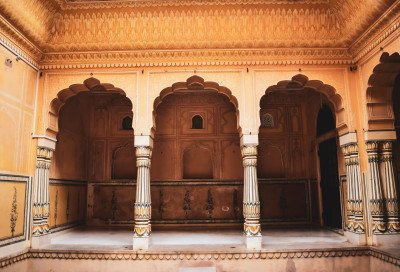 Darbhanga Raj Fort, also known as Raj Qila, is a magnificent historical complex that served as the seat of the Khandwala Dynasty, one of the wealthiest and most influential royal families in India. Built primarily in the 19th and early 20th centuries, the fort is a sprawling estate of over 85 acres. It is often compared to the Red Fort in Delhi because of its massive red-brick walls and grand gateways. Inside the fort walls lie several stunning palaces, including the Ram Bagh Palace and the Nargona Palace, each reflecting a different era of architectural taste. The fort was the center of cultural and intellectual life in North Bihar, with the Maharajas being great patrons of music, art, and the Maithili language. Walking through the massive Kila Ghat entrance, one can imagine the grandeur of the royal processions that once took place here. Although parts of the fort are now used by the Kameshwar Singh Darbhanga Sanskrit University, the heritage value remains immense. The lush gardens, ancient temples like the Shyama Mai Temple located within or adjacent to the campus, and the intricate carvings on the palace facades make it a must-visit for anyone interested in Indian history. The fort represents the pinnacle of the Darbhanga Raj's power and their contribution to the development of the region. Despite the passage of time, the fort still stands as a proud sentinel of Mithila's royal past, offering a glimpse into the lifestyle of the zamindars who once ruled over a vast territory.Show All
Harahi Pond, or Harihi Pokhar, is another one of the three major, interconnected historical water bodies in central Darbhanga, located in close proximity to the Darbhanga Junction railway station. It is a large, rectangular pond that, like Dighi and Ganga Sagar, was part of the traditional water management system of the region. The pond's name, Harahi, is particularly evocative, linked to a fascinating local legend. The name is said to derive from Har (Bone), suggesting the "Bone Lake" or Ahi (Serpent), giving rise to the name Harihi. The popular local tradition attributes the name to an ancient story involving Raja Siva Singh and a fisherwoman, where a kite dropped a woman's arm with a golden bracelet into the water, and the subsequent excavation revealed the skeleton (Har), hence the name Harahi or Bone Tank. Historically, it has been conjectured that these large-scale excavations were done to use the earth to create raised ground for military barracks or civilian settlements, especially as Darbhanga was once believed to be a Musalman cantonment. Today, its proximity to the railway station makes it one of the first significant landmarks a visitor sees upon entering the city by train. The pond is a vital part of the city's ecosystem and culture, hosting local life and religious rituals, particularly the annual Chhath Puja, and serving as a key local reference point due to its prominent location.:
Darbhanga Raj Fort, also known as Raj Qila, is a magnificent historical complex that served as the seat of the Khandwala Dynasty, one of the wealthiest and most influential royal families in India. Built primarily in the 19th and early 20th centuries, the fort is a sprawling estate of over 85 acres. It is often compared to the Red Fort in Delhi because of its massive red-brick walls and grand gateways. Inside the fort walls lie several stunning palaces, including the Ram Bagh Palace and the Nargona Palace, each reflecting a different era of architectural taste. The fort was the center of cultural and intellectual life in North Bihar, with the Maharajas being great patrons of music, art, and the Maithili language. Walking through the massive Kila Ghat entrance, one can imagine the grandeur of the royal processions that once took place here. Although parts of the fort are now used by the Kameshwar Singh Darbhanga Sanskrit University, the heritage value remains immense. The lush gardens, ancient temples like the Shyama Mai Temple located within or adjacent to the campus, and the intricate carvings on the palace facades make it a must-visit for anyone interested in Indian history. The fort represents the pinnacle of the Darbhanga Raj's power and their contribution to the development of the region. Despite the passage of time, the fort still stands as a proud sentinel of Mithila's royal past, offering a glimpse into the lifestyle of the zamindars who once ruled over a vast territory.Show All
Harahi Pond, or Harihi Pokhar, is another one of the three major, interconnected historical water bodies in central Darbhanga, located in close proximity to the Darbhanga Junction railway station. It is a large, rectangular pond that, like Dighi and Ganga Sagar, was part of the traditional water management system of the region. The pond's name, Harahi, is particularly evocative, linked to a fascinating local legend. The name is said to derive from Har (Bone), suggesting the "Bone Lake" or Ahi (Serpent), giving rise to the name Harihi. The popular local tradition attributes the name to an ancient story involving Raja Siva Singh and a fisherwoman, where a kite dropped a woman's arm with a golden bracelet into the water, and the subsequent excavation revealed the skeleton (Har), hence the name Harahi or Bone Tank. Historically, it has been conjectured that these large-scale excavations were done to use the earth to create raised ground for military barracks or civilian settlements, especially as Darbhanga was once believed to be a Musalman cantonment. Today, its proximity to the railway station makes it one of the first significant landmarks a visitor sees upon entering the city by train. The pond is a vital part of the city's ecosystem and culture, hosting local life and religious rituals, particularly the annual Chhath Puja, and serving as a key local reference point due to its prominent location.:Information
-
Why Famous:
Historical and Cultural Significance: Darbhanga is world-famous for its Mithila Art, specifically the Madhubani paintings that decorate the walls of houses and public spaces. The city is home to the Shyama Mai Temple, a major center for Tantric worship and one of the most ...Historical and Cultural Significance: Darbhanga is world-famous for its Mithila Art, specifically the Madhubani paintings that decorate the walls of houses and public spaces. The city is home to the Shyama Mai Temple, a major center for Tantric worship and one of the most sacred shrines in North Bihar. The Darbhanga Raj history is a point of immense pride, representing a legacy of education and philanthropy. The city's famous Makhana (fox nuts) production supplies a significant portion of the global market. Its association with the Ramayana and the legend of Gautam Rishi adds a deep spiritual layer to its fame. -
Architecture:
Architecture Styles and Dimensions: The Darbhanga Fort, also known as Raj Qila, is a masterpiece of Indo-Saracenic architecture. It was modeled after the Red Fort of Delhi and features massive walls built of red bricks. The main gateway, known as Sinha Dwar, stands approx...Architecture Styles and Dimensions: The Darbhanga Fort, also known as Raj Qila, is a masterpiece of Indo-Saracenic architecture. It was modeled after the Red Fort of Delhi and features massive walls built of red bricks. The main gateway, known as Sinha Dwar, stands approximately 80 feet high and showcases intricate carvings of lions and floral motifs. Inside the fort complex, the Nargona Palace reflects a mix of Rajput, Mughal, and European styles. The Shyama Mai Temple within the campus is built on the cremation ground of the royal family, featuring a unique hollow dome structure. The dimensions of the fort walls extend over several kilometers, enclosing lush gardens and smaller residential palaces. The use of marble in the inner courtyards and stained glass in the palace windows highlights the luxury of the era. -
How To Reach:
Transportation Guide:
By Air: The Darbhanga Airport (DBR) is well-connected to cities like Delhi, Mumbai, and Bengaluru.
By Train: Darbhanga Junction (DBG) is a major railhead with direct trains from all par... -
Near Tourist Places:
Nearby Attractions: Madhubani (35 km), Muzaffarpur (80 km), Janakpur, Nepal (95 km), Samastipur (45 km), Sita Kund (30 km), Uchaith (40 km), Singheshwar Asthan (110 km), Rajgir (180 km), Patna (130 km), Vaishali (110 km).
Tourism Tips
-
Visitor Guidelines:
Health & Safety: Always carry bottled water and avoid street food that isn't freshly cooked.
Packing: Carry light cotton clothes for most of the year and a light jacket for winter nights....
Reviews
Darbhanga Itineray And Cost:-
Information about New and Updated Locations() of Bihar Has Been Added :-
Card subtitle
Note:-
Information provided here in good Faith and for reference only.
All information and pictures will be updated soon, please keep visiting.
Near Places

Araria
Some quick example text to build on the card title and make up the bulk of the card's content.
Go somewhere
Arwal
Some quick example text to build on the card title and make up the bulk of the card's content.
Go somewhere
Banka
Some quick example text to build on the card title and make up the bulk of the card's content.
Go somewhere
Begusarai
Some quick example text to build on the card title and make up the bulk of the card's content.
Go somewhere
Bhagalpur
Some quick example text to build on the card title and make up the bulk of the card's content.
Go somewhere
Bhojpur
Some quick example text to build on the card title and make up the bulk of the card's content.
Go somewhere
Bihar Sharif
Some quick example text to build on the card title and make up the bulk of the card's content.
Go somewhere
Bodh Gaya
Some quick example text to build on the card title and make up the bulk of the card's content.
Go somewhere
Buxar
Some quick example text to build on the card title and make up the bulk of the card's content.
Go somewhere
Champaran
Some quick example text to build on the card title and make up the bulk of the card's content.
Go somewherein Other Cities