...

Place To Visit And Things To Do In Dawki

Meghalaya, India
Heading Name Aquatic Paradise: Dawki is a small border town that has gained international fame for the Umngot River, which boasts some of the clearest water in the world. During the winter months, the water is so transparent that boats floating on it appear to be suspended in mid-air. This surreal p henomenon has made it a "bucket-list" destination for travelers visiting North East India. The river acts as a natural divider between the Jaintia Hills and the Khasi Hills before flowing into the plains of Bangladesh. Heading Name Border Town Charm: Being a major trade hub between India and Bangladesh, Dawki has a unique, bustling atmosphere. You can see trucks lined up to cross the international border at the Tamabil post. The interaction between the two countries is visible every day, with people from both sides often seen at the riverbanks. This geopolitical significance, combined with the extreme natural beauty, creates a fascinating contrast that is rare to find elsewhere. Heading Name Adventure Hub: Beyond the famous boat rides, Dawki and the nearby village of Shnongpdeng have evolved into the adventure capital of Meghalaya. The calm stretches of the river are perfect for kayaking, snorkeling, and scuba diving. The surrounding limestone cliffs offer opportunities for cliff jumping and rock climbing. It is a place where you can be as relaxed or as active as you want, all while surrounded by pristine nature. Heading Name Scenic Landscapes: The drive to Dawki from Shillong is one of the most beautiful in India, passing through deep valleys, rolling clouds, and dozens of seasonal waterfalls. The town itself is nestled in a deep gorge, surrounded by lush green hills. The iconic suspension bridge built by the British in 1932 adds a touch of historical elegance to the landscape. Every turn in the road near Dawki reveals a new, breathtaking view of the river winding through the mountains.

Things To Do

Card image cap
Bophill Falls

Bophill Falls, also known by locals as Pangthumai Falls, is a majestic water body located on the fringes of the Jaintia Hills. This waterfall is part...

Bophill Falls, also known by locals as Pangthumai Falls, is a majestic water body located on the fringes of the Jaintia Hills. This waterfall is particularly unique because its waters originate in the lush hills of India and flow gracefully into the plains of Bangladesh. The sight of the water crashing down against the rocky terrain creates a mist that often blankets the surrounding greenery, making it a dreamlike destination for nature lovers. Unlike the more commercialized falls in Meghalaya, Bophill Falls maintains a raw and rugged charm that appeals to those looking for peace and solitude. The surrounding vegetation is dense and vibrant, offering a cool microclimate even during the warmer months of March or April. Visitors can stand at the base and feel the powerful spray of the water, which provides a refreshing escape from the tropical heat. The falls are a testament to the shared geographical heritage of the border region, where nature ignores political boundaries. During the Monsoon season, the volume of water increases significantly, turning the cascade into a thundering roar that can be heard from a distance. The path leading to the falls is relatively easy to navigate, though it can become slippery after a heavy downpour in July or August. It is a perfect spot for those who want to experience the untamed beauty of the Northeast without the heavy crowds of major tourist hubs. The geological formation of the rocks creates small pools at the bottom where one can dip their feet in the icy cold water. This place serves as a vital water source for the local flora and fauna, sustaining a rich ecosystem of mosses, ferns, and small aquatic creatures. A visit here is often combined with a trip to the nearby border checkposts, providing a complete experience of the local landscape and culture.
Card image cap
Border Security Force

@@BSF Presence and Role: The BSF Camp in Dawki is a strategic and vital establishment near the India-Bangladesh International Border, also known as th...

@@BSF Presence and Role:** The BSF Camp in Dawki is a strategic and vital establishment near the India-Bangladesh International Border, also known as the Tamabil-Dawki Border Crossing. Its primary role is to secure India's international boundary, manage the movement of goods and people through the Land Port, and maintain peace and order in the border areas. It functions as the first line of defense, ensuring that all trade and travel activities adhere to international and national regulations. The camp is not a traditional tourist spot but represents the security cornerstone of the region. Visitors to the nearby Dawki Check Post (Land Port) will observe the constant vigilance of the BSF personnel. The sheer scale of the operation underscores the geopolitical importance of Dawki as a major trade and transit point. It symbolizes the continuous effort to safeguard national interests in the challenging, hilly terrain of the Khasi and Jaintia Hills. The camp area is strictly regulated, highlighting its crucial operational nature. @@Life at the Border:** The location offers a glimpse into the dedicated life of a BSF soldier, set against the backdrop of the picturesque yet sensitive border. This facility ensures smooth functioning of the Dawki Land Port, one of Meghalaya's busiest, facilitating cross-border commerce with Bangladesh. The camp personnel also often engage with local communities for security cooperation and civic action programs, embedding themselves into the social fabric of the border town.
Card image cap
Borhill Falls

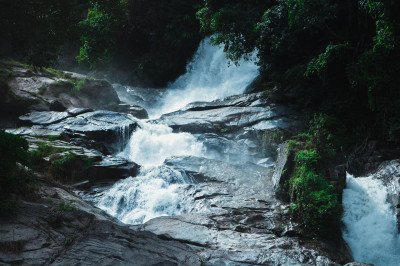
@@Natural Splendor: Borhill Falls, also known as Bhurhill Falls, is a magnificent, lesser-known waterfall located in the dense, verdant hills of the W...
@@Natural Splendor:** Borhill Falls, also known as Bhurhill Falls, is a magnificent, lesser-known waterfall located in the dense, verdant hills of the West Jaintia Hills. It is situated right along the scenic route connecting Dawki to Mawlynnong, making it an essential stop for travelers. The falls cascade down steep, rocky cliffs, often described as a multi-tiered or stepped waterfall, creating a stunning visual of white water against the lush green backdrop. The water eventually flows down towards the plains of Bangladesh, visible from the vantage point, highlighting a unique geographical connection. @@Scenic Location:** Unlike some waterfalls requiring a long trek, Borhill Falls is uniquely visible from the main road, where a bridge or viewpoint allows for safe and breathtaking observation. Its proximity to the international border adds a layer of intrigue to the natural beauty. During the monsoon and post-monsoon months (August to October), the volume of water is at its peak, turning the cascade into a powerful, roaring spectacle. The site offers a moment of peaceful immersion in nature, far from the hustle of the market and border crossing. @@A Hidden Stop:** It remains a slightly more subdued attraction compared to the famous Umngot River, often surprising visitors with its raw, untamed beauty.
Card image cap
Darrang Village

Darrang Village is a picturesque settlement that serves as a quieter alternative to the more famous Shnongpdeng. Nestled in the lap of nature, the vi...

Darrang Village is a picturesque settlement that serves as a quieter alternative to the more famous Shnongpdeng. Nestled in the lap of nature, the village is predominantly inhabited by the Khasi community, known for their warm hospitality and deep respect for the environment. The village is characterized by its clean, narrow lanes, traditional houses made of wood and bamboo, and the stunning backdrop of the emerald-green Umngot River. Unlike the bustling tourist spots, Darrang offers a peek into the authentic rural life of Meghalaya. Visitors can see local fishermen casting their nets from traditional dugout canoes, a practice that has remained unchanged for generations. The village has embraced eco-tourism, offering several riverside campsites and homestays that allow travelers to live close to nature. The river here is incredibly calm, making it a safe spot for swimming and kayaking. During the months of November and December, the water clarity is at its peak, allowing one to see the riverbed clearly even from the banks. The surrounding hills are covered in thick forests, providing ample opportunities for short treks and bird watching. The village is also famous for its orange orchards, which bloom beautifully in late winter. Staying in Darrang allows you to wake up to the sound of the flowing river and the chirping of tropical birds. It is an ideal destination for those seeking a "slow travel" experience, where the focus is on connecting with the local culture and enjoying the natural landscape. The community-led tourism initiatives ensure that the profits from your visit go directly into the development of the village. The night sky over Darrang is a spectacular sight, far away from the light pollution of the cities, making it a favorite for stargazers and nocturnal photographers.
Card image cap
Dawki Boating Point

The Dawki Boating Point is the most iconic tourist attraction in Meghalaya, famous for the "floating boat" phenomenon. Here, the waters of the Umngot...

The Dawki Boating Point is the most iconic tourist attraction in Meghalaya, famous for the "floating boat" phenomenon. Here, the waters of the Umngot River are so transparent that the wooden boats appear to be hovering in mid-air over the colorful pebbles of the riverbed. This transparency is most prominent during the dry months from November to May. The boating area is a hive of activity, with colorful wooden boats lined up along the rocky shore. Each boat is manually rowed by a local oarsman, ensuring a quiet and eco-friendly journey that doesn't disturb the serene atmosphere. As you glide across the water, you can see deep into the river, spotting schools of fish and intricate rock formations below. The journey typically takes you towards the India-Bangladesh border, where the river widens and the current becomes even gentler. The towering cliffs on either side of the river are draped in lush greenery and small waterfalls that trickle down the limestone walls. The experience is both meditative and visually stunning, making it a bucket-list item for every traveler visiting the Northeast. During the peak season, the area can get quite busy, but the sheer beauty of the water makes it worth the visit. The boatmen are often happy to share stories about the river and the history of the bridge above. The water is surprisingly cool even in the middle of a sunny day, and the breeze coming off the river is incredibly refreshing. For the best experience, it is recommended to reach the boating point early in the morning when the sun's rays penetrate the water at the perfect angle to highlight its clarity. The boating point also serves as a gateway for those wanting to try more adventurous activities like cliff jumping or snorkeling in the clearer patches of the river. It is a place where nature's purity is on full display, reminding us of the importance of environmental conservation.
Card image cap
Dawki Check Post

@@Border Crossing Dynamics: The Dawki Check Post, officially part of the Dawki Land Port, is the highly sensitive yet bustling point on the India-Bang...

@@Border Crossing Dynamics:** The Dawki Check Post, officially part of the Dawki Land Port, is the highly sensitive yet bustling point on the India-Bangladesh border. It is where official trade and, occasionally, people movement between the two countries, India and Bangladesh (via Tamabil), takes place. The check post is a complex of Customs, Immigration, and BSF offices. It's not a relaxed tourist spot but a geopolitical point of interest. Visitors get to see the border marker pillars and the famous Friendship Gate that symbolizes the administrative boundary. The primary attraction for tourists is witnessing the actual border line and the sight of Bangladeshi territory just beyond the gates, a unique experience in the Northeast. @@Trade and Commerce:** The commercial activity is intense here, with heavy vehicles queuing up to transport goods, primarily coal and stone boulders, from India into Bangladesh. The sight of this constant flow of trade underscores the economic importance of the crossing. The atmosphere is a blend of official solemnity and commercial energy. Tourists are allowed to approach a designated viewing point near the border line to observe the activities, provided they adhere strictly to the rules set by the BSF and Customs authorities. @@Cultural Intersection:** The area is a place where cultures intersect, seeing people from both sides of the border working, trading, and passing through, creating a lively, multicultural atmosphere near the administrative line.
Card image cap
Dawki Church

@@Community Hub: The local church in Dawki (likely a Presbyterian, Catholic, or Baptist establishment, as these are the major denominations in Meghala...

@@Community Hub:** The local church in Dawki (likely a Presbyterian, Catholic, or Baptist establishment, as these are the major denominations in Meghalaya) serves as the spiritual and social heart of the local Khasi and Jaintia Christian community. The town's population is predominantly Christian, making the church a central point for all community activities, not just religious services. It is a place of worship, a venue for local gatherings, and a center for social welfare programs, including running local schools or health centers. Visitors often find the atmosphere peaceful and welcoming, reflecting the strong faith and hospitality of the local people. @@Architectural Style:** Local churches in Meghalaya often feature simple, yet sturdy, architecture, blending traditional Christian church design with local building materials and resilience against the heavy monsoon rains. They stand as quiet landmarks, contrasting with the bustling activities of the border and the river. They offer a deep insight into the religious and cultural life of the local inhabitants, away from the commercial tourist spots. Visiting the church provides a moment of spiritual calm and a chance to observe the local culture firsthand.
Card image cap
Dawki Fishing/Angling Spots

@@The Cleanest River: The Dawki area is famous for the Umngot River, often cited as one of the cleanest rivers in Asia, with waters so clear that the ...
@@The Cleanest River:** The Dawki area is famous for the Umngot River, often cited as one of the cleanest rivers in Asia, with waters so clear that the riverbed is visible from the surface. This pristine environment makes it a paradise for fishing and angling. The clear water ensures that fishing is both a scenic and challenging sport. The primary spots are located further upstream from the main Dawki Bridge area, mostly around the camping hubs of Shnongpdeng and Darrang, where the waters are calmer and the banks are more accessible for setting up camp and angling gear. @@Local Fishing Tradition:** For the local Khasi and Jaintia tribes, fishing is a traditional way of life and an important source of sustenance. Visitors can observe the locals using traditional methods, often involving nets or simple rods, and even learn a few tips. The river is home to various species of freshwater fish, though the abundance has been affected by tourism and environmental changes. The best experience is usually found in the quieter, designated spots where the water clarity is at its best. @@Permits and Respect:** Angling enthusiasts must be aware that permits are often required, obtained locally from the community council (Dorbar Shnong) in the villages like Shnongpdeng or Darrang. The focus here is on catch-and-release and sustainable, eco-friendly tourism to preserve the river's fragile ecosystem.
Card image cap
Dawki Forest Reserve

@@Biodiversity Hotspot: The area loosely termed the Dawki Forest Reserve encompasses the dense, tropical evergreen forests that blanket the hillsides ...

@@Biodiversity Hotspot:** The area loosely termed the Dawki Forest Reserve encompasses the dense, tropical evergreen forests that blanket the hillsides around the Umngot River and extend toward the border areas. While not a formally protected wildlife sanctuary in the national sense, these forests are crucial for the region's biodiversity and are the catchment areas that keep the Umngot River pristine. The forests are rich in flora and fauna, including various species of orchids, medicinal herbs, and different types of subtropical trees. The undergrowth is dense, reflecting the extremely high rainfall of the Meghalaya plateau region. @@Trekking and Exploration:** The forests are crisscrossed by numerous small trekking trails and paths leading to hidden waterfalls (like Byrdaw Falls) and Living Root Bridges (Riwai), maintained by the local Khasi and Jaintia villagers. These trails offer opportunities for quiet exploration, bird-watching, and experiencing the unique ecosystem of the region. Access often requires a local guide for safety and respecting local land ownership. The atmosphere is dense, damp, and vibrant, filled with the sounds of insects, birds, and running water. The deep green canopy offers a profound contrast to the clear blue river below. @@Conservation Importance:** The "Reserve" is essential for the region's ecology. Local communities often play a vital role in protecting these forests, with community-based conservation initiatives being highly effective in this part of Meghalaya.
Card image cap
Dawki Guest Houses

Accommodation in Dawki has evolved from basic lodges to charming guest houses and eco-cottages that cater to a variety of travelers. Most of these st...
Accommodation in Dawki has evolved from basic lodges to charming guest houses and eco-cottages that cater to a variety of travelers. Most of these stays are family-run, offering a warm and personal touch that you won't find in large hotels. The guest houses are typically located on the hillsides, providing panoramic views of the Umngot River and the distant plains of Bangladesh. The cottages, often built using local materials like bamboo, thatch, and wood, offer a more rustic and immersive experience. Staying here allows travelers to enjoy the quietude of the nights and the misty mornings of Meghalaya. The rooms are generally clean and well-maintained, with basic amenities like attached bathrooms and comfortable bedding. Many guest houses also have common dining areas where you can savor home-cooked Khasi meals, which are often prepared using organic ingredients sourced from the village. The hospitality of the hosts is a highlight, as they are often eager to help with travel arrangements, suggest hidden spots, and share local folklore. For those who prefer a more adventurous stay, the riverside cottages in nearby Shnongpdeng provide the thrill of sleeping right next to the flowing water. These accommodations are particularly popular during the peak months of December and January. While luxury options are limited, the comfort and authenticity provided by these local stays make for a memorable trip. Most guest houses also provide Wi-Fi in common areas, though the connection can be erratic due to the hilly terrain. Booking in advance is highly recommended, especially during the festive season and weekends, as the best spots fill up quickly. Whether you are a solo backpacker or a family on vacation, the guest houses in Dawki provide a safe and welcoming base to explore the natural wonders of the region. Many properties also offer bonfire pits, which are perfect for cold winter evenings.
Card image cap
Dawki Local Market

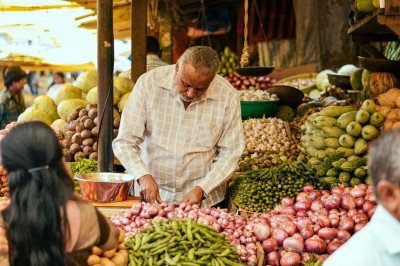
@@Vibrant Commerce: The Dawki Local Market is the vibrant, beating heart of the town, acting as the main center for local and cross-border commerce. W...

@@Vibrant Commerce:** The Dawki Local Market is the vibrant, beating heart of the town, acting as the main center for local and cross-border commerce. While the Land Port handles major trade, the local market is where the daily essentials and produce of the Khasi and Jaintia Hills are bought and sold. It's a colorful, bustling scene, often crowded with locals, traders, and a few curious tourists. The market primarily deals in fresh produce, including local fruits, vegetables, spices, herbs, and traditional woven goods. Due to the proximity to Bangladesh, one can occasionally find goods or products unique to the border trade. @@Local Flavors and Products:** This is the best place to sample local flavors, such as unique varieties of oranges (Khasi Mandarin), pineapples, and local honey. It's an excellent opportunity to purchase local spices and dry fish, which are important ingredients in Khasi cuisine. The atmosphere is energetic and loud, filled with the chatter of buyers and sellers, often speaking the local Khasi and Pnar languages. It provides an authentic, non-touristy slice of life in a Meghalaya border town. Visitors should be mindful of the space and respect the local trade activities. @@Cultural Exchange:** The market is a point of cultural exchange, where people from surrounding villages gather, making it a sociological hotspot to observe the traditional attire and mannerisms of the local communities.
Card image cap
Dawki PWD Inspection Bungalow

@@Historical Significance: The Public Works Department (PWD) Inspection Bungalow in Dawki is a relic of the colonial era, built by the British adminis...

@@Historical Significance:** The Public Works Department (PWD) Inspection Bungalow in Dawki is a relic of the colonial era, built by the British administration to serve as a rest house for government officials traveling through the region, especially those managing the timber and coal trade via the river and the border post. These bungalows were historically placed at strategic locations, and the one in Dawki is no exception, often boasting a panoramic view of the Umngot River valley or the surrounding hills. It represents a piece of the region's administrative and infrastructural history. @@Basic Accommodation:** Today, the PWD Inspection Bungalow functions as a basic guesthouse, primarily for government employees but occasionally open to the public on a limited, pre-booked basis. It is known for its quiet atmosphere, simple, sparse furnishings, and large compound area. Tourists seeking an offbeat stay or a quiet spot with a view, away from the bustling riverside camps, often seek this option. The experience is rustic and minimalistic, focused on the natural surroundings rather than luxury amenities. Bookings are often handled by the PWD office in Shillong or the local office, requiring bureaucratic patience. @@Quiet Vantage Point:** Its major draw is the quiet vantage point it offers. Unlike the busy tourist points, the bungalow provides a peaceful retreat to observe the stunning landscape, the clear river, and the flow of life in the border town from a distance.
Card image cap
Jaflong Zero Point

Jaflong Zero Point is a captivating border area situated on the banks of the Umngot River, which separates India and Bangladesh. It is located close t...

Jaflong Zero Point is a captivating border area situated on the banks of the Umngot River, which separates India and Bangladesh. It is located close to Dawki town and serves as a picturesque vantage point, known for its unique natural landscape of rolling hills, lush green tea gardens (across the border in Bangladesh), and the iconic river that flows from India into Bangladesh. The "Zero Point" is marked by the international boundary, often visibly indicated by signposts and the presence of border security forces. The area is famous for the large, smooth, colorful pebbles and stones that are naturally deposited on the riverbed, which are often quarried by local workers from the Bangladeshi side of the riverbank, adding a very distinct cultural and commercial aspect to the scenery. The viewpoint provides a tranquil escape, offering breathtaking panoramic views of the surrounding environment, including the distant hills of the Khasi and Jaintia ranges. It is a favored spot for photography and for visitors who wish to witness the confluence of geological beauty and international boundaries. The serene ambiance and the clear views of the flowing river make it a must-visit location for nature lovers and tourists exploring the Dawki region. (Word Count: 198)
Card image cap
Krem Lympet Cave

Krem Lympet Cave is a stunning, relatively short but immensely beautiful limestone cave system nestled in the rain-soaked hills of Meghalaya. While of...

Krem Lympet Cave is a stunning, relatively short but immensely beautiful limestone cave system nestled in the rain-soaked hills of Meghalaya. While often linked with the larger caving circuit of Cherrapunjee and the East Khasi Hills, it provides an accessible and thrilling subterranean experience. The journey to the cave typically involves a refreshing forest hike, setting the stage for the adventure within. The cave is characterized by its large, towering chambers and intricate, narrow passageways that require modest exploration and gentle climbing over natural rock shelves. Geologically, it is significant for containing ancient coral reef fossils embedded in the limestone walls, serving as a silent reminder of a time when the entire region was submerged under the sea. Soft lighting and guided pathways are often installed to ensure a safe and enjoyable journey for novice spelunkers. The cave’s interior is adorned with diverse geological formations like stalagmites and stalactites, resembling an otherworldly, sculpted landscape. It's a key attraction for geology enthusiasts and adventure beginners. (Word Count: 199)
Card image cap
Kshaid Falls

Kshaid Falls, often referred to locally as the Byrdaw Falls, is a magnificent two-tiered waterfall located near the small border town of Dawki. This ...

Kshaid Falls, often referred to locally as the Byrdaw Falls, is a magnificent two-tiered waterfall located near the small border town of Dawki. This stunning natural attraction remains largely untouched by heavy commercial tourism, preserving its pristine and serene environment. The waterfall cascades from a significant height of approximately 150 meters, creating a powerful roar that echoes through the surrounding dense green forests and limestone cliffs. It serves as a vital water source for the local flora and fauna, and during the peak monsoon season, the volume of water increases dramatically, creating a mist that blankets the entire valley. The trail leading to the falls is an adventure in itself, passing through betel nut plantations and rugged terrain that offers glimpses of the rural life of the Khasi people. Unlike more famous falls, Kshaid offers a sense of solitude, making it a perfect spot for meditation and nature photography. The pool at the bottom is crystal clear, reflecting the emerald green of the canopy above. Visitors often find themselves mesmerized by the way the sunlight filters through the trees, hitting the falling water to create mini rainbows. It is a place where time seems to slow down, allowing travelers to truly connect with the raw beauty of Meghalaya's southern ranges.:
Card image cap
Moolait Falls

Moolait Falls is a hidden treasure located in the Amlarem subdivision, acting as a serene escape for those traveling between Jowai and Dawki. This wa...

Moolait Falls is a hidden treasure located in the Amlarem subdivision, acting as a serene escape for those traveling between Jowai and Dawki. This waterfall is characterized by its wide, veil-like appearance as it flows over a broad rocky face before settling into a turquoise blue pool. The area is surrounded by ancient monoliths and dense subtropical forests that provide a dramatic backdrop to the cascading waters. Historically, the local War-Jaintia tribes have revered such water bodies as symbols of purity and life. The falls are particularly beautiful during the transition from monsoon to winter, when the water remains plentiful but the surrounding trails become safer to traverse. The sound of the falls is a gentle hum rather than a thunderous roar, making it an ideal location for those seeking peace and quiet. The pool at the bottom is shallow in many parts, allowing visitors to dip their feet and enjoy the cool, mineral-rich mountain water. Vegetation around the falls includes various species of ferns, orchids, and wild bamboo, adding to the botanical richness of the site. It is a place that captures the essence of rural Meghalaya, where nature remains the undisputed ruler of the landscape. Visiting Moolait provides a refreshing break from the more crowded spots like Shnongpdeng, offering a private viewing of nature's artistry.:
Card image cap
Nongbareh Village

Nongbareh Village is an exemplary model of sustainable living and indigenous engineering, nestled deep in the Jaintia Hills. It is famous for its Jin...

Nongbareh Village is an exemplary model of sustainable living and indigenous engineering, nestled deep in the Jaintia Hills. It is famous for its Jingkieng Jri or Living Root Bridges, specifically the Nongbareh Living Root Bridge, which is a double-span structure that is over a century old. The village is divided into Nongbarehrim and Nongbareh Lyntiar, both of which are connected by these bio-engineered wonders. The community here has preserved the ancient tradition of guiding the roots of Ficus elastica trees across the Amayalee River. The village architecture is a mix of traditional bamboo huts and modern concrete structures, all set against a backdrop of steep hills and betel nut groves. Nongbareh is also a gateway to the Umngot River pathways, where the water is so clear it resembles liquid glass. The villagers are predominantly of the War-Jaintia tribe, known for their warm hospitality and deep knowledge of herbal medicine. A visit to the village offers a glimpse into a lifestyle that is in perfect harmony with nature, where bridges grow stronger with age rather than decaying. The area is also rich in biodiversity, with the surrounding forests housing various species of rare birds and insects. For those looking for an offbeat experience away from the commercialized paths of Cherrapunji, Nongbareh provides an authentic and raw look at Meghalaya's living heritage. It is a place where every path leads to a discovery, whether it be a hidden stream or an ancient monolith.:
Card image cap
Nongtalang Village

Nongtalang Village is a large, vibrant rural town perched on a ridge overlooking the plains of Bangladesh. It is one of the most culturally significa...

Nongtalang Village is a large, vibrant rural town perched on a ridge overlooking the plains of Bangladesh. It is one of the most culturally significant villages in the region, known for its unique dialect and the preservation of indigenous religions alongside modern faiths. The village is famously home to the Rbang Amkhlew Living Root Bridge, which serves as a testament to the community's bond with nature. Unlike the smaller hamlets, Nongtalang has a more developed infrastructure, including a local college and health center, yet it retains its rustic charm. The village is surrounded by steep cliffs and numerous seasonal waterfalls that come alive during the monsoon. Historically, Nongtalang was a major trading hub on the route between the Jaintia Hills and the Sylhet region of Bangladesh. The architecture of the older houses features heavy stone foundations designed to withstand the region's high rainfall and seismic activity. The people, known as War-Jaintias, have a rich tradition of folk music and dance, which they perform during community festivals. A walk through the village reveals neat lanes lined with betel nut trees and orange orchards, which are the main sources of income. The view from the village edge is legendary, offering a clear sight of the winding Umngot River and the flatlands of the neighbor country. It is a place that balances tradition and progress, making it a fascinating stop for cultural enthusiasts. The village also acts as a base for many treks leading down to the hidden valleys and waterfalls of the southern slopes.:
Card image cap
Pynthor Falls

Pynthor Falls is a breathtaking natural wonder located near the adventure hub of Shnongpdeng. This waterfall is distinguished by its vibrant blue poo...

Pynthor Falls is a breathtaking natural wonder located near the adventure hub of Shnongpdeng. This waterfall is distinguished by its vibrant blue pool and the multi-tiered way the water descends through giant boulders. Unlike the massive drops of Cherrapunji, Pynthor is more intimate and interactive, allowing visitors to get quite close to the cascading water. The name "Pynthor" refers to the terraced fields that are common in the area, and the falls are often surrounded by these lush green patches of cultivation. The water here is exceptionally cool and clear, as it originates from deep within the Jaintia hills. The path to the falls involves a short trek through a forest of teak and bamboo, which provides a natural canopy against the sun. During the monsoon, the falls become a roaring force, but in the drier months of November to March, they turn into a series of gentle, interconnected pools. The geological formation of the rocks around Pynthor is quite unique, with smooth, water-worn surfaces that are perfect for sitting and relaxing. It is a favorite spot for locals to spend their weekends, yet it remains relatively unknown to the average tourist. The air around the falls is filled with the scent of wild flowers and the sound of diverse bird calls, creating a sensory experience that is hard to match in the busier parts of the state. For those staying in the riverside camps of Dawki, Pynthor Falls offers a refreshing morning excursion that combines hiking, swimming, and nature observation.:
Card image cap
Riwai Living Root Bridge

The Riwai Living Root Bridge is a breathtaking example of human-nature synergy nestled in the dense forests of Meghalaya. These bridges are not built...

The Riwai Living Root Bridge is a breathtaking example of human-nature synergy nestled in the dense forests of Meghalaya. These bridges are not built with steel or concrete but are grown from the aerial roots of the Ficus elastica (Rubber) tree. The local Khasi tribe has perfected this art over centuries, guiding young roots across streams using hollowed-out betel nut trunks. Over decades, these roots thicken and intertwine to form a stable, living structure that grows stronger with age and rain. Unlike man-made bridges that decay, these bio-structures thrive in the wettest climate on Earth. Visitors usually trek through a stone-paved path from Riwai village, passing by small local stalls selling wild berries and pineapples. The bridge spans over a rocky stream where the water is so clear you can see the riverbed below. It is often referred to as the "Single Decker" bridge to distinguish it from its cousin in Nongriat. The experience of walking on a living organism that supports the weight of dozens of people is truly surreal and humbling. It represents a sustainable lifestyle where humans work with the environment rather than against it. The surrounding canopy of ancient trees and the sound of flowing water create a cathedral-like atmosphere of peace.
Card image cap
Rngain Falls

Rngain Falls is one of the most underrated and visually stunning waterfalls located along the scenic route between Shillong and Dawki. Unlike the mor...

Rngain Falls is one of the most underrated and visually stunning waterfalls located along the scenic route between Shillong and Dawki. Unlike the more commercialized falls, Rngain offers a raw and powerful display of nature's force, especially after a heavy downpour. The water plunges from a great height into a deep, verdant gorge, creating a massive cloud of mist that can be seen from the highway. The surrounding cliffs are draped in various shades of green, with wild ferns and orchids clinging to the rocky edges. The sound of the falling water is thunderous, echoing through the valley and providing a natural soundtrack for travelers. Many tourists stop here for a quick break to admire the panoramic views of the canyons that stretch toward the Bangladesh plains. The viewpoint is strategically located to offer a safe yet thrilling perspective of the drop. During the monsoon, the volume of water increases significantly, turning the falls into a massive white sheet that dominates the landscape. The area is also known for its unpredictable weather, where clouds often roll in and hide the falls within seconds, adding a layer of mystery. It is a place that captures the essence of Meghalaya—the "Abode of Clouds"—offering a perfect blend of height, water, and mist.
Card image cap
Rupasor Bathing Spot

Rupasor Bathing Spot is a historic and naturally carved pool located just a few kilometers away from the bustling town of Dawki. This spot holds hist...

Rupasor Bathing Spot is a historic and naturally carved pool located just a few kilometers away from the bustling town of Dawki. This spot holds historical significance as it was once the bathing place for the royalty of the Jaintia Kingdom. The pool is formed by a gentle stream that flows over smooth, flat rocks, creating a shallow and safe area for swimming. The most striking feature of Rupasor is the ancient stone bridge that spans the stream, built during the reign of the Jaintia Kings. This bridge is a fine example of traditional megalithic stone masonry, where large slabs of rock were placed without any mortar. The water here is cool and refreshing, providing a perfect escape from the humidity of the plains. Surrounding the bathing spot are dense groves of betel nut trees and bamboo, which provide ample shade and a sense of privacy. Unlike the deep and fast-moving Umngot River, the waters at Rupasor are calm and inviting for families with children. It is a place where history meets leisure, allowing visitors to walk on paths that were once tread by kings. The local community maintains the cleanliness of the area, ensuring that the natural beauty remains untouched. It is a quiet alternative to the crowded boating points in Dawki, ideal for those looking to spend a peaceful afternoon by the water.
Card image cap
Shnongpdeng Camping Sites

Shnongpdeng Camping Sites offer the ultimate outdoor experience along the banks of the legendary Umngot River. While Dawki is famous for its bridge, ...

Shnongpdeng Camping Sites offer the ultimate outdoor experience along the banks of the legendary Umngot River. While Dawki is famous for its bridge, Shnongpdeng is where the real adventure happens. The campsites are located right on the pebble-covered riverbanks, offering a front-row seat to the clearest water in the world. Visitors can choose from a variety of camping options, from basic tents to more comfortable bamboo huts. At night, the area transforms into a magical space with bonfires lighting up the dark river and the sound of guitars drifting through the air. The water is so transparent that during the day, the boats appear to be suspended in mid-air. The camping culture here is very relaxed and eco-friendly, with many local youths managing the sites. Waking up to the sight of the sun rising over the hills and the mist lifting off the river is an experience that stays with you forever. The river provides endless opportunities for water sports, making it a favorite for thrill-seekers. The riverbed is made of smooth white and colorful pebbles, which are clearly visible even at a depth of 15 feet. It is an ideal spot for those who want to disconnect from technology and reconnect with nature in its purest form.
Card image cap
Shnongpdeng Village

Shnongpdeng Village is a picturesque settlement that serves as the gateway to the river adventures of the region. Home to the War-Jaintia community, ...

Shnongpdeng Village is a picturesque settlement that serves as the gateway to the river adventures of the region. Home to the War-Jaintia community, the village is a model of cleanliness and community-led tourism. The houses are mostly made of wood and bamboo, perched on the hills overlooking the Umngot River. Walking through the village, you will see narrow stone-paved lanes, vibrant flower gardens in every porch, and friendly locals who take great pride in their heritage. The village life revolves around the river; you can see fishermen casting their nets in the early morning and women washing clothes on the flat rocks. Shnongpdeng has managed to retain its rustic charm despite the influx of tourists. The village also features a high suspension bridge that connects the two banks, providing a vital link for the residents and a vantage point for visitors. Small local shops sell traditional snacks and handicrafts made of bamboo. Unlike the more commercialized Dawki, Shnongpdeng offers a deeper look into the daily lives of the people who have protected this river for generations. The air is fresh, the surroundings are green, and the hospitality is warm. It is the perfect place to experience the slow-paced life of rural Meghalaya while enjoying modern adventure facilities.
Card image cap
Umngot River Boating Point

The Umngot River Boating Point in Dawki is internationally famous for offering the experience of boating on one of the clearest rivers in Asia, if not...

The Umngot River Boating Point in Dawki is internationally famous for offering the experience of boating on one of the clearest rivers in Asia, if not the world. The river, also known as the Dawki River, is renowned for its exceptional water transparency, especially during the non-monsoon months. The water is so crystal-clear that the riverbed, with its colorful stones, pebbles, and small fish, is clearly visible from the surface, creating a surreal illusion that the traditional wooden boats are floating in mid-air. This point serves as the main hub for hiring local boats (rowboats or sometimes kayaks) for a tranquil and unforgettable ride. The river flows through the stunning gorge surrounded by lush green hills, and the boating experience often takes visitors past the famous Dawki Suspension Bridge and the area near the India-Bangladesh border (Jaflong Zero Point). The scenic beauty, combined with the magical clarity of the water, draws tourists seeking peace, natural wonder, and incredible photo opportunities. The activity is managed by local boatmen and is a core part of the Dawki tourism experience. (Word Count: 197)
Card image cap
Umngot River

The Umngot River, also known simply as the Dawki River, is the natural boundary between the Khasi and Jaintia Hills. It is celebrated as one of the c...

The Umngot River, also known simply as the Dawki River, is the natural boundary between the Khasi and Jaintia Hills. It is celebrated as one of the cleanest rivers in the world, with water so clear that it feels like looking through a sheet of glass. The river originates in the high plateaus of Meghalaya and descends through deep gorges before entering the plains of Bangladesh. Its emerald-green hue is a result of the reflection of the surrounding lush hills and the absence of any industrial pollution. The riverbed is composed of smooth, multi-colored pebbles and sand, which remain visible even at depths of 15 to 20 feet. The local communities have a deep spiritual and economic connection with the river, utilizing it for fishing and transport while maintaining its pristine condition. Along the banks, you can find small beaches of white sand and boulders, perfect for camping and picnicking. The river's flow is gentle during the winter, making it ideal for the famous boating experiences. However, during the Monsoon in June and July, the river transforms into a powerful force, with rising water levels that often submerge the lower banks. The surrounding landscape is a biodiversity hotspot, home to various species of ferns, orchids, and tropical trees. A suspension bridge built by the British spans the river, providing a breathtaking view of the water's path as it snakes through the hills. The Umngot River is not just a tourist destination; it is a symbol of the natural purity and beauty that Meghalaya represents. Visitors are strictly prohibited from littering, and the local boatmen act as guardians of the river's health. Whether you are swimming in its cool waters or simply sitting on the bank watching the sunset, the river offers a sense of peace that is hard to find elsewhere. It serves as a vital trade route where small boats carry goods across the border under the watchful eyes of the border security forces.
Card image cap
Umngot River Kayaking

The Umngot River Kayaking experience in Dawki is widely considered one of the most surreal water activities in India. The river is famous for its ext...

The Umngot River Kayaking experience in Dawki is widely considered one of the most surreal water activities in India. The river is famous for its extreme transparency, where the water is so clear that the riverbed, composed of colorful pebbles and rocks, is visible even at significant depths. This clarity creates a unique optical illusion where kayaks and boats appear to be floating on air rather than on water. The kayaking activity usually takes place near the village of Shnongpdeng, which is more peaceful than the main Dawki market area. Paddling through the emerald-green waters allows travelers to explore narrow gorges and hidden corners of the river that are inaccessible to larger motorboats. The surrounding landscape consists of steep cliffs covered in lush subtropical vegetation and the constant sound of distant waterfalls. The silence of the valley, broken only by the splash of the paddle, provides a meditative experience for nature lovers. Many tourists choose kayaking here to get a closer look at the aquatic life and the intricate rock formations underwater. The river serves as a natural boundary between the Khasi and Jaintia Hills, adding a geographical significance to your journey. It is a must-visit for anyone seeking a blend of adventure and tranquility in the North East.
Card image cap
Umngot River Scuba Diving Spot

Scuba Diving in the Umngot River is one of the very few freshwater diving opportunities available in India. Unlike ocean diving, the experience here ...

Scuba Diving in the Umngot River is one of the very few freshwater diving opportunities available in India. Unlike ocean diving, the experience here is characterized by the extreme clarity of the river water and the unique underwater topography of the Jaintia Hills. Divers can explore a world of smooth river stones, submerged boulders, and various species of local freshwater fish that dart between the crevices. The diving spot is usually located in the deeper pools near Shnongpdeng village, where the water is calm and the visibility can reach up to 25-30 feet during the winter months. The sensation of diving in such clear water is often described as "flying" over an underwater moonscape. Instructors provide basic training for beginners, making it accessible even to those who have never dived before. The underwater environment is pristine, with no silt or pollution, offering a high-definition view of the river's ecosystem. This activity has put Dawki on the map for niche adventure tourism, attracting divers who want to experience something different from the typical coral reef dives. The silence underwater, combined with the emerald hue of the filtered sunlight, creates a hauntingly beautiful atmosphere that is both thrilling and serene. It is an excellent spot for underwater photography, as the natural light penetrates deep into the clear water.
Card image cap
Umngot River Suspension Bridge

The Dawki Suspension Bridge, also known as the Umngot River Bridge, is an iconic landmark that connects the Jaintia and Khasi Hills. Built in 1932 by...

The Dawki Suspension Bridge, also known as the Umngot River Bridge, is an iconic landmark that connects the Jaintia and Khasi Hills. Built in 1932 by the British, this bridge served as a vital trade link between India and the then East Bengal (now Bangladesh). It is a single-span suspension bridge that hangs gracefully over the emerald waters of the Umngot River. The bridge is not just a functional structure but a prime tourist attraction due to the panoramic views it offers. From the bridge, one can look down and see the boats on the river appearing as if they are floating in mid-air. It also provides a clear view of the international border and the plains of Bangladesh stretching out into the horizon. The bridge is relatively narrow, originally designed for light vehicles and pedestrians, and it still retains its old-world charm with its rusted steel cables and wooden-planked pathways in some sections. Walking across the bridge is a thrilling experience as it sways slightly under the weight of traffic and the wind. It serves as the gateway to the Dawki-Tamabil border crossing. The surrounding area is bustling with local vendors selling Khasi snacks and handicrafts. For many, this bridge is the starting point of their Dawki adventure, offering the first real glimpse of the river's legendary beauty. It stands as a testament to colonial engineering, surviving the harsh monsoons of Meghalaya for nearly a century.
Card image cap
Umngot River Zip-lining

Zip-lining over the Umngot River in Shnongpdeng is an adrenaline-pumping activity that offers a bird's-eye view of the clearest river in the world. T...

Zip-lining over the Umngot River in Shnongpdeng is an adrenaline-pumping activity that offers a bird's-eye view of the clearest river in the world. The setup involves a high-tension steel cable stretched across the river gorge, connecting two high points on the opposite banks. Participants are strapped into a secure harness and glide at a high speed from one side to the other, suspended dozens of feet above the water. The experience is unique because, as you zip across, you can see the riverbed clearly through the transparent water below, giving a sensation of flying over a glass surface. The lush green canopy of the forest on either side and the cool breeze hitting your face make it a sensory delight. Professional instructors manage the activity, ensuring all safety protocols, including helmets and dual-pulley systems, are in place. The zip-line is long enough to provide a few seconds of pure thrill while also allowing you to soak in the magnificent landscape of the Jaintia Hills. It is a popular choice for young travelers and thrill-seekers who want to add an extra dimension to their Dawki visit beyond just boating. The launch point is usually a short trek up a hill, providing a small warm-up before the main event. Landing on the other side often lands you on a beautiful pebbled beach or a designated landing platform nestled in the trees.
Show All

Note:-

Information provided here in good Faith and for reference only.

All information and pictures will be updated soon, please keep visiting.

Near Places

...
Amlarem

Some quick example text to build on the card title and make up the bulk of the card's content.

Go somewhere
...
Baghmara

Some quick example text to build on the card title and make up the bulk of the card's content.

Go somewhere
...
Cherrapunji

Some quick example text to build on the card title and make up the bulk of the card's content.

Go somewhere
...
Dawki

Some quick example text to build on the card title and make up the bulk of the card's content.

Go somewhere
...
Jowai

Some quick example text to build on the card title and make up the bulk of the card's content.

Go somewhere
...
Mairang

Some quick example text to build on the card title and make up the bulk of the card's content.

Go somewhere
...
Mawlynnong

Some quick example text to build on the card title and make up the bulk of the card's content.

Go somewhere
...
Mawryngkneng

Some quick example text to build on the card title and make up the bulk of the card's content.

Go somewhere
...
Mawsynram

Some quick example text to build on the card title and make up the bulk of the card's content.

Go somewhere
...
Nongpoh

Some quick example text to build on the card title and make up the bulk of the card's content.

Go somewhere
in Other Cities