...

FAQs On Pokabandh Lake

Bishnupur, West Bengal, India
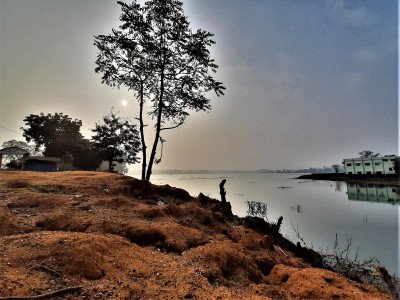
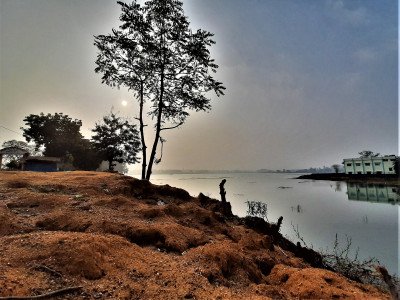
The lakes, or "bandhs," of Bishnupur are an integral part of the town's history and geography. The Pokabandh Lake is one of the largest and most significant of these man-made reservoirs. The Malla kings constructed these lakes to serve as a strategic source of water for the city, particularly for th e fort and its residents. Beyond their utilitarian purpose, these lakes also played a vital role in the town's ecosystem and aesthetics, serving as scenic spots for leisure and recreation. Pokabandh Lake is a tranquil oasis amidst the bustling town, surrounded by lush greenery and offering a peaceful retreat. The serene waters reflect the surrounding landscape and the temples, creating a picturesque setting. The lake is a testament to the Malla rulers' foresight in urban planning and their understanding of the importance of water management for a sustainable city. Today, it remains a favorite spot for locals and tourists alike, providing a quiet space for relaxation and enjoyment of nature.

Ans:- Pokabandh Lake, like other "bandhs" (water reservoirs) in Bishnupur, was constructed during the Malla dynasty's rule to address the town's water security needs. The Malla kings understood the critical importance of water management for a sustainable, flourishing capital. These lakes served as a strategic reservoir system, ensuring a steady supply of water for the city's inhabitants, the royal palace, and the surrounding agricultural lands. Beyond their utilitarian role, these reservoirs became central to the town's aesthetics, creating a scenic environment that integrated nature with the grand architectural landscape of the temples.

Ans:- The term "bandh" in Bengali refers to a man-made water reservoir or an embankment created to hold water. The Malla rulers of Bishnupur commissioned several such bandhs, including Pokabandh, Lalbandh, and others, as a part of a sophisticated water conservation and management strategy. These reservoirs are essentially vast artificial ponds or lakes created by earthwork to collect rainwater and maintain the water table in the region. They were vital for the survival of the city during the dry seasons, effectively turning the landscape into a reliable oasis that supported the town's growth for centuries.

Ans:- Pokabandh is one of the largest and most significant reservoirs in Bishnupur. It is not just an old water storage facility; it is a symbol of the foresight and environmental wisdom of the Malla kings. In the modern day, the lake serves as a peaceful recreational space, providing a quiet retreat from the busy town life. Its serene waters and surrounding greenery offer a beautiful, picturesque view, often reflecting the nearby temples. It remains a testament to the fact that early urban planning in the region was inherently connected to natural resource management, creating a sustainable urban environment.

Ans:- The availability of boating at Pokabandh Lake can vary depending on local municipal regulations and the current season. While it is primarily a scenic spot for relaxation, some periods may allow for small-scale boating activities managed by local operators. It is best to check with your hotel or local tourism guides upon arrival in Bishnupur to see if boating is currently operational. Regardless of whether boating is available, the lake remains a prime spot for photography, peaceful walks along the embankment, and enjoying the natural beauty and calm atmosphere that the site provides for residents and tourists alike.

Ans:- Yes, the area around Pokabandh Lake is generally kept as a scenic park and recreational space. The embankments provide a path for walking, and the surrounding greenery is maintained to offer a pleasant experience for visitors. It serves as a tranquil oasis amidst the bustling town of Bishnupur. The authorities prioritize the maintenance of these bandhs because they are integral parts of the town's heritage and ecosystem. Residents and tourists frequently visit the lake for evening walks, enjoying the cool breeze and the reflective beauty of the water, making it a well-loved community space.

Ans:- Generally, recreational fishing by tourists is not allowed in these historical reservoirs, as they are protected as heritage sites and managed for ecological and public aesthetic purposes. These bandhs are important for maintaining the local water table and supporting the town's micro-climate. Engaging in unauthorized activities like fishing could disrupt the ecosystem and the peace of the area. It is advised that visitors stick to enjoying the beauty of the lake from the embankments, participating in quiet recreational activities like photography, walking, and birdwatching, which are welcomed and encouraged for all guests.

Ans:- Pokabandh Lake and the surrounding lush greenery provide a habitat for various local bird species, making it a popular spot for nature enthusiasts and birdwatchers. You can often spot several water birds and migratory birds, especially during the cooler months. The serene environment also supports a variety of local flora, adding to the biodiversity of the area. Watching the sunset while observing the birds near the water is a common and relaxing activity for those visiting the lake, adding a natural dimension to the historical and architectural experiences that define a trip to Bishnupur.

Ans:- Typically, there is no entry fee to visit Pokabandh Lake, as it is a public space and a natural heritage reservoir. Visitors can freely walk along the embankments, enjoy the scenic views, and relax by the water. However, if there are any specific local events, park developments, or if the municipal authorities decide to charge for maintenance in certain developed parts of the lake area, this could change. It is always best to check with your tour operator or a local resident about the current accessibility status when planning your visit to ensure you have the most up-to-date information.

Ans:- Pokabandh Lake is located within the main town of Bishnupur and is easily accessible. You can reach the lake by hiring a local cycle-rickshaw or e-rickshaw from the main town center or the railway station. Since the lake is a well-known local landmark, any rickshaw driver will be able to drop you off at one of the entry points. If you are already touring the historical sites of Bishnupur, the lake is often part of the route, making it a convenient stop to include in your day's itinerary while visiting the temples and the ancient fort gates.

Ans:- The best time to visit Pokabandh Lake is during the late afternoon or early evening. The setting sun casts a beautiful glow over the water, and the temperatures are much more pleasant, allowing for a comfortable walk around the banks. The serene atmosphere is perfect for unwinding after a long day of sightseeing at the various temples and museums. Many locals also visit during this time, providing a more authentic experience of life in Bishnupur. Avoiding the midday heat will significantly enhance your enjoyment of the lake's peaceful and picturesque surroundings.

Ans:- Yes, Pokabandh Lake is safe for tourists. It is a popular public spot frequently visited by locals and families, especially during the evenings and weekends. The areas around the reservoir are open and generally monitored by the presence of other people. As with any travel destination, it is always wise to exercise standard caution, keep an eye on your belongings, and avoid visiting isolated areas after dark. Since the lake is centrally located in Bishnupur, it is a very accessible and safe part of the town's vibrant heritage landscape that you can enjoy with peace of mind.

Ans:- You may find small vendors or local food stalls near the entry points to the lake or along the main roads leading to it. These stalls typically offer basic snacks, tea, and local delicacies of the Bankura region. It is a great way to experience local flavors while enjoying the scenery. However, please be mindful of maintaining the cleanliness of the area by disposing of any waste properly in designated bins. Keeping the heritage site clean is a collective responsibility, and avoiding littering ensures that the lake remains a beautiful, hygienic, and welcoming place for everyone.

Ans:- Yes, you can certainly take professional-style photographs at Pokabandh Lake. The combination of the calm water, the green embankment, and the reflections of the sky and nearby architecture makes it an excellent location for photography. There are usually no strict restrictions on using cameras for personal or non-commercial photography. If you are planning a large-scale commercial shoot, you might want to check with the local municipal office regarding any permissions that may be required, but for standard tourist photography, it is a fantastic spot to capture the natural essence of Bishnupur.

Ans:- The water in Pokabandh Lake is managed as a natural reservoir, and while it is not intended for swimming or drinking, it is maintained to support the local environment and aesthetic appeal. The lake reflects the surrounding sky and vegetation, which makes it appear quite beautiful. However, visitors should refrain from polluting the water, as it is a vital part of the town's historic water management system. Preserving the quality of the water helps maintain the ecosystem, protecting the birds and other wildlife that rely on the lake and ensuring it remains a scenic landmark for years.

Ans:- When visiting Pokabandh Lake, it is a good idea to carry a bottle of water, comfortable walking shoes, and a camera to capture the beautiful views. Since you might be walking along the embankment, dress in comfortable, breathable clothing suitable for the local weather. If you are visiting during the day, don't forget to bring sun protection like a hat or sunscreen. Most importantly, carry a positive attitude and a sense of curiosity. Keeping these few essentials in mind will help you have a comfortable, relaxing, and enjoyable time as you explore one of Bishnupur's most tranquil spots.
Information about New and Updated Locations() of West Bengal Has Been Added :-
Card subtitle

Note:-

Information provided here in good Faith and for reference only.

Near Places
...
Acharya Jogesh Chandra Museum

Some quick example text to build on the card title and make up the bulk of the card's content.

Go somewhere

...
Big Stone Gateway

Some quick example text to build on the card title and make up the bulk of the card's content.

Go somewhere

...
Bishnupur Mela Ground

Some quick example text to build on the card title and make up the bulk of the card's content.

Go somewhere

...
Bishnupur Rajbari

Some quick example text to build on the card title and make up the bulk of the card's content.

Go somewhere
...
Chhinnamasta Temple

Some quick example text to build on the card title and make up the bulk of the card's content.

Go somewhere

...
Dalmadal Cannon

Some quick example text to build on the card title and make up the bulk of the card's content.

Go somewhere
...
Garh Darwaja

Some quick example text to build on the card title and make up the bulk of the card's content.

Go somewhere
...
Gokul Chand Temple

Some quick example text to build on the card title and make up the bulk of the card's content.

Go somewhere

...
Hadal-Narayanpur

Some quick example text to build on the card title and make up the bulk of the card's content.

Go somewhere
...
Jhilimili & Sutan Forest

Some quick example text to build on the card title and make up the bulk of the card's content.

Go somewhere
...
Jor Bangla Temple

Some quick example text to build on the card title and make up the bulk of the card's content.

Go somewhere

...
Jor Mandir Complex

Some quick example text to build on the card title and make up the bulk of the card's content.

Go somewhere
...
Jorbangla Temple

Some quick example text to build on the card title and make up the bulk of the card's content.

Go somewhere
...
Joypur Forest

Some quick example text to build on the card title and make up the bulk of the card's content.

Go somewhere
...
Kalachand Temple

Some quick example text to build on the card title and make up the bulk of the card's content.

Go somewhere
...
Kamarpukur

Some quick example text to build on the card title and make up the bulk of the card's content.

Go somewhere
in Other Cities