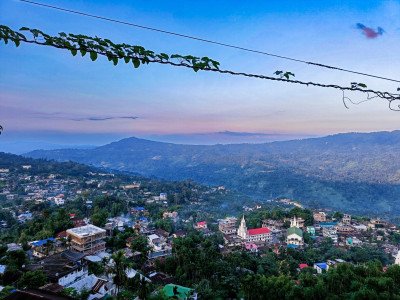
Full Town View
General information
-
Ideal Duration:
1 - 2 HoursPlace Type:
Scenic Viewpoint, Hill Station, Nature & PhotograpEntry Fees:
Standard Entry Cost: The Full Town View (Molpong) is currently a natural, publicly accessible viewpoint, and typically has No Official Entry Fee for general access. This makes it an incredibly budget-friendly destination for all tourists visiting Haflong. The local adminis...Standard Entry Cost: The Full Town View (Molpong) is currently a natural, publicly accessible viewpoint, and typically has No Official Entry Fee for general access. This makes it an incredibly budget-friendly destination for all tourists visiting Haflong. The local administration encourages free access to promote tourism in the region.
Parking and Vehicle Fees: While the entry to the viewpoint structure itself might be free, there could be a Nominal Parking Fee if you drive a private vehicle or a hired taxi right up to the designated parking area near the top. This fee is usually very small (e. g. , Rs.20 to Rs.50 per vehicle) and is charged by local community groups or a private contractor for maintenance and security. Visitors should carry small change for this purpose. Costs for Observation Deck Access (Potential Future Fee): In some viewing spots, there may be a small, optional fee to climb a dedicated, enclosed Observation Deck or Tower if one has been newly constructed and is privately maintained. However, for the current structure at Molpong, the primary view is generally accessible without charge. Any potential fee would likely be minimal (Rs.10 to Rs.30) and used for the immediate upkeep of the structure, cleanliness, and facilities. Tourists should budget for these small incidental costs.
Cost for Local Amenities: The only other costs will be for the use of local amenities, such as purchasing snacks and beverages from the on-site vendors, which is highly recommended to support the local economy. There are usually No Fees for photography or carrying camera equipment.Timing:
Regular Timings (Official): As an open natural hill station viewpoint, Full Town View (Molpong) generally has No Strict Opening or Closing Hours. It is accessible 24 hours a day. However, most local vendors and minimal administrative support are typically available between...Regular Timings (Official): As an open natural hill station viewpoint, Full Town View (Molpong) generally has No Strict Opening or Closing Hours. It is accessible 24 hours a day. However, most local vendors and minimal administrative support are typically available between 6:00 AM and 7:00 PM. Tourists are advised to exercise caution and visit during daylight hours or early evening for safety and ease of transport.
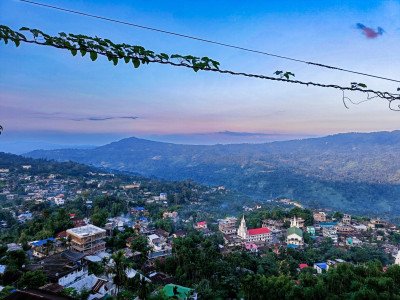
Ideal Visit Time (Photography & Scenic Viewing): The single best time to visit for the most breathtaking views is the Early Morning Slot (5:30 AM to 7:00 AM), specifically for catching the sunrise. The morning mist often hangs low over the valley, creating an ethereal blanket over the town that slowly burns off as the sun rises, offering incredible photographic opportunities. The second best time is the Late Afternoon/Sunset Slot (4:30 PM to 6:00 PM), when the sky is ablaze with color and the town begins to light up below.
Best Time for Solitude (Quiet Reflection): For travelers seeking peace and quiet, the Mid-Day Slot (11:00 AM to 3:00 PM) during a weekday is the most ideal. The crowds are minimal, the light is bright (though harsh for photography), and the cool mountain breeze is perfect for a calm, relaxed session of reading or journaling.
Night Viewing (Town Lights): The site remains beautiful after dark, offering the view of the entire town glittering like scattered diamonds. Visiting between 7:00 PM and 9:00 PM is recommended, but only with a trusted local guide or in a larger group, due to reduced visibility and local transport availability.Special Events:
New Year's Eve/Day Gatherings: While not a formally organized event by the tourism department, the Full Town View (Molpong) platform naturally becomes a major gathering spot for local residents and tourists on New Year's Eve and New Year's Day (December 31st and January 1st)...New Year's Eve/Day Gatherings: While not a formally organized event by the tourism department, the Full Town View (Molpong) platform naturally becomes a major gathering spot for local residents and tourists on New Year's Eve and New Year's Day (December 31st and January 1st). People flock here to witness the first sunrise of the year over the Borail Range and to celebrate the last moments of the year with a panoramic view of the twinkling town lights. The atmosphere is festive, often involving small picnics, singing, and a collective sense of hope and community as the new year begins.
Local Tribal Festival Viewing: The viewpoint offers a great vantage point to appreciate the geographical location of important areas where local festivals, such as the Chavang Kut (a significant harvest festival of the Kuki-Mizo-Zomi groups, usually held in November) or other Dimasa cultural events, might be celebrated in the valley below or on distant hillsides. While the specific celebrations won't be visible in detail, the perspective from Molpong helps visitors contextualize where these major cultural events take place within the town's geography.
Occasional Tourism Department Promotional Events: From time to time, the Dima Hasao District Administration or the Assam Tourism Department may organize special events at or near the viewpoint to promote tourism. These could include local craft exhibitions, cultural performances like the Bishou dance, or short treks beginning at the hill base. Visitors should check the local administration's notice boards upon arrival, especially during peak tourist seasons (October to March), to catch any of these unexpected cultural showcases that add unique value to the trip.Best Photo Spots:
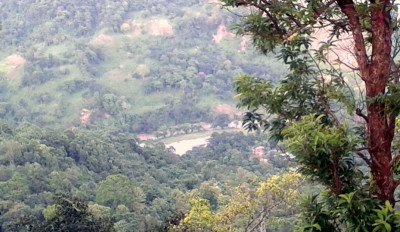
The Observation Tower's Highest Railing: The absolute best spot for an unobstructed, wide-angle shot is from the highest point of the Observation Tower. This elevation clears all immediate obstacles and allows a complete sweep of the horizon. The best time here is during t...The Observation Tower's Highest Railing: The absolute best spot for an unobstructed, wide-angle shot is from the highest point of the Observation Tower. This elevation clears all immediate obstacles and allows a complete sweep of the horizon. The best time here is during the Golden Hour (the hour after sunrise or before sunset). For wide landscape shots, use the railing to stabilize your camera and capture the full Haflong Lake nestled in the town. For vertical shots, frame the terraced hillsides descending towards the town center.
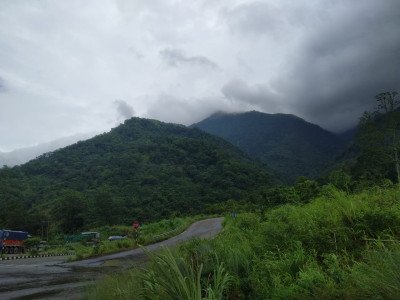
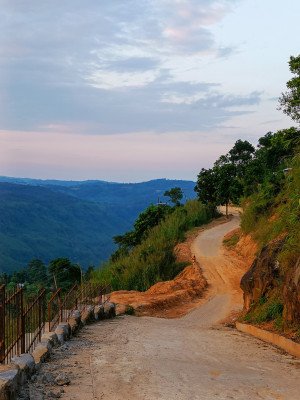
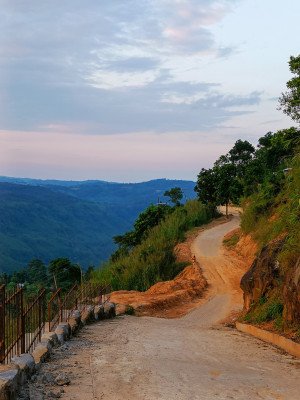
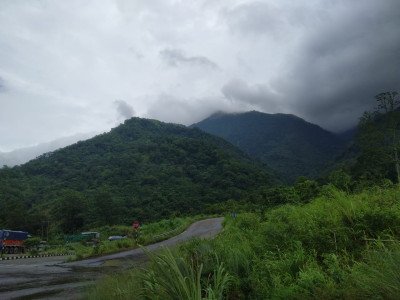
The Curved Approach Road: The winding, curved road leading up to the Molpong viewpoint is a fantastic photo opportunity itself. Position yourself slightly below the main viewing platform and use the curve of the road as a leading line into the frame, with the panoramic view as the backdrop. This spot is excellent for portraits or pictures of fellow travelers, as the road adds a sense of journey and scale. The road is also often lined with flowering bushes, providing natural foreground color, especially in Spring (March and April).
The Sunset/Sunrise Corner: There's usually a specific corner of the platform (often facing East for sunrise and West for sunset) that offers the most dramatic sky view. During Sunset, the warm, diffused light casts long shadows and bathes the entire valley in a beautiful, rich hue. Use the silhouette of the mountain ridges or the few trees on the viewpoint as a dark foreground element against the vibrant sky.
The Local Snack Stalls Backdrop: For a picture that captures the local atmosphere rather than just the view, focus on the area where the local vendors set up. The smoke from the cooking, the small benches, and the interaction between locals and tourists provide a rich, cultural tableau. This is best captured with a candid style, using a medium-angle lens, ideally in the late afternoon when the area is most active.Photo Gallery
Things To Do
-
Panoramic Photography and Time-Lapse Capture: The primary activity at Molpong is photography. Visitors should dedicate time to capturing the town's expansive vista. For serious photographers, setting up a tripod to capture a time-lapse video of the sun rising or setting, or of the transition from daylight to the town's twinkling night lights, is highly recommended. The clear air and high altitude create exceptional light quality. Aim for shots that frame the Haflong Lake within the sprawl of the houses and the backdrop of the undulating hills. Experiment with telephoto lenses to compress the distance between the foreground trees and the distant town structures.
Strolling and Light Trekking: Since the viewpoint is located on Haflong Hill, the approach often involves a pleasant uphill walk. This can be extended into a short, ...Panoramic Photography and Time-Lapse Capture: The primary activity at Molpong is photography. Visitors should dedicate time to capturing the town's expansive vista. For serious photographers, setting up a tripod to capture a time-lapse video of the sun rising or setting, or of the transition from daylight to the town's twinkling night lights, is highly recommended. The clear air and high altitude create exceptional light quality. Aim for shots that frame the Haflong Lake within the sprawl of the houses and the backdrop of the undulating hills. Experiment with telephoto lenses to compress the distance between the foreground trees and the distant town structures.
Strolling and Light Trekking: Since the viewpoint is located on Haflong Hill, the approach often involves a pleasant uphill walk. This can be extended into a short, rejuvenating nature walk along the less-traveled, shaded paths on the ridge. The paths, lined with pine and local flowering plants, offer a chance for light exercise and clean, cool mountain air. The full circuit of the hill top near the viewpoint might take about an hour, providing an opportunity to spot different viewing angles of the surrounding Dima Hasao district.
Engaging in Local Cuisine and Snacks: As mentioned, a key activity is indulging in the local snacks sold by vendors near the platform. This is a must-do to experience the taste of Haflong. Look for items like spicy boiled eggs, various local momos (dumplings), and local tea, or, if available, authentic Judima, the traditional rice wine of the Dimasa tribe (to be consumed responsibly). This provides a cultural immersion alongside the sightseeing.
Meditative Reflection and Journaling: The tranquil environment, especially during less-crowded daytime hours or quiet mornings, makes Molpong an ideal spot for quiet contemplation. The sweeping, peaceful view naturally encourages reflection. Visitors can bring a book, a journal, or simply sit on a bench to soak in the stillness and the cool breeze. This is an excellent way to disconnect from the hustle of travel and appreciate the spiritual calm of the hills.
Star Gazing and Night Viewing: Due to the relative lack of major light pollution compared to large cities, the area around Haflong Hill can offer a decent opportunity for stargazing on clear, moonless nights. Even if deep space viewing is not possible, the sight of the town lights carpeting the valley below, resembling a shimmering blanket of scattered jewels, is an activity in itself. Visitors should check local security conditions and always visit in a group if planning a late-night excursion.
Exploring the Nearby Bazaar (Urban Immersion): Given its short distance from the viewpoint (0. 5 KMS), an extended activity is to walk down to the Haflong Main Bazaar. This provides an immediate contrast to the tranquility of the hill and allows tourists to experience the vibrant local life. Things to do here include shopping for bamboo-woven artifacts, locally produced spices, and unique handloom textiles of the Dimasa and other local tribes. This transition from a nature spot to an urban center in a few minutes adds to the completeness of the Haflong experience.
Social Interaction and Cultural Learning: Initiate friendly conversations with local vendors, fellow travelers, and residents who are also visiting the viewpoint. People in the North-East are generally warm and hospitable. Asking simple questions about the history of the town, the names of the surrounding peaks, or local festivals like Chavang Kut (celebrated in November) or the Judima Festival (in January) can turn a simple view into a rich cultural learning opportunity, providing stories to take back home, far more valuable than just photographs. Ensure all interactions are respectful and courteous.
Information
-
Why Famous:
The Only Hill Station Viewpoint in Assam: Haflong holds the unique distinction of being Assam's only hill station, and the Molpong viewpoint is arguably its most iconic spot. This distinct regional status instantly elevates its fame, drawing tourists seeking the unique topo...The Only Hill Station Viewpoint in Assam: Haflong holds the unique distinction of being Assam's only hill station, and the Molpong viewpoint is arguably its most iconic spot. This distinct regional status instantly elevates its fame, drawing tourists seeking the unique topography and cooler climate not found elsewhere in the state. The viewpoint offers the single best vantage point to appreciate this rarity—the entire town nestled in the hills.
Unrivaled Panoramic Photography: The primary fame of Molpong rests on its ability to provide stunning, wide-angle views. It's renowned as the ultimate spot for capturing the town's entire geographical spread, particularly during the ethereal hours of Sunrise and Sunset. The way the lights twinkle in the evening or the mist gently lifts in the morning is a magnet for photographers.
Proximity and Accessibility: Unlike remote peaks, Molpong's convenience—being just a short walk (around 500 meters) from the main market—contributes significantly to its popularity. Its easy accessibility makes it a must-visit for all tourists, regardless of physical fitness, making it a democratized piece of Haflong's charm.
Gateway to Dima Hasao's Beauty: The viewpoint serves as an introduction to the pristine, largely unexplored beauty of the Dima Hasao district. Visitors see not just the town but the dense, forested hills of the Borail Range stretching into the distance, inspiring further exploration of places like Jatinga and Maibong, solidifying its reputation as the visual heart of the region. -
Architecture:
Viewpoint Structure and Design: The architecture of the Full Town View (Molpong) is primarily functional, designed to enhance the viewing experience rather than stand as a monumental structure. The central feature is a raised Observation Tower or Platform. This structure i...Viewpoint Structure and Design: The architecture of the Full Town View (Molpong) is primarily functional, designed to enhance the viewing experience rather than stand as a monumental structure. The central feature is a raised Observation Tower or Platform. This structure is typically made from local materials, likely including reinforced concrete and brick, reflecting the practical construction common in Indian hill stations. It is designed to lift visitors above the immediate vegetation and low-lying buildings, providing an unobstructed sightline across the Haflong valley. The platform is generally rectangular or circular to facilitate viewing in all directions.
Typical Dimension Estimate: While specific blueprints are unavailable, a typical observation deck in such a location might be around 8 to 10 meters high, with a platform area of approximately 50 to 80 square meters. The path leading up to the viewing area, often paved or stepped, is integrated into the natural slope of the hill.
Colonial and Local Influences: Unlike some old British-era structures in Haflong, the Molpong viewpoint itself appears to be a modern development. However, the surrounding buildings in the town, visible from the viewpoint, show a mix of traditional Dimasa-style wooden or stone architecture and more robust colonial-era constructions characterized by sloping tin roofs, wide eaves, and solid masonry to withstand heavy monsoon rainfall. The overall architectural perspective from the viewpoint thus captures the town's historical development and material evolution. The use of simple railing and viewing slots on the platform prioritizes safety and the visual frame, ensuring the focus remains on the breathtaking natural scenery. -
How To Reach:
By Air (For Long Distance Travel): The nearest major airport to Haflong is Silchar Airport (IXS), also known as Kumbhirgram Airport, located in the Cachar district of Assam. The distance is approximately 110 KMS from Haflong town. Silchar Airport has regular flights connec...By Air (For Long Distance Travel): The nearest major airport to Haflong is Silchar Airport (IXS), also known as Kumbhirgram Airport, located in the Cachar district of Assam. The distance is approximately 110 KMS from Haflong town. Silchar Airport has regular flights connecting it to major Indian cities like Guwahati and Kolkata. From Silchar, you must hire a private taxi (a journey of about 4-5 hours) or take a shared vehicle to reach Haflong. A more practical, though longer, route is via Lokpriya Gopinath Bordoloi International Airport (GAU) in Guwahati (about 310 KMS away), which is better connected. From Guwahati, you can opt for the scenic train or a long-distance bus/taxi.
By Train (The Most Scenic Route): Haflong is well-connected by the scenic Lumding–Silchar railway line.
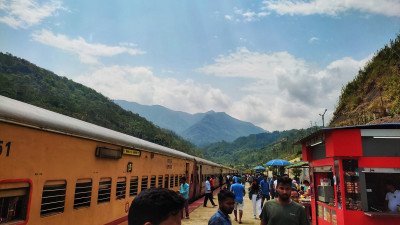
The town has two main stations: Haflong Hill Railway Station (the historic station on the hill) and the newer New Haflong Railway Station (NHLG). The journey to Haflong is renowned for its breathtaking views, especially the Vistadome tourist train service from Guwahati which offers a panoramic view of the hills, valleys, and tunnels. Trains run regularly from Guwahati and Silchar, making it the most comfortable and visually rewarding option. New Haflong Railway Station is approximately 3 KMS from the town center.
By Road (The Adventure Drive): Haflong is accessible by road via National Highway 27 (NH27) and other state highways connecting it to Guwahati and Silchar. The distance from Guwahati is roughly 310 KMS, which can take 8-10 hours due to the hilly and winding terrain, making for a long but adventurous drive. State-run and private buses operate from major cities in Assam like Guwahati, Silchar, and Jorhat. Hiring a full-day private taxi is the most flexible option. The road quality can vary, especially during the monsoon season (June to September), so an SUV or a robust vehicle is recommended.
By Local Transport (To Molpong Viewpoint): Once you are in Haflong town, reaching the Full Town View (Molpong) is very easy due to its central location. Since it is only about 500 meters from the main bazaar, the best way to reach it is by walking. The short, uphill walk is pleasant and safe. Alternatively, you can hire a local auto-rickshaw or a shared auto-taxi for a nominal fee from the market area. A private taxi is generally unnecessary for this short distance unless you have mobility issues or a lot of equipment. Always negotiate the fare with the auto-rickshaw driver before starting the journey. -
Weather and Best Time to Visit:
Best Season:
Winter (October to March): Winter is hands-down the best season to visit Haflong and the Molpong viewpoint. The weather is cool, dry, and immensely pleasant, with daytime temperatures ranging from a comfortable 10°C to 25°C. ...Best Season:
Winter (October to March): Winter is hands-down the best season to visit Haflong and the Molpong viewpoint. The weather is cool, dry, and immensely pleasant, with daytime temperatures ranging from a comfortable 10°C to 25°C. The skies are typically clearest, offering the most expansive and crisp panoramic views, which is essential for a viewpoint. This period also coincides with the local harvest festivals like Chavang Kut (in November) and the Judima Festival (in January).
Secondary Season:
Spring (March to April): Spring offers a delightful climate as the chill subsides, and the surrounding hillsides begin to burst with new, lush greenery and flowers. Temperatures are mild, making outdoor activities and trekking highly enjoyable. The weather is still dry enough to ensure clear viewing conditions from Molpong.
Least Ideal Season:
Monsoon (June to September): While the hills are at their lushest green, the Monsoon season is the least ideal. Heavy rainfall can obscure the views for days, and the risk of landslides and road disruptions is higher. The air is humid, and constant cloud cover can significantly detract from the panoramic experience at Molpong. Travelers should only visit during this time if they enjoy extreme rainfall and don't mind unpredictable travel delays.
Best Part of the Day: Sunrise (5:30 AM to 7:00 AM) As previously noted, the most magical time is Sunrise. The light is soft, the air is freshest, and the town is quiet. The view of the mist filling the valley is a world-class experience.
Second
Best Part of the Day: Late Afternoon (4:00 PM to 6:00 PM) The light is warm and dramatic, perfect for photography, and provides the magnificent sunset view. This time is also best for catching the local activity near the viewpoint. -
Near Tourist Places:
1.
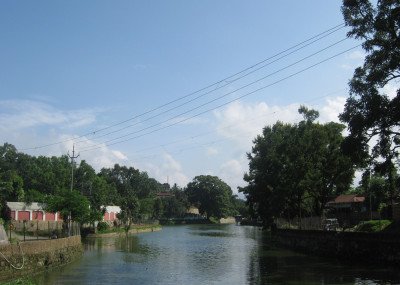
Haflong Lake: (Approx. 1. 5 KMS) - Central natural lake, offering boating and leisure. 2.
Haflong Bazaar/Market: (Approx. 0. 5 KMS) - Hub for local shopping, food, and culture. 3.
Jatinga Bird Watching Point: (Approx. 9 KMS) - Famous for the mysterious bird phenomenon, best visited August to November. 4.
Fiangpui Garden & Biate Village: (Approx. 2 KMS) - Known for lush gardens and Biate tribal culture. 5.
Orchid Garden, Haflong: (Approx. 3 KMS) - Dedicated to showcasing rare native orchids. 6.
Maibong (Ancient Dimasa Capital): (Approx. 47 KMS) - Historical site with the monolithic Ramchandi Temple ruins. 7.
Panimur Waterfall (Niagara of Northeast): (Approx. 120 KMS) - A spectacular waterfall, best visited after the monsoon (October/November). 8.
Borail Wildlife Sanctuary: (Distance Varies - Nearest point approx. 18 KMS) - Ideal for trekking and spotting rare flora and fauna. 9.
Synod View Point: (Approx. 1. 8 KMS) - Another local viewpoint offering a different perspective of the town. 10.
Bamin Hading View Point: (Approx. 5 KMS) - A less crowded viewpoint for quiet contemplation.
Tourism Tips
-
Health & Safety (Hill Travel Precautions): Always carry a basic first-aid kit with medication for headaches, stomach upsets, and common cold/flu symptoms, as medical facilities in remote areas may be limited. If traveling during the monsoon (June-September), be aware of the...Health & Safety (Hill Travel Precautions): Always carry a basic first-aid kit with medication for headaches, stomach upsets, and common cold/flu symptoms, as medical facilities in remote areas may be limited. If traveling during the monsoon (June-September), be aware of the potential for leeches and carry salt or a repellent. For the Molpong viewpoint, be cautious on the observation platform and stairs, especially if it has rained, as they can be slippery. Stay hydrated and use sunscreen even on cloudy days, as the UV intensity is higher at this altitude.
Packing Essentials (Layered Clothing & Gear): Due to the varying temperatures, especially between day and night, layered clothing is essential. Pack light woolens or a jacket for the mornings and evenings, particularly during the peak winter months (November to February). Carry comfortable, sturdy walking shoes suitable for uneven hill terrain. Bring a good camera and extra batteries/memory cards, as the photographic opportunities are endless. Also, pack a raincoat or umbrella regardless of the season, as mountain weather can change quickly.
Accommodation (Booking and Options): Haflong offers a range of accommodation from budget-friendly guesthouses and homestays to mid-range hotels. During the peak season (October to March), it is highly advisable to book your accommodation well in advance, as options are limited, and rooms fill up quickly. Look for hotels or homestays near the Haflong Lake or the Main Bazaar, as these areas offer the best accessibility to local transport and amenities, including the Molpong viewpoint.
Other Practical Tips (Local Customs and Currency): The local lingua franca is often Haflong Hindi, and many locals also speak Bengali or English, in addition to tribal languages like Dimasa. Being polite and learning a few phrases in the local language is always appreciated. Always carry enough cash (Indian Rupees), as not all vendors or local transport will accept digital payments or cards, especially in smaller shops or at the viewpoint. Respect the local customs and traditions of the Dimasa and other tribes, particularly when visiting surrounding villages or temples. When bargaining for local transport, remain friendly but firm.
Reviews
FAQs
Haflong Itineray And Cost:-
Information about New and Updated Locations() of Assam Has Been Added :-
Card subtitle
Note:-
Information provided here in good Faith and for reference only.
All information and pictures will be updated soon, please keep visiting.
Near Places
Barail Range Forest
Some quick example text to build on the card title and make up the bulk of the card's content.
Go somewhere
Bendao Baglai Waterfalls
Some quick example text to build on the card title and make up the bulk of the card's content.
Go somewhere
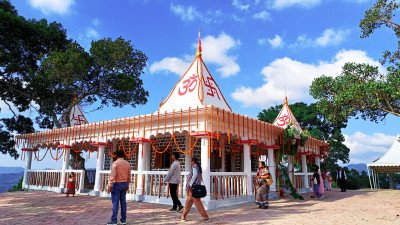
Devi Mandir View Point
Some quick example text to build on the card title and make up the bulk of the card's content.
Go somewhere
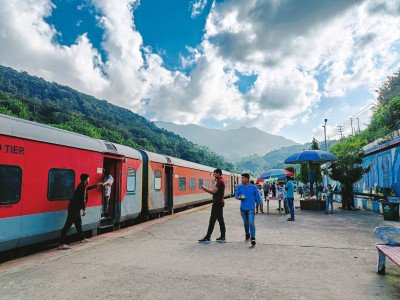
Dima Hasao Town
Some quick example text to build on the card title and make up the bulk of the card's content.
Go somewhere
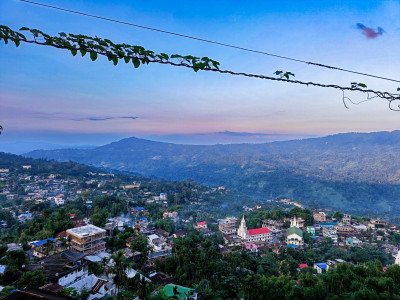
Dima Hasao View Point
Some quick example text to build on the card title and make up the bulk of the card's content.
Go somewhere
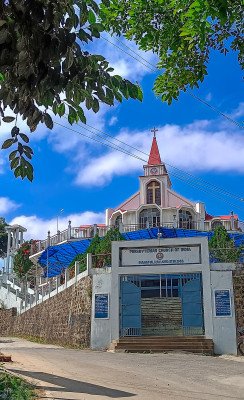
Fiangpui Presbyterian Church
Some quick example text to build on the card title and make up the bulk of the card's content.
Go somewhere
Full Town View
Some quick example text to build on the card title and make up the bulk of the card's content.
Go somewhere
Haflong Hill
Some quick example text to build on the card title and make up the bulk of the card's content.
Go somewhere
Haflong Hill View Point
Some quick example text to build on the card title and make up the bulk of the card's content.
Go somewhere
Haflong Lake
Some quick example text to build on the card title and make up the bulk of the card's content.
Go somewherein Other Cities