Jatinga Bird Watching Tower and Samparidisa Village
General information
-
Ideal Duration:
2-4 hours for Jatinga Bird Watching Tower (especially during the specific evening time slot in September-October). A full day is ideal to include a visit to Samparidisa Village and the nearby waterfalls for a complete experience.Place Type:
Unique Natural Phenomenon/Ornithology/Eco-Tourism/Entry Fees:
Jatinga Bird Watching Tower Fee: There is often a nominal fee charged for entering the Jatinga village area or accessing the Bird Watching Tower premises, which is managed by the Forest Department or a local body. This fee can range from Rs.50 to Rs.100 per person for Indian Na...Jatinga Bird Watching Tower Fee: There is often a nominal fee charged for entering the Jatinga village area or accessing the Bird Watching Tower premises, which is managed by the Forest Department or a local body. This fee can range from Rs.50 to Rs.100 per person for Indian Nationals. These small fees are used for maintenance of the tower and local tourism infrastructure.
Guided Tour Charges (The Main Cost): The most significant expense is the cost of hiring an experienced local guide, especially if you plan to visit during the specific time of the bird phenomenon (September-October). Guides are essential for ethical viewing and safety. A guided tour package, which often includes local transport (like an auto-rickshaw) from Haflong and the guide's fee, can range from Rs.1500 to Rs.3000 or more, depending on the group size and duration.
Photography/Camera Fees: While there is often no fee for mobile phone photography, some sites in Assam may charge a small fee (e. g. , Rs.50 to Rs.100) for professional cameras or video equipment. It is best to check locally before taking professional gear inside.
Samparidisa Village Donation/Entry: Samparidisa Village may not have a fixed entry fee, but as an eco-tourism village, they appreciate voluntary donations or spending on local products (handicrafts, food) which directly support the community's sustainable initiatives. This is part of responsible travel.Timing:
Regular Timings for the Tower: The Jatinga Bird Watching Tower and its associated information center are generally open to visitors during daylight hours, typically from 8:00 AM to 5:00 PM daily. However, the tower area itself is often accessible and can be visited outside ...Regular Timings for the Tower: The Jatinga Bird Watching Tower and its associated information center are generally open to visitors during daylight hours, typically from 8:00 AM to 5:00 PM daily. However, the tower area itself is often accessible and can be visited outside these hours for sunrise/sunset views, especially with prior arrangement with a local guide.
Ideal Visit Time for the Bird Phenomenon: The absolute ideal time for the unique bird mystery is a very specific, narrow window: a dark, moonless, foggy, and misty evening, usually between 6:00 PM and 9:30 PM during the months of late September and October. Visiting outside this time and specific weather condition means you will not witness the phenomenon.
Samparidisa Village Timings: Samparidisa Village, being a living community, is accessible 24 hours a day. However, for respectful tourism, the best time for cultural interaction, village walks, and visiting the waterfalls is during daylight, from 9:00 AM to 4:00 PM.
Best Time of Day for General Sightseeing: For general bird watching, trekking, and photography of the landscape, the early morning hours (6:00 AM to 8:00 AM) and late afternoon (4:00 PM to 6:00 PM) offer the best light and atmosphere.Special Events:
The Annual Bird Phenomenon Season: The main 'special event' that draws international attention is the mysterious bird phenomenon itself, which happens during the transitional period from monsoon to winter, primarily in September and October. It’s not an organized festival...The Annual Bird Phenomenon Season: The main 'special event' that draws international attention is the mysterious bird phenomenon itself, which happens during the transitional period from monsoon to winter, primarily in September and October. It’s not an organized festival but a natural spectacle. Tourists visit specifically to try and witness this eerie, scheduled descent of birds, making it the most unique, though unsettling, attraction of the area.
Bird Conservation and Awareness Programs: To counter the historical practice of locals killing the disoriented birds, the Forest Department and various NGOs organize awareness camps and conservation programs, particularly during the peak season. These events aim to educate the local community and visitors about bird protection, transforming the area from a 'death valley' into a conservation site.
Local Harvest Festivals: The Dimasa and Khasi-Pnar tribes living in Jatinga and Samparidisa celebrate their own local harvest and seasonal festivals. These are authentic community events tied to their agricultural calendar and religious beliefs, offering a vibrant display of traditional music, dance, and attire, though they are not typically advertised as tourist events. Engaging with a local guide might help in experiencing one of these cultural gatherings.
Haflong Seasonal Tourism Festivals: The district headquarters, Haflong, sometimes hosts larger tourism-focused events, especially during the peak tourist season of November to February, which serve as a special draw for visitors coming to the region, including to Jatinga.Best Photo Spots:
The Bird Watching Tower Vantage Point: The tower itself provides an elevated, 360-degree panoramic view of the Jatinga Valley and the surrounding Barail Range. This is the best spot for sweeping landscape shots, capturing the mist-covered hills in the early morning or the d...The Bird Watching Tower Vantage Point: The tower itself provides an elevated, 360-degree panoramic view of the Jatinga Valley and the surrounding Barail Range. This is the best spot for sweeping landscape shots, capturing the mist-covered hills in the early morning or the dramatic colors of the sunset. It is also the only place to get a clear shot of the famous 'mystery spot.
' The Old Heritage Railway Tracks: The serpentine, overgrown meter-gauge railway line winding through the hills is a photographer's dream. The rusting tracks, the dark tunnels, and the lush green background create a mood of rustic adventure and history, making it perfect for both close-up and wide-angle shots.
Bendao Baiglai Waterfalls: For nature and water photography, the waterfalls near Samparidisa are unbeatable. The cascading water, especially during or right after the monsoon, framed by verdant cliffs and ferns, provides excellent opportunities for long-exposure shots that create a silky water effect.
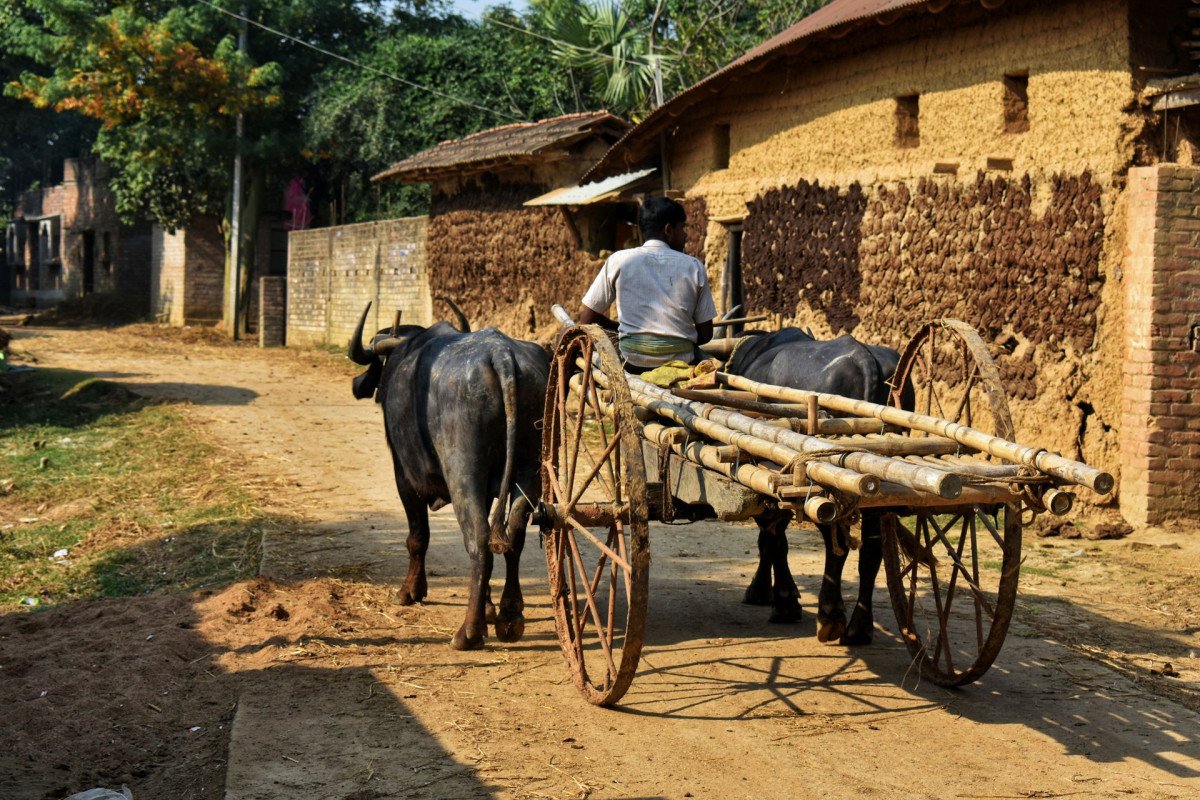
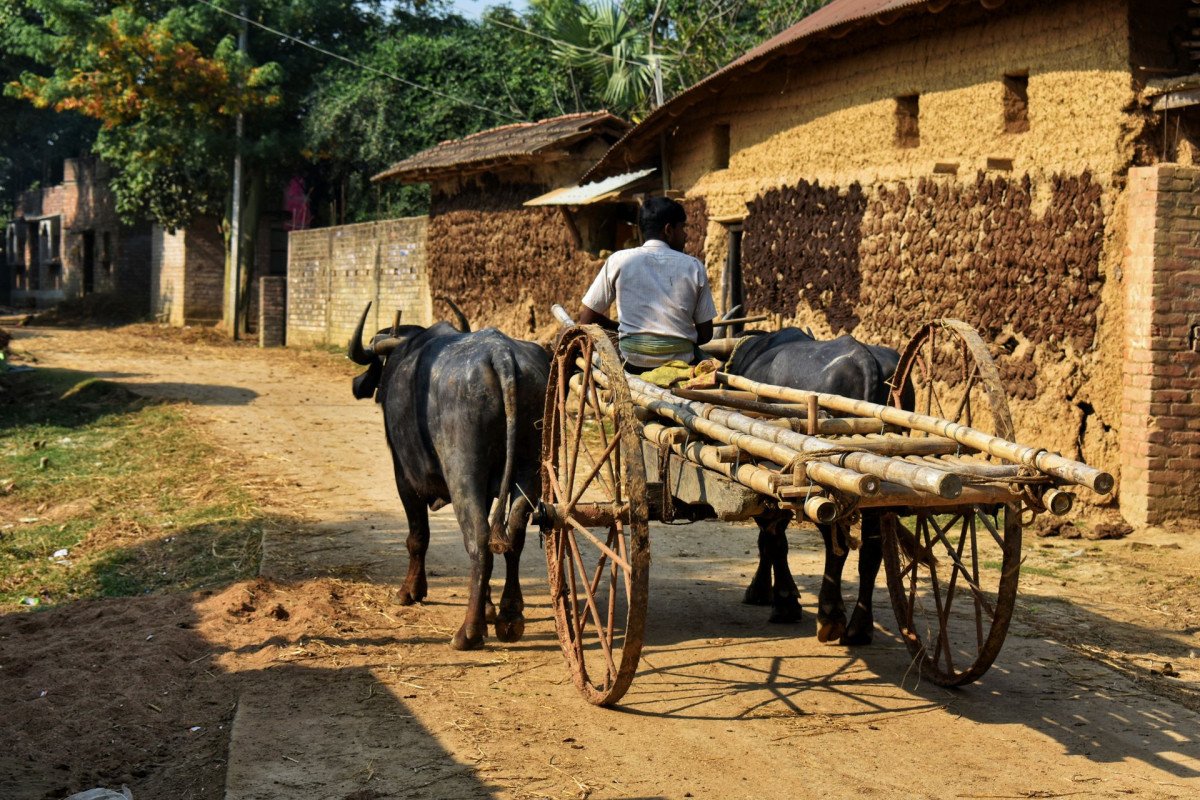
Traditional Village Life in Samparidisa: The traditional bamboo and wooden houses, the local people in their daily activities, and the pristine, clean lanes of Samparidisa Village offer amazing cultural portrait and street photography opportunities. The interaction between the simple architecture and the hilly backdrop is very picturesque.
Scenic Road/Track to Jatinga: The road leading up to Jatinga from Haflong is highly photogenic, especially the points offering a view of the deep valley. Look for the signboards or the entrance gate to the village, which often serves as a classic postcard shot announcing the famous location.
Sunrise and Sunset over the Barail Hills: The dramatic lighting during the golden hour is ideal for capturing the texture and depth of the Barail Range. The air is often clear, allowing for sharp, colorful shots of the sky and the rolling hills.Photo Gallery
Things To Do
-
Witness the Enigma (Seasonal/Time-Bound): The primary activity at Jatinga is to attempt to observe the famous bird phenomenon. This must be planned carefully for the narrow window in late September to early November, specifically on dark, moonless, foggy nights between 6:00 PM and 9:30 PM. Visitors wait at or near the Bird Watching Tower with local guides. It's crucial to practice responsible tourism by remaining silent and avoiding the use of bright lights, which can disorient the birds further.
Ethical Bird Watching Throughout the Year: Beyond the seasonal mystery, the area is a fantastic spot for general bird watching. The Barail Range is rich in avian life. Bring your binoculars and telephoto lenses. Local birding guides can help you spot species like the Emerald Dove, Hill Partridge, and various species of Kingfishers ...Witness the Enigma (Seasonal/Time-Bound): The primary activity at Jatinga is to attempt to observe the famous bird phenomenon. This must be planned carefully for the narrow window in late September to early November, specifically on dark, moonless, foggy nights between 6:00 PM and 9:30 PM. Visitors wait at or near the Bird Watching Tower with local guides. It's crucial to practice responsible tourism by remaining silent and avoiding the use of bright lights, which can disorient the birds further.
Ethical Bird Watching Throughout the Year: Beyond the seasonal mystery, the area is a fantastic spot for general bird watching. The Barail Range is rich in avian life. Bring your binoculars and telephoto lenses. Local birding guides can help you spot species like the Emerald Dove, Hill Partridge, and various species of Kingfishers in their natural habitat during the day. Mornings are particularly active for bird songs and sightings.
Trekking and Nature Walks in the Hills: The lush, hilly terrain around Jatinga and Samparidisa is perfect for trekking. You can take scenic walks through bamboo forests and paddy fields. One popular route is along the old railway track, offering panoramic views of the Dima Hasao hills. This is an excellent way to appreciate the region's immense natural beauty.
Exploring Samparidisa Eco-Tourism Village: Spend a significant part of your day in Samparidisa. Engage in an eco-walk through the village, observing their sustainable practices and pristine environment. This is a chance to see a truly plastic-free and clean rural community in Assam.
Visiting Bendao Baiglai Waterfalls: This activity involves a moderate walk from Samparidisa to the beautiful cascades. The multi-tiered waterfall is ideal for photography, relaxing, and enjoying the cool, misty air. Carry water and wear sturdy shoes for the walk.
Interaction with Local Culture and Tribes: Seek out opportunities to interact with the Khasi-Pnar and Dimasa communities. Inquire about local handicrafts, especially items made from bamboo, and traditional weaving. Some families in Samparidisa may offer homestay experiences or traditional meals, providing insight into their customs and cuisine.
Photography and Sunset Viewing: The elevated location of the Jatinga Bird Watching Tower offers one of the best views in the region, making it an excellent spot for landscape photography, especially during sunrise and sunset. Capture the vibrant colors of the sky over the rolling green hills and deep valleys.
Relaxation and Tranquility: Given the remote and serene nature of the location, simply unwinding and enjoying the peace and quiet away from the bustling city life is a major draw. Find a quiet spot to read, meditate, or simply soak in the tranquility of the hills.
Local Cuisine Exploration: Try the authentic, local tribal food of the region. Dishes often feature fresh vegetables, local herbs, and meat cooked in a simple, flavourful style. Ask your homestay or guide for recommendations on local delicacies.
Day Trip to Haflong Lake: Combine your visit with a short trip back to Haflong town to see the famous Haflong Lake. You can enjoy boating or a peaceful picnic by the lakeside.
Information
-
Why Famous:
The Bird Mystery of Jatinga:
A Global Enigma: Jatinga achieved global notoriety in the 1960s after being documented by naturalist E. P. Gee. It is famously, though incorrectly, known as the "Bird Suicide Capital of the World. " This myster...The Bird Mystery of Jatinga:
A Global Enigma: Jatinga achieved global notoriety in the 1960s after being documented by naturalist E. P. Gee. It is famously, though incorrectly, known as the "Bird Suicide Capital of the World. " This mysterious annual event, where various avian species descend in a dazed state on certain dark, foggy nights, has baffled ornithologists and scientists for decades, putting this small village on the world map of natural mysteries.
The Role of Science and Superstition: The place is famous for the ongoing scientific efforts to explain the phenomenon, contrasting sharply with the initial local belief among the tribal people who thought the swooping birds were malevolent spirits descending from the sky. This blend of folklore, fear, and scientific inquiry makes the location intellectually captivating.
A Unique Ecological Hotspot: Beyond the mystery, Jatinga and the surrounding Dima Hasao district are famous for their rich, yet largely unexplored, biodiversity. Bird watchers and nature lovers are drawn here to see the diverse species of local and migratory birds that inhabit the hills and valleys throughout the year, even outside the "suicide" season.
Samparidisa's Eco-Tourism Model: Samparidisa Village is becoming famous for its focus on sustainable and clean tourism. It represents a model for how remote tribal communities can promote their natural beauty and traditional way of life while preserving the environment, making it a famous example of rural Assam tourism. -
Architecture:
The Jatinga Bird Watching Tower:
A Simple Observation Post: The Bird Watching Tower is not a grand, architectural monument but a functional, modest structure built for observation. It is typically a small, two or three-story outhouse or simp...The Jatinga Bird Watching Tower:
A Simple Observation Post: The Bird Watching Tower is not a grand, architectural monument but a functional, modest structure built for observation. It is typically a small, two or three-story outhouse or simple platform, generally made of basic materials like concrete and wood, sometimes with protective railings and a corrugated sheet roof.
Purpose-Built Design: The design is purely utilitarian, focusing on providing a vantage point over the specific stretch of the ridge (about 1. 5 KMS long and 200 meters wide) where the bird phenomenon historically occurs. It aims to offer a clear, undisturbed view for ornithologists, researchers, and tourists.
Internal Layout and Exhibits: Inside the tower, or an associated small room, you can often find exhibits. These include large photographs of the various bird species affected, along with descriptive textual records and scientific theories attempting to unravel the mystery. This adds an educational dimension to the simple structure.
Approximate Dimensions: The tower’s footprint is relatively small, perhaps a square of 5-8 meters per side at the base, with a height of around 10-15 meters to rise above the bamboo thickets and village structures. The focus is on its elevation on the hill, not its intrinsic size.
Samparidisa Village Structure:
Traditional and Earthen: Samparidisa Village is characterized by traditional tribal architecture. Houses are often made of locally sourced materials like bamboo, wood, and mud, designed to withstand the region's heavy rainfall and seismic activity. The construction style is simple, functional, and deeply integrated with the natural surroundings, reflecting the sustainable lifestyle of the residents. -
How To Reach:
From Place Name:
Haflong By Air (Nearest Airport:
Silchar): The nearest major airport to Jatinga and Samparidisa is Silchar's Kumbhirgram Airport (IXS), which is approximately 104 KMS away. From major Indian ...From Place Name:
Haflong By Air (Nearest Airport:
Silchar): The nearest major airport to Jatinga and Samparidisa is Silchar's Kumbhirgram Airport (IXS), which is approximately 104 KMS away. From major Indian cities like Kolkata or Guwahati, you can take a flight to Silchar. From the airport, you will need to hire a pre-paid taxi or a private cab to reach Haflong (a journey of about 3-4 hours) and then proceed to Jatinga (9 KMS further) or Samparidisa (15-18 KMS further). An alternative is to fly to Guwahati's Lokpriya Gopinath Bordoloi International Airport (GAU) and continue by train or road to Haflong.
By Train (Nearest Station:
New Haflong): The best way to reach the area is via train. The nearest major railway station is New Haflong Railway Station (NHLG), which is about 6-7 KMS from Haflong town and around 15 KMS from Jatinga. This station is well-connected to cities like Guwahati and Silchar via the Lumding-Silchar sector. A journey on this route is famous for its scenic beauty, passing through tunnels and hills. From New Haflong station, you can easily hire a local taxi or auto-rickshaw to reach your destination.
By Road (From Haflong): Haflong is well-connected by road, especially National Highway 27 (NH-27), which is part of the East-West Corridor. You can take a state-run bus or a private taxi from Guwahati (about 330 KMS) or Silchar (about 100 KMS) to Haflong. The road journey to Haflong is scenic but can be long and sometimes challenging due to hilly terrain.
By Local Transport (From Haflong): From Haflong town center (the main hub near Haflong Lake), the most common and convenient local transport options to reach Jatinga and Samparidisa are shared or reserved auto-rickshaws (locally called 'auto'). A reserved auto-rickshaw is recommended for flexibility, especially for visiting Jatinga during the evening phenomenon time. Taxis are also available for a more comfortable ride. The drive to Jatinga takes about 20-30 minutes, and to Samparidisa, around 45 minutes to an hour due to the hilly, sometimes rough, road conditions. -
Weather and Best Time to Visit:
Best Season for the Bird Mystery: The ideal time to visit specifically to witness the bird phenomenon is during the transitional weather from the monsoon to winter, which spans from late September to the end of October. This period provides the necessary foggy, dark, and mo...Best Season for the Bird Mystery: The ideal time to visit specifically to witness the bird phenomenon is during the transitional weather from the monsoon to winter, which spans from late September to the end of October. This period provides the necessary foggy, dark, and moonless night conditions crucial for the event.
Best Season for Pleasant Weather and Sightseeing: The most comfortable season for general sightseeing, trekking, and enjoying the scenic beauty is the winter period, from November to February. Temperatures are cool and pleasant (ranging from 10°C to 25°C), the air is clear for photography, and the environment is less humid than the monsoon months.
Season to Avoid (Heavy Rain): The peak monsoon months of July and August can bring very heavy rainfall (Assam receives high precipitation). While the area is lush, the roads can be slippery, and travel can be uncomfortable or delayed due to landslides. However, the greenery is at its most vibrant during this time.
Best Time of the Day for Bird Watching (General): For general bird-watching activity (outside the evening mystery), the best time is the early morning (from sunrise until 9:00 AM) when birds are most active in their foraging and singing.
Best Time of the Day for Photography and Scenery: Sunrise and Sunset (the 'golden hour') offer the most spectacular lighting for landscape photography of the Barail Hills and the Jatinga Valley. The late afternoon is also an excellent time for a leisurely village walk in Samparidisa.
Best Time of the Day for the Mystery: The event, when it occurs, is strictly in the evening, between 6:00 PM and 9:30 PM. Visitors must plan to arrive well before sunset to settle down at the tower. -
Near Tourist Places:
1.
Haflong Lake: (6 KMS from Haflong Center) - Boating and picnic spot. 2.
New Haflong Railway Station: (6-7 KMS from Haflong Center) - Scenic rail route point. 3.
Haflong Hill Viewpoint (Haflong Peak): (Approx. 5 KMS from Haflong Center) - Highest peak with panoramic views. 4.
Bendao Baiglai Waterfalls: (Approx. 1-2 KMS from Samparidisa Village) - Multi-tiered waterfall. 5.
Circuit House Viewpoint: (Approx. 6 KMS from Haflong Center) - Best view of Dimasa Hills and old railway route. 6.
Muolhoi Gallery View Point: (Approx. 8 KMS from Haflong Center) - Another panoramic viewing spot. 7.
Panimur Waterfalls: (Approx. 110 KMS from Haflong) - Famous waterfall often called 'Niagara of the Northeast'. 8.
Maibang: (Approx. 43 KMS from Haflong) - Former capital of the Kachari Kingdom with the ancient Ramchandi Temple. 9.
Umrongso/Kopili Hydro Electric Project: (Approx. 120 KMS from Haflong) - Reservoir and dam site. 10.
Bhubaneswar Temple (Bhuvan Hills): (Approx. 110 KMS from Haflong) - Ancient Shiva temple atop a hill.
Tourism Tips
-
Health & Safety:
Be Prepared for the Hills: The region is hilly, so carry basic first-aid supplies, including pain relievers, antiseptic cream, and medication for motion sickness, as the roads are winding. Drink only bottled water or water p...Health & Safety:
Be Prepared for the Hills: The region is hilly, so carry basic first-aid supplies, including pain relievers, antiseptic cream, and medication for motion sickness, as the roads are winding. Drink only bottled water or water purified by your accommodation. For the bird mystery viewing, stay alert, follow the guide's instructions precisely, and do not use bright flashlights or loud noises, as this can further disorient the birds.
Packing:
Clothes and Gear: Pack layered clothing, especially if visiting in September to February, as mornings and evenings can be very chilly. Include a good raincoat or umbrella and waterproof shoes, regardless of the season, due to unexpected hill showers. Essential items are good quality binoculars, a camera with a telephoto lens, insect repellent, and a power bank, as electricity supply can sometimes be intermittent.
Accommodation:
Staying in Haflong: There are no major hotels in Jatinga or Samparidisa Village. The recommended base for accommodation is the nearby town of Haflong (9-18 KMS away), which offers a better selection of hotels, guesthouses, and homestays like Nothao Home Lodge or Hotel Joyeswary. Book your stay in Haflong well in advance, especially during the peak bird mystery season. Alternatively, consider a homestay in Samparidisa for an authentic cultural experience.
Local Transport:
Booking in Advance: For visiting the Bird Watching Tower at night, pre-arrange a reserved auto-rickshaw or taxi for the round trip from Haflong. Public transport is unreliable late in the evening. Always negotiate the fare before starting the journey.
Respect for Nature and Culture: Jatinga is a sensitive ecological spot. Do not litter, especially plastic, and respect the local conservation efforts. When in Samparidisa, remember you are a guest in a tribal village; dress modestly, ask for permission before taking photographs of people, and respect their traditional beliefs and customs.
Reviews
FAQs
Haflong Itineray And Cost:-
Jatinga Bird Watching Tower and Samparidisa Village Tourism:-
Other Places In Jatinga Bird Watching Tower and Samparidisa Village :-
Information about New and Updated Locations() of Assam Has Been Added :-
Card subtitle
Note:-
Information provided here in good Faith and for reference only.
Near Places
Barail Range Forest
Some quick example text to build on the card title and make up the bulk of the card's content.
Go somewhere
Bendao Baglai Waterfalls
Some quick example text to build on the card title and make up the bulk of the card's content.
Go somewhere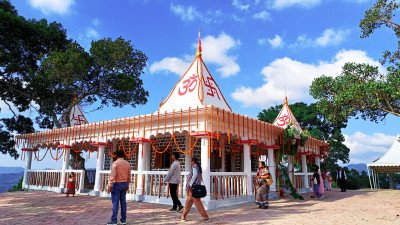
Devi Mandir View Point
Some quick example text to build on the card title and make up the bulk of the card's content.
Go somewhere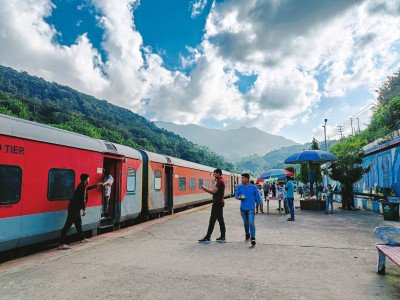
Dima Hasao Town
Some quick example text to build on the card title and make up the bulk of the card's content.
Go somewhere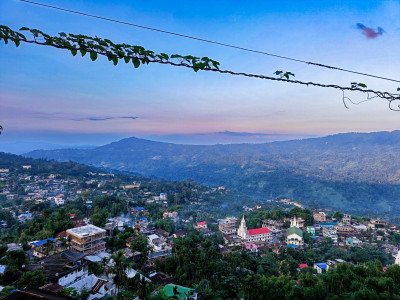
Dima Hasao View Point
Some quick example text to build on the card title and make up the bulk of the card's content.
Go somewhere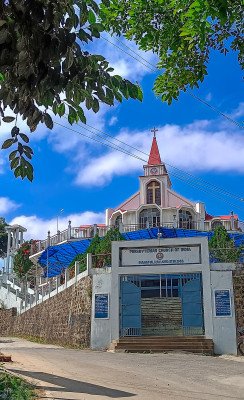
Fiangpui Presbyterian Church
Some quick example text to build on the card title and make up the bulk of the card's content.
Go somewhere
Full Town View
Some quick example text to build on the card title and make up the bulk of the card's content.
Go somewhere
Haflong Hill
Some quick example text to build on the card title and make up the bulk of the card's content.
Go somewhere
Haflong Hill View Point
Some quick example text to build on the card title and make up the bulk of the card's content.
Go somewhere
Haflong Lake
Some quick example text to build on the card title and make up the bulk of the card's content.
Go somewhere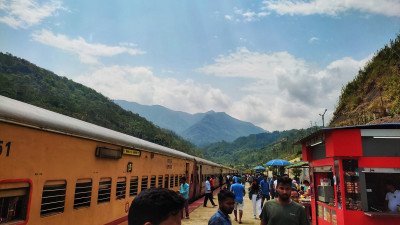
New Haflong Railway Station
Some quick example text to build on the card title and make up the bulk of the card's content.
Go somewhere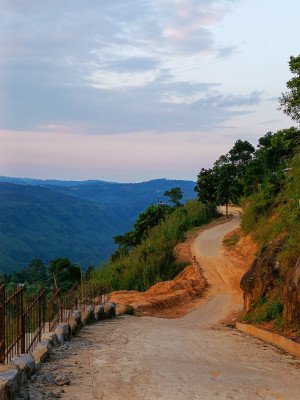
Old Circuit House View Point
Some quick example text to build on the card title and make up the bulk of the card's content.
Go somewhere
Orchid Garden Haflong
Some quick example text to build on the card title and make up the bulk of the card's content.
Go somewhere
Panimoor Waterfalls
Some quick example text to build on the card title and make up the bulk of the card's content.
Go somewhere
Ramchandi Temple
Some quick example text to build on the card title and make up the bulk of the card's content.
Go somewhere
Samparidisa Village
Some quick example text to build on the card title and make up the bulk of the card's content.
Go somewherein Other Cities