
...

Place To Visit And Things To Do In Jowai

Meghalaya, India
General Overview: Jowai is the administrative headquarters of the West Jaintia Hills district and is perched on a plateau surrounded by the Myntdu River. It serves as a vital commercial and educational hub for the Jaintia people, offering a blend of modern town life and deep-rooted tribal traditions . The town is famous for its scenic beauty, including rolling hills and proximity to stunning waterfalls like Krang Suri. Visitors often find the atmosphere in Jowai to be more tranquil than the bustling state capital. It is a place where every corner tells a story of the brave Pnar warriors and their rich history. Cultural Heritage: The culture of Jowai is deeply tied to the Pnar community, known for their unique festivals and agricultural practices. Festivals like Behdeinkhlam are celebrated with immense fervor, showcasing the spiritual connection between the people and their land. The town serves as a gateway to explore the megalithic history of the Jaintia Hills. Local markets in Jowai are vibrant, offering traditional textiles and organic produce. Staying here allows travelers to experience the authentic lifestyle of Meghalaya's eastern residents. Natural Landscapes: Surrounded by the emerald green waters of the Myntdu River, Jowai offers breathtaking panoramic views. The geography is characterized by high plateaus and deep valleys that remain lush throughout the year. Nearby attractions like Thadlaskein Lake provide a serene environment for nature lovers to unwind. The area is also famous for its limestone caves and sacred groves that have been preserved for centuries. It is truly a paradise for those who wish to escape the noise of urban cities. Modern Amenities: Despite its traditional roots, Jowai is well-equipped with guest houses, hospitals, and good road connectivity. It serves as the perfect base for exploring the deeper reaches of the Jaintia Hills and the border areas. The town has a growing cafe culture where one can try local Pnar delicacies alongside modern snacks. It provides a comfortable stay for tourists who want a mix of adventure and convenience.

Things To Do

Card image cap
Hangne Die Cave System

The Hangne Die Cave System is a relatively unexplored subterranean marvel located near the Jarain village. This cave system is a testament to the int...

The Hangne Die Cave System is a relatively unexplored subterranean marvel located near the Jarain village. This cave system is a testament to the intricate limestone topography of the Jaintia Hills. Inside, visitors are greeted by a world of silence, broken only by the dripping of water that has carved these passages over millions of years. The cave features a series of narrow passages that open into larger chambers, each adorned with spectacular speleothems. Exploring this system requires a spirit of adventure, as some sections require crawling or squeezing through tight gaps. The cave holds significant ecological value, housing various species of cave-dwelling bats and unique invertebrates that have adapted to the dark environment. Geologically, it offers a glimpse into the karst processes that define the region. For the local Pnar community, these caves often hold mythical significance, sometimes linked to ancient folklore about spirits or historical hideouts. Unlike the more famous Mawsmai caves, Hangne Die remains raw and rugged, offering an authentic spelunking experience without the crowds. The air inside is cool and damp, and the ground can be slippery due to the constant moisture. It is a place where one can truly feel the weight of time and nature’s patient artistry. Visitors often remark on the "breath" of the cave—the gentle airflow that moves through the connected vents. Safety is paramount here, and going with a local guide is highly recommended to navigate the labyrinthine layout safely. As you go deeper, the formations of stalactites and stalagmites become more dense, creating a forest of stone. The echoing sounds of one's own footsteps add to the mysterious atmosphere, making it a favorite for those seeking offbeat Meghalayan adventures. The cave's proximity to the pitcher plant lake makes it a perfect part of a day-long exploration circuit in the Jarain area.
Card image cap
Ialong Park

Ialong Park, also known as Lalong Park, is a scenic eco-park situated on a ridge overlooking the breathtaking Pynthorwah Valley. This park is renowne...
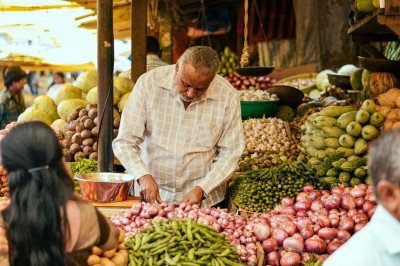
Ialong Park, also known as Lalong Park, is a scenic eco-park situated on a ridge overlooking the breathtaking Pynthorwah Valley. This park is renowned for its lush greenery and the presence of sacred groves, which are patches of forest preserved by the local community for religious and ecological reasons. The park serves as a vital lung for the region, offering a tranquil environment for both locals and tourists. From its various viewpoints, one can witness the serpentine Myntdu River meandering through the emerald green paddy fields below. The park has been meticulously developed by the District Administration to encourage eco-tourism, featuring well-laid stone pathways, gazebos, and sitting areas that blend seamlessly with the natural landscape. It is a botanical delight, home to several species of indigenous trees and vibrant seasonal flowers. The atmosphere here is one of profound peace, making it an ideal spot for meditation and nature walks. For families, the park offers ample space for children to play and for groups to host picnics amidst the pine trees. The integration of traditional Jaintia elements, such as small museum-like huts, provides visitors with a glimpse into the local way of life and the deep spiritual connection the people have with nature. Ialong Park is not just a recreational spot but a conservation success story, showcasing how tourism can support the preservation of sacred natural sites. The cool mountain air and the panoramic vistas make it one of the most photographed spots in the West Jaintia Hills. Whether you are a birdwatcher, a photographer, or someone looking to escape the hustle of city life, this park offers a rejuvenating experience that captures the essence of rural Meghalaya. Its accessibility from Jowai makes it a must-visit destination for any traveler exploring the district.
Card image cap
Iawmusiang Market

@@Market Details:The Iawmusiang Market stands as the bustling commercial and social heart of Jowai, representing the economic lifeline of the Jaintia ...

@@Market Details:The Iawmusiang Market stands as the bustling commercial and social heart of Jowai, representing the economic lifeline of the Jaintia Hills. It is not just a place for trade but a vibrant cultural exchange point where people from various villages gather, especially on market days which are traditionally held every eight days (locally called Iew). This market is central to the life of the Pnar people, the major tribe of the region. The market sells a wide array of local produce, including fresh vegetables, fruits, indigenous spices, handcrafted bamboo and cane products, traditional attire, and local poultry and meat. It serves as the primary distribution center for goods coming into and leaving the district. The atmosphere is characterized by a cacophony of sounds, vivid colors, and the distinct aroma of local spices and fresh produce. The market's significance is also historical, as it was the site where the great freedom fighter Kiang Nangbah was publicly hanged by the British in 1862, making it a place of deep patriotic reverence. The recent years have seen major construction and modernization efforts to convert the traditional setup into a multi-story market complex to accommodate the growing number of vendors and customers, ensuring that this essential hub continues to serve the local community efficiently while preserving its traditional role. It is a critical nexus point for transportation and commerce, making it impossible to miss for anyone visiting Jowai. The market’s weekly cycle is deeply ingrained in the local calendar and social structure, dictating the flow of life and goods in the entire region. The market complex is designed to be modern yet functionally relevant to the needs of the Pnar community, with dedicated sections for different types of goods. It acts as a barometer for the local economy and is a living museum of the region's commercial traditions, offering a unique insight into the daily lives of the local populace, far removed from the typical metropolitan marketplace. The trading in the market often involves direct transactions between farmers/artisans and consumers, fostering a strong local economy. The sheer variety of unique, locally sourced items is a major draw. The market embodies the spirit of self-sufficiency and communal trade that has characterized the Jaintia Hills for centuries. The modernization project aims to improve hygiene and infrastructure without losing the essence of the Iew system. The market is typically busiest on the special market day, offering the best experience for cultural observers.:
Card image cap
Iooksi Kupli Park

Iooksi Kupli Park, often referred to as Kupli Park, is a beautiful riverside destination located near the banks of the Kopili River. This park is a h...
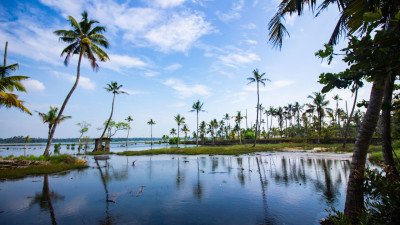
Iooksi Kupli Park, often referred to as Kupli Park, is a beautiful riverside destination located near the banks of the Kopili River. This park is a hidden treasure in the West Jaintia Hills, offering a different landscape compared to the typical hill-top parks of the region. The park is characterized by its rolling lawns, children's play areas, and its proximity to the powerful Kopili River, which serves as a natural boundary. The river is known for its dramatic rapids and deep blue waters, providing a scenic backdrop for the well-maintained gardens. The park was developed to provide a recreational space for the village of Iooksi and has since become a popular weekend getaway for people from Jowai and surrounding areas. It is particularly famous among anglers, as the river is home to various species of freshwater fish, making it a "paradise for fishermen." The air here is refreshing, filled with the sound of rushing water and the rustle of nearby forests. The park includes several viewpoints with railings, allowing visitors to safely admire the river's flow. It is a place where one can experience the raw power of Meghalaya's water bodies in a controlled, beautiful park setting. The surrounding hills are covered in thick vegetation, contributing to the area's biodiversity. For those interested in local legends, the Kopili River itself is considered sacred by some tribes, with stories of its origin and power passed down through generations. The park's remote location ensures that it remains peaceful and uncrowded, offering a sense of solitude that is hard to find in more popular tourist hubs. It's a perfect spot for those who appreciate the intersection of riverine beauty and manicured landscapes.
Card image cap
Jarain Pitcher Plant Lake

Jarain Pitcher Plant Lake is a unique ecological park dedicated to the conservation of the Nepenthes khasiana, a rare and endemic species of carnivor...
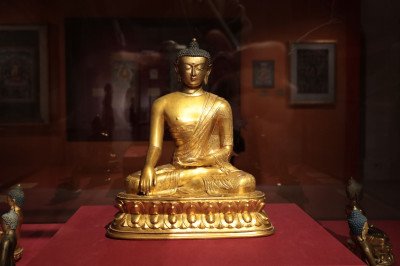
Jarain Pitcher Plant Lake is a unique ecological park dedicated to the conservation of the Nepenthes khasiana, a rare and endemic species of carnivorous pitcher plant found only in Meghalaya. The lake itself is a man-made water body, artfully designed to resemble a natural lake, and is surrounded by specialized greenhouses and open-air gardens where these fascinating plants thrive. The pitcher plants are famous for their modified leaves that form deep "pitchers" filled with digestive fluid, which they use to trap and consume insects to supplement their nutrient intake in nitrogen-poor soil. Visitors can walk across charming wooden bridges and stone pathways that wind through the marshes, allowing for close-up views of the plants without disturbing their delicate habitat. The park covers an area of about 50,000 square meters and serves as both a tourist attraction and a research center for botanists. The serene blue waters of the lake, coupled with the exotic green and red hues of the pitcher plants, create a surreal landscape. The site also features an interpretation center where guests can learn about the life cycle of these carnivorous plants and the importance of wetland conservation. It is a quiet, educational, and visually stunning destination that highlights Meghalaya’s unique biodiversity. The park is well-maintained, with benches and shaded areas where visitors can sit and soak in the tranquil atmosphere. Boat rides are often available on the lake, providing a different perspective of the shoreline where the plants grow in abundance. For nature enthusiasts, this is one of the few places in the world where you can see such a large concentration of these rare plants in an accessible, beautiful setting.
Card image cap
Jowai District Museum

@@Museum Details:The Jowai District Museum, established to preserve and showcase the rich and unique cultural heritage of the Jaintia people, is an im...
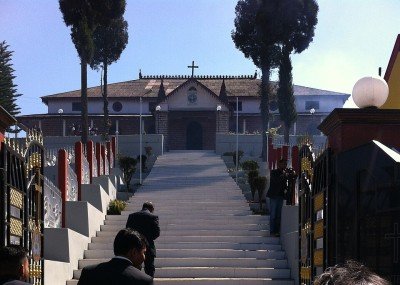
@@Museum Details:The Jowai District Museum, established to preserve and showcase the rich and unique cultural heritage of the Jaintia people, is an important, though relatively small, repository of local history, art, and ethnography. It primarily houses artifacts that represent the traditional lifestyle, customs, and craftsmanship of the Pnar and other related sub-tribes of the region. The collection is broadly categorized and includes a variety of traditional costumes, intricate ornaments made of local materials, household implements, agricultural tools, weaponry, and musical instruments. The museum plays a crucial role as a center for academic study into the socio-political and cultural history of the Jaintia Kingdom and the indigenous communities. Despite its modest size, it offers a focused and authentic glimpse into the historical and cultural evolution of the district. The museum serves as an educational resource, especially for the local youth, ensuring that traditional knowledge and artifacts are not lost in the face of modernization. It aims to document and conserve the material culture associated with festivals like Behdienkhlam and other local rituals. Its location within the governmental complex gives it a significant civic presence. The museum's development is an ongoing process, with the Directorate of Arts and Culture, Govt. of Meghalaya, continuously working to acquire and display more historically relevant artifacts. It is a quiet, contemplative space that contrasts with the bustle of Jowai town. The museum also occasionally features a small gallery dedicated to local contemporary artists, providing a platform for modern interpretation of traditional themes. It is a key stop for anyone wishing to understand the historical context of the Jaintia Hills, beyond the natural beauty of the area. The exhibits are typically accompanied by brief descriptions, often in English, providing context to the cultural significance of the items on display. The focus is heavily on the ethnographic details of daily life. The museum's establishment is a testament to the community's commitment to cultural preservation.:
Card image cap
Jowai Presbyterian Church

@@Church Details:The Jowai Presbyterian Church is one of the oldest and most historically significant Christian institutions in the entire Jaintia Hil...
@@Church Details:The Jowai Presbyterian Church is one of the oldest and most historically significant Christian institutions in the entire Jaintia Hills region, having been established over 150 years ago by the Welsh Presbyterian Mission. It stands as a powerful symbol of the adoption and deep rooting of Christianity within the Pnar community, transforming the socio-religious landscape of Jowai. The church is not merely a historical relic but a vibrant, active place of worship that serves a massive local congregation, reflecting the strong Presbyterian faith prevalent in Meghalaya. Its establishment marked a major turning point in the local history, leading to the introduction of modern education and healthcare alongside religious conversion. The building itself is an imposing and serene structure, set slightly away from the main commercial hustle of the town, providing a quiet sanctuary for prayer and contemplation. The church is a key pilgrimage site for local Christians and an important landmark for tourists interested in the colonial and religious history of Northeast India. Regular services, prayer meetings, and community events are held here, maintaining its central role in the social fabric of Jowai. The church has been instrumental in preserving the local language (Pnar) by using it in its services and hymnals. It is a testament to the enduring legacy of the Welsh missionaries. The interior is spacious, designed to accommodate hundreds of worshippers, and its simplicity reflects the humble and earnest nature of the Presbyterian faith. Over the years, the structure has undergone necessary maintenance and restoration to preserve its original character while accommodating a growing congregation. The church stands as a cultural bridge, embodying both the indigenous Jaintia identity and the introduced Christian tradition. It continues to be a central point for community gatherings, social welfare, and the promotion of local cultural expression within a religious framework. The atmosphere inside is one of deep reverence and peaceful solemnity.:
Card image cap
Kiang Nangbah Monument

@@Historical Significance: The monument is a solemn tribute to U Kiang Nangbah, a brave Jaintia freedom fighter who led a significant uprising against...

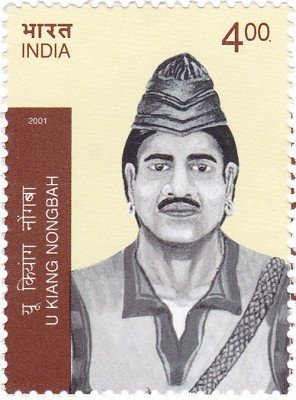
@@Historical Significance: The monument is a solemn tribute to U Kiang Nangbah, a brave Jaintia freedom fighter who led a significant uprising against the British in the 19th century and was publicly hanged in Jowai on December 30, 1862. The site, Syntu Ksiar (Golden Flower), is where he took the oath to fight for his land's freedom. The area is a beautiful valley known as Madan Madiah, also called Uncle's Ground. The memorial serves as a powerful reminder of the sacrifices made by the indigenous people of Meghalaya for independence and is a focal point for celebrating Jaintia heritage. It stands as a symbol of regional pride, often visited by local students and history enthusiasts to learn about this crucial chapter in Indian colonial history. The peaceful surroundings, where the Myntdu River flows, enhance its contemplative atmosphere.:
Card image cap
Lalong Park

Lalong Park (often used interchangeably with Ialong Park but sometimes referring specifically to the upper ridge section) is a quintessential Meghala...

Lalong Park (often used interchangeably with Ialong Park but sometimes referring specifically to the upper ridge section) is a quintessential Meghalayan destination that combines panoramic views with cultural depth. Located just a short drive from the district headquarters of Jowai, this park offers one of the most celebrated vistas in the state: the wide, sweeping curves of the Myntdu River as it irrigate the fertile Pynthorwah Valley. The park is strategically situated on a high ridge, providing a cool, breezy climate even during the summer months. It is famous for its "Sacred Grove," a dense patch of ancient forest that is strictly protected by local taboos and traditions, representing the Pnar tribe's ancestral worship of nature. The park's development has focused on enhancing this natural beauty with stone-paved walkways, rustic wooden bridges, and well-placed gazebos that offer shelter to trekkers and picnickers. The flora here is diverse, with towering pines, indigenous oaks, and a variety of wild orchids that bloom in the spring. For the traveler, Lalong Park represents the peaceful side of Meghalaya, far removed from the commercial noise of Shillong. It is a place for slow travel—walking through the groves, listening to the birds, and watching the shadows of clouds move across the valley floor. The local community is deeply involved in the park's management, ensuring that tourism remains sustainable and respectful of the sacred sites. Visiting this park is not just about the view; it's about understanding the harmony between the people of the Jaintia Hills and their environment. The site is particularly magical during the monsoon when the valley turns a vibrant, electric green, and the river swells, creating a dramatic landscape that looks like a painting.
Card image cap
Larang Viewpoint

@@Scenic Grandeur of Larang: Larang Viewpoint is a mesmerizing destination that captures the raw essence of Meghalaya. Situated in the lush West Jaint...
@@Scenic Grandeur of Larang: Larang Viewpoint is a mesmerizing destination that captures the raw essence of Meghalaya. Situated in the lush West Jaintia Hills, this spot offers a 360-degree view of the rolling green meadows and deep valleys. The viewpoint is characterized by its tranquil atmosphere and the cool breeze that flows through the pine trees. It is an ideal spot for nature lovers who wish to escape the noise of urban life. The landscape changes with the seasons, from the vibrant greens of the monsoon to the golden hues of winter. Visitors often spend hours simply gazing at the horizon where the sky meets the earth. The area is also significant for its proximity to local villages that maintain traditional Pnar lifestyles. Walking through the viewpoint area reveals the diverse flora and fauna of the region. It serves as a gateway to understanding the geographical diversity of the district. The silence of the place is only broken by the chirping of birds and the rustling leaves. It is a place that remains relatively untouched by heavy commercialization. The sunset views from here are particularly famous among the locals for their dramatic colors. Many travelers use this as a meditation spot due to its isolation. The path leading to the viewpoint is an adventure in itself, winding through hills. It is truly a jewel of the Jaintia region that deserves more global attention.
Card image cap
Leshka Dam

@@Power and Beauty at Leshka: Leshka Dam, officially known as the Myntdu Leshka Hydel Project, is a massive concrete gravity dam. It is built at the c...

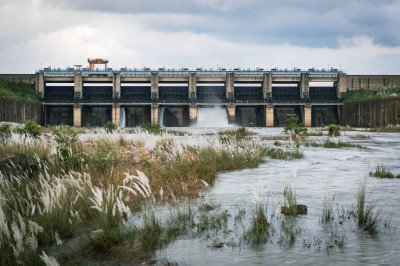
@@Power and Beauty at Leshka: Leshka Dam, officially known as the Myntdu Leshka Hydel Project, is a massive concrete gravity dam. It is built at the confluence of the Myntdu, Lamu, and Amshariang rivers. The dam is surrounded by high, vertical cliffs and dense tropical forests, creating a dramatic landscape. It is a multi-purpose project aimed at generating electricity and providing water for the region. The sound of the rushing water against the concrete gates is powerful and echoing. The reservoir created by the dam is a calm expanse of deep blue water. Visitors are often struck by the contrast between the grey industrial concrete and the vibrant green hills. The drive to the dam is a winding descent into the valley, offering spectacular views. It is one of the largest infrastructure projects in the Jaintia Hills. The area is also known for its rich biodiversity, with many rare birds found in the surrounding woods. Security at the dam is strict, but tourists are allowed to view the structure from designated points. The dam plays a vital role in the economy of Meghalaya by feeding the power grid. It is a testament to modern engineering successfully co-existing with nature. Exploring the base of the dam allows one to see the sheer scale of the construction. It is a quiet destination, far from the typical tourist crowds.
Card image cap
Moo Iong Syiem

@@Historical Significance: Moo Iong Syiem literally means "Stone of the Great King." It specifically refers to the tallest and largest monolith within...

@@Historical Significance: Moo Iong Syiem literally means "Stone of the Great King." It specifically refers to the tallest and largest monolith within the famous Nartiang Monolith Garden. This site was the summer capital of the powerful Jaintia Kings (Syiem). The entire complex, including the Moo Iong Syiem, was erected by the powerful minister of the King, U Mar Phalyngki, and later additions were made by other royal figures. The monoliths stand as a testament to the might and rich cultural, religious, and political history of the Jaintia Kingdom which once extended to parts of Assam and Bangladesh. The stone symbolizes the central authority and power of the King and serves as a remembrance of the royal lineage and their contributions to the Pnar society.:
Card image cap
Muktapur Village

@@Border Life at Muktapur: Muktapur Village is a unique settlement located right on the international border between India and Bangladesh. It is a pla...

@@Border Life at Muktapur: Muktapur Village is a unique settlement located right on the international border between India and Bangladesh. It is a place where two cultures and geographies meet at the foot of the Jaintia Hills. The village is surrounded by vast betel nut groves and orange orchards, which are the main source of income for the locals. Life here is slow and rhythmic, governed by the cycles of the seasons. The border is marked by a simple fence, and one can see the vast, flat plains of Bangladesh stretching out from the hilly Indian side. The village is known for its cleanliness and the hospitality of the Pnar and War tribes. Walking through the narrow lanes of the village, you will see traditional wooden houses and colorful gardens. The air is filled with the scent of tropical fruits and the sound of distant temple bells. Muktapur also serves as a trade point for local produce. The village is significantly warmer than Jowai due to its lower elevation. It offers a different perspective of Meghalaya, one that is closely tied to the geography of the neighboring country. The presence of the Border Security Force (BSF) adds a layer of discipline and safety to the area. It is a destination for those who want to experience the reality of border living in a peaceful setting.
Card image cap
Myntdu River

The Myntdu River is the lifeline of the Jaintia Hills, locally and affectionately known as 'Ka Tawiar Ka Takan' (Our Guardian Angel) in the local Pna...
The Myntdu River is the lifeline of the Jaintia Hills, locally and affectionately known as 'Ka Tawiar Ka Takan' (Our Guardian Angel) in the local Pnar dialect. Originating at Mihmyntdu village adjacent to Jowai, it almost completely encircles the town, blessing the valley with abundant water used for irrigation and daily life. The river flows across the Jaintia Hills through deep gorges, creating beautiful waterfalls like Tyrshi Falls, before eventually entering Bangladesh where it is known as the Shari River. The river valley, especially the area around Syntu Ksiar, is a scenic haven of lush green paddy fields and forests. It is central to the socio-cultural fabric of the Pnar people and is considered a holy river.:
Card image cap
Nartiang Monoliths

@@Ancient Stones of Nartiang: The Nartiang Monoliths represent one of the most significant megalithic sites in the world. Located in the historic vill...
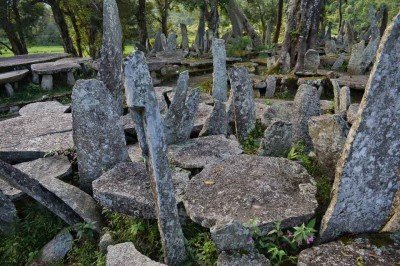
@@Ancient Stones of Nartiang: The Nartiang Monoliths represent one of the most significant megalithic sites in the world. Located in the historic village of Nartiang, which was once the summer capital of the Jaintia Kings, this site is a forest of standing stones. These monoliths were erected to commemorate the glorious events and the reigns of the Jaintia rulers. The site is divided into two types of stones: the Menhirs (upright stones) representing men, and the Dolmens (flat stones) representing women. The tallest monolith here stands over 8 meters high and is a marvel of ancient engineering. The stones are made of heavy granite and have withstood the elements for centuries. Walking through the garden of stones feels like stepping back into a forgotten era of tribal royalty. Each stone has a story, often related to a specific king or a great battle. The atmosphere is solemn and deeply respectful of the ancestors. The site is surrounded by traditional Pnar houses and a historic Durga Temple, which is also a major attraction. It is a place of great pride for the local community. The monoliths are not just historical markers but are also part of the living culture of the Jaintia people. Scholars from around the world come here to study the megalithic traditions of the Khasi-Jaintia hills. It is a must-visit for anyone interested in archaeology and ancient heritage.
Card image cap
Phe Phe Falls

@@Ethereal Beauty of Phe Phe: Phe Phe Falls, also known as Phephe Falls, is one of the most stunning and "Instagrammable" waterfalls in Meghalaya. The...
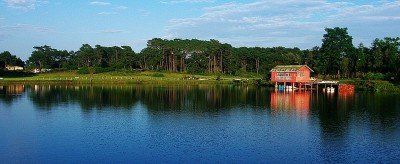
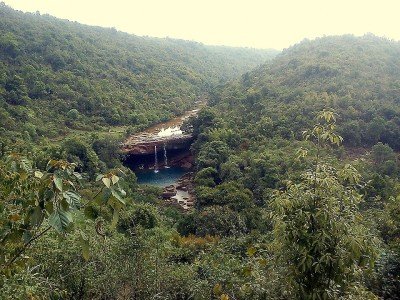
@@Ethereal Beauty of Phe Phe: Phe Phe Falls, also known as Phephe Falls, is one of the most stunning and "Instagrammable" waterfalls in Meghalaya. The name "Phe Phe" in the local language translates to "Paradise," and the site truly lives up to its name. It is a two-tier waterfall that cascades into a crystal-clear turquoise blue pool. The journey to the falls involves a scenic trek through open grasslands and crossing a small stream by a bamboo bridge or a kayak. The falls are tucked away in a valley, making them feel like a hidden sanctuary. The surrounding cliffs are covered in lush greenery and unique rock formations. The water is so clear that you can see the stones at the bottom of the pool. It is a popular spot for adventure seekers and those looking for a refreshing swim in nature. The sound of the falling water is melodic and peaceful. The upper level of the falls offers a different perspective and a quieter atmosphere. Many travelers choose to camp nearby to experience the sunrise over the falls. It is a place that feels magical, especially when the sun's rays hit the blue water, creating a sparkling effect. The trail is relatively easy, making it accessible for most fitness levels. It is a highlight of the Jowai-Dawki circuit.
Card image cap
Ruparsor Bathing Ghat

@@Historical Significance: Ruparsor Bathing Ghat is a centuries-old historical site believed to have been commissioned by the Jaintia King for the cer...
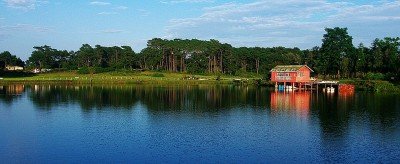
@@Historical Significance: Ruparsor Bathing Ghat is a centuries-old historical site believed to have been commissioned by the Jaintia King for the ceremonial bathing of the royal family. The pool, intricately hewn out of solid granite, was a stopover for the kings and their families while traveling between their summer capital at Nartiang and their winter capital at Jaintiapur (now in Bangladesh). According to legend, the pool was created by two master masons, U Mar Phalangki and U Luh Lyngskor Lamare, under the King's directive. It is an archaeological gem that showcases the sophistication and artistic sense of the ancient Jaintia Kingdom. The site is often referred to as a "regal ghat" due to its exclusive royal use for cultural and religious rites before the performance of major ceremonies.:
Card image cap
Sajar Nangli

This serene lake is one of the most significant historical landmarks in Meghalaya. It is a man-made lake that carries the legendary legacy of a power...
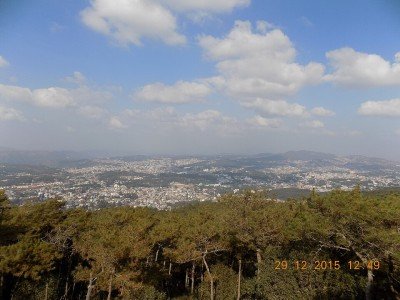
This serene lake is one of the most significant historical landmarks in Meghalaya. It is a man-made lake that carries the legendary legacy of a powerful leader. According to local folklore, the lake was dug by the followers of U Sajar Nangli, a rebel general of the Jaintia King. They used the tips of their bows to dig the ground to commemorate their departure from the kingdom. The lake covers a vast area and is surrounded by lush meadows and deep forests. It provides a peaceful atmosphere for visitors looking to escape the hustle of city life. The blue waters reflect the changing colors of the sky, making it a visual treat. It is a revered site for the local Pnars and the Raid Mukhla community. Many people visit this spot to connect with the ancient history of the Jaintia people. The surrounding landscape remains pristine and untouched by heavy urbanization. It serves as a vital water source for the nearby agricultural lands.
Card image cap
Shillong Viewpoint

This viewpoint, often referring to the official Shillong Peak, is the highest point in Shillong and the entire state, situated at an altitude of 1962...
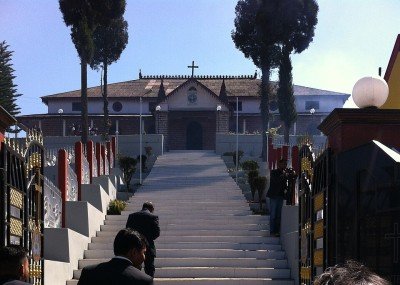
This viewpoint, often referring to the official Shillong Peak, is the highest point in Shillong and the entire state, situated at an altitude of 1962 meters (6437 feet) above sea level. It offers a spectacular, panoramic, 360-degree view of the entire city of Shillong, the surrounding waterfalls, the rolling green hills, the distant Himalayas on a clear day, and even the plains of Bangladesh. The peak is considered sacred by the locals, as it is believed to be the abode of the local deity, Leishyllong. The peak is approachable from the Upper Shillong side, which is part of the Jowai Road network. The view is particularly stunning at night when the city lights twinkle like a massive constellation on the valley floor. A radar station of the Indian Air Force is located at the summit, requiring a security check for visitors.:
Card image cap
Syntu Ksiar

Syntu Ksiar is a profoundly historical and scenic spot in Jowai, literally meaning 'the golden flower' in the Jaintia language. @@Historical Significa...

Syntu Ksiar is a profoundly historical and scenic spot in Jowai, literally meaning 'the golden flower' in the Jaintia language. @@Historical Significance:: It is a vast stretch of land on the banks of the sacred Myntdu River, and is historically significant as the place from where the legendary Jaintia freedom fighter, Kiang Nangbah, initiated a significant resistance movement against the British rule in the 19th Century. @@The Legend of Syntu Ksiar:: Local folklore suggests the name comes from a lady named Syntu of the Iawchibidi clan who committed suicide here, after which a beautiful golden flower bloomed in the river that could not be plucked. Today, it is a serene, picturesque picnic spot popular among locals for its tranquil environment and lush green valley views, making it a perfect blend of history, culture, and nature in Meghalaya. It is often compared to a fish sanctuary, though it's more about preserving the natural environment and local culture than abundant fish viewing. The tranquility of the flowing river and the surrounding agrarian landscape offer a peaceful retreat close to the busy town center of Jowai.
Card image cap
Thadlaskein Lake

Thadlaskein Lake is often referred to by locals as Pung Sajar Nangli. It is more than just a body of water; it is a symbol of tribal identity and anc...

Thadlaskein Lake is often referred to by locals as Pung Sajar Nangli. It is more than just a body of water; it is a symbol of tribal identity and ancient history. The lake was created centuries ago by the followers of a great general who were fleeing from a conflict. To mark their departure and ensure they would be remembered, they dug this massive lake using their bow ends. Today, the lake serves as a major tourist attraction and a holy site for the Niamtre faithful. The water is remarkably clear and is surrounded by rolling hills that are covered in pine trees. It is a popular spot for weekend travelers from Shillong and Guwahati. The atmosphere here is one of deep tranquility, broken only by the sound of birds and the gentle ripples of the water. Unlike many other tourist spots, it has managed to maintain its serene character. The lake is also used by local villagers for traditional rites. It is a must-visit for anyone traveling through the Jaintia Hills to understand the connection between the people and their land.
Card image cap
Thlumuwi Stone Bridge

The Thlumuwi Stone Bridge is an extraordinary example of ancient engineering found in the heart of the Jaintia Hills. This historical bridge was buil...
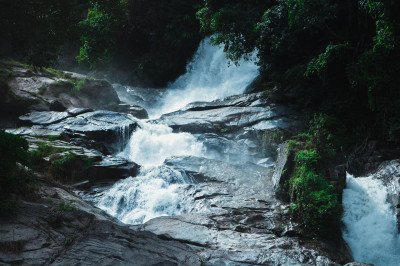
The Thlumuwi Stone Bridge is an extraordinary example of ancient engineering found in the heart of the Jaintia Hills. This historical bridge was built under the orders of a Jaintia King to facilitate travel between his summer and winter capitals, Nartiang and Jaintiapur. The bridge is constructed entirely of massive granite slabs that have stood the test of time for centuries. It spans the Muwi stream, which can become quite turbulent during the monsoon season. Beside the bridge, there is a beautiful waterfall known as the Thlumuwi Falls, which adds to the charm of the location. Legend says that the stones were so strong that even an elephant stampede could not break them. The site is a testament to the advanced architectural knowledge of the tribal people of that era. Today, it remains a popular stop for travelers heading toward Dawki and Shnongpdeng. The surrounding area is covered in thick vegetation and large boulders, giving it a very wild and ancient feel. Visiting this bridge is like stepping back into the royal history of Meghalaya.
Card image cap
Tluh Falls

Tluh Falls is a majestic natural wonder tucked away in the lush green landscapes of the West Jaintia Hills. Known for its serene environment, the wat...

Tluh Falls is a majestic natural wonder tucked away in the lush green landscapes of the West Jaintia Hills. Known for its serene environment, the waterfall cascades down from a significant height, creating a misty aura that rejuvenates every visitor. The surrounding vegetation is dense, providing a habitat for various local flora and fauna, making it a paradise for nature lovers. Unlike the more commercialized falls, Tluh Falls offers a peaceful retreat where the only sound is the rhythmic thumping of water against the rocks. The water is remarkably clear, reflecting the azure sky on sunny days and turning into a frothy white torrent during the rains. It serves as a vital water source for the local ecosystem and remains a pride of the Jowai region. Tourists often find themselves mesmerized by the sheer scale of the falls and the cool breeze that carries the scent of damp earth. The trek to the base of the falls is an adventure in itself, passing through narrow trails and vibrant wild flowers. Many local legends are associated with this spot, adding a touch of mystery to its natural beauty. It is a perfect spot for those looking to escape the hustle of urban life and immerse themselves in the raw beauty of Meghalaya. Visitors are encouraged to spend time listening to the birds and watching the sunlight dance on the water's surface. The falls are particularly impressive after a light shower when the volume of water increases significantly.
Card image cap
Tyrshi Falls

Tyrshi Falls is a breathtaking, multi-tiered waterfall nestled amidst lush, verdant landscapes on the outskirts of Jowai. Often dubbed the 'twin siste...

Tyrshi Falls is a breathtaking, multi-tiered waterfall nestled amidst lush, verdant landscapes on the outskirts of Jowai. Often dubbed the 'twin sister' or 'equivalent' of Shillong's famed Elephant Falls, it cascades gracefully down a series of rocky steps, creating a mesmerizing spectacle and a soothing, thunderous sound, especially during the monsoon season. A key feature is the elegant arch bridge (or suspension bridge) that connects visitors to a vantage point, allowing for stunning, panoramic views of the falls and the valley below. The surrounding area is well-maintained and offers a tranquil escape, popular for picnics and nature photography. The falls empty into a small pool below, providing a refreshing ambiance. It is a vital stop for tourists travelling the Shillong-Jowai route, showcasing the raw, untamed beauty of the Meghalaya landscape and its abundant water resources. Its accessibility, being right off the National Highway, makes it a popular and easily reachable destination.
Card image cap
U Lum Sunaraja

U Lum Sunaraja, literally translating to 'The King's Hill' or 'Royal Tombs,' is a profoundly significant historical site in Jowai. It serves as the bu...

U Lum Sunaraja, literally translating to 'The King's Hill' or 'Royal Tombs,' is a profoundly significant historical site in Jowai. It serves as the burial and memorial ground for the erstwhile royalty of the Jaintia Kingdom, the Jaintia Syiems (Kings), offering a silent yet powerful testament to the region's rich history and cultural heritage. The site itself is not overly commercialized and retains a serene, somewhat understated atmosphere, reflecting the dignity of the departed kings. It is a sacred place for the Pnar community, connecting the present day with the glorious past of their autonomous kingdom before the British annexation. The tombs are often marked by simple, yet historically important stone structures. It provides a unique opportunity for history buffs and culture enthusiasts to delve into the socio-political legacy of the Jaintia people, whose traditions remain a cornerstone of Meghalaya's identity. The site is a blend of a tranquil natural setting and deeply revered historical significance.
Card image cap
Umbyrlein Falls

Umbyrlein Falls is a majestic, yet relatively new and secluded, tourist spot located in the Rangad Village of the East Jaintia Hills. It is truly an o...

Umbyrlein Falls is a majestic, yet relatively new and secluded, tourist spot located in the Rangad Village of the East Jaintia Hills. It is truly an off-the-beaten-path destination, tucked away from the main tourist circuit, offering a pristine and unspoiled natural environment. The falls are a magnificent sight, cascading down rocky cliffs into a huge, clear natural pool at the bottom, which is often accessible via stone steps. The journey to the falls is an experience in itself, requiring a short, pleasant trek (about 500 meters) through stone pathways. The area surrounding the falls is a large meadow or grassland dotted with menhirs (local standing stones), gazebos, and park benches, offering a perfect, tranquil setting for a day trip, relaxation, and picnicking. Being in the East Jaintia Hills, it showcases a different geological and scenic character compared to the more popular sites closer to Jowai, offering vast panoramic views of the distant landscape.
Card image cap
Umlap Falls

Umlap Falls is a hidden treasure located in the Laskein region near Jowai. This waterfall is characterized by its multi-tiered drop, where the water ...

Umlap Falls is a hidden treasure located in the Laskein region near Jowai. This waterfall is characterized by its multi-tiered drop, where the water gracefully hops over several stone steps before reaching a wide, shallow basin. The area is surrounded by expansive paddy fields and rolling hills, offering a quintessential view of the Meghalayan countryside. The falls are relatively off the beaten path, ensuring that visitors can enjoy the beauty of nature without the crowd. The water is cool and inviting, making it a popular spot for local youths to gather during the weekends. The air here is exceptionally crisp, filtered by the surrounding pine and bamboo groves. During the winter months, the flow is gentle and rhythmic, while the monsoon transforms it into a roaring white curtain. The path to the falls involves a short walk through village trails, providing a glimpse into the daily lives of the local farming communities. It is an ideal location for a day-long outing or a quiet picnic. The geological formations around the falls are unique, with smooth boulders that have been shaped by the flow of water over thousands of years. The site is a testament to the diverse hydraulic landscapes of the Jaintia Hills. Visitors often describe the experience as "therapeutic" due to the isolation and natural harmony. It is a must-visit for those who appreciate the subtle details of nature, such as the moss on the rocks and the dragonflies hovering over the water.
Card image cap
Umlawan Cave

Umlawan Cave is part of the legendary Kotsati-Umlawan cave system, which was long considered the longest cave in the Indian subcontinent. Located in ...

Umlawan Cave is part of the legendary Kotsati-Umlawan cave system, which was long considered the longest cave in the Indian subcontinent. Located in the Lumshnong village, this cave is a geological marvel that stretches over 21 Kilometers in total length. The cave is famous for its stunning limestone formations, including massive stalactites and stalagmites that have grown over millions of years. The entrance to the cave is located in the middle of the village, and it features an incredible 24 different entrances, both horizontal and vertical. Inside, the cave reveals a hidden world of underground rivers, vast chambers, and narrow passages that challenge the spirit of adventure. The temperature inside remains constant and cool, regardless of the weather outside. One of the most unique aspects of Umlawan Cave is the presence of ancient fossils embedded in the walls, offering a window into the prehistoric era when the region was under the sea. The cave system is interconnected with several other caves like Krem Kotsati and Umskor, creating a complex maze for spelunkers. Exploring this cave requires a guide, as the internal geography can be quite confusing. The sound of dripping water creates a hauntingly beautiful melody that echoes through the limestone galleries. It is not just a destination for tourists but a significant site for geologists and researchers worldwide. The sheer scale and beauty of the formations, which sometimes resemble cathedrals or mythical creatures, make it a bucket-list item for any traveler visiting Meghalaya.
Card image cap
Umsalang Falls

Umsalang Falls is a lesser-known, rustic waterfall associated with the small, tranquil Umsalang Village in the Jaintia Hills. Unlike the grand tourist...

Umsalang Falls is a lesser-known, rustic waterfall associated with the small, tranquil Umsalang Village in the Jaintia Hills. Unlike the grand tourist waterfalls, Umsalang offers a more intimate and authentic glimpse of a waterfall that is an integral part of the local village landscape and ecosystem. The falls are formed by a local stream cascading over rocky terrain, often leading to a small, clear pool used by the villagers. It is a true 'local' attraction, providing a quiet and peaceful environment away from the commercial tourist rush. The surrounding area is characterized by typical Jaintia village life—simple homes, agricultural land, and dense vegetation—making the visit an experience of rural charm as much as natural beauty. The simplicity and serenity of the location are its main draw, appealing to travelers who seek an authentic, non-touristy encounter with Meghalaya's natural waterscapes and local life.
Show All

Note:-

Information provided here in good Faith and for reference only.

All information and pictures will be updated soon, please keep visiting.

Near Places
...
Amlarem

Some quick example text to build on the card title and make up the bulk of the card's content.

Go somewhere
...
Baghmara

Some quick example text to build on the card title and make up the bulk of the card's content.

Go somewhere
...
Cherrapunji

Some quick example text to build on the card title and make up the bulk of the card's content.

Go somewhere
...
Dawki

Some quick example text to build on the card title and make up the bulk of the card's content.

Go somewhere
...
Jowai

Some quick example text to build on the card title and make up the bulk of the card's content.

Go somewhere
...
Mairang

Some quick example text to build on the card title and make up the bulk of the card's content.

Go somewhere
...
Mawlynnong

Some quick example text to build on the card title and make up the bulk of the card's content.

Go somewhere
...
Mawryngkneng

Some quick example text to build on the card title and make up the bulk of the card's content.

Go somewhere
...
Mawsynram

Some quick example text to build on the card title and make up the bulk of the card's content.

Go somewhere
...
Nongpoh

Some quick example text to build on the card title and make up the bulk of the card's content.

Go somewhere
in Other Cities