

Kabini
General information
-
Ideal Duration:
2 to 3 DaysPlace Type:
Wildlife / Nature / AdventureEntry Fees:
Safari Fees: A Jeep Safari costs approximately 1,500 to 2,500 Rupees per person for Indians. Foreigners pay significantly more, around 3,500 to 5,000 Rupees. Boat safaris have similar pricing structures.
Entry Permits: A nominal forest ent...Safari Fees: A Jeep Safari costs approximately 1,500 to 2,500 Rupees per person for Indians. Foreigners pay significantly more, around 3,500 to 5,000 Rupees. Boat safaris have similar pricing structures.
Entry Permits: A nominal forest entry fee of 250 Rupees is charged. Camera fees apply for professional gear, usually around 500 Rupees for telephoto lenses. Book safaris well in advance through the official website.Timing:
Safari Timings: Morning safaris run from 6:30 AM to 9:00 AM. Afternoon safaris are from 3:30 PM to 6:00 PM. The park remains closed to visitors during the midday hours for animal rest.
Ideal Visit Time: The best wildlife sightings occur be...Safari Timings: Morning safaris run from 6:30 AM to 9:00 AM. Afternoon safaris are from 3:30 PM to 6:00 PM. The park remains closed to visitors during the midday hours for animal rest.
Ideal Visit Time: The best wildlife sightings occur between March and May when animals come to the river. For pleasant weather and bird watching, October to January is ideal. Monsoons are beautiful but offer fewer sightings.Special Events:
World Wildlife Day: Celebrated in March with awareness programs. Resorts often hold talks on conservation and the ecology of the Nilgiris. It is an educational time for families.
Monsoon Magic: While safaris might be limited, the forest ce...World Wildlife Day: Celebrated in March with awareness programs. Resorts often hold talks on conservation and the ecology of the Nilgiris. It is an educational time for families.
Monsoon Magic: While safaris might be limited, the forest celebrates the rains. The lush greenery and the smell of the earth are an event in themselves. It is the best time for "green" photography.Best Photo Spots:
Kabini Backwaters: The most iconic spot for photography, especially at Sunset. The dead trees standing in the water create a hauntingly beautiful landscape. Elephants silhouetted against the sun are a classic shot.
Safari Sightings: Captur...Kabini Backwaters: The most iconic spot for photography, especially at Sunset. The dead trees standing in the water create a hauntingly beautiful landscape. Elephants silhouetted against the sun are a classic shot.
Safari Sightings: Capturing a Tiger or Leopard in the dense teak forest is the ultimate prize. The soft morning light during the 6:30 AM safari is ideal. Use a long telephoto lens for the best results.
River Banks: The boat safari offers great angles for shooting birds and crocodiles. The reflections in the calm water add a professional touch to the photos. Arrive for the afternoon boat safari for golden light.Photo Gallery
Things To Do
 @@The Scenic Reservoir: Nugu Backwaters are formed by the dam built across the Nugu River, a tributary of the Kabini. This area is a serene retreat located on the fringes of the Bandipur and Nagarhole tiger reserves. The backwaters offer a breathtaking landscape where the blue waters meet the lush green forests of the Western Ghats. It is a less-commercialized alternative to the main Kabini backwaters, providing a peaceful atmosphere for nature lovers. The area is frequented by wildlife, especially elephants and various species of water birds. The vast expanse of the reservoir is dotted with small islands and submerged trees, creating a hauntingly beautiful scene during the dawn and dusk hours. It is an ideal spot for those looking to escape the crowded tourist circuits. The local fishing communities add a touch of rustic charm to the place, and their traditional coracles can often be seen floating on the calm surface.
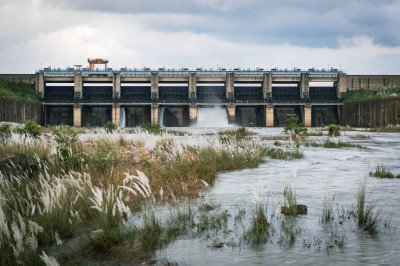 Kabini Dam is a massive structure built across the Kabini River, a major tributary of the Cauvery. Constructed in 1974, the dam serves as the primary source of water for irrigation and drinking for over 20 villages in the Mysore and Chamarajanagar districts. The dam creates a vast reservoir that is the heart of the Kabini tourism circuit. While the dam itself is an engineering feat, its impact on the surrounding landscape is what draws visitors. The huge expanse of water creates a microclimate that supports the lush forests of Nagarhole. Walking on the dam provides a panoramic view of the catchment area on one side and the sprawling plains on the other. The structure features several crest gates that, when opened during the monsoon, create a thunderous display of water. The gardens near the dam are a popular spot for local families to visit on weekends. It is also a site of historical importance, as the construction of the dam led to the relocation of several ancient villages, the ruins of which can still be seen during low water levels. The dam is also part of a small hydroelectric project, contributing to the region's power needs. Visitors can observe the intricate system of canals that carry water to distant fields. The area around the dam is often breezy and much cooler than the nearby towns. It is a place that highlights the intersection of human necessity and environmental preservation, as the reservoir has become a vital ecosystem for wildlife.
Bheemeshwari Fishing Camp is a serene and adventurous retreat situated on the banks of the sacred river Cauvery in Karnataka. This location is a haven for nature lovers and adventure seekers alike, offering a unique blend of wilderness and tranquility. The camp is world-renowned as a premier destination for Mahseer fishing, attracting enthusiasts from across the globe. The surrounding landscape is characterized by the lush greenery of the Cauvery Wildlife Sanctuary, which is home to a diverse array of flora and fauna. Visitors can expect to see various species of birds, including the rare Malabar Pied Hornbill and the Great Thick-knee, along with animals like spotted deer, wild boars, and the occasional leopard. The camp's atmosphere is defined by the soothing sounds of the flowing river and the whispering wind through the trees, providing a perfect escape from the hustle and bustle of city life. The area is also significant for its ecological conservation efforts, particularly in protecting the endangered Hump-backed Mahseer. The river stretches here are ideal for water-based activities, while the surrounding hills offer excellent opportunities for trekking and exploration. The camp emphasizes eco-friendly tourism, ensuring that the natural beauty of the region is preserved for future generations. Whether you are looking to reel in a legendary fish or simply soak in the natural beauty, Bheemeshwari offers an experience that is both rejuvenating and exhilarating. The camp is managed by Jungle Lodges and Resorts, providing professional guidance and comfortable amenities in the heart of the wild. It is a place where every sunrise brings a new adventure and every sunset paints a masterpiece on the water:
@@Kudaregundi Kere is a serene, lesser-known water body located on the fringes of the Kabini forest range. Often overshadowed by the massive Kabini Reservoir, this "Kere" (lake) serves as a vital watering hole for the local fauna and a peaceful retreat for travelers. The lake is surrounded by thick scrub jungle and small patches of agricultural land belonging to the local villagers. It is a fantastic spot for observing the rural life of Karnataka, where cattle graze peacefully alongside wild spotted deer. The water is crystal clear during the post-monsoon months, reflecting the deep blue sky and the surrounding greenery. Historically, it has been a source of irrigation for the nearby tribal settlements, but its ecological importance is now recognized for supporting the local leopard population that frequently visits at night. The atmosphere here is one of total silence, broken only by the chirping of insects or the distant call of a peacock. Unlike the crowded safari zones, Kudaregundi Kere offers a sense of solitude and a chance to connect with nature on a personal level. It is an excellent spot for "slow travel" where one can sit for hours watching the light change on the water's surface. The lake is particularly beautiful during the monsoon when it overflows, creating small streams that meander through the woods. It is a testament to the thriving micro-ecosystems that exist outside the protected core areas of the tiger reserve.
Kabini Dam is a massive structure built across the Kabini River, a major tributary of the Cauvery. Constructed in 1974, the dam serves as the primary source of water for irrigation and drinking for over 20 villages in the Mysore and Chamarajanagar districts. The dam creates a vast reservoir that is the heart of the Kabini tourism circuit. While the dam itself is an engineering feat, its impact on the surrounding landscape is what draws visitors. The huge expanse of water creates a microclimate that supports the lush forests of Nagarhole. Walking on the dam provides a panoramic view of the catchment area on one side and the sprawling plains on the other. The structure features several crest gates that, when opened during the monsoon, create a thunderous display of water. The gardens near the dam are a popular spot for local families to visit on weekends. It is also a site of historical importance, as the construction of the dam led to the relocation of several ancient villages, the ruins of which can still be seen during low water levels. The dam is also part of a small hydroelectric project, contributing to the region's power needs. Visitors can observe the intricate system of canals that carry water to distant fields. The area around the dam is often breezy and much cooler than the nearby towns. It is a place that highlights the intersection of human necessity and environmental preservation, as the reservoir has become a vital ecosystem for wildlife.
Bheemeshwari Fishing Camp is a serene and adventurous retreat situated on the banks of the sacred river Cauvery in Karnataka. This location is a haven for nature lovers and adventure seekers alike, offering a unique blend of wilderness and tranquility. The camp is world-renowned as a premier destination for Mahseer fishing, attracting enthusiasts from across the globe. The surrounding landscape is characterized by the lush greenery of the Cauvery Wildlife Sanctuary, which is home to a diverse array of flora and fauna. Visitors can expect to see various species of birds, including the rare Malabar Pied Hornbill and the Great Thick-knee, along with animals like spotted deer, wild boars, and the occasional leopard. The camp's atmosphere is defined by the soothing sounds of the flowing river and the whispering wind through the trees, providing a perfect escape from the hustle and bustle of city life. The area is also significant for its ecological conservation efforts, particularly in protecting the endangered Hump-backed Mahseer. The river stretches here are ideal for water-based activities, while the surrounding hills offer excellent opportunities for trekking and exploration. The camp emphasizes eco-friendly tourism, ensuring that the natural beauty of the region is preserved for future generations. Whether you are looking to reel in a legendary fish or simply soak in the natural beauty, Bheemeshwari offers an experience that is both rejuvenating and exhilarating. The camp is managed by Jungle Lodges and Resorts, providing professional guidance and comfortable amenities in the heart of the wild. It is a place where every sunrise brings a new adventure and every sunset paints a masterpiece on the water:
@@Kudaregundi Kere is a serene, lesser-known water body located on the fringes of the Kabini forest range. Often overshadowed by the massive Kabini Reservoir, this "Kere" (lake) serves as a vital watering hole for the local fauna and a peaceful retreat for travelers. The lake is surrounded by thick scrub jungle and small patches of agricultural land belonging to the local villagers. It is a fantastic spot for observing the rural life of Karnataka, where cattle graze peacefully alongside wild spotted deer. The water is crystal clear during the post-monsoon months, reflecting the deep blue sky and the surrounding greenery. Historically, it has been a source of irrigation for the nearby tribal settlements, but its ecological importance is now recognized for supporting the local leopard population that frequently visits at night. The atmosphere here is one of total silence, broken only by the chirping of insects or the distant call of a peacock. Unlike the crowded safari zones, Kudaregundi Kere offers a sense of solitude and a chance to connect with nature on a personal level. It is an excellent spot for "slow travel" where one can sit for hours watching the light change on the water's surface. The lake is particularly beautiful during the monsoon when it overflows, creating small streams that meander through the woods. It is a testament to the thriving micro-ecosystems that exist outside the protected core areas of the tiger reserve.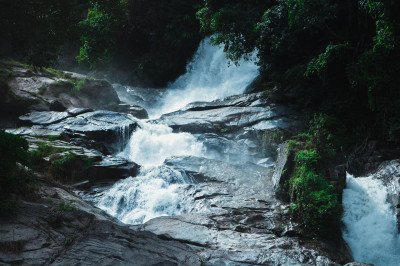 Irupu Falls is a magnificent waterfall located in the Brahmagiri Range of Kodagu district, bordering the Nagarhole National Park. Also known as the Lakshmana Tirtha Falls, it is formed by the Lakshmana Tirtha River, a tributary of the Cauvery. The falls are not only a natural wonder but also a significant pilgrimage site. According to legend, when Lord Rama and Lakshmana were searching for Sita, Lakshmana shot an arrow into the Brahmagiri hills to fetch water, giving birth to the river. The waterfall drops from a height of 170 feet in two distinct stages, creating a thunderous sound that can be heard from a distance. The path to the falls is a scenic trek through dense forest trails, filled with the scent of damp earth and wild flowers. The area is managed by the Forest Department, ensuring it remains clean and protected. Visitors can take a refreshing dip in the shallow pools at the base of the falls, which is believed to wash away sins. The surrounding forest is a biodiversity hotspot, where one can spot various species of butterflies and forest birds. The mist created by the falling water keeps the area cool even during the peak of summer. It is a favorite spot for trekkers who use this as a base for the more challenging hike to the Brahmagiri Peak. The falls are at their most majestic during the monsoon when the volume of water increases significantly, creating a veil of white foam against the dark rocks. The infrastructure around the falls has been improved with well-laid steps and railings, making it accessible for families. It is a place that combines spiritual significance with raw natural beauty, making it a must-visit destination in the Coorg-Kabini circuit:
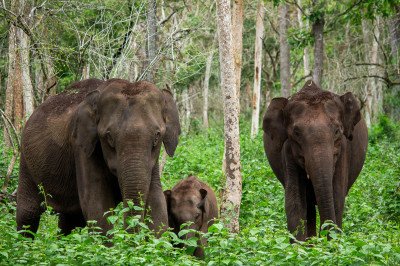 @@The Nagarahole Tiger Reserve Forest, also known as Rajiv Gandhi National Park, is the crown jewel of wildlife conservation in South India. Spanning over 640 square kilometers, it forms a vital part of the Nilgiri Biosphere Reserve. The forest is a stunning mix of moist deciduous trees in the north and dry deciduous patches in the south, crisscrossed by several perennial streams including the Lakshmana Tirtha and the Kabini River. Historically, it was the private hunting reserve of the Wodeyar Dynasty, the rulers of Mysore. Today, it boasts one of the highest densities of tigers in the world, alongside a healthy population of leopards and wild dogs (Dhole). The park is a sanctuary of silence, where the only sounds are the rustle of dry leaves and the warning calls of the Langurs. The biodiversity here is staggering, with over 300 bird species and 90 mammal species. The park's management is a model for conservation, with strict rules regarding plastic use and vehicle movement. A safari through Nagarahole is a journey into the heart of the wild, where every turn of the road offers the thrill of a potential big cat sighting. The landscape changes from dense thickets of bamboo to open grasslands (vails), providing a variety of habitats for grazing animals like the Sambar and Spotted Deer. It is a place where nature reigns supreme, offering a humbling experience to every visitor who enters its gates.
The Kabini Backwater Grassland is a seasonal wonder that emerges as the waters of the Kabini Reservoir recede during the dry months. This vast expanse of fresh, succulent green grass becomes one of the largest congregating grounds for Asian Elephants in the world. As the forest interior dries up, hundreds of elephants move toward these grasslands to feed and bathe in the remaining water. This creates a spectacular wildlife viewing opportunity that is unique to the Kabini region. Apart from elephants, the grasslands are frequented by Gaurs, Sambar Deer, and Wild Boars. The open landscape makes it easier to spot predators like Tigers and Leopards who often lurk at the forest edge. The grasslands are also a critical habitat for ground-nesting birds and various raptors that hunt over the open plains. The scenery is reminiscent of the African Savannah, but with a distinct Indian tropical forest backdrop. During the monsoon, these lands are completely submerged, only to reappear in January or February as the water is released for irrigation. The nutrient-rich silt left behind by the river ensures that the grass grows rapidly and provides high-quality fodder for the herbivores. For any wildlife enthusiast, witnessing the "Elephant Congregation" here is a bucket-list experience. The sheer scale of the landscape, with the blue water on one side and the dark forest on the other, creates a visual contrast that is breathtaking. It is a dynamic ecosystem that changes its character every month, providing new surprises for returning visitors.Show All
The Boat Safari on the Kabini River is arguably the most famous and unique wildlife experience in India. Unlike jeep safaris, the boat safari allows you to approach wildlife from the water, providing a silent and non-intrusive way to observe animals. The safari takes place on the vast backwaters where the river meets the Nagarhole National Park. During the 2.5-hour ride, visitors can see herds of elephants coming down to the water to drink, bathe, and play. The sight of a mother elephant helping its calf navigate the muddy banks is a frequent and heartwarming highlight. The river is also home to a large population of Marsh Crocodiles, often seen basking on the shores with their mouths open. For bird enthusiasts, the boat safari is a paradise. One can spot Ospreys, Grey-headed Fish Eagles, Cormorants, and the colorful Kingfishers in abundance. The boat glides past the iconic submerged trees, which are often covered with nesting birds. If you are extremely lucky, you might even spot a Tiger or a Leopard coming to the riverbank for a drink, a sight that is much more dramatic from the water. The experience is peaceful and offers a different perspective of the forest than the dusty jeep trails. The changing colors of the water and the sky, combined with the silhouettes of the trees, make it a photographer's dream. The boat safaris are strictly regulated by the Karnataka Forest Department to ensure the safety of both tourists and animals. It is a must-do activity for anyone visiting Kabini, offering a perfect blend of adventure and serenity.
@@The Nagarahole Tiger Reserve Forest, also known as Rajiv Gandhi National Park, is the crown jewel of wildlife conservation in South India. Spanning over 640 square kilometers, it forms a vital part of the Nilgiri Biosphere Reserve. The forest is a stunning mix of moist deciduous trees in the north and dry deciduous patches in the south, crisscrossed by several perennial streams including the Lakshmana Tirtha and the Kabini River. Historically, it was the private hunting reserve of the Wodeyar Dynasty, the rulers of Mysore. Today, it boasts one of the highest densities of tigers in the world, alongside a healthy population of leopards and wild dogs (Dhole). The park is a sanctuary of silence, where the only sounds are the rustle of dry leaves and the warning calls of the Langurs. The biodiversity here is staggering, with over 300 bird species and 90 mammal species. The park's management is a model for conservation, with strict rules regarding plastic use and vehicle movement. A safari through Nagarahole is a journey into the heart of the wild, where every turn of the road offers the thrill of a potential big cat sighting. The landscape changes from dense thickets of bamboo to open grasslands (vails), providing a variety of habitats for grazing animals like the Sambar and Spotted Deer. It is a place where nature reigns supreme, offering a humbling experience to every visitor who enters its gates.
The Kabini Backwater Grassland is a seasonal wonder that emerges as the waters of the Kabini Reservoir recede during the dry months. This vast expanse of fresh, succulent green grass becomes one of the largest congregating grounds for Asian Elephants in the world. As the forest interior dries up, hundreds of elephants move toward these grasslands to feed and bathe in the remaining water. This creates a spectacular wildlife viewing opportunity that is unique to the Kabini region. Apart from elephants, the grasslands are frequented by Gaurs, Sambar Deer, and Wild Boars. The open landscape makes it easier to spot predators like Tigers and Leopards who often lurk at the forest edge. The grasslands are also a critical habitat for ground-nesting birds and various raptors that hunt over the open plains. The scenery is reminiscent of the African Savannah, but with a distinct Indian tropical forest backdrop. During the monsoon, these lands are completely submerged, only to reappear in January or February as the water is released for irrigation. The nutrient-rich silt left behind by the river ensures that the grass grows rapidly and provides high-quality fodder for the herbivores. For any wildlife enthusiast, witnessing the "Elephant Congregation" here is a bucket-list experience. The sheer scale of the landscape, with the blue water on one side and the dark forest on the other, creates a visual contrast that is breathtaking. It is a dynamic ecosystem that changes its character every month, providing new surprises for returning visitors.Show All
The Boat Safari on the Kabini River is arguably the most famous and unique wildlife experience in India. Unlike jeep safaris, the boat safari allows you to approach wildlife from the water, providing a silent and non-intrusive way to observe animals. The safari takes place on the vast backwaters where the river meets the Nagarhole National Park. During the 2.5-hour ride, visitors can see herds of elephants coming down to the water to drink, bathe, and play. The sight of a mother elephant helping its calf navigate the muddy banks is a frequent and heartwarming highlight. The river is also home to a large population of Marsh Crocodiles, often seen basking on the shores with their mouths open. For bird enthusiasts, the boat safari is a paradise. One can spot Ospreys, Grey-headed Fish Eagles, Cormorants, and the colorful Kingfishers in abundance. The boat glides past the iconic submerged trees, which are often covered with nesting birds. If you are extremely lucky, you might even spot a Tiger or a Leopard coming to the riverbank for a drink, a sight that is much more dramatic from the water. The experience is peaceful and offers a different perspective of the forest than the dusty jeep trails. The changing colors of the water and the sky, combined with the silhouettes of the trees, make it a photographer's dream. The boat safaris are strictly regulated by the Karnataka Forest Department to ensure the safety of both tourists and animals. It is a must-do activity for anyone visiting Kabini, offering a perfect blend of adventure and serenity.Information
-
Why Famous:
Elephant Congregations: In summer, hundreds of Asiatic elephants gather on the banks of the Kabini backwaters. It is one of the largest such gatherings in Asia. It is a spectacle for wildlife photographers and nature lovers.
The Black Panther:...Elephant Congregations: In summer, hundreds of Asiatic elephants gather on the banks of the Kabini backwaters. It is one of the largest such gatherings in Asia. It is a spectacle for wildlife photographers and nature lovers.
The Black Panther: Kabini is the only place in India where a melanistic leopard (Black Panther) is sighted regularly. This has made it a bucket-list destination for wildlife enthusiasts worldwide. The elusive cat is the star of the forest. -
Architecture:
Eco-Sensitive Designs: Most lodges in Kabini follow sustainable architecture. They use local stone, bamboo, and thatched roofs to blend with the forest. The Kabini Dam itself is a significant masonry structure built in 1974.
Heritage Lodges:Eco-Sensitive Designs: Most lodges in Kabini follow sustainable architecture. They use local stone, bamboo, and thatched roofs to blend with the forest. The Kabini Dam itself is a significant masonry structure built in 1974.
Heritage Lodges: The Jungle Lodges & Resorts (JLR) site uses old colonial-style hunting lodge structures. The architecture focuses on open spaces to maximize views of the backwaters. The resort dimensions cover several acres of forested land. -
How To Reach:
By Air: The nearest airport is Mysuru Airport, about 80 km away. However, Kempegowda International Airport in Bengaluru (270 km) has better connectivity. Taxis are available from both airports.
By Train: Mysuru Junction is the nearest majo... -
Near Tourist Places:
Nagarhole National Park (1 km), Iruppu Falls (60 km), Banasura Sagar Dam (70 km), Mysore Palace (80 km), Bandipur National Park (95 km), Kuruva Island (50 km), Mananthavady (45 km), Tirunelli Temple (65 km), HD Kote (25 km), Bylakuppe (90 km)
Tourism Tips
-
Health & Safety: Follow all forest rules and do not get out of the vehicle during safaris. Wear neutral-colored clothing (olive, tan, grey) to blend in. Carry insect repellent and necessary medications as shops are far.
Packing Essentials:...
Reviews
Kabini Itineray And Cost:-
Information about New and Updated Locations() of Karnataka Has Been Added :-
Card subtitle
Note:-
Information provided here in good Faith and for reference only.
All information and pictures will be updated soon, please keep visiting.
Near Places
Badami
Some quick example text to build on the card title and make up the bulk of the card's content.
Go somewhere
Belagavi
Some quick example text to build on the card title and make up the bulk of the card's content.
Go somewhere
Belur
Some quick example text to build on the card title and make up the bulk of the card's content.
Go somewhere
Bengaluru
Some quick example text to build on the card title and make up the bulk of the card's content.
Go somewhere
Bidar
Some quick example text to build on the card title and make up the bulk of the card's content.
Go somewhere
Bijapur
Some quick example text to build on the card title and make up the bulk of the card's content.
Go somewhere
Chamarajanagar
Some quick example text to build on the card title and make up the bulk of the card's content.
Go somewhere
Chikkaballapur
Some quick example text to build on the card title and make up the bulk of the card's content.
Go somewhere
Chikmagalur
Some quick example text to build on the card title and make up the bulk of the card's content.
Go somewhere
Coorg
Some quick example text to build on the card title and make up the bulk of the card's content.
Go somewherein Other Cities