
...

Place To Visit And Things To Do In Kabini

Karnataka, India
Wildlife Sanctuary: Kabini is one of the most popular wildlife destinations in India. It was once the private hunting lodge of the Maharajas of Mysore. Today, it forms the southeastern part of Nagarhole National Park. River Ecosystem: The Kabini River forms the lifeline of this forest. The backwater s created by the Kabini Dam attract huge herds of elephants. The area is famous for its rich biodiversity and dense teak forests. Big Cat Territory: It is world-renowned for sightings of Leopards and Tigers. Specifically, it gained global fame for its Black Panther, Saaya. The park has one of the highest densities of herbivores and carnivores. Conservation Success: The region is a vital part of the Nilgiri Biosphere Reserve. Conservation efforts have helped the elephant population thrive here. It offers a unique mix of riverine and dry deciduous forest experiences.

Things To Do

Card image cap
Bheemeshwari Fishing Camp

Bheemeshwari Fishing Camp is a serene and adventurous retreat situated on the banks of the sacred river Cauvery in Karnataka. This location is a have...
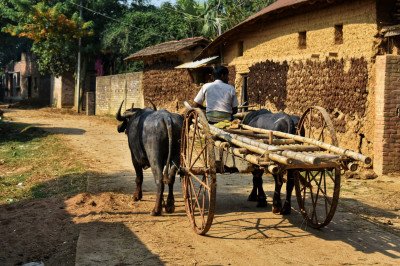
Bheemeshwari Fishing Camp is a serene and adventurous retreat situated on the banks of the sacred river Cauvery in Karnataka. This location is a haven for nature lovers and adventure seekers alike, offering a unique blend of wilderness and tranquility. The camp is world-renowned as a premier destination for Mahseer fishing, attracting enthusiasts from across the globe. The surrounding landscape is characterized by the lush greenery of the Cauvery Wildlife Sanctuary, which is home to a diverse array of flora and fauna. Visitors can expect to see various species of birds, including the rare Malabar Pied Hornbill and the Great Thick-knee, along with animals like spotted deer, wild boars, and the occasional leopard. The camp's atmosphere is defined by the soothing sounds of the flowing river and the whispering wind through the trees, providing a perfect escape from the hustle and bustle of city life. The area is also significant for its ecological conservation efforts, particularly in protecting the endangered Hump-backed Mahseer. The river stretches here are ideal for water-based activities, while the surrounding hills offer excellent opportunities for trekking and exploration. The camp emphasizes eco-friendly tourism, ensuring that the natural beauty of the region is preserved for future generations. Whether you are looking to reel in a legendary fish or simply soak in the natural beauty, Bheemeshwari offers an experience that is both rejuvenating and exhilarating. The camp is managed by Jungle Lodges and Resorts, providing professional guidance and comfortable amenities in the heart of the wild. It is a place where every sunrise brings a new adventure and every sunset paints a masterpiece on the water:
Card image cap
Edigeru Village

Edigeru Village is a quaint and culturally rich settlement located on the fringes of the Nagarhole National Park. It serves as an essential gateway t...

Edigeru Village is a quaint and culturally rich settlement located on the fringes of the Nagarhole National Park. It serves as an essential gateway to understanding the tribal heritage of the Mysuru region. The village is primarily inhabited by the Jenu Kuruba and Betta Kuruba tribes, who have lived in harmony with the forest for generations. Their lifestyle is deeply intertwined with nature, and they are known for their expertise in honey collection and forest conservation. Visiting Edigeru offers tourists a rare opportunity to experience authentic rural India, far removed from the commercialized safari experience. The village is surrounded by vast agricultural fields growing ragi, cotton, and tobacco, which change color with the seasons. The simple mud houses with tiled roofs and the friendly nature of the locals create a warm and welcoming atmosphere. This village is also a focal point for various NGO initiatives aimed at tribal education and healthcare. For travelers, Edigeru is not just a place to see, but a place to learn about the delicate balance between human survival and wildlife protection. The proximity to the Kabini backwaters means that the village often sees elephants wandering near its borders during the summer months. It is an ideal spot for those interested in ethnography, photography, and slow travel. Walking through the village lanes, one can witness traditional crafts being practiced and children playing in the open fields. The quietude of the village is only broken by the occasional call of a peacock or the sound of distant drums during a local festival. It is a place that reminds you of the simplicity of life and the importance of preserving indigenous cultures:
Card image cap
Hosa Bidarahalli

Hosa Bidarahalli is a small hamlet that has gained prominence due to its strategic location near the Kabini Reservoir and the backwaters. The name "B...
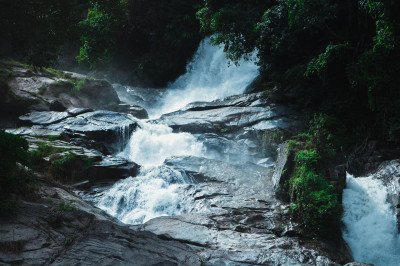
Hosa Bidarahalli is a small hamlet that has gained prominence due to its strategic location near the Kabini Reservoir and the backwaters. The name "Bidarahalli" translates to "Bamboo Village," and while much of the bamboo was lost during the flowering cycle years ago, the area is slowly seeing a resurgence of greenery. This place is the starting point for many who wish to explore the Kabini dam and the surrounding aquatic ecosystem. The village provides stunning views of the reservoir, especially when the water levels are high during the monsoon. It is a quiet place where the primary occupation of the locals is fishing and agriculture. For tourists, Hosa Bidarahalli offers a more laid-back experience compared to the busy safari points. One can sit by the banks of the river and watch the sunset, which is considered one of the most beautiful in the region. The area is also excellent for spotting water birds like Cormorants, Egrets, and River Terns. The village has a few small tea stalls where travelers can enjoy a local snack while taking in the views. The atmosphere here is deeply peaceful, with the sound of the water lapping against the shore and the distant calls of forest animals. It serves as an excellent base for exploring the less-trodden paths around the Kabini river. The village's proximity to the dam makes it an engineering and scenic point of interest. Visitors often stop here for a quick break before heading into the deeper forest areas. The local community is welcoming and often shares interesting stories about the construction of the dam and how it changed the landscape of their ancestral village:
Card image cap
Irupu Falls

Irupu Falls is a magnificent waterfall located in the Brahmagiri Range of Kodagu district, bordering the Nagarhole National Park. Also known as the L...

Irupu Falls is a magnificent waterfall located in the Brahmagiri Range of Kodagu district, bordering the Nagarhole National Park. Also known as the Lakshmana Tirtha Falls, it is formed by the Lakshmana Tirtha River, a tributary of the Cauvery. The falls are not only a natural wonder but also a significant pilgrimage site. According to legend, when Lord Rama and Lakshmana were searching for Sita, Lakshmana shot an arrow into the Brahmagiri hills to fetch water, giving birth to the river. The waterfall drops from a height of 170 feet in two distinct stages, creating a thunderous sound that can be heard from a distance. The path to the falls is a scenic trek through dense forest trails, filled with the scent of damp earth and wild flowers. The area is managed by the Forest Department, ensuring it remains clean and protected. Visitors can take a refreshing dip in the shallow pools at the base of the falls, which is believed to wash away sins. The surrounding forest is a biodiversity hotspot, where one can spot various species of butterflies and forest birds. The mist created by the falling water keeps the area cool even during the peak of summer. It is a favorite spot for trekkers who use this as a base for the more challenging hike to the Brahmagiri Peak. The falls are at their most majestic during the monsoon when the volume of water increases significantly, creating a veil of white foam against the dark rocks. The infrastructure around the falls has been improved with well-laid steps and railings, making it accessible for families. It is a place that combines spiritual significance with raw natural beauty, making it a must-visit destination in the Coorg-Kabini circuit:
Card image cap
Kabini Backwater Gandathur

Kabini Backwater Gandathur is a serene extension of the Kabini Reservoir known for its tranquil environment and lush surroundings. This area provides...

Kabini Backwater Gandathur is a serene extension of the Kabini Reservoir known for its tranquil environment and lush surroundings. This area provides a peaceful escape from the crowded safari zones and offers a raw view of the Kabini River as it spreads across the landscape. The water level here fluctuates with the seasons, creating a dynamic shoreline that attracts local cattle and various migratory birds. Visitors often find this spot ideal for quiet contemplation and enjoying the natural beauty of the Western Ghats in the distance. The area is relatively untouched by heavy commercialization, making it a favorite for those seeking a "slow travel" experience. It serves as a vital water source for the nearby villages and a sanctuary for small aquatic life. The village of Gandathur provides a rustic backdrop with its small houses and agricultural fields lining the water's edge. This location is perfect for witnessing the local way of life where the river remains the heart of the community. Travelers can spend hours watching the gentle ripples of the water and the shifting light over the reservoir. It is a place where nature and rural India coexist in perfect harmony, offering a unique perspective on the Kabini ecosystem beyond the standard wildlife tours. The air here is remarkably fresh, carrying the scent of damp earth and greenery. Many photographers visit this specific arm of the backwaters to capture the stark beauty of dead tree stumps rising from the blue water. It is a location that demands patience and a deep appreciation for silent, expansive landscapes.
Card image cap
Kabini Backwater Grassland

The Kabini Backwater Grassland is a seasonal wonder that emerges as the waters of the Kabini Reservoir recede during the dry months. This vast expans...

The Kabini Backwater Grassland is a seasonal wonder that emerges as the waters of the Kabini Reservoir recede during the dry months. This vast expanse of fresh, succulent green grass becomes one of the largest congregating grounds for Asian Elephants in the world. As the forest interior dries up, hundreds of elephants move toward these grasslands to feed and bathe in the remaining water. This creates a spectacular wildlife viewing opportunity that is unique to the Kabini region. Apart from elephants, the grasslands are frequented by Gaurs, Sambar Deer, and Wild Boars. The open landscape makes it easier to spot predators like Tigers and Leopards who often lurk at the forest edge. The grasslands are also a critical habitat for ground-nesting birds and various raptors that hunt over the open plains. The scenery is reminiscent of the African Savannah, but with a distinct Indian tropical forest backdrop. During the monsoon, these lands are completely submerged, only to reappear in January or February as the water is released for irrigation. The nutrient-rich silt left behind by the river ensures that the grass grows rapidly and provides high-quality fodder for the herbivores. For any wildlife enthusiast, witnessing the "Elephant Congregation" here is a bucket-list experience. The sheer scale of the landscape, with the blue water on one side and the dark forest on the other, creates a visual contrast that is breathtaking. It is a dynamic ecosystem that changes its character every month, providing new surprises for returning visitors.
Card image cap
Kabini Backwater Viewpoint

The Kabini Backwater Viewpoint is a designated spot, often near the famous Kabini River Lodge, that offers the most expansive view of the reservoir. ...
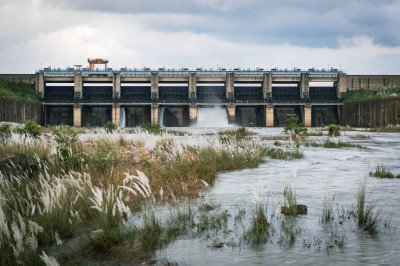
The Kabini Backwater Viewpoint is a designated spot, often near the famous Kabini River Lodge, that offers the most expansive view of the reservoir. This viewpoint is where the Kabini River widens into a massive lake-like structure, surrounded by the blue-tinged hills of the Western Ghats. It is a place of immense quietude, where the only sounds are the ripples of the water and the occasional call of a peacock. From here, one can see the submerged trees that have become iconic symbols of Kabini. These trees serve as perches for Cormorants and Darters, who dry their wings in the sun. The viewpoint is particularly famous for its sunset, which paints the sky in vibrant shades of violet and crimson, reflecting perfectly in the still waters. It is an easily accessible spot for those who may not be going on a full safari but still want to experience the essence of the region. Many luxury resorts are positioned around this viewpoint, allowing guests to wake up to this stunning vista every morning. The area around the viewpoint is well-maintained, with small paths for walking and benches for sitting. It serves as a gateway to both the land and water safaris. For many, this is the first point of contact with the wild beauty of Kabini, setting the stage for the adventures that lie deeper in the forest. The sheer scale of the water body here makes one feel small and connected to nature. It is a favorite spot for couples and those looking for a romantic backdrop. Even during the monsoon, the viewpoint offers a dramatic sight of dark clouds rolling over the hills and heavy rains lashing the reservoir.
Card image cap
Kabini Dam

Kabini Dam is a massive structure built across the Kabini River, a major tributary of the Cauvery. Constructed in 1974, the dam serves as the primary...

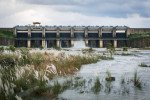
Kabini Dam is a massive structure built across the Kabini River, a major tributary of the Cauvery. Constructed in 1974, the dam serves as the primary source of water for irrigation and drinking for over 20 villages in the Mysore and Chamarajanagar districts. The dam creates a vast reservoir that is the heart of the Kabini tourism circuit. While the dam itself is an engineering feat, its impact on the surrounding landscape is what draws visitors. The huge expanse of water creates a microclimate that supports the lush forests of Nagarhole. Walking on the dam provides a panoramic view of the catchment area on one side and the sprawling plains on the other. The structure features several crest gates that, when opened during the monsoon, create a thunderous display of water. The gardens near the dam are a popular spot for local families to visit on weekends. It is also a site of historical importance, as the construction of the dam led to the relocation of several ancient villages, the ruins of which can still be seen during low water levels. The dam is also part of a small hydroelectric project, contributing to the region's power needs. Visitors can observe the intricate system of canals that carry water to distant fields. The area around the dam is often breezy and much cooler than the nearby towns. It is a place that highlights the intersection of human necessity and environmental preservation, as the reservoir has become a vital ecosystem for wildlife.
Card image cap
Kabini Reservoir

The Kabini Reservoir, also known as the Kabini Dam, is an imposing structure built across the Kabini River near the village of Beechanahalli. Complet...

The Kabini Reservoir, also known as the Kabini Dam, is an imposing structure built across the Kabini River near the village of Beechanahalli. Completed in 1974, the dam serves as a vital source of water for irrigation and drinking for over 20 villages in the region. The reservoir is massive, with a catchment area that stretches deep into the Western Ghats. This dam is particularly famous because it separates the Nagarhole and Bandipur national parks. During the summer months, as the water level recedes, the exposed dry bed becomes a vast grassland that attracts the largest congregation of Asiatic Elephants in the world. This phenomenon is a highlight for wildlife enthusiasts globally. The dam itself is an engineering marvel, with a masonry spillway and an earthen section that blends into the surrounding hills. Standing on the dam wall, one can see the vast expanse of water on one side and the lush forest on the other. It is a popular spot for photography, especially during the monsoon when the gates are opened to release the excess water. The sight of the gushing water is both awe-inspiring and humbling. The reservoir also supports a large population of crocodiles and diverse fish species. It has played a crucial role in maintaining the ecosystem of the Nilgiri Biosphere Reserve. Tourists often visit the dam as part of their Kabini circuit, enjoying the breeze and the panoramic views. The area near Hosaholalu provides a quieter perspective of the reservoir, away from the main tourist hubs. It is a place where man-made engineering meets the raw power of nature:
Card image cap
Kabini River

The Boat Safari on the Kabini River is arguably the most famous and unique wildlife experience in India. Unlike jeep safaris, the boat safari allows ...

The Boat Safari on the Kabini River is arguably the most famous and unique wildlife experience in India. Unlike jeep safaris, the boat safari allows you to approach wildlife from the water, providing a silent and non-intrusive way to observe animals. The safari takes place on the vast backwaters where the river meets the Nagarhole National Park. During the 2.5-hour ride, visitors can see herds of elephants coming down to the water to drink, bathe, and play. The sight of a mother elephant helping its calf navigate the muddy banks is a frequent and heartwarming highlight. The river is also home to a large population of Marsh Crocodiles, often seen basking on the shores with their mouths open. For bird enthusiasts, the boat safari is a paradise. One can spot Ospreys, Grey-headed Fish Eagles, Cormorants, and the colorful Kingfishers in abundance. The boat glides past the iconic submerged trees, which are often covered with nesting birds. If you are extremely lucky, you might even spot a Tiger or a Leopard coming to the riverbank for a drink, a sight that is much more dramatic from the water. The experience is peaceful and offers a different perspective of the forest than the dusty jeep trails. The changing colors of the water and the sky, combined with the silhouettes of the trees, make it a photographer's dream. The boat safaris are strictly regulated by the Karnataka Forest Department to ensure the safety of both tourists and animals. It is a must-do activity for anyone visiting Kabini, offering a perfect blend of adventure and serenity.
Card image cap
Kabini Wildlife Sanctuary

@@The Kabini Wildlife Sanctuary Buffer Zone is an expansive natural corridor that acts as a protective shield for the core forest area of Nagarahole. ...

@@The Kabini Wildlife Sanctuary Buffer Zone is an expansive natural corridor that acts as a protective shield for the core forest area of Nagarahole. It covers a vast region where human settlements and wildlife coexist in a delicate balance of nature. This zone is primarily characterized by dry deciduous forests, sprawling teak plantations, and the seasonal backwaters of the Kabini River. It is world-renowned for being one of the best places in India to spot the Black Panther, along with the Bengal Tiger and Asiatic Elephant. The landscape shifts dramatically with the seasons; during the dry months, the receding water reveals lush green meadows that attract hundreds of elephants, creating a spectacle known as the "Elephant Congregation." The area is also a vital habitat for leopards, who are often seen lounging on the thick branches of the Rosewood trees. Visitors here can experience the raw beauty of the Indian jungle through well-regulated safaris that promote eco-tourism. The buffer zone plays a crucial role in reducing human-animal conflict by providing a transitional space for wandering predators. Its proximity to the river makes it a birdwatcher's paradise, hosting over 250 species of residential and migratory birds. Staying in the luxury lodges surrounding this zone offers a unique "jungle life" experience without compromising on comfort. The forest department manages the entry and exit points strictly to ensure minimal disturbance to the fauna. Exploring this sanctuary is not just about sightings but about understanding the complex ecosystem of the Western Ghats.
Card image cap
Kudaregundi Kere

@@Kudaregundi Kere is a serene, lesser-known water body located on the fringes of the Kabini forest range. Often overshadowed by the massive Kabini Re...

@@Kudaregundi Kere is a serene, lesser-known water body located on the fringes of the Kabini forest range. Often overshadowed by the massive Kabini Reservoir, this "Kere" (lake) serves as a vital watering hole for the local fauna and a peaceful retreat for travelers. The lake is surrounded by thick scrub jungle and small patches of agricultural land belonging to the local villagers. It is a fantastic spot for observing the rural life of Karnataka, where cattle graze peacefully alongside wild spotted deer. The water is crystal clear during the post-monsoon months, reflecting the deep blue sky and the surrounding greenery. Historically, it has been a source of irrigation for the nearby tribal settlements, but its ecological importance is now recognized for supporting the local leopard population that frequently visits at night. The atmosphere here is one of total silence, broken only by the chirping of insects or the distant call of a peacock. Unlike the crowded safari zones, Kudaregundi Kere offers a sense of solitude and a chance to connect with nature on a personal level. It is an excellent spot for "slow travel" where one can sit for hours watching the light change on the water's surface. The lake is particularly beautiful during the monsoon when it overflows, creating small streams that meander through the woods. It is a testament to the thriving micro-ecosystems that exist outside the protected core areas of the tiger reserve.
Card image cap
Kutta Village

@@Kutta Village is a charming border town that serves as a crucial link between the Kodagu hills and the Kabini wildlife plains. It is situated right ...

@@Kutta Village is a charming border town that serves as a crucial link between the Kodagu hills and the Kabini wildlife plains. It is situated right on the edge of the Nagarahole Tiger Reserve and the Wayanad Wildlife Sanctuary in Kerala. The village is enveloped in a sea of green, dominated by sprawling coffee and pepper plantations that fill the air with a distinct, earthy aroma. Historically, Kutta has been a trading post for spices and a traditional home to the Kodava community, known for their unique culture and hospitality. The village life moves at a slow, rhythmic pace, with farmers tending to their estates and children walking to school through forest-fringed roads. For a tourist, Kutta is the perfect base to explore the southern entrance of Nagarahole, often referred to as the Nanachi Gate. The village provides a stark contrast to the luxury resorts of Kabini, offering cozy homestays where you can taste authentic Coorgi cuisine, such as the famous Pandi Curry. The surrounding hills are often covered in mist, giving the village a surreal, magical appearance during the winter months. It is not uncommon to see wild elephants crossing the roads near the village outskirts during the late evening hours. Kutta is more than just a transit point; it is a cultural experience where the wild meets the domestic. The proximity to Iruppu Falls makes it a favorite for weekend trekkers.
Card image cap
Murkal Hill

@@Murkal Hill is a prominent topographical feature situated within the northern fringes of the Nagarahole Tiger Reserve. Once a bustling logging camp ...
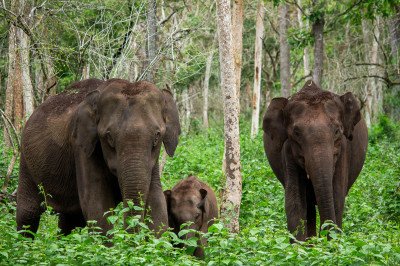
@@Murkal Hill is a prominent topographical feature situated within the northern fringes of the Nagarahole Tiger Reserve. Once a bustling logging camp during the British era, Murkal has now transformed into a quiet conservation center and a scenic viewpoint. The hill offers a panoramic view of the surrounding canopy, which stretches like a green velvet carpet as far as the eye can see. The ascent to the hill is surrounded by giant Teak and Rosewood trees, some of which are centuries old. It is a site of historical importance as it was one of the early administrative centers for the forest department in the region. The area around the hill is a hotspot for spotting the Sloth Bear, which is often attracted to the termite mounds found at the base. Unlike the flat plains of the Kabini riverbank, Murkal provides a rugged, hilly terrain that is home to different types of flora, including rare orchids that bloom during the monsoon. The atmosphere here is noticeably cooler than the plains, with a steady breeze blowing through the valley. It is a preferred spot for naturalists who want to study the forest structure from an elevated perspective. The hill also serves as a strategic point for fire-watchers during the dry summer months. For visitors, it represents the "wilder" side of Kabini, where the forest is dense and the shadows are deep. Access is usually restricted to forest department vehicles, making it an exclusive and pristine environment.
Card image cap
Nagarahole Tiger Reserve Forest

@@The Nagarahole Tiger Reserve Forest, also known as Rajiv Gandhi National Park, is the crown jewel of wildlife conservation in South India. Spanning ...

@@The Nagarahole Tiger Reserve Forest, also known as Rajiv Gandhi National Park, is the crown jewel of wildlife conservation in South India. Spanning over 640 square kilometers, it forms a vital part of the Nilgiri Biosphere Reserve. The forest is a stunning mix of moist deciduous trees in the north and dry deciduous patches in the south, crisscrossed by several perennial streams including the Lakshmana Tirtha and the Kabini River. Historically, it was the private hunting reserve of the Wodeyar Dynasty, the rulers of Mysore. Today, it boasts one of the highest densities of tigers in the world, alongside a healthy population of leopards and wild dogs (Dhole). The park is a sanctuary of silence, where the only sounds are the rustle of dry leaves and the warning calls of the Langurs. The biodiversity here is staggering, with over 300 bird species and 90 mammal species. The park's management is a model for conservation, with strict rules regarding plastic use and vehicle movement. A safari through Nagarahole is a journey into the heart of the wild, where every turn of the road offers the thrill of a potential big cat sighting. The landscape changes from dense thickets of bamboo to open grasslands (vails), providing a variety of habitats for grazing animals like the Sambar and Spotted Deer. It is a place where nature reigns supreme, offering a humbling experience to every visitor who enters its gates.
Card image cap
Nagarhole National Park

@@Introduction to Wilderness: Nagarhole National Park, also known as Rajiv Gandhi National Park, is a premier wildlife destination in India located in...

@@Introduction to Wilderness: Nagarhole National Park, also known as Rajiv Gandhi National Park, is a premier wildlife destination in India located in the Kodagu and Mysore districts of Karnataka. Spanning an area of approximately 643 square kilometers, it forms a critical part of the Nilgiri Biosphere Reserve. The park is famous for its high density of tigers and elephants, offering a true "wild" experience. The landscape is dominated by dense deciduous forests, small streams, and the majestic Kabini River which serves as a vital water source for the inhabitants. Historically, it was the exclusive hunting reserve of the Maharajas of Mysore before being declared a sanctuary in 1955 and later a national park. Today, it stands as a testament to successful conservation efforts in South India. Visitors can witness a rich variety of flora including Teak, Sandalwood, and Rosewood, while the fauna includes leopards, sloth bears, and over 250 species of birds. The park's name is derived from the Kannada words 'Naga' meaning snake and 'Hole' meaning river, referring to the serpentine river that flows through it.
Card image cap
Nugu Backwaters

@@The Scenic Reservoir: Nugu Backwaters are formed by the dam built across the Nugu River, a tributary of the Kabini. This area is a serene retreat lo...

@@The Scenic Reservoir: Nugu Backwaters are formed by the dam built across the Nugu River, a tributary of the Kabini. This area is a serene retreat located on the fringes of the Bandipur and Nagarhole tiger reserves. The backwaters offer a breathtaking landscape where the blue waters meet the lush green forests of the Western Ghats. It is a less-commercialized alternative to the main Kabini backwaters, providing a peaceful atmosphere for nature lovers. The area is frequented by wildlife, especially elephants and various species of water birds. The vast expanse of the reservoir is dotted with small islands and submerged trees, creating a hauntingly beautiful scene during the dawn and dusk hours. It is an ideal spot for those looking to escape the crowded tourist circuits. The local fishing communities add a touch of rustic charm to the place, and their traditional coracles can often be seen floating on the calm surface.
Card image cap
Nugu Wildlife Sanctuary

@@The Protected Haven: Nugu Wildlife Sanctuary is a small but vital protected area situated north of the Bandipur National Park. It serves as an impor...

@@The Protected Haven: Nugu Wildlife Sanctuary is a small but vital protected area situated north of the Bandipur National Park. It serves as an important wildlife corridor between Bandipur and the Nugu Reservoir. The sanctuary is characterized by dry deciduous forests and scrubland, providing a habitat for a variety of animals including tigers, leopards, elephants, and Indian gaurs. Unlike the more famous Nagarhole, Nugu offers a more raw and less frequented jungle experience. The area was declared a sanctuary in 1974 to protect the catchment area of the Nugu Dam. It is particularly famous for its elephant population, which uses this region as a seasonal migration path. The terrain is slightly hilly, offering beautiful vistas of the surrounding plains and the distant Western Ghats. The sanctuary plays a crucial role in the Project Elephant initiative. Due to its proximity to the backwaters, it hosts a unique blend of terrestrial and aquatic biodiversity, making it a hidden treasure for serious wildlife enthusiasts.
Card image cap
Sri Sri Chandramouleshwara Mallikarjunaswamy Hill

@@The Spiritual Height: This sacred hill, dedicated to Lord Shiva in the forms of Chandramouleshwara and Mallikarjunaswamy, is a prominent spiritual a...

@@The Spiritual Height: This sacred hill, dedicated to Lord Shiva in the forms of Chandramouleshwara and Mallikarjunaswamy, is a prominent spiritual and scenic landmark near the Kabini Dam. The temple is perched atop a hill, offering panoramic views of the Kabini Reservoir and the surrounding forest ranges. It is a place of great reverence for the local agrarian communities who visit to seek blessings for good harvests. The ascent to the temple involves a climb of several steps, which is considered a form of penance and devotion. The atmosphere at the top is serene, with the sound of temple bells echoing across the valley. Historically, the hill has been a site for meditation for many sages. The temple complex is modest but spiritually vibrant, especially during the Maha Shivaratri festival. From the summit, one can see the massive span of the Kabini Dam and the winding river, making it not just a religious site but also one of the best viewpoints in the region. The cool breeze and the spiritual energy make it a perfect place for introspection and peace.
Show All

Note:-

Information provided here in good Faith and for reference only.

All information and pictures will be updated soon, please keep visiting.

Near Places
...
Badami

Some quick example text to build on the card title and make up the bulk of the card's content.

Go somewhere

...
Belagavi

Some quick example text to build on the card title and make up the bulk of the card's content.

Go somewhere
...
Belur

Some quick example text to build on the card title and make up the bulk of the card's content.

Go somewhere
...
Bengaluru

Some quick example text to build on the card title and make up the bulk of the card's content.

Go somewhere
...
Bidar

Some quick example text to build on the card title and make up the bulk of the card's content.

Go somewhere
...
Bijapur

Some quick example text to build on the card title and make up the bulk of the card's content.

Go somewhere
...
Chamarajanagar

Some quick example text to build on the card title and make up the bulk of the card's content.

Go somewhere
...
Chikkaballapur

Some quick example text to build on the card title and make up the bulk of the card's content.

Go somewhere
...
Chikmagalur

Some quick example text to build on the card title and make up the bulk of the card's content.

Go somewhere
...
Coorg

Some quick example text to build on the card title and make up the bulk of the card's content.

Go somewhere
in Other Cities