
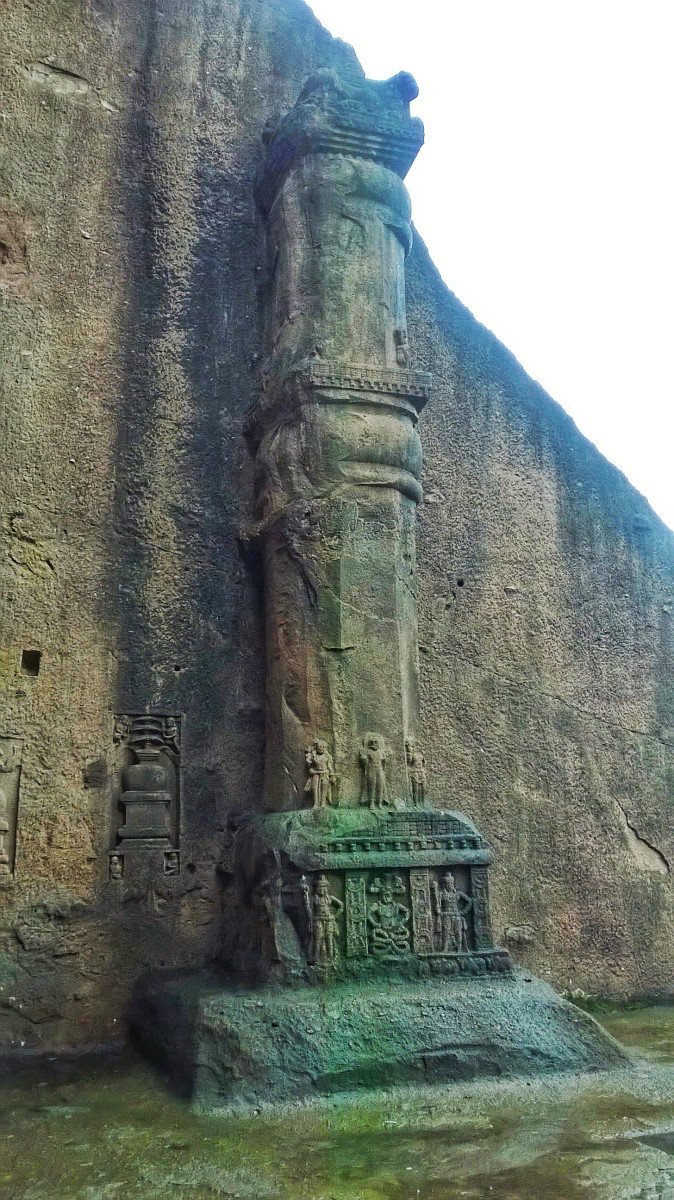
Kanheri Caves
General information
-
Ideal Duration:
2 to 3 hours (Excluding travel time to the caves inside SGNP).Place Type:
Historical Site / Archaeology / Buddhist MonumentsEntry Fees:
SGNP Entry Fee (Mandatory): Since the Kanheri Caves are situated deep inside the Sanjay Gandhi National Park (SGNP), every visitor must first pay the mandatory SGNP entry fee. This fee allows access to the park roads and premises.
ASI Caves Ent...SGNP Entry Fee (Mandatory): Since the Kanheri Caves are situated deep inside the Sanjay Gandhi National Park (SGNP), every visitor must first pay the mandatory SGNP entry fee. This fee allows access to the park roads and premises.
ASI Caves Entry Fee: There is a separate, additional entry fee for the Kanheri Caves complex itself, which is collected by the Archaeological Survey of India (ASI). This fee is significantly higher for foreign tourists than for Indian citizens and is used solely for the archaeological preservation and maintenance of the site.
Vehicle Fees (Mandatory): If you are traveling by a private vehicle or an auto-rickshaw/cab from the main gate up to the caves, you must pay a mandatory vehicle entry fee at the SGNP gate.
Safari/Bus Charges: If you choose to take the park's internal bus service from the main gate to the caves (highly recommended), a separate, nominal bus ticket must be purchased.Timing:
Regular Timings (Daily Schedule): The Kanheri Caves are open to visitors every day of the week, except Mondays, which are usually reserved for maintenance. The regular timings are typically from 9:00 AM to 5:30 PM. Visitors must ensure they have enough time to exit the SGN...Regular Timings (Daily Schedule): The Kanheri Caves are open to visitors every day of the week, except Mondays, which are usually reserved for maintenance. The regular timings are typically from 9:00 AM to 5:30 PM. Visitors must ensure they have enough time to exit the SGNP premises before the park closes at 6:30 PM.
Ideal Visit Time (Cool and Quiet): The ideal visit time is early in the morning, right at opening time, especially during the summer and winter months. The air is cool, and the rock steps have not yet absorbed the day's heat, making the climb much more comfortable. Morning light is also perfect for illuminating the carvings on the cave entrances.
SGNP Bus Schedule: Factor in the timing of the internal SGNP bus service or the taxi/auto-rickshaw ride from the main gate to the cave site (approx. 7 KMS), as this journey can take around 20 to 30 minutes each way.Special Events:
Buddha Purnima/Vesak Celebrations: As a significant Buddhist site, Kanheri Caves sees special, though often low-key, celebrations on Buddha Purnima (Vesak, usually in April or May), commemorating the birth, enlightenment, and death of Lord Buddha. Monks and devotees gather ...Buddha Purnima/Vesak Celebrations: As a significant Buddhist site, Kanheri Caves sees special, though often low-key, celebrations on Buddha Purnima (Vesak, usually in April or May), commemorating the birth, enlightenment, and death of Lord Buddha. Monks and devotees gather for quiet prayers, meditation, and recitation of scriptures near the main Chaitya Griha.
ASI Restoration and Heritage Events: The Archaeological Survey of India (ASI) occasionally holds special events, workshops, or public viewings related to the ongoing conservation and restoration work at the caves. These events offer a unique insight into the scientific and historical processes involved in preserving the millennia-old rock-cut architecture.
Monsoon Heritage Walks: Local history groups and nature organizations often conduct special guided Heritage Walks to the Kanheri Caves during the monsoon season. The rains bring the surrounding forest to life and reveal seasonal waterfalls near the caves, making the journey and the site particularly scenic and spiritually vibrant.Best Photo Spots:
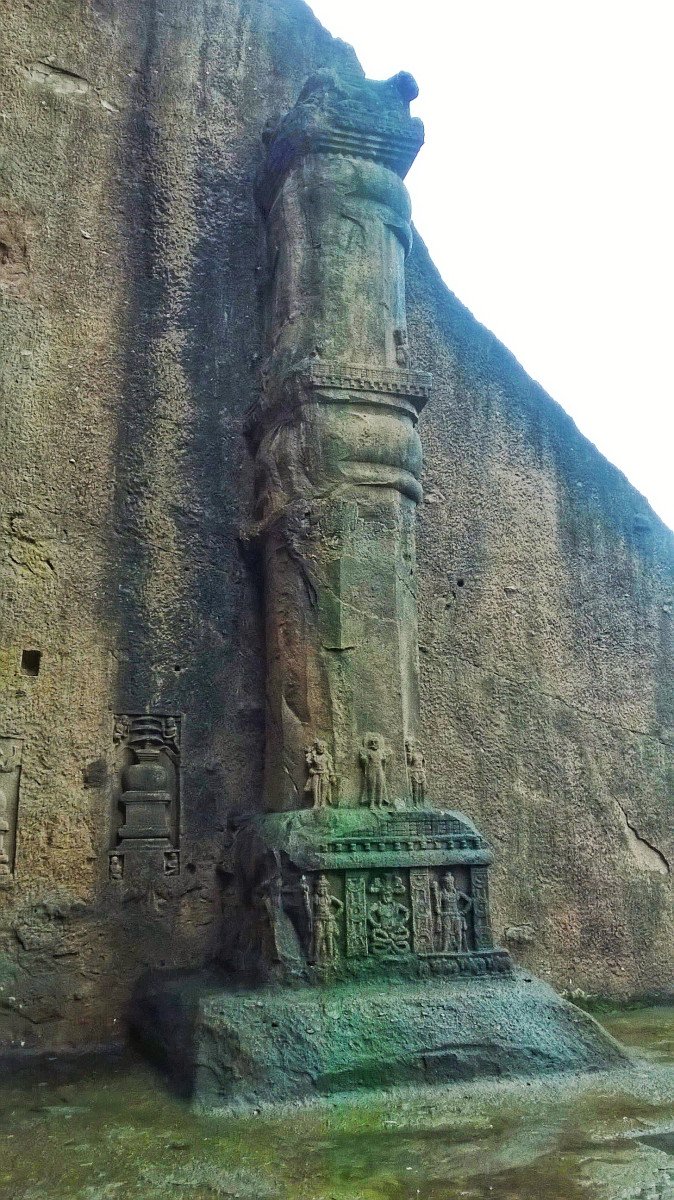
The Colossal Buddha Figures (Cave 3 Entrance): The two colossal, rock-cut statues of the Buddha flanking the entrance of the main Chaitya Hall (Cave 3) are the most striking photo spot. Capture their immense scale and serene expressions, often using a person in the frame to...The Colossal Buddha Figures (Cave 3 Entrance): The two colossal, rock-cut statues of the Buddha flanking the entrance of the main Chaitya Hall (Cave 3) are the most striking photo spot. Capture their immense scale and serene expressions, often using a person in the frame to show the comparative size.
The Water System Cascades: During the monsoon and immediate post-monsoon months (August to October), the ingenious rock-cut water cisterns and channels often overflow, creating small, beautiful cascades down the stone steps. This shot captures both the beauty of nature and the ancient engineering prowess.
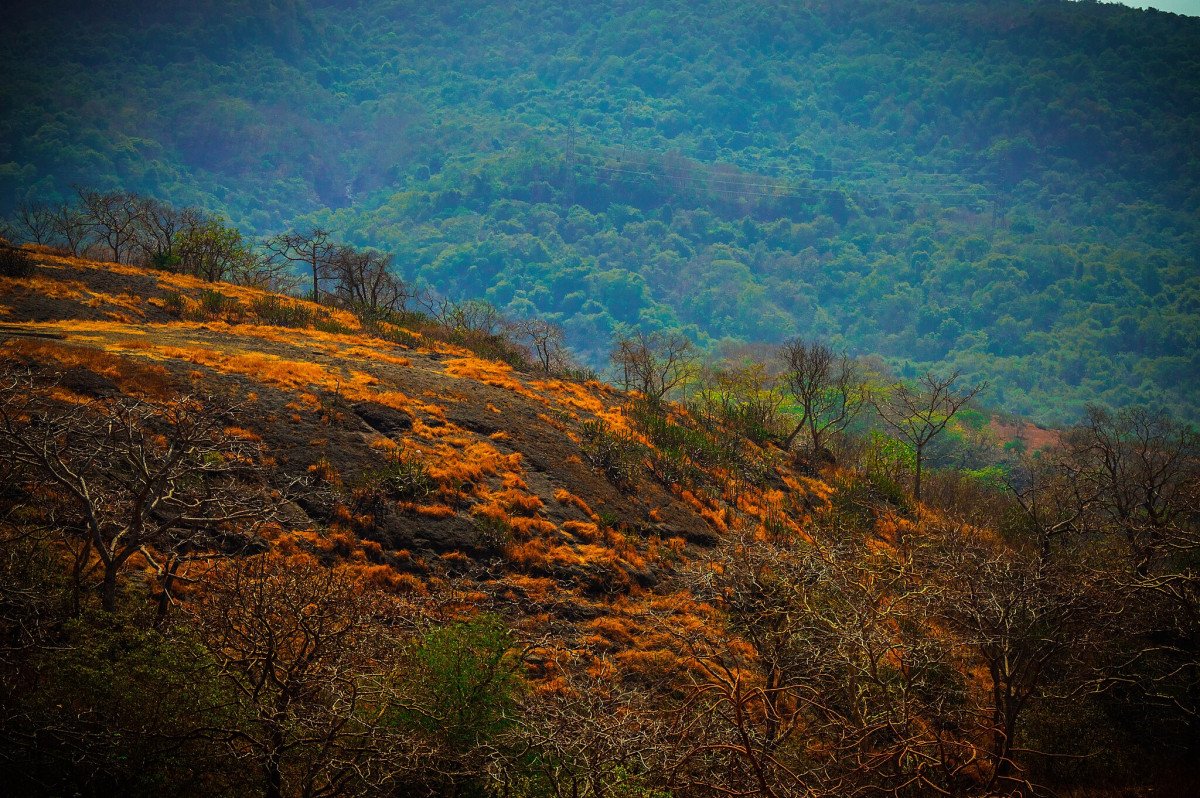
The Panoramic Forest View: From the highest point of the cave complex, capture a wide-angle shot of the endless, dense canopy of the Sanjay Gandhi National Park. This view is essential for conveying the unique isolation and the sheer scale of the urban wilderness surrounding the ancient site.
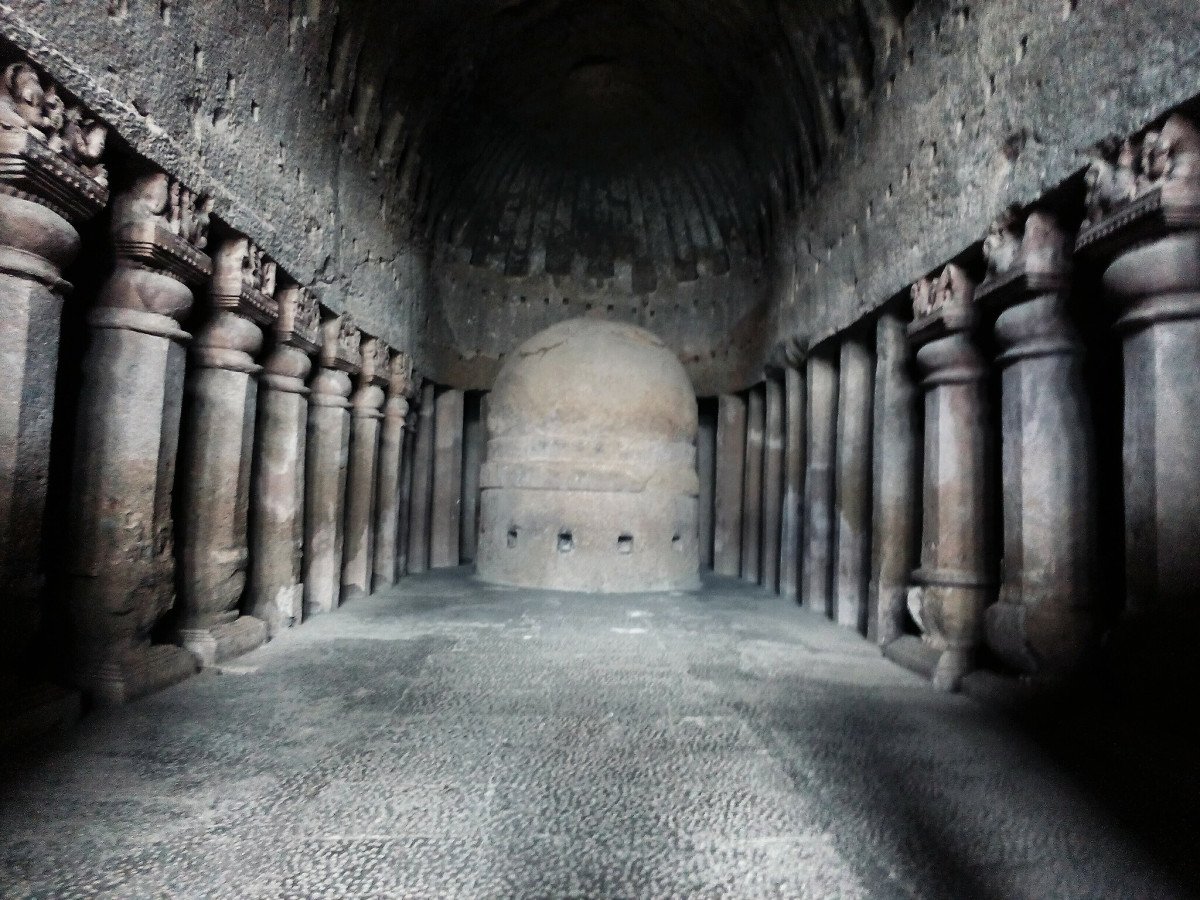
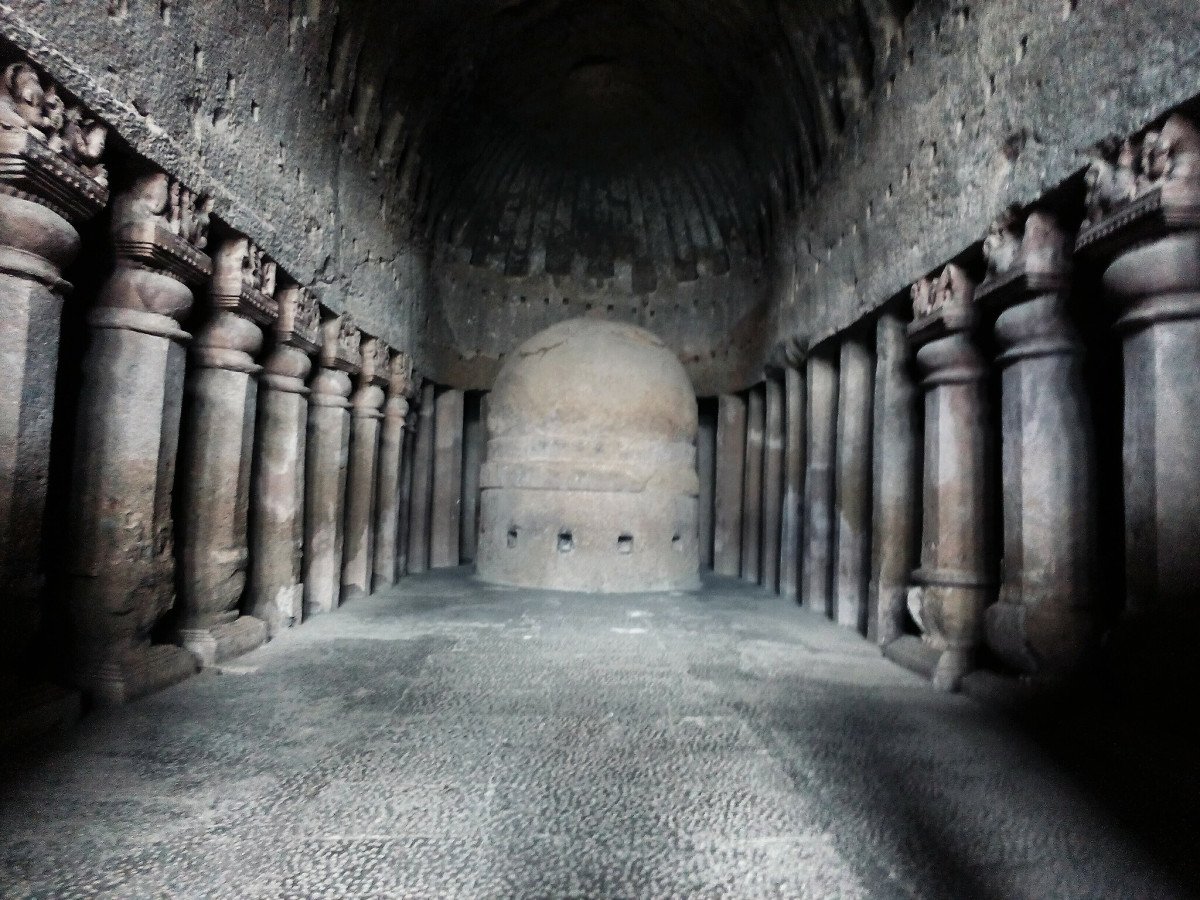
The Pillars of the Chaitya Hall Interior: Use a wide-angle lens inside Cave 3 to capture the entire semi-circular arrangement of the rock-cut pillars leading to the stupa. This shot emphasizes the grandeur and architectural geometry of the prayer hall.Photo Gallery
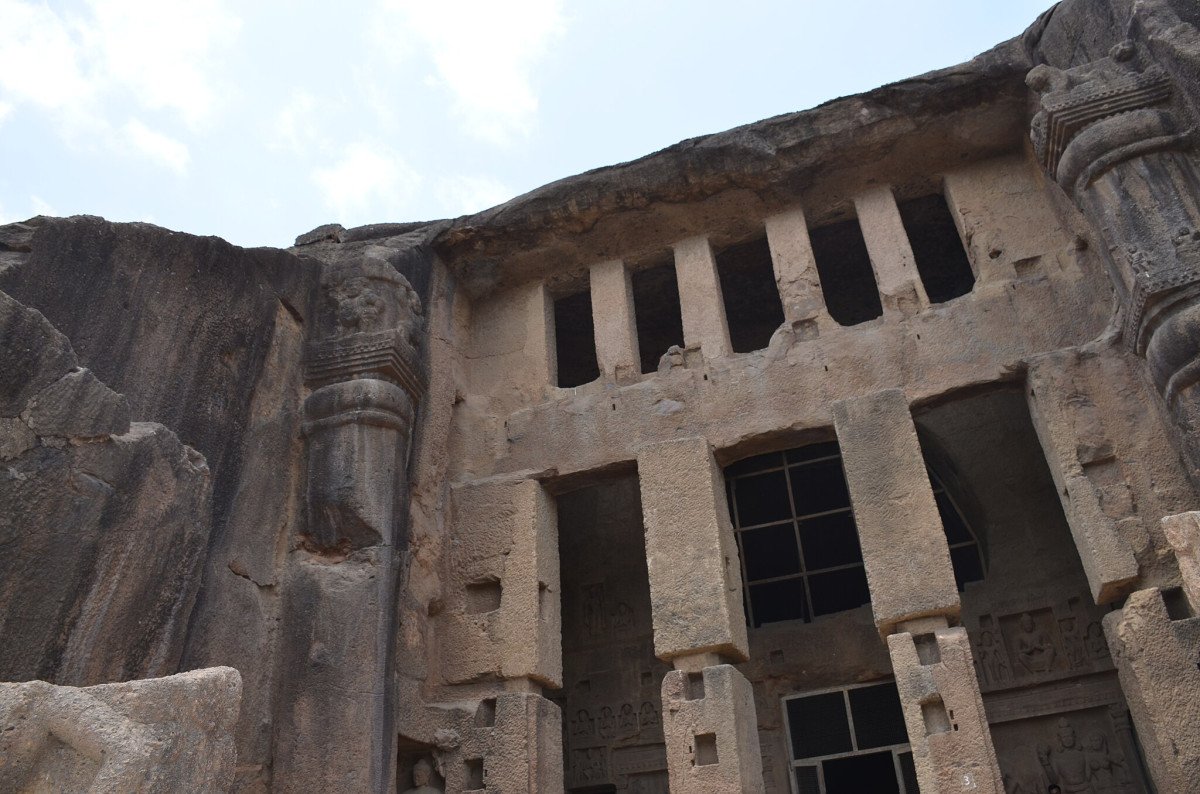
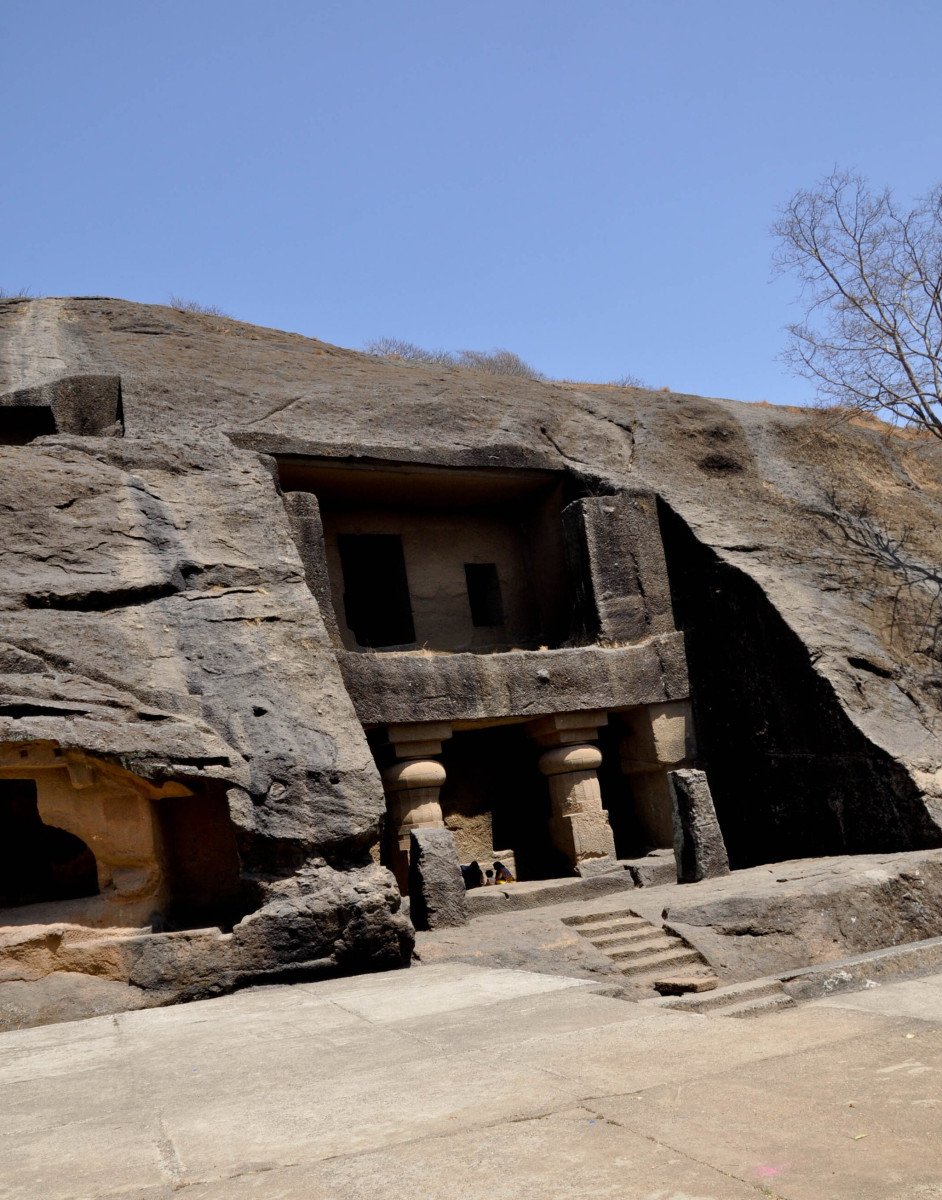
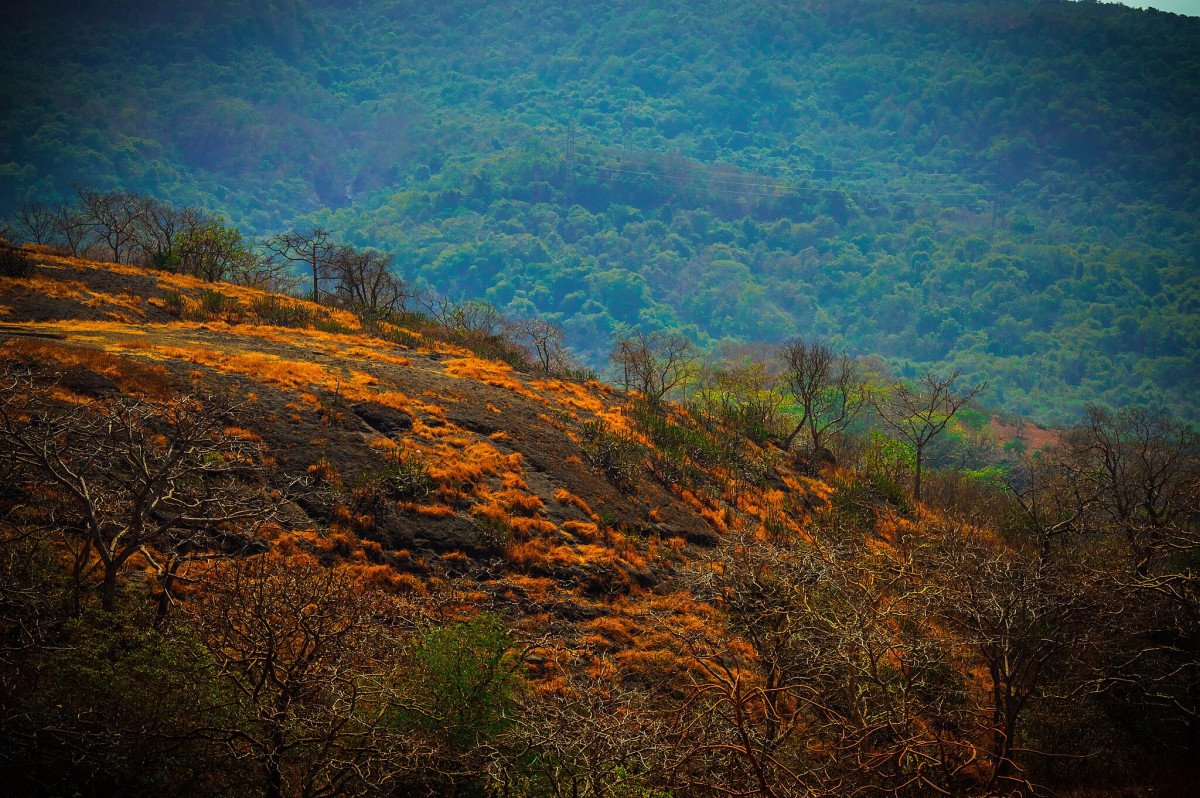
Things To Do
-
Climb the Steps and Explore the Caves (Physical and Historical): The main activity is to climb the numerous rock-cut steps to explore the different levels and sections of the 109 caves. Start with the main Chaitya Hall (Cave 3), then proceed to the smaller Viharas (monks' cells) and the later Mahayana caves. Take your time to appreciate the sheer volume of carving. Study the Architecture and Sculptures (Art Appreciation): Spend time examining the intricate sculptures. Look for the massive, serene figures of the Buddha and the Bodhisattvas (like Padmapani and Avalokiteshvara) near the entrances of the major caves. Note the unique, rock-cut beds in the Viharas and the details on the columns of the Chaitya Hall. Look for Water Channels and Inscriptions (Ancient Engineering): Actively search for the rock-cut water cisterns and the ancient Brahmi and Pahlavi inscriptions on the walls an...
Information
-
Why Famous:
The Largest Single Cave Complex in India: Kanheri Caves is famous for its sheer scale, comprising 109 individual caves. This makes it one of the largest single cave complexes in India and a crucial site for studying the chronological development of Buddhist monastic life an...The Largest Single Cave Complex in India: Kanheri Caves is famous for its sheer scale, comprising 109 individual caves. This makes it one of the largest single cave complexes in India and a crucial site for studying the chronological development of Buddhist monastic life and art in the Western Ghats over more than a thousand years.
The Architectural Marvel of the Chaitya Hall: The main Chaitya Hall (Cave No. 3) is a monumental, awe-inspiring rock-cut structure, celebrated for its Roman-influenced column design, the gigantic stupa, and the colossal Buddha figures. It is one of the finest examples of a Hinayana Buddhist prayer hall in the country, attracting historians and architects globally.
Presence within an Urban National Park: Its location within the Sanjay Gandhi National Park, an urban wilderness, adds a layer of uniqueness to its fame. The ancient ruins being situated amidst a dense forest, high up on a hill, offers a serene and historically charged experience that is a world away from the surrounding city. -
Architecture:
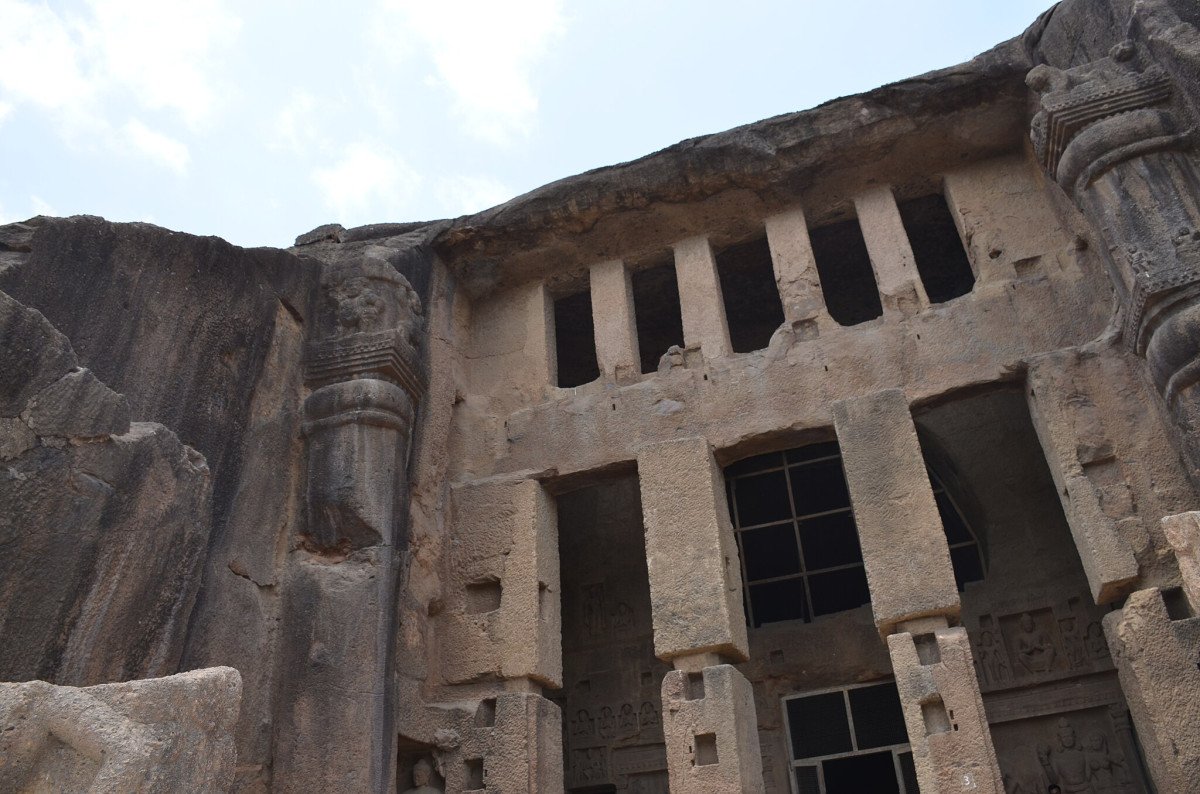
Monolithic Rock-Cut Architecture: The Kanheri Caves are a premier example of Indian rock-cut architecture. The structures are not built with assembled stones but are entirely carved out of a single, massive basalt hill. This monolithic carving technique involved excavating...Monolithic Rock-Cut Architecture: The Kanheri Caves are a premier example of Indian rock-cut architecture. The structures are not built with assembled stones but are entirely carved out of a single, massive basalt hill. This monolithic carving technique involved excavating the rock to create halls, cells, and sculptures, a feat of ancient engineering. The smooth, curved ceilings and the rock-cut columns are all singular pieces of the living rock. The Grand Chaitya Hall (Cave No.
3 Dimension): Cave No. 3, the largest and most significant cave, serves as the central prayer hall. Its dimensions are immense for a rock-cut structure: approximately 28 meters (92 feet) deep, 12. 5 meters (41 feet) wide, and 13. 5 meters (44 feet) high. The interior is defined by a row of 34 rock-cut columns that circle the central stupa. The columns feature intricate carvings of elephants, horses, and human figures on their capitals.
Residential Viharas and Water System: The smaller caves (Viharas) are simple residential cells, generally measuring around 8 feet by 8 feet, featuring simple rock-cut beds and a small porch. A crucial architectural feature is the sophisticated, rock-cut water cistern system found near almost every cave entrance, designed to collect and store rainwater for the monks, showcasing advanced ancient water management. -
How To Reach:
By Air (For Domestic and International Travelers): The nearest airport is Chhatrapati Shivaji Maharaj International Airport (BOM), approximately 18-20 KMS from the SGNP entrance. From the airport, a taxi or app-based cab is the only direct option. Instruct the driver to pr... -
Near Tourist Places:
1.
Sanjay Gandhi National Park Gate: (Approx. 7 KMS) 2.
Lion & Tiger Safari (inside SGNP): (Approx. 4 KMS) 3.
Mandapeshwar Caves (Borivali): (Approx. 10 KMS) 4.
Global Vipassana Pagoda (Gorai): (Approx. 22 KMS) 5.
Aarey Milk Colony: (Approx. 12 KMS) 6.
Tulsi Lake: (Approx. 5 KMS) 7.
EsselWorld: (Approx. 25 KMS) 8.
Chhota Kashmir: (Approx. 15 KMS) 9.
Juhu Beach: (Approx. 25 KMS) 10.
Gilbert Hill (Andheri): (Approx. 18 KMS)
Tourism Tips
-
Health & Safety:
Steps and Wildlife: The primary Health & Safety concern is the uneven rock-cut steps; wear shoes with good grip and watch your footing, especially during the monsoon. Since the caves are inside a national park, follow all p...
Reviews
Information about New and Updated Locations(608+) of Maharashtra Has Been Added :-
Card subtitle
Note:-
Information provided here in good Faith and for reference only.
All information and pictures will be updated soon, please keep visiting.
Near Places
Bandra Fort
Some quick example text to build on the card title and make up the bulk of the card's content.
Go somewhere
Bandra-Worli Sea Link
Some quick example text to build on the card title and make up the bulk of the card's content.
Go somewhere
Chhatrapati Shivaji Maharaj Vastu Sangrahalaya
Some quick example text to build on the card title and make up the bulk of the card's content.
Go somewhere
Chhatrapati Shivaji Terminus
Some quick example text to build on the card title and make up the bulk of the card's content.
Go somewhere
Colaba Causeway
Some quick example text to build on the card title and make up the bulk of the card's content.
Go somewhere
Dhobi Ghat
Some quick example text to build on the card title and make up the bulk of the card's content.
Go somewhere
Elephanta Caves
Some quick example text to build on the card title and make up the bulk of the card's content.
Go somewhere
EsselWorld
Some quick example text to build on the card title and make up the bulk of the card's content.
Go somewhere
Film City
Some quick example text to build on the card title and make up the bulk of the card's content.
Go somewhere
Flora Fountain
Some quick example text to build on the card title and make up the bulk of the card's content.
Go somewherein Other Cities