

Madhubani
General information
-
Ideal Duration:
2 to 3 DaysPlace Type:
Art, Culture, and Religious Tourism.Entry Fees:
Place Entry Fees:
Public Sites: Most temples and the Madhubani Railway Station are free to visit for all tourists, though donations are accepted at religious sites for maintenance.
Workshops: Private art work...Place Entry Fees:
Public Sites: Most temples and the Madhubani Railway Station are free to visit for all tourists, though donations are accepted at religious sites for maintenance.
Workshops: Private art workshops in local villages may charge between 500 to 2000 INR depending on the duration and the materials provided to the guests.Timing:
Place Timings:
General Visit: Most outdoor art sites and villages are best visited from 08:00 AM to 06:00 PM to ensure good lighting and availability of local artists.
Temples: Religious sites usually open ea...Place Timings:
General Visit: Most outdoor art sites and villages are best visited from 08:00 AM to 06:00 PM to ensure good lighting and availability of local artists.
Temples: Religious sites usually open early around 05:00 AM and close by 08:00 PM, with a brief closure in the afternoon during the summer months.Special Events:
Place Special Event:
Madhushravani Festival: A unique Maithili festival celebrated in the month of Shravan (July-August) where newly married women perform rituals for the longevity of their husbands.
Saurath Sabh...Place Special Event:
Madhushravani Festival: A unique Maithili festival celebrated in the month of Shravan (July-August) where newly married women perform rituals for the longevity of their husbands.
Saurath Sabha: An annual gathering of Maithili Brahmins in the village of Saurath for the purpose of negotiating marriages based on ancient genealogical records.Best Photo Spots:
Place Best Photo Spots:
Madhubani Railway Station: This is arguably the most photographed railway station in India due to its thousands of square feet of vibrant Mithila wall paintings.
Village Mural Walls: T...Place Best Photo Spots:
Madhubani Railway Station: This is arguably the most photographed railway station in India due to its thousands of square feet of vibrant Mithila wall paintings.
Village Mural Walls: The colorful houses in Jitwarpur and Ranti villages provide an authentic and visually stunning backdrop for cultural and portrait photography.
Kapileshwar Temple Pond: The reflection of the temple in the surrounding water during the golden hour of sunset creates a magical atmosphere for landscape photographers.Photo Gallery
Things To Do
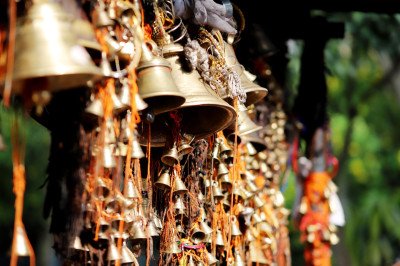 Kapileshwar Sthan is one of the most revered religious sites in the Madhubani district, dedicated to Lord Shiva. According to local legends and Puranic traditions, this temple was established by the great Vedic sage Kapil Muni, who performed intense penance at this very spot. The temple is a focal point of faith for the people of Mithila, and it is believed that offering prayers here with a pure heart can fulfill one's deepest wishes. The temple complex is serene and surrounded by old trees and a sacred pond where devotees often take a ritualistic dip before entering the sanctum sanctorum. The Shivalinga inside the temple is considered to be 'Swayambhu' (self-manifested) and is highly venerated. Throughout the year, especially on Mondays and during the holy month of Shravan, the temple is crowded with thousands of devotees who come to offer Ganga water, milk, and Bel leaves to the deity. The atmosphere is charged with the chanting of "Om Namah Shivaya" and the ringing of temple bells. A large fair is organized every year during Maha Shivratri, attracting traders and pilgrims from all over Bihar and neighboring Nepal. The temple also serves as a cultural center where traditional Maithili rituals, including the 'Mundan' (first hair-cutting ceremony) for children, are frequently performed. Visiting Kapileshwar Sthan provides a deep insight into the spiritual life of rural Madhubani, where ancient traditions are still preserved with immense devotion. The peaceful surroundings and the historic significance make it a must-visit for anyone exploring the heritage of North Bihar. :
 Andhratharhi is a significant historical and cultural hub located in the Madhubani district, serving as a vital link to the ancient Mithila civilization. This region is deeply rooted in the traditions of folk art and scholarship, often associated with the early settlements of the Tharu and Bhar tribes. The village is surrounded by a landscape that breathes history, where every corner tells a story of the Videha kingdom's spiritual legacy. Visitors are often mesmerized by the rural charm and the presence of ancient mounds that suggest an urban settlement from the medieval period. The area serves as a living museum for Madhubani paintings, where local women create intricate designs on mud walls. It is a place where time seems to slow down, allowing one to appreciate the authentic lifestyle of the Mithila people. The local markets are vibrant with traditional crafts, including wooden toys and pottery that have been made for generations. Scholars believe this area was a center for Vedic learning and social gatherings that shaped the region's unique identity. The tranquility of the village, combined with its historical depth, makes it a primary destination for those seeking to understand the soul of North Bihar.
Ugana Mahadev Mandir in Bhawanipur is a deeply sentimental and spiritual site for the people of Mithila. It is dedicated to a unique legend involving the great Maithili poet Vidyapati and Lord Shiva. According to the popular lore, Lord Shiva was so moved by Vidyapati's devotion that he descended to Earth in the form of a simple servant named Ugana to serve the poet. Vidyapati remained unaware of his servant's true identity for a long time. The secret was revealed during a journey through the scorching heat when Vidyapati was dying of thirst; Ugana brought him water that tasted like the holy Ganga. Realizing there was no water nearby, Vidyapati forced Ugana to reveal his identity. Lord Shiva showed his true form but warned the poet that he would disappear if the secret was ever told to anyone else. Later, when Vidyapati's wife tried to hit Ugana with a burning piece of wood, the poet accidentally shouted the secret, and the Lord vanished. The temple stands at the spot where this divine revelation is believed to have happened. The site is a symbol of the profound bond between a devotee and the deity. It draws thousands of pilgrims who come to offer water to the Shiva Lingam, especially during the month of Shravan. The temple is not just a religious building but a memorial to Vidyapati's literary and spiritual legacy, making it a cornerstone of Maithili culture. :
Girija Devi Mandir is a revered Hindu temple dedicated to Goddess Parvati, located in a serene environment that offers spiritual solace to thousands of devotees. The temple holds a special place in the hearts of the Mithila people, who consider the Goddess as the protector of their land and family values. The temple complex is beautifully maintained, featuring a sanctum where the deity is worshipped in a traditional Vedic manner. According to local belief, offering prayers here during auspicious days brings prosperity and peace to the household. The architecture of the temple reflects the traditional Mithila style, with colorful carvings and a peaceful courtyard for meditation. Many weddings in the region are initiated after seeking blessings at this temple, making it a social and religious cornerstone. The surrounding area is filled with old trees and small ponds, adding to the spiritual ambiance. During the morning and evening 'Aarti', the sound of bells and chanting creates a divine atmosphere that is truly uplifting. The temple is not just a place of worship but also a center for cultural gatherings where traditional Maithili songs are performed. For visitors, it offers a deep insight into the religious devotion and the community spirit of the rural Madhubani district.
@@ Historical Splendor: The Naulakha Palace, also popularly known as Rajnagar Palace, is a magnificent but partially ruined royal complex built by Maharaja Rameshwar Singh of Darbhanga. Constructed between 1884 and 1929, the palace was intended to be the administrative headquarters of the Darbhanga Raj. The name "Naulakha" implies that nine lakh rupees were spent on its construction, a staggering amount for that era. The complex is a sprawling 1500-acre estate that includes numerous palaces, administrative blocks, and eleven exquisite temples. Unfortunately, the great earthquake of 1934 caused massive damage to the structures, leaving them in the state of "glorious ruins" that we see today. Walking through the palace gates feels like stepping into a different century where the echoes of royal grandeur still linger in the air. The brickwork is exceptionally fine, and the sheer scale of the buildings demonstrates the power and wealth of the Mithila kings. The palace is situated on the banks of the Kamla River, adding a scenic natural backdrop to the historical site. Today, it serves as a major tourist attraction, drawing history buffs, photographers, and architects from across the country. It is a poignant reminder of the architectural heights reached during the peak of the Darbhanga Raj's influence. Despite its ruined state, the intricate carvings on the surviving walls and the majestic arches still stand tall, inviting visitors to imagine the palace in its full, unblemished glory before nature's fury intervened. :
Jhanjharpur is a significant sub-divisional town in the Madhubani district, situated on the banks of the mighty Kamala Balan River. It is historically renowned as a center of learning, particularly in the fields of Nyaya Shastra and Navya-Nyaya philosophy. The town and its surrounding villages like Sarisab-Pahi have produced some of the greatest scholars and thinkers of India, contributing immensely to the intellectual heritage of Mithila. Apart from its scholarly roots, Jhanjharpur is an important commercial center for the agricultural belt of North Bihar. The town is famous for its vibrant festivals, especially the Indra Puja, which is celebrated with a grandeur rarely seen elsewhere. During this festival, massive idols of Lord Indra are worshipped, and the town turns into a carnival of lights and music. The landscape around Jhanjharpur is dominated by the Kamala River, which is both a source of life and a seasonal challenge due to floods. The old bridge over the river, built during the British era, remains a landmark of the town. Life in Jhanjharpur moves at a gentle pace, deeply connected to the cycles of the river and the farming seasons. Visitors can explore the local markets, visit ancient temples, and interact with the locals who take great pride in their literary and artistic traditions. The town serves as a perfect base for exploring the rural heartland of Madhubani, where traditional Mithila paintings can still be found on the walls of village homes. :
Saurath Sabha is a legendary site in the Madhubani district of Bihar, primarily famous for the Saurath Sabha Gachhi, a vast mango grove that has hosted a unique matrimonial assembly for centuries. This traditional gathering, known as the Saurath Sabha, is a cultural phenomenon where Maithil Brahmins from across the country congregate to negotiate and finalize marriages. The practice is rooted in the meticulous genealogical records maintained by Panjikars, who ensure that alliances adhere to strict non-lineage rules. Adjacent to this grove is the Somnath Mahadev Temple, a revered shrine dedicated to Lord Shiva, which adds a spiritual dimension to the site. Historically, the temple was built by Raja Madhav Singh of the Darbhanga Raj in the early 19th century. The atmosphere during the annual Sabha in the Hindu month of Jyestha is electric, filled with scholars, families, and genealogists. Outside of the festival season, the village remains a peaceful testament to Mithila's rural heritage and social structure. Visitors can witness the deep-seated respect for ancestry and the unique way the community preserves its identity through these ancient customs. The site serves as a living museum of social history, reflecting the intellectual and cultural vigor of the Mithila region. :Show All
The Madhubani Railway Station is a unique masterpiece that serves as a living museum of the world-famous Mithila art. In 2017-18, over 200 local artists, mostly women, came together to transform the station's walls into a sprawling canvas of vibrant colors and intricate designs. This initiative was part of a beautification project that eventually won the station several national awards and put it on the global tourism map. Every inch of the station, from the main entrance and platforms to the waiting halls and foot-over bridges, is adorned with traditional Madhubani paintings. The artwork depicts various themes, including scenes from the Ramayana and Mahabharata, local folklore, nature, and the daily lives of the Maithili people. The paintings are done in five distinct styles: Bharni, Katchni, Tantrik, Godna, and Kohbar. What makes these paintings special is that the artists used traditional techniques, often using their fingers, twigs, and natural dyes to create the images. For travelers, arriving at this station is like entering an art gallery rather than a transit hub. The project has not only beautified a public space but also provided a sense of immense pride and identity to the local artist community. It serves as an inspiration for other railway stations across India to showcase their local heritage. A walk through the station allows visitors to understand the complexity and beauty of Mithila culture without needing to travel into remote villages. It is a testament to the power of community art and its ability to transform mundane spaces into cultural landmarks. :
Andhratharhi is a significant historical and cultural hub located in the Madhubani district, serving as a vital link to the ancient Mithila civilization. This region is deeply rooted in the traditions of folk art and scholarship, often associated with the early settlements of the Tharu and Bhar tribes. The village is surrounded by a landscape that breathes history, where every corner tells a story of the Videha kingdom's spiritual legacy. Visitors are often mesmerized by the rural charm and the presence of ancient mounds that suggest an urban settlement from the medieval period. The area serves as a living museum for Madhubani paintings, where local women create intricate designs on mud walls. It is a place where time seems to slow down, allowing one to appreciate the authentic lifestyle of the Mithila people. The local markets are vibrant with traditional crafts, including wooden toys and pottery that have been made for generations. Scholars believe this area was a center for Vedic learning and social gatherings that shaped the region's unique identity. The tranquility of the village, combined with its historical depth, makes it a primary destination for those seeking to understand the soul of North Bihar.
Ugana Mahadev Mandir in Bhawanipur is a deeply sentimental and spiritual site for the people of Mithila. It is dedicated to a unique legend involving the great Maithili poet Vidyapati and Lord Shiva. According to the popular lore, Lord Shiva was so moved by Vidyapati's devotion that he descended to Earth in the form of a simple servant named Ugana to serve the poet. Vidyapati remained unaware of his servant's true identity for a long time. The secret was revealed during a journey through the scorching heat when Vidyapati was dying of thirst; Ugana brought him water that tasted like the holy Ganga. Realizing there was no water nearby, Vidyapati forced Ugana to reveal his identity. Lord Shiva showed his true form but warned the poet that he would disappear if the secret was ever told to anyone else. Later, when Vidyapati's wife tried to hit Ugana with a burning piece of wood, the poet accidentally shouted the secret, and the Lord vanished. The temple stands at the spot where this divine revelation is believed to have happened. The site is a symbol of the profound bond between a devotee and the deity. It draws thousands of pilgrims who come to offer water to the Shiva Lingam, especially during the month of Shravan. The temple is not just a religious building but a memorial to Vidyapati's literary and spiritual legacy, making it a cornerstone of Maithili culture. :
Girija Devi Mandir is a revered Hindu temple dedicated to Goddess Parvati, located in a serene environment that offers spiritual solace to thousands of devotees. The temple holds a special place in the hearts of the Mithila people, who consider the Goddess as the protector of their land and family values. The temple complex is beautifully maintained, featuring a sanctum where the deity is worshipped in a traditional Vedic manner. According to local belief, offering prayers here during auspicious days brings prosperity and peace to the household. The architecture of the temple reflects the traditional Mithila style, with colorful carvings and a peaceful courtyard for meditation. Many weddings in the region are initiated after seeking blessings at this temple, making it a social and religious cornerstone. The surrounding area is filled with old trees and small ponds, adding to the spiritual ambiance. During the morning and evening 'Aarti', the sound of bells and chanting creates a divine atmosphere that is truly uplifting. The temple is not just a place of worship but also a center for cultural gatherings where traditional Maithili songs are performed. For visitors, it offers a deep insight into the religious devotion and the community spirit of the rural Madhubani district.
@@ Historical Splendor: The Naulakha Palace, also popularly known as Rajnagar Palace, is a magnificent but partially ruined royal complex built by Maharaja Rameshwar Singh of Darbhanga. Constructed between 1884 and 1929, the palace was intended to be the administrative headquarters of the Darbhanga Raj. The name "Naulakha" implies that nine lakh rupees were spent on its construction, a staggering amount for that era. The complex is a sprawling 1500-acre estate that includes numerous palaces, administrative blocks, and eleven exquisite temples. Unfortunately, the great earthquake of 1934 caused massive damage to the structures, leaving them in the state of "glorious ruins" that we see today. Walking through the palace gates feels like stepping into a different century where the echoes of royal grandeur still linger in the air. The brickwork is exceptionally fine, and the sheer scale of the buildings demonstrates the power and wealth of the Mithila kings. The palace is situated on the banks of the Kamla River, adding a scenic natural backdrop to the historical site. Today, it serves as a major tourist attraction, drawing history buffs, photographers, and architects from across the country. It is a poignant reminder of the architectural heights reached during the peak of the Darbhanga Raj's influence. Despite its ruined state, the intricate carvings on the surviving walls and the majestic arches still stand tall, inviting visitors to imagine the palace in its full, unblemished glory before nature's fury intervened. :
Jhanjharpur is a significant sub-divisional town in the Madhubani district, situated on the banks of the mighty Kamala Balan River. It is historically renowned as a center of learning, particularly in the fields of Nyaya Shastra and Navya-Nyaya philosophy. The town and its surrounding villages like Sarisab-Pahi have produced some of the greatest scholars and thinkers of India, contributing immensely to the intellectual heritage of Mithila. Apart from its scholarly roots, Jhanjharpur is an important commercial center for the agricultural belt of North Bihar. The town is famous for its vibrant festivals, especially the Indra Puja, which is celebrated with a grandeur rarely seen elsewhere. During this festival, massive idols of Lord Indra are worshipped, and the town turns into a carnival of lights and music. The landscape around Jhanjharpur is dominated by the Kamala River, which is both a source of life and a seasonal challenge due to floods. The old bridge over the river, built during the British era, remains a landmark of the town. Life in Jhanjharpur moves at a gentle pace, deeply connected to the cycles of the river and the farming seasons. Visitors can explore the local markets, visit ancient temples, and interact with the locals who take great pride in their literary and artistic traditions. The town serves as a perfect base for exploring the rural heartland of Madhubani, where traditional Mithila paintings can still be found on the walls of village homes. :
Saurath Sabha is a legendary site in the Madhubani district of Bihar, primarily famous for the Saurath Sabha Gachhi, a vast mango grove that has hosted a unique matrimonial assembly for centuries. This traditional gathering, known as the Saurath Sabha, is a cultural phenomenon where Maithil Brahmins from across the country congregate to negotiate and finalize marriages. The practice is rooted in the meticulous genealogical records maintained by Panjikars, who ensure that alliances adhere to strict non-lineage rules. Adjacent to this grove is the Somnath Mahadev Temple, a revered shrine dedicated to Lord Shiva, which adds a spiritual dimension to the site. Historically, the temple was built by Raja Madhav Singh of the Darbhanga Raj in the early 19th century. The atmosphere during the annual Sabha in the Hindu month of Jyestha is electric, filled with scholars, families, and genealogists. Outside of the festival season, the village remains a peaceful testament to Mithila's rural heritage and social structure. Visitors can witness the deep-seated respect for ancestry and the unique way the community preserves its identity through these ancient customs. The site serves as a living museum of social history, reflecting the intellectual and cultural vigor of the Mithila region. :Show All
The Madhubani Railway Station is a unique masterpiece that serves as a living museum of the world-famous Mithila art. In 2017-18, over 200 local artists, mostly women, came together to transform the station's walls into a sprawling canvas of vibrant colors and intricate designs. This initiative was part of a beautification project that eventually won the station several national awards and put it on the global tourism map. Every inch of the station, from the main entrance and platforms to the waiting halls and foot-over bridges, is adorned with traditional Madhubani paintings. The artwork depicts various themes, including scenes from the Ramayana and Mahabharata, local folklore, nature, and the daily lives of the Maithili people. The paintings are done in five distinct styles: Bharni, Katchni, Tantrik, Godna, and Kohbar. What makes these paintings special is that the artists used traditional techniques, often using their fingers, twigs, and natural dyes to create the images. For travelers, arriving at this station is like entering an art gallery rather than a transit hub. The project has not only beautified a public space but also provided a sense of immense pride and identity to the local artist community. It serves as an inspiration for other railway stations across India to showcase their local heritage. A walk through the station allows visitors to understand the complexity and beauty of Mithila culture without needing to travel into remote villages. It is a testament to the power of community art and its ability to transform mundane spaces into cultural landmarks. :Information
-
Why Famous:
Why Famous Place:
Global Art Hub: Madhubani is globally recognized for its eponymous folk art, which has received the GI (Geographical Indication) tag for its uniqueness.
Religious Significance: The region is...Why Famous Place:
Global Art Hub: Madhubani is globally recognized for its eponymous folk art, which has received the GI (Geographical Indication) tag for its uniqueness.
Religious Significance: The region is a vital part of the Ramayana Circuit as it is believed to be the birthplace of Goddess Sita and the site of her marriage.
Historical Legacy: It was a major center under the Darbhanga Raj, contributing to the rich architectural and administrative history of Northern Bihar.
Cultural Festivals: The city is famous for its vibrant celebration of Maha Shivratri and Madhushravani, which showcase the deep-rooted Maithili culture. -
Architecture:
Place Architecture:
Temple and Vernacular Style: The architecture of Madhubani is characterized by traditional Maithil styles, featuring sloping roofs and thick mud walls that keep interiors cool during the hot Bihar summers. Many houses are...Place Architecture:
Temple and Vernacular Style: The architecture of Madhubani is characterized by traditional Maithil styles, featuring sloping roofs and thick mud walls that keep interiors cool during the hot Bihar summers. Many houses are adorned with vibrant murals, and the local temples like Kapileshwar Sthan feature traditional Nagara-style shikharas with intricate stone carvings. Dimensions of typical local temple courtyards often span over 5,000 square feet to accommodate large gatherings. Modern structures like the Madhubani Railway Station serve as a massive art gallery with thousands of square feet of wall space covered in paintings. -
How To Reach:
Place How to Reach:
By Air: The nearest functional airport is Darbhanga Airport (DBG), located about 35 KMS away, with regular flights from major cities like Delhi and Mumbai.
By Train: Madhubani has its own ...Place How to Reach:
By Air: The nearest functional airport is Darbhanga Airport (DBG), located about 35 KMS away, with regular flights from major cities like Delhi and Mumbai.
By Train: Madhubani has its own railway station (MBI) on the East Central Railway line, well-connected to Patna, Kolkata, and Delhi through regular express trains.
By Road: The city is connected via NH 57, making it easily accessible from Patna (160 KMS) and Muzaffarpur via state-run buses or private taxis and cars.
By Local Transport: Within the city, battery-operated rickshaws, cycle rickshaws, and auto-rickshaws are the most common and convenient modes for traveling short distances between sites. -
Weather and Best Time to Visit:
Place Best Time to Visit:
Winter Season: The best months are October to March when the weather is pleasant, with temperatures between 10°C to 25°C, making it ideal for village tours.
Day Time: Early morning...Place Best Time to Visit:
Winter Season: The best months are October to March when the weather is pleasant, with temperatures between 10°C to 25°C, making it ideal for village tours.
Day Time: Early mornings and late afternoons are perfect for sightseeing to avoid the midday sun, even during the milder winter months in Bihar. -
Near Tourist Places:
Kapileshwar Sthan (9 km), Saurath (12 km), Rajnagar (11 km), Bhawanipur (15 km), Uchaitha (28 km), Darbhanga (35 km), Sitamarhi (75 km), Janakpur (80 km), Jhanjharpur (30 km), Muzaffarpur (110 km).
Tourism Tips
-
Place Tourism Tips:
Health and Safety: Drink only bottled or purified water and carry basic medicines for stomach upsets; ensure you use mosquito repellent during the evening hours.
Packing: Pack light cotto...Place Tourism Tips:
Health and Safety: Drink only bottled or purified water and carry basic medicines for stomach upsets; ensure you use mosquito repellent during the evening hours.
Packing: Pack light cotton clothes for the day and a light jacket for winter evenings; always carry a good quality camera and extra memory cards for the art.
Accommodation: Stay in local guesthouses or homestays in Madhubani or Darbhanga to experience authentic hospitality and learn more about the local culture from the hosts.
Prohibitions: Remember that alcohol is strictly prohibited in the state of Bihar, so ensure you follow all local laws and respect the cultural norms of the region.
Reviews
FAQs
Madhubani Itineray And Cost:-
Other Places In Bihar :-
Other States In India :-
Information about New and Updated Locations() of Bihar Has Been Added :-
Card subtitle
Note:-
Information provided here in good Faith and for reference only.
Near Places
Araria
Some quick example text to build on the card title and make up the bulk of the card's content.
Go somewhere
Arwal
Some quick example text to build on the card title and make up the bulk of the card's content.
Go somewhere
Banka
Some quick example text to build on the card title and make up the bulk of the card's content.
Go somewhere
Begusarai
Some quick example text to build on the card title and make up the bulk of the card's content.
Go somewhere
Bhagalpur
Some quick example text to build on the card title and make up the bulk of the card's content.
Go somewhere
Bhojpur
Some quick example text to build on the card title and make up the bulk of the card's content.
Go somewhere
Bihar Sharif
Some quick example text to build on the card title and make up the bulk of the card's content.
Go somewhere
Bodh Gaya
Some quick example text to build on the card title and make up the bulk of the card's content.
Go somewhere
Buxar
Some quick example text to build on the card title and make up the bulk of the card's content.
Go somewhere
Champaran
Some quick example text to build on the card title and make up the bulk of the card's content.
Go somewhere
Darbhanga
Some quick example text to build on the card title and make up the bulk of the card's content.
Go somewhere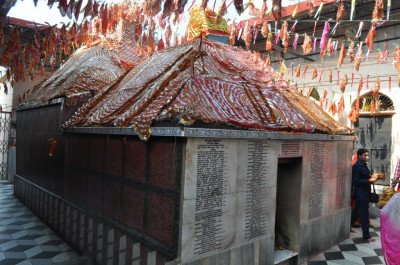
Gaya
Some quick example text to build on the card title and make up the bulk of the card's content.
Go somewhere
Golghar
Some quick example text to build on the card title and make up the bulk of the card's content.
Go somewhere
Madhubani
Some quick example text to build on the card title and make up the bulk of the card's content.
Go somewhere
Mithila
Some quick example text to build on the card title and make up the bulk of the card's content.
Go somewhere
Munger
Some quick example text to build on the card title and make up the bulk of the card's content.
Go somewherein Other Cities