
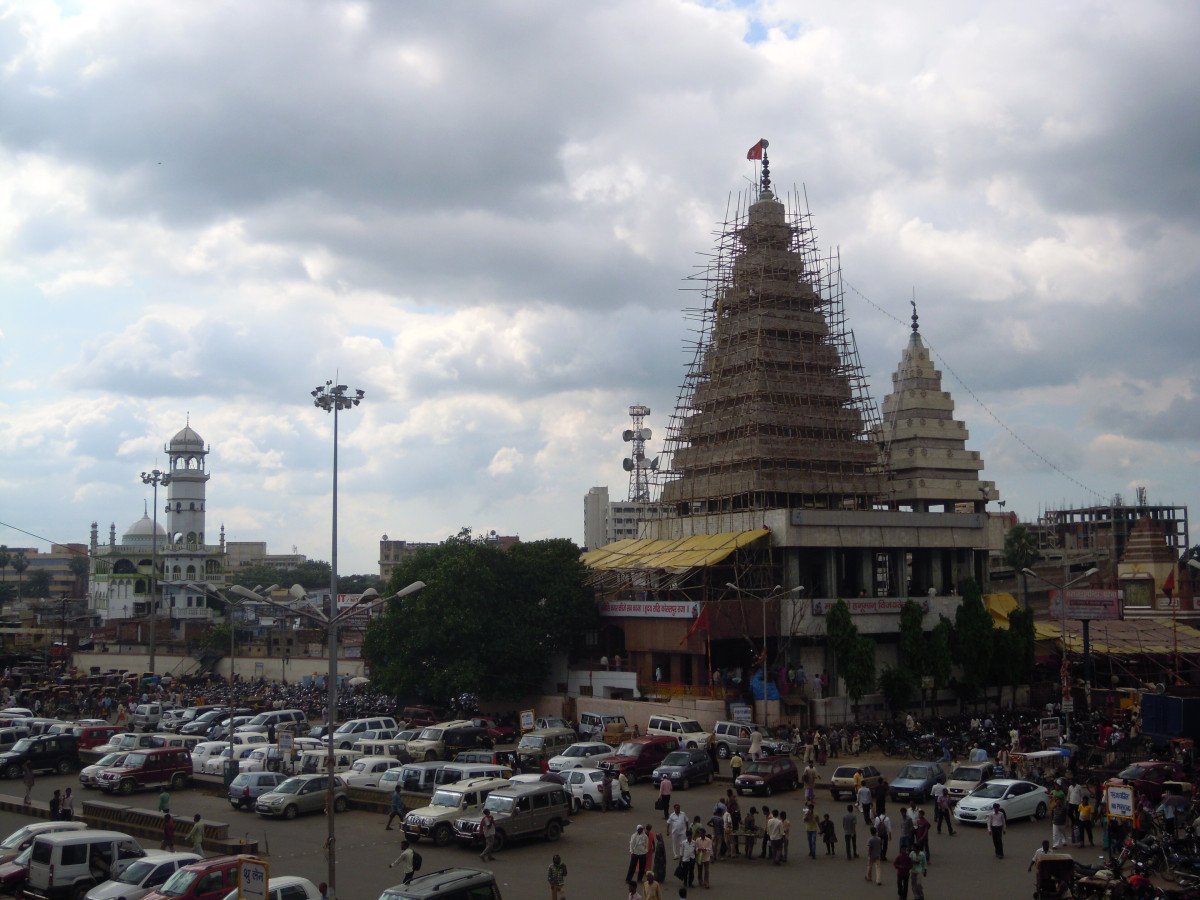
Mahavir Mandir
General information
-
Ideal Duration:
1-2 HoursPlace Type:
Religious/TempleEntry Fees:
Entry Fee:
No
Entry Fee: There is absolutely no entry fee to visit the Mahavir Mandir. It is open to all devotees and tourists free of charge.
Darshan (Viewing) Fee:
<...Entry Fee:
No
Entry Fee: There is absolutely no entry fee to visit the Mahavir Mandir. It is open to all devotees and tourists free of charge.
Darshan (Viewing) Fee:
Free for All: All forms of Darshan (viewing the deity) are free. There is no special charge for the standard queue.
Special Quick Darshan Fee:
Nominal Charge: Sometimes, for very high-rush days, the temple trust may introduce a nominal fee (e. g. , Rs.20 or Rs.50) for a 'quick darshan' or VIP entry, which helps manage the crowd, but this is optional.
Donation:
Voluntary Contribution: Donations for the temple's upkeep and charitable activities, like the Mahavir Cancer Institute, are completely voluntary and can be made at designated counters.Timing:
Regular Timings:
Early Morning to Late Night: The temple typically opens very early, around 5:00 AM, and remains open until late at night, usually around 11:00 PM, allowing maximum access to devotees.
Ideal Visit...Regular Timings:
Early Morning to Late Night: The temple typically opens very early, around 5:00 AM, and remains open until late at night, usually around 11:00 PM, allowing maximum access to devotees.
Ideal Visit Time: Early Morning (5:00 AM-8:00 AM) The best time to visit to avoid the maximum crowd is right after the morning opening, or in the late evening, especially on weekdays. Weekends, Tuesdays, and Saturdays are the busiest.
Aarti Timings:
Fixed Rituals: Morning and evening Aarti timings are fixed (check locally, typically around 6:30 AM and 8:00 PM), which are the most spiritually intense times to be there.Special Events:
Hanuman Jayanti Celebration:
Grand Festival: The temple celebrates Hanuman Jayanti (the birthday of Lord Hanuman) with immense pomp, drawing hundreds of thousands of pilgrims, involving special Aartis, processions, and an all-day devotional a...Hanuman Jayanti Celebration:
Grand Festival: The temple celebrates Hanuman Jayanti (the birthday of Lord Hanuman) with immense pomp, drawing hundreds of thousands of pilgrims, involving special Aartis, processions, and an all-day devotional atmosphere.
Ram Navami Festivities:
Key Lord Rama Event: Since Hanuman is a devotee of Lord Rama, Ram Navami is also celebrated with great fervor, involving special religious discourses and cultural programs within and around the temple premises.
New Year's Day Rush:
Auspicious Start: The temple sees an extraordinarily large rush of devotees on January 1st as people visit to seek blessings for a prosperous new year, an unofficial but major event.Best Photo Spots:
Main Gate View:
Temple Grandeur: The most photographed spot is the view of the main, multi-story facade of the temple, especially when captured at night or during the evening, when it is brightly illuminated, highlighting its modern grandeur ...Main Gate View:
Temple Grandeur: The most photographed spot is the view of the main, multi-story facade of the temple, especially when captured at night or during the evening, when it is brightly illuminated, highlighting its modern grandeur and the intricate entrance details.
The Queue Experience:
Devotional Intensity: A candid shot of the long, winding queue of devotees outside the temple, often stretching for hundreds of meters, captures the intensity of faith and the scale of the temple's popularity, a powerful cultural photo.
Inner Sanctum Archway:
Idols in Frame: The archway leading to the main sanctum, often decorated with flowers and lights, provides a frame for a distant, respectful photo of the two main idols of Lord Hanuman, showcasing the unique feature of the shrine.
Naivedyam Laddoo Display:
Unique Offering: Photographing the large display of the famous, packaged Naivedyam Laddoos is a unique photo opportunity, representing the temple's modern and organized approach to its offerings. (Approx. )Photo Gallery
Things To Do
-
Perform Darshan and Worship:
Seeking Blessings: The main activity is performing Darshan (viewing the deity) and offering prayers to the two idols of Lord Hanuman. Be prepared to join a long queue, especially on Tuesdays and Saturdays. Devotees offer flowers, coconuts, and the famous Naivedyam laddoos.
Buy the Naivedyam Laddoos:
Unique Sweet Treat: Make sure to purchase the specially packaged Naivedyam Laddoos, which are made from pure ghee and are highly popular and considered a sacred prasad (offering). They are available at the counter within the complex.
Visit the Religious Book Stall:
Spiritual Reading: Explore the stalls within the temple premises and the adjoining market that sell religious...Perform Darshan and Worship:
Seeking Blessings: The main activity is performing Darshan (viewing the deity) and offering prayers to the two idols of Lord Hanuman. Be prepared to join a long queue, especially on Tuesdays and Saturdays. Devotees offer flowers, coconuts, and the famous Naivedyam laddoos.
Buy the Naivedyam Laddoos:
Unique Sweet Treat: Make sure to purchase the specially packaged Naivedyam Laddoos, which are made from pure ghee and are highly popular and considered a sacred prasad (offering). They are available at the counter within the complex.
Visit the Religious Book Stall:
Spiritual Reading: Explore the stalls within the temple premises and the adjoining market that sell religious books, spiritual artifacts, lockets, and images of the deity, a good way to take home a spiritual souvenir.
Experience the Aarti Ceremony:
Evening Rituals: Try to attend the morning or evening Aarti (ritual of light) ceremony, which is a vibrant and intense spiritual experience with chanting, bells, and music, creating a powerful atmosphere of devotion.
Explore the Surrounding Bazaar:
Shopping and Local Life: The area immediately surrounding the temple, especially near the Patna Junction exit, is a bustling market (bazaar) filled with shops selling everything from religious items to local street food and goods, offering a glimpse into local commercial life.
Contribute to the Temple's Causes:
Philanthropic Support: Visitors can make a donation to the temple trust, which uses the funds for the Mahavir Cancer Institute and other social and charitable initiatives, making your visit contribute to a good cause.
Quiet Reflection in Side Shrines:
Finding Serenity: While the main sanctum is crowded, take a moment to visit the smaller shrines or quiet corners of the complex for a few minutes of silent prayer and reflection away from the main rush.
Observation of Devotional Fervor:
Cultural Experience: Even non-devotees can find cultural value in observing the intense faith and devotional practices of the thousands of pilgrims who visit daily, which offers a deep insight into Bihari religious culture.
Quick Meal at the Nearby Eateries:
Local Cuisine: Since the temple is in the heart of the city, grab a quick, authentic Bihari breakfast or snack like litti chokha or samosas from one of the many eateries right outside the main gate, which provides a taste of local street food.
Information
-
Why Famous:
Second Largest Shrine:
Massive Daily Footfall: It is widely famous for being the second most visited religious shrine in North India after Vaishno Devi, evidenced by the massive queues and offerings, especially during major festivals and the ...Second Largest Shrine:
Massive Daily Footfall: It is widely famous for being the second most visited religious shrine in North India after Vaishno Devi, evidenced by the massive queues and offerings, especially during major festivals and the auspicious days of Tuesday and Saturday.
The Manokamna Temple Belief:
Wish Fulfillment: Its fame is tied to the strong local belief that the second idol of Lord Hanuman is the Sankat Mochan (Reliever of Troubles) who fulfills the earnest wishes (Manokamna) of his faithful devotees, making it a powerful spiritual magnet.
Social Philanthropy:
Temple Trust Activities: The temple trust, under Acharya Kishore Kunal, is renowned for using its immense wealth for public welfare, most notably establishing the Mahavir Cancer Institute, which contributes significantly to its reputation beyond religious circles.
Prime Location:
Railway Junction Proximity: Its location right outside the main exit of Patna Junction Railway Station makes it instantly accessible and visible to all travelers, reinforcing its status as the spiritual gateway to Patna. -
Architecture:
The present Mahavir Mandir structure is a magnificent example of modern temple architecture, predominantly built in a multi-storied style with marble and stone construction, inaugurated and significantly rebuilt in the 1980s to accommodate the increasing number of devotees.
Read MoreThe present Mahavir Mandir structure is a magnificent example of modern temple architecture, predominantly built in a multi-storied style with marble and stone construction, inaugurated and significantly rebuilt in the 1980s to accommodate the increasing number of devotees.
Architectural Style:
Modern Hindu Temple: The design incorporates traditional elements, such as multi-tiered shikharas (towers) and richly sculpted motifs, but with a modern, grand scale, reflecting contemporary structural techniques.
Unique Idols:
Two Hanuman Forms: The main sanctum is architecturally arranged to house the two distinct, large black stone idols of Lord Hanuman, a rare configuration that defines the temple's spiritual significance.
Dimension:
Multi-Story Complex: The temple complex is a vertical structure spread over several floors, maximizing the limited space near the railway station. The main hall is spacious, designed to handle thousands of devotees queuing for darshan (viewing the deity), with elaborate marble flooring and high ceilings.How To Reach:
By Air: Jay Prakash Narayan International Airport (PAT), Patna: The airport is approximately 7-8 KMS away. The fastest way to reach is by taxi or cab. Due to the temple's location in a high-traffic area, the final approach might be slow.
By Tr...By Air: Jay Prakash Narayan International Airport (PAT), Patna: The airport is approximately 7-8 KMS away. The fastest way to reach is by taxi or cab. Due to the temple's location in a high-traffic area, the final approach might be slow.
By Train:
Patna Junction (PNBE): The temple is situated literally right outside the main exit of Patna Junction Railway Station, making it extremely accessible. It is just a 5-minute walk from the platforms. Follow the signs for the main exit.
By Road:
Central Location: The temple is located centrally in Patna. Use Auto-rickshaws, taxis, or city buses plying towards Patna Junction. Due to the huge crowds, vehicle drop-off may be a short distance away from the main gate.
By Local Transport:
Auto-Rickshaws/E-Rickshaws: The area is the biggest hub for auto-rickshaws and e-rickshaws, offering easy connectivity to all parts of the city. Be prepared for congestion and crowds as you near the location. It is easily reachable from anywhere in the city.Weather and Best Time to Visit:
Different Types of Seasons:
Winter (October to March): The best time to visit the temple is during the winter months, especially October and November, when the weather is cool and pleasant for waiting in queues.
...Different Types of Seasons:
Winter (October to March): The best time to visit the temple is during the winter months, especially October and November, when the weather is cool and pleasant for waiting in queues.
Monsoon (July to September): Avoid the heavy rains as the area around the temple can get waterlogged and chaotic due to the proximity to the station.
Summer (April to June): These months are intensely hot; visit only in the very early morning or late evening.
Different Parts of the Day: Early Morning (5:00 AM-8:00 AM) The ideal time for a peaceful darshan with less crowd. The environment is calm and less rushed. Late Evening (8:00 PM-10:00 PM) Another good time after the main rush hour and to see the temple illuminated.Near Tourist Places:
Patna Museum (2 KMS), Gandhi Maidan (1. 5 KMS), Buddha Smriti Park (0. 5 KMS), Golghar (3 KMS), Khuda Bakhsh Oriental Library (2. 5 KMS), Martyr's Memorial (4 KMS), Bihar Museum (4 KMS), Eco Park (Rajdhani Vatika) (7 KMS), Agam Kuan (6 KMS), Patan Devi Mandir (7 KMS).Tourism Tips
-
Health & Safety:
Crowd Management: The area is extremely crowded; keep your belongings secure and be mindful of pickpockets, especially in the queues.
Footwear Security: Leave your footwear at the designated...Health & Safety:
Crowd Management: The area is extremely crowded; keep your belongings secure and be mindful of pickpockets, especially in the queues.
Footwear Security: Leave your footwear at the designated counter, but be prepared for a long wait to retrieve it.
Packing:
Minimalism: Carry minimal belongings to ease movement in the crowd.
Small Cash: Have small denominations of cash ready for offerings and for purchasing the Naivedyam laddoos.
Accommodation:
Plenty of Options: Numerous budget and mid-range hotels are available near Patna Junction due to its central and transportation hub location. Book in advance if visiting during peak festive seasons.
Other Different Topics:
Temple Queue Protocol: Join the queue patiently and respect the crowd management rules.
Photography Restriction: Photography is generally restricted inside the main sanctum; follow the posted signs or ask an attendant.
Charity: Consider donating to the temple's charitable hospital, the Mahavir Cancer Institute, a unique opportunity for social contribution.
Reviews
FAQs
Patna Itineray And Cost:-
Other Places In Patna :-
Other States In India :-
Information about New and Updated Locations() of Bihar Has Been Added :-
Card subtitle
Note:-
Information provided here in good Faith and for reference only.
Near Places
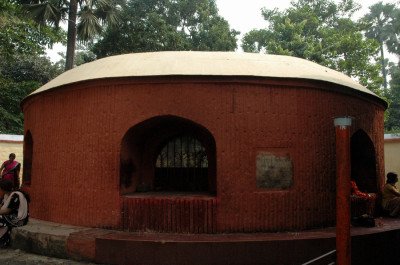
Agam Kuan
Some quick example text to build on the card title and make up the bulk of the card's content.
Go somewhere
Bihar Museum
Some quick example text to build on the card title and make up the bulk of the card's content.
Go somewhere
Buddha Smriti Park
Some quick example text to build on the card title and make up the bulk of the card's content.
Go somewhere
Darbhanga House
Some quick example text to build on the card title and make up the bulk of the card's content.
Go somewhere
Eco Park
Some quick example text to build on the card title and make up the bulk of the card's content.
Go somewhere
Gandhi Ghat
Some quick example text to build on the card title and make up the bulk of the card's content.
Go somewhere
Gandhi Maidan
Some quick example text to build on the card title and make up the bulk of the card's content.
Go somewhere
Gandhi Sangrahalaya
Some quick example text to build on the card title and make up the bulk of the card's content.
Go somewhere
Golghar
Some quick example text to build on the card title and make up the bulk of the card's content.
Go somewhere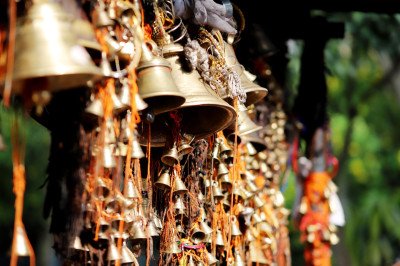
ISKCON Temple Patna
Some quick example text to build on the card title and make up the bulk of the card's content.
Go somewhere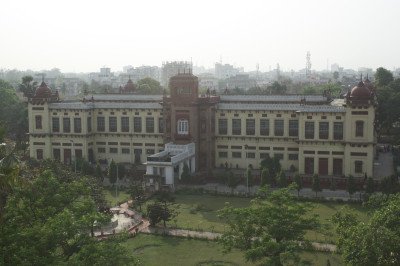
Jalan Museum
Some quick example text to build on the card title and make up the bulk of the card's content.
Go somewhere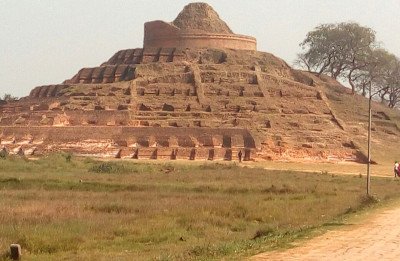
Kesariya Stupa
Some quick example text to build on the card title and make up the bulk of the card's content.
Go somewhere
Khuda Bakhsh Oriental Public Library
Some quick example text to build on the card title and make up the bulk of the card's content.
Go somewhere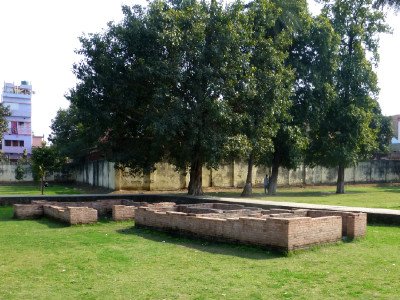
Kumhrar Park
Some quick example text to build on the card title and make up the bulk of the card's content.
Go somewhere
Kumhrar
Some quick example text to build on the card title and make up the bulk of the card's content.
Go somewhere
Mahatma Gandhi Setu
Some quick example text to build on the card title and make up the bulk of the card's content.
Go somewherein Other Cities