Mirik
General information
-
Ideal Duration:
1 to 2 DaysPlace Type:
Hill Station, Nature, PilgrimageEntry Fees:
Place Entry Fees: There is no entry fee to visit the town of Mirik or the Sumendu Lake.
Activity Charges: Boating costs approximately INR 100 to INR 200 for 30 minutes. Horse riding around the lake costs between INR 150 to INR 300 depending...Place Entry Fees: There is no entry fee to visit the town of Mirik or the Sumendu Lake.
Activity Charges: Boating costs approximately INR 100 to INR 200 for 30 minutes. Horse riding around the lake costs between INR 150 to INR 300 depending on the distance.
Monastery Donations: Entry to Bokar Monastery is free, but donations for the upkeep are welcome.
Pashupati Market: A nominal vehicle entry fee is charged at the border checkpoint for those driving from India. :Timing:
Place Timings: Sumendu Lake is accessible 24 hours, but boating typically operates from 9:00 AM to 5:00 PM.
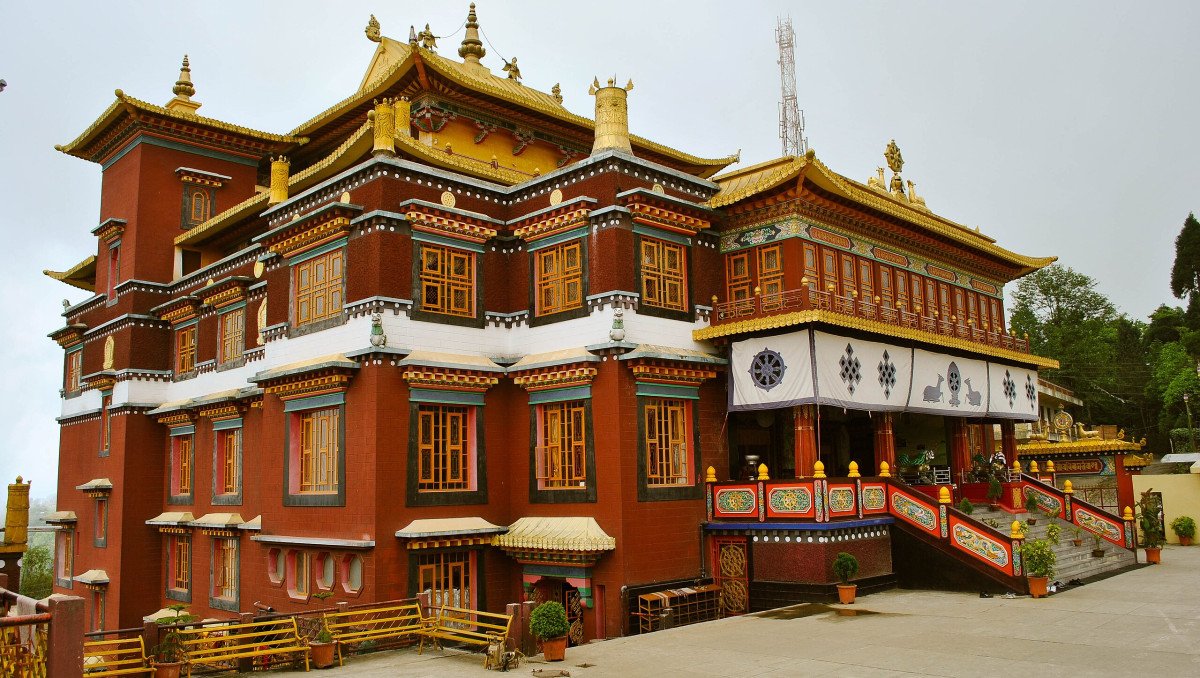
Bokar Monastery Timings: Open to visitors from 8:00 AM to 12:00 PM and 1:00 PM to 5:00 PM.
Regular Timi...Place Timings: Sumendu Lake is accessible 24 hours, but boating typically operates from 9:00 AM to 5:00 PM.
Bokar Monastery Timings: Open to visitors from 8:00 AM to 12:00 PM and 1:00 PM to 5:00 PM.
Regular Timings: Shops and eateries in the main bazaar usually close by 8:00 PM.
Ideal Visit Time: Early morning at 6:00 AM is best for mountain views, while late afternoons are perfect for relaxing by the lake. :Special Events:
Buddha Jayanti is celebrated with great fervor at the Bokar Monastery in May, featuring colorful processions.
Independence Day: The town holds vibrant parades and cultural programs on August 15th, showcasing local Gorkha traditions.
Lo...Buddha Jayanti is celebrated with great fervor at the Bokar Monastery in May, featuring colorful processions.
Independence Day: The town holds vibrant parades and cultural programs on August 15th, showcasing local Gorkha traditions.
Losar: The Tibetan New Year in February is marked by traditional dances and special prayers.
Orange Festival: Occasionally, local fairs are held during the harvest in December to promote the region's citrus produce. :Best Photo Spots:
The Indreni Pull bridge is the classic shot.
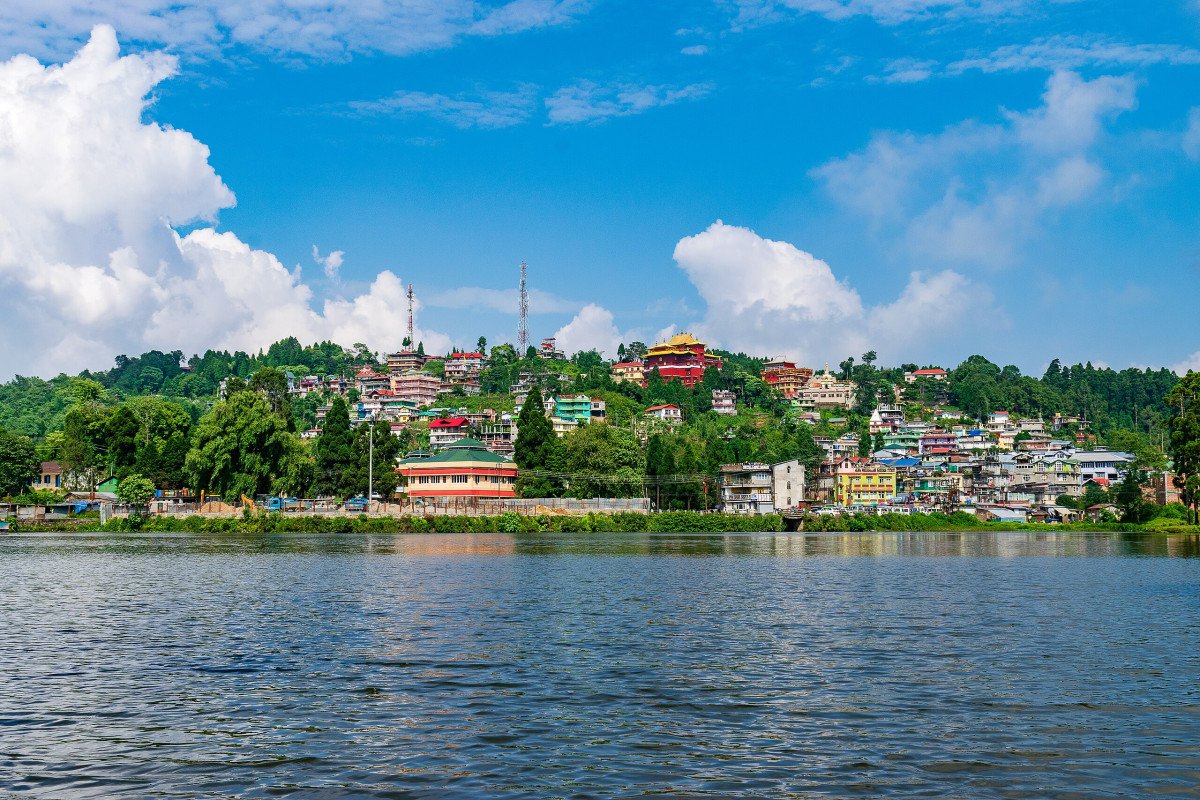
Bokar Monastery: The viewpoint from the monastery courtyard gives a bird's-eye view of the entire lake and town.
Sourenee Tea Estate: The symmetrical rows of tea bushes provide a perfect...The Indreni Pull bridge is the classic shot.
Bokar Monastery: The viewpoint from the monastery courtyard gives a bird's-eye view of the entire lake and town.
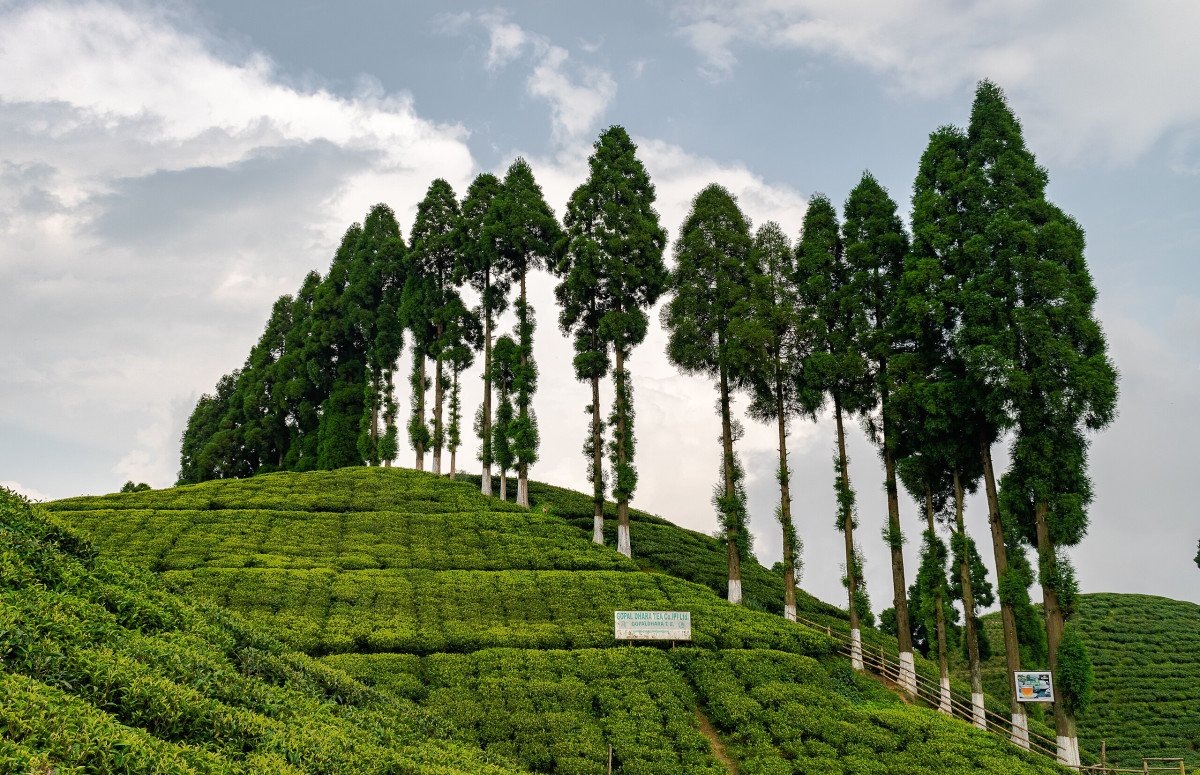
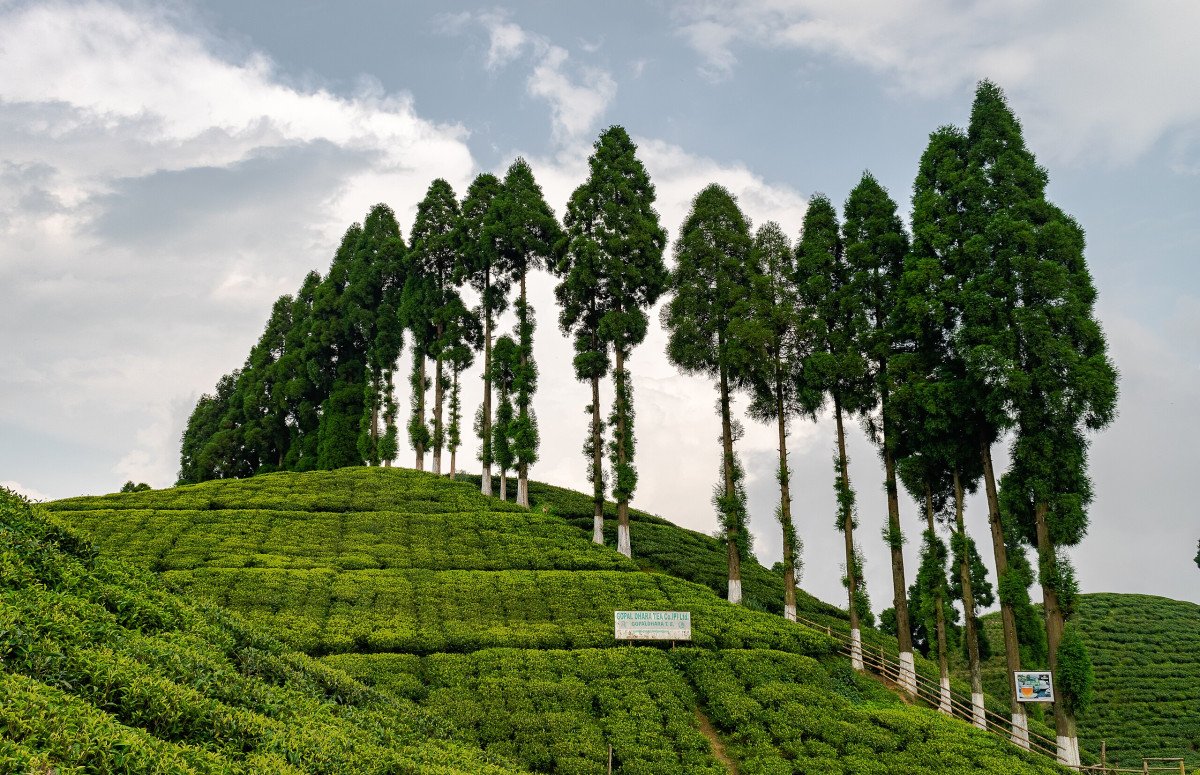
Sourenee Tea Estate: The symmetrical rows of tea bushes provide a perfect lead-in for landscape photography.
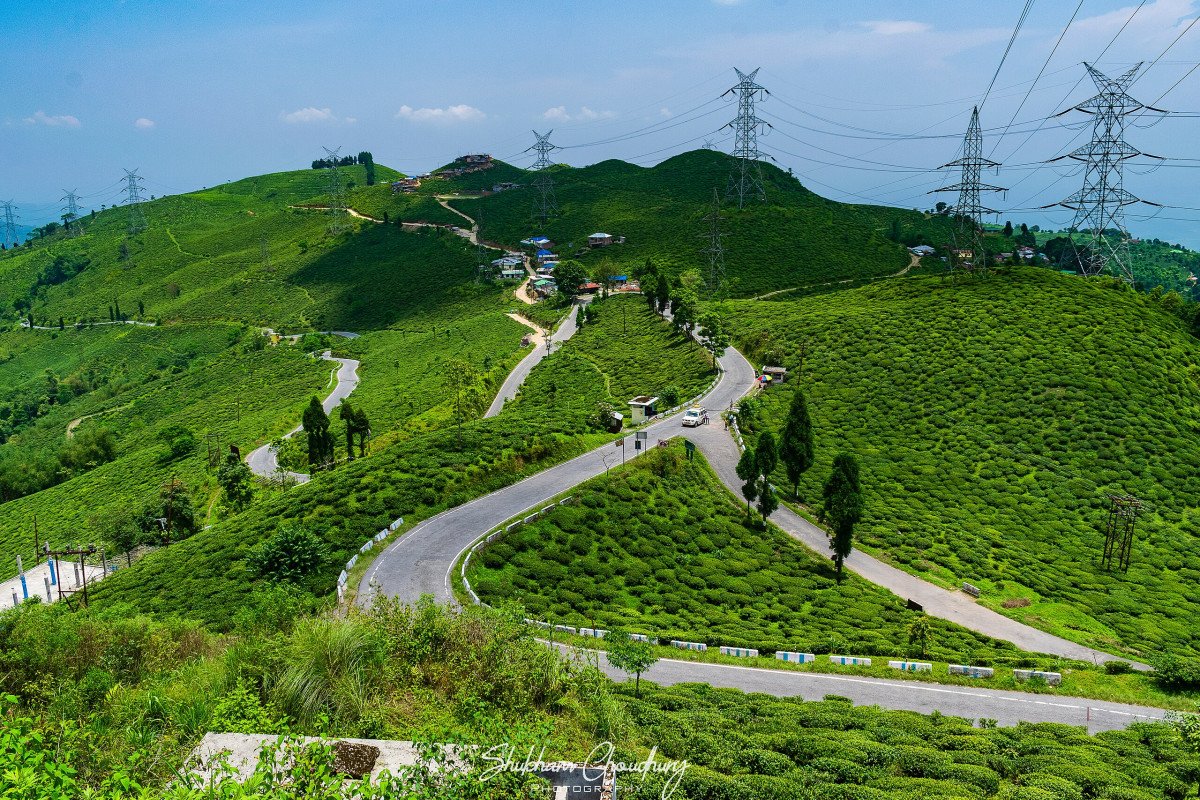
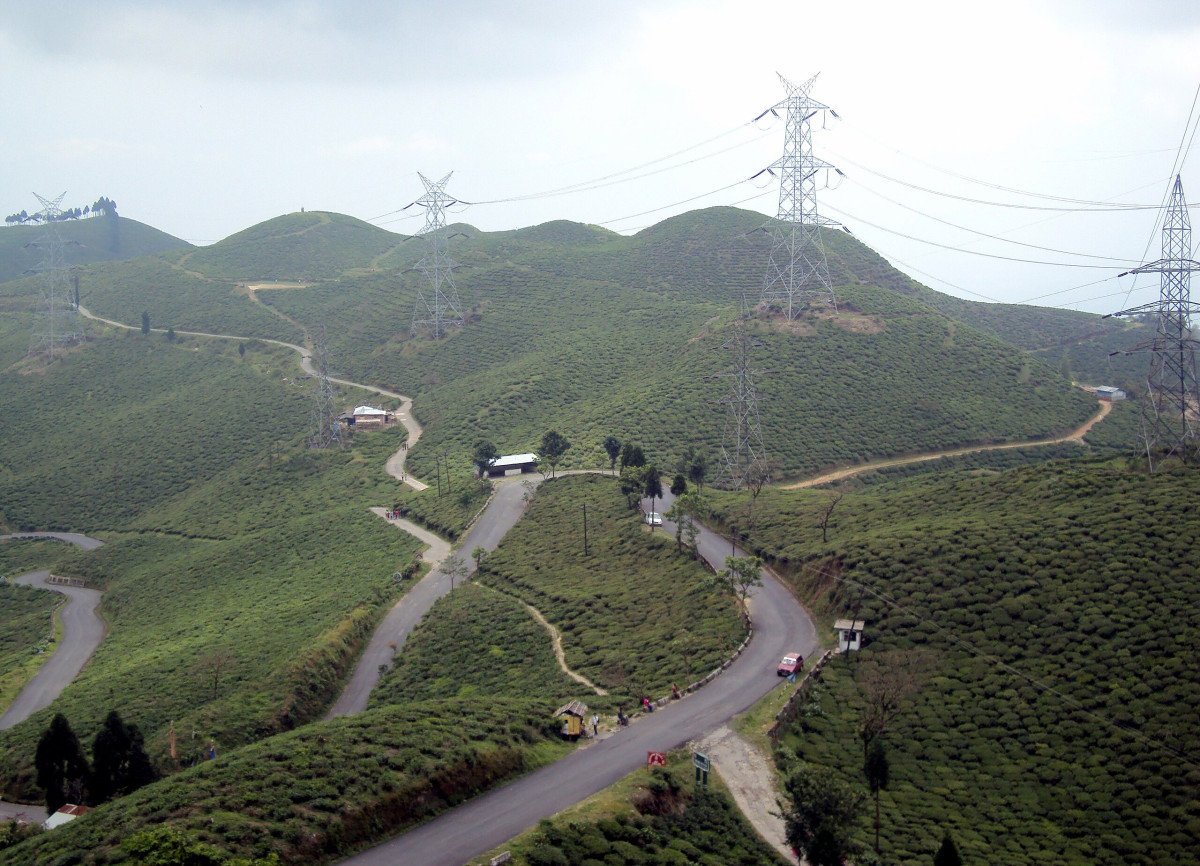
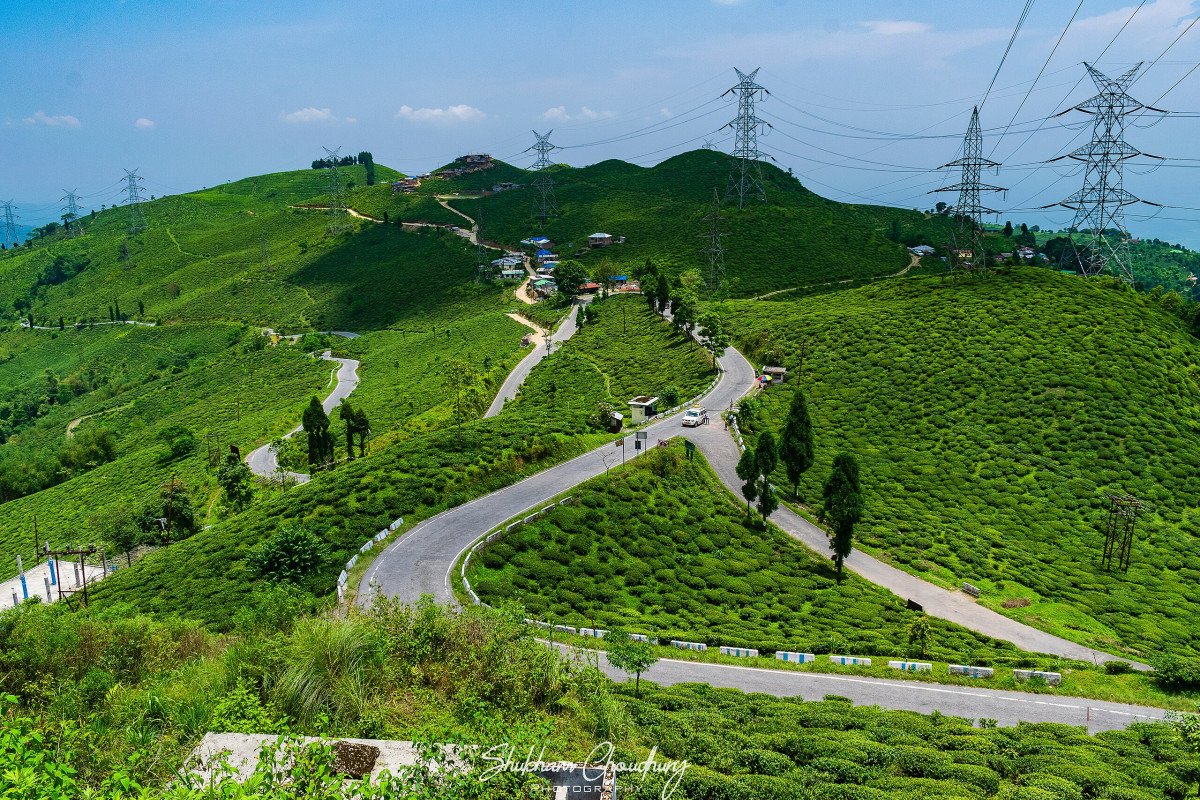
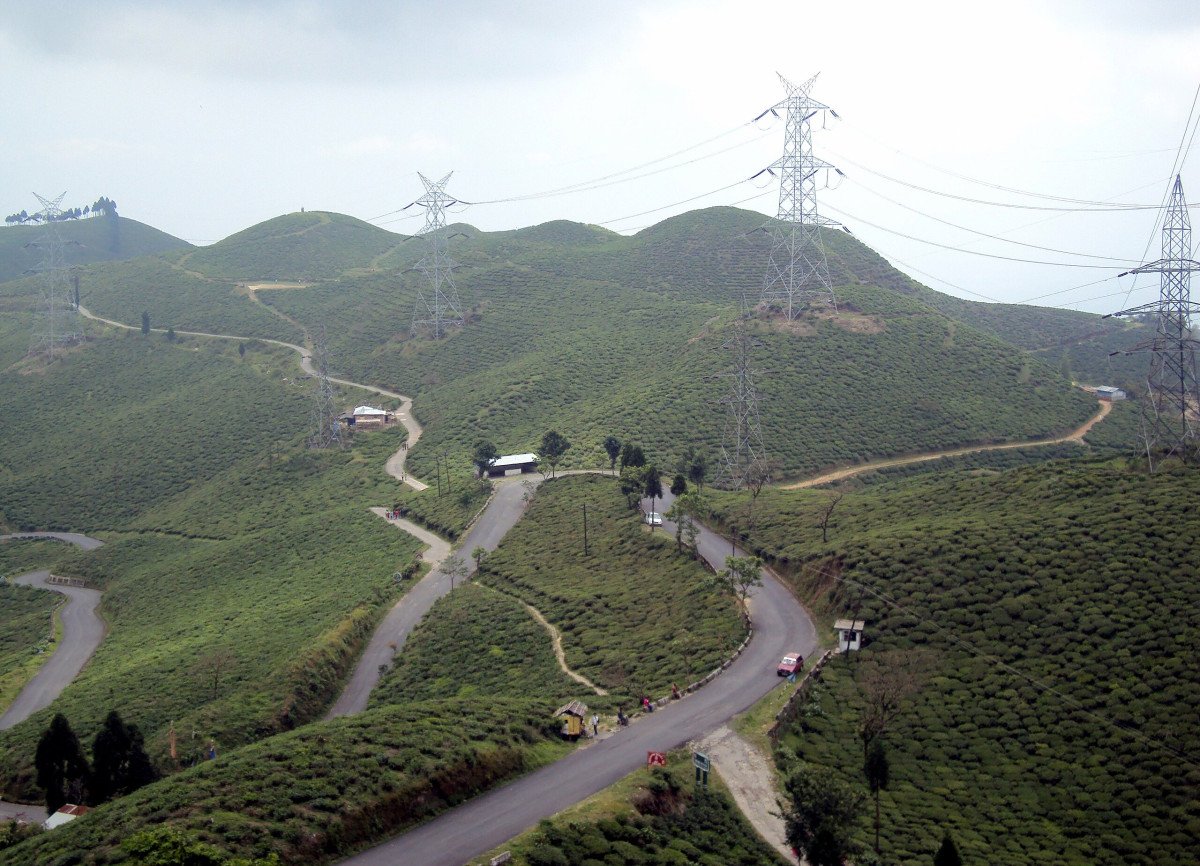
Tingling Viewpoint: Ideal for capturing the winding roads and the vast expanse of the tea gardens.
Sumendu Lake Forest Path: The misty morning light filtering through the tall pine trees creates a dreamy, ethereal atmosphere. :Photo Gallery
Things To Do
 The All India Radio Station Hill, while not a formal tourist attraction, offers a fantastic vantage point to soak in the beauty of **Mirik**. It's located on one of the hills overlooking the town, and the ascent provides a quiet, peaceful walk through lush greenery. From the top, you can see the entire **Mirik** valley, with the shimmering **Sumendu Lake** at its heart, surrounded by dense pine forests and rolling tea gardens. The air is fresh and crisp, and the tranquility is perfect for a moment of quiet contemplation. The station itself is a functional building, but the surrounding area is what draws people in for its panoramic views. *
The **Devi Stan Mandir** is a significant religious site dedicated to the Hindu Goddess **Ma Durga** and other deities like Lord **Shiva**, Goddess **Kali**, Lord **Hanuman**, and Lord **Ganesh**. Situated atop a small hill overlooking the beautiful **Sumendu Lake** in **Mirik**, this temple complex offers a blend of spiritual solace and natural beauty. The temple's location is particularly scenic, surrounded by lush green pine and rhododendron forests, making the ascent a pleasant walk. The structure itself is relatively modest but holds immense religious importance for the local Hindu community. Devotees and tourists visit the temple not just for prayer but also to soak in the tranquil atmosphere and enjoy the panoramic views of the surrounding hills and the placid lake below. The walk to the temple is an experience in itself, winding through the forested path and offering glimpses of the valley. It serves as a spiritual anchor for the region, fostering a sense of peace and devotion. The air is clean, and the environment is exceptionally quiet, punctuated only by the sounds of temple bells and occasional prayers. It is an integral part of the **Mirik** cultural and spiritual landscape, attracting visitors seeking blessings and a quiet moment for reflection. The temple is one of the main attractions near **Sumendu Lake**, often visited by people walking the footbridge that spans the lake. The belief associated with the temple provides a strong magnetic pull for pilgrims from various parts of **West Bengal** and neighboring states. Its location on the hill ensures that it remains an elevated point of sanctity and natural vantage.
The All India Radio Station Hill, while not a formal tourist attraction, offers a fantastic vantage point to soak in the beauty of **Mirik**. It's located on one of the hills overlooking the town, and the ascent provides a quiet, peaceful walk through lush greenery. From the top, you can see the entire **Mirik** valley, with the shimmering **Sumendu Lake** at its heart, surrounded by dense pine forests and rolling tea gardens. The air is fresh and crisp, and the tranquility is perfect for a moment of quiet contemplation. The station itself is a functional building, but the surrounding area is what draws people in for its panoramic views. *
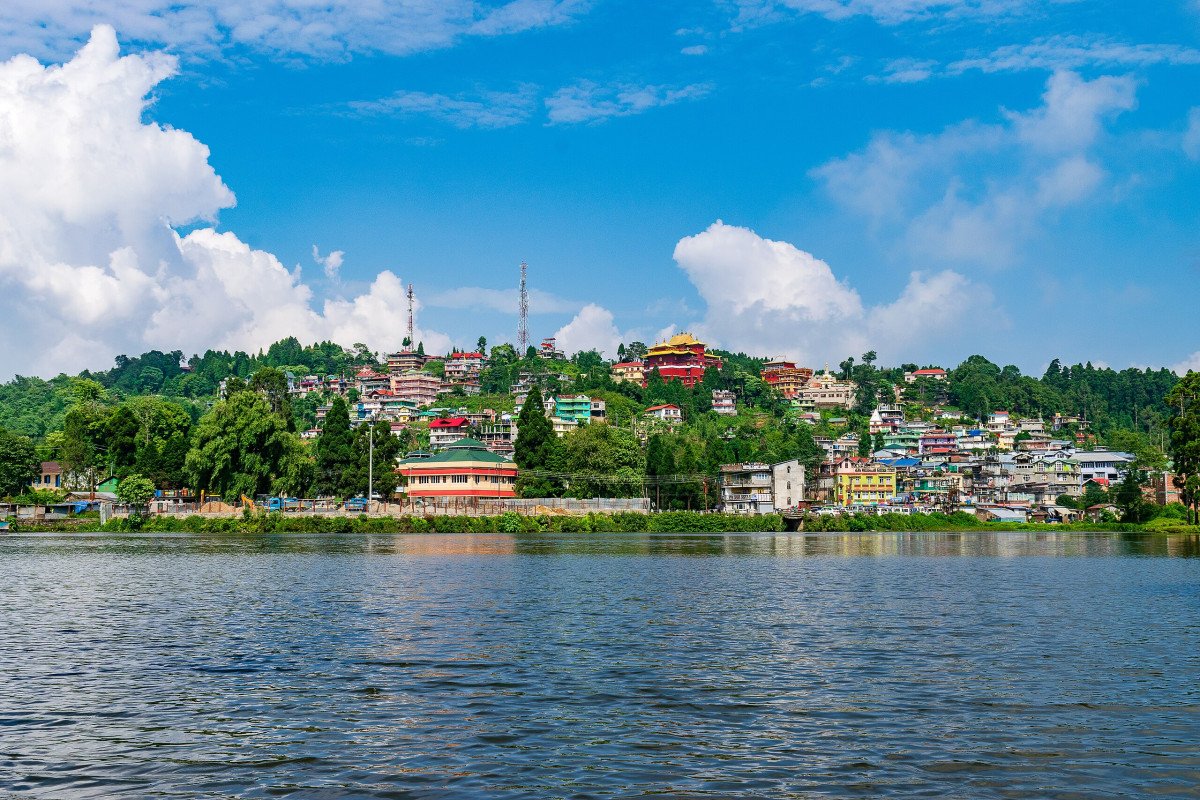
The **Devi Stan Mandir** is a significant religious site dedicated to the Hindu Goddess **Ma Durga** and other deities like Lord **Shiva**, Goddess **Kali**, Lord **Hanuman**, and Lord **Ganesh**. Situated atop a small hill overlooking the beautiful **Sumendu Lake** in **Mirik**, this temple complex offers a blend of spiritual solace and natural beauty. The temple's location is particularly scenic, surrounded by lush green pine and rhododendron forests, making the ascent a pleasant walk. The structure itself is relatively modest but holds immense religious importance for the local Hindu community. Devotees and tourists visit the temple not just for prayer but also to soak in the tranquil atmosphere and enjoy the panoramic views of the surrounding hills and the placid lake below. The walk to the temple is an experience in itself, winding through the forested path and offering glimpses of the valley. It serves as a spiritual anchor for the region, fostering a sense of peace and devotion. The air is clean, and the environment is exceptionally quiet, punctuated only by the sounds of temple bells and occasional prayers. It is an integral part of the **Mirik** cultural and spiritual landscape, attracting visitors seeking blessings and a quiet moment for reflection. The temple is one of the main attractions near **Sumendu Lake**, often visited by people walking the footbridge that spans the lake. The belief associated with the temple provides a strong magnetic pull for pilgrims from various parts of **West Bengal** and neighboring states. Its location on the hill ensures that it remains an elevated point of sanctity and natural vantage. **Sumendu Lake**, also famously known as **Mirik Lake**, is the principal draw and focal point of the entire town. This magnificent man-made lake spans an impressive length of approximately **1.25 kilometers** and is fed naturally by rainwater, ensuring it remains full and vibrant throughout the year. The lake is geographically split into two distinct banks, each offering a unique scenic experience. The western bank is dramatically enveloped by a dense plantation of Cryptomeria and Pine trees, locally referred to as the **Dhupi** forest, which provides shaded walking trails. In contrast, the eastern bank features a well-maintained, expansive green garden, perfect for relaxation and picnics, which was historically a Polo ground during the British colonial era. Connecting these two contrasting banks in the middle is a structural marvel, the elegant **80-foot long arch footbridge** known as **Indreni Pull** (Rainbow Bridge). A total paved pathway of about **3.5 kilometers** encircles the entire lake, providing a continuous, scenic track for leisurely walks, offering continuous views of the surrounding hills and, on a clear day, the snow-capped **Mount Kanchenjunga** in the distance. The lake is home to numerous fishes, and feeding them from the bridge area is a popular activity for tourists. (Word Count: 185) The lakes tranquil waters and the surrounding lush greenery create a picture-postcard setting, perfectly embodying the peaceful charm of Mirik. The depth of the lake is variable, ranging from about 3 feet to a maximum of **25 feet**. Boating is a favorite activity here, offering a unique perspective of the town and the bridge. Historically, the area was a marshland before being developed into the lake that exists today. The development was carefully planned to enhance the natural environment, turning the marsh into the beautiful aquatic centerpiece that attracts thousands of visitors annually. The lake is an integral part of Mirik's identity, symbolizing the towns serene retreat status. The environment around the lake is kept pristine, offering fresh mountain air and a quiet, unhurried pace of life, which is a significant contrast to the bustling cities of the plains. (Word Count: 215)
 Don Bosco Church in Mirik is one of the most beautiful and serene Roman Catholic churches in the Darjeeling hills. Perched on a hill slope just above the Sumendu Lake, it stands as a testament to the spiritual diversity of the region. The church was established by the Salesians of Don Bosco and is part of a larger educational complex that has served the local community for decades. Unlike many colonial-era churches in the region, this edifice features a more modern architectural style while retaining a sense of timeless solemnity. The interior is characterized by its simplicity and the soft light that filters through the windows, creating an atmosphere perfect for quiet prayer and meditation. The altar is beautifully carved and features a prominent statue of St. John Bosco. Surrounded by well-maintained gardens and the residential quarters of the mission, the church offers a stark contrast to the busy bazaar below. The walk up to the church involves a gentle climb through a wooded area, providing glimpses of the lake through the trees. It is highly regarded by locals and tourists alike for its peaceful vibes, making it a "haven for the soul." Many visitors come here not just for religious reasons, but to enjoy the silence and the stunning views of the Mirik valley from its courtyard.
The **Bokar Institute Library** is part of the **Bokar Ngedhon Chokhor Ling Monastery**, a renowned center for Buddhist studies and meditation in the **Kagyu** tradition of Tibetan Buddhism. The library, a part of the institute, houses a vast collection of Buddhist scriptures, texts, and teachings. It is a place of profound spiritual significance and tranquility. While not a typical tourist attraction, it is a place for quiet contemplation and learning. Visitors can feel the serene and spiritual energy that permeates the air, making it a truly unique experience. The library is a testament to the dedication of the monks to preserving and passing on their ancient knowledge. *
Don Bosco Church in Mirik is one of the most beautiful and serene Roman Catholic churches in the Darjeeling hills. Perched on a hill slope just above the Sumendu Lake, it stands as a testament to the spiritual diversity of the region. The church was established by the Salesians of Don Bosco and is part of a larger educational complex that has served the local community for decades. Unlike many colonial-era churches in the region, this edifice features a more modern architectural style while retaining a sense of timeless solemnity. The interior is characterized by its simplicity and the soft light that filters through the windows, creating an atmosphere perfect for quiet prayer and meditation. The altar is beautifully carved and features a prominent statue of St. John Bosco. Surrounded by well-maintained gardens and the residential quarters of the mission, the church offers a stark contrast to the busy bazaar below. The walk up to the church involves a gentle climb through a wooded area, providing glimpses of the lake through the trees. It is highly regarded by locals and tourists alike for its peaceful vibes, making it a "haven for the soul." Many visitors come here not just for religious reasons, but to enjoy the silence and the stunning views of the Mirik valley from its courtyard.
The **Bokar Institute Library** is part of the **Bokar Ngedhon Chokhor Ling Monastery**, a renowned center for Buddhist studies and meditation in the **Kagyu** tradition of Tibetan Buddhism. The library, a part of the institute, houses a vast collection of Buddhist scriptures, texts, and teachings. It is a place of profound spiritual significance and tranquility. While not a typical tourist attraction, it is a place for quiet contemplation and learning. Visitors can feel the serene and spiritual energy that permeates the air, making it a truly unique experience. The library is a testament to the dedication of the monks to preserving and passing on their ancient knowledge. * **Rai Dhap Lake** is not the main, popular **Sumendu Lake (Mirik Lake)**, but rather a smaller, lesser-known, yet significant water body in **Mirik**. The name 'Rai Dhap' literally means 'King's Step' or 'Royal Spring' in the local language, suggesting its importance as a water source. It primarily serves as a crucial source of **drinking water** for the residents of **Mirik** town. Situated at an elevation near or slightly above the main town area, it is also cherished by locals and informed tourists as a quiet and **ideal picnic spot**. Unlike the bustling **Sumendu Lake** with its commercial activities, **Rai Dhap** offers a more tranquil and secluded environment. Surrounded by the characteristic lush greenery of the **Darjeeling** hills, the area provides a peaceful retreat perfect for relaxation, gentle walks, and enjoying nature's quietude. The proximity of several homestays and resorts indicates its increasing recognition as a peaceful getaway destination. The focus here is less on structured activities like boating and more on the simple enjoyment of nature and quiet contemplation. Its role as a vital municipal water source also highlights its environmental importance to the town of **Mirik**. It's a place where one can truly unwind away from the main tourist crowds.
**Rameetay Dara** is a premier viewpoint in **Mirik**, often considered one of the most rewarding stops on the local sightseeing circuit. The name 'Dara' means a **hilltop** or **viewing point** in the local **Nepali** language, and 'Rameetay' implies **enjoyment** or a place for delightful views. Situated at a comfortable altitude, the viewpoint offers a truly breathtaking, 360-degree panoramic vista. To the south, the view descends into the rolling hills covered with lush **tea gardens** and stretches out to the vast, flat plains of **Siliguri** and the **Terai** region. On a clear day, the expanse of the plains, often appearing hazy and endless, provides a striking contrast to the immediate mountainous terrain. To the north, the perspective captures the entire upper **Mirik Valley**, including clear sightings of the **Sumendu Lake** and the distinctive red-and-gold roofs of the nearby **Bokar Monastery**. However, its most famed view is the awe-inspiring backdrop of the eastern **Himalayas**. When the weather is favorable, usually during the colder months, the magnificent snow-capped peaks of the **Kanchenjunga** range dominate the horizon, presenting a majestic, unforgettable sight. The viewpoint is easily accessible by a short diversion from the road leading to **Bokar Monastery**, making it a popular and convenient stop. The area itself is generally undeveloped, maintaining a rustic charm with natural vegetation and simple resting spots, allowing the focus to remain purely on the expansive natural canvas. The atmosphere is invigorating, marked by the cool, crisp mountain air and the sense of standing on the edge of a massive geographical transition from mountains to plains. ***Show All
@@Overview of Schooldara: Schooldara is a charming and historically significant ridge in Mirik, known for its concentration of educational institutions and its peaceful residential vibe. The name literally translates to "School Hill" or "School Ridge," as it is home to some of the town's oldest and most prestigious schools. This area offers a different vibe compared to the commercial center of Mirik, characterized by colonial-style buildings and neatly maintained school campuses. The ridge provides a wonderful view of the Sumendu Lake from a higher elevation, allowing visitors to see the entire layout of the lake and the bridge. Walking through Schooldara is like stepping back in time, as the architecture of the schools often reflects the British era. The roads here are lined with large trees, and the atmosphere is academic and quiet. It is a great place for a leisurely stroll, where one can observe the local life of students and residents. The hilltop location ensures that the air is always cool and fresh. Many small homestays and guesthouses are located here, offering tourists a more authentic and quiet stay. The ridge also provides views of the surrounding orange orchards and tea plantations. It is a central point from which many other attractions like the Bokar Monastery can be reached. The local community in Schooldara is warm and welcoming, often seen tending to their home gardens which are filled with seasonal flowers. For those interested in the social fabric of Mirik, this area is a must-visit. It represents the "brains" of the town, where generations of locals have received their education. The view of the sunset from this ridge is equally beautiful, as the lights of the town begin to twinkle around the dark waters of the lake below. It is a place of balance, where nature and human development coexist harmoniously.
**Rai Dhap Lake** is not the main, popular **Sumendu Lake (Mirik Lake)**, but rather a smaller, lesser-known, yet significant water body in **Mirik**. The name 'Rai Dhap' literally means 'King's Step' or 'Royal Spring' in the local language, suggesting its importance as a water source. It primarily serves as a crucial source of **drinking water** for the residents of **Mirik** town. Situated at an elevation near or slightly above the main town area, it is also cherished by locals and informed tourists as a quiet and **ideal picnic spot**. Unlike the bustling **Sumendu Lake** with its commercial activities, **Rai Dhap** offers a more tranquil and secluded environment. Surrounded by the characteristic lush greenery of the **Darjeeling** hills, the area provides a peaceful retreat perfect for relaxation, gentle walks, and enjoying nature's quietude. The proximity of several homestays and resorts indicates its increasing recognition as a peaceful getaway destination. The focus here is less on structured activities like boating and more on the simple enjoyment of nature and quiet contemplation. Its role as a vital municipal water source also highlights its environmental importance to the town of **Mirik**. It's a place where one can truly unwind away from the main tourist crowds.
**Rameetay Dara** is a premier viewpoint in **Mirik**, often considered one of the most rewarding stops on the local sightseeing circuit. The name 'Dara' means a **hilltop** or **viewing point** in the local **Nepali** language, and 'Rameetay' implies **enjoyment** or a place for delightful views. Situated at a comfortable altitude, the viewpoint offers a truly breathtaking, 360-degree panoramic vista. To the south, the view descends into the rolling hills covered with lush **tea gardens** and stretches out to the vast, flat plains of **Siliguri** and the **Terai** region. On a clear day, the expanse of the plains, often appearing hazy and endless, provides a striking contrast to the immediate mountainous terrain. To the north, the perspective captures the entire upper **Mirik Valley**, including clear sightings of the **Sumendu Lake** and the distinctive red-and-gold roofs of the nearby **Bokar Monastery**. However, its most famed view is the awe-inspiring backdrop of the eastern **Himalayas**. When the weather is favorable, usually during the colder months, the magnificent snow-capped peaks of the **Kanchenjunga** range dominate the horizon, presenting a majestic, unforgettable sight. The viewpoint is easily accessible by a short diversion from the road leading to **Bokar Monastery**, making it a popular and convenient stop. The area itself is generally undeveloped, maintaining a rustic charm with natural vegetation and simple resting spots, allowing the focus to remain purely on the expansive natural canvas. The atmosphere is invigorating, marked by the cool, crisp mountain air and the sense of standing on the edge of a massive geographical transition from mountains to plains. ***Show All
@@Overview of Schooldara: Schooldara is a charming and historically significant ridge in Mirik, known for its concentration of educational institutions and its peaceful residential vibe. The name literally translates to "School Hill" or "School Ridge," as it is home to some of the town's oldest and most prestigious schools. This area offers a different vibe compared to the commercial center of Mirik, characterized by colonial-style buildings and neatly maintained school campuses. The ridge provides a wonderful view of the Sumendu Lake from a higher elevation, allowing visitors to see the entire layout of the lake and the bridge. Walking through Schooldara is like stepping back in time, as the architecture of the schools often reflects the British era. The roads here are lined with large trees, and the atmosphere is academic and quiet. It is a great place for a leisurely stroll, where one can observe the local life of students and residents. The hilltop location ensures that the air is always cool and fresh. Many small homestays and guesthouses are located here, offering tourists a more authentic and quiet stay. The ridge also provides views of the surrounding orange orchards and tea plantations. It is a central point from which many other attractions like the Bokar Monastery can be reached. The local community in Schooldara is warm and welcoming, often seen tending to their home gardens which are filled with seasonal flowers. For those interested in the social fabric of Mirik, this area is a must-visit. It represents the "brains" of the town, where generations of locals have received their education. The view of the sunset from this ridge is equally beautiful, as the lights of the town begin to twinkle around the dark waters of the lake below. It is a place of balance, where nature and human development coexist harmoniously.Hotels
● Bhagirath Homestay
Address: Near Boker Monastery, Mirik, West Bengal
Distance:
Details: Offers clean, comfortable rooms, free on-site parking, and Wi-Fi in communal areas. A budget-friendly homestay experience in a quiet, scenic location ...
Affordable Stay In Mirik
● Hotel Jagjeet
Address: Krishnanagar, Mirik, West Bengal
Distance:
Details: A popular 3-star hotel located near the lake. Features an in-house restaurant, Wi-Fi, and well-appointed rooms. Known for its traditional hospitality ...
Best Hotels In Mirik Darjeeling
● BIRD SONG HOME
Address: Mirik, West Bengal
Distance:
Details: A 4-star homestay offering a luxurious atmosphere with a kitchenette, shared living room, and barbecue facilities. Nestled in a beautiful scenic locat...
Best Places To Stay In Mirik
● Echo Hotel and Spa
Address: Mirik, West Bengal
Distance:
Details: Renowned for its breathtaking valley views. Offers an on-site spa, luxurious rooms, and excellent service to complement the scenery....
Best View Hotels In Mirik
● Gorkha Heritage Stay
Address: Mirik, West Bengal
Distance:
Details: A very affordable stay option offering basic, clean, and comfortable rooms for budget-conscious travelers in a quiet location....
Budget Friendly Hotels In Mirik
● SEWANS PLACE Homestay
Address: Mirik, West Bengal
Distance:
Details: Features a kitchen, free WiFi, and mountain views. Known for exceptional hospitality, clean rooms, and a welcoming atmosphere suitable for budget trav...
Budget Hotels Near Mirik Lake
● Mirik Holidays Homestay
Address: Mirik, West Bengal
Distance:
Details: Cozy rooms with hill views, kitchenette, living room, and caretaker service. Known for delicious home-cooked meals....
Cheap Guesthouses In Mirik
● Mount Queens Hill Lake Resort & Spa
Address: Dilmaya Rd, Mirik, West Bengal
Distance:
Details: Resort with spa services, kids-friendly environment, restaurant, and early check-in. Great for family vacations....
Family Friendly Resorts In Mirik
● Sunakhari Homestay
Address: Mirik, West Bengal
Distance:
Details: Exceptional ratings, free private parking, daily room service, and a quiet location perfect for relaxation....
Homestays In Mirik
● Mount Queens Hill Lake Resort & Spa
Address: Dilmaya Rd, Mirik, West Bengal
Distance:
Details: A romantic resort with a spa, great views, and couple-friendly amenities. Ideal for a relaxing, intimate honeymoon stay....
Hotels In Mirik For Honeymoon
● Mount Queens Hill Lake Resort & Spa
Address: Dilmaya Rd, Mirik, West Bengal
Distance:
Details: Resort with restaurant, bonfire, parking, and scenic hill views. Ideal for couples seeking a peaceful, comfortable retreat with tour assistance....
Hotels In Mirik West Bengal
● Riverside Valley Eco-Farm
Address: Bungkulung Rd, Mirik, West Bengal
Distance:
Details: A unique, intimate, and romantic eco-stay in a lush valley with river access. Perfect for couples who love nature....
Hotels In Mirik, India
● Mount Queens Hill Lake Resort & Spa
Address: Dilmaya Rd, Mirik, West Bengal
Distance:
Details: Resort with restaurant, bonfire, parking, and scenic hill views. Ideal for couples seeking a peaceful, comfortable retreat with tour assistance....
Hotels Near Mirik Lake
● Mount Queens Hill Lake Resort & Spa
Address: Dilmaya Rd, Mirik, West Bengal
Distance:
Details: Resort with restaurant, bonfire, parking, and scenic hill views. Ideal for couples seeking a peaceful, comfortable retreat with tour assistance....
Lake View Resorts In Mirik
● Amaira Resort & Farms
Address: Deosa Dara Rd, Mirik, West Bengal
Distance:
Details: Luxury resort with multi-cuisine dining, kids' play area, forest barbeques, and live music. Wheelchair accessible with free Wi-Fi and airport transfer...
Luxury Hotels In Mirik
● Amaira Resort & Farms
Address: Deosa Dara Rd, Mirik, West Bengal
Distance:
Details: Luxury resort with multi-cuisine dining, kids' play area, forest barbeques, and live music. Wheelchair accessible with free Wi-Fi and airport transfer...
Luxury Resorts In Mirik
● Hotel Jagjeet
Address: Krishnanagar, Mirik, West Bengal 734214
Distance:
Details: Free Wi-Fi, Restaurant, Free Cancellation, Free Breakfast, Laundry service, Parking, Travel desk, 24-hour front desk, Well-maintained rooms, Central l...
Mirik Guest House
● Lake View Homestay
Address: Thana Line, Thurbo, Mirik, West Bengal 734214
Distance:
Details: Scenic lake views, Clean rooms, Budget-friendly, Helpful staff, Easy online booking, Nearby local attractions, Peaceful atmosphere, Family-friendly, B...
Mirik Homestay Booking
● Hotel Jagjeet
Address: Krishnanagar, Mirik, West Bengal 734214
Distance:
Details: Free Wi-Fi, Restaurant, Free Cancellation, Free Breakfast, Laundry service, Parking, Travel desk, 24-hour front desk, Well-maintained rooms, Central l...
Mirik Hotels With Breakfast
● Mount Queens Hill Lake Resort & Spa
Address: Dilmaya Rd, Mirik, West Bengal
Distance:
Details: Couple friendly, Restaurant, Free cancellation, Early check-in/late check-out, Spa, Wi-Fi, Scenic views, Comfortable stay, Well-maintained, Profession...
Mirik Resort Booking
● Hotel Jagjeet
Address: Krishnanagar, Mirik, West Bengal 734214
Distance:
Details: Free Wi-Fi, Restaurant, Free Cancellation, Free Breakfast, Laundry service, Parking, Travel desk, 24-hour front desk, Well-maintained rooms, Central l...
Mirik Tourism Hotels
Show AllInformation
-
Why Famous:
Why Famous Place: Mirik is primarily famous for Sumendu Lake, one of the most beautiful high-altitude lakes in West Bengal.
Panoramic Views: It offers one of the best viewpoints for the Kanchenjunga range without the extreme cold of higher a...Why Famous Place: Mirik is primarily famous for Sumendu Lake, one of the most beautiful high-altitude lakes in West Bengal.
Panoramic Views: It offers one of the best viewpoints for the Kanchenjunga range without the extreme cold of higher altitudes.
Tea Estates: The town is surrounded by some of the finest tea gardens in the world, including Thurbo and Sourenee.
Bokar Monastery: It is a world-renowned center for Buddhist meditation and studies, attracting practitioners from all over.
Orange Orchards: Mirik is famous for its high-quality oranges, which transform the hillsides into vibrant shades of orange during the Winter harvest season. : -
Architecture:
Place Architecture: The architectural highlights of Mirik are centered around religious and recreational structures.
Sumendu Lake Bridge: The Indreni Pull (Rainbow Bridge) is an arched footbridge approximately 80 feet in length, designed wit...Place Architecture: The architectural highlights of Mirik are centered around religious and recreational structures.
Sumendu Lake Bridge: The Indreni Pull (Rainbow Bridge) is an arched footbridge approximately 80 feet in length, designed with a classic aesthetic that mimics traditional mountain bridges.
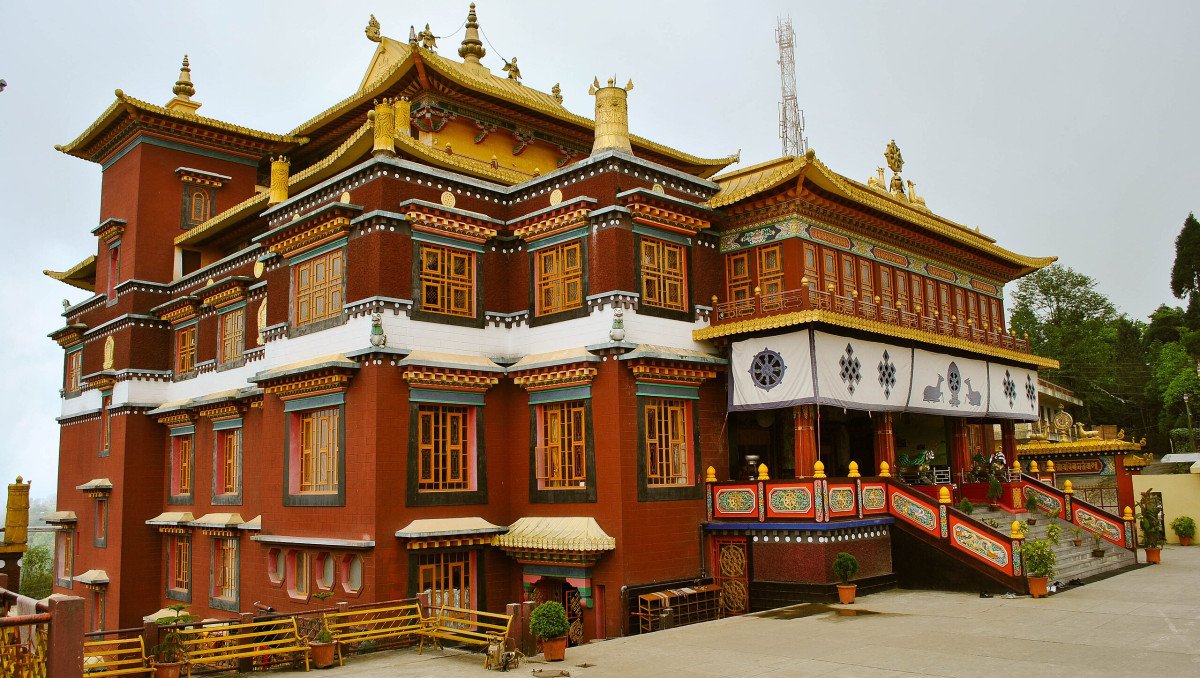
Bokar Monastery: Built in 1984, this monastery features traditional Tibetan monastic architecture. It includes a large prayer hall (Dukhang) with a grand statue of Lord Buddha and intricate thangka paintings. The golden roof and colorful carvings are representative of the Himalayan Buddhist style.
Residential Style: Local houses often feature "Assam-type" architecture with sloping tin roofs and wooden frameworks to withstand heavy rains and seismic activity. The Thurbo Tea Estate factory also showcases colonial-era industrial architecture. : -
How To Reach:
Place How to Reach: Mirik is easily accessible from the plains of North Bengal.
By Air: The nearest airport is Bagdogra International Airport (IXB), located about 52 km away. Taxis are readily available at the airport for a direct drive to ...Place How to Reach: Mirik is easily accessible from the plains of North Bengal.
By Air: The nearest airport is Bagdogra International Airport (IXB), located about 52 km away. Taxis are readily available at the airport for a direct drive to Mirik, which takes about 1. 5 to 2 hours.
By Train: The nearest major railway station is New Jalpaiguri (NJP), about 52 km from Mirik. From NJP, you can take a private taxi, a shared jeep, or a state-run bus.
By Road: Mirik is well-connected to Siliguri, Darjeeling, and Kurseong. From Siliguri, the drive via Matigara and Dudhia is very scenic and takes about 2 hours. From Darjeeling, it is about 49 km (roughly 2. 5 hours) via the beautiful border road.
By Local Transport: Within Mirik, most attractions are within walking distance of the lake. For further sightseeing, you can hire local taxis or "Totos" for short distances. : -
Weather and Best Time to Visit:
Place Best Time to Visit: The best time to visit Mirik is from March to June and from September to December.
Spring/Summer: March to June offers pleasant weather with clear skies and blooming flowers.
Autumn/Win...Place Best Time to Visit: The best time to visit Mirik is from March to June and from September to December.
Spring/Summer: March to June offers pleasant weather with clear skies and blooming flowers.
Autumn/Winter: September to December provides the best views of the Himalayas and is the season for oranges.
Monsoon: July to August sees heavy rainfall, which makes the hills lush green but can cause landslides and limit outdoor activities.
Part of Day: Morning is best for the lake and monastery, while evening is ideal for the bazaar. : -
Near Tourist Places:
Sumendu Lake (0 km), Bokar Monastery (1 km), Pashupati Market (15 km), Tingling Viewpoint (9 km), Thurbo Tea Estate (2 km), Dudhia (20 km), Darjeeling (49 km), Kurseong (26 km), Lepchajagat (35 km), Bunkulung (15 km)
Tourism Tips
-
Place Tourism Tips: Mirik is a hilly area, so be prepared for winding roads.
Health & Safety: If you suffer from motion sickness, carry medication for the drive. The water in the lake is not for swimming.
Packi...Place Tourism Tips: Mirik is a hilly area, so be prepared for winding roads.
Health & Safety: If you suffer from motion sickness, carry medication for the drive. The water in the lake is not for swimming.
Packing: Even in Summer, carry a light sweater. In Winter, heavy woolens are necessary as temperatures can drop to 2°C.
Accommodation: Stay in a lake-view hotel or a nearby tea garden homestay like Sourenee for a better experience.
Other Topics: Respect local customs when visiting the monastery—remove shoes and don't take photos inside the sanctum. Plastic use is discouraged to keep the lake clean. :
Reviews
FAQs
Information about New and Updated Locations() of West Bengal Has Been Added :-
Card subtitle
Note:-
Information provided here in good Faith and for reference only.
All information and pictures will be updated soon, please keep visiting.
Near Places
Bakkhali
Some quick example text to build on the card title and make up the bulk of the card's content.
Go somewhere
Bankura
Some quick example text to build on the card title and make up the bulk of the card's content.
Go somewhere
Bishnupur
Some quick example text to build on the card title and make up the bulk of the card's content.
Go somewhere
Cooch Behar
Some quick example text to build on the card title and make up the bulk of the card's content.
Go somewhere
Darjeeling
Some quick example text to build on the card title and make up the bulk of the card's content.
Go somewhere
Digha
Some quick example text to build on the card title and make up the bulk of the card's content.
Go somewhere
Dooars
Some quick example text to build on the card title and make up the bulk of the card's content.
Go somewhere
Kalimpong
Some quick example text to build on the card title and make up the bulk of the card's content.
Go somewhere
Kolkata
Some quick example text to build on the card title and make up the bulk of the card's content.
Go somewhere
Kurseong
Some quick example text to build on the card title and make up the bulk of the card's content.
Go somewherein Other Cities