

Munger
General information
-
Ideal Duration:
1 to 2 DaysPlace Type:
Historical, Spiritual, and NatureEntry Fees:
Public Sites: Most historical sites like Munger Fort and Kastaharni Ghat have No Entry Fee for all visitors.
Sanctuary Charges: Bhimbandh Wildlife Sanctuary may charge a nominal fee of Rs.20-Rs.50 for vehicle entry and forest guards. ...Public Sites: Most historical sites like Munger Fort and Kastaharni Ghat have No Entry Fee for all visitors.
Sanctuary Charges: Bhimbandh Wildlife Sanctuary may charge a nominal fee of Rs.20-Rs.50 for vehicle entry and forest guards.Timing:
General Visiting: Munger Fort is open from 6:00 AM to 6:00 PM; Kastaharni Ghat is accessible 24 Hours.
Ideal Visit Time: Early morning at 6:30 AM for the river view and late afternoon at 4:00 PM for the fort walk. ...General Visiting: Munger Fort is open from 6:00 AM to 6:00 PM; Kastaharni Ghat is accessible 24 Hours.
Ideal Visit Time: Early morning at 6:30 AM for the river view and late afternoon at 4:00 PM for the fort walk.Special Events:
Yoga Poornima: A grand celebration at the Bihar School of Yoga attracting thousands of devotees and yoga practitioners globally.
Munger Mahotsav: An annual cultural festival showcasing local folk music, dance, and the rich history of the Mun...Yoga Poornima: A grand celebration at the Bihar School of Yoga attracting thousands of devotees and yoga practitioners globally.
Munger Mahotsav: An annual cultural festival showcasing local folk music, dance, and the rich history of the Munger district.Best Photo Spots:
Fort Ramparts: The elevated walls of Munger Fort provide a panoramic view of the wide Ganges river and the city.
Kastaharni Ghat: Perfect for capturing the morning rituals and the golden reflection of the sun on the northward flowing river. ...Fort Ramparts: The elevated walls of Munger Fort provide a panoramic view of the wide Ganges river and the city.
Kastaharni Ghat: Perfect for capturing the morning rituals and the golden reflection of the sun on the northward flowing river.
Chandisthan Temple: A beautiful ancient temple site that offers traditional architectural frames and a spiritual atmosphere.Photo Gallery
Things To Do
 @@History and Vision: The Bihar School of Yoga (BSY) was founded in 1963 by Sri Swami Satyananda Saraswati, a direct disciple of Swami Sivananda of Rishikesh. It is co-located with Ganga Darshan Vishwa Yogapeeth, situated on the historical Karna Chaura hill overlooking the Ganga river. The site, spread over 5.5 hectares, is an ancient energy center where Danaveer Mahayogi Karna of the Mahabharata era performed penance. The institution's philosophy, known as Bihar Yoga or Satyananda Yoga, emphasizes a holistic system incorporating Hatha, Raja, Karma, Bhakti, and Jnana Yoga, aiming for the elevation of human consciousness. BSY played a monumental role in disseminating the science of yoga globally, transforming Munger into the 'City of Yoga', a title bestowed by former President of India, Dr. APJ Abdul Kalam in 2004. The campus is a spiritual oasis where sadhana is perfected, promoting a vision of yogic life for the 21st century and inspiring a global fraternity of yoga practitioners. The school is revered for its systematic and scientific approach to the ancient discipline, making it one of the most respected yoga training centers in the world. Swami Satyananda had the revelation that 'Yoga is the culture of tomorrow' right here in Munger.:
Kali Pahadi is a significant religious and trekking site situated on the hilltop overlooking the industrial town of Jamalpur. It is dedicated to Goddess Kali and holds immense spiritual value for the local residents and railway workers. The hill provides a panoramic view of the entire Jamalpur workshop and the winding railway tracks below. The ascent to the temple involves a trek through rocky terrain and lush greenery, making it popular among adventure seekers. According to local belief, the Goddess protects the city and the railway workshop from calamities. During the monsoon, the hill turns into a vibrant green landscape with small seasonal waterfalls appearing in various crevices. It is not just a religious site but also a popular picnic spot for families on weekends. The site has several ancient stone implements found by archaeologists, suggesting its importance since the Paleolithic era. The peaceful environment at the top offers a meditative space away from the noise of the town. The trail is well-trodden but maintains a sense of wild exploration. It is a place where spirituality meets the rugged beauty of the Kharagpur hills:
@@History and Vision: The Bihar School of Yoga (BSY) was founded in 1963 by Sri Swami Satyananda Saraswati, a direct disciple of Swami Sivananda of Rishikesh. It is co-located with Ganga Darshan Vishwa Yogapeeth, situated on the historical Karna Chaura hill overlooking the Ganga river. The site, spread over 5.5 hectares, is an ancient energy center where Danaveer Mahayogi Karna of the Mahabharata era performed penance. The institution's philosophy, known as Bihar Yoga or Satyananda Yoga, emphasizes a holistic system incorporating Hatha, Raja, Karma, Bhakti, and Jnana Yoga, aiming for the elevation of human consciousness. BSY played a monumental role in disseminating the science of yoga globally, transforming Munger into the 'City of Yoga', a title bestowed by former President of India, Dr. APJ Abdul Kalam in 2004. The campus is a spiritual oasis where sadhana is perfected, promoting a vision of yogic life for the 21st century and inspiring a global fraternity of yoga practitioners. The school is revered for its systematic and scientific approach to the ancient discipline, making it one of the most respected yoga training centers in the world. Swami Satyananda had the revelation that 'Yoga is the culture of tomorrow' right here in Munger.:
Kali Pahadi is a significant religious and trekking site situated on the hilltop overlooking the industrial town of Jamalpur. It is dedicated to Goddess Kali and holds immense spiritual value for the local residents and railway workers. The hill provides a panoramic view of the entire Jamalpur workshop and the winding railway tracks below. The ascent to the temple involves a trek through rocky terrain and lush greenery, making it popular among adventure seekers. According to local belief, the Goddess protects the city and the railway workshop from calamities. During the monsoon, the hill turns into a vibrant green landscape with small seasonal waterfalls appearing in various crevices. It is not just a religious site but also a popular picnic spot for families on weekends. The site has several ancient stone implements found by archaeologists, suggesting its importance since the Paleolithic era. The peaceful environment at the top offers a meditative space away from the noise of the town. The trail is well-trodden but maintains a sense of wild exploration. It is a place where spirituality meets the rugged beauty of the Kharagpur hills: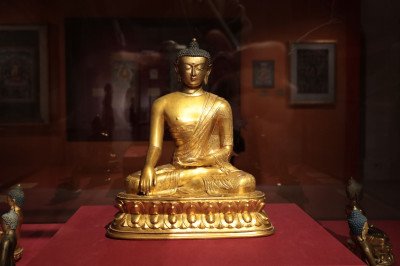 The Munger Museum is a vital cultural institution dedicated to showcasing the rich cultural, historical, and archaeological heritage of the Munger region, which was historically part of the ancient kingdom of Anga. Established to preserve artifacts unearthed from various sites in the district and surrounding areas, the museum houses a diverse and valuable collection. The exhibits span several periods, including prehistory, ancient history (particularly the Gupta and Pala periods), and the medieval and colonial eras. Key collections typically include exquisite stone sculptures, terracotta figurines, ancient pottery, metallic objects, coins, and rare manuscripts. The sculptures, especially those made from the black basalt of the nearby Kharagpur Hills during the Pala period, are notable for their artistic finesse and historical importance, representing a significant school of art in Eastern India. Visiting the Munger Museum offers a concentrated look into the region's historical evolution, complementing the narrative provided by the Munger Fort itself. It serves as an educational resource for students and a treasure trove for history enthusiasts and scholars seeking to understand the deep roots of civilization in this part of Bihar.
@@Historical and Religious Purity: Kastaharni Ghat is arguably the most sacred spot in Munger, its name literally meaning 'The bathing place which expels all pains or suffering' (Kashta Harini). Its profound religious significance is mentioned in the Adi Kanda of Valmiki's Ramayana, which records that Lord Rama and his brother Lakshmana rested and took a dip here to relieve their fatigue (kashta) on their return journey from Mithila to Ayodhya after Sita's marriage. The belief that a holy dip in the Ganga at this spot cleanses all sins and cures bodily pains is central to the devotion. Adding to its sanctity is the peculiar geographical feature: the Ganga flows northwards (Uttar Vahini Ganga) at this point, which is considered extremely auspicious in Hindu scripture. The presence of ancient shrines, including a rock where a Hindu sage named Mudgal Muni established a shrine in the 6th century, solidifies its role as a timeless paradise for pilgrims, saints, and devotees.:
@@Legend and Religious Significance: Rameshwar Kund is a revered natural hot water spring situated at the foot of the Kharagpur Hills. According to Hindu mythology, this kund is associated with Lord Rama. It is believed that during his exile, he stayed in this region and created this spring by shooting an arrow into the ground to provide water for his rituals. The water is naturally warm and is considered holy by devotees who come from far and wide to take a purifying dip. The site is a blend of natural beauty and spiritual serenity, offering a quiet escape from the city's hustle. @@Geological and Healing Properties: Apart from its religious roots, the kund is known for its mineral-rich water. Many locals and visitors believe the water possesses medicinal properties, particularly for skin ailments and joint pains. The spring maintains a consistent temperature throughout the year, even during the peak of winter. The surrounding area is lush with greenery, making it a popular spot for picnics and small pilgrimages. It represents the unique geothermal activity found in the Munger district, which is home to several such springs like Sita Kund and Rishi Kund.
Sita Kund is a profoundly sacred Hindu pilgrimage site and a unique natural wonder located about 6 kilometers east of Munger town. Its fame rests entirely on its mythological connection to the epic Ramayana. Local traditions and the site's folklore hold that after Goddess Sita was rescued from Lanka, she underwent the Agni Pariksha (trial by fire) to prove her purity. She emerged unharmed, but her body had absorbed immense heat. To cool and purify herself, she bathed in a pool at this location. It is believed that the very heat of her divine body, or the divine grace resulting from the trial, caused the spring to erupt as a hot spring, maintaining a constant temperature of around 60°C to this day. The site features the central, enclosed Sita Kund (the hot spring), an adjacent ancient temple dedicated to Rama and Sita, and a nearby reservoir of cold water known as Ram Kund. This striking difference in temperature between the two adjacent water bodies is a unique natural phenomenon, driven by deep-seated geothermal activity along the Munger-Saharsa Ridge Fault zone. It is a major pilgrimage center, particularly during the Maghi Purnima Mela.
Bhimbandh Wildlife Sanctuary is a sprawling natural haven located in the southern part of the Munger district. Established in 1976, it covers an area of over 681 sq km and is part of the lush Kharagpur hills. The sanctuary is most famous for its natural hot springs, which maintain a consistent temperature throughout the year. Legend says the name originates from a dam built by Bhim, the strongest of the Pandavas, during their exile. The terrain is a mix of undulating hills, dense forests, and plateaus, providing a habitat for diverse fauna including leopards, sloth bears, and various migratory birds. The presence of the Ganges river nearby adds to the fertility and biodiversity of the region. Visitors often come here to witness the unique geothermal activity where hot and cold water streams meet. It serves as a major ecological lung for Bihar, offering a peaceful escape from urban life. The area is also rich in medicinal plants and tribal folklore. Local communities often participate in the conservation efforts of the sanctuary. Despite its beauty, it remains an offbeat destination for those seeking tranquility. It is truly a paradise for birdwatchers and nature photographers alike:Show All
@@Seat of the Last Nawab: Mir Kasim's Palace is a historical ruin located within the massive perimeter of the Munger Fort. It served as the official residence and, more importantly, the capital of Nawab Mir Qasim of Bengal from 1760 to 1772. After shifting his capital from Murshidabad to Munger to escape the increasing interference of the British East India Company, Mir Qasim heavily fortified the existing fort and constructed this palace and a large arsenal nearby. The palace was a symbol of his short-lived independence and his military preparations against the British, which ultimately led to the Battle of Buxar in 1764 and his defeat. Though now mostly in ruins due to neglect and the ravages of time and subsequent conflicts, the remains of the palace, along with the connected secret passages and the tunnel (Mir Qasim's Tunnel), offer a palpable glimpse into the political turmoil of 18th-century Bengal and the last stand of an Indian ruler against British paramountcy. The site is a significant monument for understanding the socio-political history of the region during a critical transition period.:
The Munger Museum is a vital cultural institution dedicated to showcasing the rich cultural, historical, and archaeological heritage of the Munger region, which was historically part of the ancient kingdom of Anga. Established to preserve artifacts unearthed from various sites in the district and surrounding areas, the museum houses a diverse and valuable collection. The exhibits span several periods, including prehistory, ancient history (particularly the Gupta and Pala periods), and the medieval and colonial eras. Key collections typically include exquisite stone sculptures, terracotta figurines, ancient pottery, metallic objects, coins, and rare manuscripts. The sculptures, especially those made from the black basalt of the nearby Kharagpur Hills during the Pala period, are notable for their artistic finesse and historical importance, representing a significant school of art in Eastern India. Visiting the Munger Museum offers a concentrated look into the region's historical evolution, complementing the narrative provided by the Munger Fort itself. It serves as an educational resource for students and a treasure trove for history enthusiasts and scholars seeking to understand the deep roots of civilization in this part of Bihar.
@@Historical and Religious Purity: Kastaharni Ghat is arguably the most sacred spot in Munger, its name literally meaning 'The bathing place which expels all pains or suffering' (Kashta Harini). Its profound religious significance is mentioned in the Adi Kanda of Valmiki's Ramayana, which records that Lord Rama and his brother Lakshmana rested and took a dip here to relieve their fatigue (kashta) on their return journey from Mithila to Ayodhya after Sita's marriage. The belief that a holy dip in the Ganga at this spot cleanses all sins and cures bodily pains is central to the devotion. Adding to its sanctity is the peculiar geographical feature: the Ganga flows northwards (Uttar Vahini Ganga) at this point, which is considered extremely auspicious in Hindu scripture. The presence of ancient shrines, including a rock where a Hindu sage named Mudgal Muni established a shrine in the 6th century, solidifies its role as a timeless paradise for pilgrims, saints, and devotees.:
@@Legend and Religious Significance: Rameshwar Kund is a revered natural hot water spring situated at the foot of the Kharagpur Hills. According to Hindu mythology, this kund is associated with Lord Rama. It is believed that during his exile, he stayed in this region and created this spring by shooting an arrow into the ground to provide water for his rituals. The water is naturally warm and is considered holy by devotees who come from far and wide to take a purifying dip. The site is a blend of natural beauty and spiritual serenity, offering a quiet escape from the city's hustle. @@Geological and Healing Properties: Apart from its religious roots, the kund is known for its mineral-rich water. Many locals and visitors believe the water possesses medicinal properties, particularly for skin ailments and joint pains. The spring maintains a consistent temperature throughout the year, even during the peak of winter. The surrounding area is lush with greenery, making it a popular spot for picnics and small pilgrimages. It represents the unique geothermal activity found in the Munger district, which is home to several such springs like Sita Kund and Rishi Kund.
Sita Kund is a profoundly sacred Hindu pilgrimage site and a unique natural wonder located about 6 kilometers east of Munger town. Its fame rests entirely on its mythological connection to the epic Ramayana. Local traditions and the site's folklore hold that after Goddess Sita was rescued from Lanka, she underwent the Agni Pariksha (trial by fire) to prove her purity. She emerged unharmed, but her body had absorbed immense heat. To cool and purify herself, she bathed in a pool at this location. It is believed that the very heat of her divine body, or the divine grace resulting from the trial, caused the spring to erupt as a hot spring, maintaining a constant temperature of around 60°C to this day. The site features the central, enclosed Sita Kund (the hot spring), an adjacent ancient temple dedicated to Rama and Sita, and a nearby reservoir of cold water known as Ram Kund. This striking difference in temperature between the two adjacent water bodies is a unique natural phenomenon, driven by deep-seated geothermal activity along the Munger-Saharsa Ridge Fault zone. It is a major pilgrimage center, particularly during the Maghi Purnima Mela.
Bhimbandh Wildlife Sanctuary is a sprawling natural haven located in the southern part of the Munger district. Established in 1976, it covers an area of over 681 sq km and is part of the lush Kharagpur hills. The sanctuary is most famous for its natural hot springs, which maintain a consistent temperature throughout the year. Legend says the name originates from a dam built by Bhim, the strongest of the Pandavas, during their exile. The terrain is a mix of undulating hills, dense forests, and plateaus, providing a habitat for diverse fauna including leopards, sloth bears, and various migratory birds. The presence of the Ganges river nearby adds to the fertility and biodiversity of the region. Visitors often come here to witness the unique geothermal activity where hot and cold water streams meet. It serves as a major ecological lung for Bihar, offering a peaceful escape from urban life. The area is also rich in medicinal plants and tribal folklore. Local communities often participate in the conservation efforts of the sanctuary. Despite its beauty, it remains an offbeat destination for those seeking tranquility. It is truly a paradise for birdwatchers and nature photographers alike:Show All
@@Seat of the Last Nawab: Mir Kasim's Palace is a historical ruin located within the massive perimeter of the Munger Fort. It served as the official residence and, more importantly, the capital of Nawab Mir Qasim of Bengal from 1760 to 1772. After shifting his capital from Murshidabad to Munger to escape the increasing interference of the British East India Company, Mir Qasim heavily fortified the existing fort and constructed this palace and a large arsenal nearby. The palace was a symbol of his short-lived independence and his military preparations against the British, which ultimately led to the Battle of Buxar in 1764 and his defeat. Though now mostly in ruins due to neglect and the ravages of time and subsequent conflicts, the remains of the palace, along with the connected secret passages and the tunnel (Mir Qasim's Tunnel), offer a palpable glimpse into the political turmoil of 18th-century Bengal and the last stand of an Indian ruler against British paramountcy. The site is a significant monument for understanding the socio-political history of the region during a critical transition period.:Information
-
Why Famous:
Yoga Capital: It is world-famous for the Bihar School of Yoga, attracting international students for spiritual learning.
Military History: Known for the Munger Fort and the historical manufacturing of high-quality firearms since the Mughal e...Yoga Capital: It is world-famous for the Bihar School of Yoga, attracting international students for spiritual learning.
Military History: Known for the Munger Fort and the historical manufacturing of high-quality firearms since the Mughal era. -
Architecture:
Fortification Design: The Munger Fort is a massive structure built on a rocky hillock with a peripheral length of 4. 0 KM.
Walls and Moat: The outer walls are 12 feet thick while the inner walls are 4 feet thick, with a 175 feet wide moat. ...Fortification Design: The Munger Fort is a massive structure built on a rocky hillock with a peripheral length of 4. 0 KM.
Walls and Moat: The outer walls are 12 feet thick while the inner walls are 4 feet thick, with a 175 feet wide moat. -
How To Reach:
By Air: The nearest major airport is Patna (PAT), located 180 KM away, with taxi services available to Munger.
By Train: Jamalpur Junction (JMP) and Munger Railway Station are well-connected to Kolkata, Delhi, and Patna.
Read MoreBy Air: The nearest major airport is Patna (PAT), located 180 KM away, with taxi services available to Munger.
By Train: Jamalpur Junction (JMP) and Munger Railway Station are well-connected to Kolkata, Delhi, and Patna.
By Road: Regular bus services ply from Patna, Bhagalpur, and Ranchi to the Munger central bus stand.
By Local Transport: Auto-rickshaws and e-rickshaws are the most common and affordable ways to move around the city.Weather and Best Time to Visit:
Winter Season: October to March is ideal with temperatures between 10°C and 25°C, perfect for outdoor sightseeing.
Part of Day: Early Morning is best for the Ganges ghats, while Evening is perfect for exploring the fort area. ...Winter Season: October to March is ideal with temperatures between 10°C and 25°C, perfect for outdoor sightseeing.
Part of Day: Early Morning is best for the Ganges ghats, while Evening is perfect for exploring the fort area.Near Tourist Places:
1. Jamalpur (8 KM), 2. Sita Kund (6 KM), 3. Rishikund (20 KM), 4. Kharagpur Lake (35 KM), 5. Bhimbandh (56 KM), 6. Pirpahar (5 KM), 7. Bhagalpur (65 KM), 8. Sultanganj (40 KM), 9. Deoghar (120 KM), 10. Patna (180 KM).Tourism Tips
-
Health & Safety: Carry bottled water as the humidity can be high; avoid walking alone in isolated fort areas after dark.
Packing: Wear comfortable cotton clothes and sturdy walking shoes for the fort; carry a light sweater for winter night...Health & Safety: Carry bottled water as the humidity can be high; avoid walking alone in isolated fort areas after dark.
Packing: Wear comfortable cotton clothes and sturdy walking shoes for the fort; carry a light sweater for winter nights.
Accommodation: Stay in hotels near the Ganges for better views; several budget guest houses are available near the station.
Cultural Respect: Dress modestly when visiting the Yoga School or temples; always ask for permission before taking photos of locals.
Reviews
FAQs
Munger Itineray And Cost:-
Other Places In Bihar :-
Other States In India :-
Information about New and Updated Locations() of Bihar Has Been Added :-
Card subtitle
Note:-
Information provided here in good Faith and for reference only.
Near Places
Araria
Some quick example text to build on the card title and make up the bulk of the card's content.
Go somewhere
Arwal
Some quick example text to build on the card title and make up the bulk of the card's content.
Go somewhere
Banka
Some quick example text to build on the card title and make up the bulk of the card's content.
Go somewhere
Begusarai
Some quick example text to build on the card title and make up the bulk of the card's content.
Go somewhere
Bhagalpur
Some quick example text to build on the card title and make up the bulk of the card's content.
Go somewhere
Bhojpur
Some quick example text to build on the card title and make up the bulk of the card's content.
Go somewhere
Bihar Sharif
Some quick example text to build on the card title and make up the bulk of the card's content.
Go somewhere
Bodh Gaya
Some quick example text to build on the card title and make up the bulk of the card's content.
Go somewhere
Buxar
Some quick example text to build on the card title and make up the bulk of the card's content.
Go somewhere
Champaran
Some quick example text to build on the card title and make up the bulk of the card's content.
Go somewhere
Darbhanga
Some quick example text to build on the card title and make up the bulk of the card's content.
Go somewhere
Gaya
Some quick example text to build on the card title and make up the bulk of the card's content.
Go somewhere
Golghar
Some quick example text to build on the card title and make up the bulk of the card's content.
Go somewhere
Madhubani
Some quick example text to build on the card title and make up the bulk of the card's content.
Go somewhere
Mithila
Some quick example text to build on the card title and make up the bulk of the card's content.
Go somewhere
Munger
Some quick example text to build on the card title and make up the bulk of the card's content.
Go somewherein Other Cities