

Muzaffarpur
General information
-
Ideal Duration:
1 to 2 DaysPlace Type:
Religious, Agricultural, and CommercialEntry Fees:
Gardens and Parks: Entry to Litchi Gardens is usually Free, though private owners may charge a small fee for picking fruit.
Public Parks: Jubba Sahni Park has a minimal entry fee of Rs.10 per person for maintenance and fountain shows. ...Gardens and Parks: Entry to Litchi Gardens is usually Free, though private owners may charge a small fee for picking fruit.
Public Parks: Jubba Sahni Park has a minimal entry fee of Rs.10 per person for maintenance and fountain shows.Timing:
Temple Hours: Baba Garibnath Temple is open from 5:00 AM to 9:00 PM; Litchi Gardens are best visited during Daylight Hours.
Ideal Visit Time: 7:00 AM to 10:00 AM to avoid the midday sun and experience the morning market bustle. ...Temple Hours: Baba Garibnath Temple is open from 5:00 AM to 9:00 PM; Litchi Gardens are best visited during Daylight Hours.
Ideal Visit Time: 7:00 AM to 10:00 AM to avoid the midday sun and experience the morning market bustle.Special Events:
Litchi Festival: Held in May-June, this festival celebrates the harvest with exhibitions and agricultural fairs.
Shravani Mela: A month-long festival where devotees carry holy water to the Garibnath Temple amidst chants and rituals. ...Litchi Festival: Held in May-June, this festival celebrates the harvest with exhibitions and agricultural fairs.
Shravani Mela: A month-long festival where devotees carry holy water to the Garibnath Temple amidst chants and rituals.Best Photo Spots:
Litchi Orchards: The vast green canopies with bright red fruit in May provide a stunning natural backdrop for photography.
Garibnath Temple: Capture the vibrant colors and energy of the devotees, especially during the evening Aarti ceremonie...Litchi Orchards: The vast green canopies with bright red fruit in May provide a stunning natural backdrop for photography.
Garibnath Temple: Capture the vibrant colors and energy of the devotees, especially during the evening Aarti ceremonies.
Jubba Sahni Park: The well-manicured gardens and the statue of the freedom fighter offer excellent portrait opportunities.Photo Gallery
Things To Do
 @@The Shri Radha Krishna Mandir at Harsabha Chowk is a deeply revered Hindu temple dedicated to the deities Lord Krishna and his consort Radha, who are central figures in the Vaishnavite tradition and symbolize divine love. The temple is a local institution, attracting a steady stream of devotees for daily worship, Aarti, and various religious ceremonies. While the search result mentions the historically significant Maniyari Math where the Guru Granth Sahib and Radha-Krishna are worshipped together, this specific temple at Harsabha Chowk is a distinct, prominent local temple known for its dedicated devotion to the Radha-Krishna Yugal Sarkar. The atmosphere is known for being extremely peaceful and spiritual, providing a sanctuary for meditation and prayer amidst the city's commotion. Its importance lies not in grand scale but in its spiritual resonance and its role as a key centre for the practice of Bhakti Yoga (the path of devotion). The temple is integral to the social fabric of the surrounding locality, hosting various community functions and religious discourses throughout the year. The daily Bhog (offering) and Aarti sessions are central to the temple's routine, drawing the largest crowds of devotees.
@@Agricultural and Economic Significance: Muzaffarpur is internationally famous as the Litchi Capital of India, and the Litchi Gardens refer to the vast expanse of orchards surrounding the city, which produce the world-renowned Shahi Litchi. These gardens span thousands of acres, primarily in the Mushahari, Jhapaha, and Bochaha blocks. The Shahi Litchi variety is famous for its unique aroma, high sweetness, and juicy pulp. The economy of the entire district is heavily dependent on this fruit. Visiting the "gardens" is not a visit to a single park but an experience of driving through the entire agricultural region during the peak harvest season. The sight of millions of trees laden with ripe, red fruit in May and June is a spectacular natural event. The government and local agricultural institutes actively promote the conservation and commercial aspects of this major cash crop, which gives Muzaffarpur its global identity.:
@@The Shri Radha Krishna Mandir at Harsabha Chowk is a deeply revered Hindu temple dedicated to the deities Lord Krishna and his consort Radha, who are central figures in the Vaishnavite tradition and symbolize divine love. The temple is a local institution, attracting a steady stream of devotees for daily worship, Aarti, and various religious ceremonies. While the search result mentions the historically significant Maniyari Math where the Guru Granth Sahib and Radha-Krishna are worshipped together, this specific temple at Harsabha Chowk is a distinct, prominent local temple known for its dedicated devotion to the Radha-Krishna Yugal Sarkar. The atmosphere is known for being extremely peaceful and spiritual, providing a sanctuary for meditation and prayer amidst the city's commotion. Its importance lies not in grand scale but in its spiritual resonance and its role as a key centre for the practice of Bhakti Yoga (the path of devotion). The temple is integral to the social fabric of the surrounding locality, hosting various community functions and religious discourses throughout the year. The daily Bhog (offering) and Aarti sessions are central to the temple's routine, drawing the largest crowds of devotees.
@@Agricultural and Economic Significance: Muzaffarpur is internationally famous as the Litchi Capital of India, and the Litchi Gardens refer to the vast expanse of orchards surrounding the city, which produce the world-renowned Shahi Litchi. These gardens span thousands of acres, primarily in the Mushahari, Jhapaha, and Bochaha blocks. The Shahi Litchi variety is famous for its unique aroma, high sweetness, and juicy pulp. The economy of the entire district is heavily dependent on this fruit. Visiting the "gardens" is not a visit to a single park but an experience of driving through the entire agricultural region during the peak harvest season. The sight of millions of trees laden with ripe, red fruit in May and June is a spectacular natural event. The government and local agricultural institutes actively promote the conservation and commercial aspects of this major cash crop, which gives Muzaffarpur its global identity.: @@History and Significance of the Holy Shrine: Baba Garib Nath Temple is one of the most revered and oldest Hindu temples in Muzaffarpur, dedicated to Lord Shiva (Garibeshwara or Garibnath, meaning Lord of the Poor). It is often called the "Deoghar of Bihar" due to its immense religious importance, especially during the holy month of Sawan. The history of this site dates back nearly three hundred years. Legend says the Shivalinga was discovered when the owner of the land was cutting down a dense forest of seven peepal trees; a blood-red substance started oozing out, and the Shivalinga was found. The deity then appeared in the landlord's dream, instructing him to begin worship. The temple draws devotees from all over Bihar and neighboring states, who believe that sincere prayer here, particularly with Gangajal brought from Sultanganj, fulfills all wishes. The atmosphere is deeply spiritual, especially during the early morning hours and major festival days. The location near the Purani Bazar and the railway station makes it highly accessible to pilgrims. The temple serves as a cornerstone of the city's cultural and religious identity.:
@@The Muzaffarpur Club stands as a significant relic of the city’s British colonial past, established primarily as a recreational and social gathering spot for the British officers, administrators, and the local elite who collaborated with them. It has a rich, albeit elitist, history, serving as a social microcosm of the city during the late 19th and early 20th centuries. After India's Independence, the club transitioned into a private members' club, maintaining its tradition as a premier social and sporting venue for the region’s prominent citizens. It is a place where social networking, cultural events, and sporting activities, particularly lawn tennis and billiards, have traditionally taken place. The club premises typically encompass expansive, manicured lawns, a main colonial-style clubhouse, guest rooms, and various sports facilities, reflecting a lifestyle of leisure and exclusivity. It remains a key institution in Muzaffarpur, preserving a distinct old-world charm and acting as a bridge between the city's historical era and its contemporary social structure. While access is primarily for members, the external structure and the history associated with it make it an important landmark. It symbolizes the institutional legacy left by the colonial administration and its continued influence on the social landscape. The environment within the club is generally serene and well-maintained, providing a quiet, privileged setting.
@@Historical Context and Dual Identity: Chaturbhuj Sthan Mandir is an ancient temple dedicated to Lord Vishnu, known locally as Chaturbhuj (The Four-Armed One). The temple is a significant Hindu religious site located in the heart of Muzaffarpur. However, the surrounding area, which takes its name from the temple, is historically known as a traditional, centuries-old red-light district, a feature that gives the place its unique, paradoxical identity. The temple itself maintains its religious sanctity and draws a regular crowd of devotees, distinct from the commercial activities of the area. It is believed to have existed since the Mughal Period. The presence of a highly revered temple within a socially marginalized area highlights the complex, layered history and societal structures of the city. The primary focus for a religious or cultural tourist remains the temple architecture and the worship rituals, which are typically traditional and vibrant. The temple acts as a spiritual anchor in an otherwise controversial locality, with the daily Puja and festivals taking place with deep reverence.:
@@The Simri Mai Temple is one of the most revered local temples in Muzaffarpur, dedicated to Goddess Bhagwati, a form of Goddess Durga. The temple has a deep-rooted history, believed to have been established or become prominent in the early 20th century (some records suggest incorporation around 1932), stemming from a local legend where the Goddess is said to have manifested or stayed eternally due to the dedicated worship of a pious local lady. The temple serves as a powerful Shaktipeeth (centre of power) for the local community, attracting a large number of devotees, particularly women, who come to seek blessings for family welfare, health, and prosperity. The atmosphere is highly charged with devotion, and the daily Aarti and Bhog rituals are meticulously followed. Its location near the Muzaffarpur Engineering College makes it a well-known spot. The temple is famous for its sense of tranquility and the strong local belief in the divine powers of Simri Mai. It is a perfect example of a local, grassroots religious institution that plays a central role in the spiritual and social life of the community.
@@History and Significance of the Holy Shrine: Baba Garib Nath Temple is one of the most revered and oldest Hindu temples in Muzaffarpur, dedicated to Lord Shiva (Garibeshwara or Garibnath, meaning Lord of the Poor). It is often called the "Deoghar of Bihar" due to its immense religious importance, especially during the holy month of Sawan. The history of this site dates back nearly three hundred years. Legend says the Shivalinga was discovered when the owner of the land was cutting down a dense forest of seven peepal trees; a blood-red substance started oozing out, and the Shivalinga was found. The deity then appeared in the landlord's dream, instructing him to begin worship. The temple draws devotees from all over Bihar and neighboring states, who believe that sincere prayer here, particularly with Gangajal brought from Sultanganj, fulfills all wishes. The atmosphere is deeply spiritual, especially during the early morning hours and major festival days. The location near the Purani Bazar and the railway station makes it highly accessible to pilgrims. The temple serves as a cornerstone of the city's cultural and religious identity.:
@@The Muzaffarpur Club stands as a significant relic of the city’s British colonial past, established primarily as a recreational and social gathering spot for the British officers, administrators, and the local elite who collaborated with them. It has a rich, albeit elitist, history, serving as a social microcosm of the city during the late 19th and early 20th centuries. After India's Independence, the club transitioned into a private members' club, maintaining its tradition as a premier social and sporting venue for the region’s prominent citizens. It is a place where social networking, cultural events, and sporting activities, particularly lawn tennis and billiards, have traditionally taken place. The club premises typically encompass expansive, manicured lawns, a main colonial-style clubhouse, guest rooms, and various sports facilities, reflecting a lifestyle of leisure and exclusivity. It remains a key institution in Muzaffarpur, preserving a distinct old-world charm and acting as a bridge between the city's historical era and its contemporary social structure. While access is primarily for members, the external structure and the history associated with it make it an important landmark. It symbolizes the institutional legacy left by the colonial administration and its continued influence on the social landscape. The environment within the club is generally serene and well-maintained, providing a quiet, privileged setting.
@@Historical Context and Dual Identity: Chaturbhuj Sthan Mandir is an ancient temple dedicated to Lord Vishnu, known locally as Chaturbhuj (The Four-Armed One). The temple is a significant Hindu religious site located in the heart of Muzaffarpur. However, the surrounding area, which takes its name from the temple, is historically known as a traditional, centuries-old red-light district, a feature that gives the place its unique, paradoxical identity. The temple itself maintains its religious sanctity and draws a regular crowd of devotees, distinct from the commercial activities of the area. It is believed to have existed since the Mughal Period. The presence of a highly revered temple within a socially marginalized area highlights the complex, layered history and societal structures of the city. The primary focus for a religious or cultural tourist remains the temple architecture and the worship rituals, which are typically traditional and vibrant. The temple acts as a spiritual anchor in an otherwise controversial locality, with the daily Puja and festivals taking place with deep reverence.:
@@The Simri Mai Temple is one of the most revered local temples in Muzaffarpur, dedicated to Goddess Bhagwati, a form of Goddess Durga. The temple has a deep-rooted history, believed to have been established or become prominent in the early 20th century (some records suggest incorporation around 1932), stemming from a local legend where the Goddess is said to have manifested or stayed eternally due to the dedicated worship of a pious local lady. The temple serves as a powerful Shaktipeeth (centre of power) for the local community, attracting a large number of devotees, particularly women, who come to seek blessings for family welfare, health, and prosperity. The atmosphere is highly charged with devotion, and the daily Aarti and Bhog rituals are meticulously followed. Its location near the Muzaffarpur Engineering College makes it a well-known spot. The temple is famous for its sense of tranquility and the strong local belief in the divine powers of Simri Mai. It is a perfect example of a local, grassroots religious institution that plays a central role in the spiritual and social life of the community. @@The Ramchandra Shahi Museum was established in 1979 and named after Ramchandra Shahi, a prominent local politician and social worker. It serves as the primary repository for the historical, archaeological, and cultural heritage of North Bihar. The museum’s collection is diverse and extensive, featuring significant archaeological finds like ancient sculptures, terracotta figures, and pottery from various historical periods, including the Mauryan and Gupta eras. These artifacts provide invaluable insights into the pre-modern civilization that flourished in the region, which was once part of the ancient kingdom of Vaishali. Beyond archaeology, the museum also maintains a collection of paintings, coins, manuscripts, and a notable philatelic collection. It plays a critical role in preserving the region's cultural memory and promoting local history to the public. Visiting the museum is essential for anyone wishing to understand the historical depth of Muzaffarpur and the wider Mithila region. Its proximity to the Jubba Sahni Park makes it a convenient cultural destination. The museum is a quiet space dedicated to serious historical appreciation.Show All
@@Spiritual Importance and Local Deity: The Kali Mata Temple in Sikandarpur is a significant Hindu shrine dedicated to Goddess Kali, a fierce form of Durga and the Hindu Mother Goddess. It is highly revered by the local residents, especially the community living around the Sikandarpur Lake (the future Marine Drive area), and is considered the spiritual Guardian of the locality. The temple is known for its intense atmosphere of Shakti (divine energy) and its traditional, often austere, style of worship dedicated to Kali. The temple's proximity to the Budhi Gandak River or the Sikandarpur Lake enhances its spiritual significance, as Hindu temples near water bodies are considered sacred. While not as large as the Ramna Devi Mandir, it draws a steady stream of devotees, particularly on Tuesdays and Saturdays (days dedicated to Shakti) and during the special festival of Kali Puja. It is a place for offering prayers for strength, protection, and the fulfillment of vows.:
@@The Ramchandra Shahi Museum was established in 1979 and named after Ramchandra Shahi, a prominent local politician and social worker. It serves as the primary repository for the historical, archaeological, and cultural heritage of North Bihar. The museum’s collection is diverse and extensive, featuring significant archaeological finds like ancient sculptures, terracotta figures, and pottery from various historical periods, including the Mauryan and Gupta eras. These artifacts provide invaluable insights into the pre-modern civilization that flourished in the region, which was once part of the ancient kingdom of Vaishali. Beyond archaeology, the museum also maintains a collection of paintings, coins, manuscripts, and a notable philatelic collection. It plays a critical role in preserving the region's cultural memory and promoting local history to the public. Visiting the museum is essential for anyone wishing to understand the historical depth of Muzaffarpur and the wider Mithila region. Its proximity to the Jubba Sahni Park makes it a convenient cultural destination. The museum is a quiet space dedicated to serious historical appreciation.Show All
@@Spiritual Importance and Local Deity: The Kali Mata Temple in Sikandarpur is a significant Hindu shrine dedicated to Goddess Kali, a fierce form of Durga and the Hindu Mother Goddess. It is highly revered by the local residents, especially the community living around the Sikandarpur Lake (the future Marine Drive area), and is considered the spiritual Guardian of the locality. The temple is known for its intense atmosphere of Shakti (divine energy) and its traditional, often austere, style of worship dedicated to Kali. The temple's proximity to the Budhi Gandak River or the Sikandarpur Lake enhances its spiritual significance, as Hindu temples near water bodies are considered sacred. While not as large as the Ramna Devi Mandir, it draws a steady stream of devotees, particularly on Tuesdays and Saturdays (days dedicated to Shakti) and during the special festival of Kali Puja. It is a place for offering prayers for strength, protection, and the fulfillment of vows.:Information
-
Why Famous:
Litchi Export: Famous as the primary source of Shahi Litchi, exported globally for its distinct taste and quality.
Sravani Mela: Renowned for the massive religious gathering at Garibnath Temple during the holy month of Shravan. ...Litchi Export: Famous as the primary source of Shahi Litchi, exported globally for its distinct taste and quality.
Sravani Mela: Renowned for the massive religious gathering at Garibnath Temple during the holy month of Shravan. -
Architecture:
Temple Craftsmanship: The Baba Garibnath Temple features a traditional Nagara style spire with intricate carvings on the marble facades.
Museum Structure: The Ram Chandra Shahi Museum displays a colonial architectural style with high ceiling...Temple Craftsmanship: The Baba Garibnath Temple features a traditional Nagara style spire with intricate carvings on the marble facades.
Museum Structure: The Ram Chandra Shahi Museum displays a colonial architectural style with high ceilings and wide corridors. -
How To Reach:
By Air: Patna Airport (PAT) is the closest, about 75 KM away, connected via the NH-22 highway with frequent cabs.
By Train: Muzaffarpur Junction (MFP) is a major rail head with direct trains from all metropolitan cities in India.By Air: Patna Airport (PAT) is the closest, about 75 KM away, connected via the NH-22 highway with frequent cabs.
By Train: Muzaffarpur Junction (MFP) is a major rail head with direct trains from all metropolitan cities in India.
By Road: The city is a major junction for NH-27 and NH-22, with luxury buses available from Patna and Darbhanga.
By Local Transport: Cycle-rickshaws are popular for narrow lanes, while e-rickshaws dominate the main city roads. -
Weather and Best Time to Visit:
Summer Harvest: Visit in May and June specifically for the Litchi season, despite the heat of 35°C-40°C.
Winter Season: November to February offers pleasant weather for temple visits and exploring the historical museums. ...Summer Harvest: Visit in May and June specifically for the Litchi season, despite the heat of 35°C-40°C.
Winter Season: November to February offers pleasant weather for temple visits and exploring the historical museums. -
Near Tourist Places:
1. Vaishali (35 KM), 2. Hajipur (55 KM), 3. Patna (75 KM), 4. Darbhanga (50 KM), 5. Sitamarhi (60 KM), 6. Samastipur (55 KM), 7. Motihari (80 KM), 8. Madhubani (90 KM), 9. Janakpur (100 KM), 10. Sonepur (65 KM).
Tourism Tips
-
Health & Safety: Be cautious of crowded markets like Motijheel to avoid pickpockets; stay hydrated during the summer harvest season.
Packing: Sunscreen and hats are essential for orchard tours; modest attire is required for entering the Ga...Health & Safety: Be cautious of crowded markets like Motijheel to avoid pickpockets; stay hydrated during the summer harvest season.
Packing: Sunscreen and hats are essential for orchard tours; modest attire is required for entering the Garibnath Temple.
Accommodation: Choose hotels near Jubba Sahni Park for a quieter stay or near the Station for easy travel access.
Food Safety: Enjoy fresh litchis but wash them thoroughly; stick to reputed eateries for local delicacies like Litti Chokha.
Reviews
FAQs
Muzaffarpur Itineray And Cost:-
Other Places In Bihar :-
Other States In India :-
Information about New and Updated Locations() of Bihar Has Been Added :-
Card subtitle
Note:-
Information provided here in good Faith and for reference only.
Near Places
Araria
Some quick example text to build on the card title and make up the bulk of the card's content.
Go somewhere
Arwal
Some quick example text to build on the card title and make up the bulk of the card's content.
Go somewhere
Banka
Some quick example text to build on the card title and make up the bulk of the card's content.
Go somewhere
Begusarai
Some quick example text to build on the card title and make up the bulk of the card's content.
Go somewhere
Bhagalpur
Some quick example text to build on the card title and make up the bulk of the card's content.
Go somewhere
Bhojpur
Some quick example text to build on the card title and make up the bulk of the card's content.
Go somewhere
Bihar Sharif
Some quick example text to build on the card title and make up the bulk of the card's content.
Go somewhere
Bodh Gaya
Some quick example text to build on the card title and make up the bulk of the card's content.
Go somewhere
Buxar
Some quick example text to build on the card title and make up the bulk of the card's content.
Go somewhere
Champaran
Some quick example text to build on the card title and make up the bulk of the card's content.
Go somewhere
Darbhanga
Some quick example text to build on the card title and make up the bulk of the card's content.
Go somewhere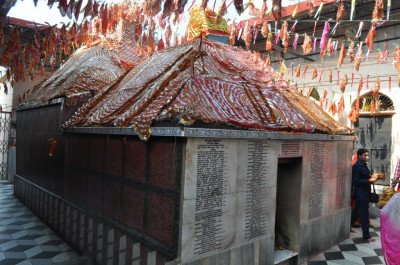
Gaya
Some quick example text to build on the card title and make up the bulk of the card's content.
Go somewhere
Golghar
Some quick example text to build on the card title and make up the bulk of the card's content.
Go somewhere
Madhubani
Some quick example text to build on the card title and make up the bulk of the card's content.
Go somewhere
Mithila
Some quick example text to build on the card title and make up the bulk of the card's content.
Go somewhere
Munger
Some quick example text to build on the card title and make up the bulk of the card's content.
Go somewherein Other Cities