
Mysore
General information
-
Ideal Duration:
2-3 DaysPlace Type:
Heritage & HistoryEntry Fees:
Mysore Palace: 100 INR for Indian adults; higher for foreigners; kids under 10 are free.
Mysore Zoo: 100 INR on weekdays, 120 INR on weekends for adults.
Brindavan Gardens: 50 INR per person; extra for c...Mysore Palace: 100 INR for Indian adults; higher for foreigners; kids under 10 are free.
Mysore Zoo: 100 INR on weekdays, 120 INR on weekends for adults.
Brindavan Gardens: 50 INR per person; extra for camera usage.
:Timing:
Regular Timings: Mysore Palace is open from 10:00 AM to 5:30 PM daily.
Best Visit Time: Visit during the evening for the palace illumination (Sundays/Holidays 7-8 PM).
:...Regular Timings: Mysore Palace is open from 10:00 AM to 5:30 PM daily.
Best Visit Time: Visit during the evening for the palace illumination (Sundays/Holidays 7-8 PM).
:Special Events:
Mysore Dasara: A 10-day celebration in October featuring a grand "Jumboo Savari" procession.
Flower Show: Held at Kuppanna Park during festivals, displaying incredible floral sculptures.
:...Mysore Dasara: A 10-day celebration in October featuring a grand "Jumboo Savari" procession.
Flower Show: Held at Kuppanna Park during festivals, displaying incredible floral sculptures.
:Best Photo Spots:
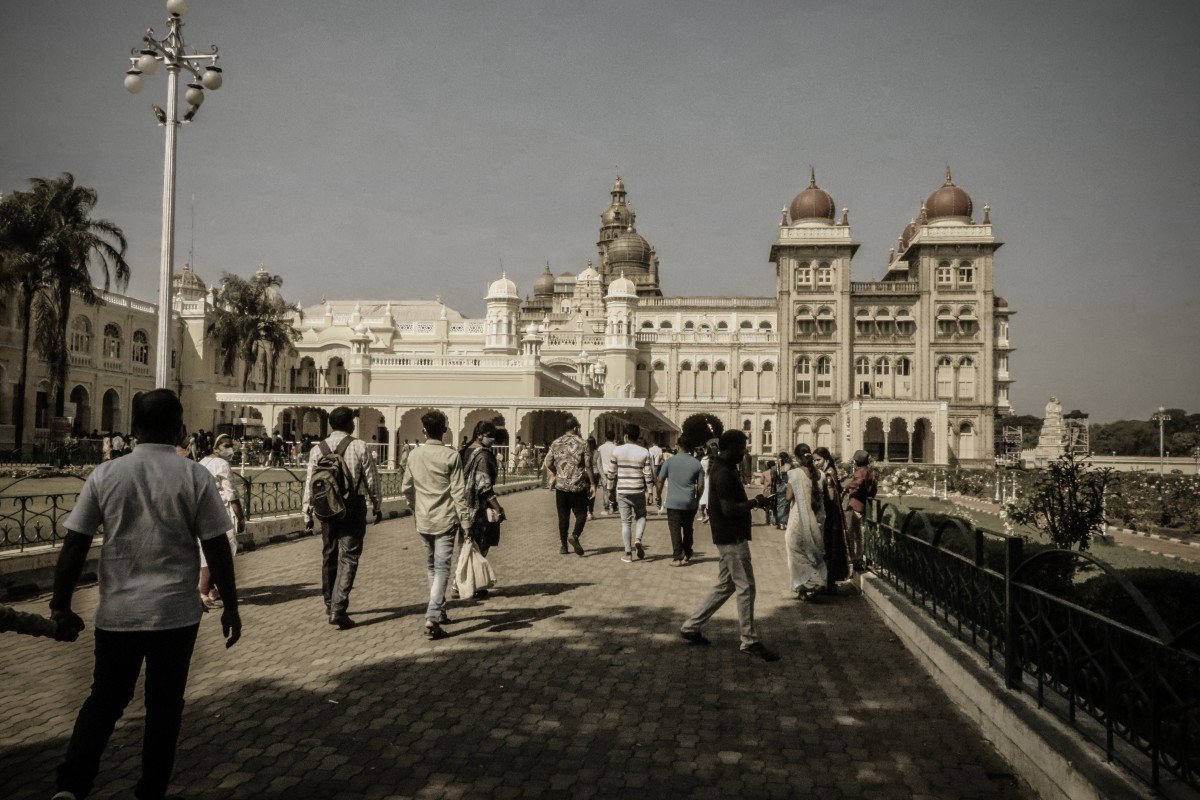
Palace Lighting: On Sundays at 7:00 PM when the palace is lit with nearly 100,000 bulbs.
Chamundi Viewpoint: For a sweeping view of the city skyline during sunset.
Brindavan Gardens: The symmetrical layout ...Palace Lighting: On Sundays at 7:00 PM when the palace is lit with nearly 100,000 bulbs.
Chamundi Viewpoint: For a sweeping view of the city skyline during sunset.
Brindavan Gardens: The symmetrical layout of the gardens and fountains provides excellent framing.
:Photo Gallery


Things To Do
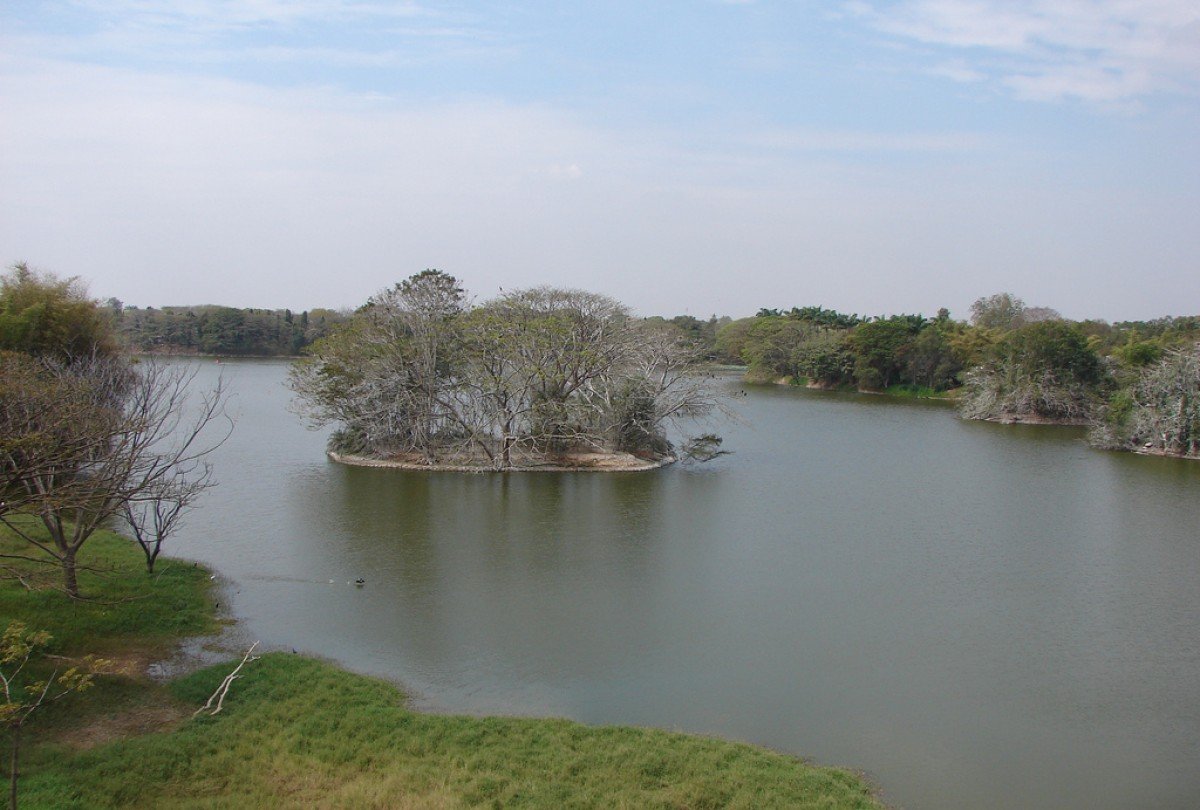
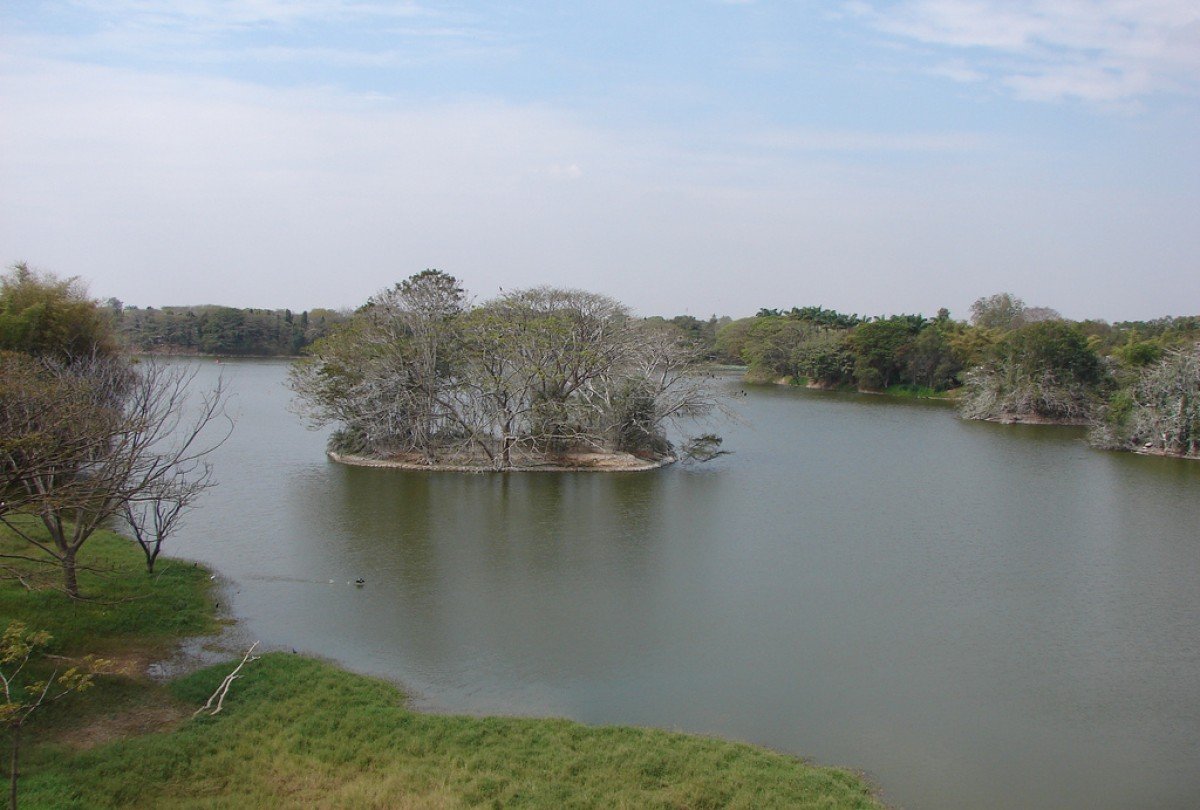
 Sri Chamarajendra Zoological Gardens, popularly known as the Mysore Zoo, is one of the most famous and oldest zoos in India. Established in 1892 by Maharaja Chamarajendra Wadiyar X, it was initially a private zoo for the royal family but was opened to the public in 1920. Spanning over 157 acres, the zoo is home to a diverse range of animals and birds from across the globe. It is renowned for its conservation efforts and the successful breeding of endangered species. The zoo's layout is meticulously planned, with spacious and naturalistic enclosures that mimic the animals' original habitats. Visitors can see a variety of big cats, including tigers, lions, leopards, and jaguars. The zoo is also home to African and Asian elephants, giraffes, zebras, and rhinoceroses. One of its unique features is the large number of primates, including gorillas, chimpanzees, and orangutans. For bird enthusiasts, there is an expansive walk-through aviary and sections dedicated to exotic birds like macaws, ostriches, and emus. The zoo also manages the nearby Karanji Lake, which adds to the ecological richness of the area. The management places a strong emphasis on cleanliness and animal welfare, making it a model for other zoos in the country. Educational programs and an "Adopt an Animal" scheme allow the public to contribute to conservation. Walking through the zoo's lush green pathways is a refreshing experience for families and nature lovers alike. It is conveniently located near the Mysore Palace, making it a staple on every tourist's itinerary. The zoo also features a museum that provides information about wildlife and history. With its rich history and commitment to biodiversity, the Mysore Zoo remains a premier destination for wildlife education and recreation in Karnataka. It attracts millions of visitors annually, providing an essential link between urban residents and the natural world.
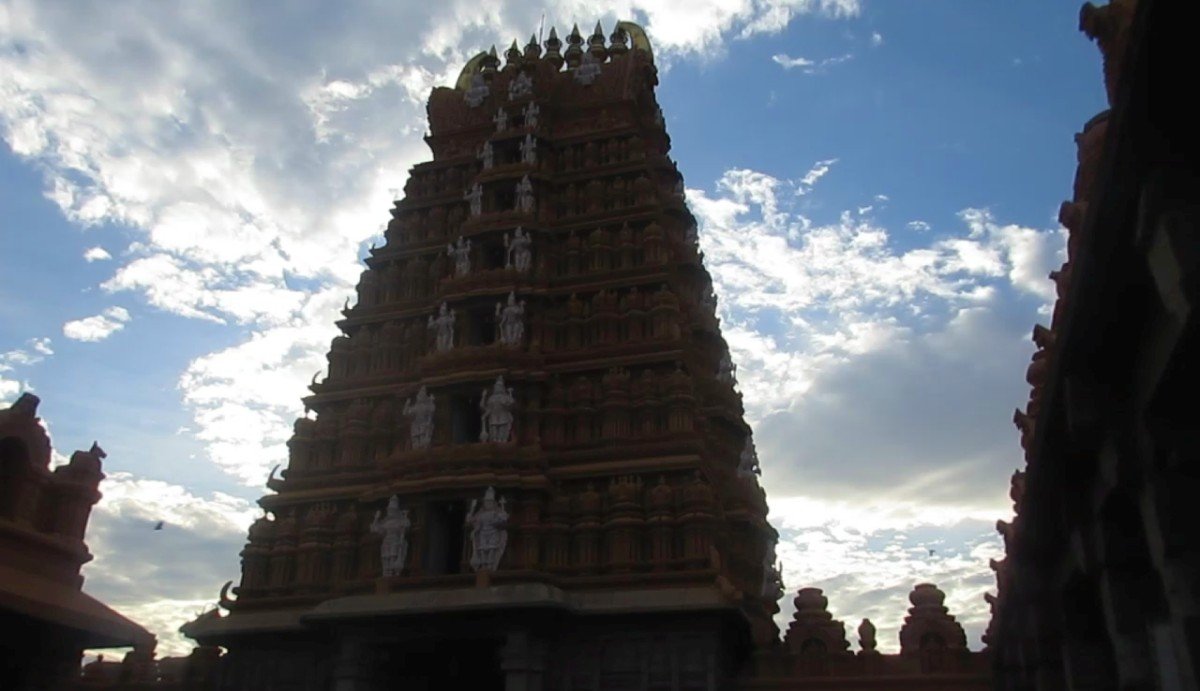
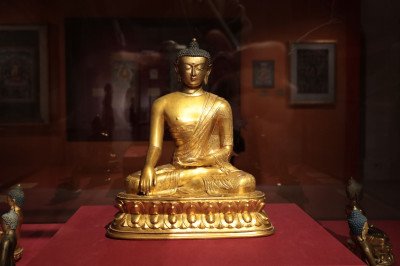
 @@History and Significance: This temple, dedicated to Goddess Chamundeshwari, the family deity of the Mysore Royal Family (the Wadiyars), is a vital spiritual site. It is believed that the Goddess slayed the buffalo-headed demon Mahishasura here, giving Mysore its name. The original temple is ancient, but the current structure owes much to the patronage and renovation by the Wadiyar rulers, especially Krishnaraja Wodeyar III in 1827. The setting atop Chamundi Hills offers a unique blend of spirituality and scenic beauty. It is most crowded during Navaratri and Dasara, when special poojas and processions are held. The 1,000 steps leading up the hill, built by Dodda Devaraja Wodeyar in 1659, are a popular path for pilgrims and fitness enthusiasts. The place has two other ancient temples, the Mahabaleswara and Lakshmi Narayana Swamy temples. The sheer size of the Nandi statue on the way is a major draw.:
 @@Historical Significance: The Rail Museum in Mysore is a captivating journey through the evolution of the Indian railway network. Established in 1979 by the Indian Railways, it is the second such museum in the country after the National Rail Museum in Delhi. This museum serves as a dedicated space to preserve the mechanical wonders of a bygone era. Visitors can witness a vast collection of vintage locomotives, royal carriages, and technical equipment that once powered the nation's transport system. The museum provides an educational experience for children and a nostalgic trip for adults, showcasing how the steam engines transitioned into the modern electric systems we see today. The meticulously maintained outdoor exhibits allow for an immersive experience where one can walk through history. It captures the essence of the Maharajas' private travels and the industrial growth of Karnataka. The lush green surroundings add to the charm, making it a peaceful retreat within the city limits. The museum is a testament to the engineering brilliance of the late 19th and early 20th centuries, documenting the lifeline of the Indian economy.
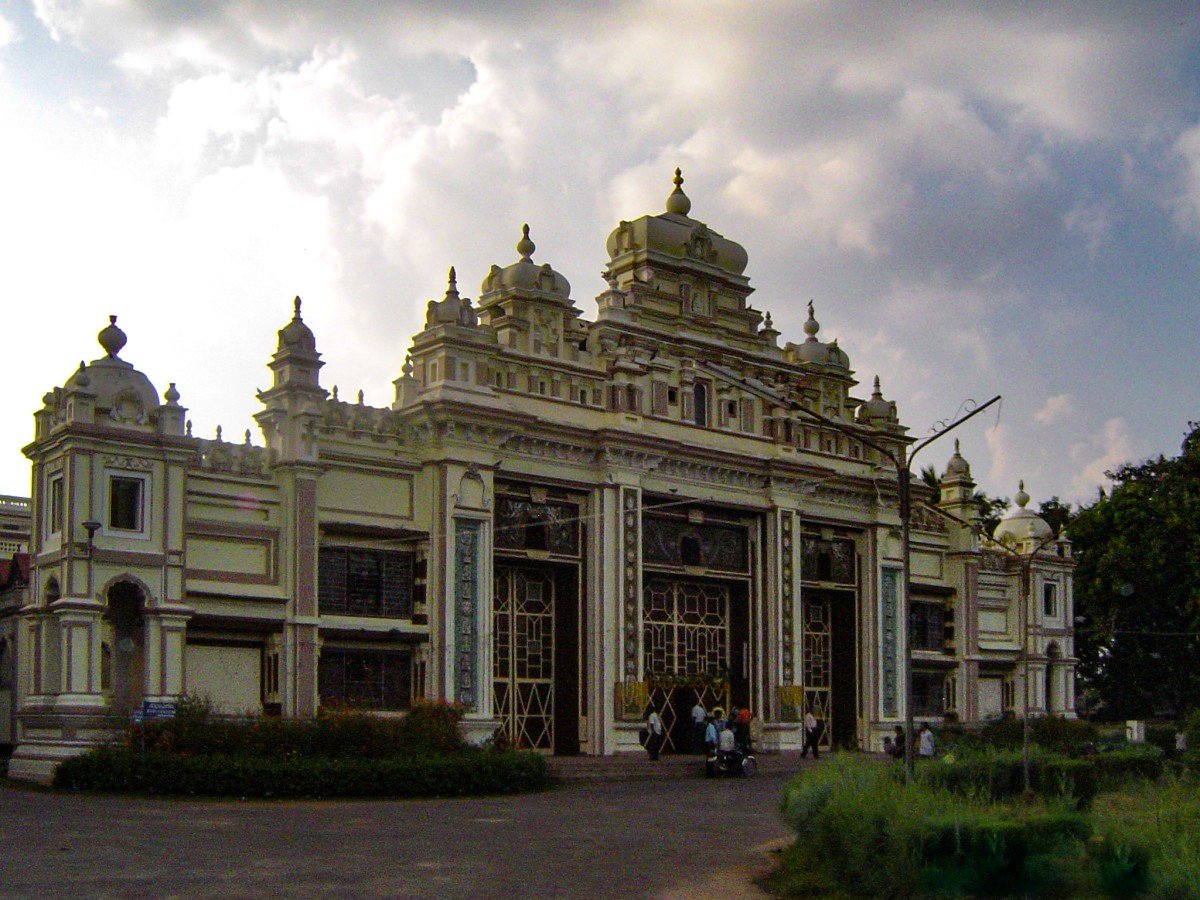
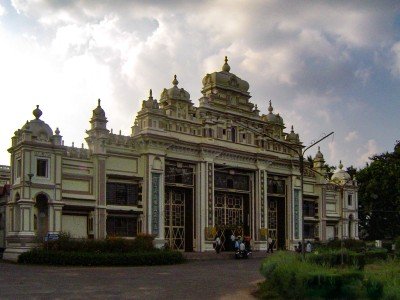 @@Art, History, and Royalty: Constructed in 1861 by Maharaja Krishnaraja Wodeyar III, the Jaganmohan Palace served as a temporary residence for the royal family between 1897 and 1912 after the main Mysore Palace was destroyed by fire. It is one of the oldest buildings in Mysore. In 1915, it was converted into the Jayachamarajendra Art Gallery, a repository of invaluable artifacts and over 2,000 artworks. The collection includes magnificent paintings from the Mysore, Mughal, and Shantiniketan schools of art, most notably the stunning "Glow of Hope" by Raja Ravi Varma and other works by the Tagore family. The palace hall was historically significant, hosting the coronation of Krishnaraja Wodeyar IV and the first sessions of the Legislative Council. It stands today as a tribute to the artistic and historical richness of the Wodeyar era.:
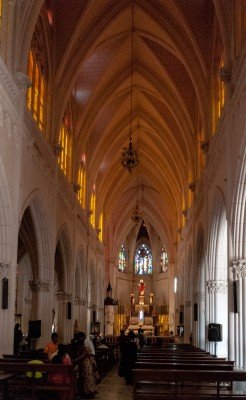 @@Architectural Splendor: St. Philomena's Cathedral is one of the tallest churches in India and a majestic landmark of Mysore. Built in 1936, its design was inspired by the Cologne Cathedral in Germany. The church is dedicated to Saint Philomena, a Latin Catholic saint and martyr. The twin spires of the church rise to a height of 175 feet, dominating the city’s skyline. The floor plan is designed in the shape of a cross (Cruciform). The interior is adorned with beautiful stained-glass windows depicting scenes from the life of Christ, the Last Supper, and the Crucifixion. Below the main altar lies a catacomb where a relic of the saint is preserved. The cathedral stands as a symbol of the secular heritage of Mysore, as it was built under the patronage of the Maharaja of Mysore, Mummadi Krishnaraja Wadiyar. The atmosphere inside is one of deep peace and reverence, drawing thousands of devotees and tourists daily. The cathedral underwent major restoration recently to preserve its lime-mortar structure. It remains a functioning place of worship and a masterpiece of Neo-Gothic architecture in Asia.
@@Architectural Grandeur and Regal Hospitality: Commissioned by Maharaja Krishnaraja Wodeyar IV in 1921, the Lalitha Mahal Palace was originally built to serve as a guesthouse for the Viceroy of India and other European royal guests. It is the second largest palace in Mysore. Designed by E.W. Fritchley, the architecture is a stunning blend of Renaissance and Palladian styles, heavily influenced by St. Paul's Cathedral in London and Italian palazzi. The palace was converted into a luxury heritage hotel in 1974 and is managed by the ITDC (India Tourism Development Corporation). Its white marble structure, the colossal dome, grand staircase, and opulent interiors—featuring Belgian crystal chandeliers, Persian carpets, and rich wooden paneling—offer visitors a chance to experience the height of royal luxury and historical grandeur, even if only for a brief visit or meal.:
Nagarhole National Park, officially known as Rajiv Gandhi National Park, is one of India's premier tiger reserves and a part of the Nilgiri Biosphere Reserve. Located about 90 KM from Mysore, it spans across the districts of Kodagu and Mysuru. The park gets its name from the river "Nagarhole" (Nag-snake, Hole-river) that snakes through its dense forests. It was once the exclusive hunting ground for the Wadiyar kings of Mysore. The park is famous for its high density of tigers and is one of the best places in the world to see the Asiatic Elephant. The landscape is a mix of deciduous forests, small streams, hills, and valleys. Apart from tigers and elephants, the park is home to leopards, wild dogs (dholes), sloth bears, and gaurs (Indian bison). It also hosts a variety of deer, including sambar and spotted deer. For birdwatchers, Nagarhole is a paradise with over 270 species of birds, including the rare Malabar Trogon and the Crested Serpent Eagle. The park is bordered by the Kabini River, which separates it from Bandipur National Park. The backwaters of the Kabini Dam are a major attraction, especially in summer when large herds of elephants gather on the banks. The park offers various safari options, including jeep safaris and bus safaris conducted by the Forest Department. There are also boat safaris on the Kabini River, which provide a unique perspective of the wildlife. Conservation efforts here are robust, aimed at protecting the habitat and preventing human-animal conflict. Staying in one of the forest lodges or nearby resorts provides an immersive jungle experience. The tranquility of the forest, broken only by the calls of birds and monkeys, makes it a perfect escape from city life. Visitors are expected to follow strict rules to maintain the ecological balance of this protected area.Show All
@@Architectural Splendor: St. Philomena's Cathedral is one of the tallest churches in India and a majestic landmark of Mysore. Built in 1936, its design was inspired by the Cologne Cathedral in Germany. The church is dedicated to Saint Philomena, a Latin Catholic saint and martyr. The twin spires of the church rise to a height of 175 feet, dominating the city’s skyline. The floor plan is designed in the shape of a cross (Cruciform). The interior is adorned with beautiful stained-glass windows depicting scenes from the life of Christ, the Last Supper, and the Crucifixion. Below the main altar lies a catacomb where a relic of the saint is preserved. The cathedral stands as a symbol of the secular heritage of Mysore, as it was built under the patronage of the Maharaja of Mysore, Mummadi Krishnaraja Wadiyar. The atmosphere inside is one of deep peace and reverence, drawing thousands of devotees and tourists daily. The cathedral underwent major restoration recently to preserve its lime-mortar structure. It remains a functioning place of worship and a masterpiece of Neo-Gothic architecture in Asia.
@@Architectural Grandeur and Regal Hospitality: Commissioned by Maharaja Krishnaraja Wodeyar IV in 1921, the Lalitha Mahal Palace was originally built to serve as a guesthouse for the Viceroy of India and other European royal guests. It is the second largest palace in Mysore. Designed by E.W. Fritchley, the architecture is a stunning blend of Renaissance and Palladian styles, heavily influenced by St. Paul's Cathedral in London and Italian palazzi. The palace was converted into a luxury heritage hotel in 1974 and is managed by the ITDC (India Tourism Development Corporation). Its white marble structure, the colossal dome, grand staircase, and opulent interiors—featuring Belgian crystal chandeliers, Persian carpets, and rich wooden paneling—offer visitors a chance to experience the height of royal luxury and historical grandeur, even if only for a brief visit or meal.:
Nagarhole National Park, officially known as Rajiv Gandhi National Park, is one of India's premier tiger reserves and a part of the Nilgiri Biosphere Reserve. Located about 90 KM from Mysore, it spans across the districts of Kodagu and Mysuru. The park gets its name from the river "Nagarhole" (Nag-snake, Hole-river) that snakes through its dense forests. It was once the exclusive hunting ground for the Wadiyar kings of Mysore. The park is famous for its high density of tigers and is one of the best places in the world to see the Asiatic Elephant. The landscape is a mix of deciduous forests, small streams, hills, and valleys. Apart from tigers and elephants, the park is home to leopards, wild dogs (dholes), sloth bears, and gaurs (Indian bison). It also hosts a variety of deer, including sambar and spotted deer. For birdwatchers, Nagarhole is a paradise with over 270 species of birds, including the rare Malabar Trogon and the Crested Serpent Eagle. The park is bordered by the Kabini River, which separates it from Bandipur National Park. The backwaters of the Kabini Dam are a major attraction, especially in summer when large herds of elephants gather on the banks. The park offers various safari options, including jeep safaris and bus safaris conducted by the Forest Department. There are also boat safaris on the Kabini River, which provide a unique perspective of the wildlife. Conservation efforts here are robust, aimed at protecting the habitat and preventing human-animal conflict. Staying in one of the forest lodges or nearby resorts provides an immersive jungle experience. The tranquility of the forest, broken only by the calls of birds and monkeys, makes it a perfect escape from city life. Visitors are expected to follow strict rules to maintain the ecological balance of this protected area.Show All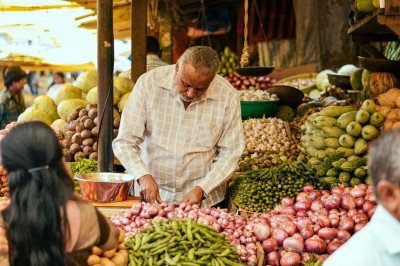 @@A Legacy of Trade and Culture: Devaraja Market is a bustling, colorful, and aromatic centerpiece of Mysore's daily life, dating back to the reign of Tipu Sultan (18th century) and later named after Dodda Devaraja Wodeyar in 1925. It's not just a place of commerce but a living example of a traditional Indian market. Spread across 3.67 acres, it features open-air stalls and shops arranged along three main aisles. The market is famed for its artistic display of flowers, fruits, vegetables, conical piles of vibrant kumkum (color powder), traditional spices, incense, and essential oils like Mysore Sandalwood oil. The structure itself is a heritage landmark with wooden rafters and stone masonry walls, although it has faced structural challenges over the years. It offers an authentic glimpse into the city's commercial and social fabric, making it a favorite for tourists and photographers.:
Information
-
Why Famous:
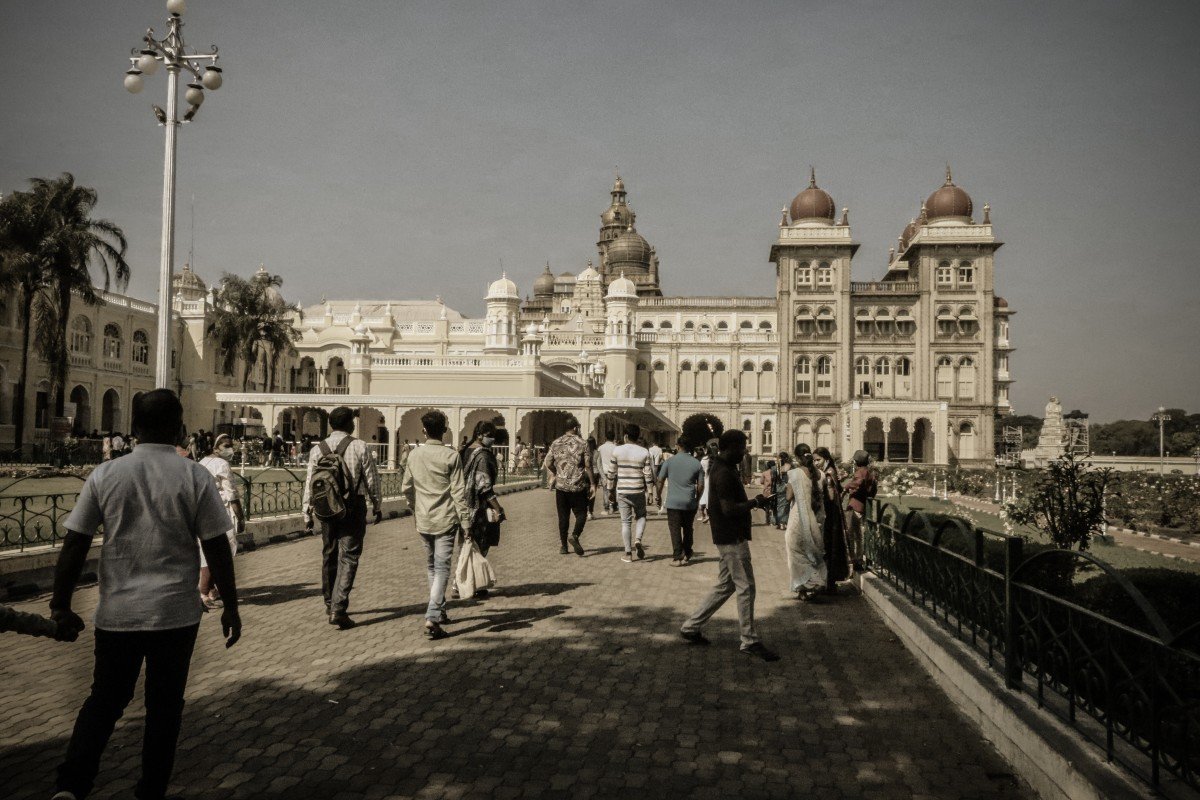
Royal Palace: The Amba Vilas Palace is one of the most visited monuments in India, famous for its lightings.
Dasara Festival: The state festival featuring a grand procession with decorated elephants.
Mysore Sil...Royal Palace: The Amba Vilas Palace is one of the most visited monuments in India, famous for its lightings.
Dasara Festival: The state festival featuring a grand procession with decorated elephants.
Mysore Silk: Renowned globally for its pure silk sarees with gold zari work.
: -
Architecture:
Place Architecture:
Dimension: The Mysore Palace measures 245 feet in length, 156 feet in width, and the central dome rises to 145 feet. It is built in the Indo-Saracenic style, blending Hindu, Muslim, Rajput, and Gothic elements. The exter...Place Architecture:
Dimension: The Mysore Palace measures 245 feet in length, 156 feet in width, and the central dome rises to 145 feet. It is built in the Indo-Saracenic style, blending Hindu, Muslim, Rajput, and Gothic elements. The exterior features fine grey granite, while the interior is adorned with pink marble and stained glass. The Kalyana Mantapa (marriage hall) features a spectacular peacock-themed octagonal dome.
: -
How To Reach:
By Air: Mysore Airport (Mandakalli) has limited flights; Bangalore International Airport (185 km) is the main hub.
By Train: Mysore Junction is a major railhead with frequent "Shatabdi" and "Express" trains from Bangalore.By Air: Mysore Airport (Mandakalli) has limited flights; Bangalore International Airport (185 km) is the main hub.
By Train: Mysore Junction is a major railhead with frequent "Shatabdi" and "Express" trains from Bangalore.
By Road: Well-connected via the 10-lane Bangalore-Mysore Expressway, taking about 2. 5 to 3 hours.
Local Transport: "City Bus" services are excellent; "Tongas" (horse carriages) are available for heritage rides.
: -
Weather and Best Time to Visit:
Best Time Visit:
Winter Season: October to March is ideal for sightseeing as the weather is cool and pleasant.
Monsoon Season: July to September makes the gardens lush, though outdoor activities might be inte...Best Time Visit:
Winter Season: October to March is ideal for sightseeing as the weather is cool and pleasant.
Monsoon Season: July to September makes the gardens lush, though outdoor activities might be interrupted.
: -
Near Tourist Places:
Srirangapatna (15km), Nanjanagud (23km), Bandipur (75km), Somnathpur (35km), Talakadu (45km), Melukote (50km), Brindavan Gardens (20km), Shivanasamudra (75km), Coorg (120km), Waynad (130km)
Tourism Tips
-
Health & Safety: The city is very safe for solo travelers; drink bottled water from reputable brands.
Packing: Comfortable walking shoes are a must; carry an umbrella for the afternoon sun.
Accommodation:...Health & Safety: The city is very safe for solo travelers; drink bottled water from reputable brands.
Packing: Comfortable walking shoes are a must; carry an umbrella for the afternoon sun.
Accommodation: Heritage hotels like Lalitha Mahal offer a royal stay experience.
Etiquette: Photography is strictly prohibited inside the Mysore Palace main building; please follow rules.
:
Reviews
FAQs
Mysore Itineray And Cost:-
Other Places In Karnataka :-
Other States In India :-
Information about New and Updated Locations() of Karnataka Has Been Added :-
Card subtitle
Note:-
Information provided here in good Faith and for reference only.
Near Places
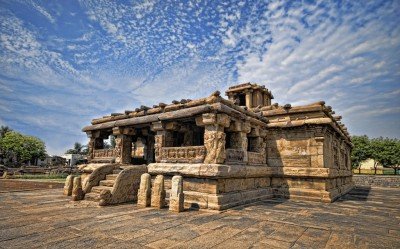
Badami
Some quick example text to build on the card title and make up the bulk of the card's content.
Go somewhere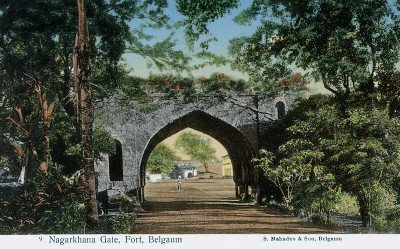
Belagavi
Some quick example text to build on the card title and make up the bulk of the card's content.
Go somewhere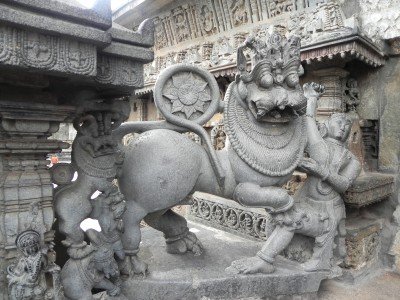
Belur
Some quick example text to build on the card title and make up the bulk of the card's content.
Go somewhere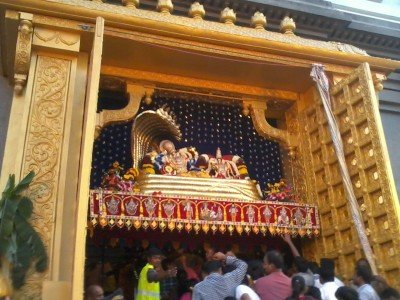
Bengaluru
Some quick example text to build on the card title and make up the bulk of the card's content.
Go somewhere
Bidar
Some quick example text to build on the card title and make up the bulk of the card's content.
Go somewhere
Chamarajanagar
Some quick example text to build on the card title and make up the bulk of the card's content.
Go somewhere
Chikkaballapur
Some quick example text to build on the card title and make up the bulk of the card's content.
Go somewhere
Chikmagalur
Some quick example text to build on the card title and make up the bulk of the card's content.
Go somewhere
Coorg
Some quick example text to build on the card title and make up the bulk of the card's content.
Go somewhere
Dandeli
Some quick example text to build on the card title and make up the bulk of the card's content.
Go somewhere
Davangere
Some quick example text to build on the card title and make up the bulk of the card's content.
Go somewhere
Dharmasthala
Some quick example text to build on the card title and make up the bulk of the card's content.
Go somewhere
Gokarna
Some quick example text to build on the card title and make up the bulk of the card's content.
Go somewhere
Hampi
Some quick example text to build on the card title and make up the bulk of the card's content.
Go somewhere
Hubballi-Dharwad
Some quick example text to build on the card title and make up the bulk of the card's content.
Go somewhere
Kabini
Some quick example text to build on the card title and make up the bulk of the card's content.
Go somewherein Other Cities